landmark
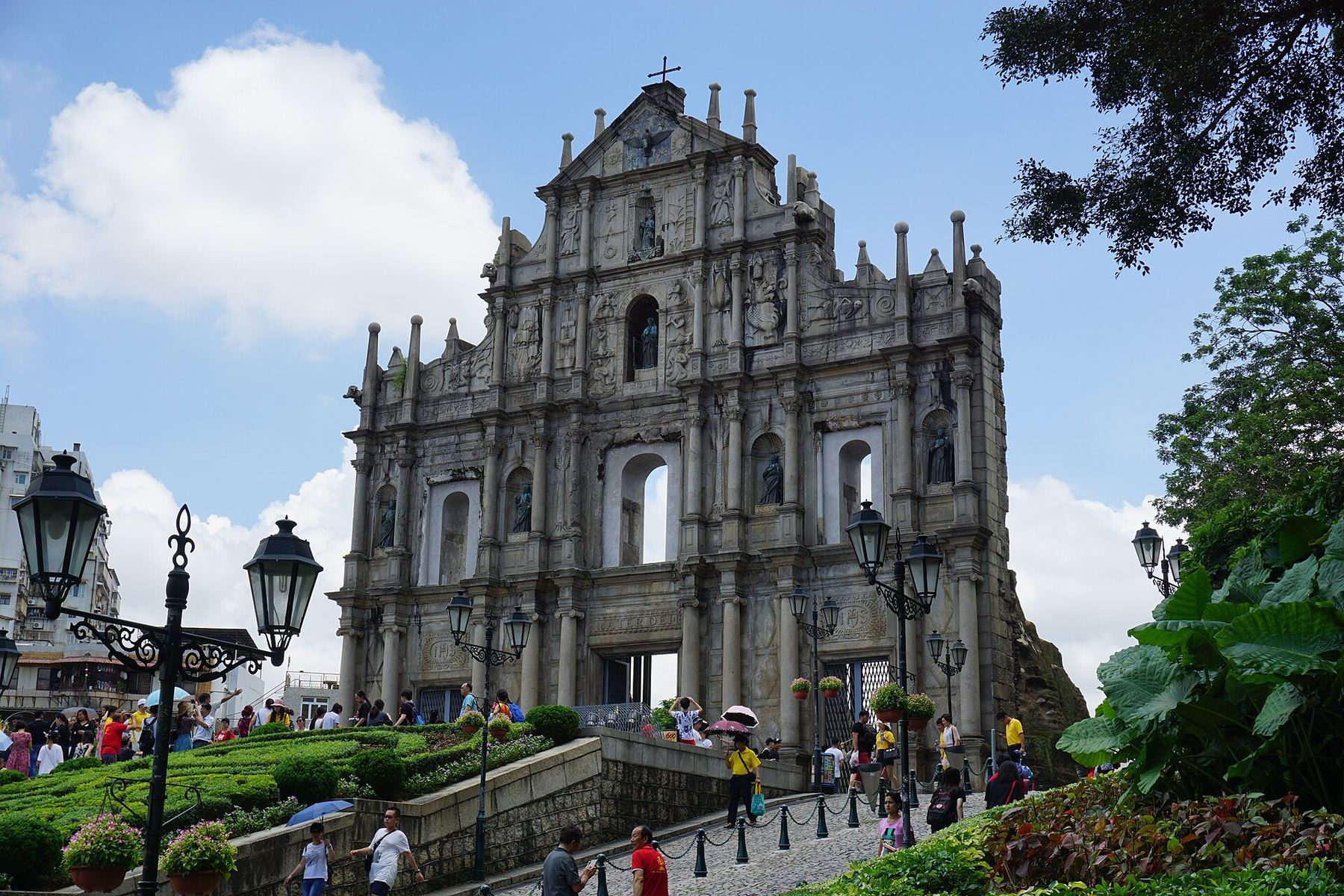
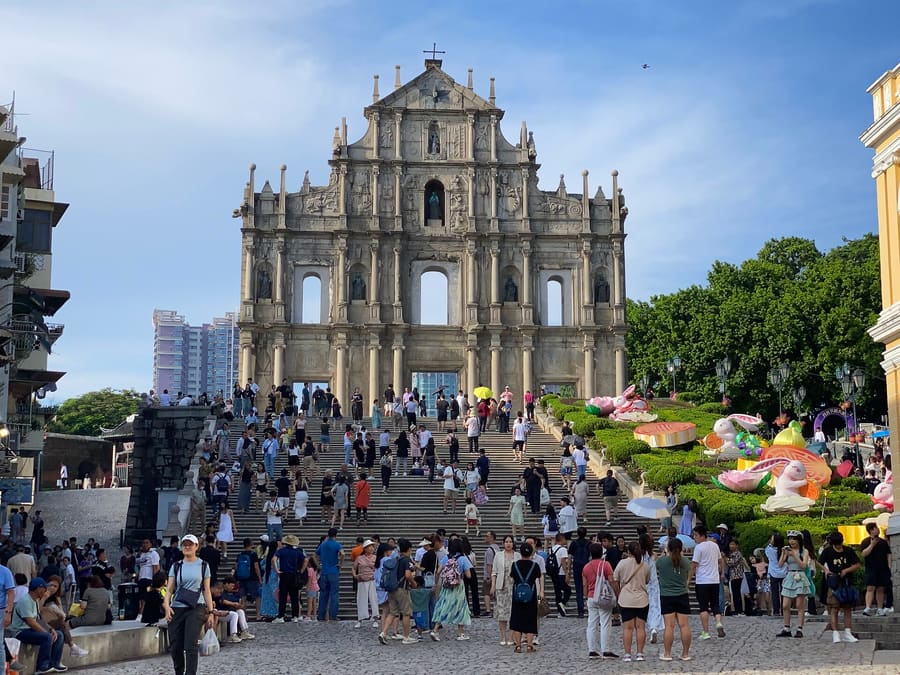
Ruins of St. Paul's
Carved stone facade of a 17th-century Jesuit church. Visit before 09:00 to clear tour groups from your photos.
Pregunta a ParleyRAE de Macao (China)
Portuguese limestone and basalt cobblestones, Cantonese kitchens, and high-stakes tables.
introduction
Macau sits on the western Pearl River Delta, forty miles across the water from Hong Kong. The territory splits into three main zones: the dense Peninsula in the north, reclaimed Cotai in the middle, and sleepy Coloane in the south. You can cross the entire territory in thirty minutes by taxi or casino shuttle. Expect Portuguese cobblestones directly adjacent to thirty-story casino towers.
Free casino shuttle buses
Resort shuttles run between ferry terminals, the airport, and major hotel strips. You do not need a hotel key or casino voucher to ride them.
UNESCO Historic Centre
The UNESCO zone covers 22 historic structures on the Peninsula. You can walk the full central circuit on foot in under three hours.
Dual currency rules
Hong Kong Dollars pass at a 1:1 rate everywhere in Macau. Change is usually returned in Macanese Patacas, which hold no value outside the territory.
Macau
J. Patrick Fischer · CC BY-SA 3.0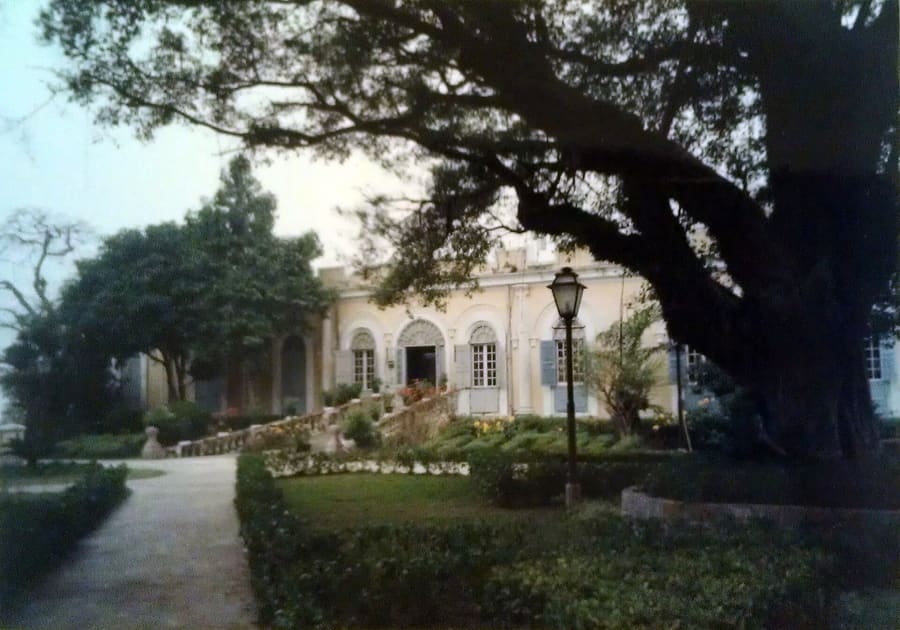
Historic Centre — Colonial Portuguese structures mixed with narrow Cantonese market streets.
Holly Cheng · CC BY-SA 3.0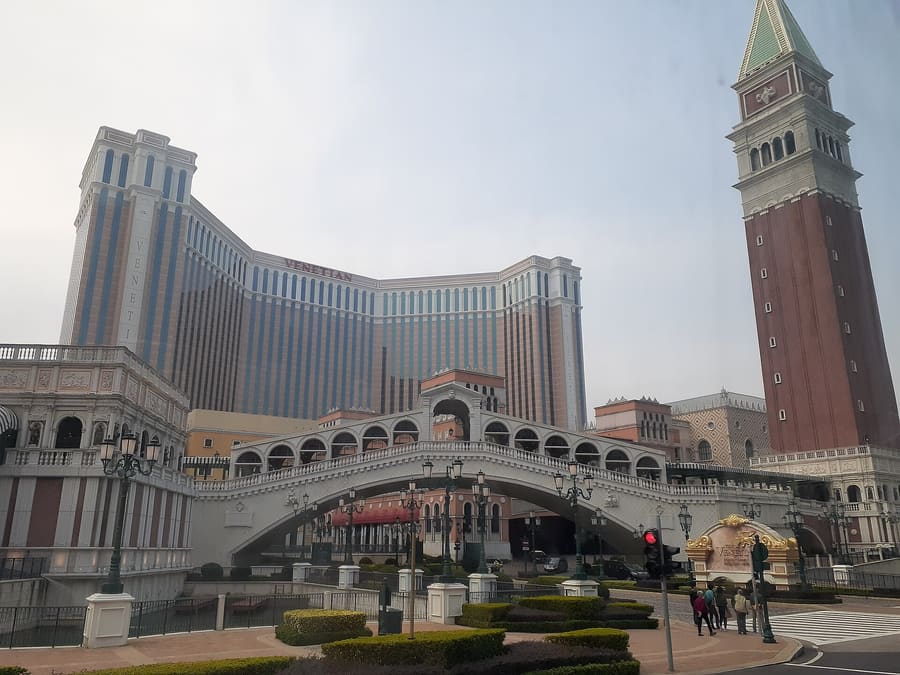
Cotai — High-rise casino complexes, indoor shopping malls, and neon light installations.
Fitsimz Gucoartem · CC BY-SA 4.0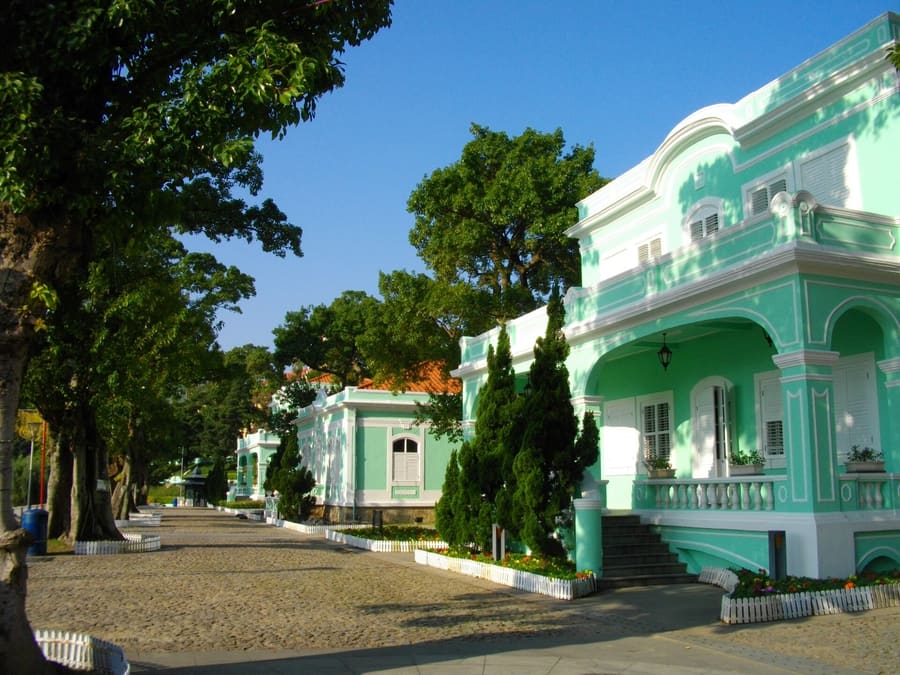
Taipa Village — Pedestrian alleyways with pastel buildings and street food vendors.
Abasaa · Public domain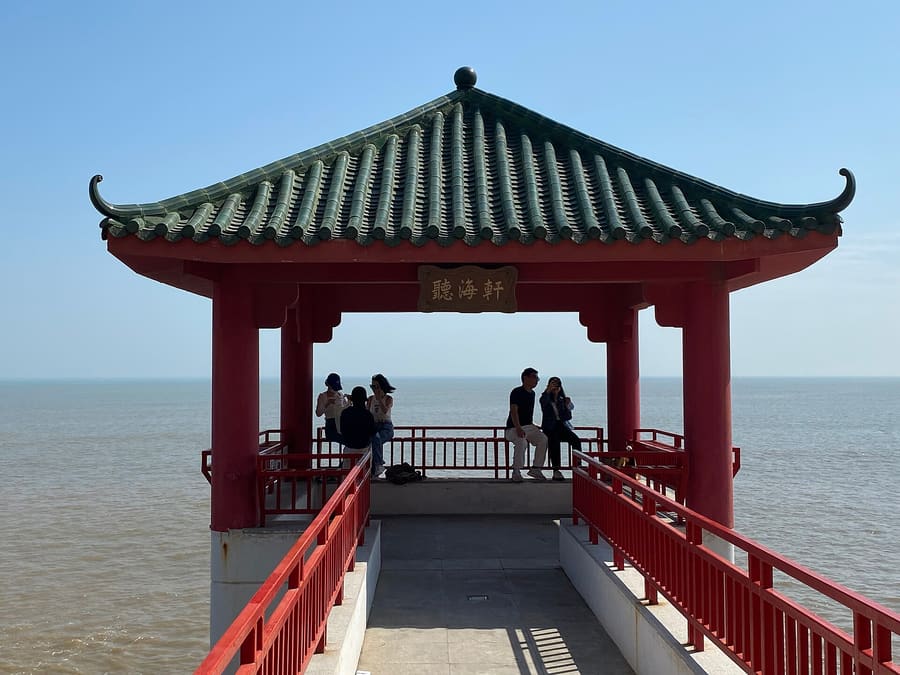
Coloane Village — Slow-paced coastal settlement with low-rise housing and seaside promenades.
LN9267 · CC BY-SA 4.0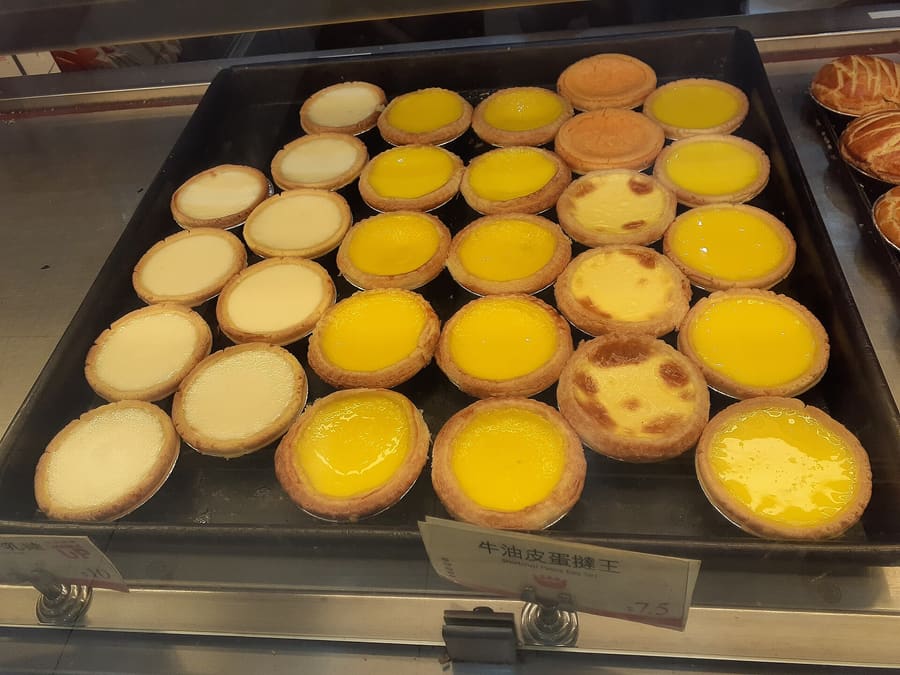
Freshly baked Portuguese egg tarts served straight from the oven.
LNAM Haoi · CC BY-SA 4.0highlights
landmark
Carved stone facade of a 17th-century Jesuit church. Visit before 09:00 to clear tour groups from your photos.
Pregunta a Parley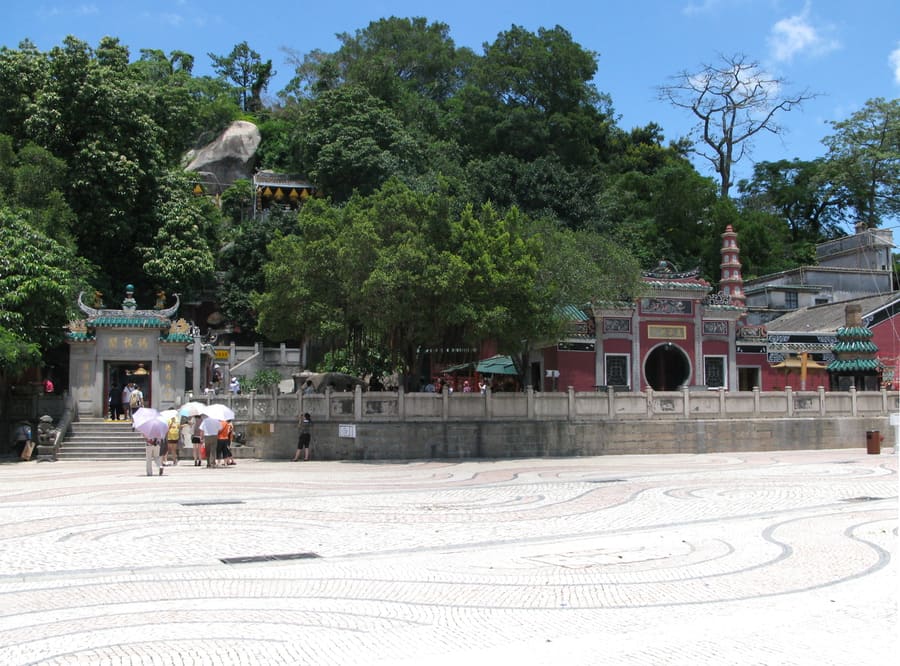
landmark
Taoist temple built in 1488 that gave Macau its modern name. Incense coils burn continuously inside the upper pavilions.
Pregunta a Parley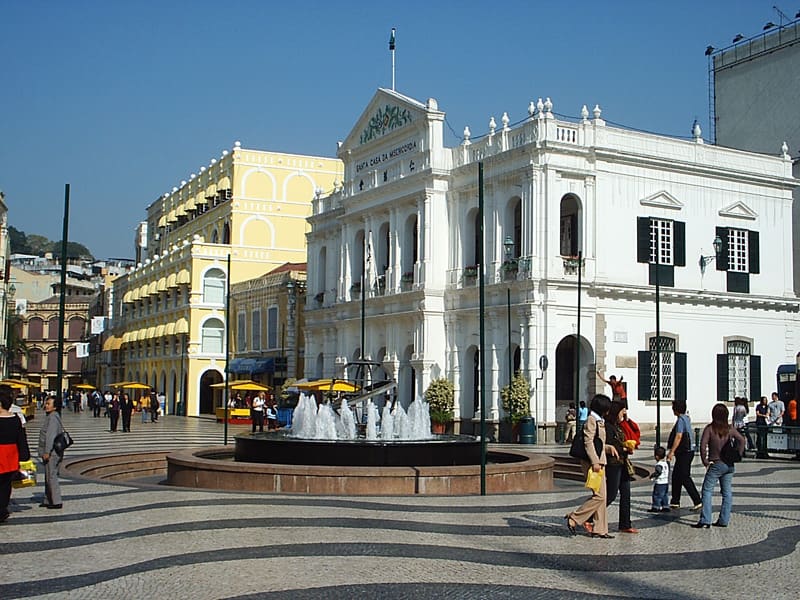
landmark
Public square paved with wave-patterned Portuguese calcada tiles. Main gateway to the central historic shopping streets.
Pregunta a Parley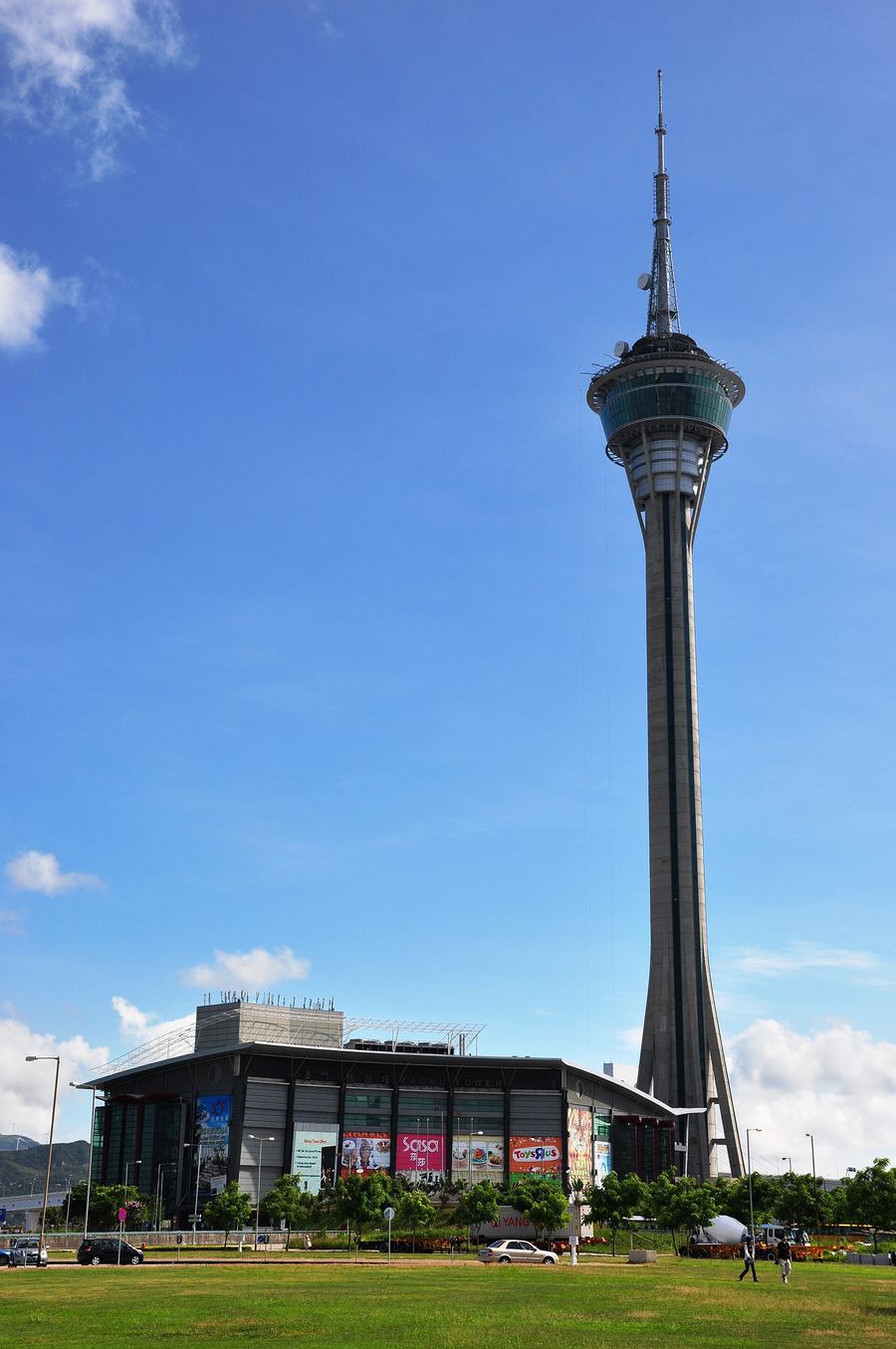
landmark
Observation deck standing 338 meters tall. Offers outdoor skywalks and the world's highest commercial bungee jump.
Pregunta a Parley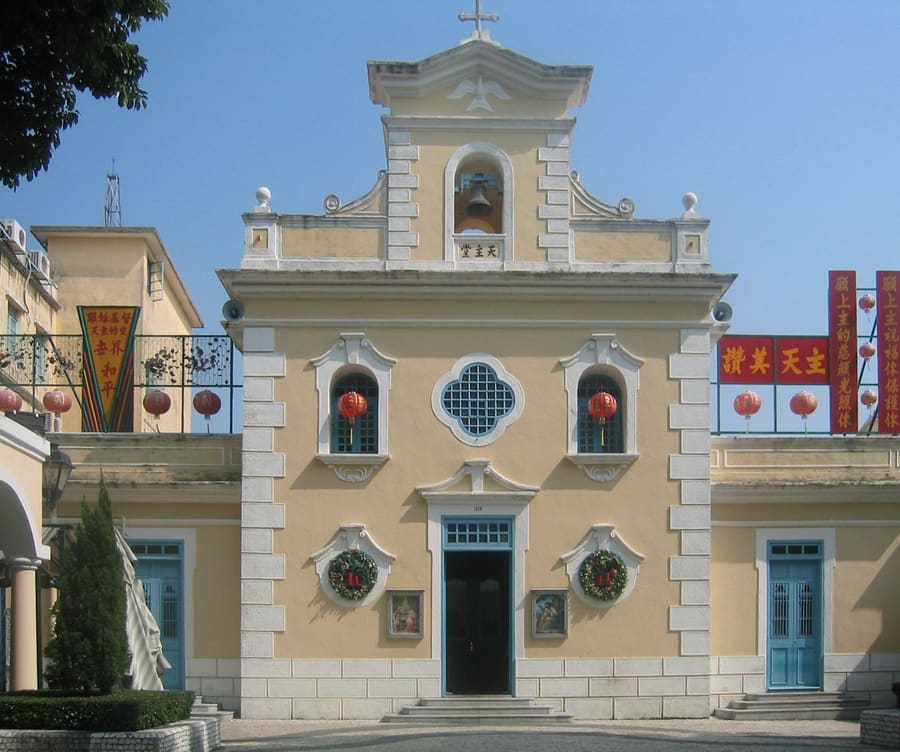
landmark
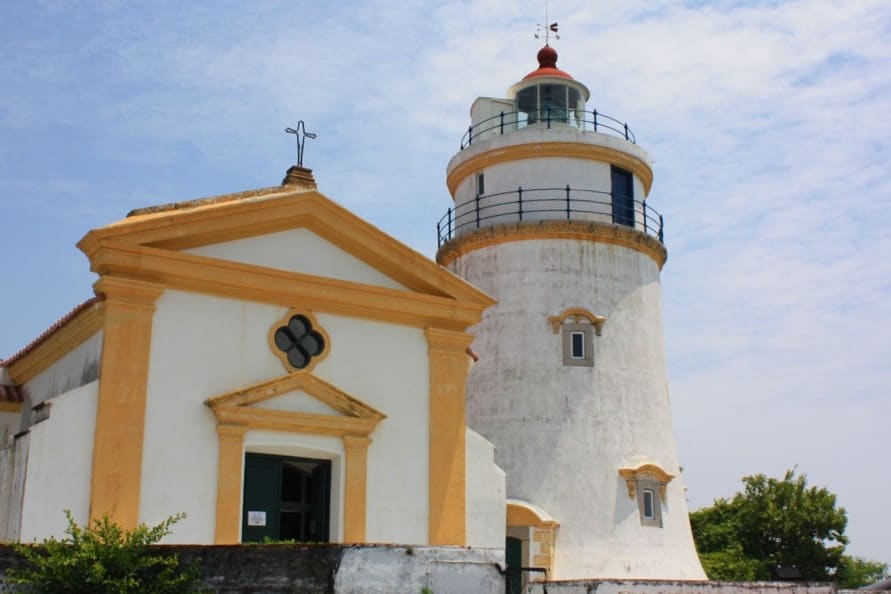
Quiet colonial chapel set back from a mosaic plaza in Coloane. Open daily with small seafood cafes facing the water.
Pregunta a Parleyattractions
areas
Colonial Portuguese structures mixed with narrow Cantonese market streets.
CercaRuins of St. Paul's, Mount Fortress, Senado Square
Pregunta a ParleyHigh-rise casino complexes, indoor shopping malls, and neon light installations.
CercaCotai Strip resorts, Macau Light Rapid Transit line
Pregunta a ParleyPedestrian alleyways with pastel buildings and street food vendors.
CercaRua do Cunha, Taipa Houses–Museum
Pregunta a ParleySlow-paced coastal settlement with low-rise housing and seaside promenades.
CercaLord Stow's Bakery, Hac Sa Beach
Pregunta a Parleyfood
Macanese cuisine blends Portuguese maritime ingredients with Cantonese wok traditions. Traders brought salted cod from Portugal and the Atlantic, while coconut milk and spices were brought from trade stops in Goa and Malacca during the 16th century. Local Cantonese cooks incorporated these goods into domestic family kitchens. The result is a distinct culinary style separate from standard mainland Chinese or Mediterranean cooking.
Freshly baked Portuguese egg tarts served straight from the oven.
LNAM Haoi · CC BY-SA 4.0Minced pork or beef stir-fried with soy sauce, garlic, and tiny fried potato cubes, served over rice with a fried egg.
Lord Stow's Bakery in Coloane bakes these with a flaky puff pastry shell and a scorched egg custard center.
A pan-fried seasoned pork chop tucked into a freshly baked crisp Macanese baguette with no added sauce.
Roasted chicken coated in a savory paste made from peanut, coconut milk, chili, garlic, and paprika.
history
Macau developed as a vital international trade nexus connecting China, Japan, and Europe. Portuguese merchants leased the rocky peninsula from Ming officials in 1557. The colony remained under European control for over four centuries before returning to Chinese governance under a special administrative framework.
Portuguese lease
Portugal leases Macau from Ming dynasty officials as a trading post. It becomes Europe's principal gateway to Southern China.
Treaty of Peking
China signs the Treaty of Peking, formally recognizing Portugal's perpetual occupation and administration of Macau.
Gaming monopoly
Stanley Ho secures exclusive casino gaming rights. Modern hotel and ferry infrastructure rapidly develops under his franchise.
Handover to China
Portugal transfers authority over Macau to China. Macau becomes a Special Administrative Region under the One Country, Two Systems policy.
Casino liberalisation
Macau ends the gaming monopoly and awards operating concessions to foreign resort companies. Cotai land reclamation speeds up.
where to stay
Choose your base based on your daily transit preference. Stay on the Peninsula if you want to walk out of your hotel lobby into historic streets. Choose Cotai if you prefer luxury resort amenities and enclosed air-conditioned spaces.
transport
Macau lacks an extensive underground subway network. Most visitors rely on resort shuttle buses, public city buses, or taxis. The light rail system extends beyond Cotai and the airport to serve the Macau Peninsula via Barra Station.
The Light Rapid Transit line connects Macau Airport, the Taipa Ferry Terminal, and major Cotai resort properties.
Buy a stored-value Macau Pass card at convenience stores to discount public bus fares and skip exact cash change.
Local buses charge a flat fare of MOP 6 per trip. Board at the front door and deposit exact change.
Taxis can be difficult to flag down on Peninsula street corners during peak evening hours. Use hotel taxi stands.
cost
Macau uses the Macanese Pataca (MOP), pegged directly to the Hong Kong Dollar (HKD). Merchants accept HKD banknotes and coins at a one-to-one exchange rate across the territory.
Price per tart at traditional bakeries in Taipa or Coloane.
Flat single fare across all public bus routes without a transit card.
Includes a main dish like minchi or pork chop rice with a drink.
Midweek rates at five-star Cotai properties; weekend rates rise sharply.
seasonality
MAR – MAY
Warm conditions with high humidity and frequent morning fog. Pack light layers and rain protection.
JUN – SEP
Hot, humid weather with occasional typhoon disruptions. Plan indoor transit routes between air-conditioned resorts.
OCT – DEC
Dry weather and moderate temperatures. This is the prime window for outdoor walking tours.
JAN – FEB
Cool and dry climate with occasional chilly winds. Lunar New Year brings heavy mainland travel volume.
practicalities
Small family-run eateries in San Ma Lo do not accept credit cards or mobile payment apps.
Paying in HKD cash often results in change paid back in MOP, which is not accepted in Hong Kong.
Casino security guards require physical passport identification at every gaming floor entry point.
Complimentary bottled water and hot tea are provided on casino floors and inside shuttle waiting areas.
Visitors must be at least 21 years old to enter gaming floors in Macau.