landmark
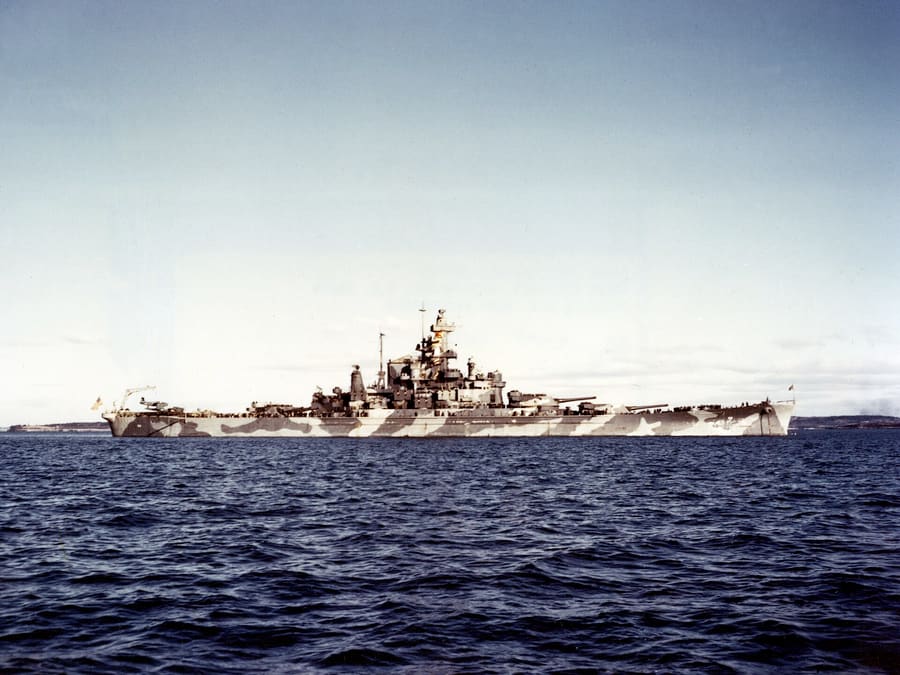
USS Alabama Battleship Memorial Park
Tour a WWII battleship and submarine in Mobile Bay. Arrive early in summer to avoid high temperatures inside the steel decks.
Pregunta a ParleyEstados Unidos
Alabama's port city of Mardi Gras and Gulf coast trade
introduction
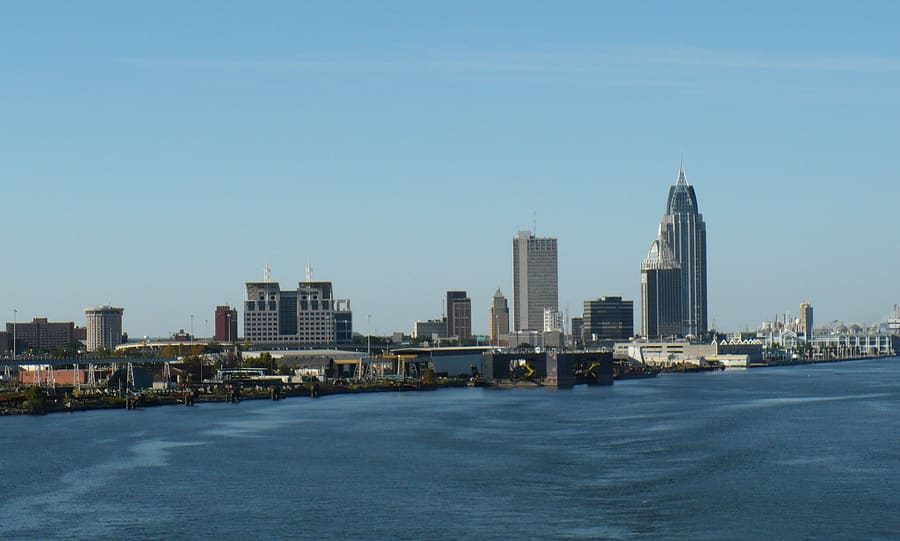
Mobile is a working port city defined by water, French roots, and Gulf Coast seafood. You move through a tight grid of 19th-century downtown blocks surrounded by industrial riverfronts and suburban bayous. Expect warm, humid air most of the year and quiet evenings once business hours end outside the main dining strips.
Airport connection
Mobile Regional Airport sits 13 miles west of downtown. Driving takes 25 minutes along Airport Boulevard, which backs up heavily during peak hours.
Birthplace of Mardi Gras
Mobile hosted North America's first French Mardi Gras in 1703. The city predates New Orleans' celebrations by over fifteen years.
Mobile
Altairisfar · Public domain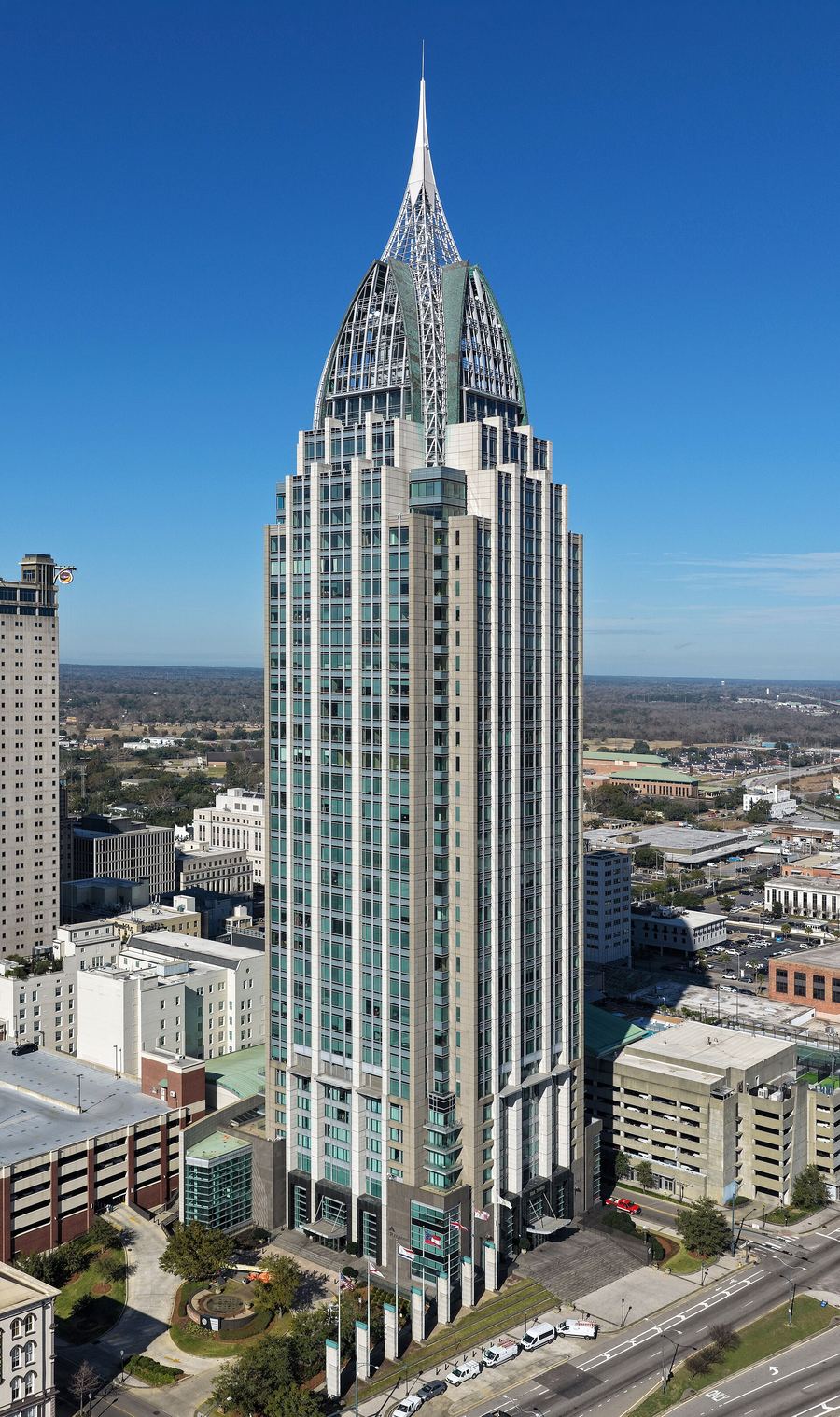
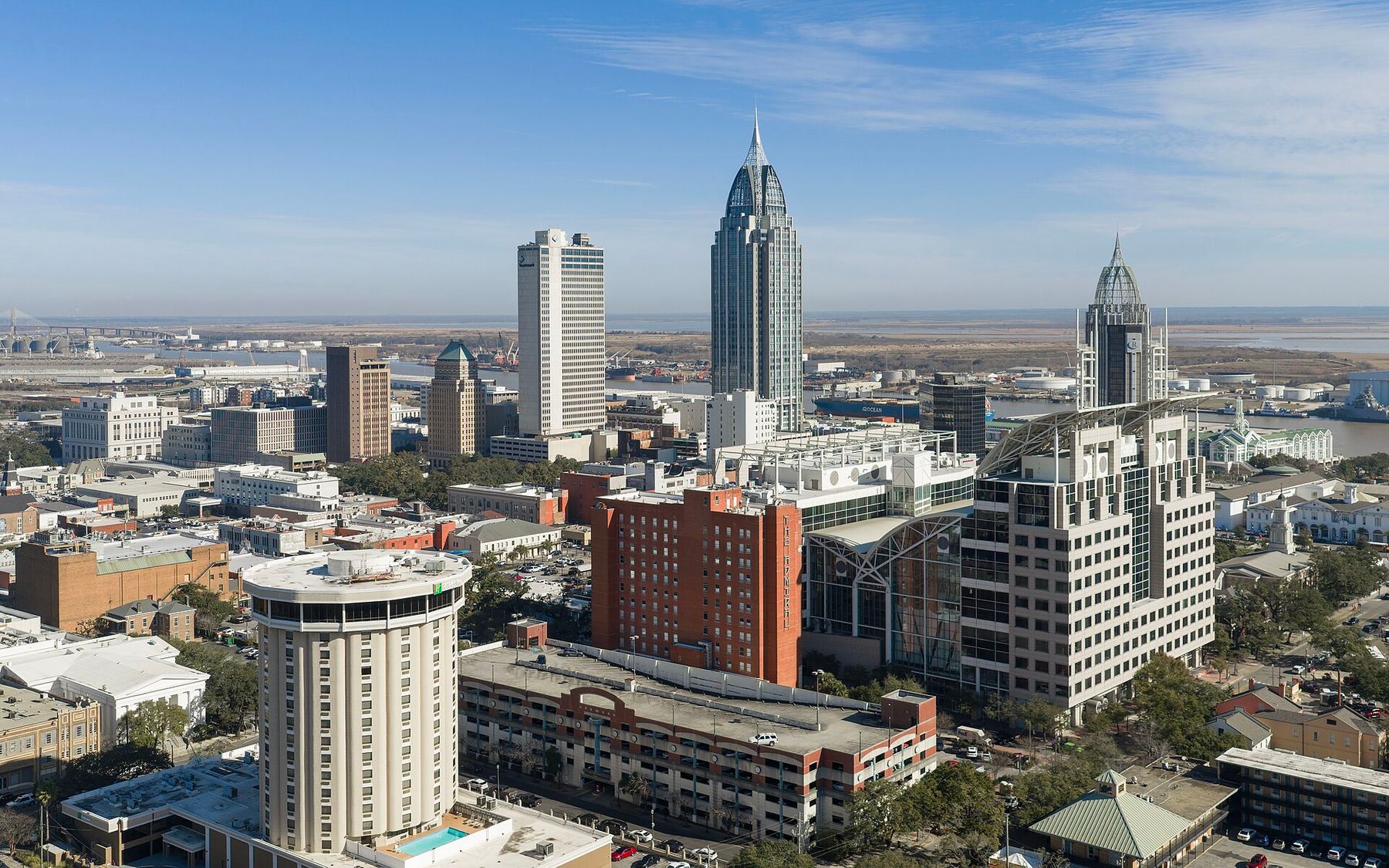
Downtown Mobile — Walkable grid centered on Dauphin Street with restaurants, cocktail lounges, and hotel towers.
Quintin Soloviev · CC BY 4.0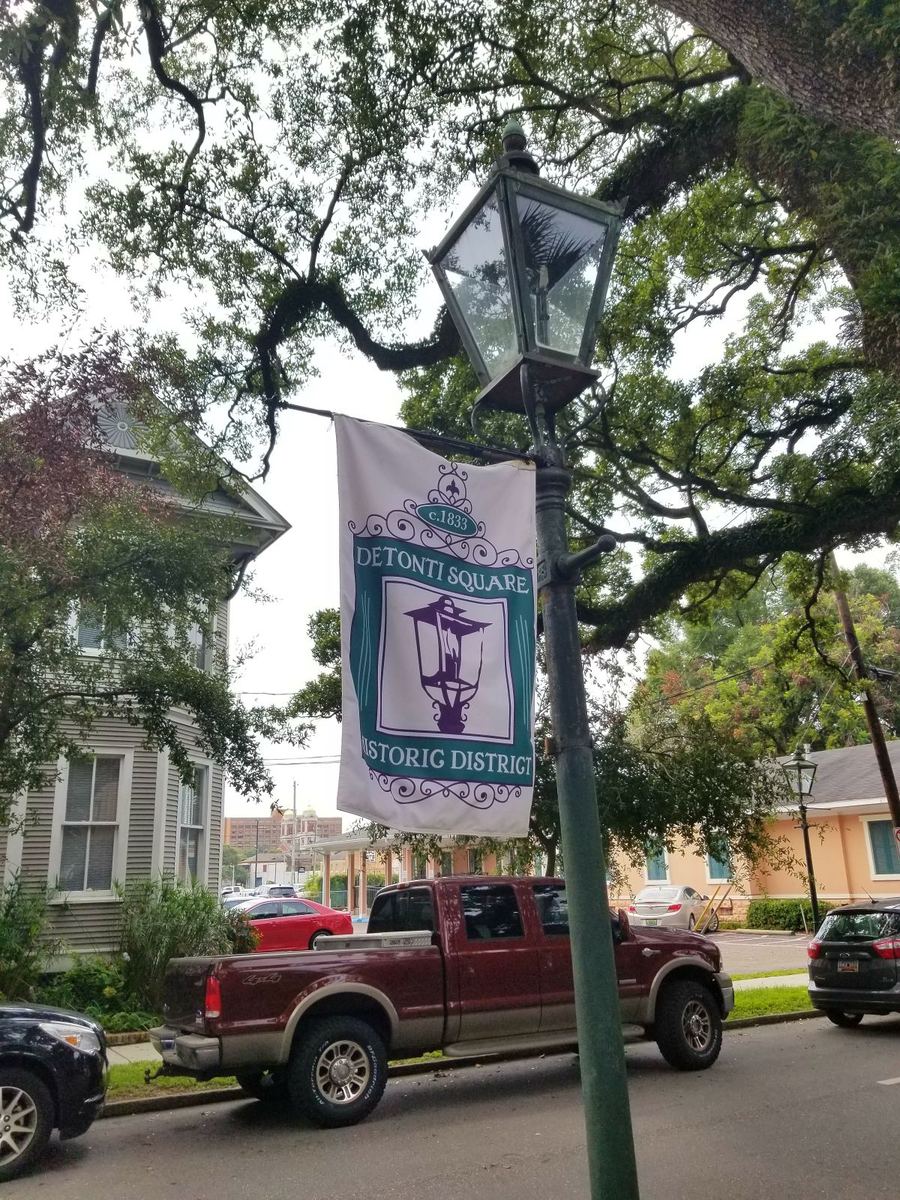
De Tonti Square — Quiet nine-block historic area filled with 1850s brick townhouses and gas lamps.
Upstateherd · CC BY-SA 4.0
Spring Hill — Suburban residential district defined by historic college grounds and old oak trees.
SouthernHapa · CC BY-SA 3.0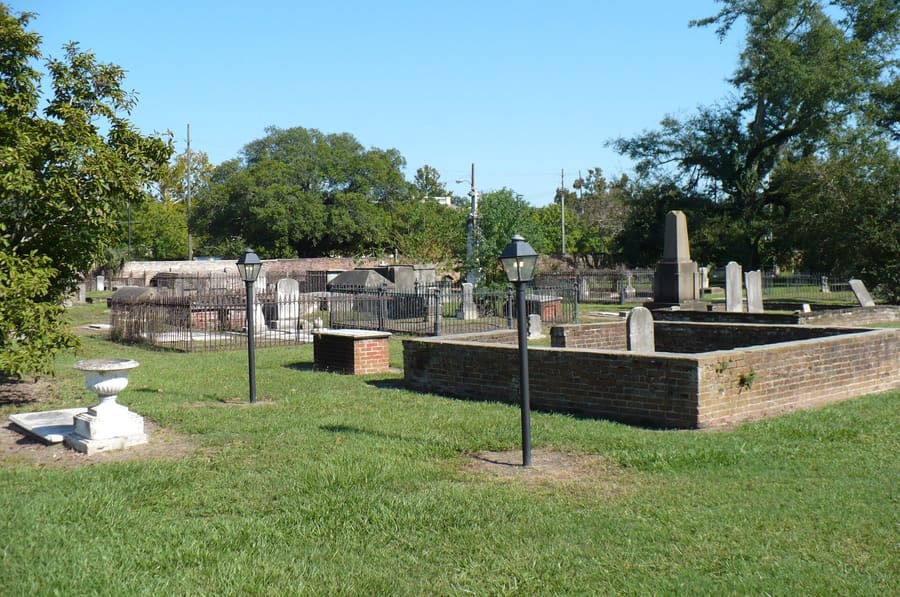
Church Street East — Historic district with Victorian homes, ironwork railings, and small courtyard inns.
Altairisfar · Public domain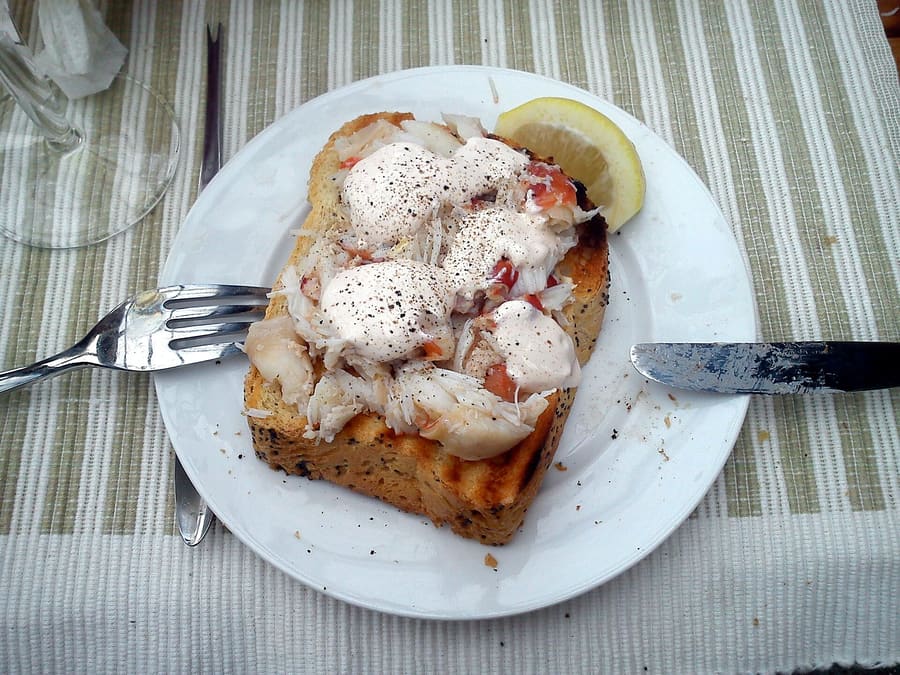
West Indies salad: marinated lump blue crab meat served cold with saltine crackers.
cyclonebill from Copenhagen, Denmark · CC BY-SA 2.0highlights
landmark
Tour a WWII battleship and submarine in Mobile Bay. Arrive early in summer to avoid high temperatures inside the steel decks.
Pregunta a Parley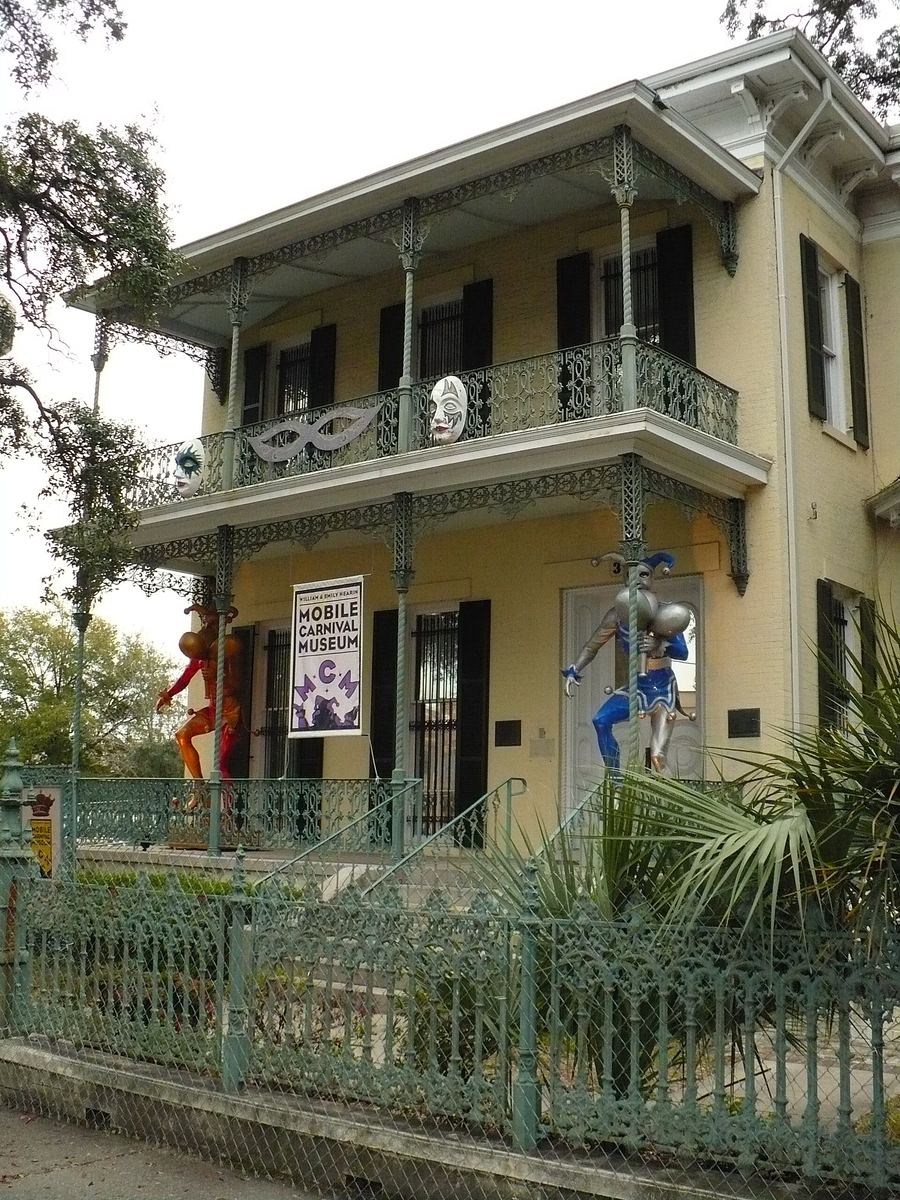
landmark
Exhibits document the origin of Gulf Coast Mardi Gras. Docents provide context on secret social orders and parade traditions.
Pregunta a Parley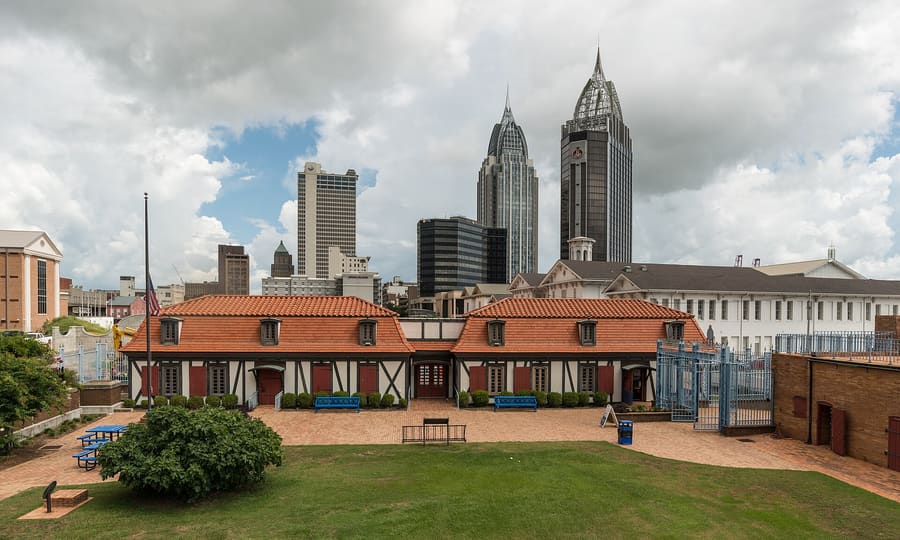
landmark
A partial replica of the 1723 French fort. The courtyard hosts the official city welcome center and historical displays.
Pregunta a Parley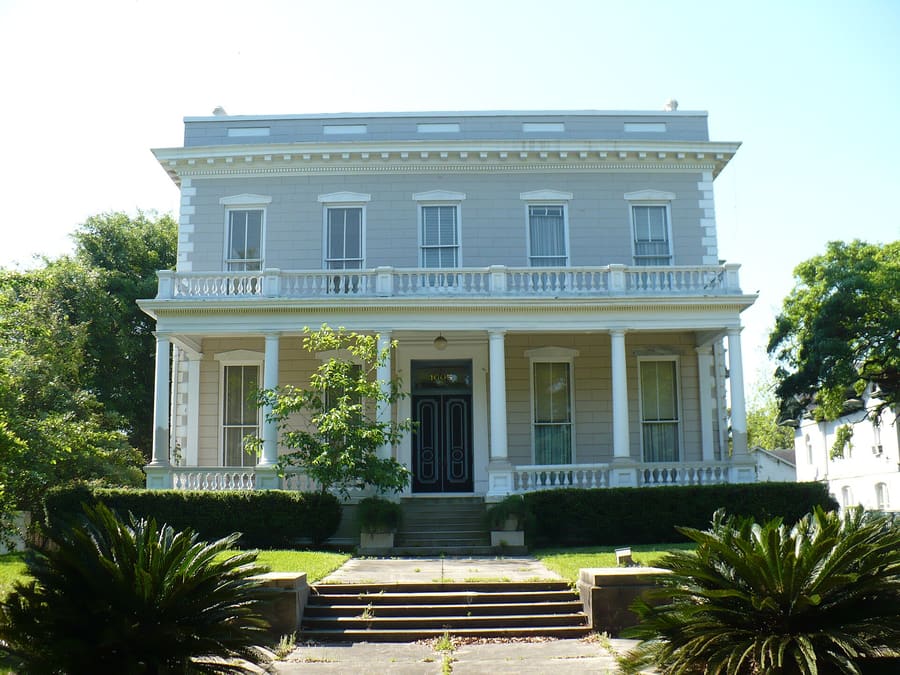
landmark
1833 Greek Revival mansion framed by massive live oaks. Guided tours run hourly Thursday through Sunday.
Pregunta a Parleyattractions
areas
Walkable grid centered on Dauphin Street with restaurants, cocktail lounges, and hotel towers.
CercaFort Condé, Gulf Quest, Mobile Bay riverfront
Pregunta a ParleyQuiet nine-block historic area filled with 1850s brick townhouses and gas lamps.
CercaNorthern edge of Downtown, Mobile River waterfront
Pregunta a ParleySuburban residential district defined by historic college grounds and old oak trees.
CercaSpring Hill College, Mobile Museum of Art, Langan Park
Pregunta a ParleyHistoric district with Victorian homes, ironwork railings, and small courtyard inns.
CercaMobile Carnival Museum, Fort Condé Inn, Civic Center
Pregunta a Parleyfood
Mobile seafood revolves around Alabama lump blue crab and Gulf oysters. West Indies salad originated here in 1947 at Bayley's Restaurant: cooked lump crabmeat, marinated with cider vinegar, vegetable oil, ice water, and chopped onion. You eat it chilled with saltine crackers.Downtown seafood houses serve Gulf oysters raw on the half shell, baked with garlic butter, or fried in cornmeal. Gumbo in Mobile uses a dark brown roux and usually features blue crab or Gulf shrimp over rice.
West Indies salad: marinated lump blue crab meat served cold with saltine crackers.
cyclonebill from Copenhagen, Denmark · CC BY-SA 2.0Order West Indies salad at traditional seafood spots along Dauphin Island Parkway or Downtown. It is served cold without mayo.
Oyster bars serve wild and farmed Alabama Gulf oysters year-round. Farmed oysters from Murder Point are harvested nearby.
Restaurants along Battleship Parkway (the Causeway) offer fried seafood platters directly over the bay waters.
history
French colonial explorers founded Mobile in 1702 at Twenty-Seven Mile Bluff before moving to the present site in 1711. The settlement served as the first capital of French Louisiana. Control shifted between Britain, Spain, and the United States over the next century.Cotton commerce expanded the city's port in the 1800s. Today, Mobile remains a commercial shipping hub anchored by shipbuilding, aerospace, and chemical manufacturing.
French settlement
Pierre Le Moyne d'Iberville establishes Fort Louis de la Louisiane north of present-day Mobile.
First Mardi Gras
French settlers hold the first recorded Mardi Gras celebration in North America.
Battle of Mobile Bay
Union forces under Admiral Farragut capture the bay entrance, closing the port to Confederate blockade runners.
Wartime shipbuilding
Mobile shipyards expand rapidly, producing dozens of Liberty ships and destroyers for World War II.
where to stay
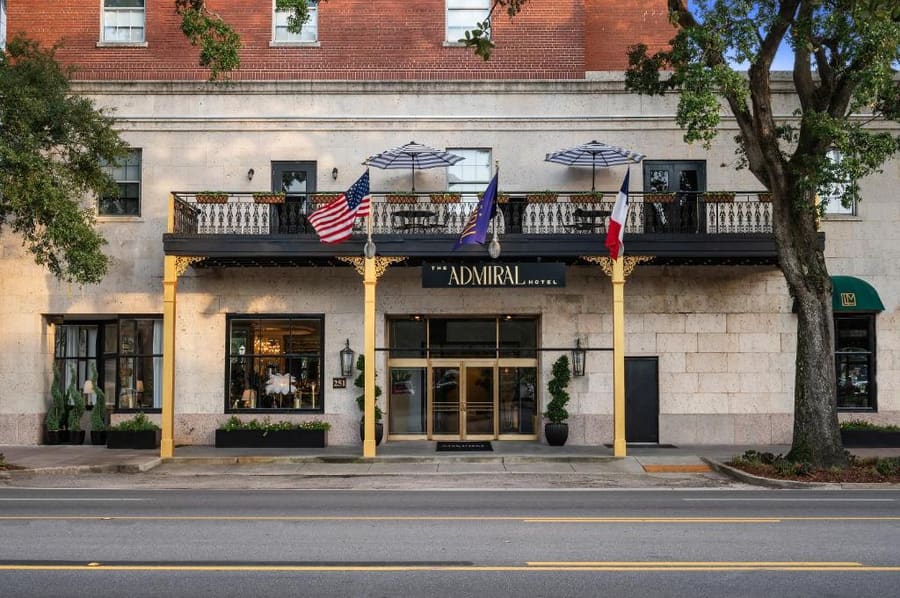
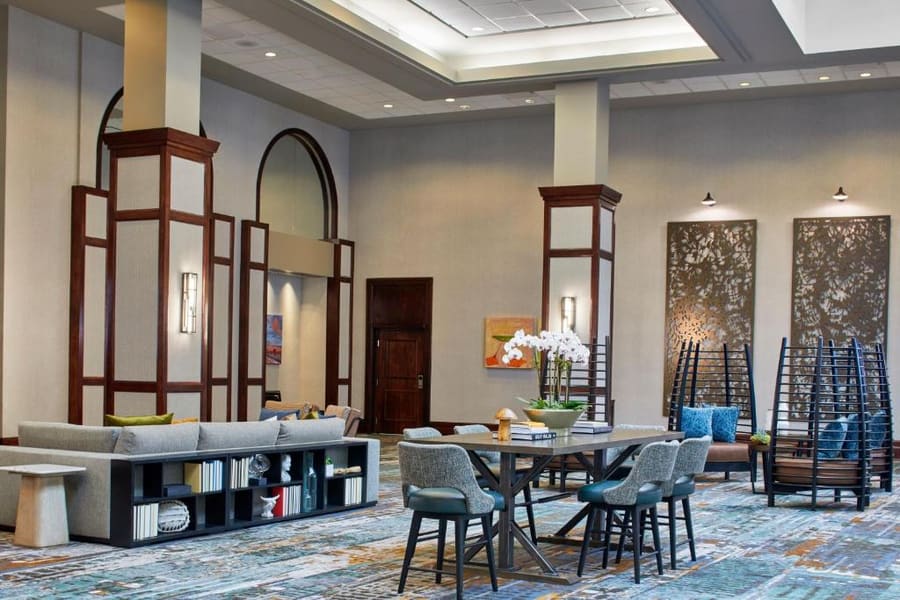
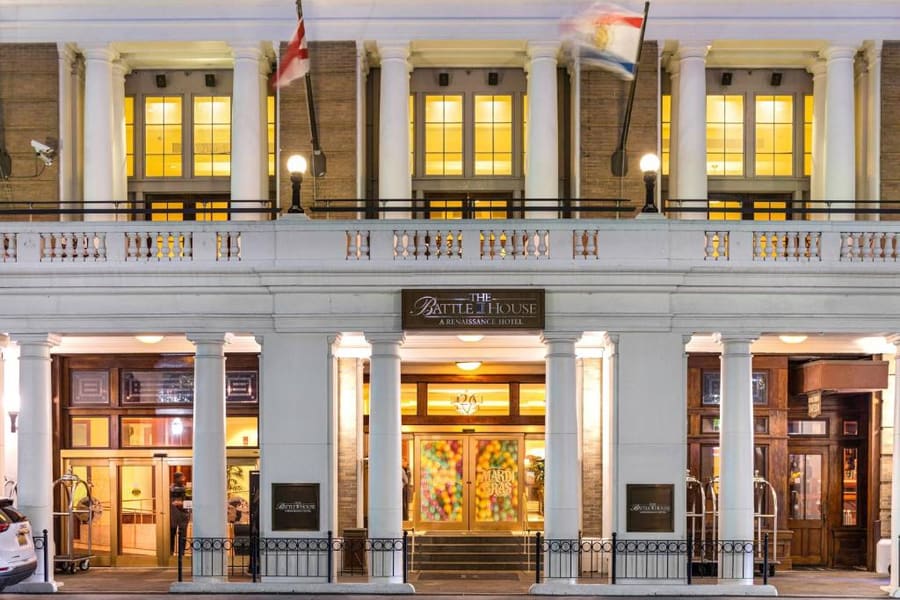
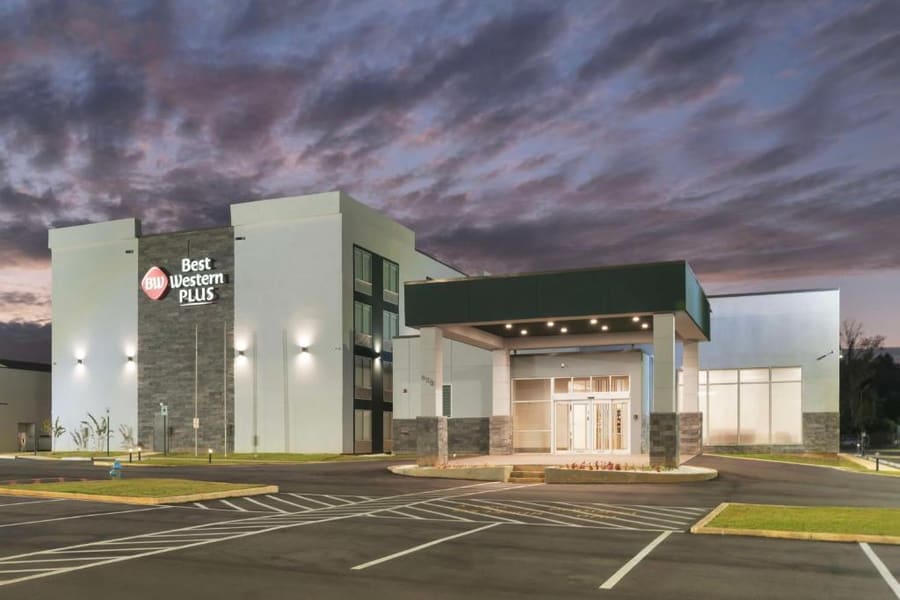
Choose your location by how much you intend to drive. Downtown Mobile allows you to walk to restaurants, bars, and museums without taking a car. Suburban corridors west of downtown offer chains with free parking but require driving along busy arteries for every meal.
Live rates, matched to the areas above.
transport
Downtown Mobile is compact and easy to walk. To visit attractions like Battleship Park or the Museum of Art, you need a car or rideshare service. Public transit coverage is limited outside central routes.
Desde Mobile Regional Airport (MOB)
Pick up at designated zone outside baggage claim.
Metered taxis wait outside the terminal exit.
The core dining district on Dauphin Street is flat and easily navigated on foot.
Standard single bus fare costs $1.25 in cash. Service stops running by early evening.
The George Wallace Tunnel on I-10 experiences heavy congestion during weekday commuter hours.
Downtown street parking is metered Monday through Friday from 8:00 to 17:00.
cost
Mobile is moderately priced compared to major US destination cities. Seafood pricing varies depending on local seasonal harvests, with raw oysters priced per half-dozen or dozen.
Served as an appetizer or entree at traditional seafood establishments.
Prices depend on whether they are wild Gulf or off-bottom farm-raised.
Includes self-guided tours of the battleship and USS Drum submarine.
Off-street garages and hotel valet pricing downtown.
seasonality
JAN – FEB
Mardi Gras season brings parades, closed streets, and high hotel rates across downtown.
MAR – MAY
Mild temperatures and blooming azaleas make this ideal for walking historic districts.
JUN – AUG
High humidity and frequent afternoon thunderstorms. Outdoor activities are best early.
SEP – NOV
Warm days and lower rainfall. Hurricane season peaks in September.
practicalities
Parades start several weeks before Fat Tuesday. Downtown streets close hours before parade times.
Humidity routinely exceeds 80% in summer. Plan indoor museum visits for afternoon peak heat.
Downtown allows open alcohol containers in approved plastic cups within designated district boundaries.
Many independent downtown restaurants close on Sunday evenings or all day Monday.
Squalls develop fast over Mobile Bay in summer. Check radar before taking boat tours.