landmark
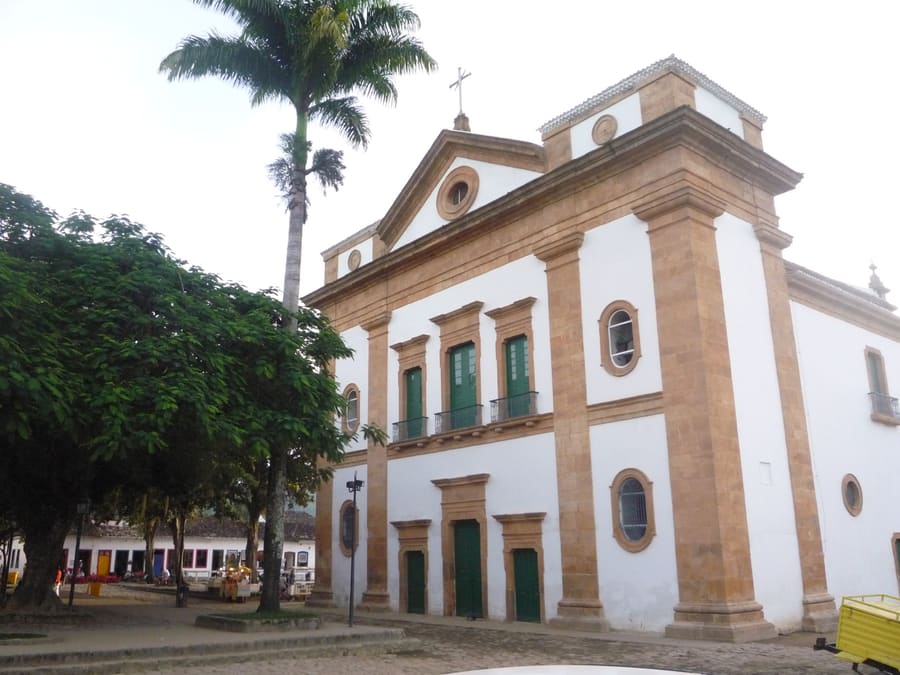
Igreja Matriz de Nossa Senhora dos Remédios
Paraty's main 18th-century church anchors the central square. Entrance is cheap and gives access to quiet interior woodwork.
Pregunta a ParleyBrasil
Cobblestones, coastal rain forest, and 18th-century gold routes.
introduction
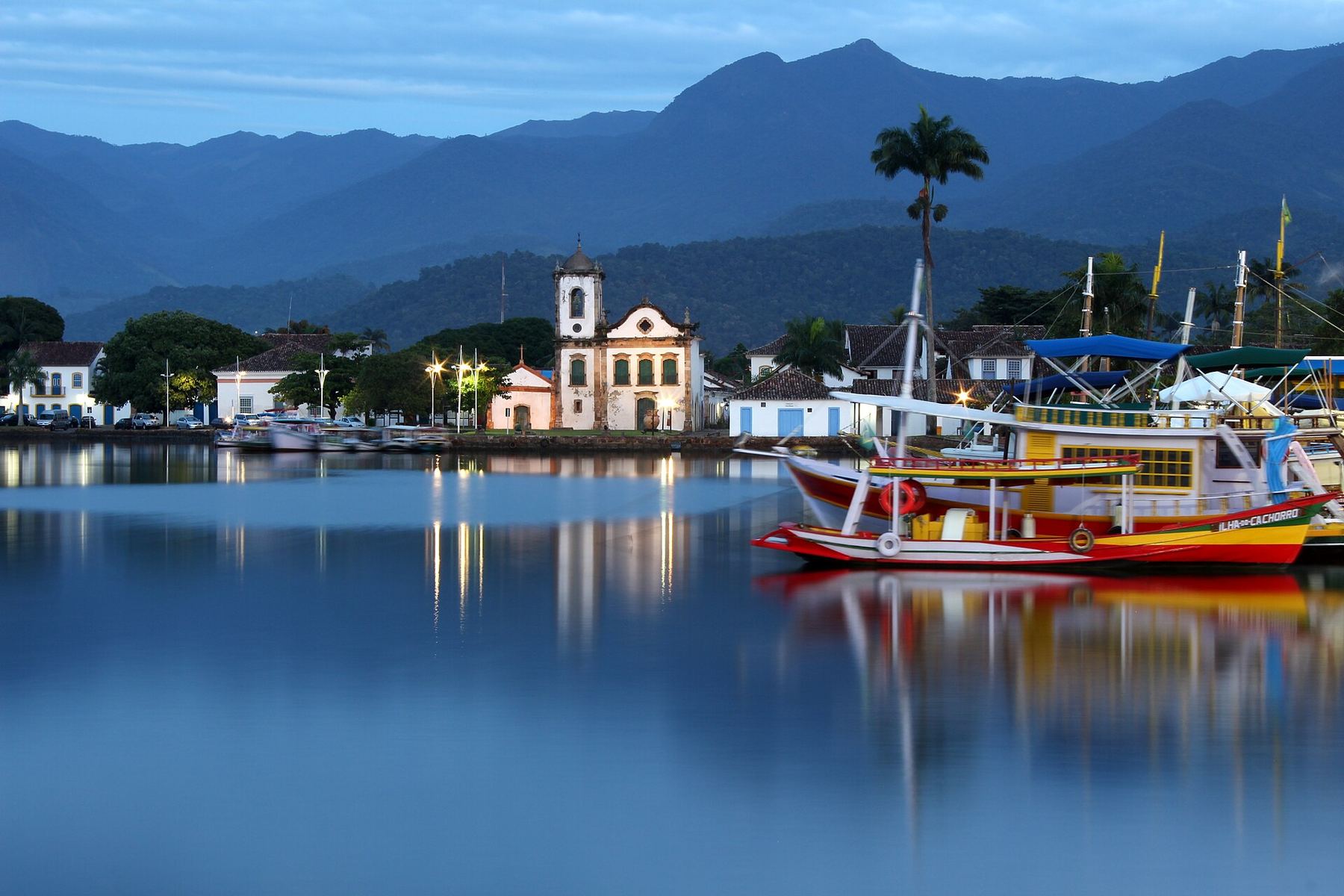
Paraty sits between coastal mountains and Atlantic bay waters, halfway between Rio de Janeiro and São Paulo. The historic center bans motorized vehicles, forcing everyone onto irregular 18th-century stone paving designed to drain during lunar high tides. Travel revolves around walking the old town by foot and hiring wooden boats to reach isolated coves and offshore islands. Rain falls frequently in the surrounding jungle, so structure your day around morning outings before afternoon downpours.
High tide flooding
Monthly full and new moons trigger high tides that sweep through sea-level streets. Local shopkeepers install wooden barriers while pedestrians wait out the flood on elevated doorways.
UNESCO World Heritage
Inscribed in 2019 for both its colonial urban core and the surrounding Atlantic Forest ecosystem. It protects historical gold trading infrastructure alongside rare endemic species.
Footwear required
The original stone cobbles are foot-twisting and extremely slippery when wet. Leave heels and flip-flops at your hotel and wear firm rubber-soled shoes.
highlights
landmark
Paraty's main 18th-century church anchors the central square. Entrance is cheap and gives access to quiet interior woodwork.
Pregunta a Parley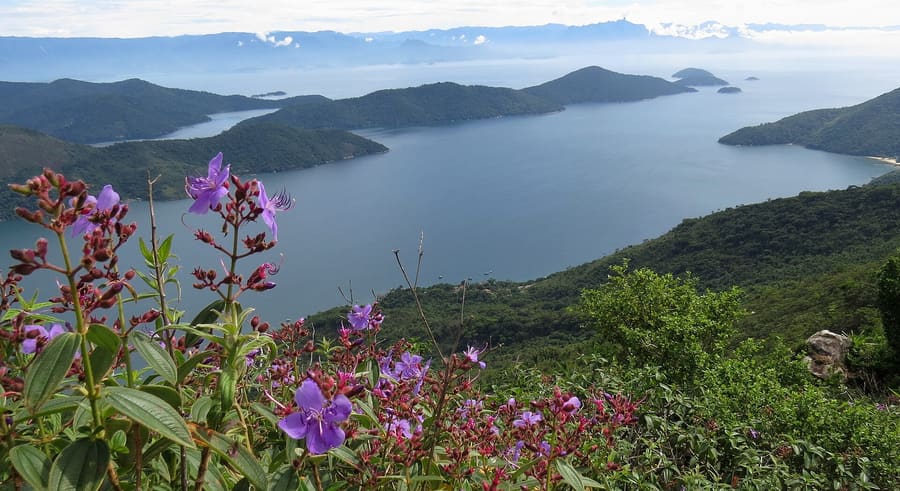
landmark
A narrow sea inlet framed by steep jungle peaks. Hire a motorboat from Paraty-Mirim to hike up Pão de Açúcar peak.
Pregunta a Parley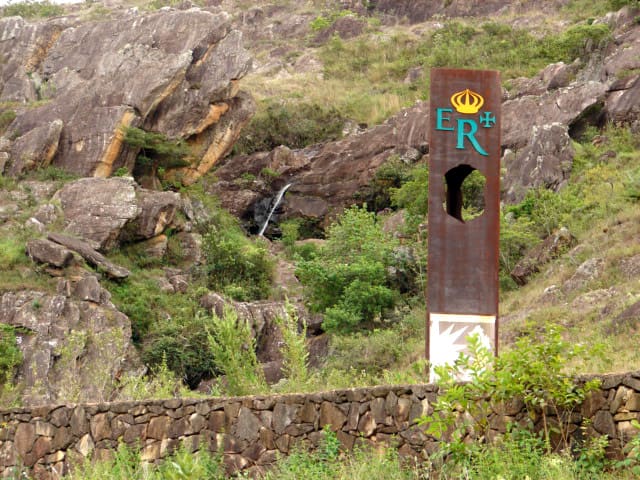
landmark
Stone-paved trail built by enslaved workers to haul gold from inland mines. Hire a guide at Penha to walk intact sections safely.
Pregunta a Parley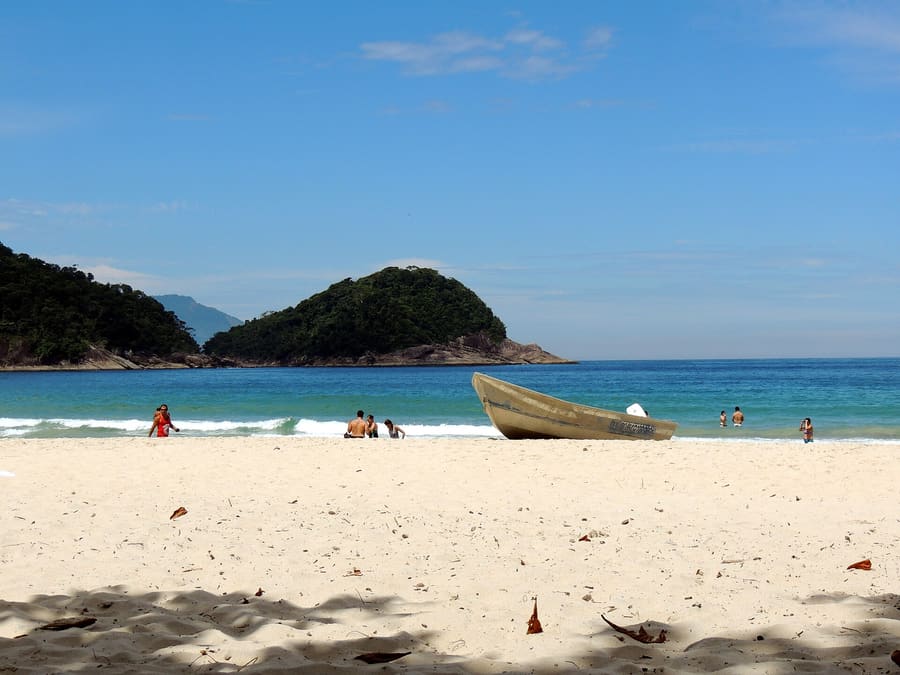
landmark
Secluded Atlantic beach reachable only by boat or a one-hour forest hike from Laranjeiras. Bring cash for beach hut fish lunches.
Pregunta a Parleyattractions
areas
Car-free colonial grid with whitewashed mansions, boutique pousadas, and uneven stone streets.
CercaPier, main square, restaurants
Pregunta a ParleyLow-key coastal strip across the river footbridge, featuring casual beach bars and flat paved access.
CercaPerequê-Açú river, old town footbridge
Pregunta a ParleyFlat, residential bayfront district with calm water, kayak rentals, and cheaper pousadas.
CercaJabaquara beach, mangrove trails
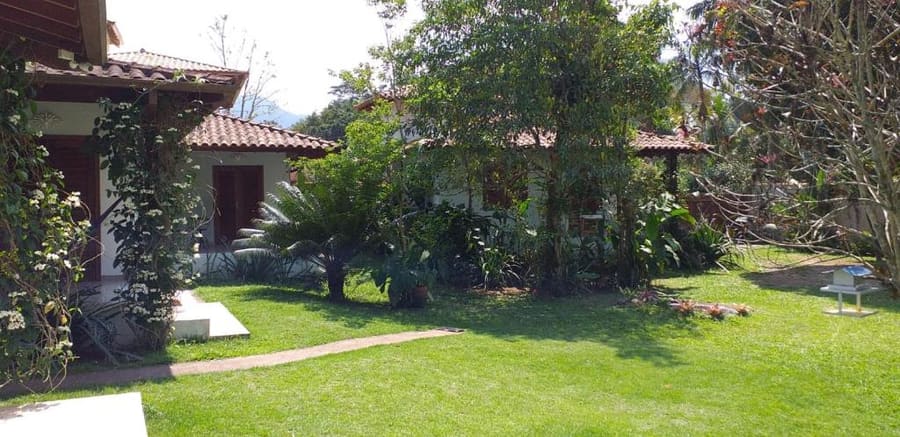
Pregunta a ParleyQuiet neighborhood along the Perequê-Açú river with spacious leafy gardens and paved roads.
CercaRiver banks, BR-101 access road
Pregunta a Parleyfood
Paraty's cuisine rests on traditional Caiçara coastal methods, combining fresh catch with green bananas and manioc flour. Local restaurants rely heavily on bay fish like snook and grouper served straight from small fishing boats. Cachaça production dates back to the gold era, yielding distinctive local spirits traditionally infused with clove and cinnamon, spices native to Asia rather than Brazil.
Order this classic Caiçara stew of local fish and green bananas cooked in an iron pot, which turns the broth dark gray blue.
Order a glass of clove-and-cinnamon infused cachaça at historic tasting rooms like Cachaçaria Coqueiro or Maria Izabel.
Visit Mercado do Peixe on the waterfront early morning to see the daily catch landed before ordering seafood at nearby simple dockside tables.
history
Paraty developed as the maritime terminal for the Caminho do Ouro, the heavy mountain trail transporting mined gold from Minas Gerais to Portuguese ships. When inland road networks shifted export traffic to Rio de Janeiro in the late 18th century, Paraty suffered economic isolation. This isolation preserved its colonial architecture intact until the mid-20th century road construction introduced tourism.
Town Charter
Paraty gains independence from Angra dos Reis, establishing its municipal council and port status.
The Gold Route
Royal Portuguese decrees establish the Caminho do Ouro, making Paraty the sole legal exit port for gold.
Port Realignment
A new direct trail to Rio bypasses Paraty, triggering a long economic slump for the port.
World Heritage
UNESCO designates Paraty and Ilha Grande as Brazil's first mixed natural and cultural heritage site.
where to stay
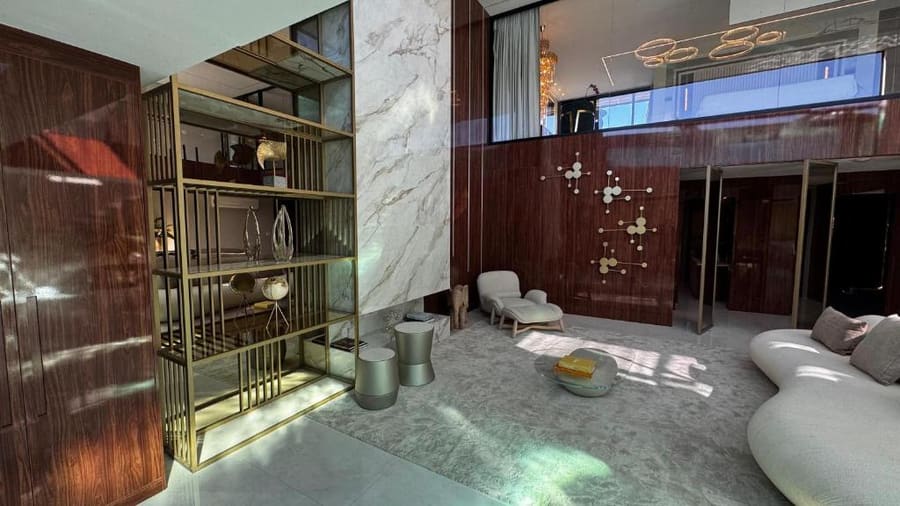
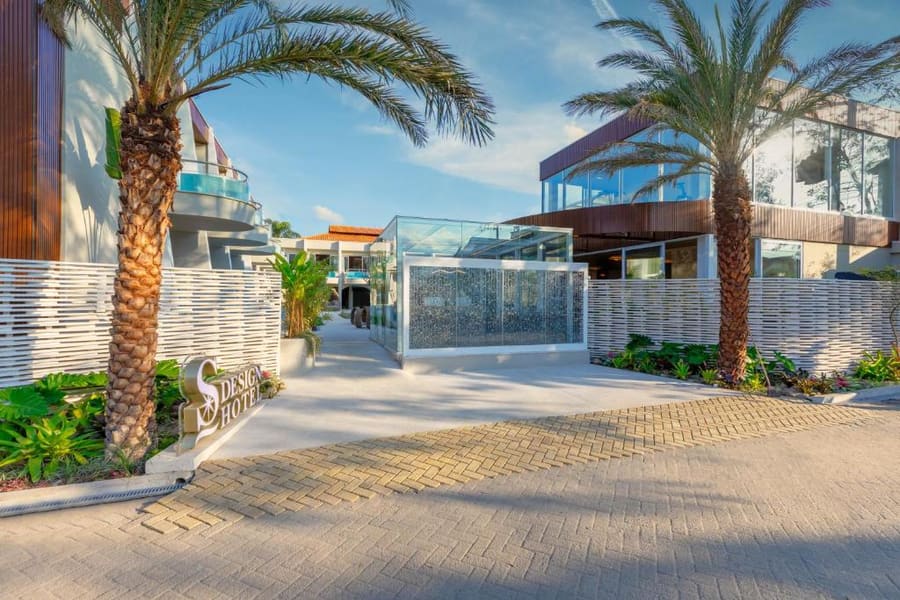
Choose your area by mobility and noise tolerance. Stay inside the historic center if you want romantic evening strolls and accept carrying luggage over foot-twisting stones. Pick Pontal or Caborê for paved road access, parking, and quieter nights within walking distance.
Live rates, matched to the areas above.
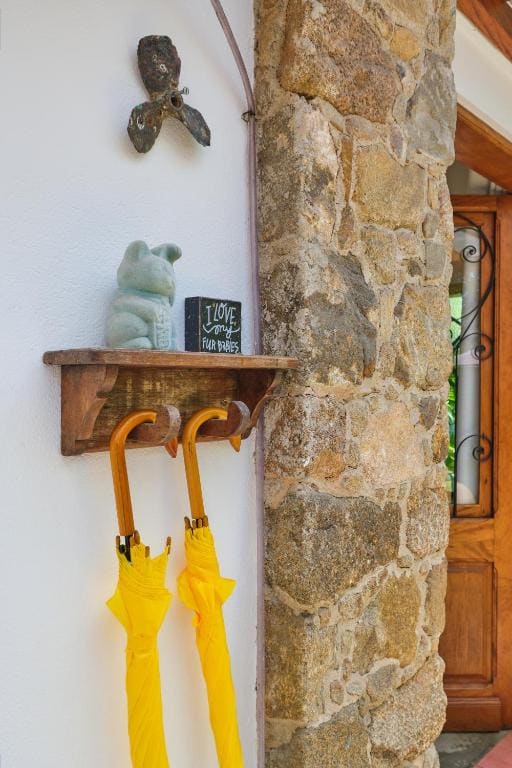
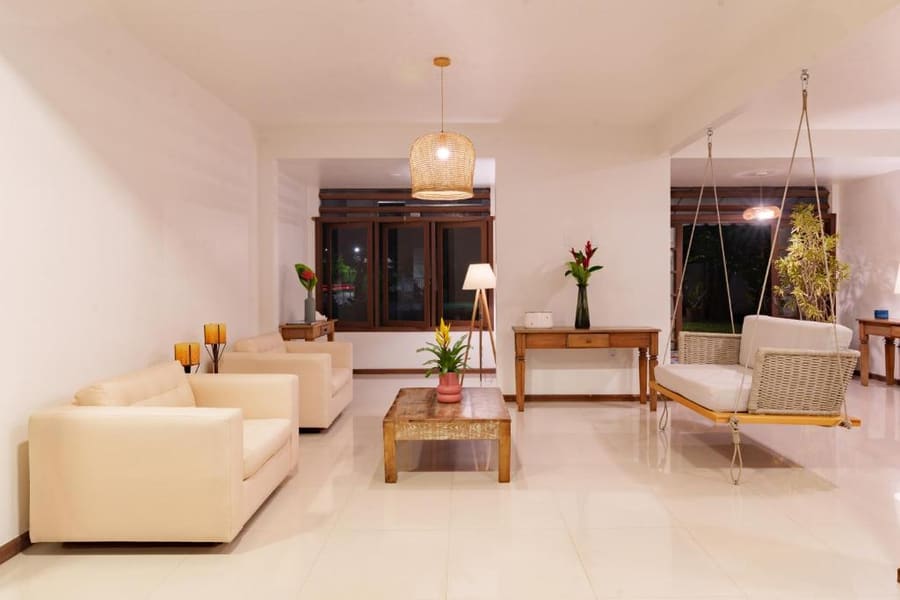
transport
Desde Rio de Janeiro Galeão Airport (GIG)
Door-to-door transfer directly from GIG airport arrivals terminal to Paraty pousadas.
Fixed price per vehicle. Crucial if arriving on late evening international flights.
No cars are allowed inside the historic center. Drop luggage at outer parking or use hand-cart luggage porters.
Negotiate fixed prices with boatmen at Cais de Paraty before stepping onto wooden schooners or fast motorboats.
Local town buses require cash or local transport cards. Drivers do not accept credit card tap payments.
cost
Paraty is more expensive than inland Brazilian towns due to its high tourist demand and coastal logistics. Historic center restaurants charge premium prices, but dining drops substantially across the footbridge in Pontal or at market stalls.
Standard 4-hour schooner trip visiting four bay islands and swimming spots.
Per boat for a 4-hour custom run to Saco do Mamanguá or remote beaches.
Per main dish of fresh fish or moqueca at historic center dining spots.
Price for aged artisanal bottles at registered local distilleries.
seasonality
JAN – MAR
Hot summer with heavy afternoon downpours. High crowds during New Year and Carnival bump prices.
APR – JUN
Clearest weather window with drier days and warm sea temperatures. Ideal for hiking and boat tours.
JUL – SEP
Cooler, dry winter weather. The FLIP literary festival in July/August fills every pousada months ahead.
OCT – DEC
Rising humidity and returning showers. Warmer sea temperatures make weekdays quiet and pleasant.
practicalities
Sandflies (borrachudos) are active on jungle trails and shade beaches. Standard sprays with DEET or Icaridin are essential.
ATMs inside the historic core frequently run out of bills during busy festival weekends. Withdraw cash on arrival.
Sudden summer jungle downpours rapidly raise waterfall river currents. Exit swimming holes if water turns muddy.
Verify that hired private boatmen carry life jackets and valid maritime registration tags from the Navy.
FLIP (Literary Festival) and Bourbon Jazz Festival double room rates. Lock in bookings six months prior.