landmark
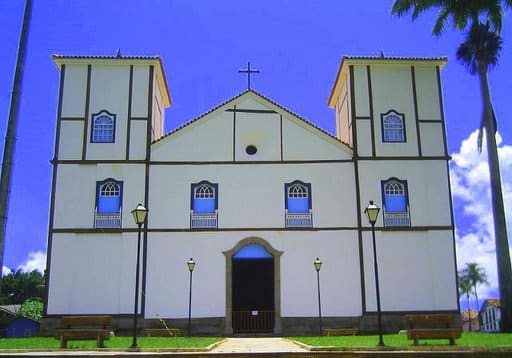
Igreja Matriz de Nossa Senhora do Rosário
Built between 1728 and 1732, this is Goiás state's oldest church. Reconstructed after a fire, it anchors the main town square.
Pregunta a ParleyBrasil
Colonial stone streets, Cerrado waterfalls, and weekend escape.
introduction
Pirenópolis sits 150 kilometres from Brasília in the interior state of Goiás. You navigate its core on foot across steep, uneven quartzite cobblestones laid in the 18th century. Outside the town, dirt roads branch off toward dozens of privately managed waterfalls along the Serra dos Pyrenheus. Expect quiet weekdays and heavy weekend crowds when city dwellers arrive from the capital.
Airport connection
Fly into Brasília (BSB) or Goiânia (GYN). Rent a car at either airport; regional buses to Pirenópolis are infrequent and drop you far from trailheads.
National Heritage Status
IPHAN listed the historic core as national heritage in 1989. The 18th-century grid preserves original vernacular colonial architecture and unpaved stone lanes.
Weekend surge pricing
Pirenópolis functions as a weekend escape for Brasília locals. Book accommodation four weeks early and schedule waterfall visits on weekdays to avoid packed pools.
Pirenópolis
Mastrodivino.jpg: Marcosviniciusrs derivative work: Yanguas · CC BY-SA 3.0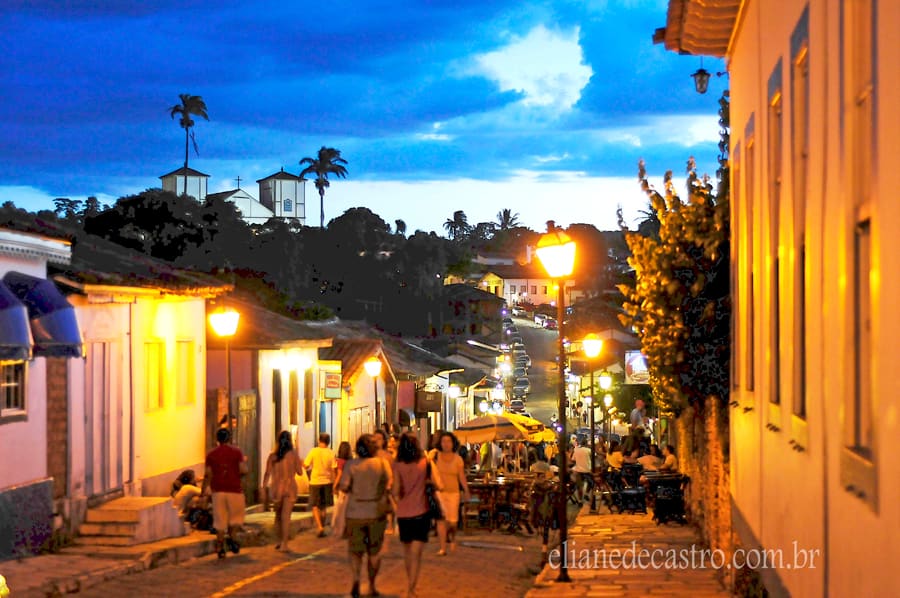
Centro Histórico — Quiet colonial lanes with whitewashed houses, stone pavements, and steep hills.
Eliane de Castro · CC BY-SA 4.0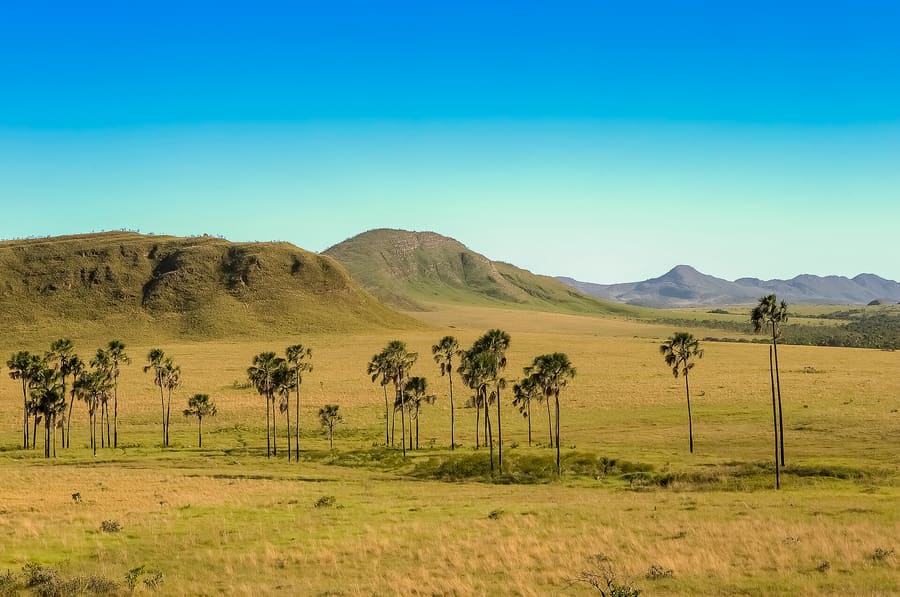
Zona Rural — Dirt access roads wind through Cerrado scrubland to farmsteads and waterfalls.
Teoneto · CC BY-SA 3.0highlights
landmark
Built between 1728 and 1732, this is Goiás state's oldest church. Reconstructed after a fire, it anchors the main town square.
Pregunta a Parley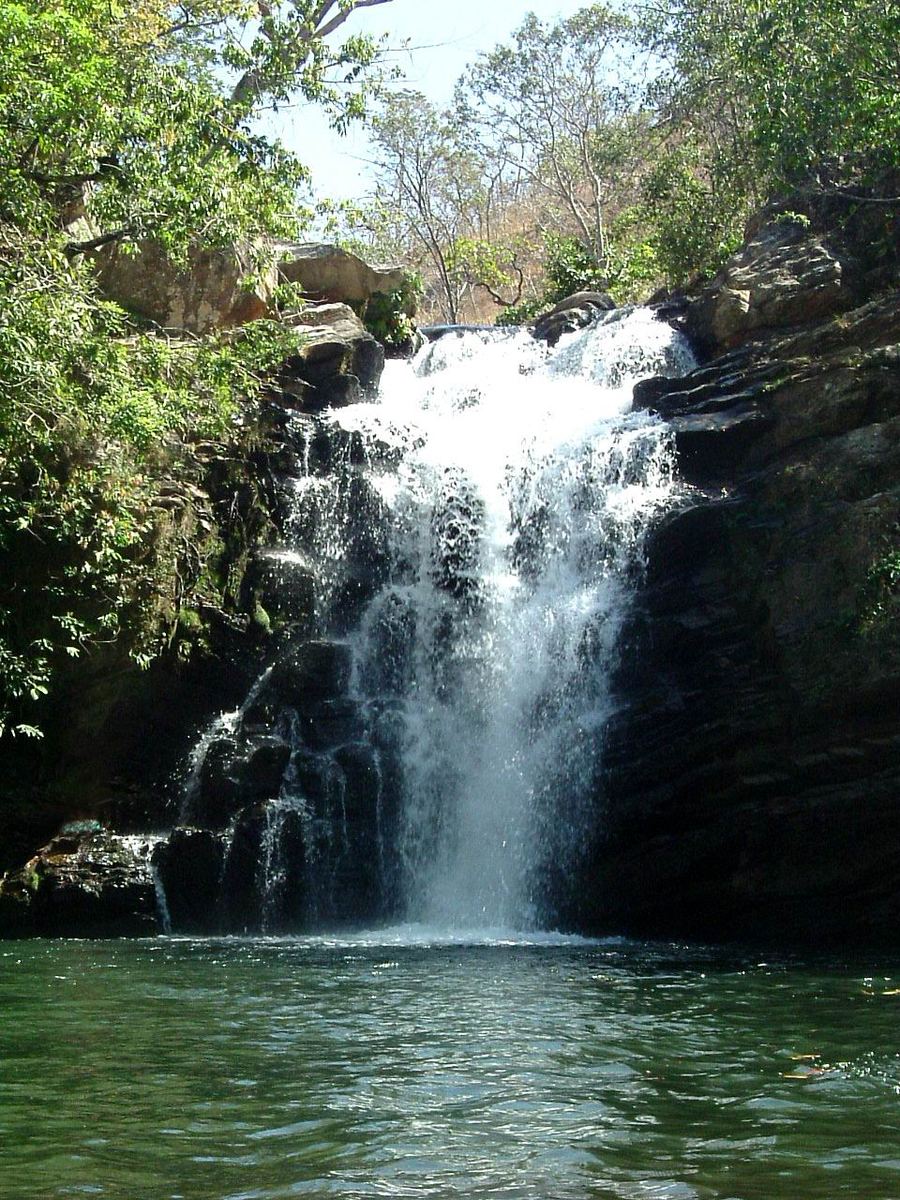
landmark
A 22-metre waterfall with a wide swimming pool and suspension bridges. Buy your entry online to guarantee parking during peak hours.
Pregunta a Parley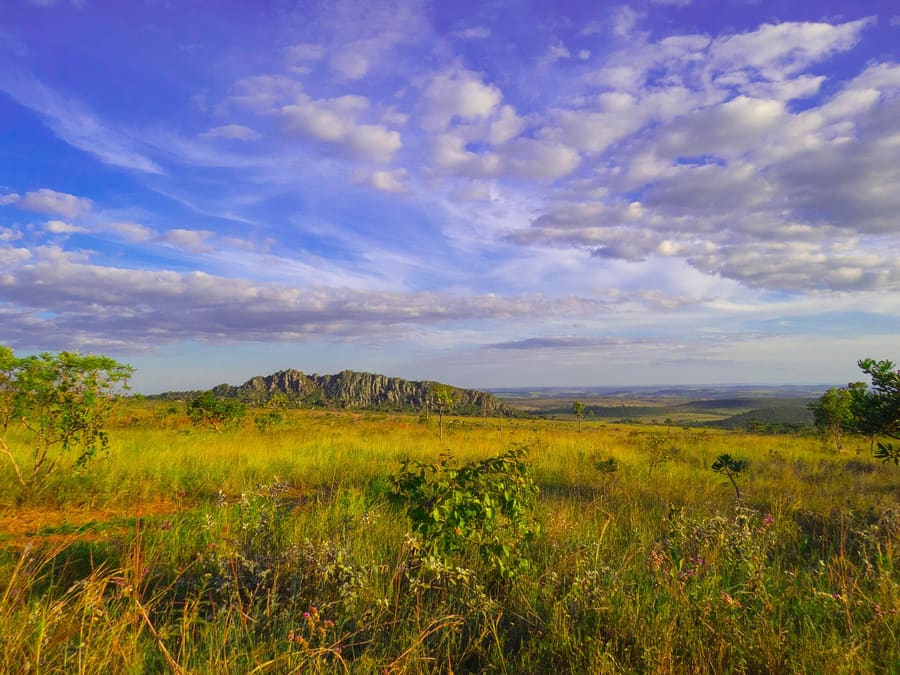
landmark
A private reserve offering canopy walks and Cerrado conservation trails. Book their lavish farm breakfast days in advance.
Pregunta a Parleyattractions
areas
Quiet colonial lanes with whitewashed houses, stone pavements, and steep hills.
CercaIgreja Matriz and main town museums
Pregunta a ParleyDirt access roads wind through Cerrado scrubland to farmsteads and waterfalls.
CercaCachoeira do Abade and Serra dos Pyrenheus
Pregunta a ParleyPedestrianised nightlife corridor lined with open-air dining tables under string lights.
CercaRio das Almas bridge and central square
Pregunta a ParleyResidential hillside across the river with peaceful guest houses and church views.
CercaIgreja do Carmo and Rio das Almas riverbank
Pregunta a Parleyfood
Pirenópolis anchors its regional food in the Cerrado traditions of interior Goiás. The cooking relies on local game, farm poultry, native fruits, and preserved ingredients suited to historical backcountry life. Restaurants in the historic core emphasize heavy, slow-cooked meals served in clay pots.The signature local dish is empadão goiano. This dense pie features a lard crust filled with chicken, pork, heart of palm, cheese, and guariroba, a bitter native palm shoot. You will also encounter pequi, a yellow Cerrado fruit with an intense herbal aroma, used in rice and chicken dishes.Dining revolves around long lunches after morning waterfall visits. Evening options cluster on Rua do Lazer, where pedestrianized lanes turn into open-air dining rooms serving regional dishes alongside modern craft beer.
Order this dense pie at regional restaurants along Rua do Rosário. Beware of pequi seeds inside if added; never bite directly into pequi fruit spikes.
Book the farm breakfast at Reserva Ecológica Vagafogo on weekends. They serve over 45 items made with native Cerrado fruits like baru nuts and pitanga.
Try large deep-fried pastéis filled with local cheese and meat along the riverbank. It is a quick afternoon stop popular after waterfall hikes.
history
Pirenópolis emerged in 1727 as a Portuguese gold mining camp named Minas de Nossa Senhora do Rosário de Meia Ponte. Enslaved workers quarried quartzite and built the town's churches along the Rio das Almas. When gold deposits depleted in the late 18th century, the economy shifted to cattle ranching and agriculture.Geographic isolation protected the town's colonial layout throughout the 19th and 20th centuries. In 1989, national preservation authorities designated the entire urban core as historic heritage. Today, tourism dominates the economy, sustained by visitors from Brasília and Goiânia.
Gold Rush Foundation
Manoel Rodrigues Tomar establishes Meia Ponte as a gold mining camp along the Rio das Almas.
Renamed Pirenópolis
The town changes its name to Pirenópolis, honoring the Pyrenees range due to the nearby Serra dos Pyrenheus mountains.
National Heritage Status
IPHAN designates the entire historic center as national architectural heritage, stopping modern high-rise development.
Matriz Church Reconstruction
A fire destroys the 1732 Igreja Matriz. Local craftsmen rebuild it using traditional timber and pisé methods by 2006.
where to stay
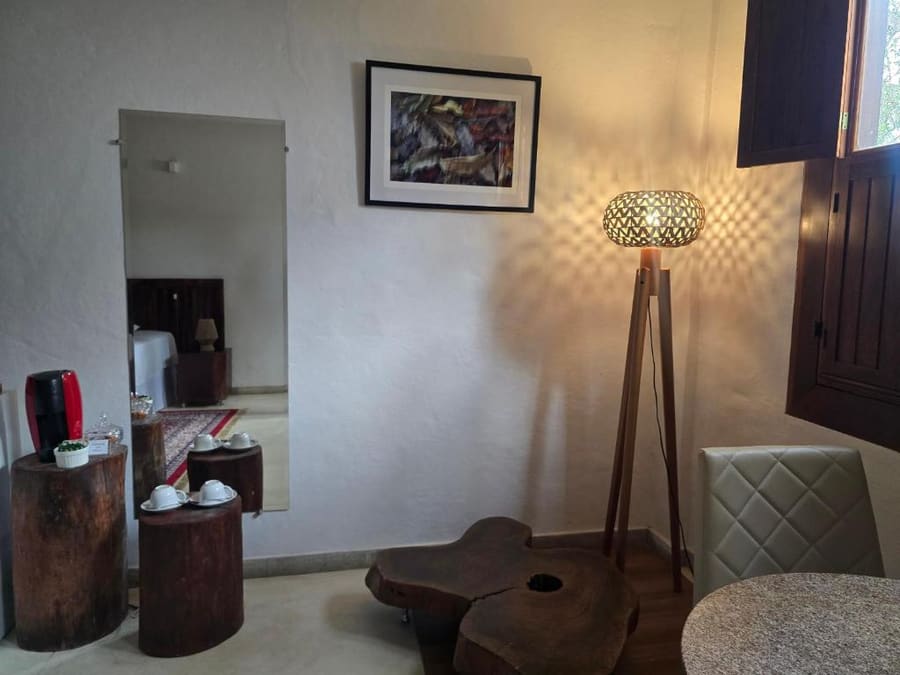
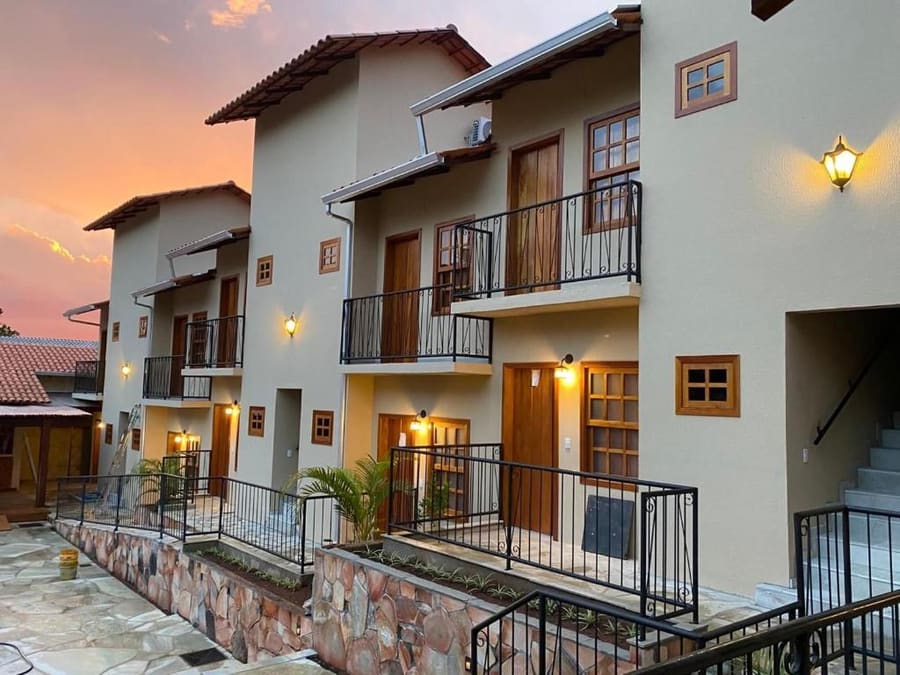
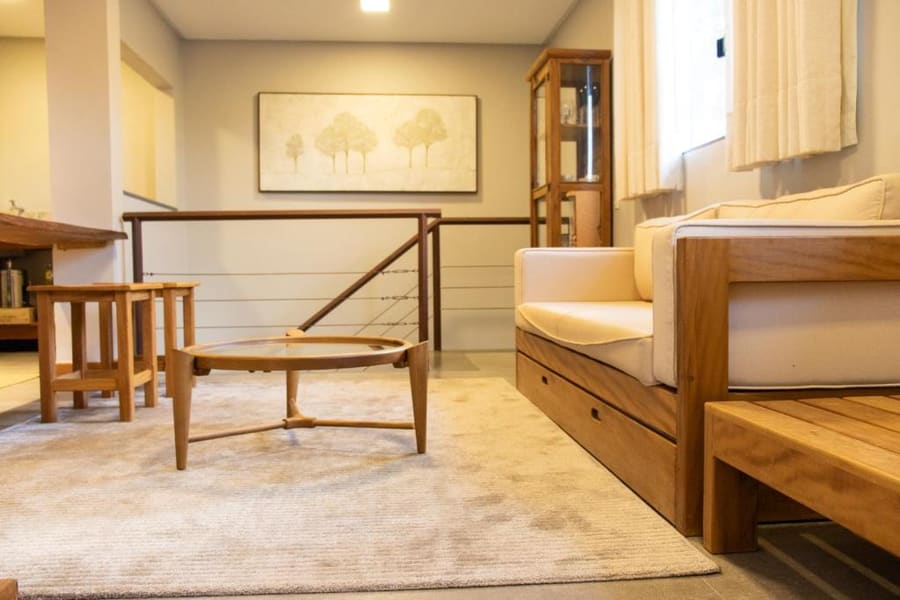
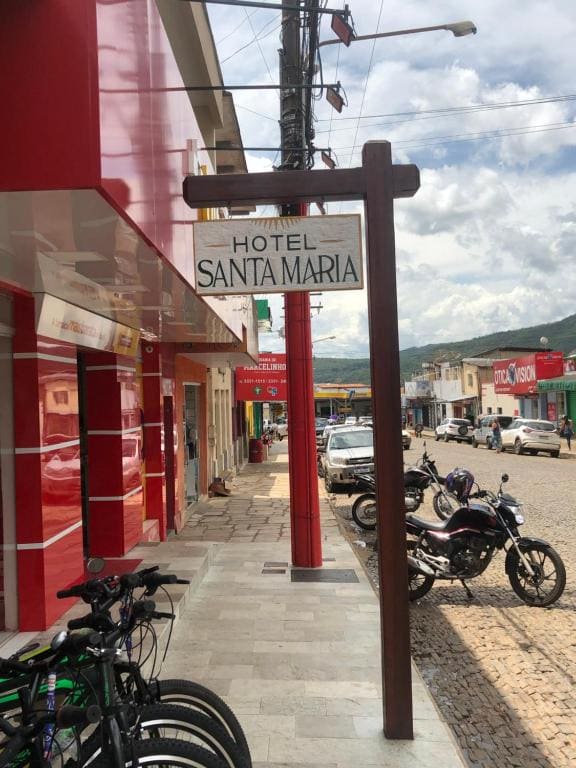
Select your accommodation based on how you intend to spend your evenings. Staying inside the historic center allows you to park your vehicle and walk to restaurants, churches, and nightlife. Pousadas here occupy restored colonial structures or modern builds matching original scale.Rural pousadas occupy former farm estates along the waterfall corridors outside town. These properties provide space, quiet nights, and immediate access to nature trails, but you must drive on unpaved roads for every dinner in town.
Live rates, matched to the areas above.
transport
Pirenópolis has no municipal public transit system. The town center is compact enough to navigate on foot, though steep stone streets demand comfortable flat shoes. To visit waterfalls, state parks, or rural reserves, you need private transportation.Renting a vehicle at Brasília or Goiânia airport provides the most flexibility. Unpaved access roads to rural attractions are passable for standard cars in the dry season, but require cautious driving around dips and loose gravel.
Desde Brasília Airport (BSB) / Goiânia Airport (GYN)
The standard choice. Necessary for reaching rural waterfalls via unpaved roads.
Departing from Brasília or Goiânia rodoviária. Buses drop off at the edge of town.
Direct door-to-door service from Brasília Airport. Must be arranged in advance.
Pirenópolis has no local bus line. Plan to walk within town and drive to rural attractions.
Dirt roads to waterfalls can be rutted. A compact car works in the dry season, but drive slowly over quartz gravel.
Street parking in the historic center is free but fills quickly on weekends. Pousadas often provide private spaces.
Taxi apps operate sporadically in town. Do not rely on them for returning from remote waterfall sites.
cost
Pirenópolis operates on a dual pricing reality. Weekdays bring lower accommodation rates and quiet restaurants, while weekend prices rise alongside visitor numbers from the capital. Entrance fees to waterfalls are charged per person by private landholders who maintain trail safety and infrastructure.
Private nature reserves charge individual entry fees per person to access trails and swimming pools.
A single heavy slice or small pie serves as a full lunch at local bakeries and casual eateries.
Fixed price per person for the extensive farm-to-table breakfast buffet on weekends.
Standard night rates for double rooms on weekends; weekday rates often drop significantly.
seasonality
MAY – SEP
Dry season with sunny days and cooler nights. Ideal for hiking and waterfall swimming, though dust rises on dirt roads.
OCT – NOV
Rains begin, turning the Cerrado landscape green. Waterfalls gain volume and afternoon showers are brief.
DEC – FEB
Heavy summer rainfall. Rivers run high and strong; some waterfall pools close during flash flood warnings.
MAR – APR
Rain subsides and temperatures stay mild. Vegetation remains lush with high waterfall flows.
practicalities
Cellular signal drops on rural roads. Carry cash for waterfall entrance fees when card machines lose connectivity.
High altitude and clear skies increase UV exposure. Bring eco-friendly sunscreen that does not pollute natural pools.
Leave thin sandals at the hotel. Quartzite cobbles in town are uneven, and waterfall paths require sturdy rubber soles.
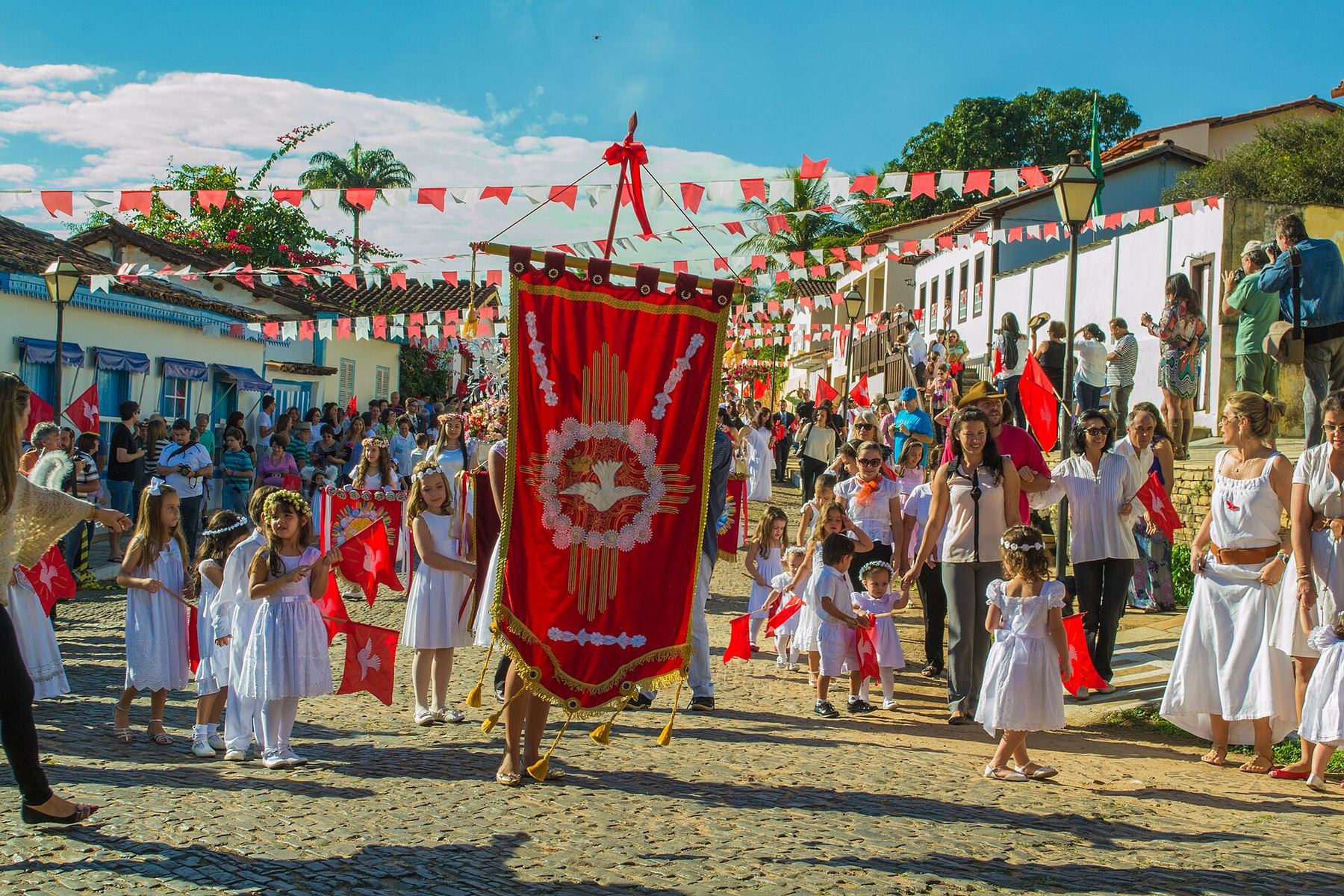
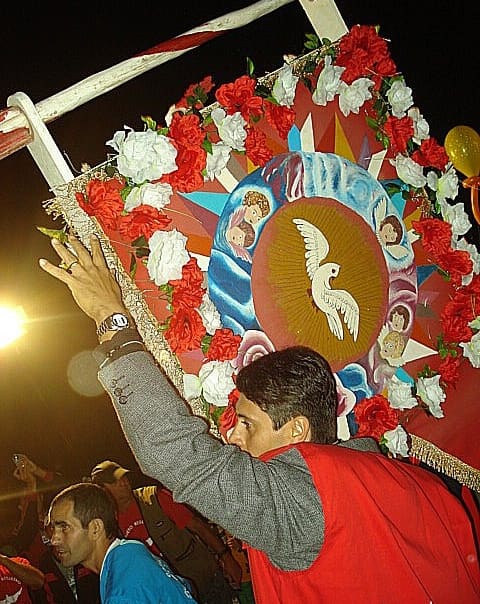
The city's biggest festival takes place 50 days after Easter. Book accommodation six months ahead for this period.
Bring repellent for trail walks, especially near quiet riverbeds and forest patches during late afternoon.