landmark
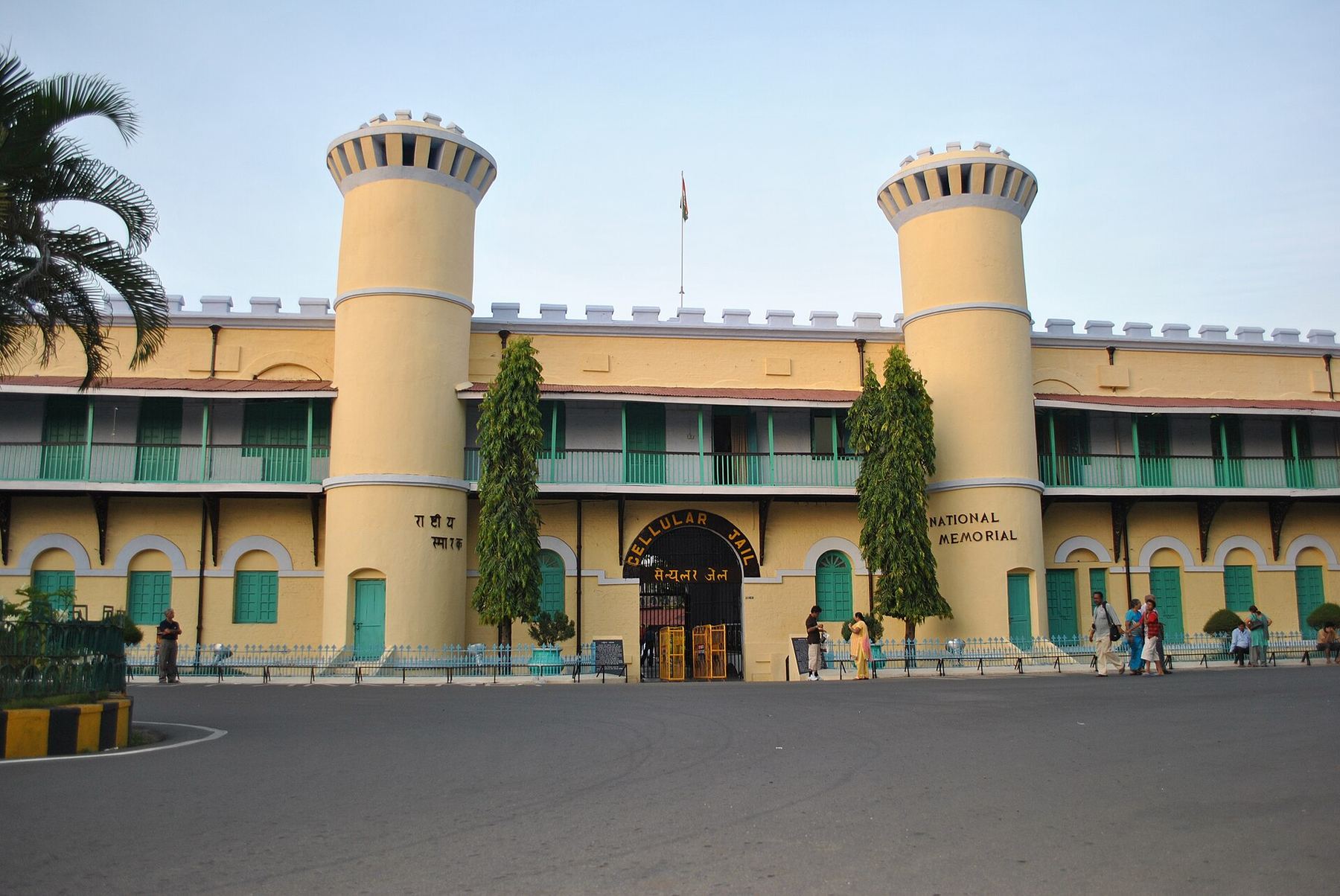
Cellular Jail
British political prison built between 1896 and 1906. Book tickets online in advance to avoid long queue lines at the gate.
Pregunta a ParleyIndia
The entry port to the Andamans with a heavy colonial past.
introduction
Port Blair is the administrative capital of the Andaman and Nicobar Islands and your required arrival point. Most travellers treat it as a quick transit hub, but its colonial prison and naval history deserve full attention. The town moves at a slow pace around narrow hilly roads and ferry jetties. You come here to understand the islands' dark past before heading to the beaches.
Arrival rule
Veer Savarkar Airport shares its runway with INS Utkrosh. Photography on the tarmac is strictly forbidden and actively monitored by military personnel.
National status
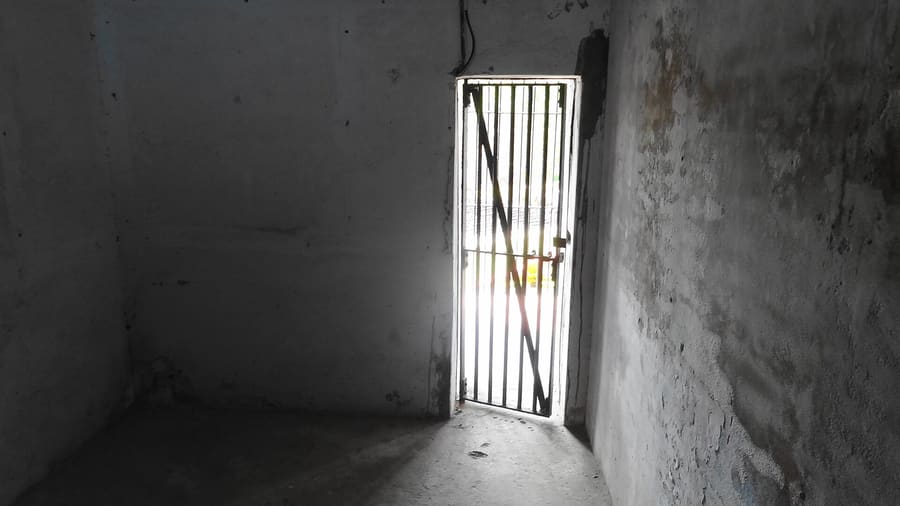
Cellular Jail is designated a National Memorial. It preserves the solitary cells where Indian freedom fighters were imprisoned by British authorities.
RAP exemption
Foreign nationals no longer require a Restricted Area Permit to visit Port Blair. You only need a valid Indian visa and passport.
highlights
landmark
British political prison built between 1896 and 1906. Book tickets online in advance to avoid long queue lines at the gate.
Pregunta a Parley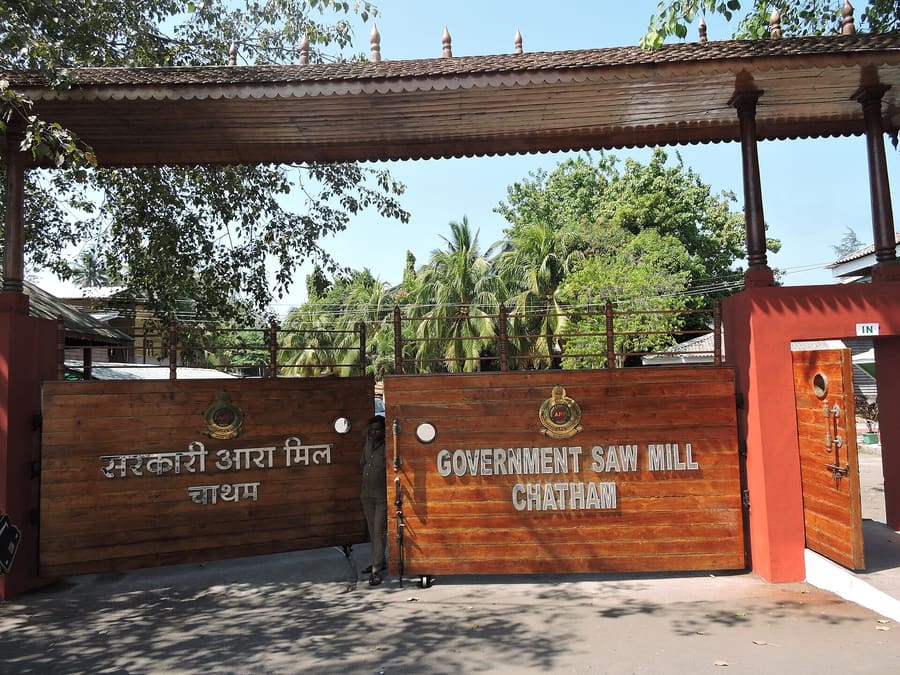
landmark
One of Asia's oldest sawmills, constructed in 1836. Visit during weekday mornings to see active timber cutting.
Pregunta a Parley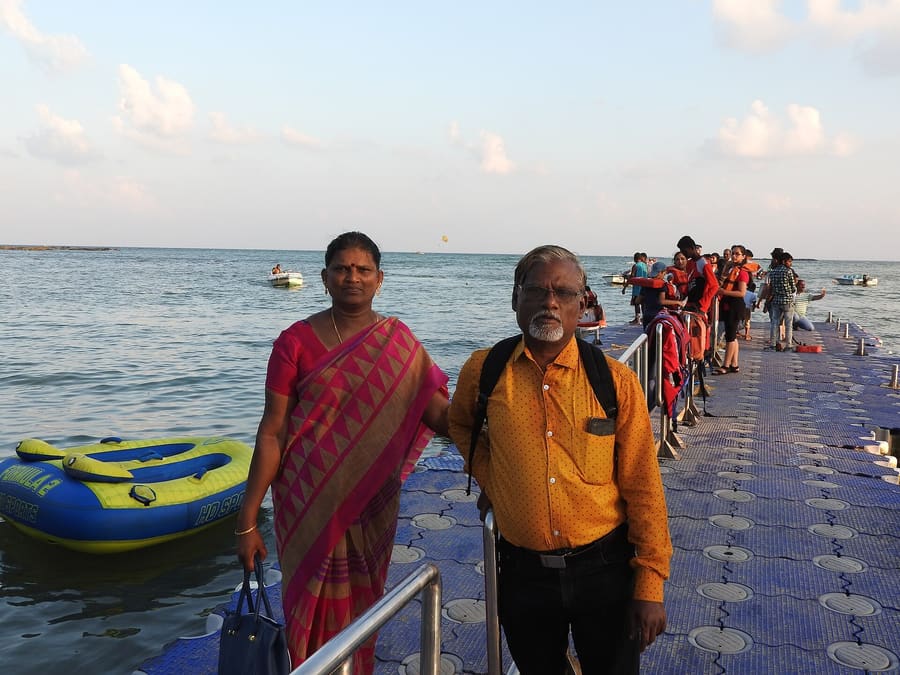
landmark
The closest swimming beach to the town center. Rent water scooters or sit at coastal stalls along the road.
Pregunta a Parley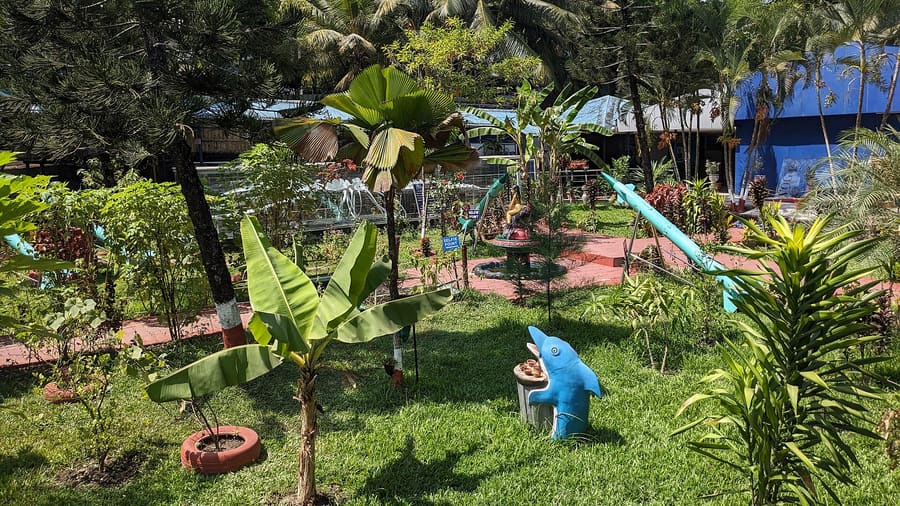
landmark
Run by the Indian Navy, featuring marine life displays and coral exhibits. Contains a giant blue whale skeleton.
Pregunta a Parleyattractions
areas
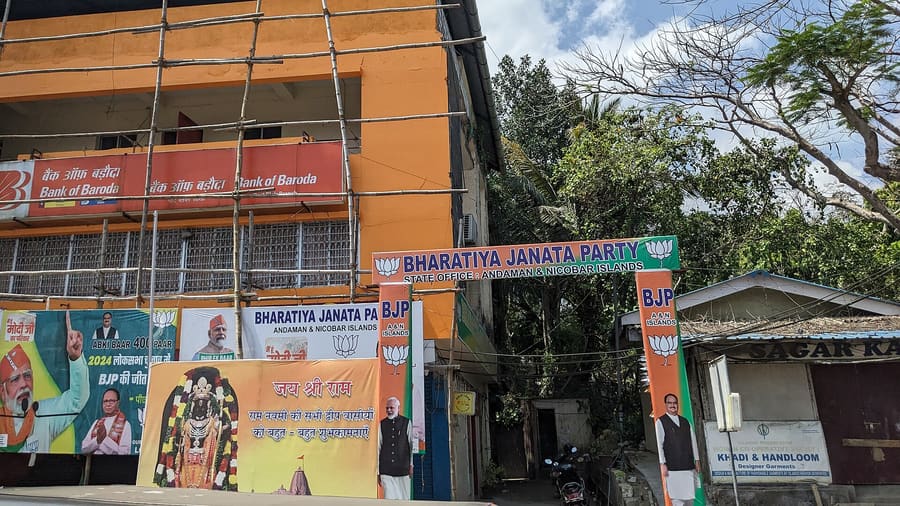
The commercial nucleus of the city, packed with banks, local eateries, and souvenirs.
CercaCellular Jail and Water Sports Complex
Pregunta a ParleyPort Blair's maritime gate, dominated by the passenger ferry terminal and shipping docks.
CercaHaddo Jetty and Samudrika Museum
Pregunta a ParleyA coastal residential district known for its local fish market and seaside promenade.
CercaAberdeen Bazaar and Marine Hill
Pregunta a ParleyA spread-out suburban zone sitting directly adjacent to the airport terminal.
CercaVeer Savarkar International Airport
Pregunta a Parleyfood
Port Blair's culinary style relies heavily on fresh catch brought in daily by local fishermen. Crab, red snapper, squid, and tiger prawns dominate local menus across town. Settlers from West Bengal, Tamil Nadu, and Andhra Pradesh have shaped the spicing of regional fish curries. You will find mustard-based fish gravies alongside spicy South Indian coastal preparations.
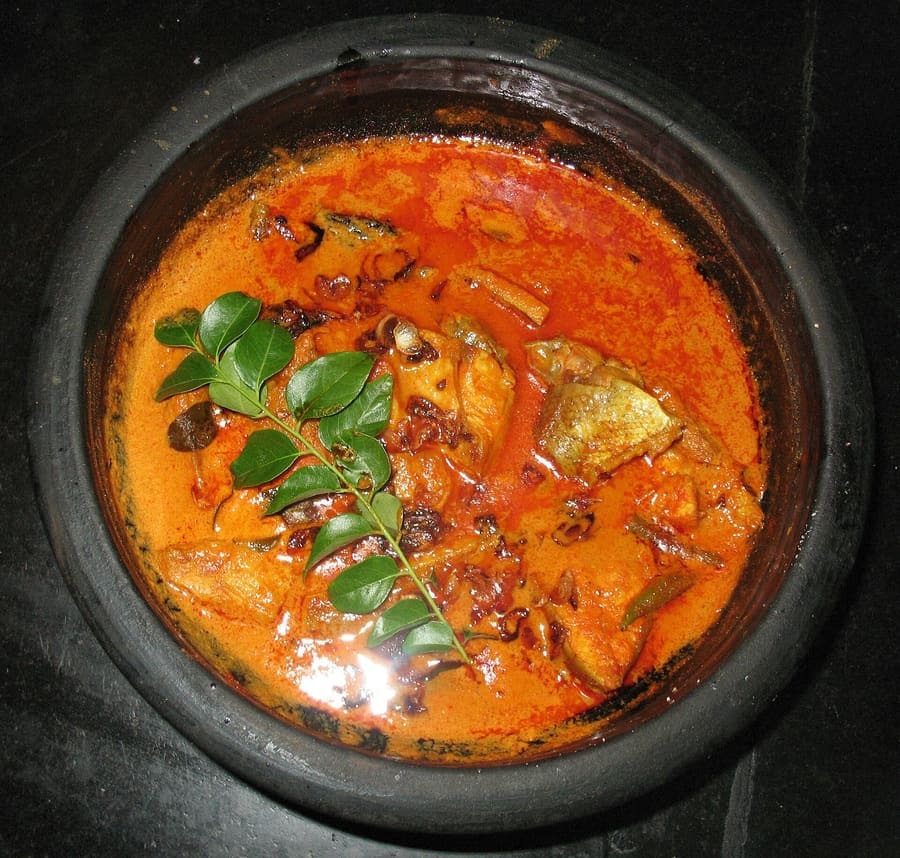
Fresh red snapper curry cooked with coastal spices and served with steamed rice.
Kalakki at ml.wikipedia · CC BY-SA 2.5Head to Junglighat jetty after 18:00 to buy fried fish cooked directly over small charcoal grills.
Eateries in Aberdeen Bazaar serve affordable Bengali fish thalis with rice, lentils, and mustard gravy.
Most independent restaurants close their kitchens between 15:00 and 18:30 before dinner service.
history
Port Blair was established as a British penal colony in 1858 to isolate political dissidents from mainland India. The remote location and harsh climate made escape nearly impossible. The construction of the Cellular Jail solidified its status as a notorious prison complex until World War II, when Japanese forces occupied the island chain.
Penal Colony Established
British administration sends first batch of prisoners following the Indian Rebellion of 1857.
Cellular Jail Completed
Construction finishes on seven radiating wings designed specifically for solitary confinement.
Japanese Occupation
Japanese forces take control of Port Blair during World War II, holding it until 1945.
where to stay
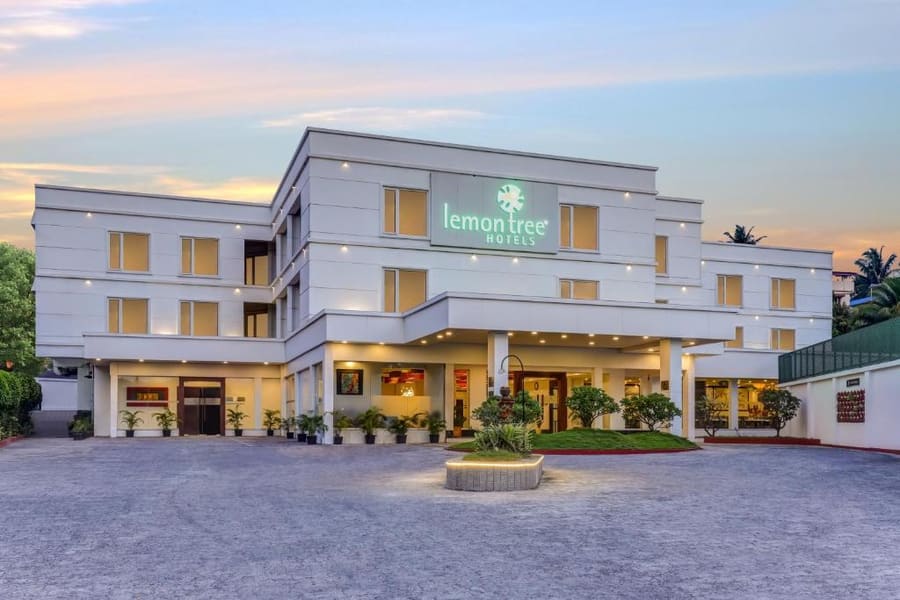
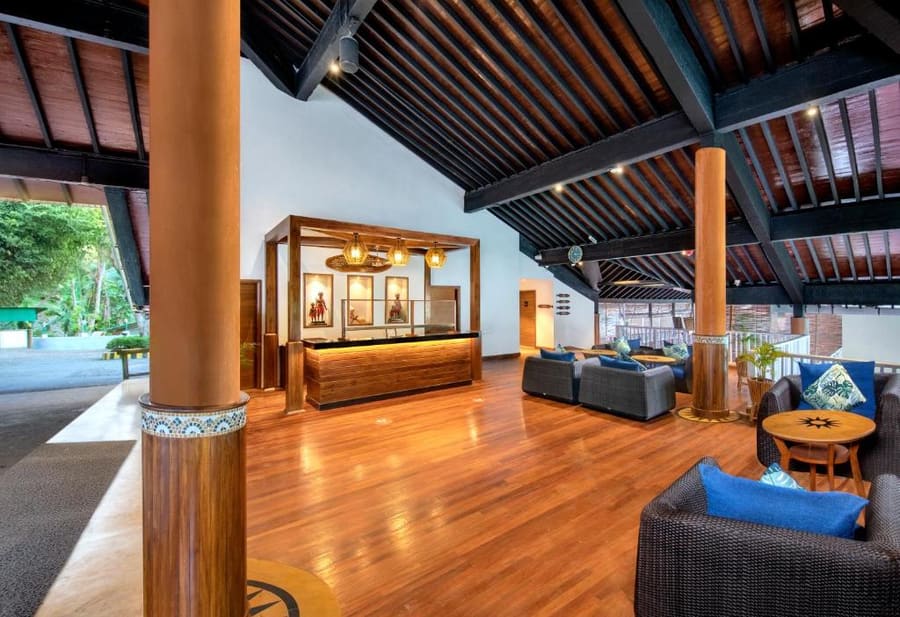
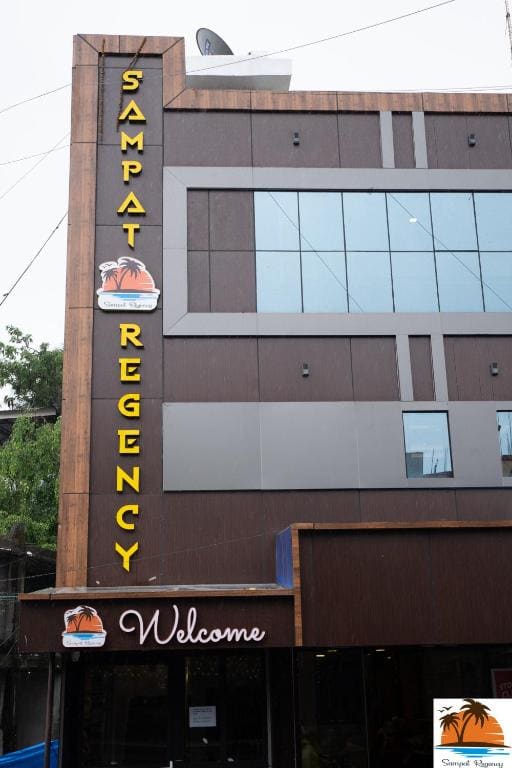
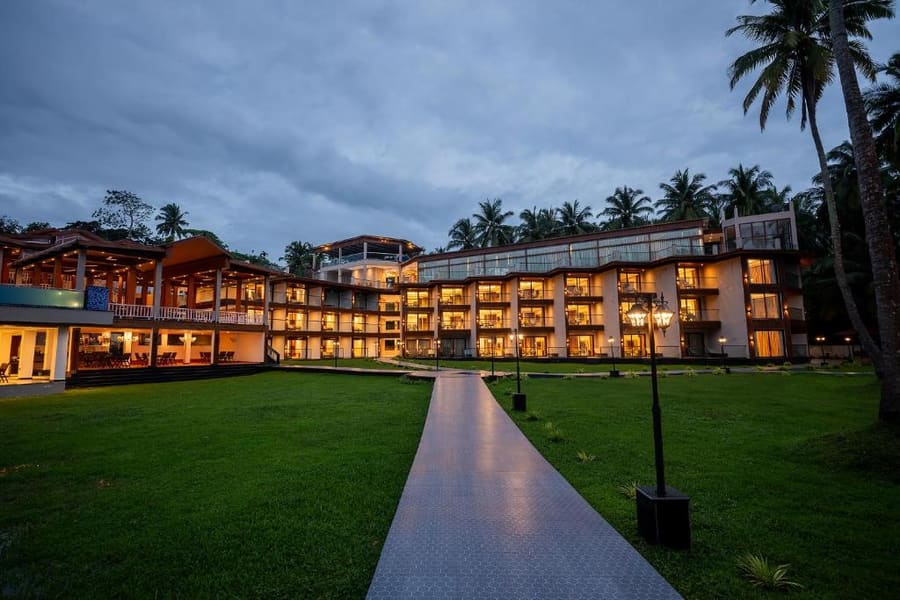
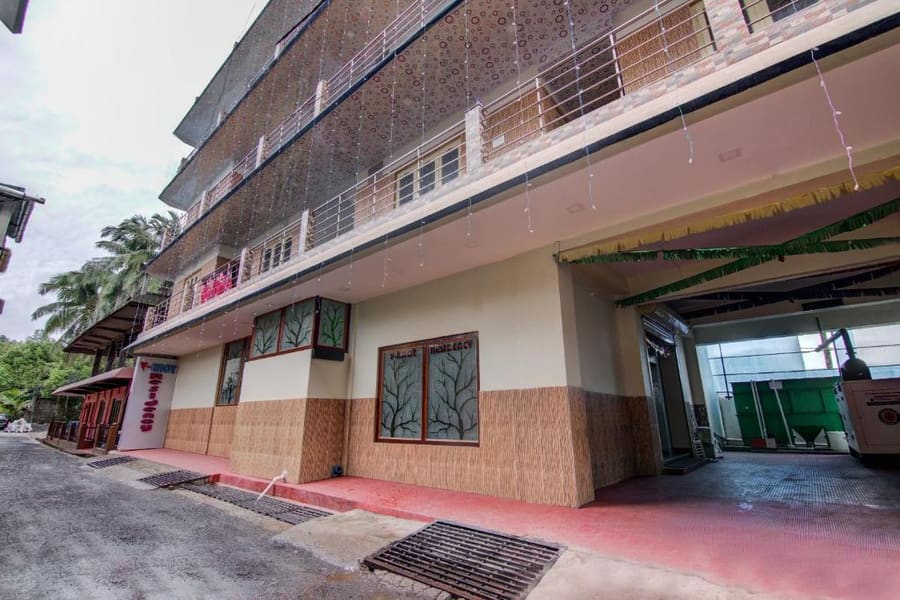
Choose your base depending on your travel itinerary and departure times. Stay near Phoenix Bay if you have an early morning ferry to Havelock or Neil Island. Stay in Aberdeen Bazaar for walkable access to restaurants, stores, and Cellular Jail. Stay in Garacharma if you need a quick drive to the airport for an early flight.
Live rates, matched to the areas above.
transport
Port Blair has no metro or ride-hailing apps like Uber or Ola. You will move around using auto-rickshaws, pre-booked private cabs, or local public buses. Auto-rickshaws rarely use meters, so negotiate the fare before getting into the vehicle.
Desde Veer Savarkar International Airport (IXZ)
Prepaid taxi counters inside the arrival hall set fixed prices to major zones.
Walk outside the main airport gate to catch rickshaws at lower rates.
Booked through your hotel for guaranteed driver pickup at the gate.
Drivers charge standard flat rates between major hubs; ask hotel staff for typical fares before flagging one.
Auto drivers and local bus conductors do not accept digital payments; carry paper currency.
Arrive at Phoenix Bay or Haddo Jetty at least one hour before scheduled sailing times.
Scooters rent for around ₹500 per day near Aberdeen Bazaar; valid physical driving license required.
cost
Prices in Port Blair are higher than on mainland India due to shipping costs for mainland supplies. Cash is necessary for daily transactions, as network connectivity issues frequently render card machines non-functional.
Base admission ticket price for visiting the prison grounds during daytime hours.
A full fish or vegetarian thali at a local diner in Aberdeen Bazaar.
One-way Catamaran seating from Port Blair to Havelock Island.
Short trip across central districts like Aberdeen to Phoenix Bay.
seasonality
OCT – FEB
Peak season with clear skies and calm ocean conditions. Book island ferries weeks in advance.
MAR – MAY
Hot and humid conditions with daytime heat reaching 34°C. Sea trips operate as normal.
JUN – SEP
Monsoon rains bring strong winds and rough seas. Inter-island ferries face frequent cancellations.
practicalities
ATMs in town often run out of cash during peak tourist months. Withdraw funds when you see a working machine.
BSNL and Airtel provide the most consistent network coverage; mobile internet speeds can be slow.
Due to eastern geography, darkness falls around 17:30 year-round. Start sightseeing trips early.
Contact with indigenous tribal groups is strictly illegal. Do not take photos in tribal reserve zones.
Single-use plastic water bottles are banned on many surrounding islands; carry a reusable container.