Italia
Positano
A vertical coastal town built on stairs, limestone and tuff cliffs, and lemons.
introduction
Overview
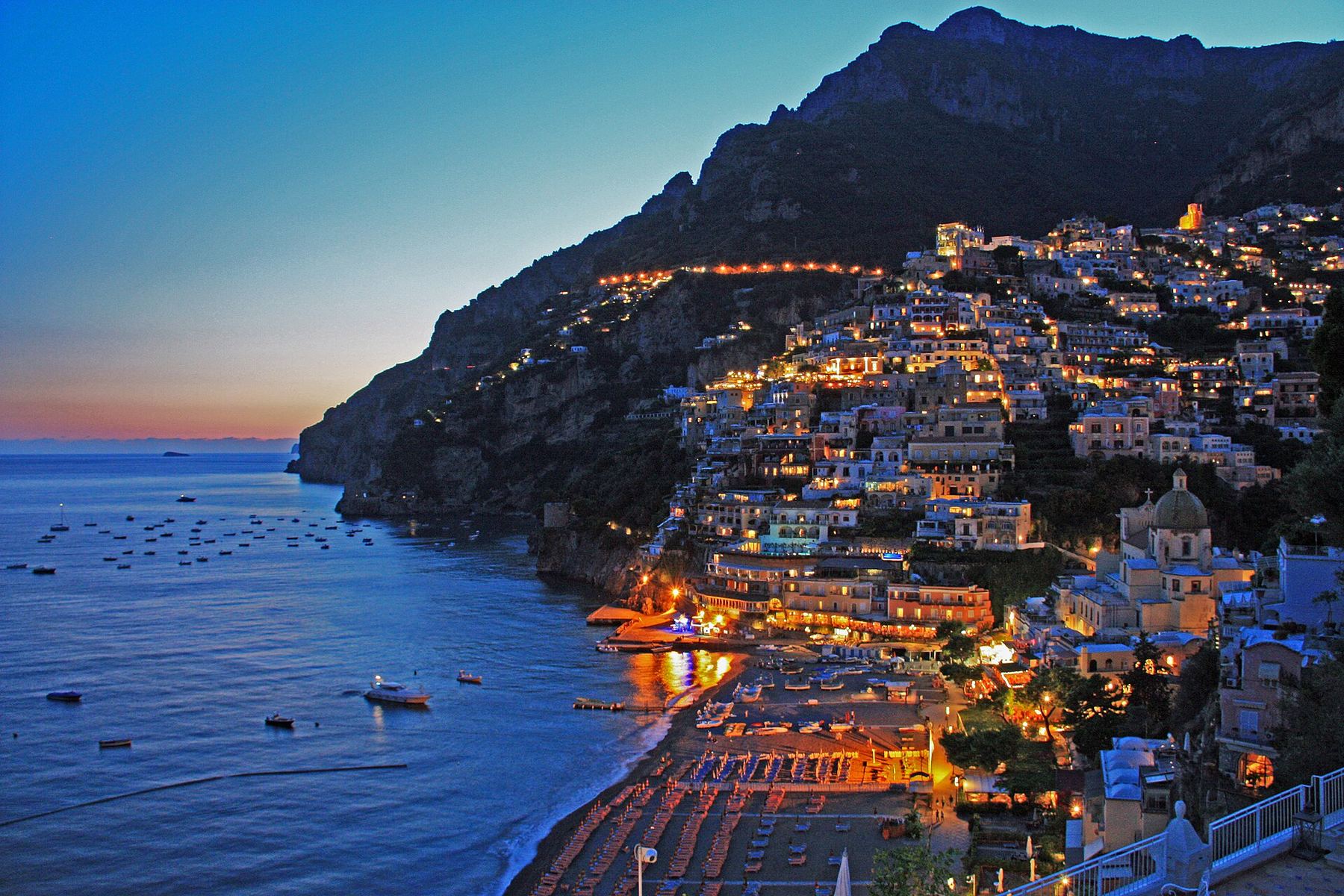
Positano scales a vertical cliff face above the Tyrrhenian Sea. Walking here means climbing hundreds of stone steps rather than navigating traditional street grids. Ferries connect the pier to neighbouring towns faster than the narrow coastal road. Prepare your legs for constant incline and your budget for peak coastal premiums.
Heritage status
The town forms part of the UNESCO World Heritage landscape covering the Amalfi Coast terrain.
Planning trick
Reserve beach sunbeds and ferry tickets weeks early for summer visits to guarantee access.
Positano
Jack45 · CC BY 3.0
Delizia al limone, a sponge cake filled and iced with local lemon cream.
dags 1974 · CC BY 2.0food
Lemon groves, sea catch, and cliffside dining
Positano dining revolves around regional citrus and daily catch brought ashore at Marina Grande. Terraced lemon orchards supply local kitchens, making fresh lemon cream a staple across desserts. Seafood dishes dominate menus along the waterfront, where transporting fresh supply up vertical steps drives up menu pricing.
Delizia al limone, a sponge cake filled and iced with local lemon cream.
dags 1974 · CC BY 2.0- Lemon specialty
Order Delizia al limone, a local sponge dome soaked in limoncello syrup and lemon cream.
- Seafood pasta
Scialatielli ai frutti di mare uses thick regional pasta tossed with local clams and squid.
- Lunch timing
Seafront tables book out fast by 13:30. Reserve ahead to secure water views at lower Marina Grande.
history
A short history
Positano developed as an maritime outpost of the Republic of Amalfi during the Middle Ages. Saracen watchtowers still dot the coastline, constructed to warn citizens of incoming sea raids. After centuries as a quiet fishing village, an essay by John Steinbeck in 1953 transformed it into an international destination.
- 12th Century
Flourishing Port
Grows as a vital trading port operating under the Republic of Amalfi.
- 1343
Tsunami Destruction
A massive earthquake and tsunami destroy the harbour, initiating economic decline.
- 1953
Steinbeck Essay
John Steinbeck writes about Positano in Harper's Bazaar, sparking international travel interest.
- 1997
UNESCO Listing
The Amalfi Coast terrain earns UNESCO World Heritage status for its cliffside cultural landscape.
where to stay
Where to stay
Select your location based on stair tolerance and luggage transport limits. Lower town hotels near Spiaggia Grande offer easy ferry access but charge high nightly premiums. Staying high up in Chiesa Nuova cuts accommodation costs while adding hundreds of steps to every outing.
¿Qué zona de Positano encaja con mi viaje?
transport
Getting around
Positano has no train lines or flat streets. Public transit relies on small internal buses, regional SITA buses along the SS163 highway, and maritime ferries running along the coastline.
Desde Naples International Airport (NAP)
- Taxi / Private Transfer75 - 105 mins€130 - €180
Night surcharges apply. Drops off on main road as central Positano is pedestrian-only.
- Shared Shuttle90 - 120 mins€35 - €55
Must pre-book online. Minibus pickup outside the arrivals hall.
- Bus (Curreri + SITA Bus via Sorrento)135 - 180 mins€13 - €16
Buy SITA tickets at Sorrento tabacchi before queuing. Expect crowded peak-season buses.
- Ferry (Alibus + Ferry via Molo120 - 160 mins€33 - €40
Seasonal (Apr-Oct). Alibus to port, then ferry. Extra €2 fee per large bag on board.
Small orange buses run loops between Positano Centro, Fornillo, and Nocelle. Buy tickets on board or at tabacchi shops.
Connects Sorrento and Amalfi along the cliff road. Purchase physical tickets at newsstands before queuing.
Run seasonal routes between Marina Grande, Amalfi, and Salerno, avoiding narrow road traffic entirely.
Stone staircases called scalinatella form the walking network. Expect significant physical exertion on all routes.
cost
What things cost
Challenging vertical logistics and global popularity make Positano one of the most expensive coastal destinations in Italy. Budget carefully for beach lounge rentals and transit fares.
- Spiaggia Grande sunbed: €30 - €50
Daily rate for one sun lounger in front rows near the water.
- SITA regional bus ride: €2.40 - €3.00
Single ticket cost between Positano and Sorrento or Amalfi.
- Pier porter bag service: €10 - €15 per bag
Fee to have a porter carry heavy luggage up stairways to your hotel.
- Trattoria pasta course: €18 - €28
Standard price for fresh seafood pasta at lower town dining spots.
seasonality
When to go
MAR – MAY
Mild spring weather ideal for cliff hiking. Sea water remains brisk for swimming.
Afluencia
Sea
JUN – AUG
Peak heat and maximum crowds. Ferry queues grow long and sunbeds require advance booking.
Afluencia
Sea
SEP – OCT
Warm sea temperatures persist while summer crowds taper off through late October.
Afluencia
Sea
NOV – FEB
Ferry services drop significantly and many hotels and restaurants close for the season.
Afluencia
Sea
practicalities
Good to know
- Luggage porters
Hire uniform porters at Marina Grande pier if your hotel sits high on the cliff steps.
- Dark pebble beaches
Shorelines feature hot black pebbles rather than soft sand. Bring water shoes for walking.
- Cash for small purchases
Carry small cash notes for porter tips, bus tickets, and beach fruit stalls.
- Ferry weather suspensions
Strong winds and rough swell can cancel maritime transit without advance notice.
- Trail footwear
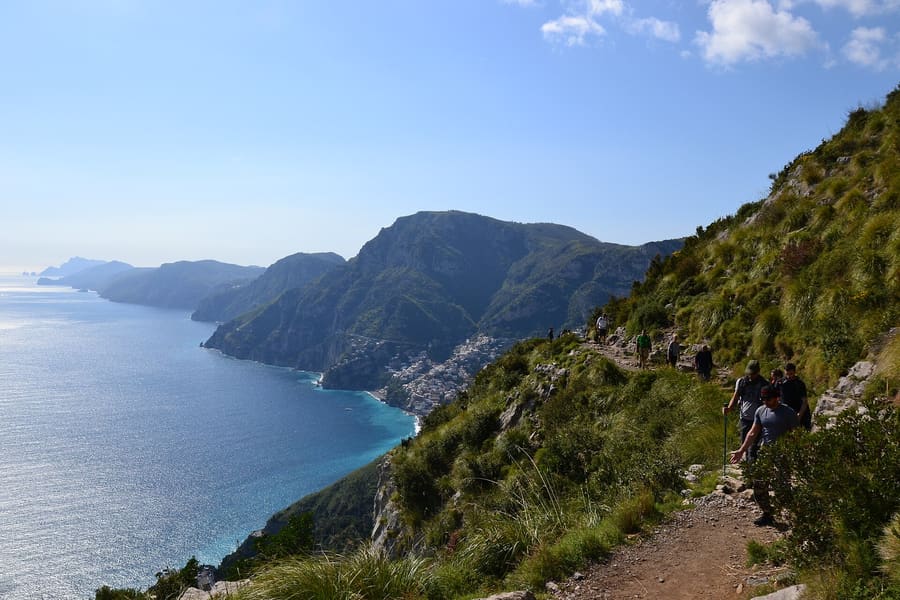
Wear sturdy footwear with traction when hiking the Sentiero degli Dei down into Nocelle.