landmark
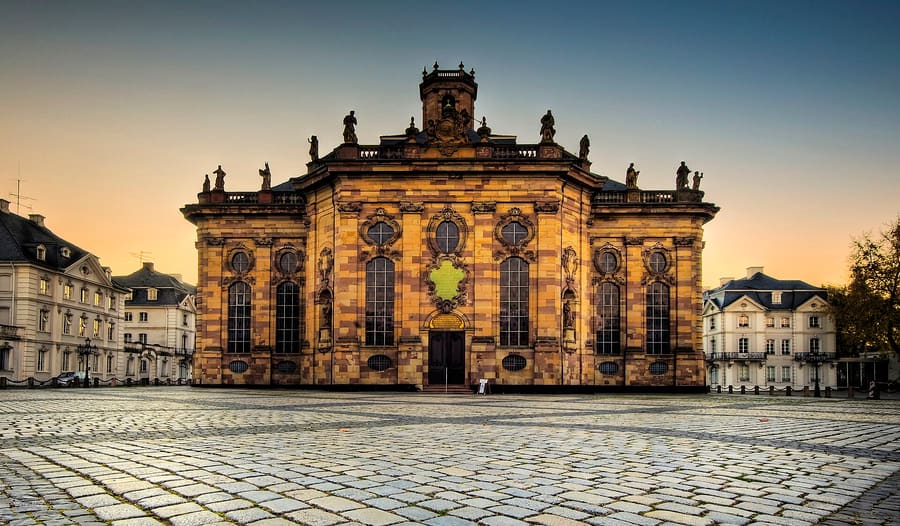
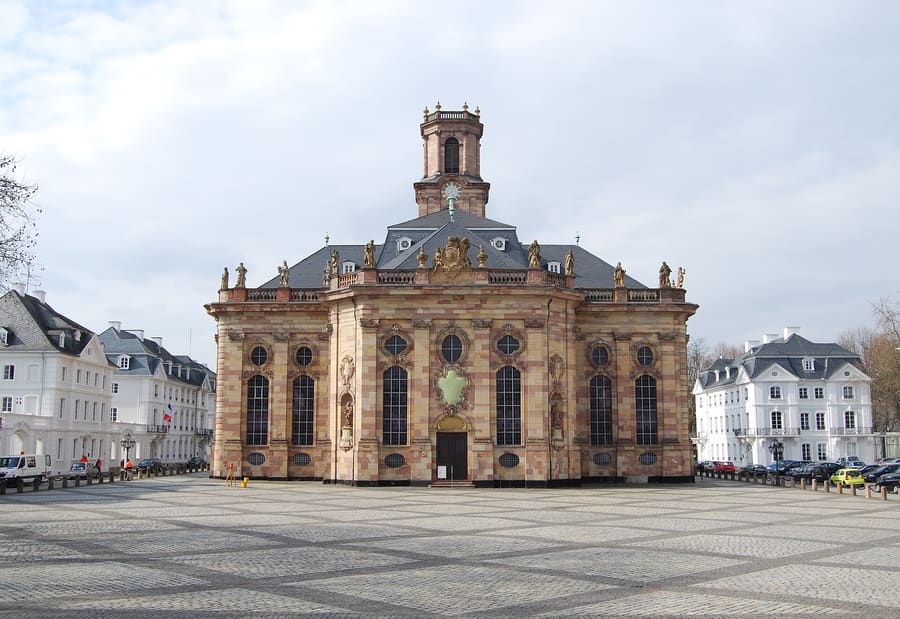
Ludwigskirche
Friedrich Joachim Stengel's Baroque church dominates Ludwigsplatz. Free entry; open Tuesday to Sunday afternoons.
Pregunta a ParleyAlemania
French appetite meets German heavy industry on the Saar.
introduction
Saarbrücken sits directly on the French border in southwest Germany. The Saar River splits the city into two distinct halves connected by stone bridges. Baroque squares built by court architect Friedrich Joachim Stengel sit across from former industrial quarters. You can cross into France on a local tram or spend the day exploring converted ironworks.
Border tram network
The Saarbahn line S1 connects Saarbrücken Central Station to Sarreguemines in France in 30 minutes for a standard local transit fare.
Industrial UNESCO site
Völklinger Hütte sits ten rail minutes away. It is the world's only intact pig-iron works from the height of the industrial era.
Saarland Card perk
Booking two nights at participating hotels includes the Saarland Card. It gives free transit and free entry to 100 regional attractions.
Saarbrücken
Ludwigskirche_Saarbrücken_2011.JPG: Felix König derivative work: Parzi (talk) · CC BY 3.0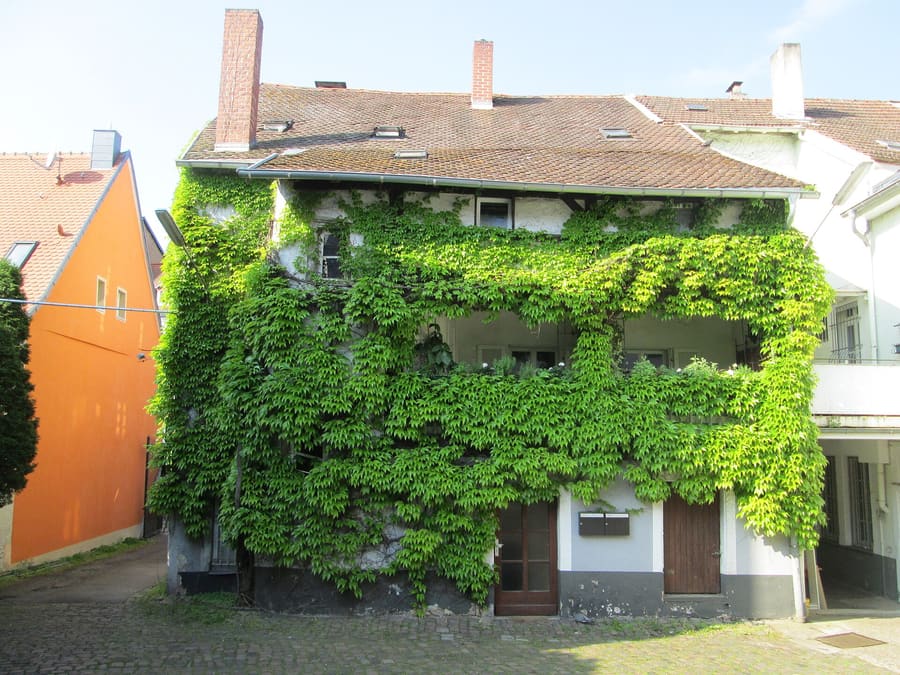
St. Johann — Pedestrian heart filled with outdoor dining, historic alleyways, and retail stores.
AnRo0002 · CC0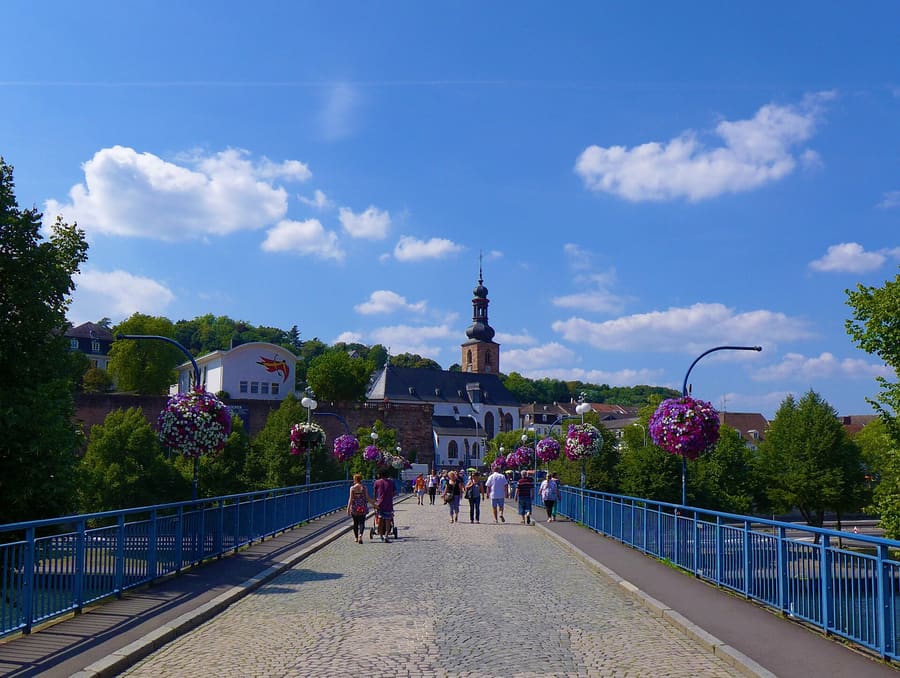
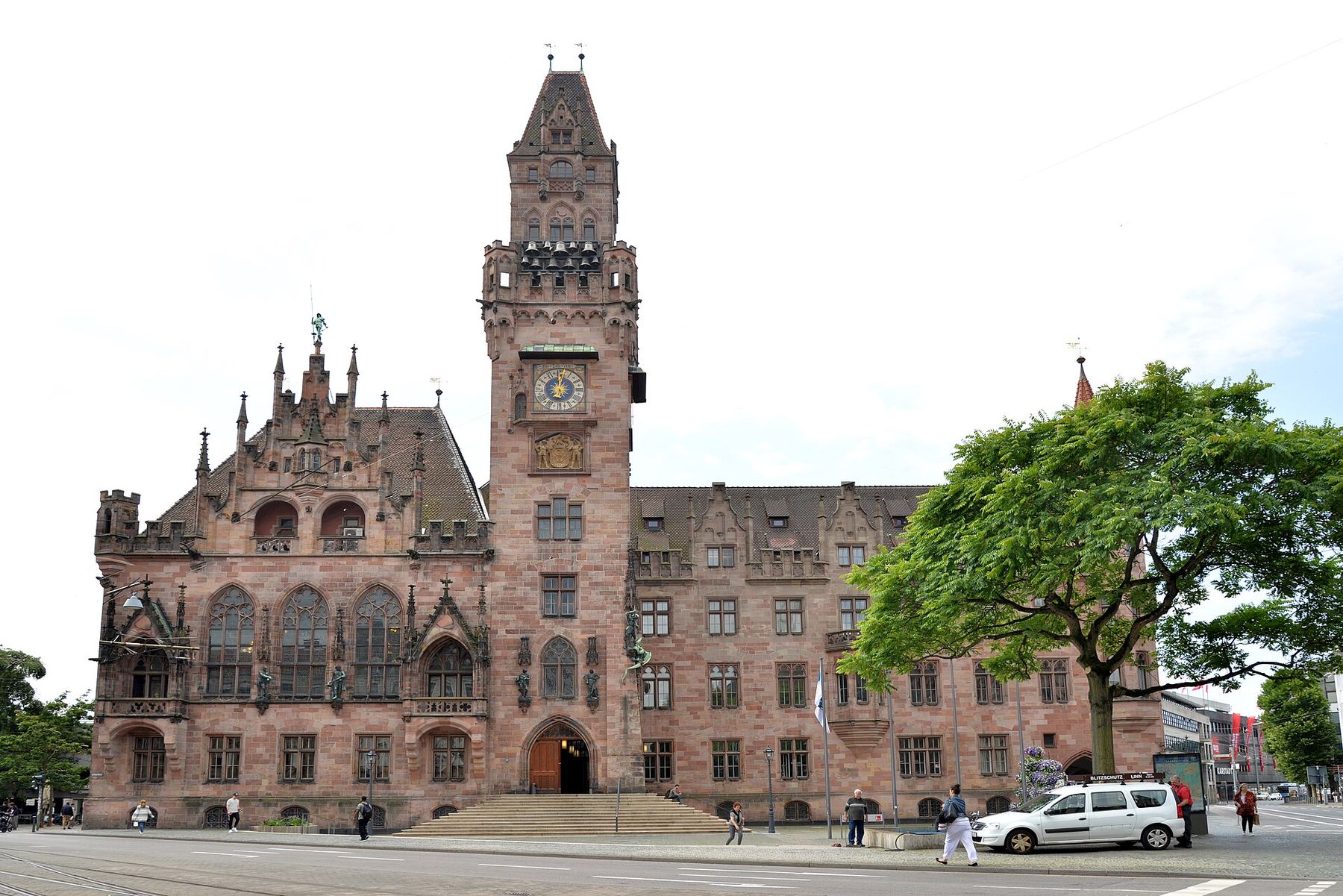
Alt-Saarbrücken — Historic district housing the Schloss, state government buildings, and quiet tree-lined squares.
Oktobersonne · CC BY-SA 4.0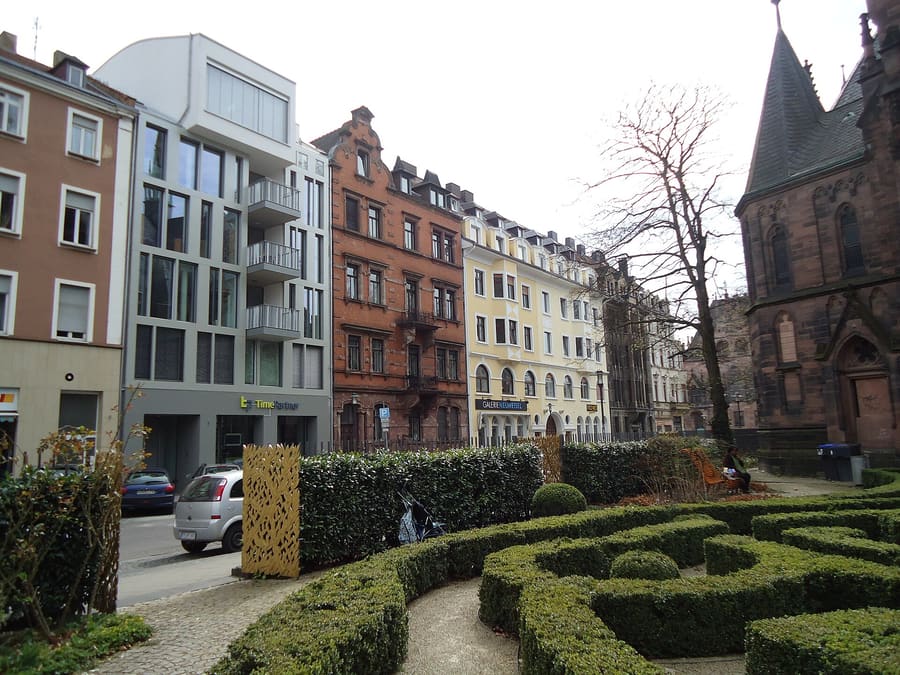
Nauwieser Viertel — Bohemian neighborhood filled with independent boutiques, craft pubs, and student cafes.
ThomasLöh · CC BY-SA 3.0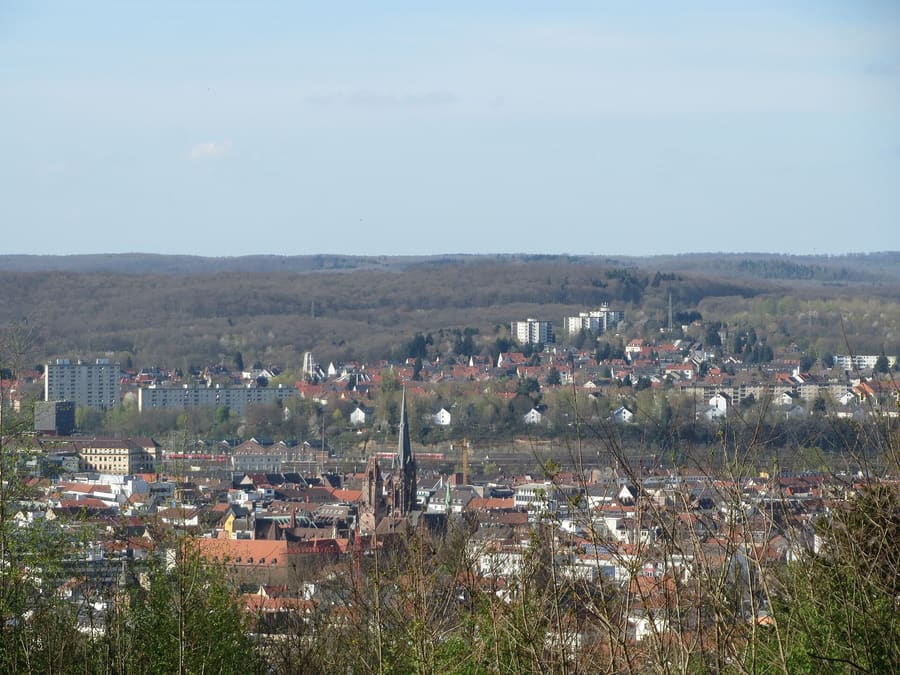
Rodenhof — Quiet residential quarter positioned directly north of the primary rail tracks.
AnRo0002 · CC0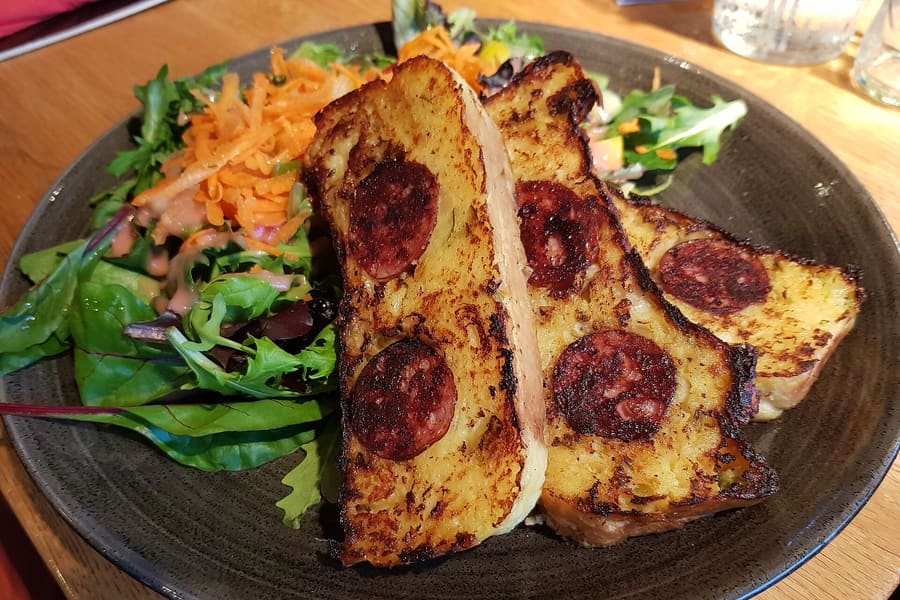
Dibbelabbes, a pan-baked potato hash cooked with pork and marjoram.
Asio otus · CC BY-SA 3.0highlights
landmark
Friedrich Joachim Stengel's Baroque church dominates Ludwigsplatz. Free entry; open Tuesday to Sunday afternoons.
Pregunta a Parley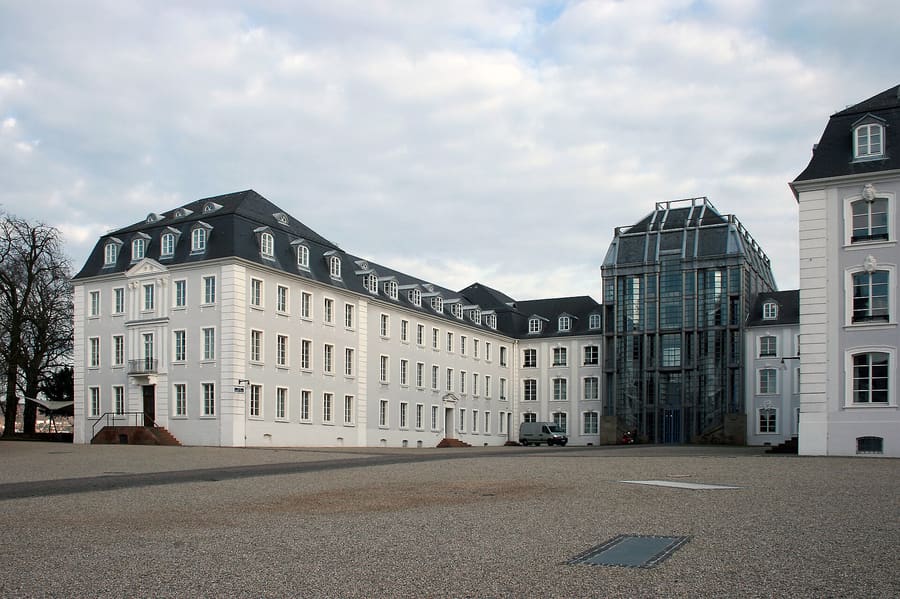
landmark
A historical castle topped with a glass and steel central roof. The underground historic casemates require booking.
Pregunta a Parley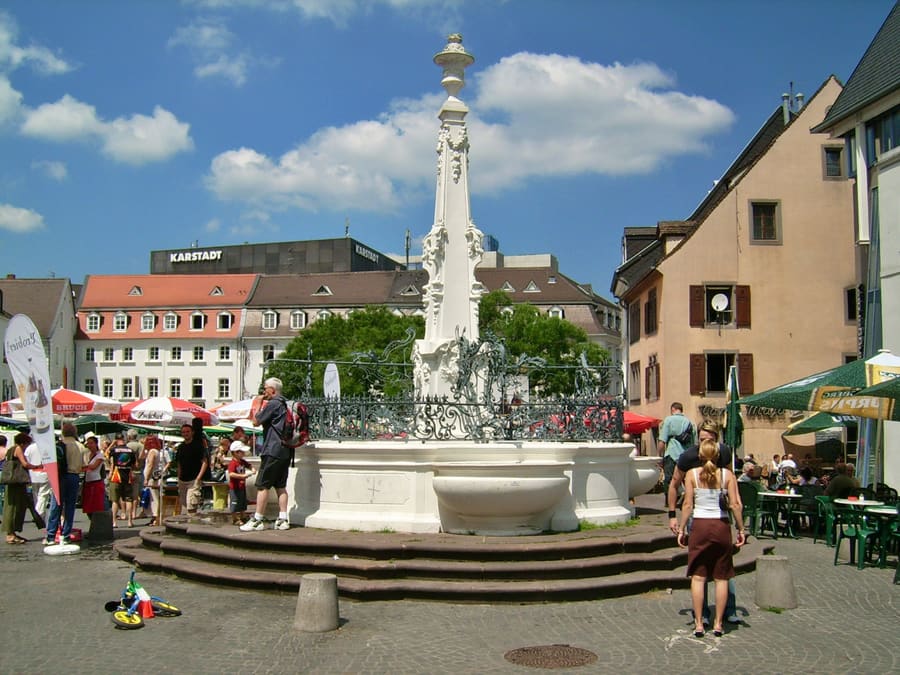
landmark
The central pedestrian hub lined with cafes, bistros, and a Stengel fountain. Busy from morning coffee to late night.
Pregunta a Parley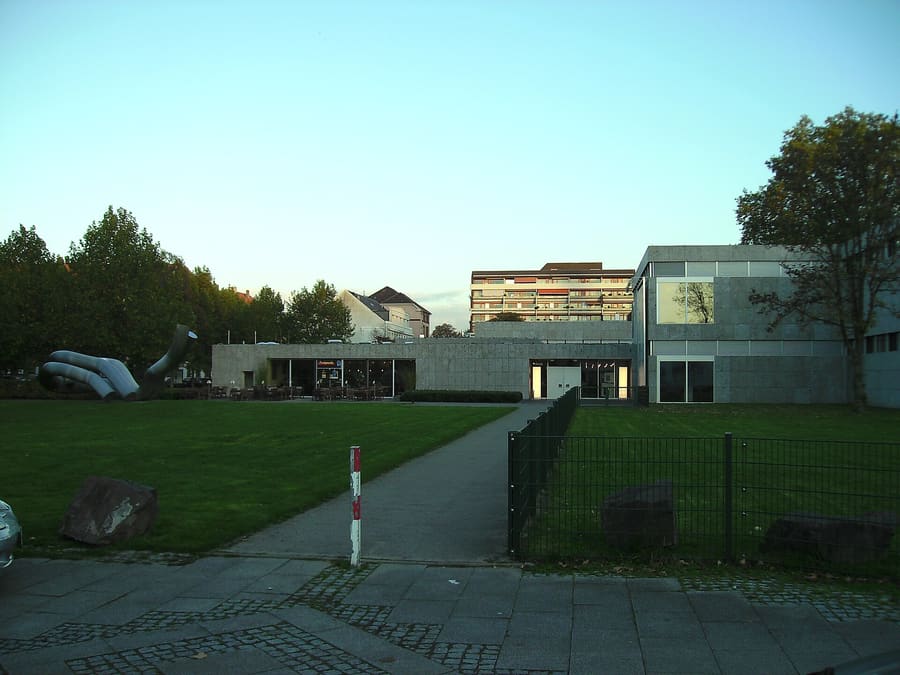
landmark
Modern art museum showcasing 19th-century to contemporary works. Closed Mondays; free admission on first Wednesday.
Pregunta a Parley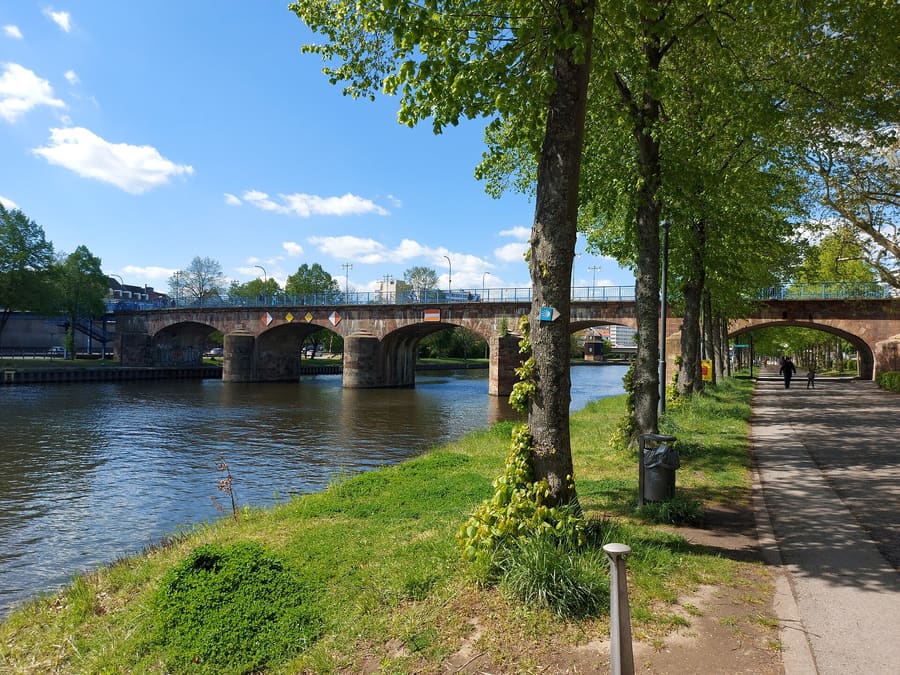
landmark
16th-century stone bridge connecting Alt-Saarbrücken and St. Johann. Flat towpaths line both banks for walking.
Pregunta a Parley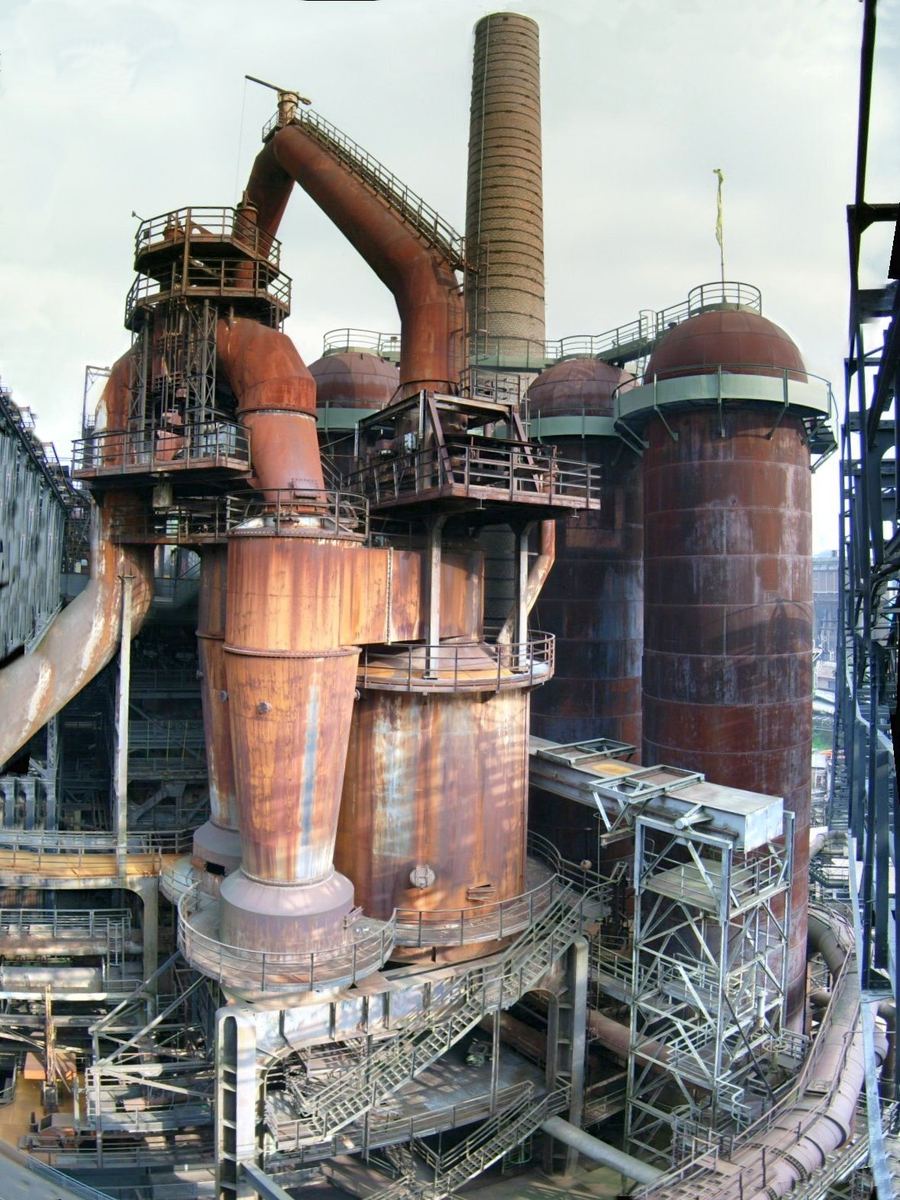
landmark
Massive decommissioned ironworks with walkable blast furnaces. Reachable in 10 minutes by regional train from Hauptbahnhof.
Pregunta a Parleyattractions
areas
Pedestrian heart filled with outdoor dining, historic alleyways, and retail stores.
CercaAlte Brücke and Nauwieser Viertel
Pregunta a ParleyHistoric district housing the Schloss, state government buildings, and quiet tree-lined squares.
CercaLudwigskirche and Saar riverbank
Pregunta a ParleyBohemian neighborhood filled with independent boutiques, craft pubs, and student cafes.
CercaSt. Johann and Central Station
Pregunta a ParleyQuiet residential quarter positioned directly north of the primary rail tracks.
CercaSaarbrücken Hauptbahnhof
Pregunta a Parleyfood
Saarland cuisine relies heavily on potatoes and pork. French culinary habits heavily shape local baking, butter quality, and wine lists. St. Johanner Markt serves as the central living room for eating out, packed with terraces from lunch until late evening.
Dibbelabbes, a pan-baked potato hash cooked with pork and marjoram.
Asio otus · CC BY-SA 3.0Shredded potatoes mixed with cured pork, dried marjoram, and leeks are crisped in a skillet and served with cold applesauce.
Locals pan-fry or pan-roast this cured pork ring sausage, typically alongside fried onions and potatoes.
Large potato dumplings stuffed with ground meat or liver sausage, served hot in a rich bacon cream sauce.
Local bakeries import French flour blends to bake baguettes and croissants alongside traditional German sourdough.
history
Saarbrücken developed as a crossing point over the Saar River. Court architect Friedrich Joachim Stengel reshaped the city with Baroque plazas and monuments during the 18th century. Control over the industrial Saar coalfield shifted between France and Germany multiple times during the 19th and 20th centuries.
Baroque transformation
Prince Wilhelm Heinrich commissions architect Friedrich Joachim Stengel to build Ludwigskirche and the city castle.
Battle of Spichern
Franco-Prussian forces battle on the heights south of the river, setting decades of industrial militarization in motion.
League of Nations rule
Post-WWI treaties put the Saar territory under League of Nations mandate before a plebiscite returns it to Germany.
Tenth German state
Following post-WWII French administration, Saarland officially joins West Germany after a popular vote.
where to stay
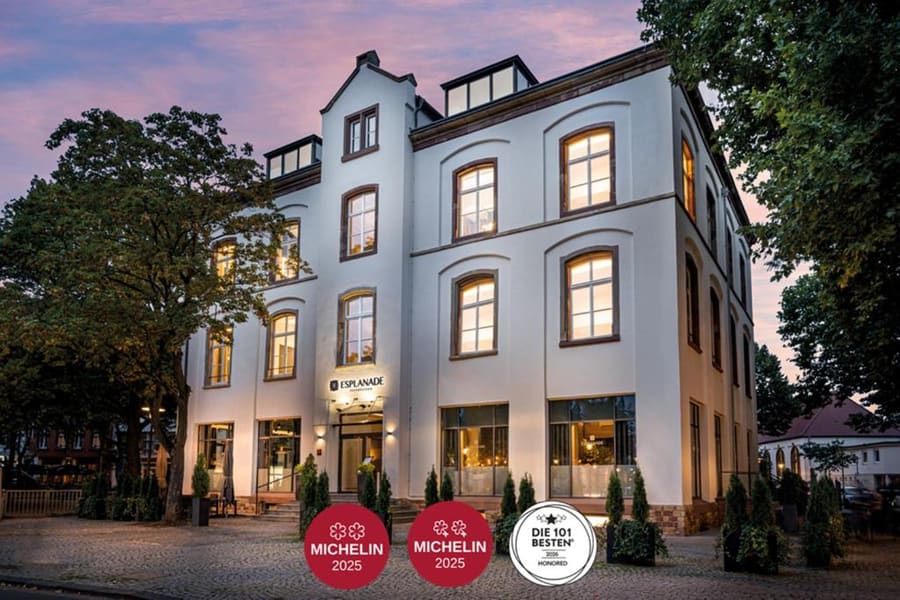
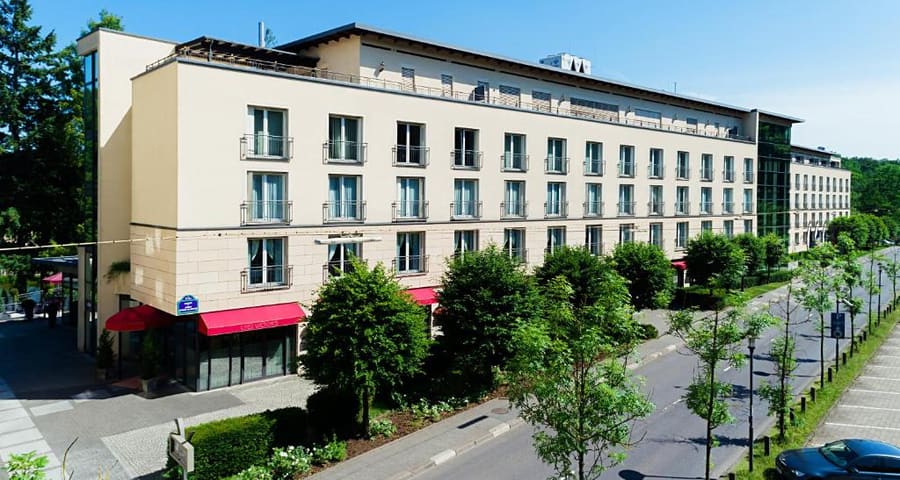
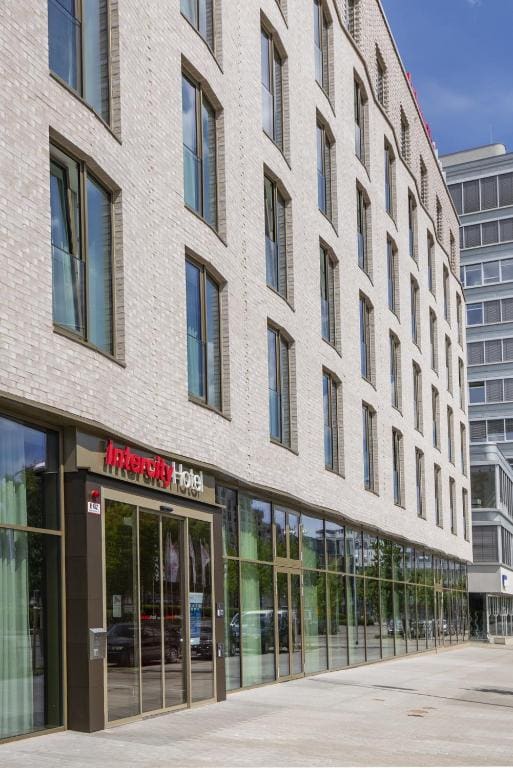
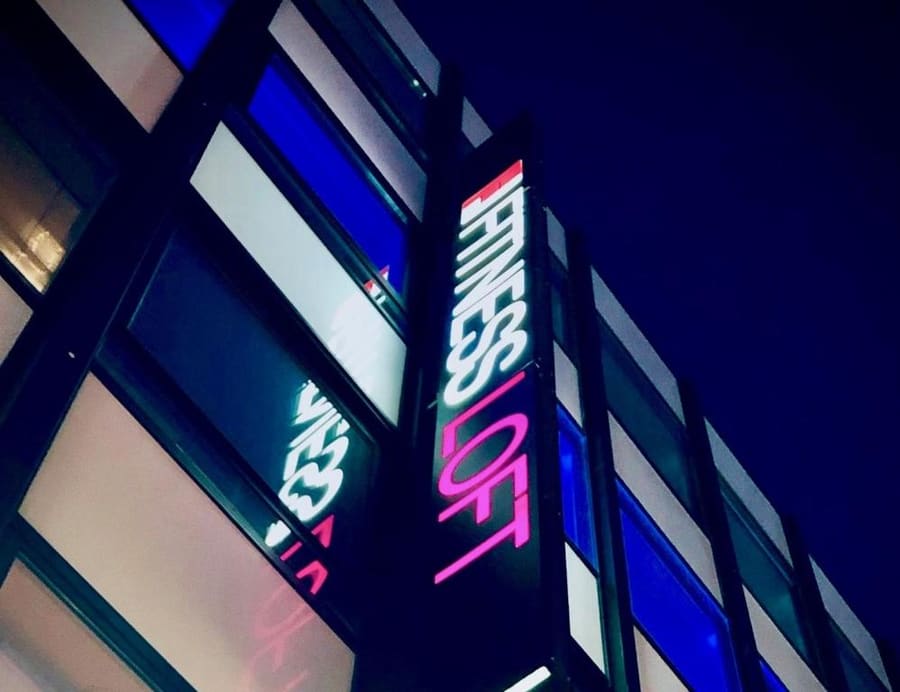
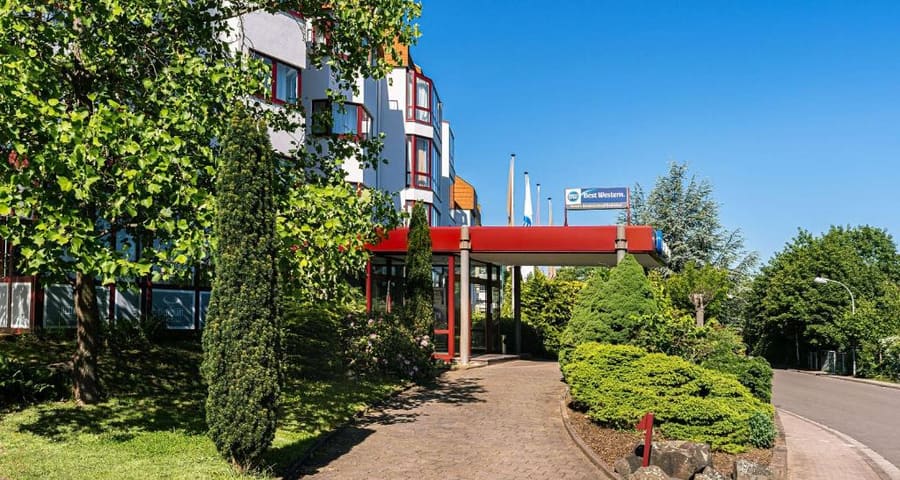
Choose your base depending on whether you want nightlife access or train connections. St. Johann puts you inside the dining core. Alt-Saarbrücken offers quiet streets near historic landmarks. Nauwieser Viertel suits casual stays near bars, while Rodenhof provides easy parking and central station access.
Live rates, matched to the areas above.
transport
Saarbrücken Hauptbahnhof serves as the central transit junction for regional trains and the Saarbahn tram line. The city centre is compact enough to navigate on foot. Crossing the river requires using historic stone bridges or designated pedestrian walkways.
Desde Saarbrücken Airport (SCN)
Regional bus line R10 connects the terminal directly to Saarbrücken Hauptbahnhof.
Official taxis wait outside arrivals. Rideshare apps quote lower variable rates.
Line S1 runs through the centre every 15 minutes and crosses directly into Sarreguemines in France.
Single tickets cost €2.80 within city zone 111. A day pass covers unlimited city transit.
Paved riverbank towpaths offer flat bike rides from the city centre out to industrial monuments.
Night bus lines N1 through N6 run hourly from St. Johanner Markt between 01:00 and 04:00.
cost
Prices reflect Saarbrücken's position as a regional capital rather than a global tourist hub. Dining, public transit, and museum entries remain moderate compared to Frankfurt or Munich.
Bistros around St. Johanner Markt offer daily lunch specials including a main plate and salad.
Traditional Saarland pub menus serve a full skillet of baked potato hash with applesauce.
Grants unlimited daily bus and Saarbahn rides across the inner city zone.
Standard adult admission grants entry to all blast furnace walkways and exhibition halls.
seasonality
MAR – MAY
Mild temperatures bring sidewalk tables back to St. Johanner Markt. Riverwalks turn green without heavy crowds.
JUN – AUG
Warmest window for riverfront events and open-air cinema at the castle. Hotel rooms fill up on festival weekends.
SEP – NOV
Cooler weather brings crisp air to surrounding forest trails. Great season for visiting blast furnaces and indoor galleries.
DEC – FEB
The Christmas market fills St. Johanner Markt during December. Winter days stay damp along the river valley.
practicalities
Retail shops close on Sundays. Train station markets and bakeries remain open for basic provisions.
Signs in older quarters often list historical dialect or French names under official German street names.
Staying two nights at participating hotels unlocks free regional transit and museum entries automatically.
Locals use the S1 tram line to Sarreguemines to buy French groceries, cheese, and pastries.
Walking from Alte Brücke up to Schloss Saarbrücken requires climbing steep cobbled ramps or staircases.