landmark
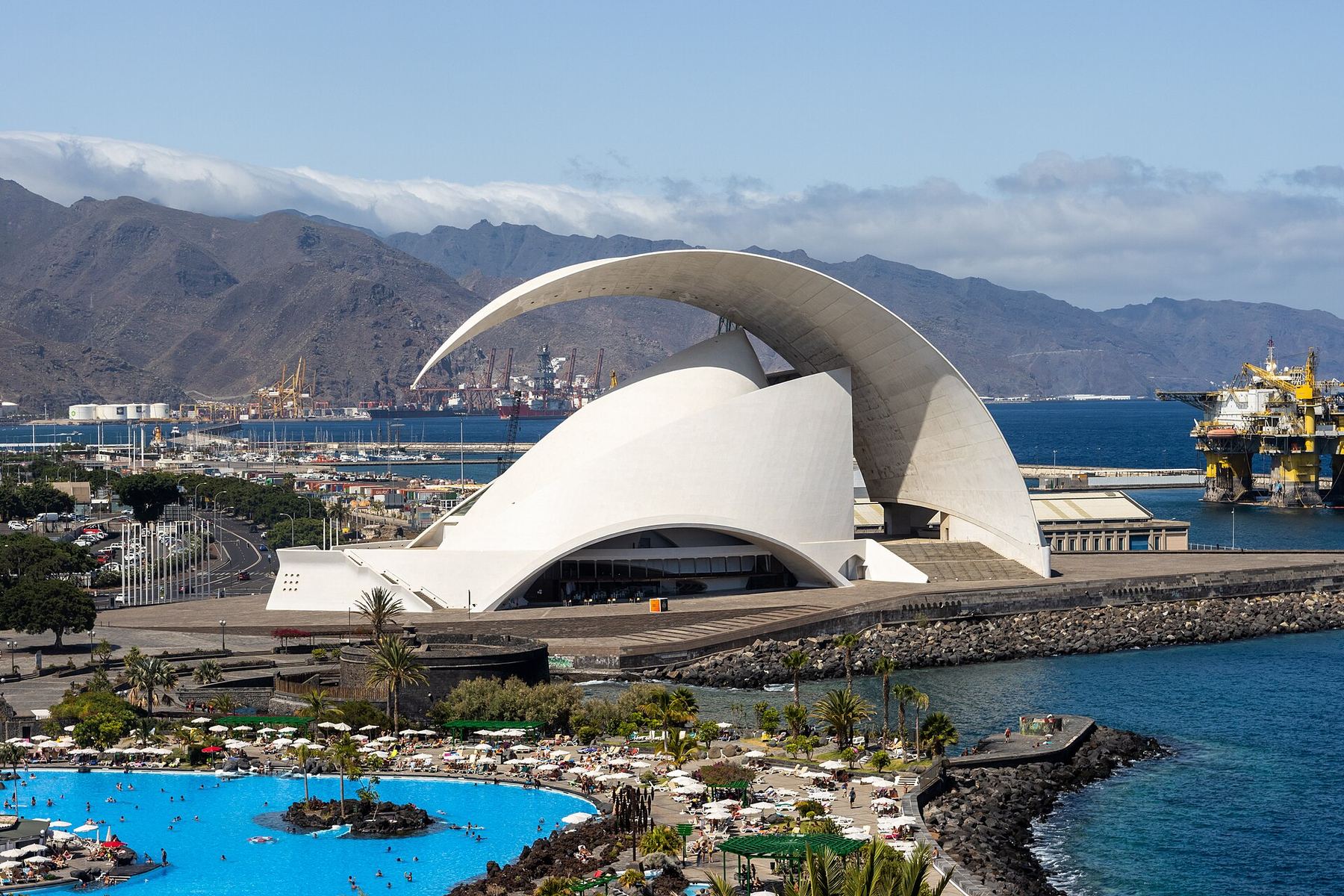
Auditorio de Tenerife
Santiago Calatrava's concrete concert hall sits directly on the ocean. Walk the sea wall behind it to inspect painted volcanic boulders.
Pregunta a ParleyEspaña
Atlantic port life, subtropical parks, and volcanic peaks.
introduction
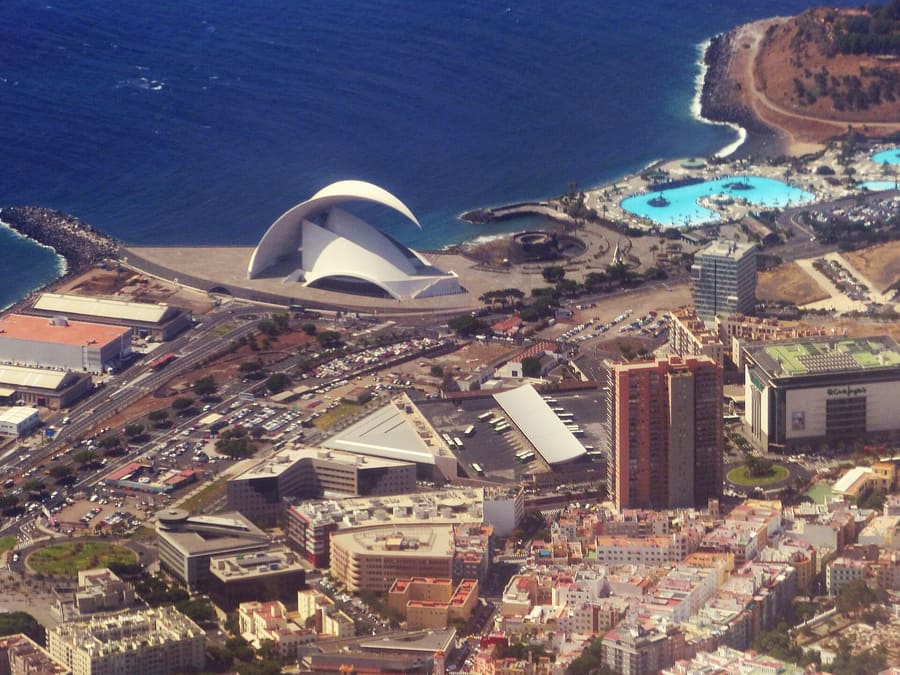
Santa Cruz de Tenerife operates as a working capital rather than a tourist resort. It balances sharp modern architecture like Calatrava's auditorium against deep green public parks and low-slung historic plazas. The urban center sits between the Atlantic coastline and the volcanic Anaga mountains. You come here to experience daily Canarian life, eat fresh Atlantic seafood, and escape northern winters.
Airport selection trick
Tenerife North Airport sits 13 kilometres away. Tenerife South takes 50 minutes on bus line 111.
UNESCO Biosphere status
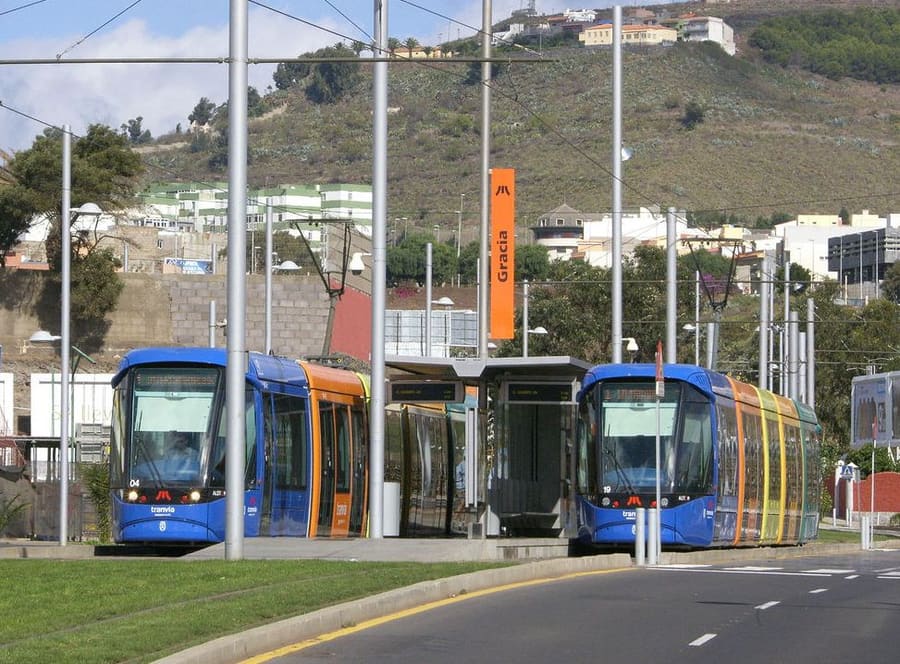
The Anaga massif behind the city holds UNESCO Biosphere status. Tram line 1 links the port directly to historic La Laguna.
Carnaval timing
February Carnaval transforms the city into Europe's largest street party. Hotel rates triple during this peak fortnight.
Santa Cruz de Tenerife
Axe · CC BY-SA 4.0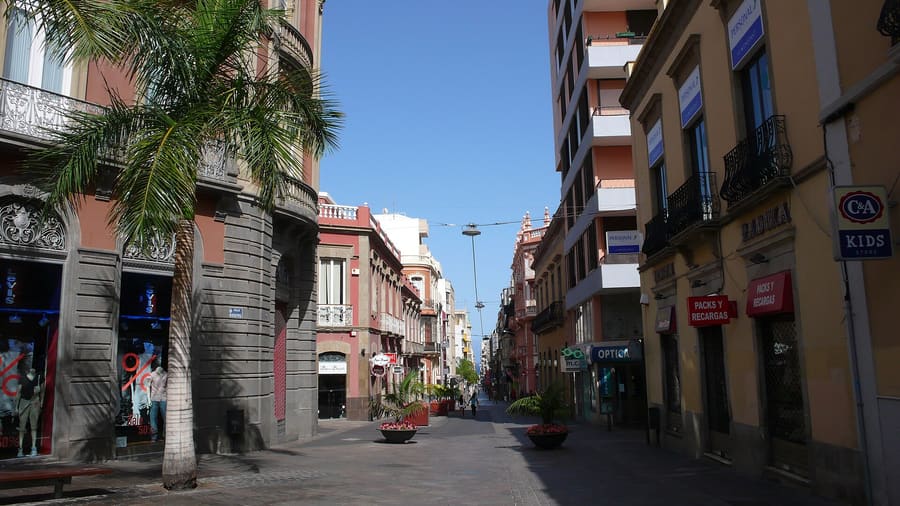
Centro - Rambla — Pedestrian shopping streets, outdoor terraces, and tree-lined avenues.
Mataparda · CC BY 3.0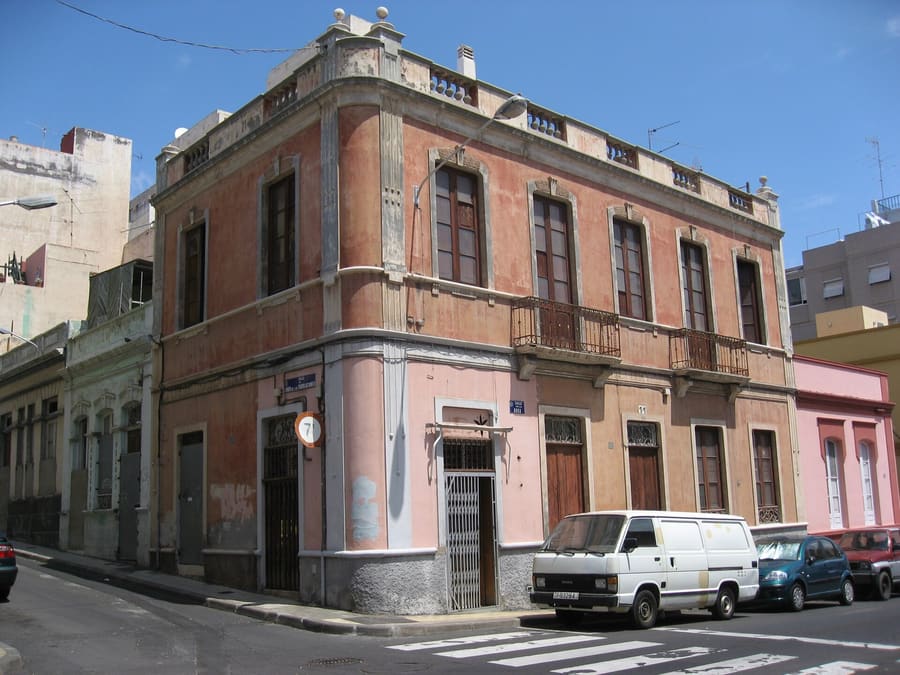
El Toscal — Quiet historic residential district with narrow grid streets.
Mataparda · CC BY-SA 2.0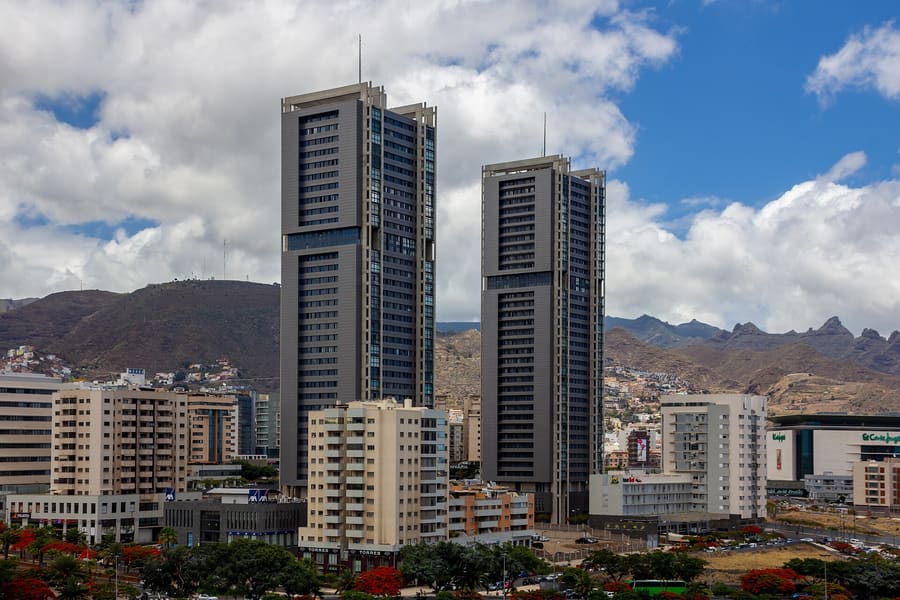
Cabo-Llanos — Modern residential area with wide avenues and seaside cultural centers.
Photograph by Mike Peel (www.mikepeel.net). · CC BY-SA 4.0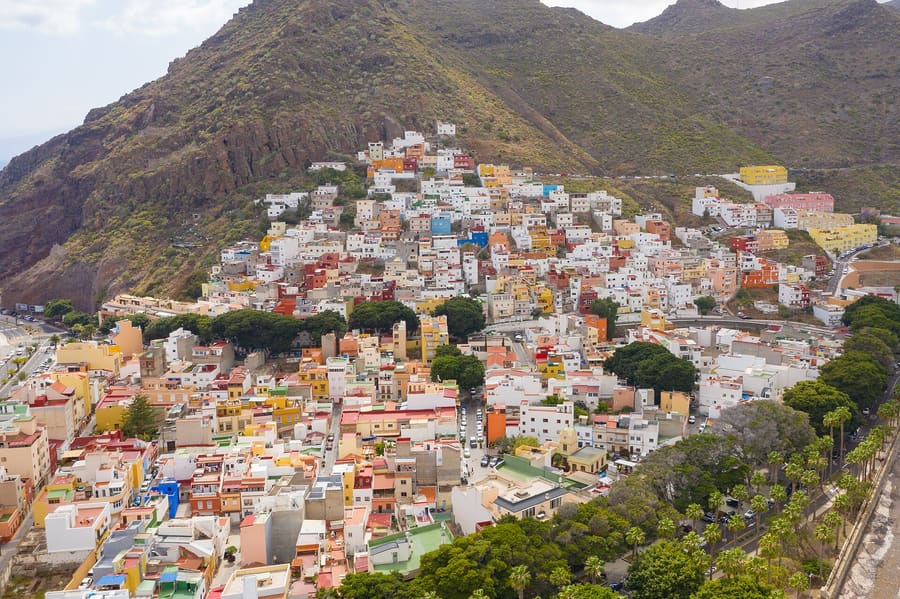
San Andrés — Coastal fishing village seven kilometres north of the city center.
dronepicr · CC BY 2.0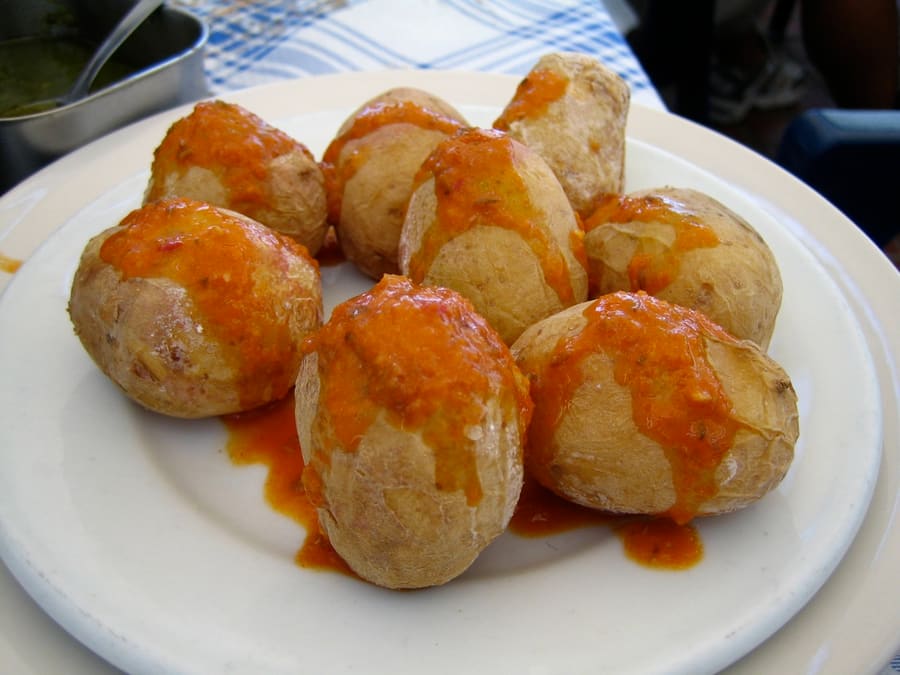
Papas arrugadas served alongside red and green mojo sauce.
Fer.. · CC BY 2.0highlights
landmark
Santiago Calatrava's concrete concert hall sits directly on the ocean. Walk the sea wall behind it to inspect painted volcanic boulders.
Pregunta a Parley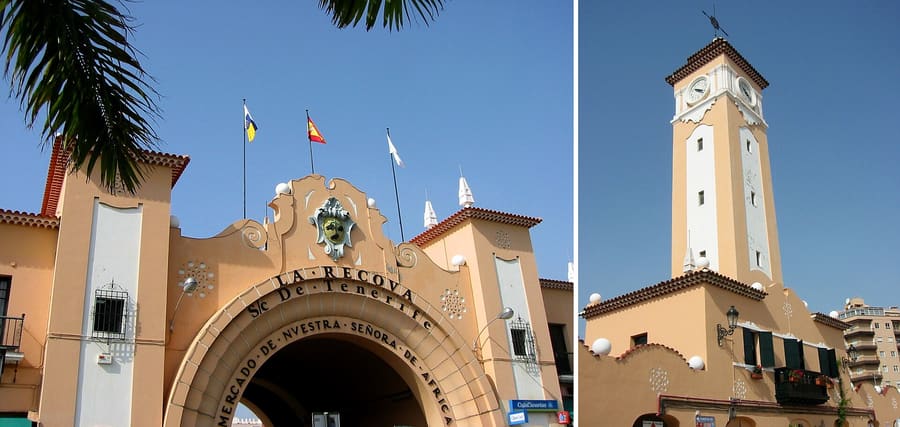
landmark
Neo-colonial market hall selling goat cheese and fresh seafood. Head downstairs to the fishmongers for cheap oyster plates.
Pregunta a Parley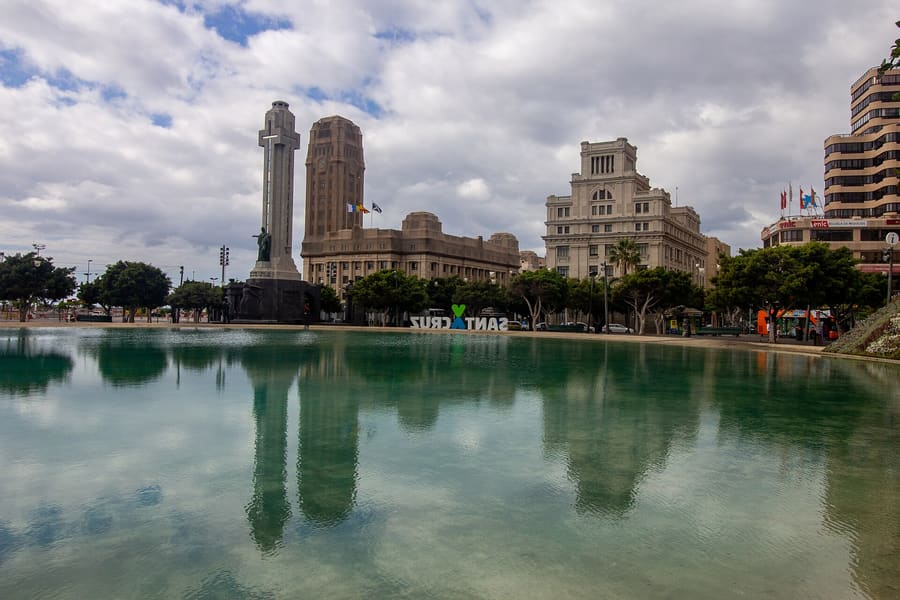
landmark
The city's central square features a shallow saltwater pool designed by Herzog & de Meuron. Ruins of an old fort rest beneath.
Pregunta a Parley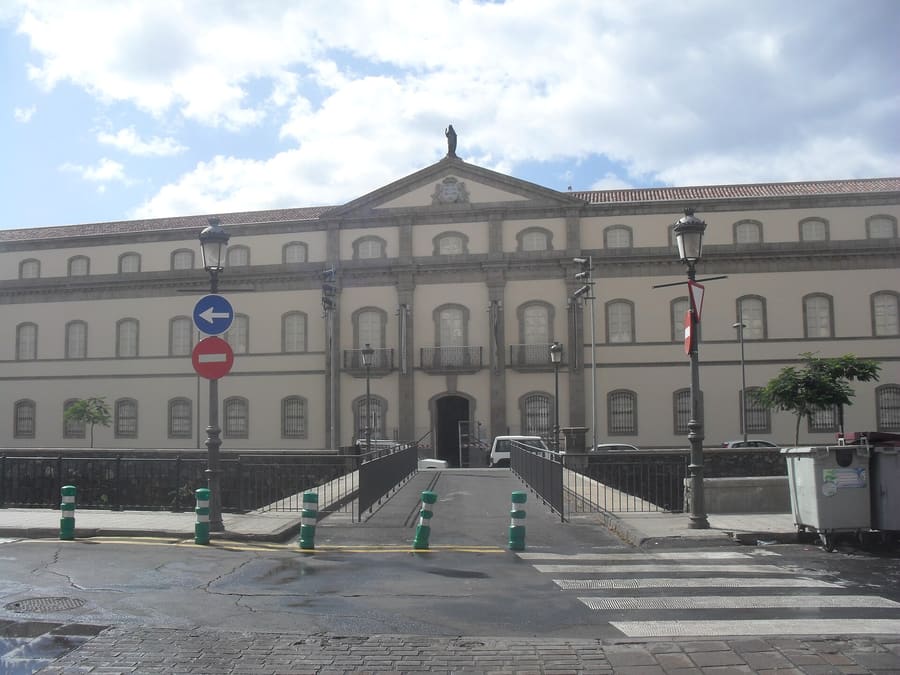
landmark
Exhibits details on the indigenous Guanche people and well-preserved mummies. Housed in a former eighteenth-century hospital.
Pregunta a Parley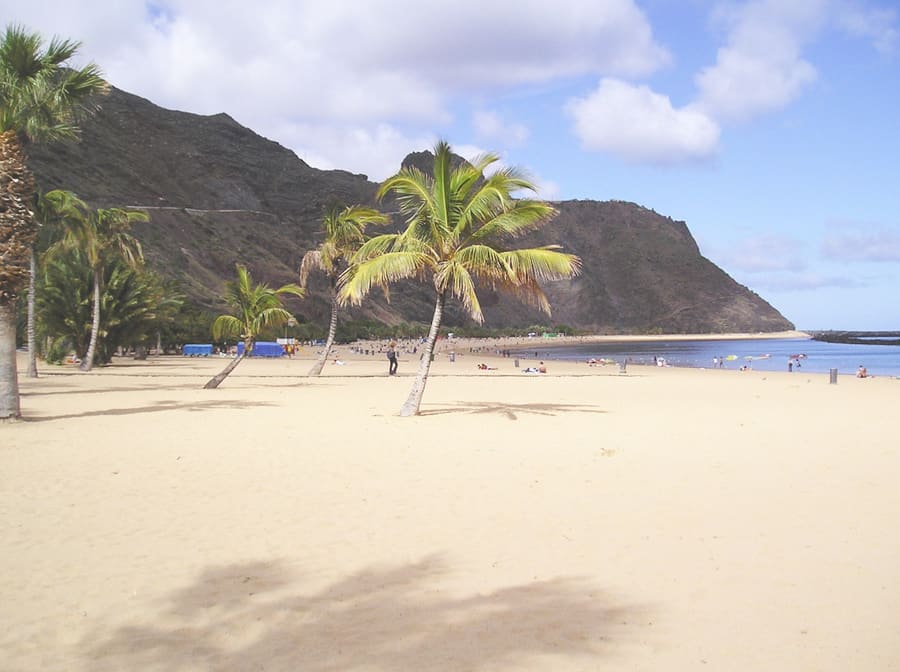
landmark
A golden sand beach imported from the Sahara, protected by a breakwater. Bus 910 connects directly from the city in 20 minutes.
Pregunta a Parleyattractions
areas
Pedestrian shopping streets, outdoor terraces, and tree-lined avenues.
CercaPlaza de España, Parque García Sanabria, Calle Castillo.
Pregunta a ParleyQuiet historic residential district with narrow grid streets.
CercaParque García Sanabria, Port of Santa Cruz.
Pregunta a ParleyModern residential area with wide avenues and seaside cultural centers.
CercaAuditorio de Tenerife, Palmetum, Intercambiador bus station.
Pregunta a ParleyCoastal fishing village seven kilometres north of the city center.
CercaPlaya de Las Teresitas, Anaga mountains.
Pregunta a Parleyfood
Dining in Santa Cruz centers on Atlantic seafood and traditional Canarian dishes. Restaurants prepare papas arrugadas, small wrinkled potatoes boiled in salt water and served with red pepper or coriander mojo sauces. The lower floor of Mercado de Nuestra Señora de África functions as a seafood market where local stalls serve raw oysters and grilled octopus directly to standing customers.
Papas arrugadas served alongside red and green mojo sauce.
Fer.. · CC BY 2.0Order a barraquito after breakfast. It contains condensed milk, Licor 43, espresso, steamed milk, and lemon zest.
Visit the subterranean level of Mercado de Nuestra Señora de África on Sunday morning for fresh fried fish and cold beer.
Take tram line 1 toward La Laguna to reach authentic guachinches, informal rural eateries serving house wine and grilled meats.
history
Santa Cruz developed as the primary harbour for the nearby upland capital of San Cristóbal de La Laguna. Its strategic position in the Atlantic made it a target for foreign fleets. In 1797, British Admiral Horatio Nelson attacked the city port and lost his arm to local artillery defense. In 1936, General Francisco Franco launched his military coup from Santa Cruz before taking control of mainland Spain.
Castilian landing
Conquistador Alonso Fernández de Lugo plants a wooden cross on the beach, establishing Santa Cruz as a supply camp.
Battle of Santa Cruz
Local forces defend the port against Admiral Nelson's navy, preserving Spanish control over the Canary Islands.
Capital city status
Santa Cruz officially replaces La Laguna as the sole capital of the Canary Islands, driving port expansion.
Auditorio opening
The opening of Santiago Calatrava's Auditorio de Tenerife marks a shift toward modern architecture and culture.
where to stay
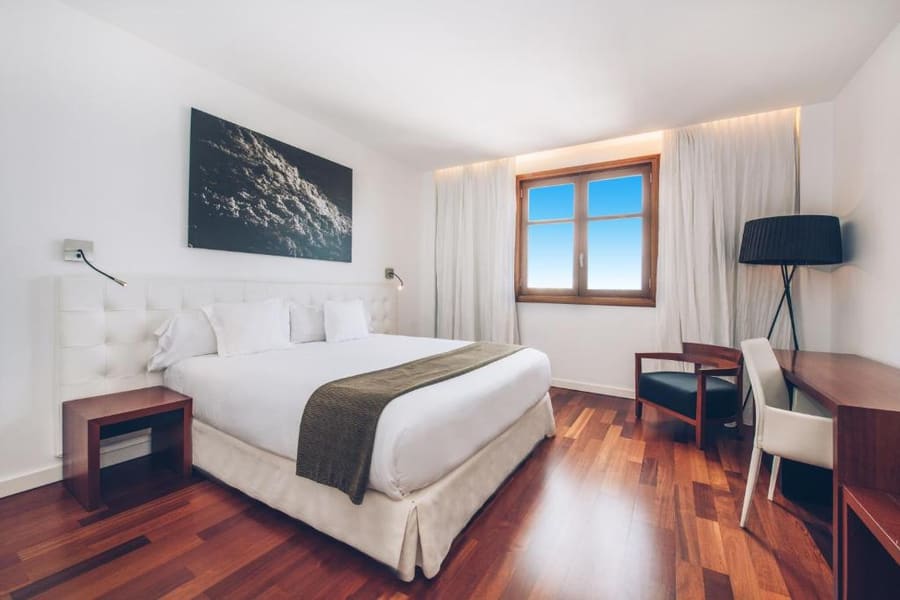
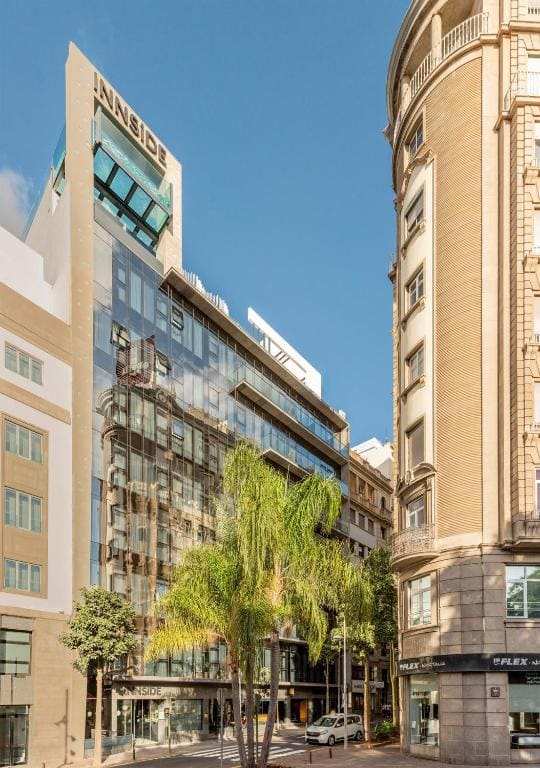
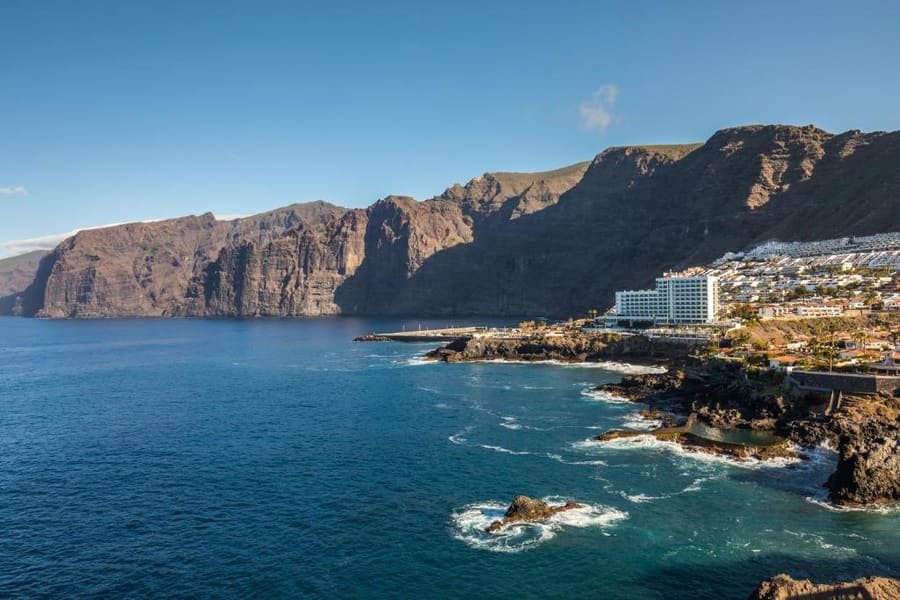
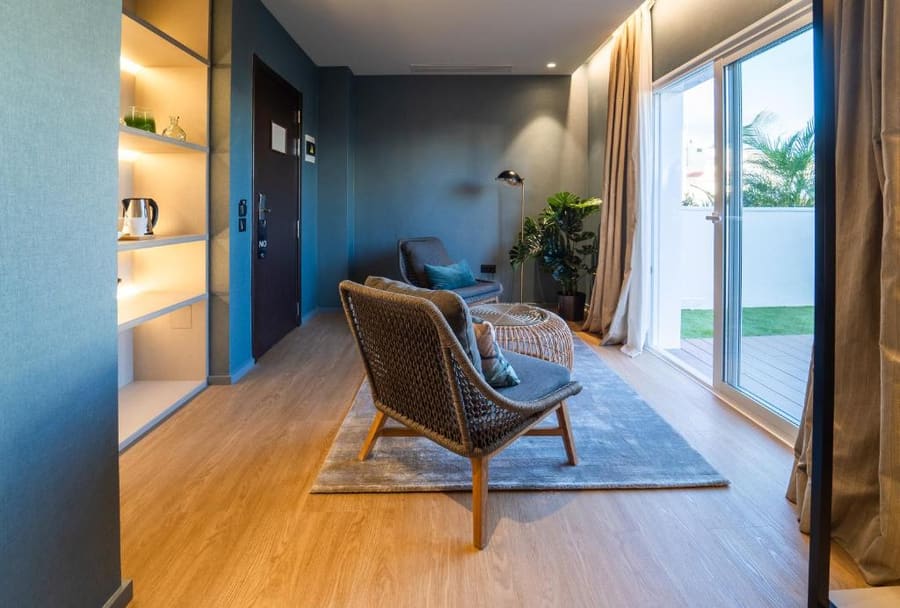
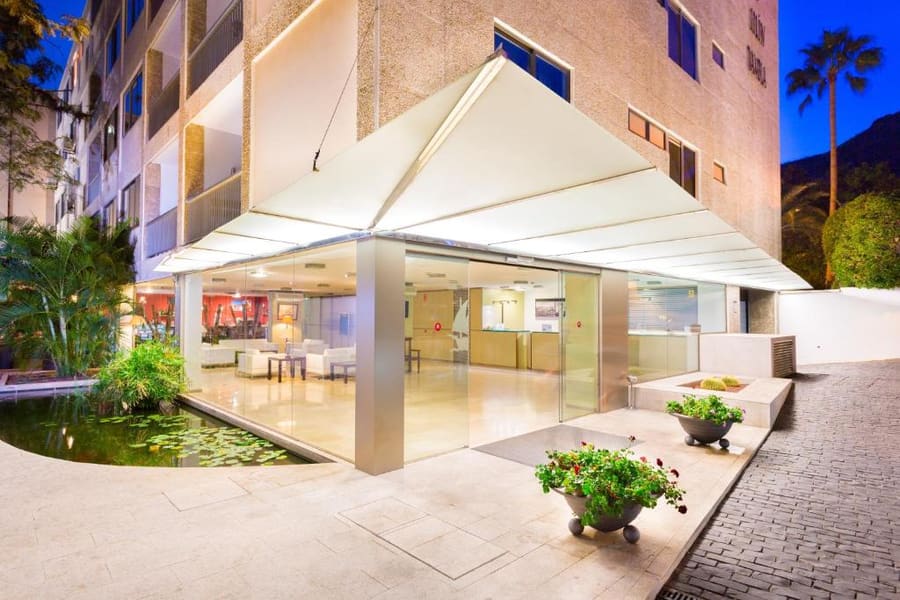
Choose your base depending on whether you want historic city walks or easy access to transport hubs. Centro and El Toscal offer boutique stays near green parks and pedestrian zones. Staying in Cabo-Llanos puts you closer to the main bus station and contemporary waterfront landmarks.
Live rates, matched to the areas above.
transport
Central Santa Cruz is compact and easily covered on foot. Public transit relies on a clean, modern tram system and TITSA public buses. The Intercambiador hub links local urban lines with long-distance island routes.
Desde Tenerife North Airport (TFN)
Line 20 runs directly from arrivals to Intercambiador every 15 to 20 minutes.
Official taxis wait outside the terminal. Night rates add roughly 15 percent.
Line 1 runs every 5 minutes during peak hours, climbing uphill to the UNESCO town of La Laguna in 37 minutes.
Buy a contactless ten+ card at tram stops or newsagents to save around 30 percent on bus and tram fares.
Bus 910 departs Intercambiador every 10 minutes directly for Las Teresitas beach.
cost
Santa Cruz offers lower everyday prices than mainland Spanish capitals due to the Canary Islands special tax zone (IGIC). Dining out and public transit remain economical for European standards.
Standard price at local cafes across the city center.
Three-course lunch menu including bread and drink at neighbourhood places.
Standard fare when purchased individually without a transit card.
Directly from stalls on the lower floor of Mercado de África.
seasonality
DEC – FEB
Warm daytime temperatures around 21°C. Carnaval in February fills hotels months in advance.
MAR – MAY
Pleasant spring conditions and low rainfall. Ideal window for hiking in nearby Anaga.
JUN – AUG
Hot and dry with warm sea temperatures. Locals gather at Playa de Las Teresitas.
SEP – NOV
Warmest ocean swimming of the year. Autumn stays remain relaxed and uncrowded.
practicalities
Independent shops often close between 13:30 and 17:00. Large retail chains along Calle Castillo stay open.
Santa Cruz is sunnier than La Laguna, which sits 500 meters higher and frequently catches clouds.
Spanish is essential in local bars and markets outside major hotel reception desks.
Canary Islands tax (IGIC) is 7 percent, making cosmetics and electronics cheaper than in mainland Europe.
Protected trails in Anaga, such as El Pijaral, require free online reservation weeks ahead.