landmark
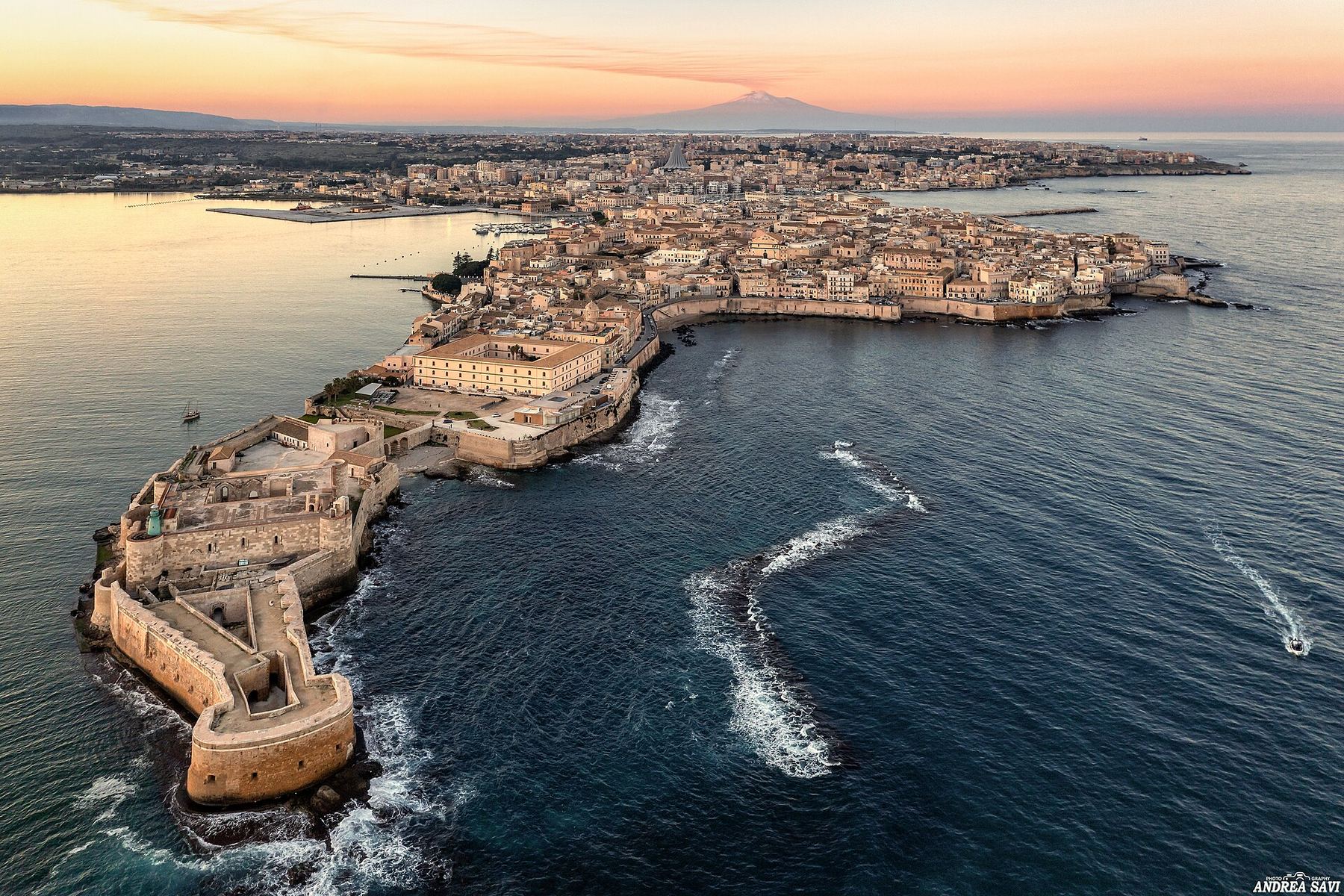
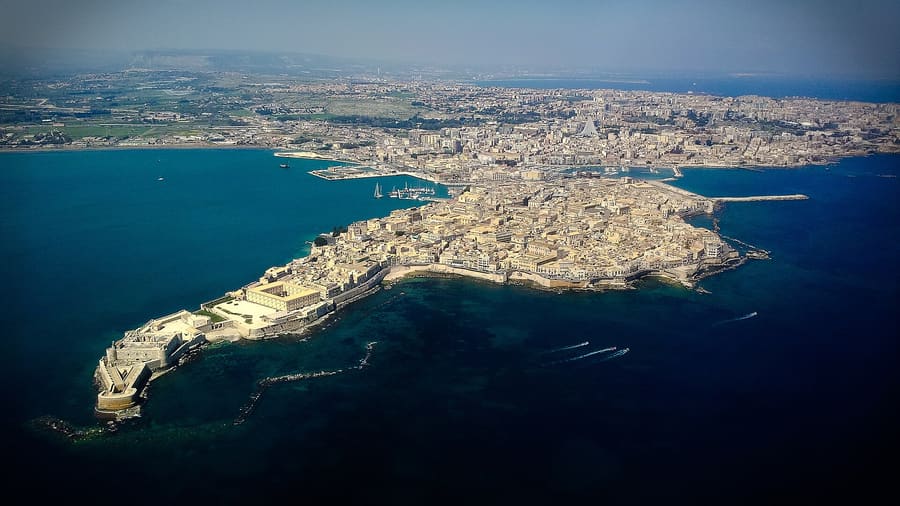
Ortigia Island
The marble-paved core of Syracuse, connected to the mainland by bridges. Walk early in the morning before crowds fill the streets.
Pregunta a ParleyItalia
Greek theatre, limestone streets, and sea-bound dining.
introduction
Syracuse splits clearly between the limestone island of Ortigia and the mainland ruins of Neapolis. You do most of your daily living on Ortigia, where narrow alleys end at the Ionian Sea. Walking from Ortigia to Neapolis takes roughly 35 to 40 minutes; the two bridges only connect Ortigia to the adjacent mainland area, not to Neapolis itself. Plan for hot afternoons in summer by reserving shadow-covered ruins or indoor museums for mid-day.
Neapolis ticket tip
Buy your Neapolis park ticket online before arrival. The physical ticket window closes 90 minutes before sunset without warning.
Syracuse
Allie_Caulfield · CC BY 2.0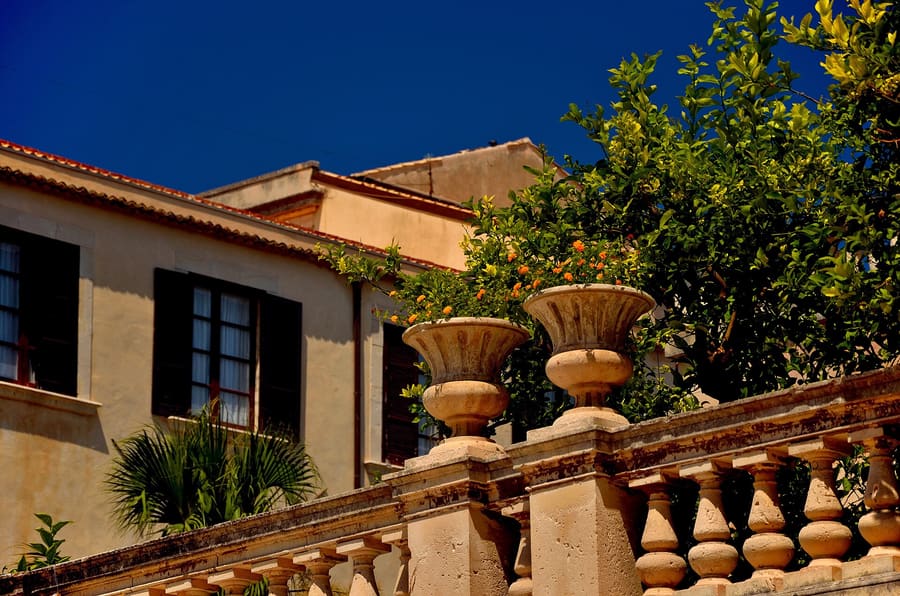
Ortigia — Pedestrianized island with narrow alleys, stone balconies, waterfront promenades, and dense dining.
Massimo Frasson from Italia · CC BY-SA 2.0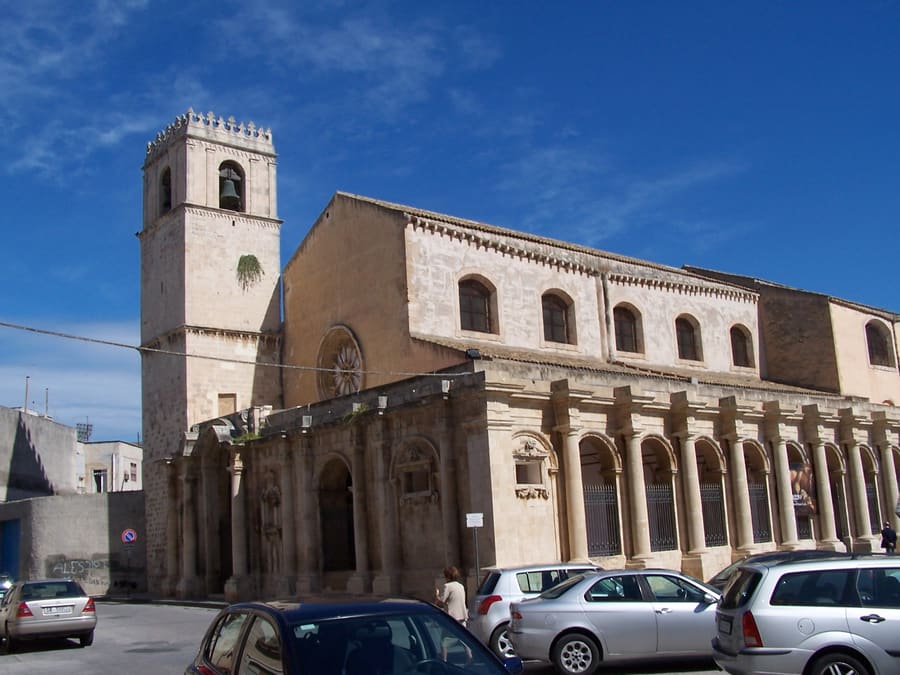
Santa Lucia — Working-class coastal district around Piazza Santa Lucia, home to local bakeries and fish shops.
Davide Mauro · CC BY-SA 2.5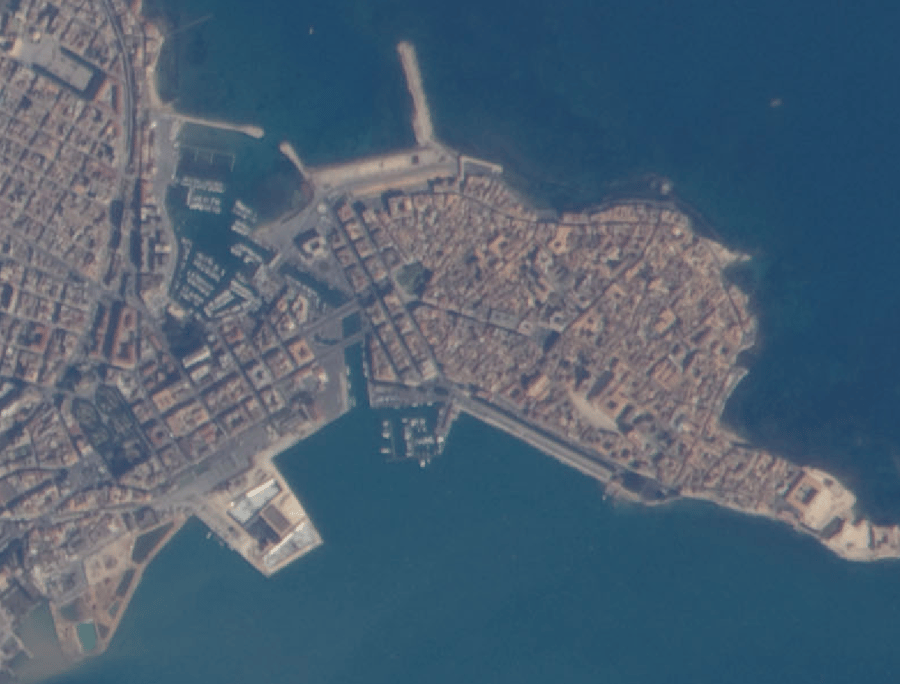
Porto Grande — Harborfront district connecting the main bridges, filled with boat docks and marina walks.
Nasa · Public domain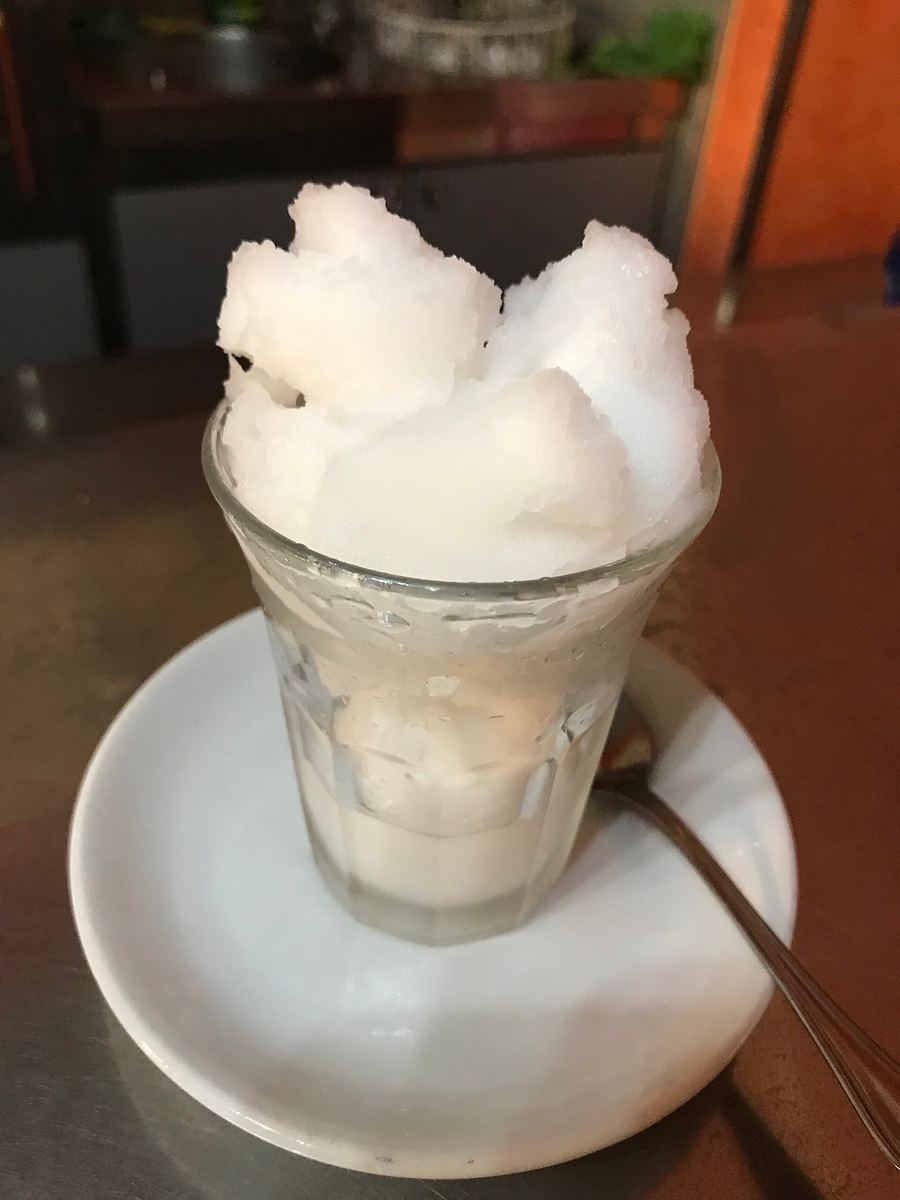
Almond granita served with fresh brioche col tuppo in Ortigia.
Angelo57p · CC BY-SA 4.0highlights
landmark
The marble-paved core of Syracuse, connected to the mainland by bridges. Walk early in the morning before crowds fill the streets.
Pregunta a Parley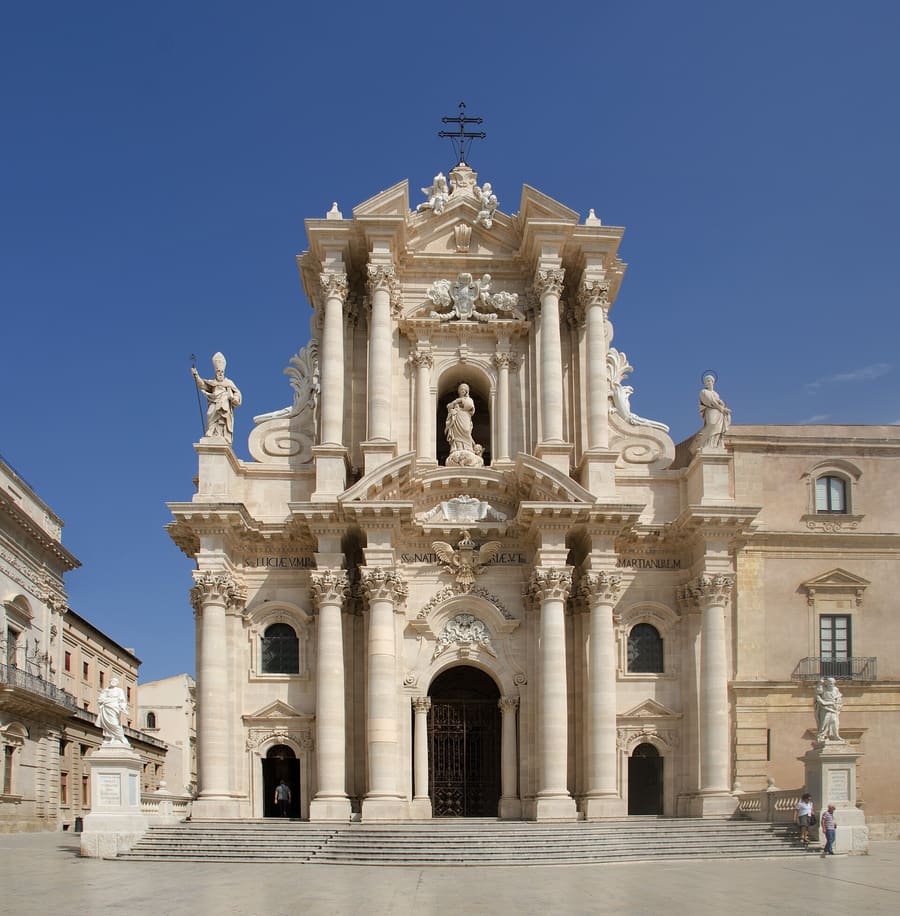
landmark
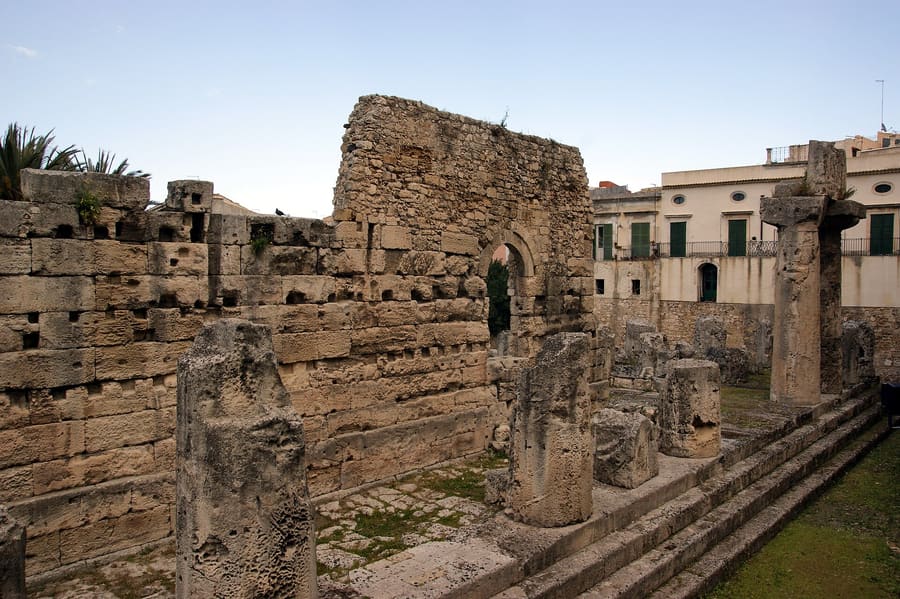
A fifth-century BC Doric temple enclosed by Baroque walls. Look for intact ancient columns along the nave wall.
Pregunta a Parley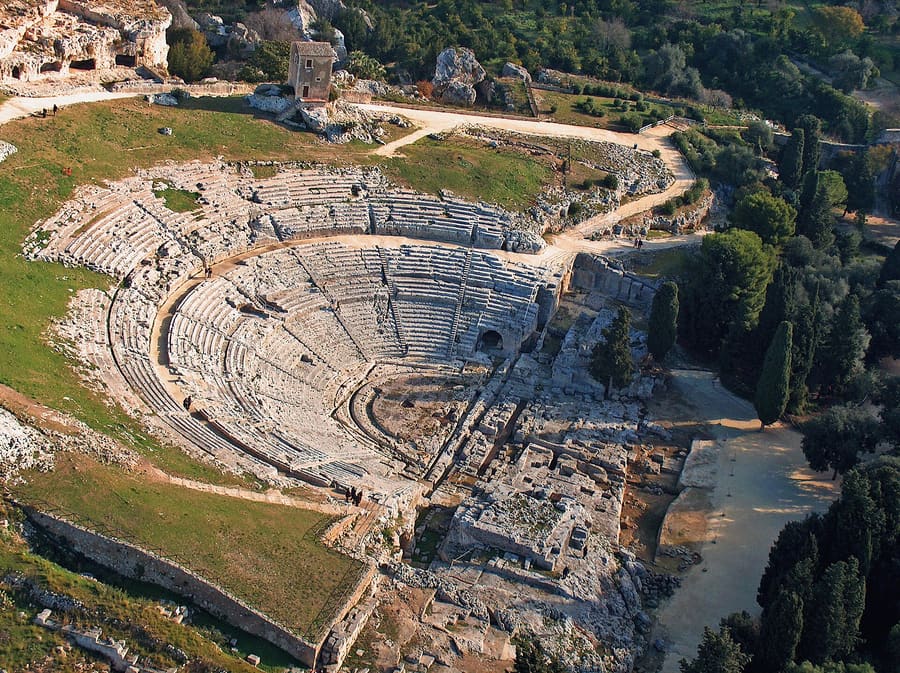
landmark
Carved into the rock at Neapolis. Attend a classical drama performance here during the summer festival season.
Pregunta a Parley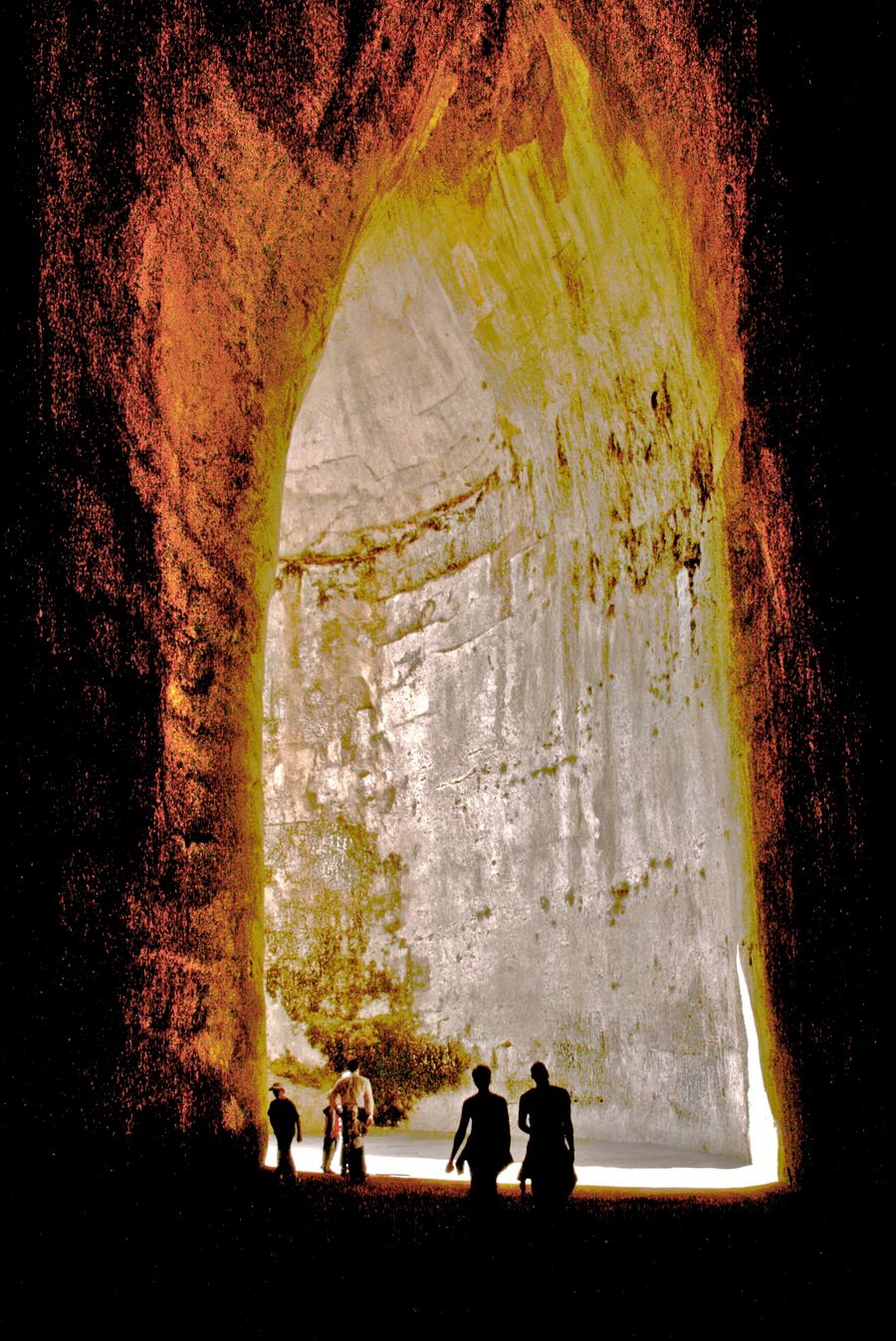
landmark
A high limestone cave with unusual acoustics inside the Neapolis quarry. Whisper near the entrance to test the echo.
Pregunta a Parley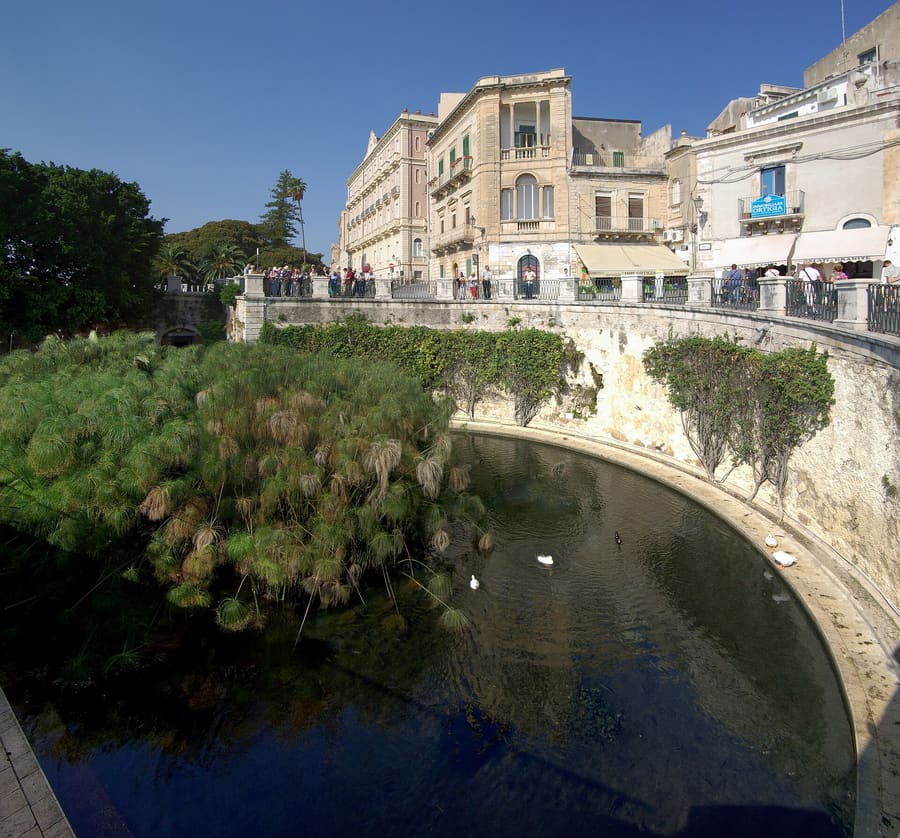
landmark
A freshwater spring on Ortigia's waterfront filled with wild papyrus plants. Ducks gather here at sunset.
Pregunta a Parley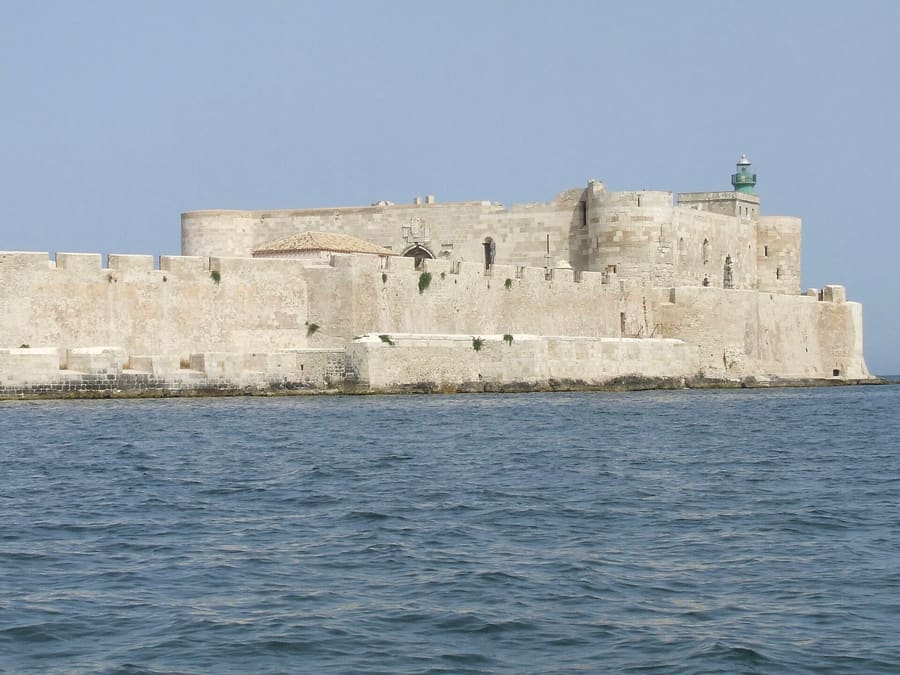
landmark
Thirteenth-century citadel sitting at Ortigia's southernmost tip. Walk the perimeter walls for unobstructed sea views.
Pregunta a Parleyattractions
areas
Pedestrianized island with narrow alleys, stone balconies, waterfront promenades, and dense dining.
CercaDirect access to market stalls, the Cathedral, and sea platforms.
Pregunta a ParleyWorking-class coastal district around Piazza Santa Lucia, home to local bakeries and fish shops.
CercaBasilica di Santa Lucia and Borgata harbor.
Pregunta a ParleyHarborfront district connecting the main bridges, filled with boat docks and marina walks.
CercaDocks for sea excursions and easy bridge access into Ortigia.
Pregunta a Parleyfood
Almond granita served with fresh brioche col tuppo in Ortigia.
Angelo57p · CC BY-SA 4.0Caseificio Borderi inside Ortigia market builds massive custom sandwiches; lines exceed one hour past midday.
Dip a warm brioche into almond or lemon granita at sidewalk cafés along Corso Matteotti.
history
Corinthian colonists founded Syracuse in 734 BC on Ortigia island. The city grew into the main naval power in Western Greece, eventually defeating the Athenian fleet during the Peloponnesian War. Roman siege engines broke through the defenses in 212 BC, killing the mathematician Archimedes. An earthquake in 1693 destroyed much of the medieval structure, giving rise to the Sicilian Baroque architecture seen today.
Corinthian foundation
Greek settlers establish a colony on Ortigia, displacing local Sicels.
Athenian expedition fails
Syracuse destroys the invading Athenian navy, capturing thousands of soldiers.
Roman conquest
General Marcellus takes the city after a long siege; Archimedes dies during the sack.
The Great Earthquake
A massive seismic event flattens original structures, leading to full Baroque rebuilds.
where to stay
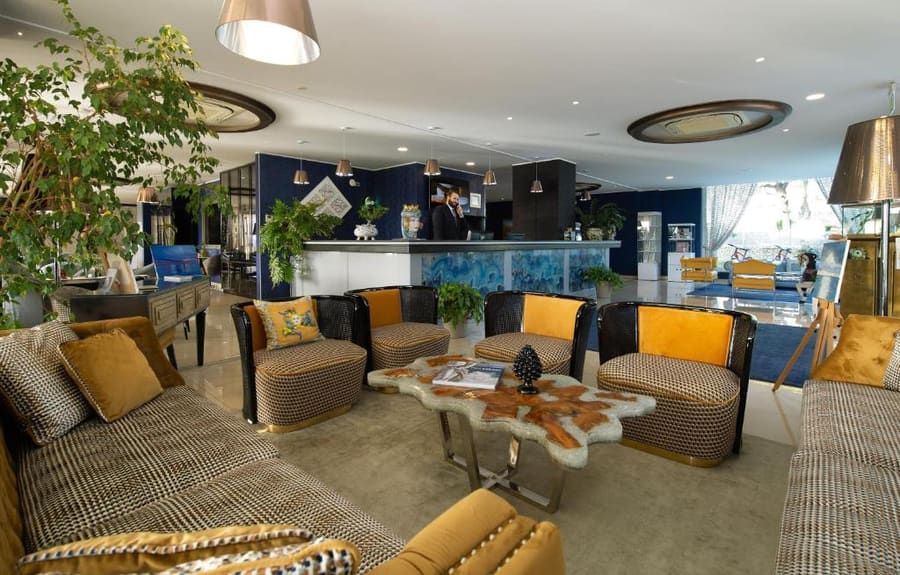
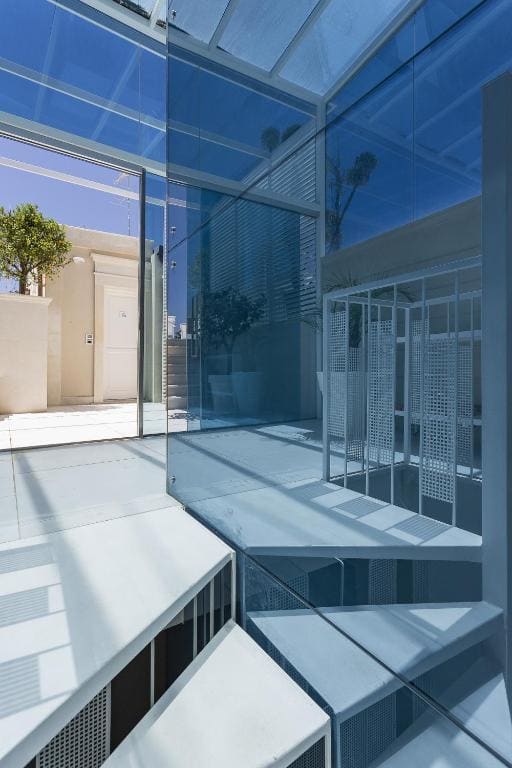
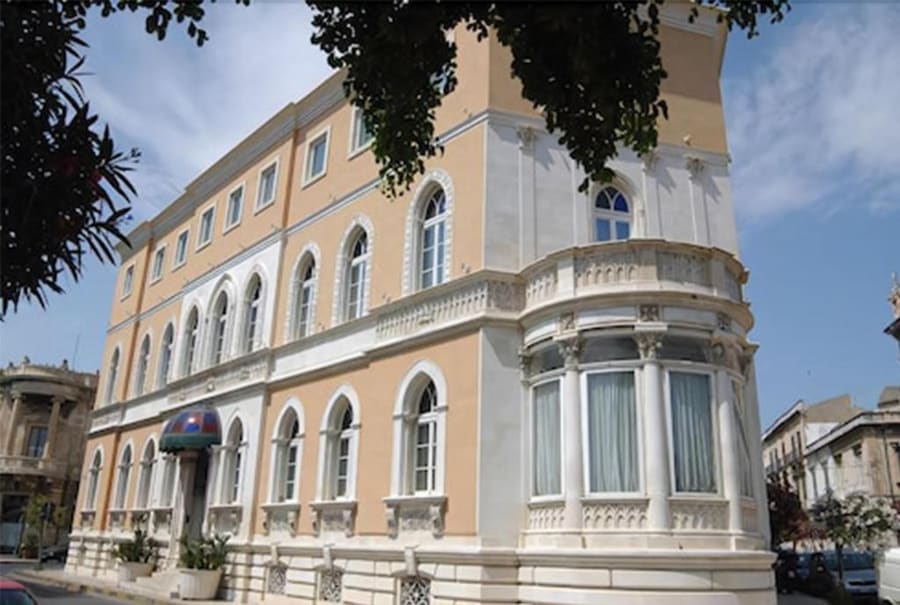
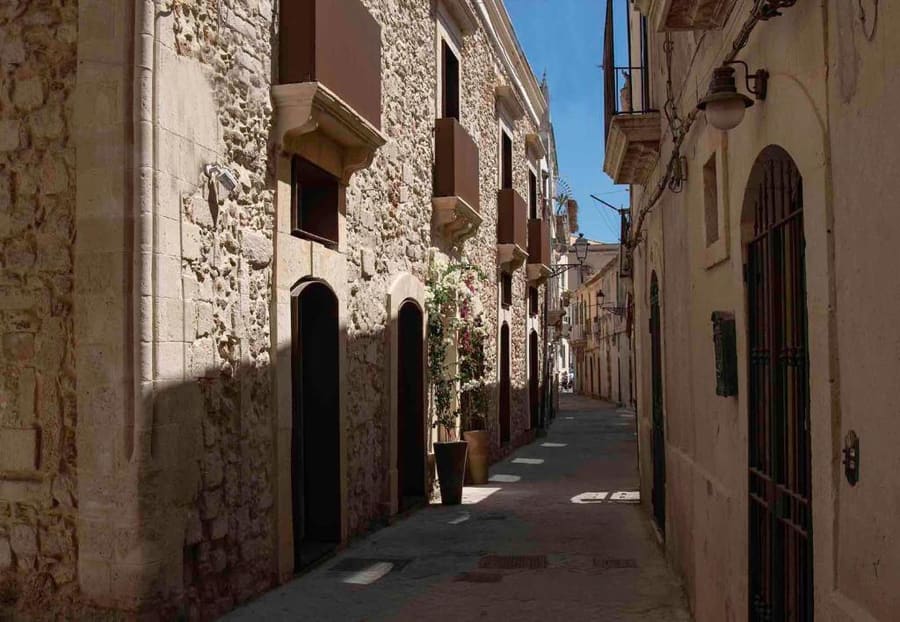
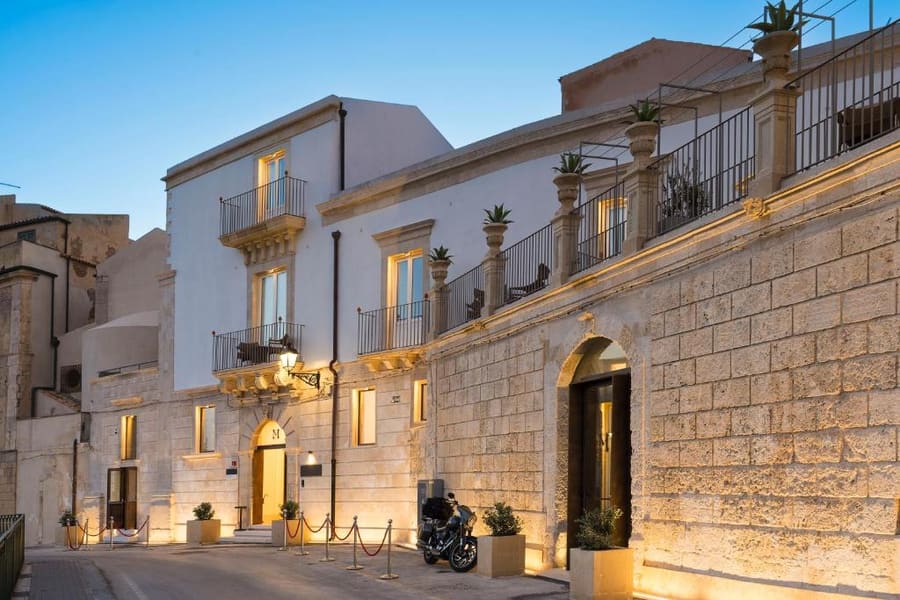
Choose your base based on vehicle access. If you travel without a car, stay on Ortigia for easy walking access to sights and dining. If you arrive with a car, choose hotels in Santa Lucia or near Neapolis to avoid Ortigia's electronic ZTL cameras.
Live rates, matched to the areas above.
transport
Ortigia is completely walkable from north to south in twenty minutes. Small electric buses serve narrow streets, but walking remains faster. Driving on Ortigia is heavily restricted by active ZTL cameras that log unauthorized license plates.
Desde Catania Fontanarossa Airport (CTA)
Interbus coaches run directly from the CTA terminal platform to Syracuse terminal.
Requires taking the shuttle train from CTA airport station to Siracusa central station.
Fixed rates apply between CTA airport and central Syracuse locations.
Buses connect Syracuse terminal to Noto and Ragusa faster than regional trains.
A red light at Ponte Umbertino indicates active enforcement; driving across incurs an immediate fine.
This large municipal parking lot sits just outside Ortigia's ZTL boundary on the mainland.
Walking from Siracusa central rail station to Ortigia takes twenty minutes along Corso Umberto.
cost
Syracuse offers lower prices than Taormina, though dining on Ortigia carries a premium compared to the mainland side of town.
Covers entrance to the Greek Theatre, Roman Amphitheatre, and Ear of Dionysius.
Generous charcuterie and cheese sandwich prepared fresh at Ortigia market.
Standard morning breakfast price at sidewalk cafés.
Daily lounger rental on wooden platforms along Ortigia's rocky sea wall.
seasonality
MAR – MAY
Mild temperatures around 20°C make spring ideal for exploring stone ruins without heat exhaustion.
JUN – AUG
Peak heat exceeding 35°C paired with summer classical theater performances at Neapolis.
SEP – OCT
Warm sea temperatures remain ideal for swimming, while summer crowds clear out.
NOV – FEB
Cooler wet months with quiet streets. Many seasonal sea platforms close completely.
practicalities
Swimming in Ortigia happens from wooden solarium platforms or rocky steps directly into deep water.
Independent shops on Ortigia close between 13:30 and 16:30 daily.
Market vendors in Ortigia rarely accept card payments for small food orders.
The terrain inside the archaeological park consists of uneven ancient stone and loose gravel.
When entering the sea off Ortigia's rocky shores, wear water shoes to protect your feet.