landmark
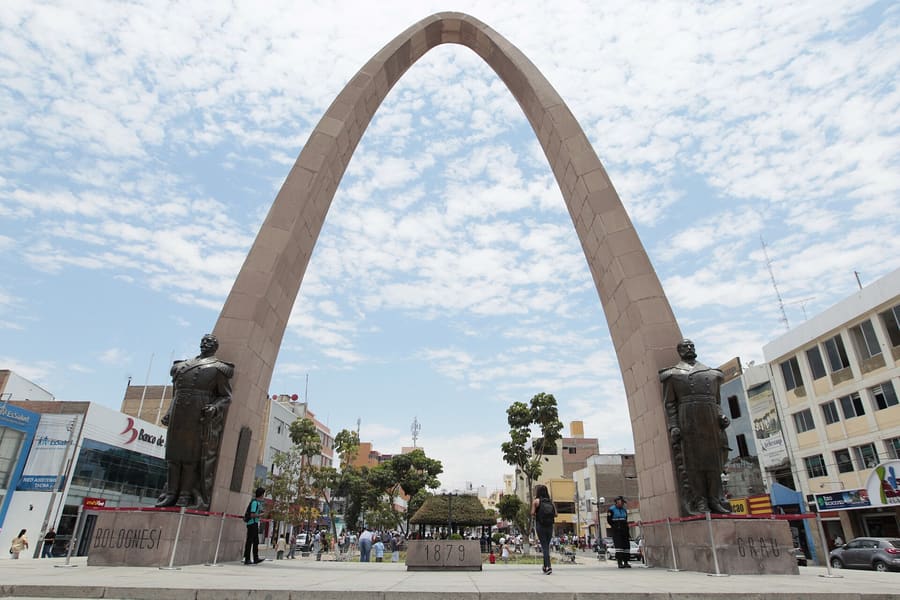
Arco Parabólico
An 18-meter pink stone arch framing Paseo Cívico. Visit early in the morning before sun glare blocks views of the bronze statues.
Pregunta a ParleyPerú
Peru's southern border post of markets, dining, and duty-free.
introduction
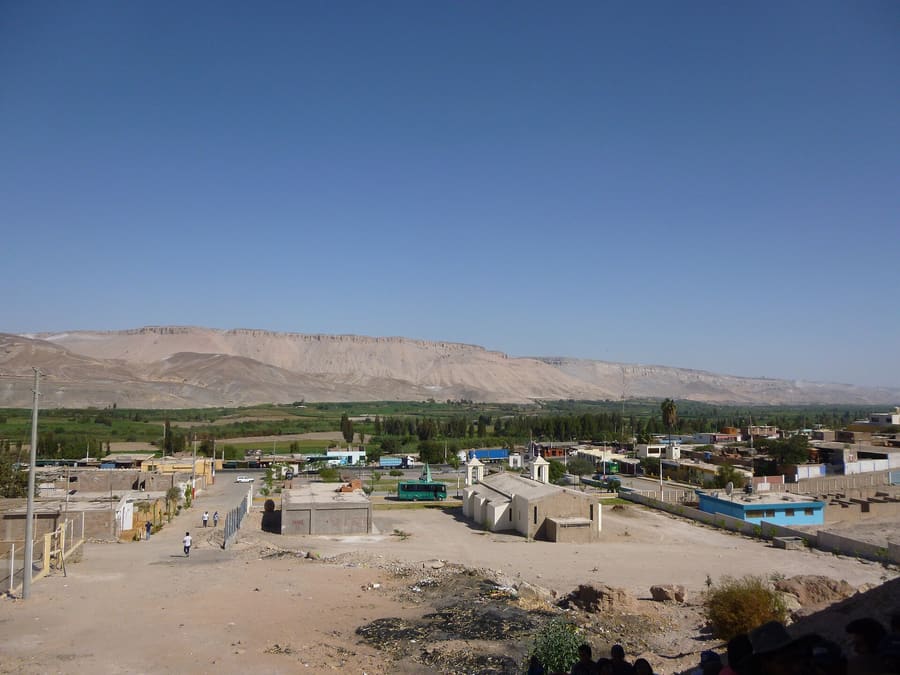
Tacna sits 35 kilometers north of the Chilean border in the Atacama desert fringe. Tens of thousands cross daily from Arica to buy goods, visit medical clinics, and eat traditional Tacneño stews. You navigate the central grid easily on foot or by cheap shared taxis. The city runs on cash, high desert sun, and a sharp distinction between border trade and regional pride.
Cross from Arica by colectivo
Shared taxis leave Arica terminal continuously for Tacna. They handle border customs forms and cross faster than standard international buses.
National monument arch
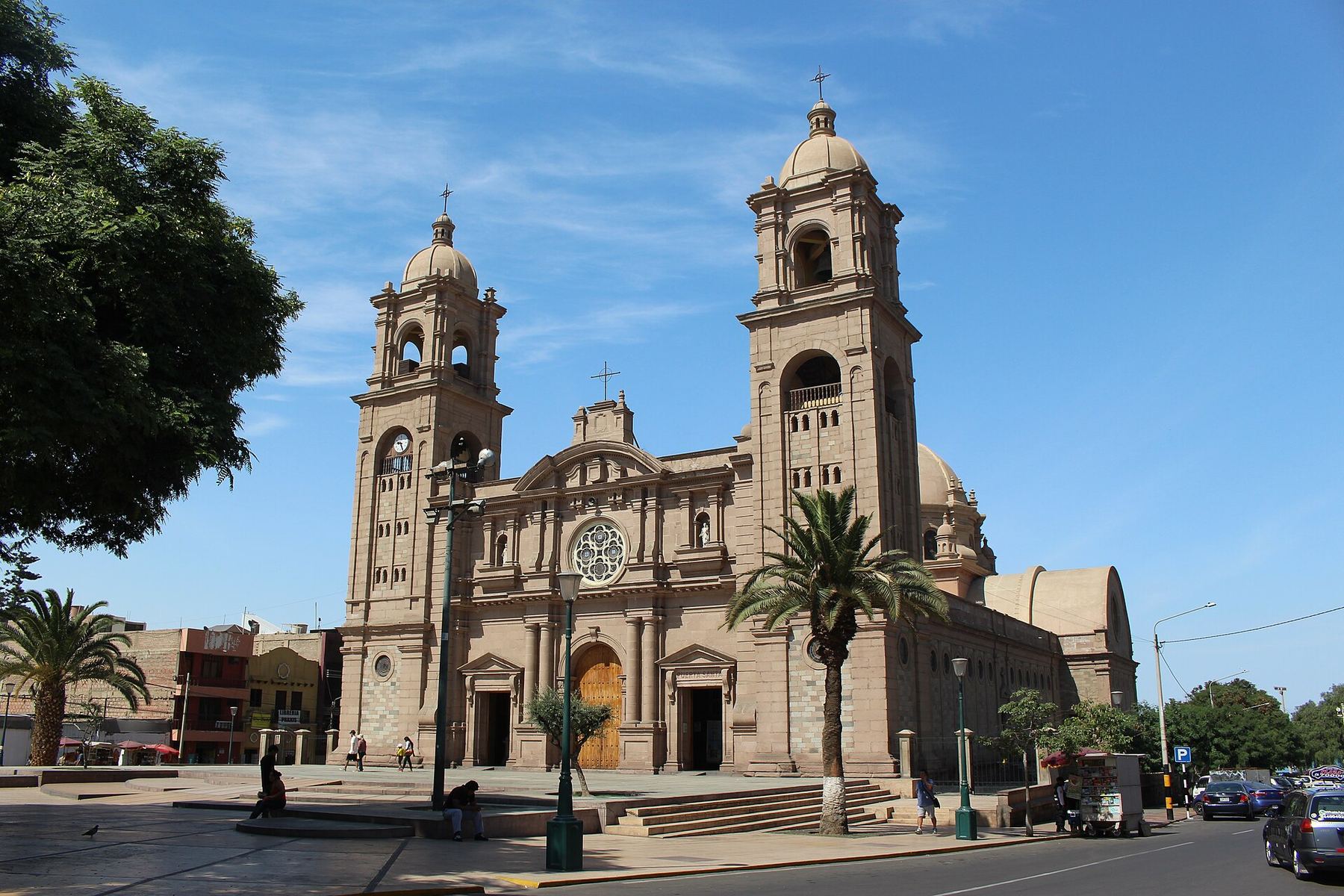
The Arco Parabólico on Paseo Cívico honors Peru's War of the Pacific forces. The adjacent Cathedral uses steel structures designed by Eiffel's office.
Avoid weekend customs queues
Border queues at Santa Rosa stretch up to two hours on Saturday mornings. Cross before 08:00 to avoid Chilean day-tripper traffic.
Tacna
Rojinegro81 · CC BY-SA 3.0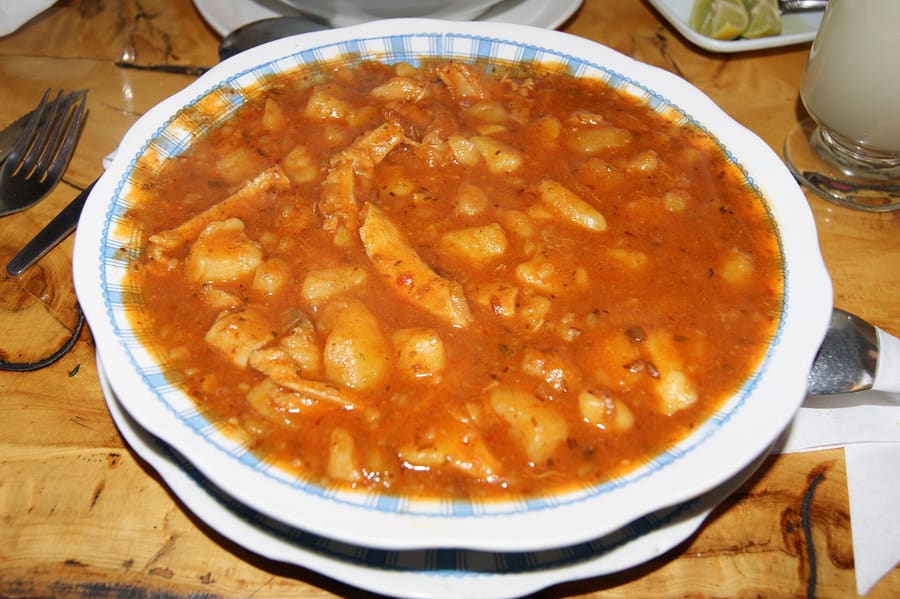
Picante a la Tacneña served with traditional marraqueta bread.
Dtarazona · CC BY-SA 4.0highlights
landmark
An 18-meter pink stone arch framing Paseo Cívico. Visit early in the morning before sun glare blocks views of the bronze statues.
Pregunta a Parley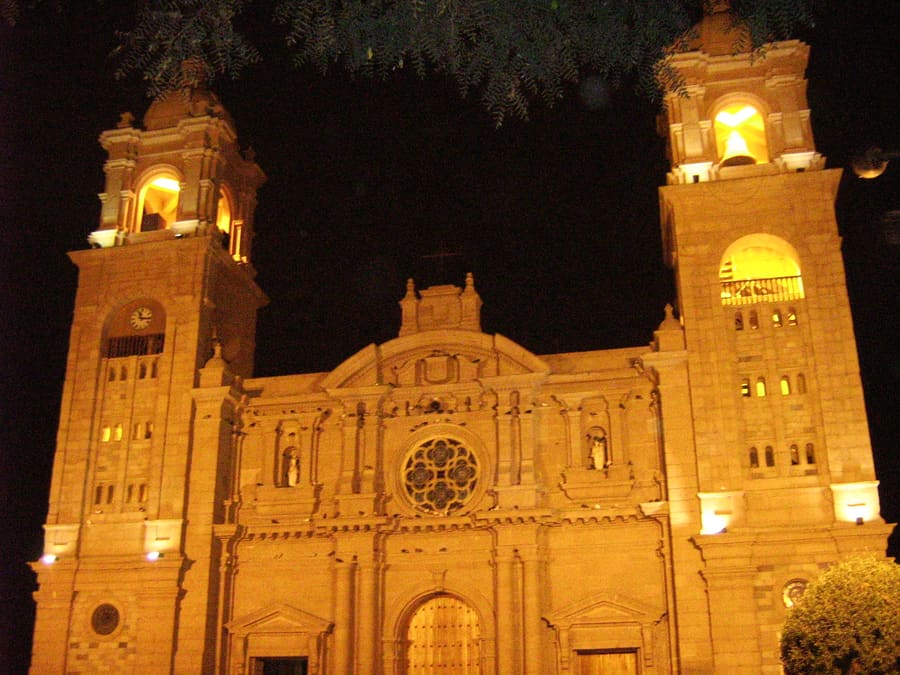
landmark
Neo-Renaissance church built with local stone and Eiffel-designed steel framing. Entry is free during morning service hours.
Pregunta a Parley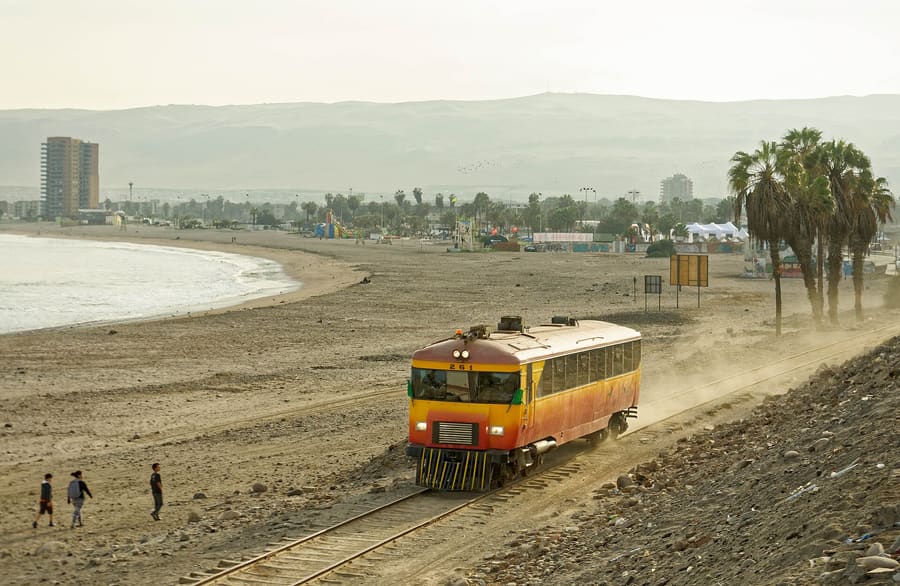
landmark
Preserves 19th-century trains from the international Tacna-Arica line. Check operating hours locally as schedules vary.
Pregunta a Parley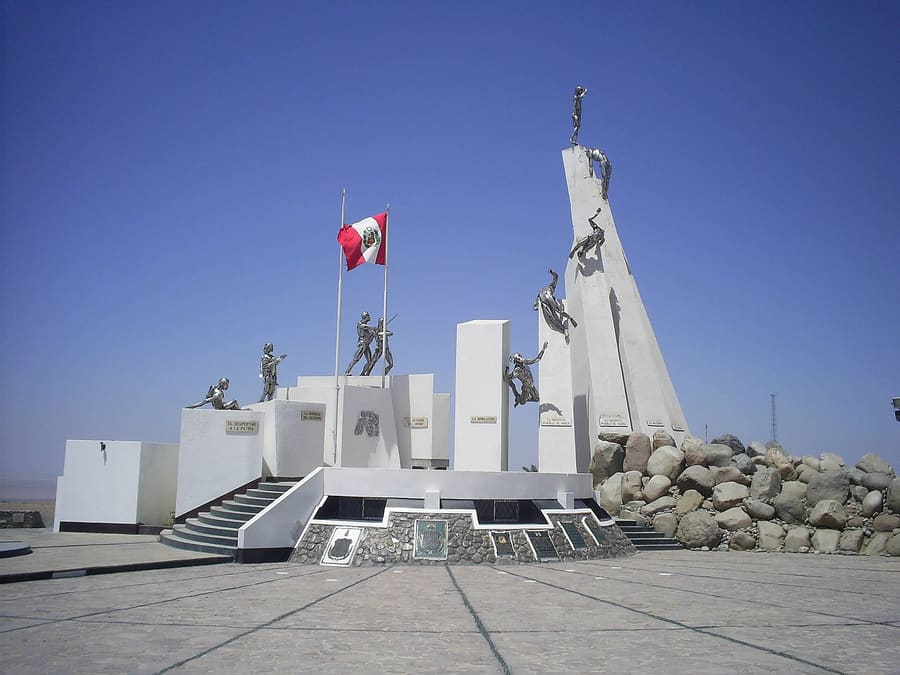
landmark
The 1880 battle site set in desert sand hills north of town. Take a local bus from Calle Arias Aragüez to reach the memorial.
Pregunta a Parleyattractions
areas
Walkable grid around Paseo Cívico filled with banks, travel agencies, and historic monuments.
CercaCatedral de Tacna, Paseo Cívico, and Museo Ferroviario.
Pregunta a ParleySuburban valley district lined with open-air restaurant gardens called campestres.
CercaBodegas of the Tacna Wine Route and open-air lunch spots.
Pregunta a ParleyQuiet agricultural valley corridor known for clear air, fruit orchards, and traditional homes.
CercaPachía hot springs road and rural walking paths.
Pregunta a ParleyDense commercial quarter around Mercadillo Coronel Mendoza packed with imported goods and clothes.
CercaMercado Grau and Coronel Mendoza shopping arcades.
Pregunta a Parleyfood
Tacna cuisine revolves around Picante a la Tacneña, a thick stew of tripe, cow foot, and dried beef jerky cooked in red chili sauce with local potatoes. You tear pieces of crusty marraqueta bread to scoop up the sauce rather than using a spoon. Pisco and sweet wine produced in the nearby Pocollay and Magollo valleys pair with every heavy lunch.
Picante a la Tacneña served with traditional marraqueta bread.
Dtarazona · CC BY-SA 4.0Restaurants cook Picante a la Tacneña in massive pots for lunch. Ordering it after 15:00 usually means getting reheated portions.
On Sundays, Tacneños travel to open-air valley restaurants in Pocollay for Adobo Tacneño, lamb, and carapulcra.
Market stalls and traditional picanterías rarely take cards. Keep small Peru Sol bank notes ready for lunch bill payment.
history
Tacna developed as a key trade oasis connecting the Andes to the Pacific coast. Its strategic position led to conflict during the 19th century, leaving a lasting legacy on its architecture, rail infrastructure, and local civic identity.
Early Independence Call
Francisco Antonio de Zela led an early armed uprising against Spanish colonial rule in Tacna, cementing the city's patriotic reputation in Peruvian history.
Battle of Campo de la Alianza
Chilean forces defeated the allied Peruvian and Bolivian armies on the plateau outside Tacna during the War of the Pacific, initiating 50 years of Chilean occupation.
Reincorporation into Peru
The Treaty of Lima officially returned Tacna to Peruvian sovereignty after five decades under Chilean administration, a moment celebrated annually on August 28.
Duty-Free Zone Expansion
Establishment of the ZofraTacna free-trade zone transformed the city into a commercial center for imported goods and Chilean border trade.
where to stay
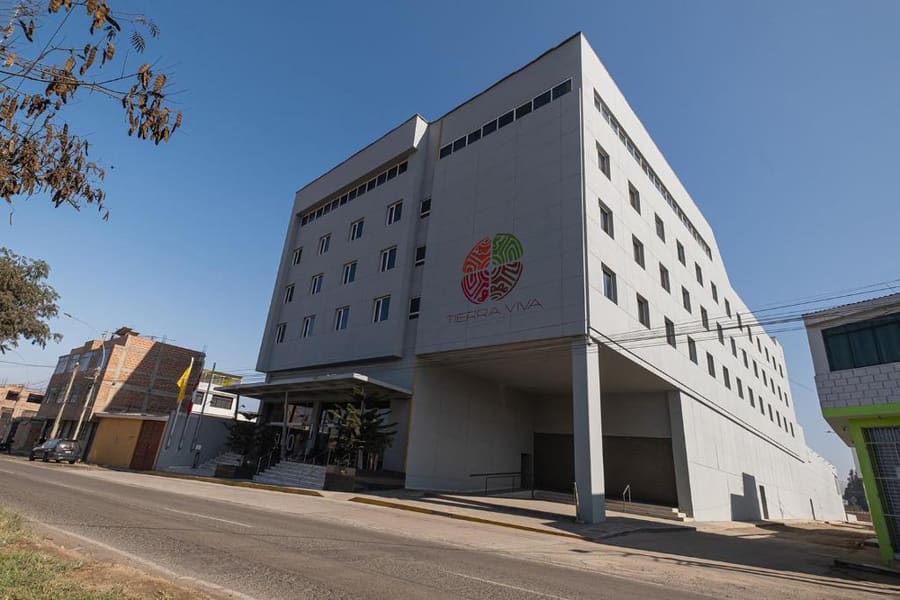
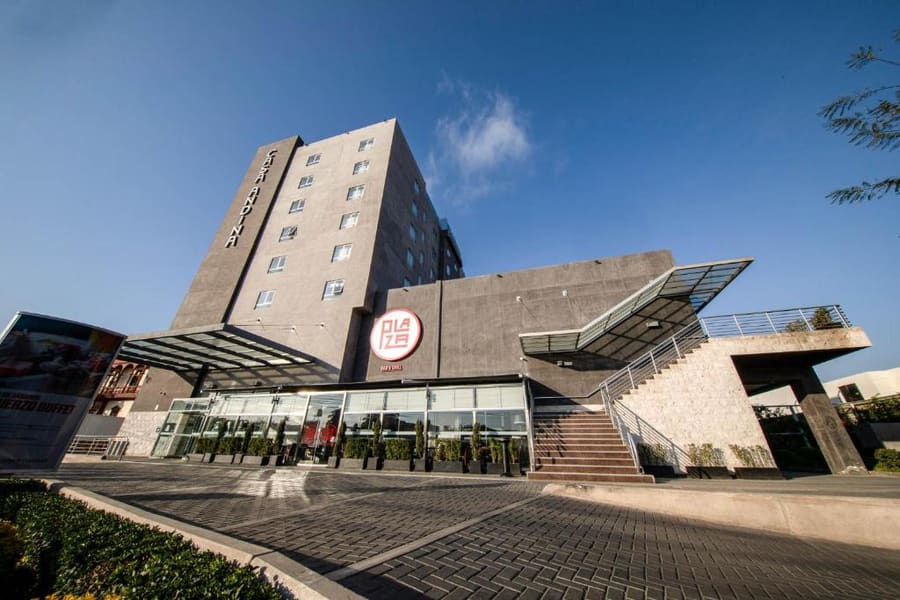
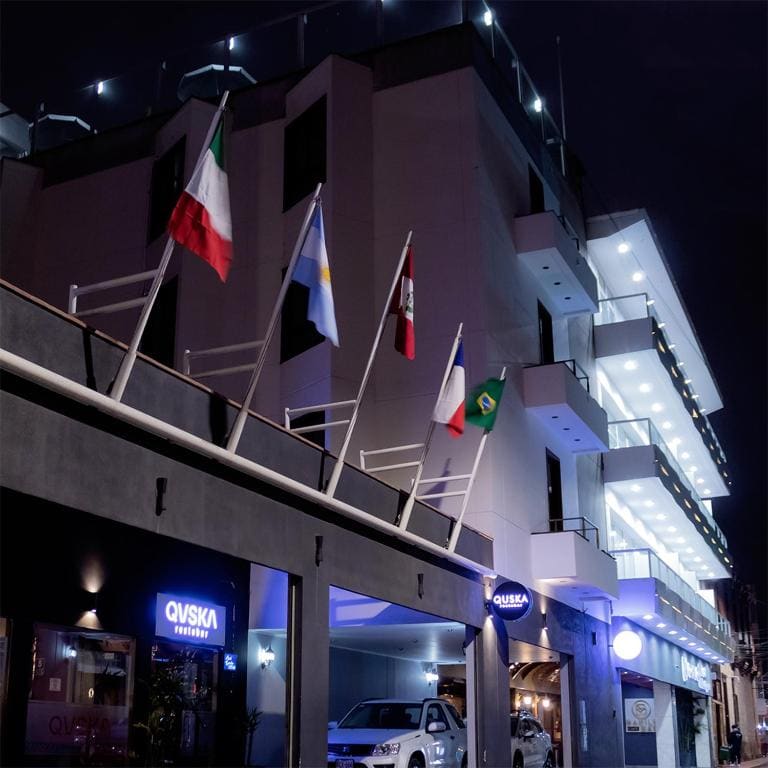
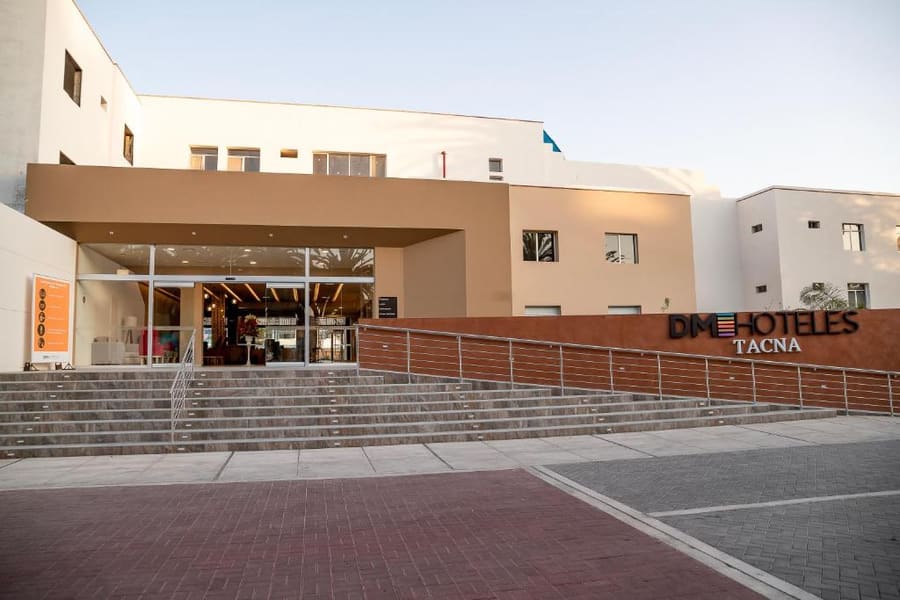
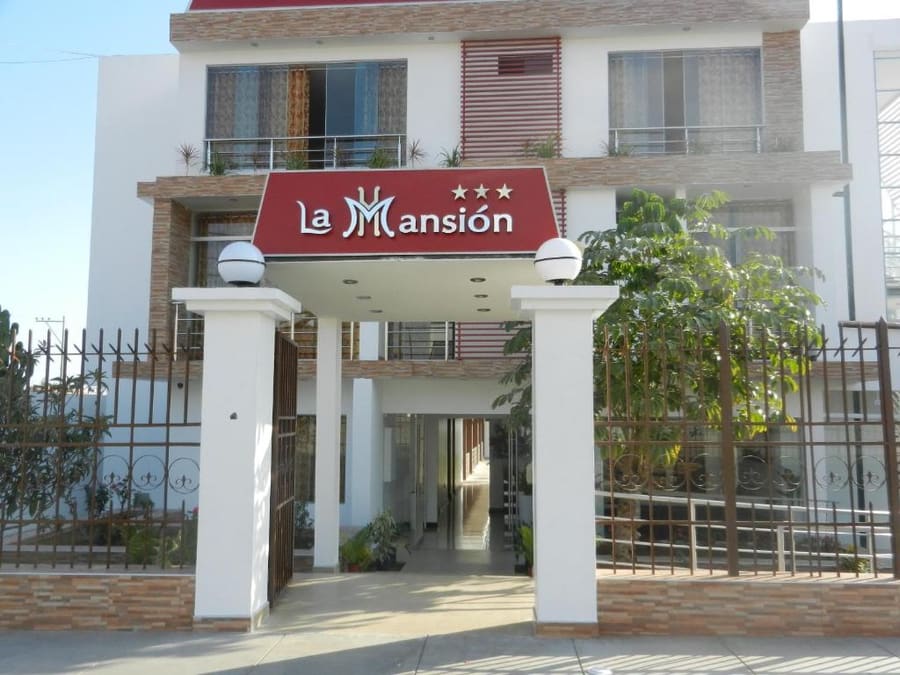
Choose your neighborhood based on how you enter Tacna and your pace. Stay in Centro Histórico if you rely on foot travel and want direct access to banks, monuments, and bus offices. Pick Pocollay if you prefer resort-style gardens, warmer valley temperatures, and quiet evenings away from commercial noise.
Live rates, matched to the areas above.
transport
Tacna's historic core is easily walked on foot. For destinations outside the downtown grid like Pocollay or the long-distance bus terminals, local taxis and small buses are fast and inexpensive.
Shared taxis across the Chilean border complete customs paperwork faster than large buses.
City buses called combis cost S/ 1 to S/ 1.50 per trip. Hand exact change to the conductor as you board.
The historic rail service between Tacna and Arica runs intermittently; verify departures at the station.
Street hail taxis lack meters. Call a dispatched radio taxi or ask your hotel to book one after dark.
cost
Tacna offers lower prices for dining, medical care, and textiles compared to neighboring Chile, which drives the local economy.
Generous lunch portions served with marraqueta bread at traditional market stalls and picanterías.
Fixed route mini-vans move between downtown and suburban zones like Pocollay.
Includes access to historic locomotives and old railway administration offices.
Made with Tacna valley pisco at hotel bars around Paseo Cívico.
seasonality
DEC – MAR
Peak summer brings warm days around 28°C and high Chilean cross-border tourist volume. Book border transit early.
APR – MAY
Mild autumn weather with sunny clear afternoons and reduced border queues. Excellent time for valley walks.
JUN – AUG
Cooler winter months bring morning fog (garúa) and temperatures down to 10°C. High volume around August 28 patriotic holiday.
SEP – NOV
Spring air brings back clear desert skies and moderate temperatures. Ideal conditions for petroglyph trips in Miculla.
practicalities
Chile is often one or two hours ahead of Peru depending on daylight saving. Adjust your clock when crossing the border.
Desert sun at high altitude burns skin quickly even on cloudy winter mornings. Apply sunscreen and wear a hat.
Money changers called cambistas line Avenida Bolognesi and border terminals, offering competitive rates for CLP to PEN.
La Reincorporación de Tacna brings civic parades and flag processions. Hotels fill up weeks in advance.
Tap water has high mineral content. Drink bottled water to prevent stomach upset during your stay.