landmark
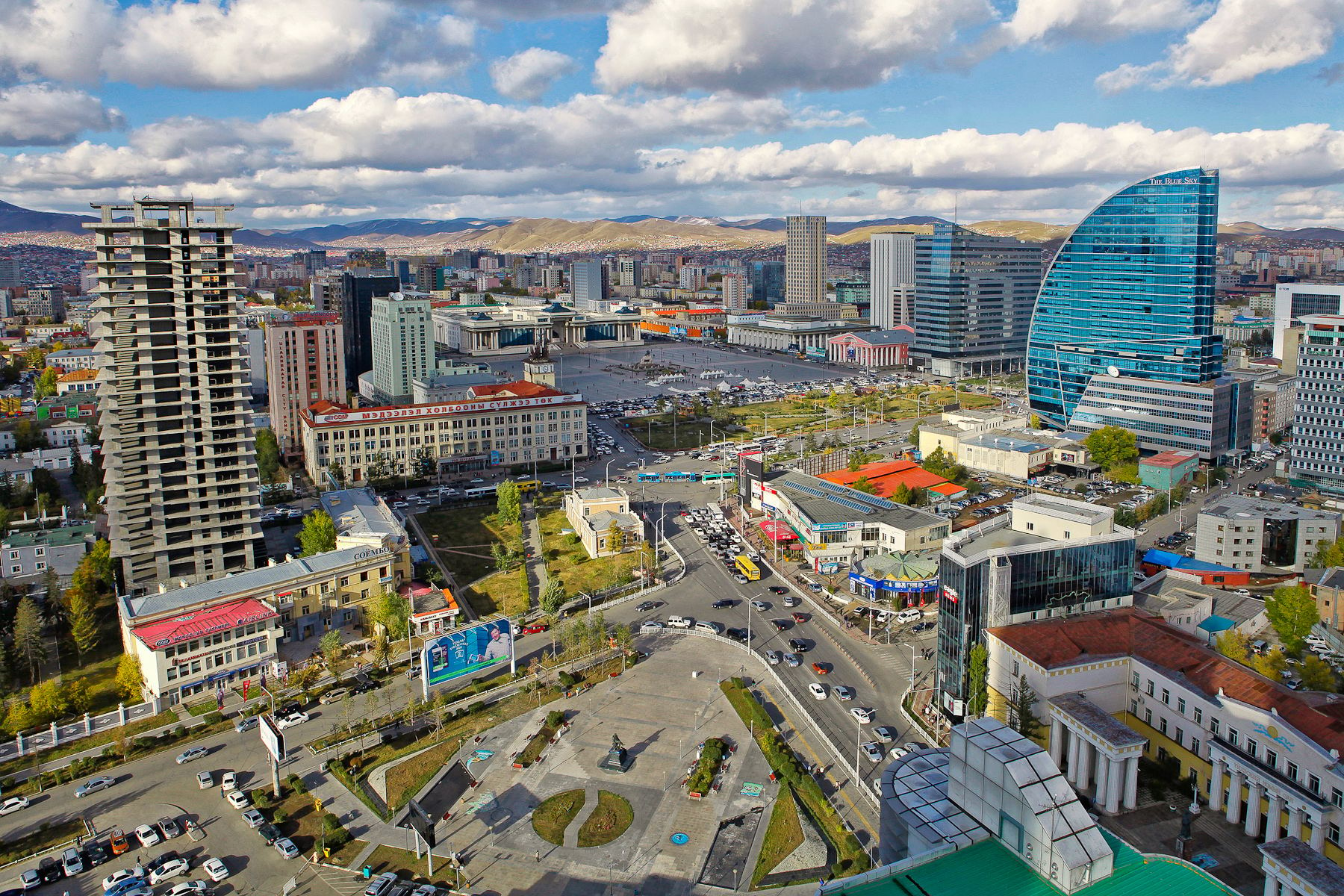
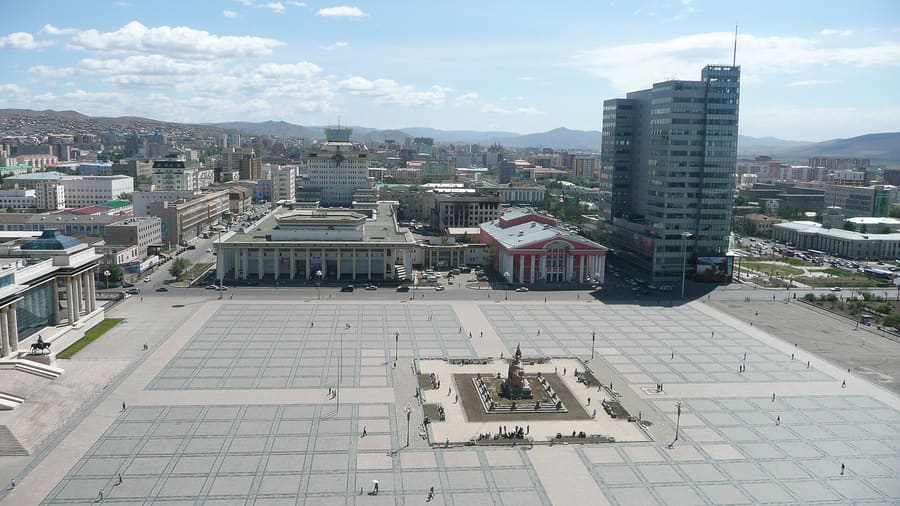
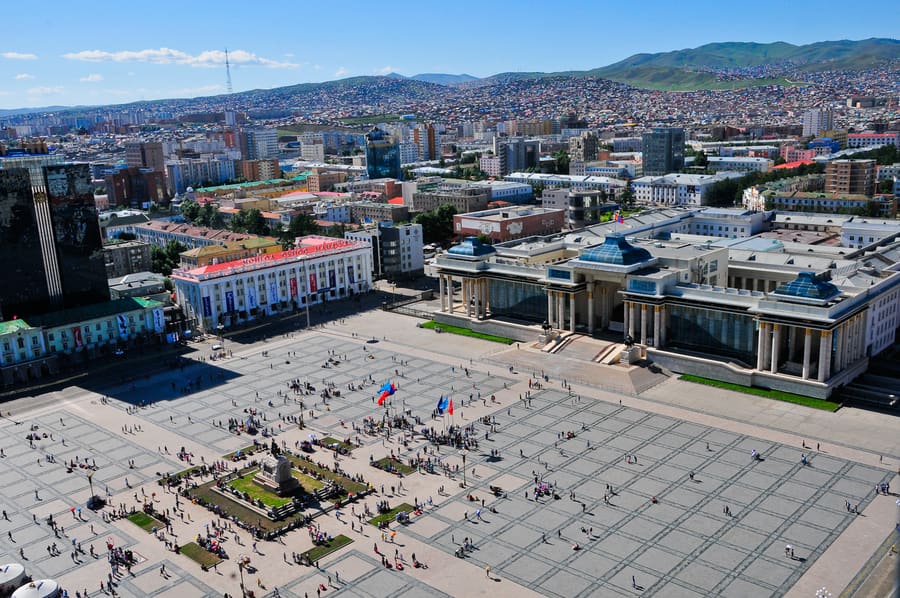
Sükhbaatar Square
The civic anchor of Mongolia featuring a central equestrian statue and parliament fronted by Genghis Khan.
Pregunta a ParleyMongolia
A sprawling high-altitude capital where nomadism meets Soviet grid.
introduction
Ulaanbaatar houses nearly half of Mongolia's population in a high valley flanked by four sacred peaks. The city splits itself between concrete Soviet blocks, modern glass towers, and sprawling ger districts. You navigate traffic gridlock by day and retreat to museum temples or underground dumpling spots by night. It is an unvarnished frontier city that functions as the sole highway hub for the steppes.
Arrival from Khöshig Valley
Chinggis Khaan International Airport sits 52 kilometres south. Taxis take 90 minutes in rush-hour traffic, so plan extra buffer time.
UNESCO Intangible Heritage
The Naadam Festival, held every July in Ulaanbaatar, celebrates traditional wrestling, archery, and horse racing.
Planning for winter air quality
Coal smoke fills the valley from November through March. Pack an N95 mask if traveling during the cold season.
Ulaanbaatar
Zazaa Mongolia · CC BY-SA 4.0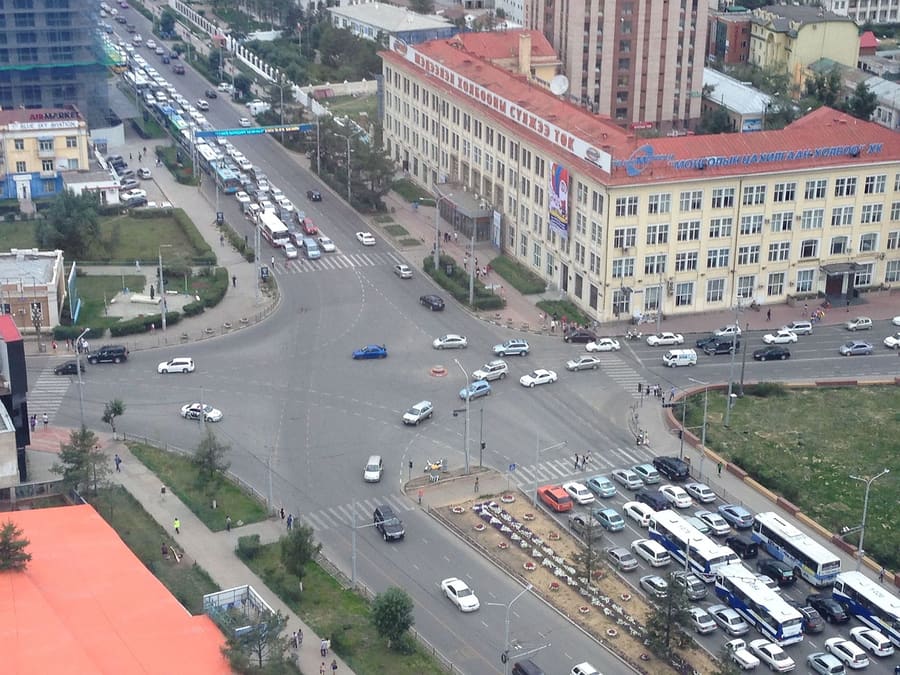
City Centre — High-density downtown with ministries, coffee shops, and corporate towers along Peace Avenue.
User:kelapstick · CC BY-SA 3.0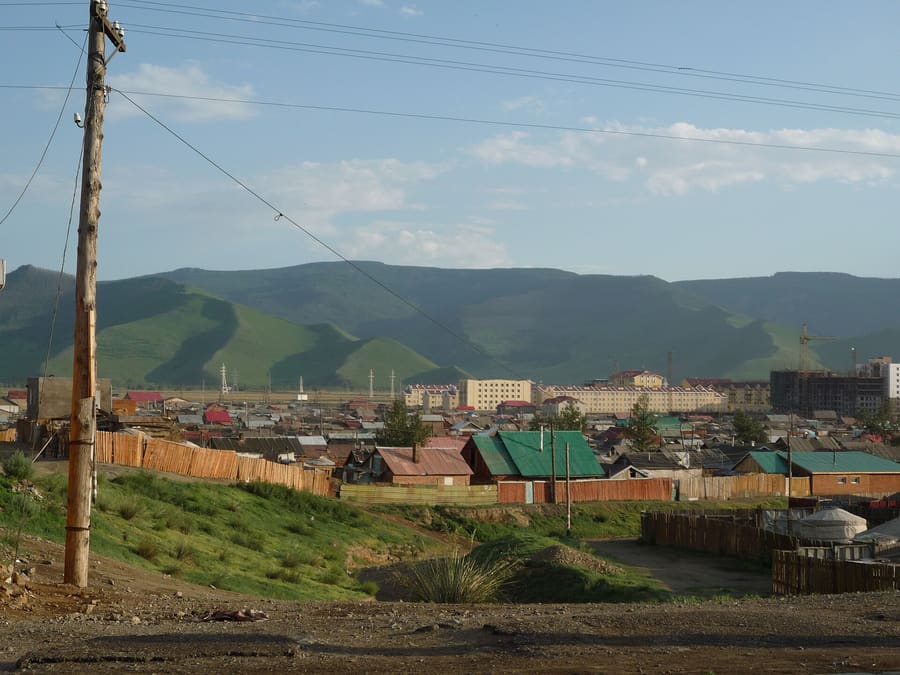
Zaisan District — Modern residential area south of the Tuul River with shopping malls and expat amenities.
Bogomolov.PL · Public domain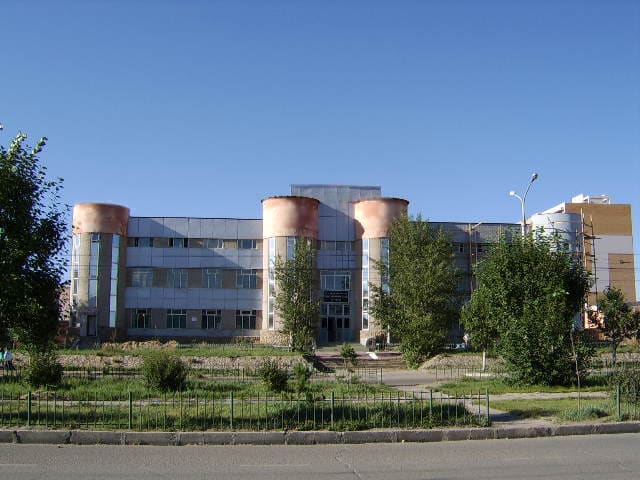
East Peace Avenue — Working-class district housing major commercial markets and Soviet apartment blocks.
Gantuya eng at English Wikipedia · Public domain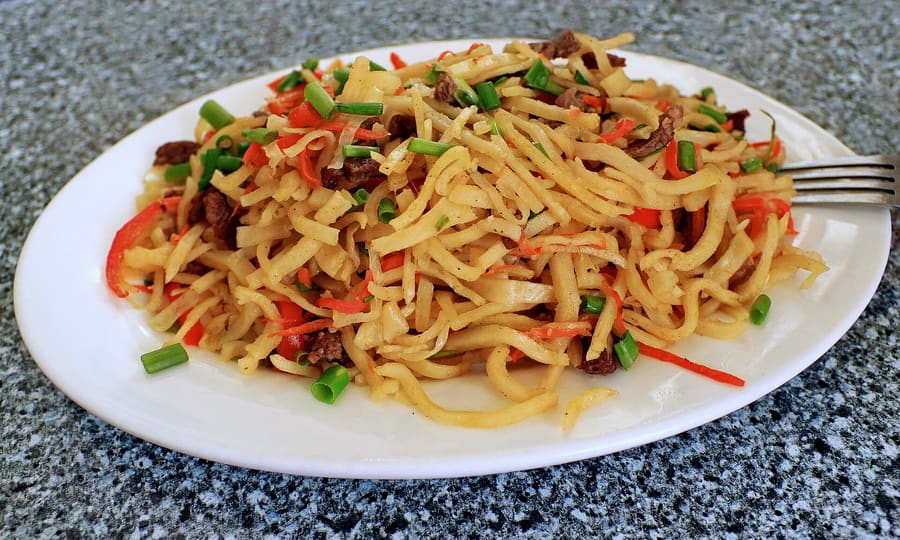
A plate of classic tsuivan served at a local canteen in Sükhbaatar District.
Marcin Konsek · CC BY-SA 4.0highlights
landmark
The civic anchor of Mongolia featuring a central equestrian statue and parliament fronted by Genghis Khan.
Pregunta a Parley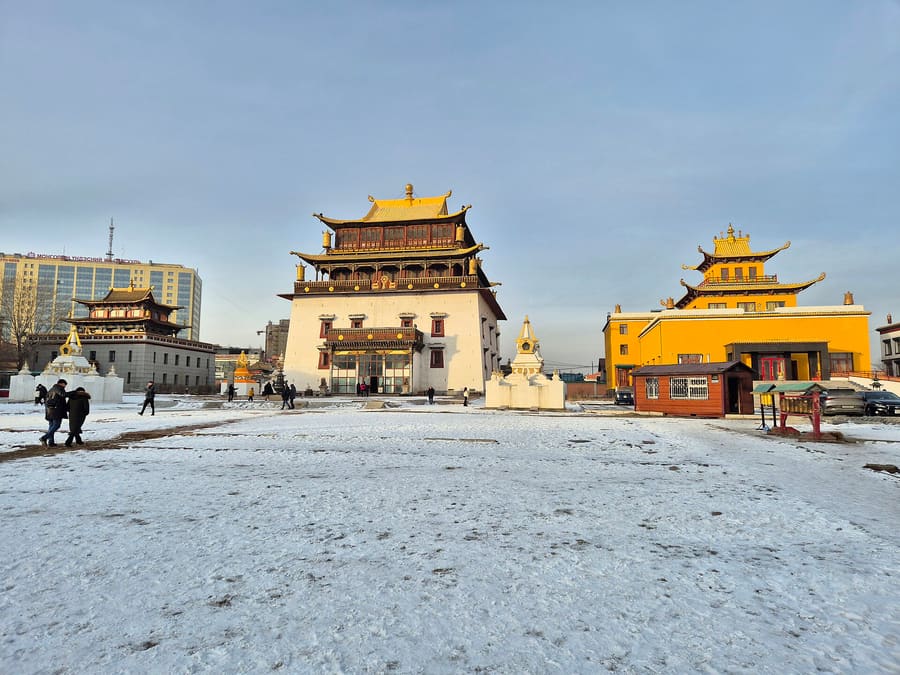
landmark
Active Tibetan Buddhist complex housing a 26-metre gilded statue of Megjid-Janraisig.
Pregunta a Parley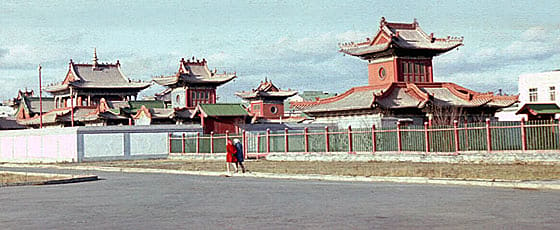
landmark
1908 temple complex preserving intricate tsam dance masks, now directly framed by glass skyscrapers.
Pregunta a Parley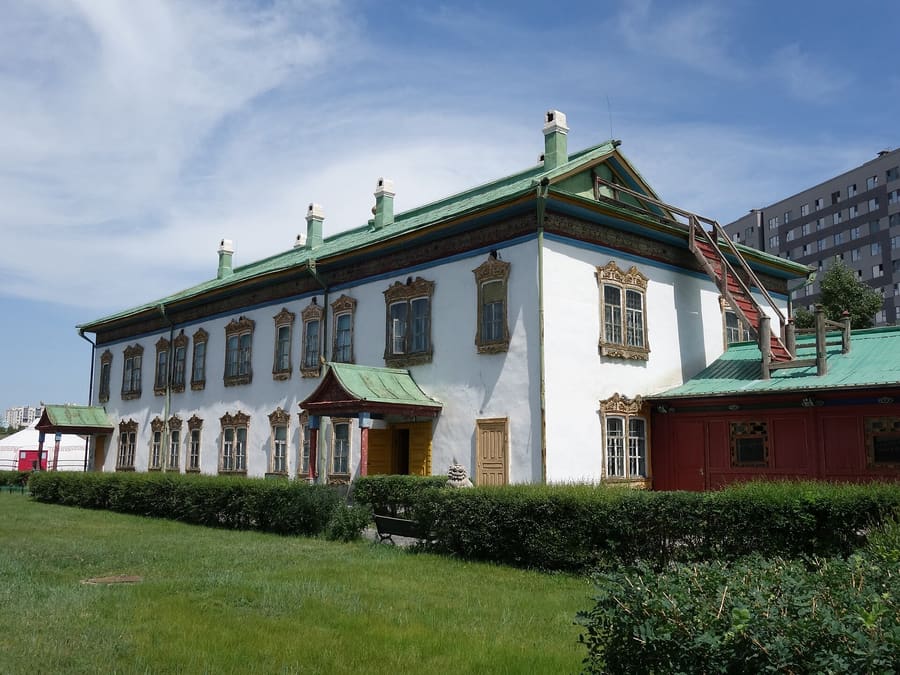
landmark
The winter residence of Mongolia's last monarch, containing royal ceremonial robes and taxidermy.
Pregunta a Parley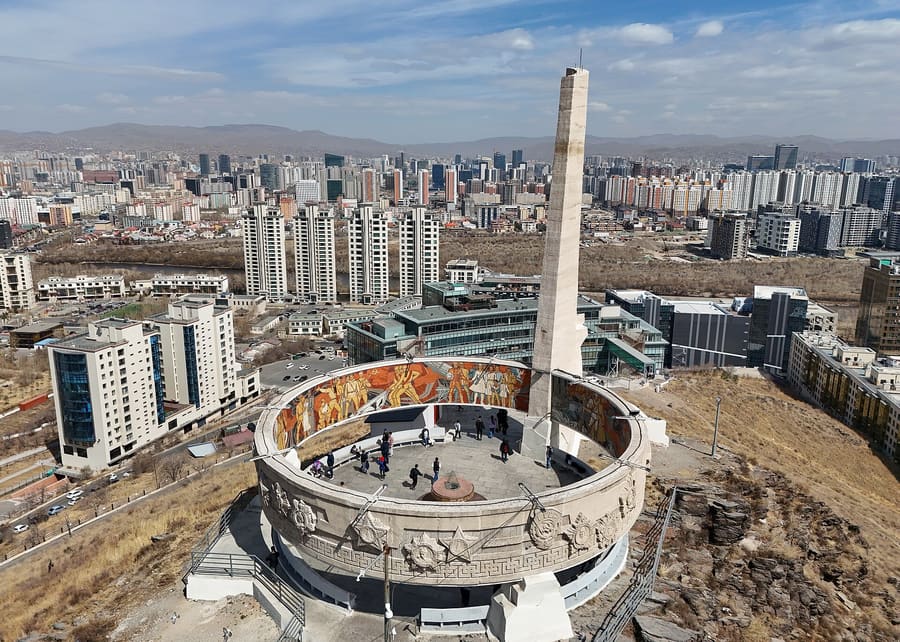
landmark
Hilltop Soviet mosaic ring commemorating allied soldiers, offering complete valley views.
Pregunta a Parley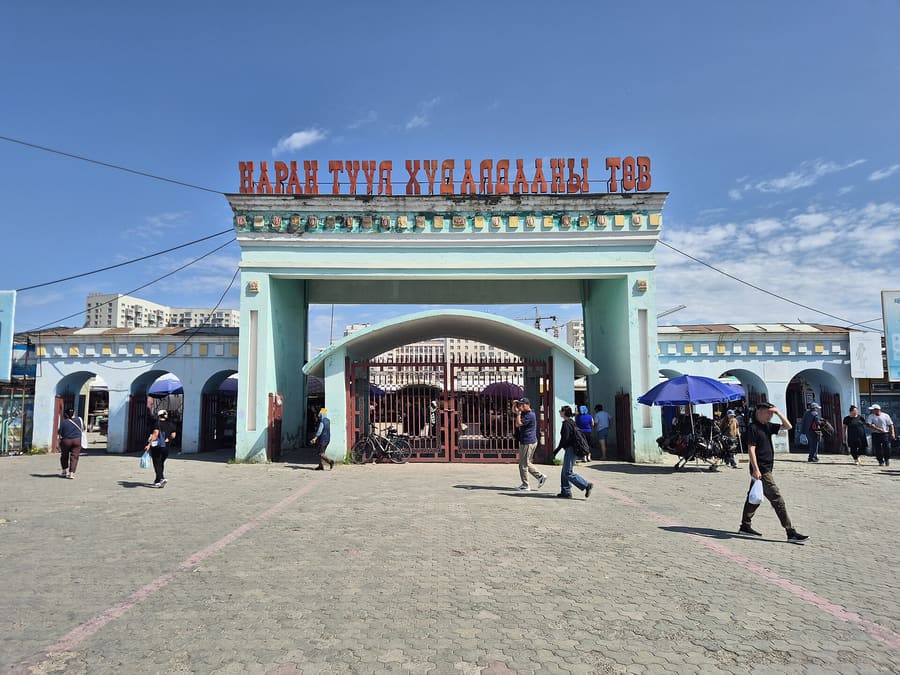
landmark
Massive open-air market selling felt riding boots, horse tack, stoves, and household supplies.
Pregunta a Parleyattractions
areas
High-density downtown with ministries, coffee shops, and corporate towers along Peace Avenue.
CercaSükhbaatar Square, Choijin Lama Temple, National Museum
Pregunta a ParleyModern residential area south of the Tuul River with shopping malls and expat amenities.
CercaZaisan Hill Memorial, Bogd Khan Palace, Bogd Khan Mountain Trailheads
Pregunta a ParleyWorking-class district housing major commercial markets and Soviet apartment blocks.
CercaNarantuul Market, Ulaanbaatar Railway Station
Pregunta a ParleyMonastic compounds amidst residential ger settlements and wooden fencing west of the core.
CercaGandan Monastery, Zanabazar Museum of Fine Arts
Pregunta a Parleyfood
Mongolian cuisine reflects a pastoral climate where protein and animal fats sustain low winter temperatures. Meat, primarily mutton and beef, forms the anchor of nearly every dish. Dining in Ulaanbaatar ranges from informal canteens called guanz to modern high-end steak houses in the commercial district.Noodle dishes dominate daily lunches across the city. Tsuivan, a dish of handmade flat noodles stir-fried with mutton fat and cabbage, is the primary workday staple. Buuz, steamed mutton dumplings packed with onion and broth, are eaten year-round and prepared in bulk during lunar calendar celebrations.
A plate of classic tsuivan served at a local canteen in Sükhbaatar District.
Marcin Konsek · CC BY-SA 4.0Order at the counter in small neighbourhood canteens for rapid, cheap meals of tsuivan or bansh dumpling soup.
Fermented mare's milk is sold from plastic jugs along city roads during late summer. It tastes sour and mildly alcoholic.
Restaurants in central Ulaanbaatar accept international credit cards. Cash remains necessary at smaller market stalls.
history
Ulaanbaatar began in 1639 as Urgoo, a mobile monastic camp that shifted locations along the Selenge and Tuul rivers. It settled permanently at its current valley site in 1778. The city grew as a trade stop between Russia and China.In 1924, following the socialist revolution, the city was renamed Ulaanbaatar, meaning Red Hero. Soviet urban planners laid out a rigid grid of apartment blocks, broad avenues, and administrative plazas that define the city core today.
Mobile monastery founded
Urgoo is established as the seat of Zanabazar, the first spiritual head of Tibetan Buddhism in Mongolia.
Permanent settlement
The mobile camp settles permanently in the Tuul River valley, establishing the footprint of modern Ulaanbaatar.
Renamed Ulaanbaatar
Mongolia declares a people's republic under Soviet influence and renames its capital Ulaanbaatar.
Democratic revolution
Peaceful hunger strikes on Sükhbaatar Square lead to the end of one-party communist rule.
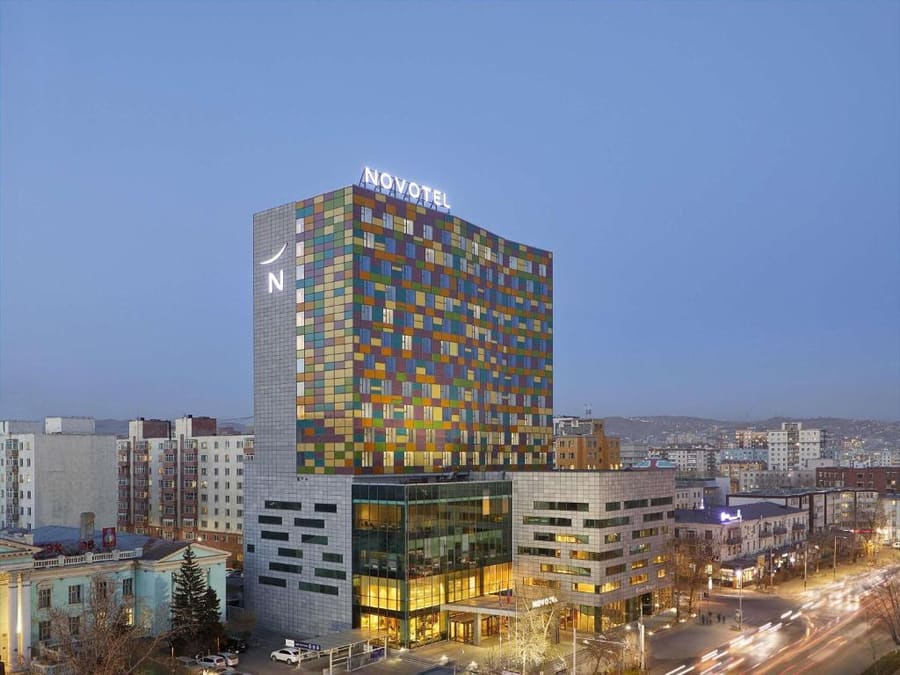
where to stay
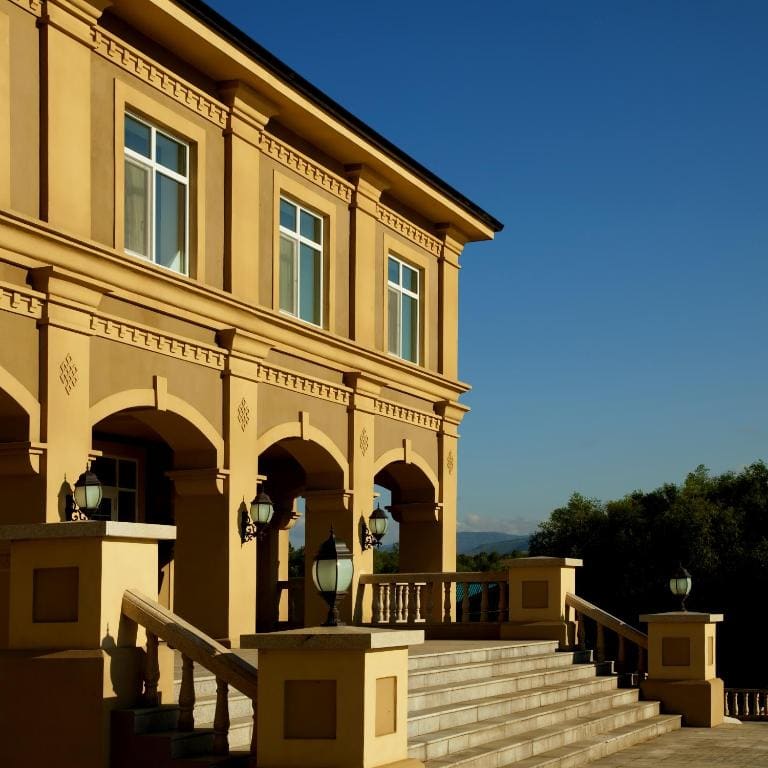
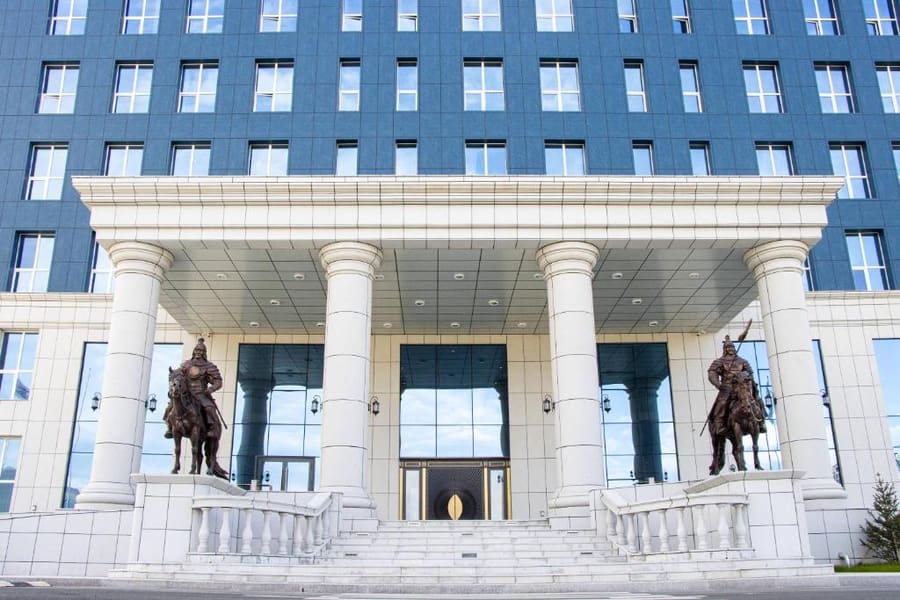
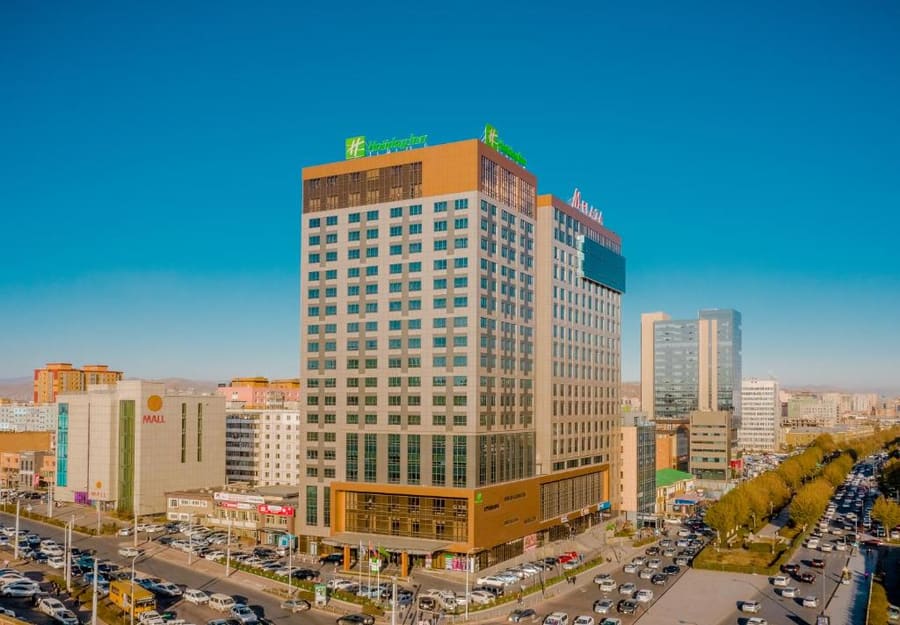
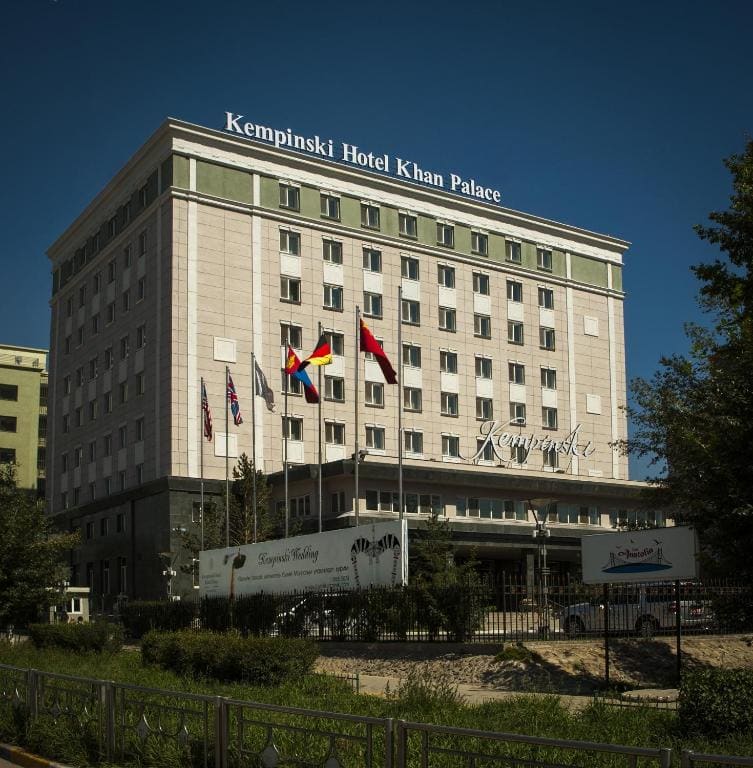
Select your location based on transit tolerance. Staying inside Sükhbaatar district lets you walk to major museums and central restaurants, completely avoiding road traffic. Staying south of the Tuul River in Zaisan offers newer apartments and cleaner air, but requires planning around severe rush-hour delays on the bridges.
Live rates, matched to the areas above.
transport
Traffic congestion is severe in central Ulaanbaatar. Peace Avenue forms the primary east-west spine, and vehicles frequently move slower than walking pace during morning and evening rush periods. Walking is the most reliable mode of transit within the centre.
Desde Chinggis Khaan International Airport (UBN)
Official airport taxis operate on fixed zones or metered rates from the arrival curb.
Express express airport shuttle buses connect UBN to Sükhbaatar Square.
City buses require a U-Money contactless card. Buy and load cards at roadside kiosks near bus stops.
Flag down any private car by sticking your hand out. Negotiate or confirm the standard rate per kilometre before closing the door.
Download UBCab to book official metered taxis with set pricing directly on your smartphone.
cost
Ulaanbaatar offers low daily costs compared to western capitals, though imported goods and high-end hotels carry international prices. Cash is widely used in traditional markets, while cards work in central shops and restaurants.
A full dish of stir-fried mutton noodles at a local canteen.
Entry ticket for foreign visitors to the main Janraisig temple complex.
Standard coffee order at coffee shops around Sükhbaatar Square.
seasonality
JUN – AUG
Warmest weather with temperatures reaching 25°C. Naadam Festival in July brings peak crowds and hotel price surges.
SEP – OCT
Cool crisp autumn days. Crisp air and clear skies make this ideal for city walking before freezing temperatures return.
NOV – FEB
Extreme winter conditions dropping below -30°C. Valley smoke builds up; pack thermal layers and an N95 mask.
MAR – MAY
Spring brings dust storms from the Gobi Desert and unpredictable temperature swings.
practicalities
Ulaanbaatar operates on UTC+8 standard time without daylight saving adjustments.
Mongolian in Cyrillic script is universal. Younger service staff in central business districts speak conversational English.
ATMs issuing local tugrik (₮) are available throughout downtown banks and major supermarket entrances.
The city sits at 1,350 metres elevation. Keep skin moisturised and drink plenty of water.
Unpaved ger districts on north hills have poor street lighting. Stick to central paved streets after nightfall.