landmark
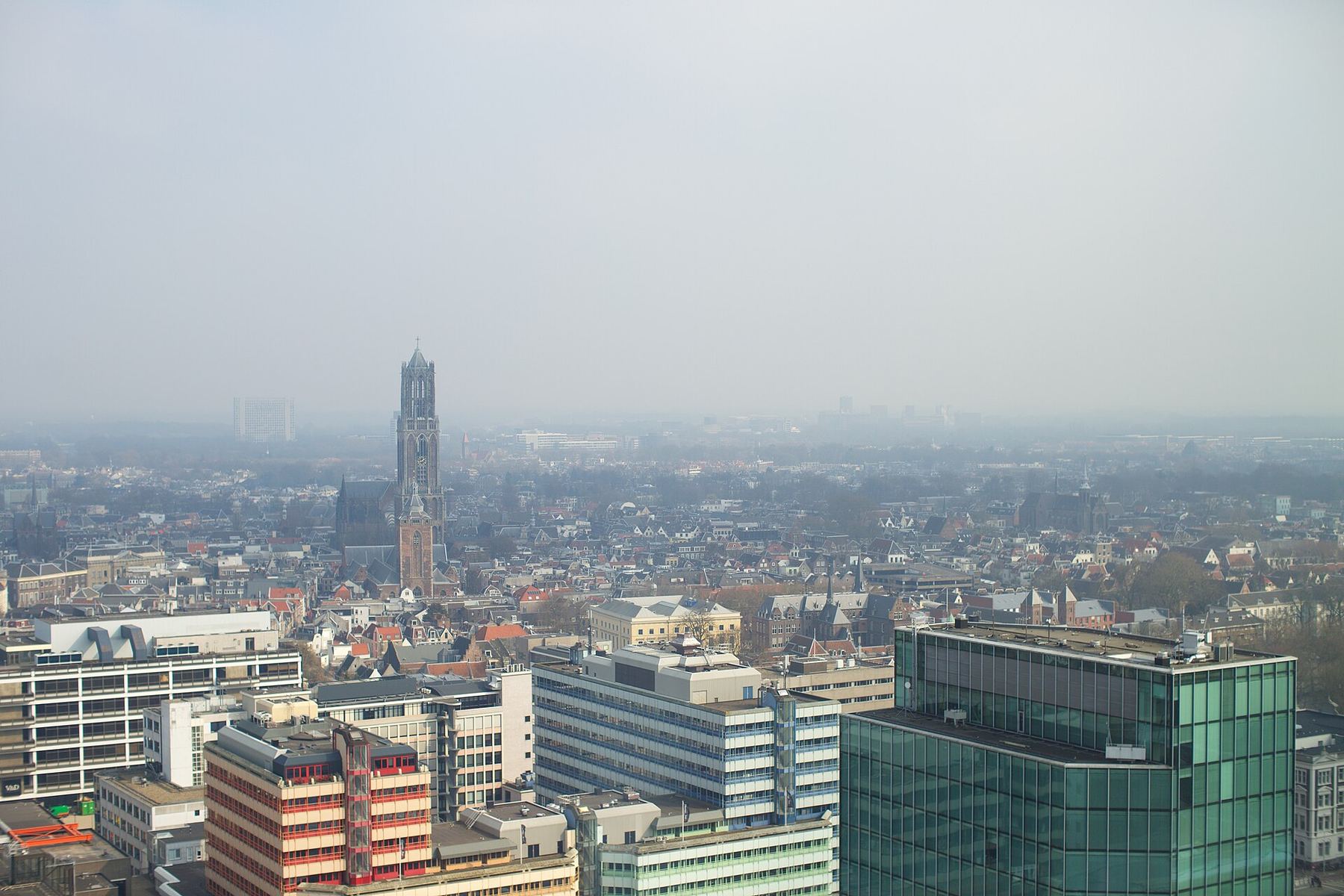
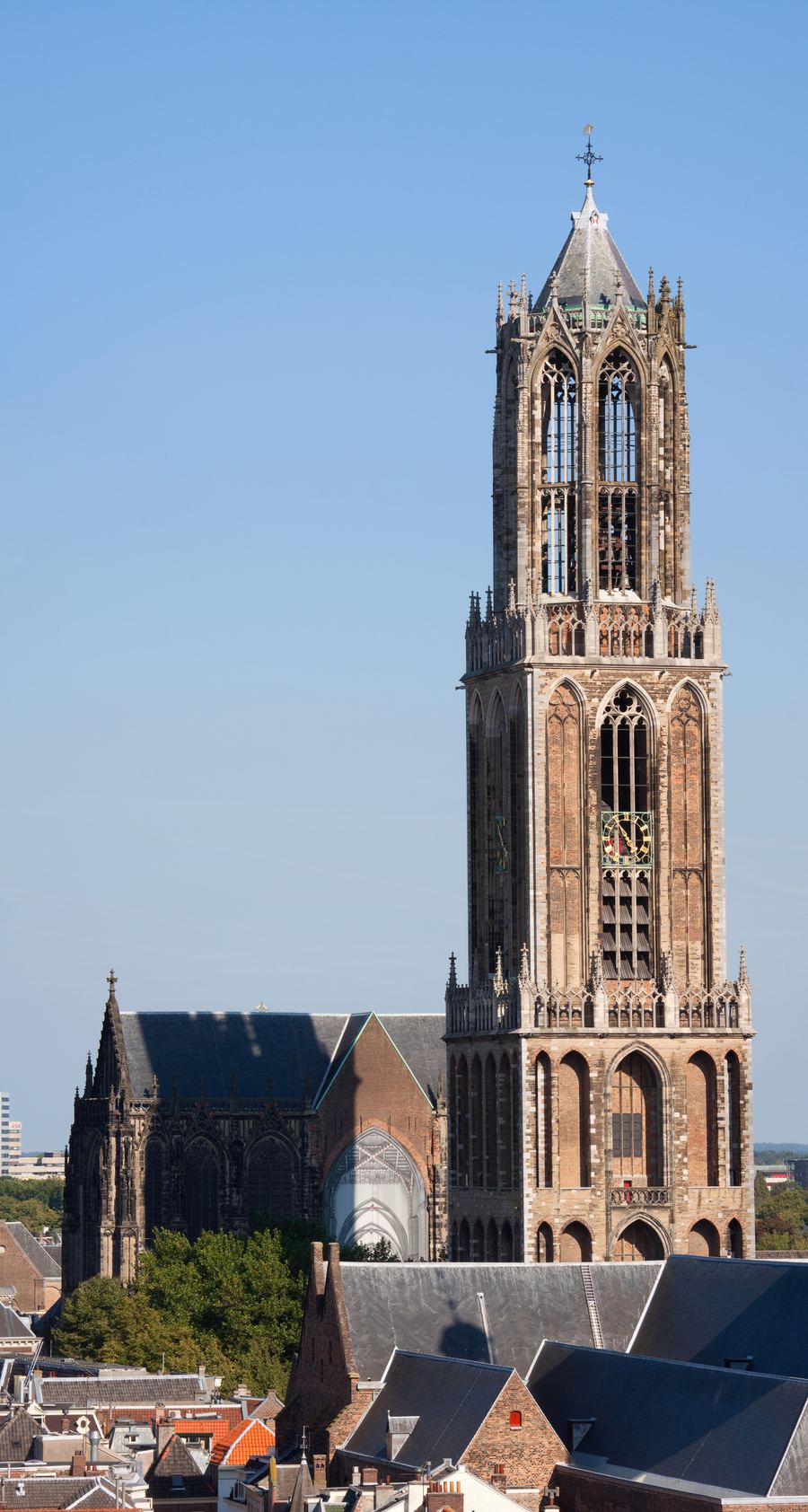
Dom Tower
At 112 metres, this Gothic tower is the highest church tower in the Netherlands. Book your timed ticket online to clear the 465 steps.
Pregunta a ParleyPaíses Bajos
Wharf-level canals, medieval scale, and zero Amsterdam circus.
introduction
Utrecht built its medieval core around a split-level canal system unique to the Low Countries. You navigate the centre on foot or by bicycle, passing split-level wharf cellars that host restaurants below street level. Trains run every few minutes from Utrecht Centraal, making the city a quieter, more compact base than Amsterdam. Expect narrow cobblestone streets, steep staircases down to the water, and heavy bike traffic on every bridge.
Arrival shortcut
Trains from Schiphol Airport run direct to Utrecht Centraal every 15 minutes. The journey takes 26 minutes and drops you at the edge of the historic centre.
Architectural distinction
The 1924 Rietveld Schröder House is the world's only complete De Stijl building. UNESCO listed it for pioneering radical open-plan domestic architecture.
Utrecht
Victor Alliance at Dutch Wikipedia · CC BY-SA 3.0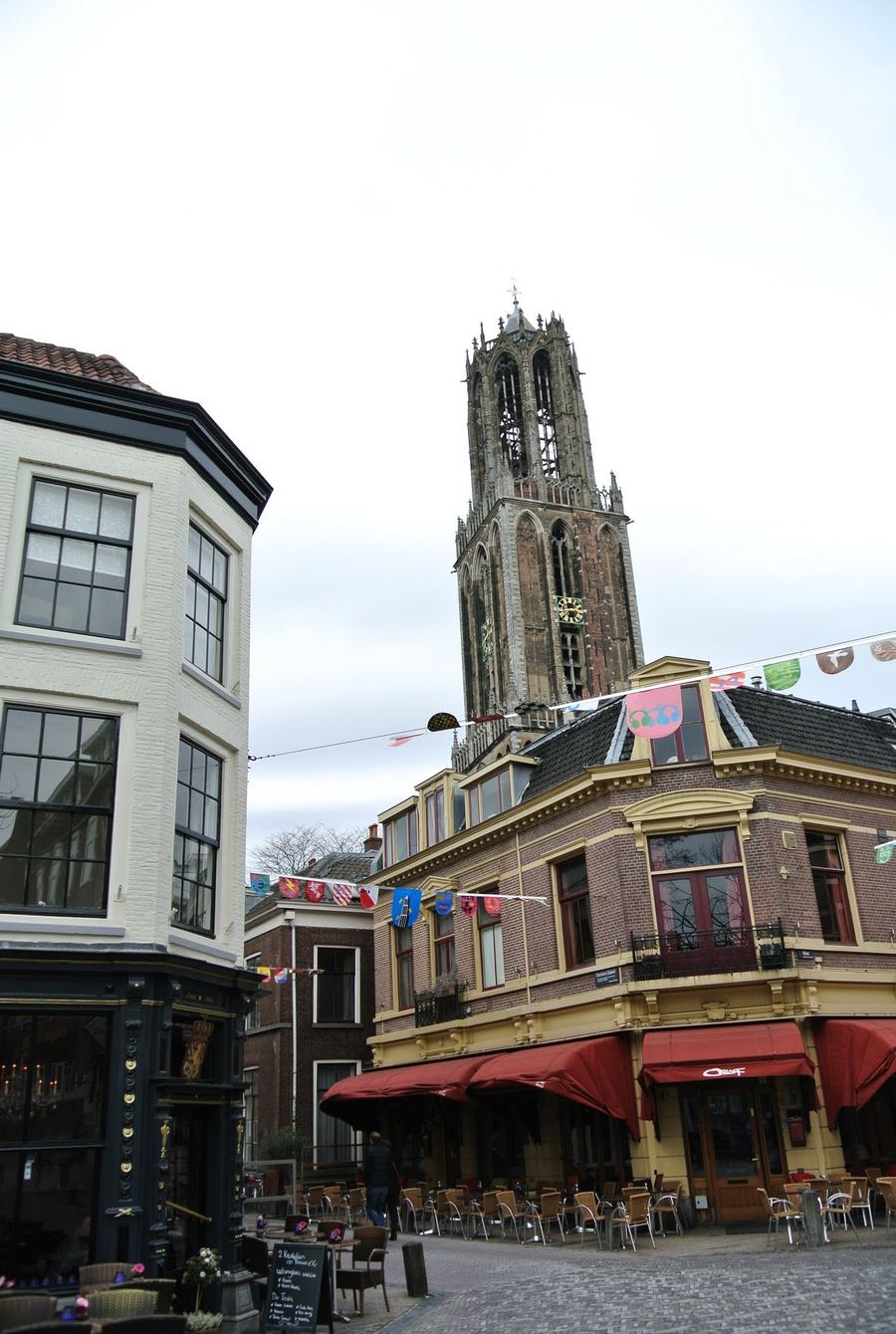
Binnenstad — Medieval street grid dominated by canal wharves, bell chimes, and dense pedestrian traffic.
Ben Bender · CC BY-SA 3.0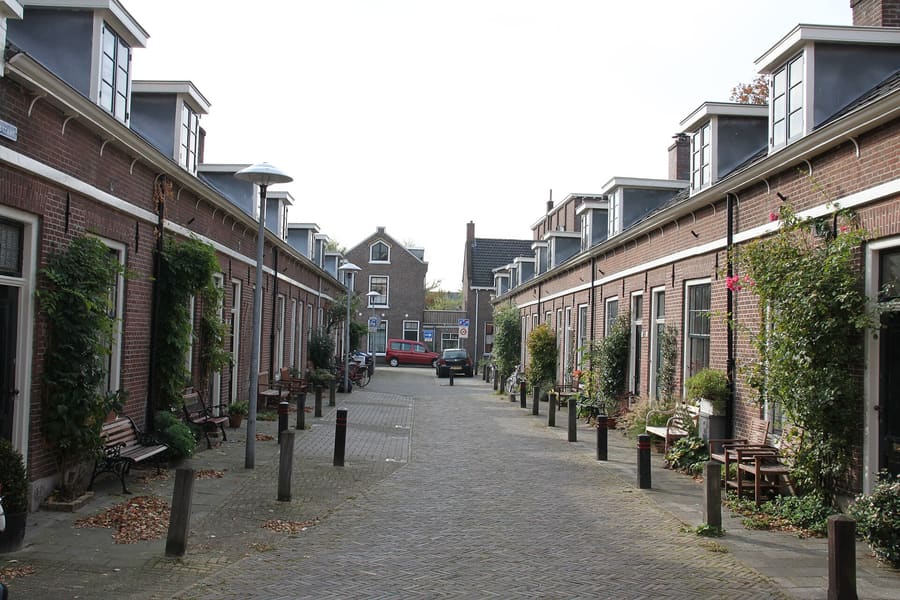
Wittevrouwen — 19th-century residential streets with neighbourhood bakeries, ice cream shops, and tree-lined avenues.
Mauritsvink · Public domain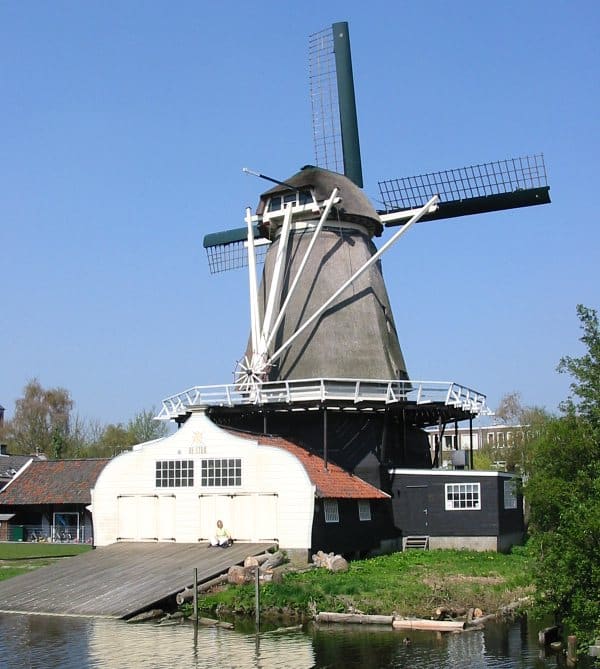
Lombok — Multicultural hub around Kanaalstraat known for spice shops, bakeries, and waterfront views.
Original uploader was Hans de Kroon at nl.wikipedia · CC BY-SA 3.0
Dining at water level in the restored wharf cellars along Oudegracht.
Takeaway · CC BY-SA 3.0highlights
landmark
At 112 metres, this Gothic tower is the highest church tower in the Netherlands. Book your timed ticket online to clear the 465 steps.
Pregunta a Parley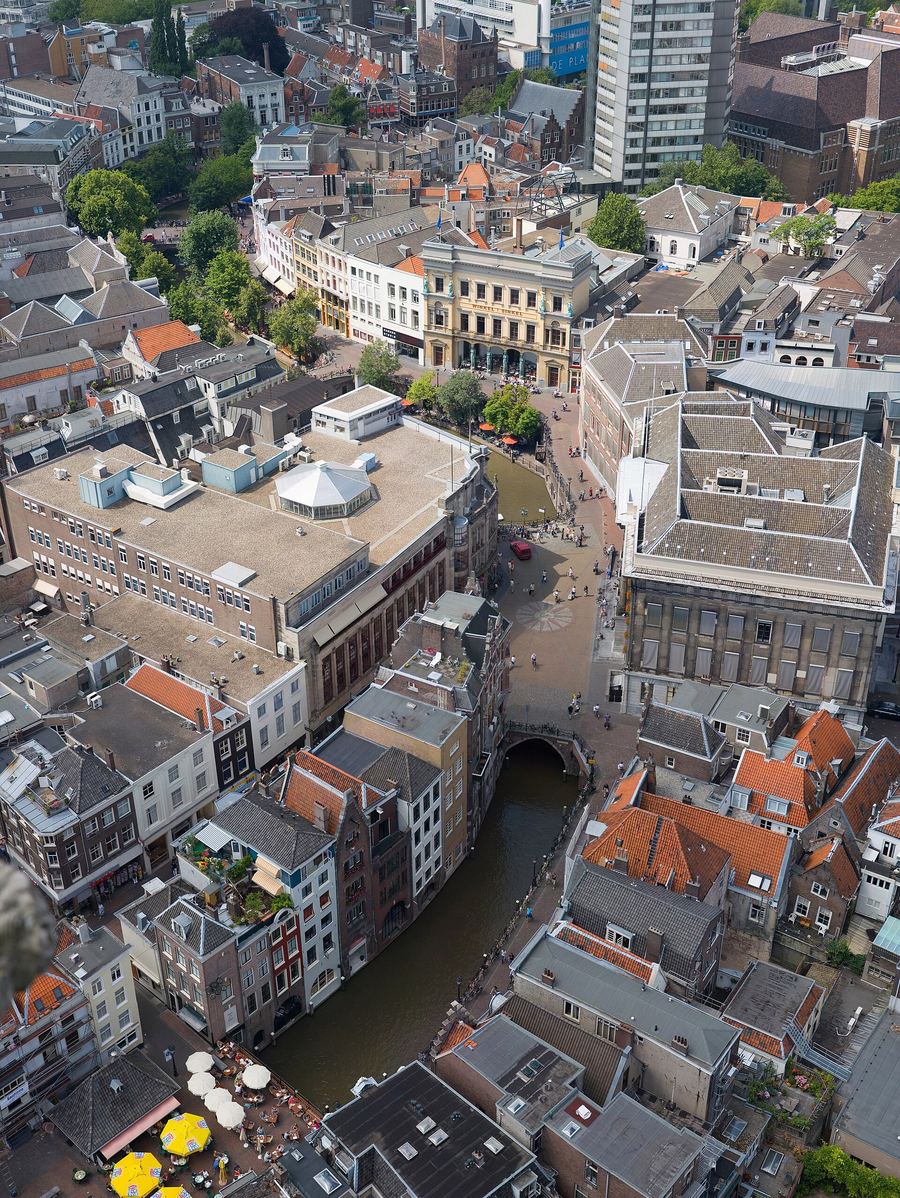
landmark
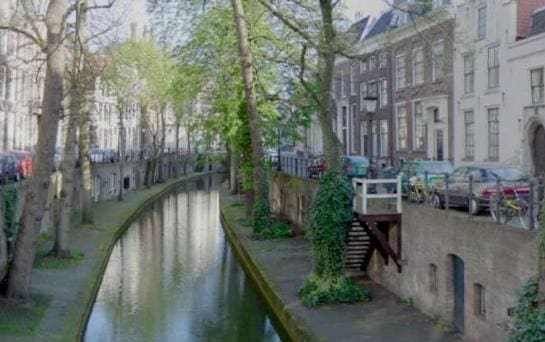
The world's only two-tiered canal system lets you drink below street level. Kayak the lower wharves early before commercial boats launch.
Pregunta a Parley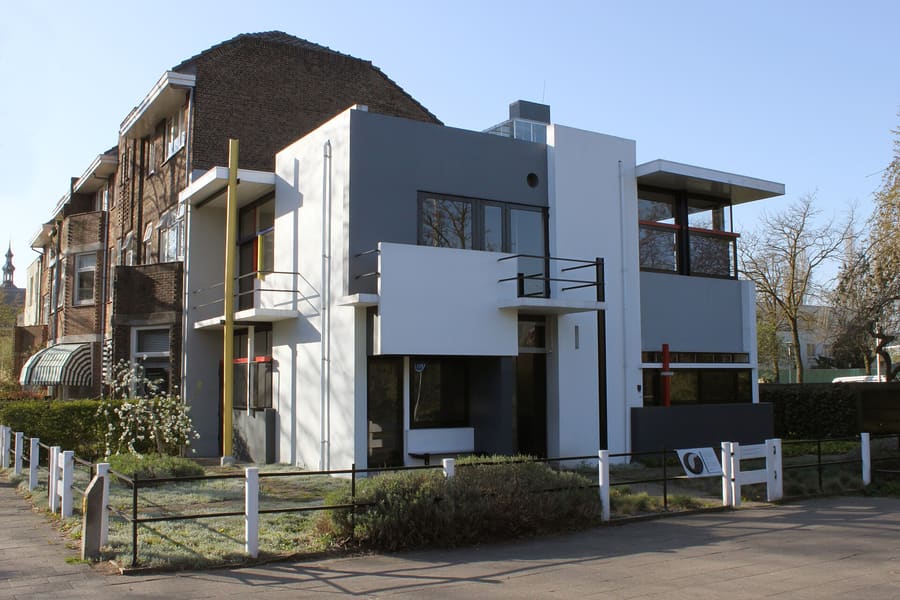
landmark
Gerrit Rietveld designed this 1924 house with sliding walls and primary colours. Entry requires a pre-booked guided tour ticket.
Pregunta a Parley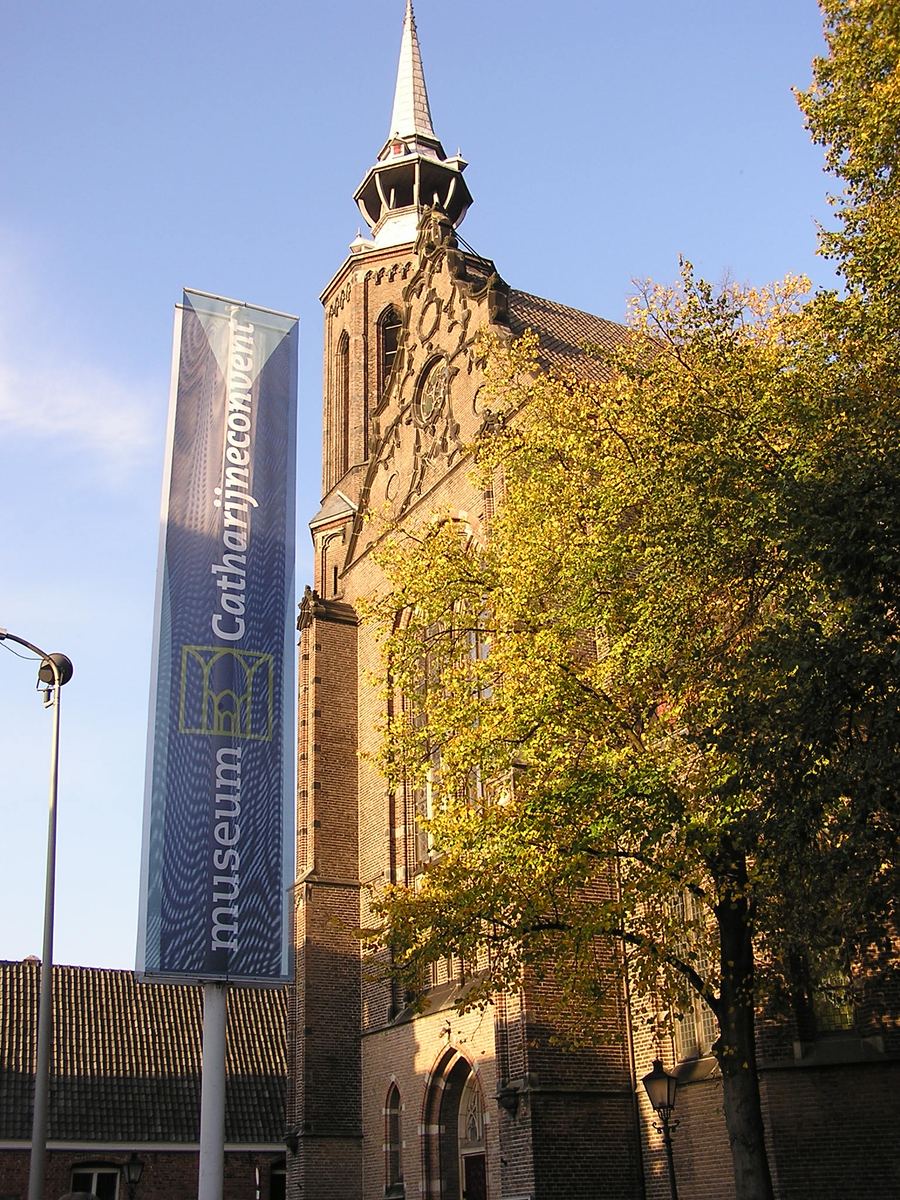
landmark
Housed in a 15th-century monastery, this museum holds medieval religious art. Your entrance ticket includes access to the cloister garden.
Pregunta a Parley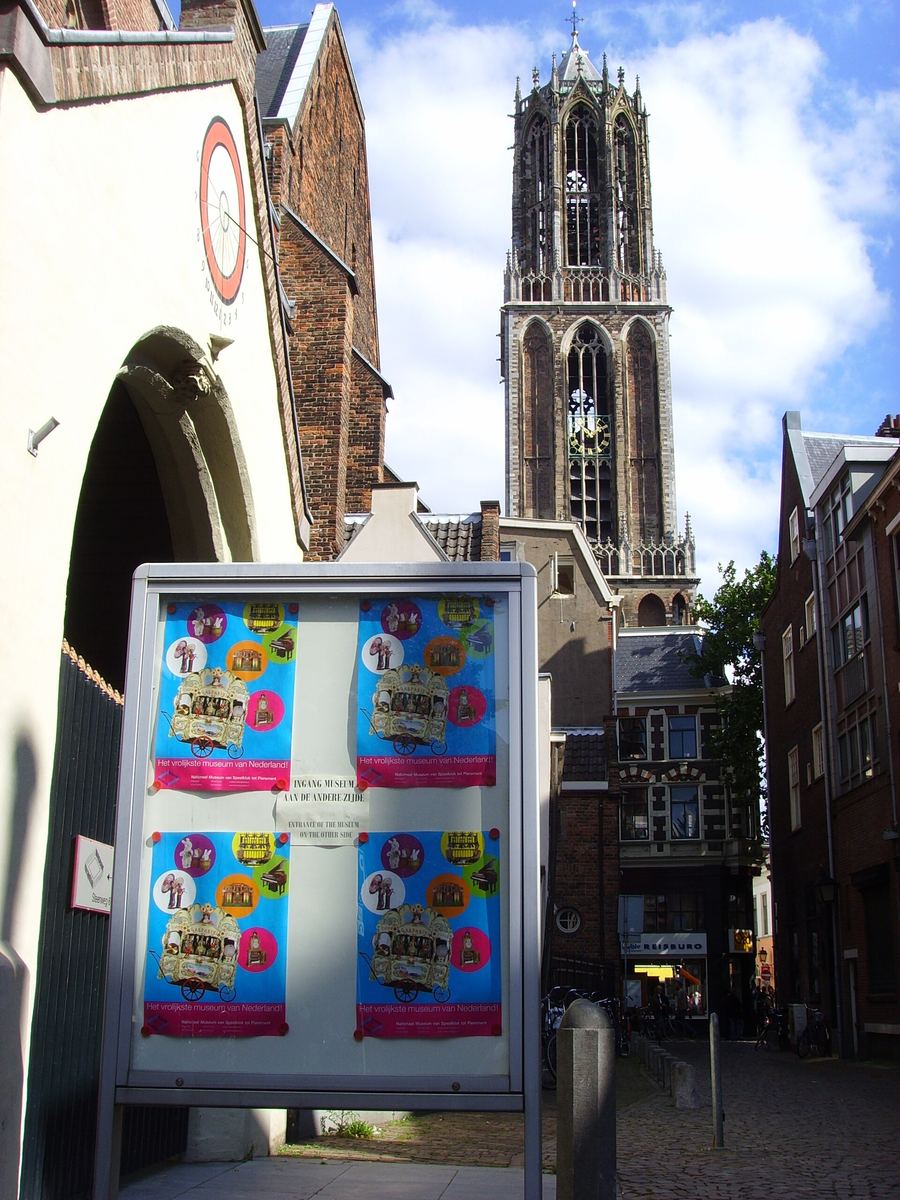
landmark
A restored church housing self-playing instruments from musical clocks to street organs. Live demonstrations run hourly inside.
Pregunta a Parley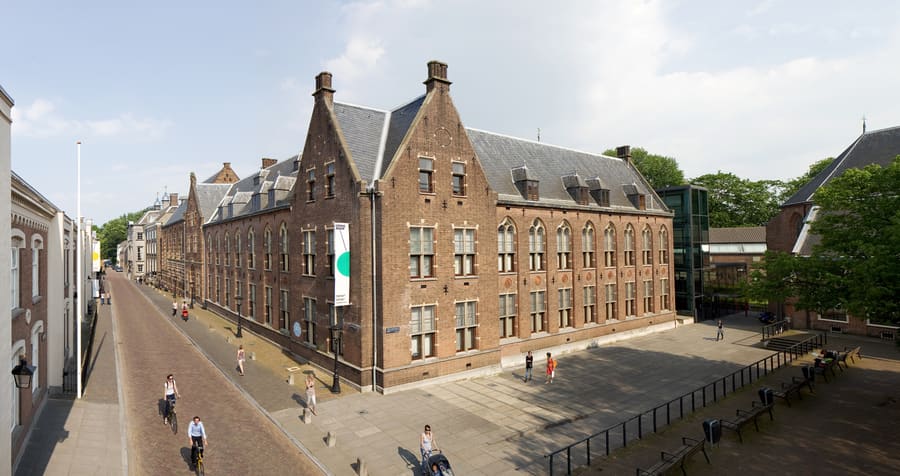
landmark
The Netherlands' oldest municipal museum spans medieval art, Rietveld furniture, and Dick Bruna's original Miffy studio upstairs.
Pregunta a Parleyattractions
areas
Medieval street grid dominated by canal wharves, bell chimes, and dense pedestrian traffic.
CercaUtrecht Centraal station and Oudegracht canal.
Pregunta a Parley19th-century residential streets with neighbourhood bakeries, ice cream shops, and tree-lined avenues.
CercaGriftpark and Biltstraat restaurants.
Pregunta a ParleyMulticultural hub around Kanaalstraat known for spice shops, bakeries, and waterfront views.
CercaMolen de Ster and Utrecht Centraal west exit.
Pregunta a ParleyQuiet brick alleyways, historic courtyards, and leafy garden patios south of the centre.
CercaCentraal Museum and Twijnstraat markets.
Pregunta a Parleyfood
Utrecht's dining revolves around its split-level canals (werfkelders), where 13th-century storage cellars operate as waterfront restaurants. On street level, local food culture balances traditional butcher-baker spots with quick options. The quintessential local ritual is standing at the edge of the Oudegracht with an Italian sandwich from Broodje Mario, a street stall operating at Oudegracht 130 since 1977. For sit-down dinners, reserve ahead for wharf-level cellars along the Oudegracht to guarantee water views rather than subterranean back rooms, as commercial wharf-level cellar restaurants are located along the Oudegracht, whereas the Nieuwegracht is predominantly residential and lacks waterfront dining cellars.
Dining at water level in the restored wharf cellars along Oudegracht.
Takeaway · CC BY-SA 3.0Cellar doors sit below street level. Reserve at least two days ahead to secure tables directly along the water rather than inside back vaults.
Visit on Friday or Saturday for fresh kibbeling (fried cod) and warm stroopwafels cooked to order in front of the station.
history
Founded as a Roman fort (Traiectum) around 47 AD, Utrecht became the religious capital of the Northern Netherlands in the Middle Ages. In 1674, a devastating tornado collapsed the nave of the Dom Cathedral, leaving the Dom Tower permanently isolated from its choir—creating the open plaza known today as Domplein. The city's double-level canals were built in the 13th century to connect street-level trade with water-level wharves. Modern Utrecht preserved its medieval core, though it paved over part of its canal moat to build a motorway in the 1970s, a move that was only reversed decades later when the moat was restored in 2020.
Castellum Traiectum
Romans construct a wooden fortress along the Rhine, marking the northern border of the Roman Empire and giving Utrecht its name.
City Rights & Wharves
Utrecht receives city rights and begins digging the Oudegracht, creating the world's only two-tiered canal wharf system.
The Great Storm
A severe tornado destroys the central nave of the Dom Cathedral, physically separating the Dom Tower from the remaining choir.
Rietveld Schröderhuis
Architect Gerrit Rietveld constructs a pioneering modernist residence, establishing Utrecht as a centre of the De Stijl movement.
where to stay
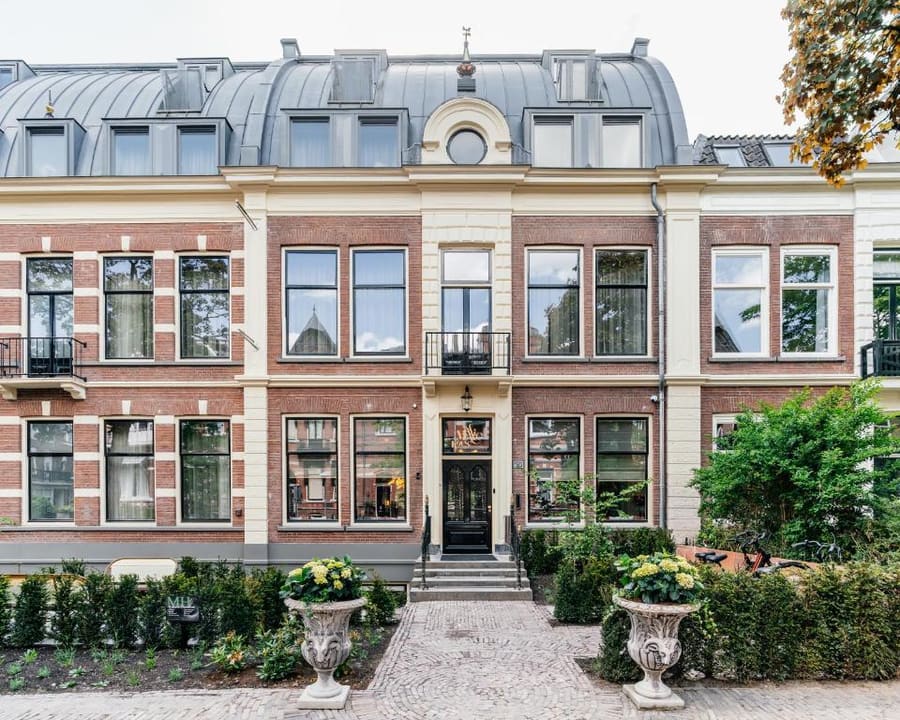
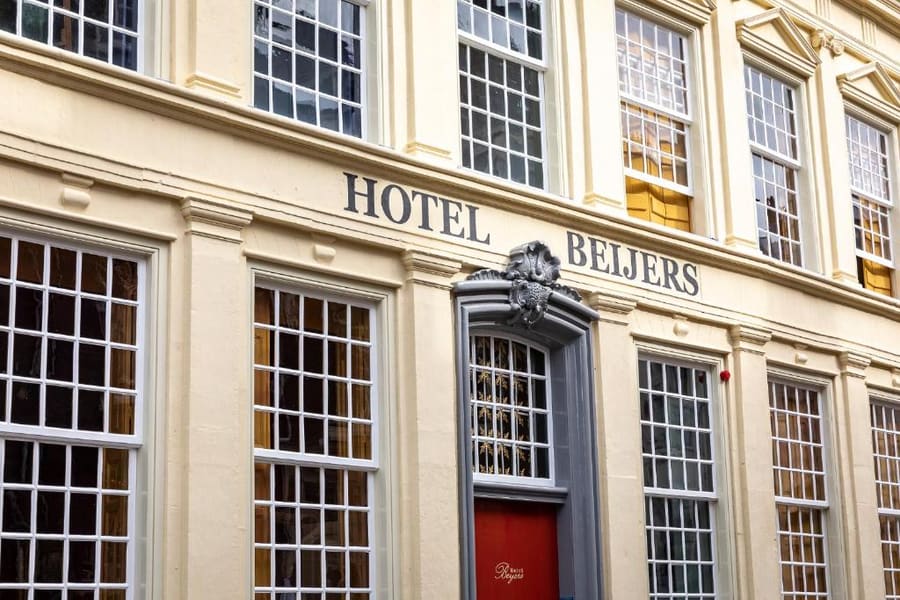
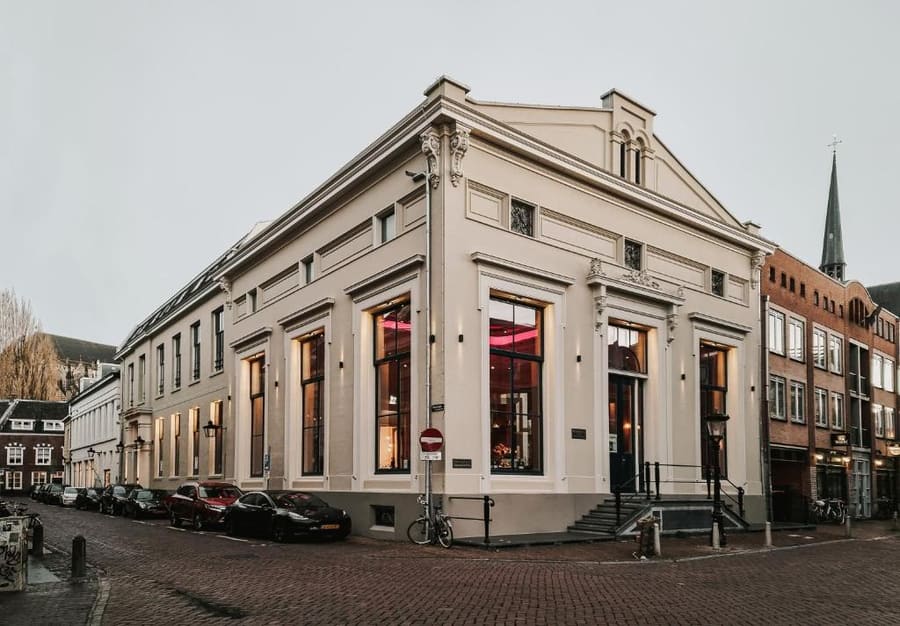
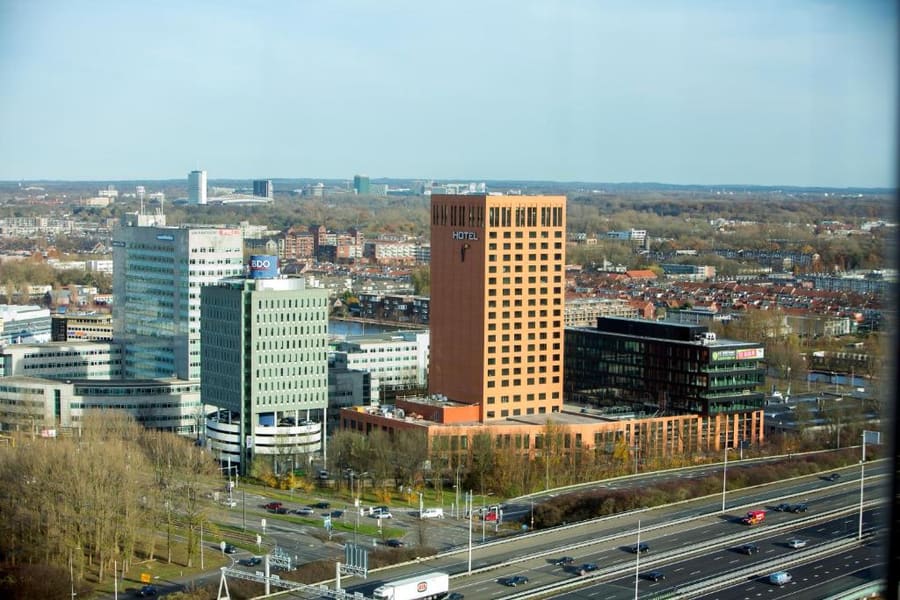
Choose your stay based on transit convenience versus evening noise. Base yourself inside the Binnenstad if you want medieval streetscapes out your front door and a 10-minute walk to the main train station. Choose Museumkwartier for a quieter, residential atmosphere close to major galleries and local boutiques. Wittevrouwen suits travellers who prefer leafy residential avenues and independent neighbourhood dining away from tourist foot traffic.
Live rates, matched to the areas above.
transport
Utrecht Centraal is the main railway junction of the Netherlands, connecting the city to Schiphol Airport and every major Dutch hub. The historic core is strictly car-restricted and compact enough to traverse entirely on foot. Local transit relies on U-OV buses and the Sneltram light rail network, but bicycles dominate daily city movement.
Desde Amsterdam Airport Schiphol (AMS)
Direct NS Intercity trains run every 15 minutes from Schiphol station below the main terminal.
Fixed rates rarely apply across municipality borders; meter prices surge during morning rush hour.
Tap in and out with your credit or debit card on all U-OV trams and buses. No paper ticket or OV-chipkaart required.
The light rail tram connects Utrecht Centraal directly to the Science Park university campus in 18 minutes.
Avoid walking in marked red bike paths between 08:00–09:00 and 17:00–18:00 when thousands of commuters cross the bridges.
Utrecht Centraal is massive. Follow signs for Centrum (City Side) to exit toward the medieval core and canals.
cost
Utrecht costs slightly less than Amsterdam for dining and hotels, but entrance fees vary from attraction to attraction, and public transport fares differ depending on the region and transit operator. Cash is increasingly rejected at small cafes, bakeries, and parking meters, making debit or credit cards mandatory.
Substantial Italian stuffed roll purchased street-side at Oudegracht 130.
Guided climb up the 465 steps of the Gothic tower. Pre-booking mandatory.
Annual pass valid at Centraal Museum, Speelklok, and Catharijneconvent. Pays off after four museum visits.
Charged distance-based via the OVpay contactless tap in and tap out system.
seasonality
MAR – MAY
Mild spring temperatures and clear daylight. Janskerkhof flower market operates at full scale on Saturdays.
JUN – AUG
Long daylight hours and active canal terraces. Book wharf-level cellar restaurants weeks ahead.
SEP – NOV
Fewer crowds and golden foliage along canal banks. Pack a water-resistant jacket for regular autumn rain.
DEC – FEB
Cold, dark afternoons illuminated by Utrecht Lumen light installations. Hotel rates drop across the city.
practicalities
Red-paved lanes belong exclusively to cyclists. Pedestrians stepping onto them will get aggressively ringed by commuters.
Shops in the Binnenstad open at 12:00 on Sundays and close early at 17:00.
Dozens of central cafes, bakeries, and parking meters no longer accept cash notes or coins.
Follow the free self-guided evening light-art trail that illuminates historic facades and bridges after dark.