landmark
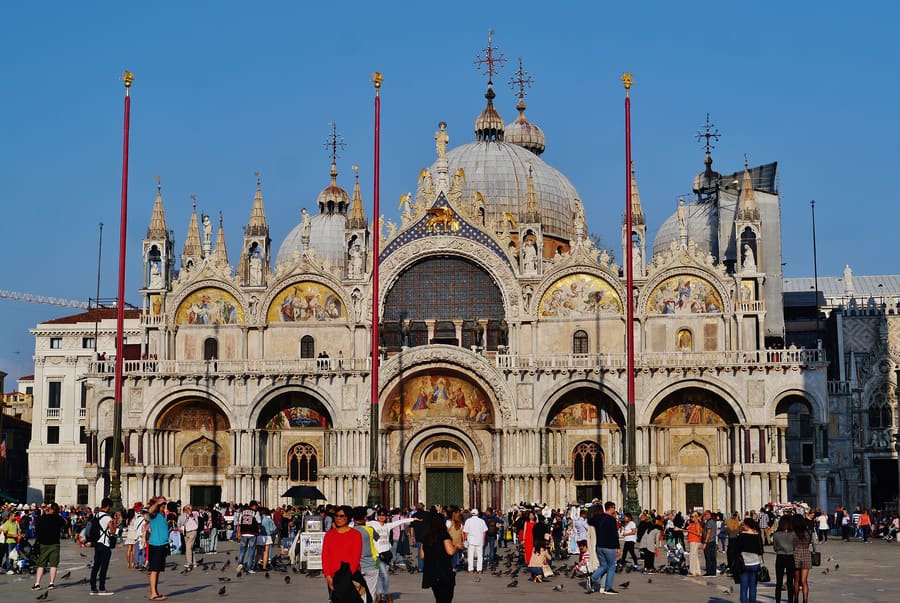
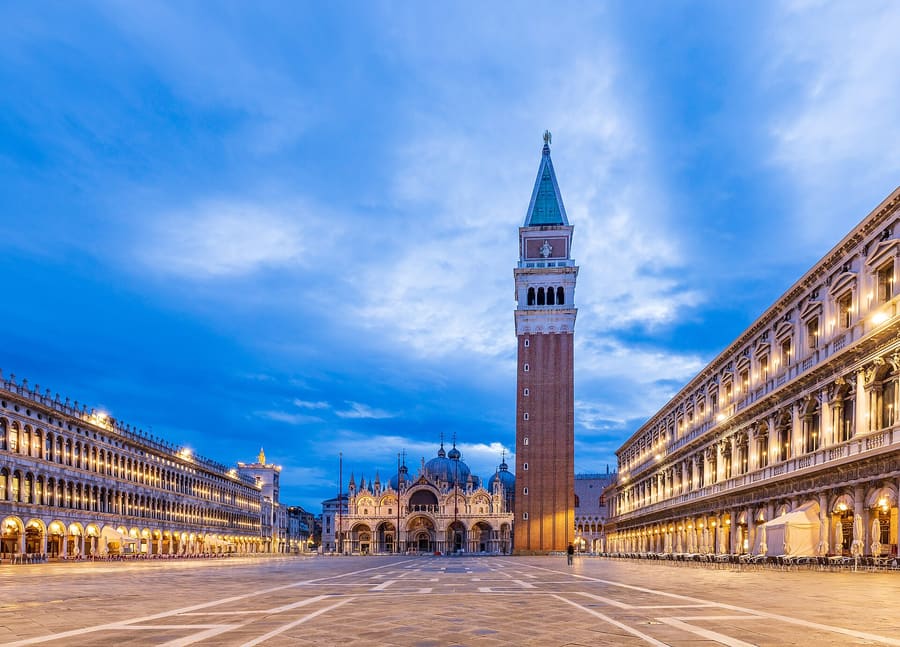
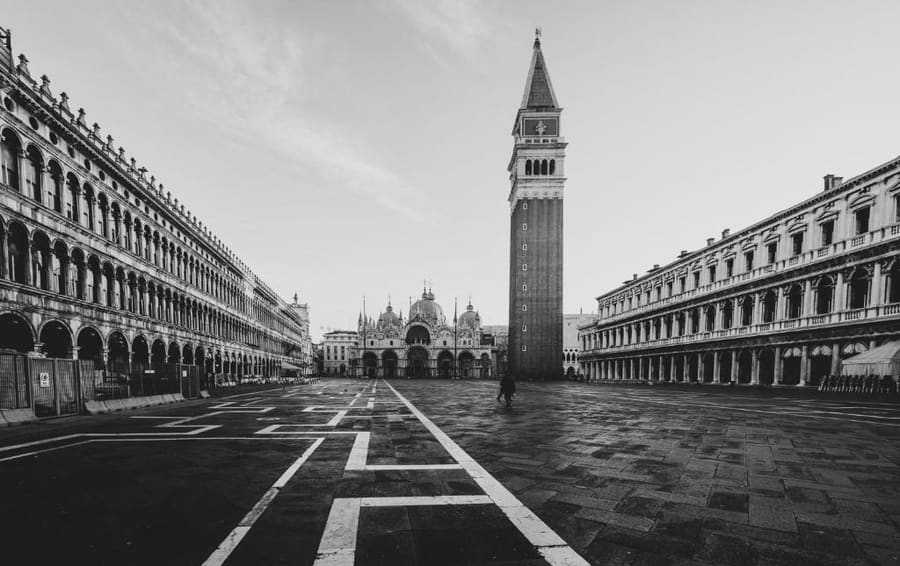
St Mark's Basilica
Byzantine gold mosaics cover 8,000 square metres. Book a timed entry ticket online to bypass the main queue outside.
Pregunta a ParleyItalia
A pedestrian city built on mud, lived on water.
introduction
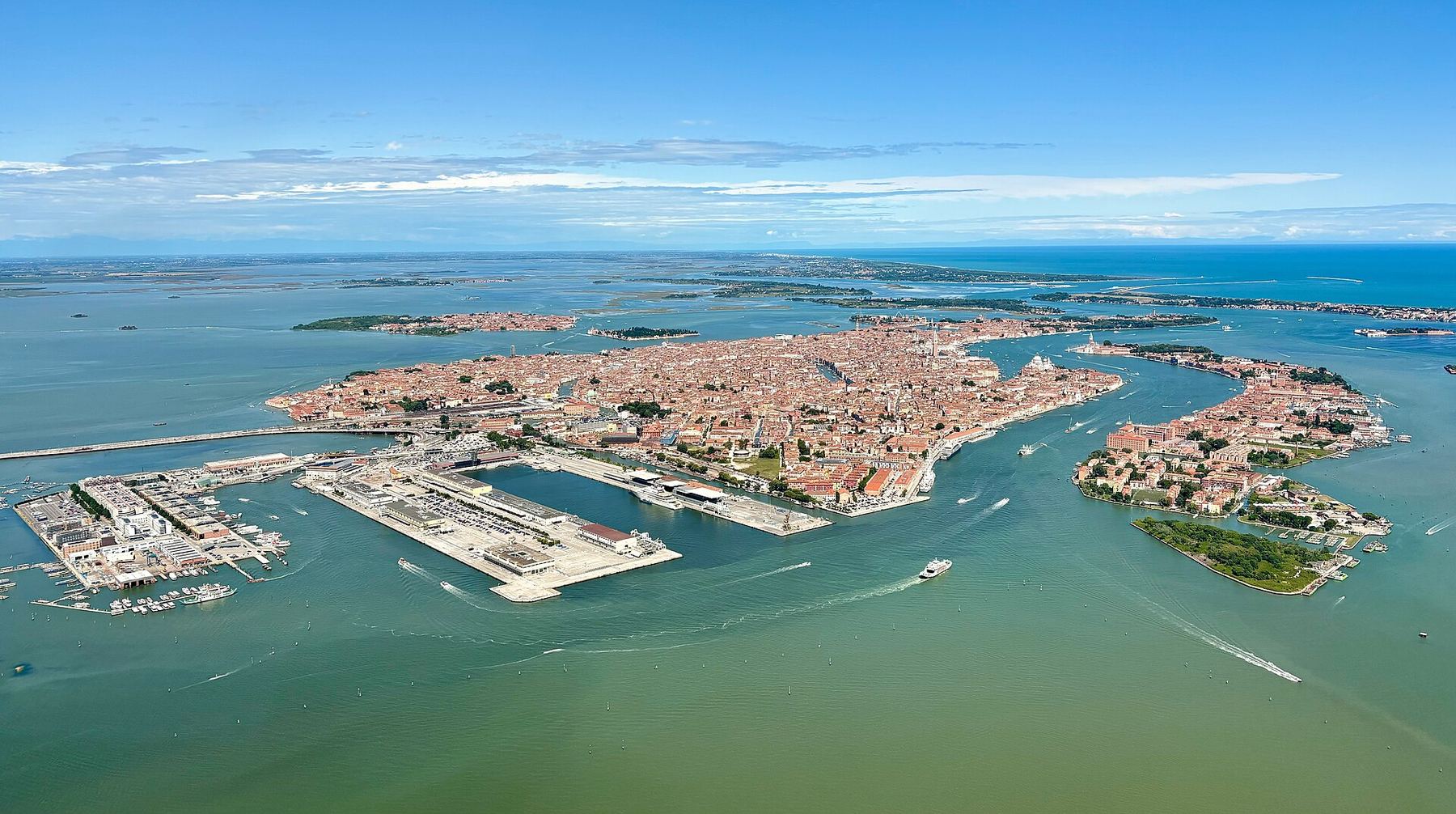
Venice is a pedestrian city of 118 islands connected by 400 bridges. You move entirely on foot or by boat, as wheel-based transport is banned in the historic centre. Walking is fastest for short distances, while water buses run the main arteries. Expect crowds on central routes and complete quiet two alleys away.
UNESCO status rule
The entire city and lagoon are a UNESCO site. Venice enforces strict local laws against swimsuits, littering, and sitting on bridge steps.
Day-tripper fee
Venice charges an entry fee on peak spring and summer days for non-overnight visitors. Book online in advance to obtain your QR code.
Venice
Matthias Süßen · CC BY-SA 4.0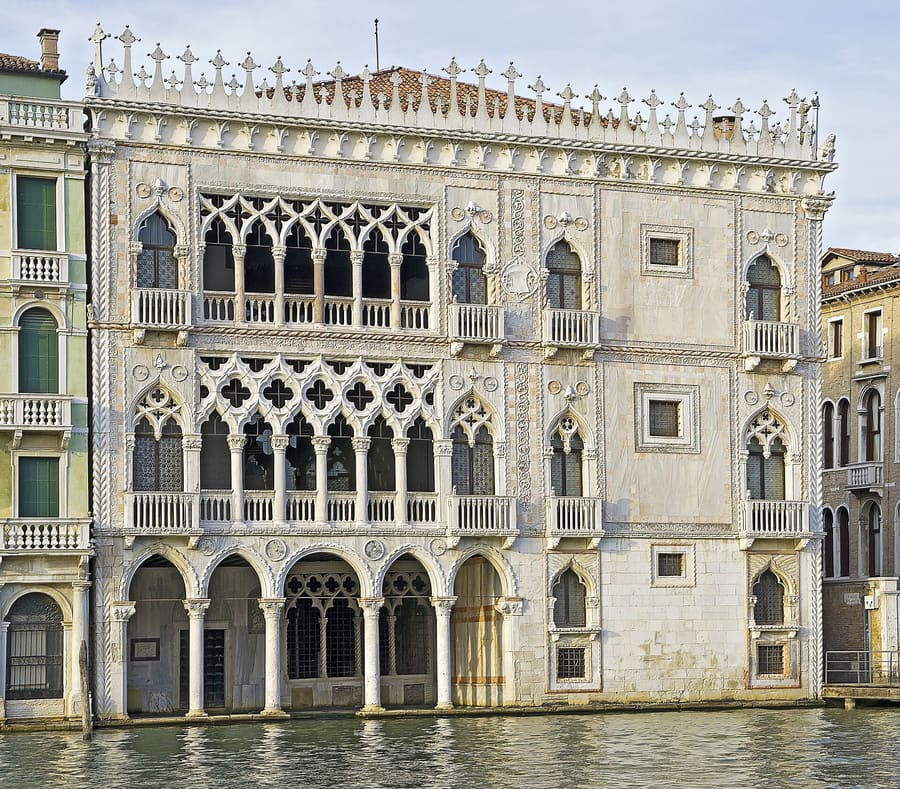
Cannaregio — Residential northern borough with long canals and vibrant bacari wine bars.
Didier Descouens · CC BY-SA 4.0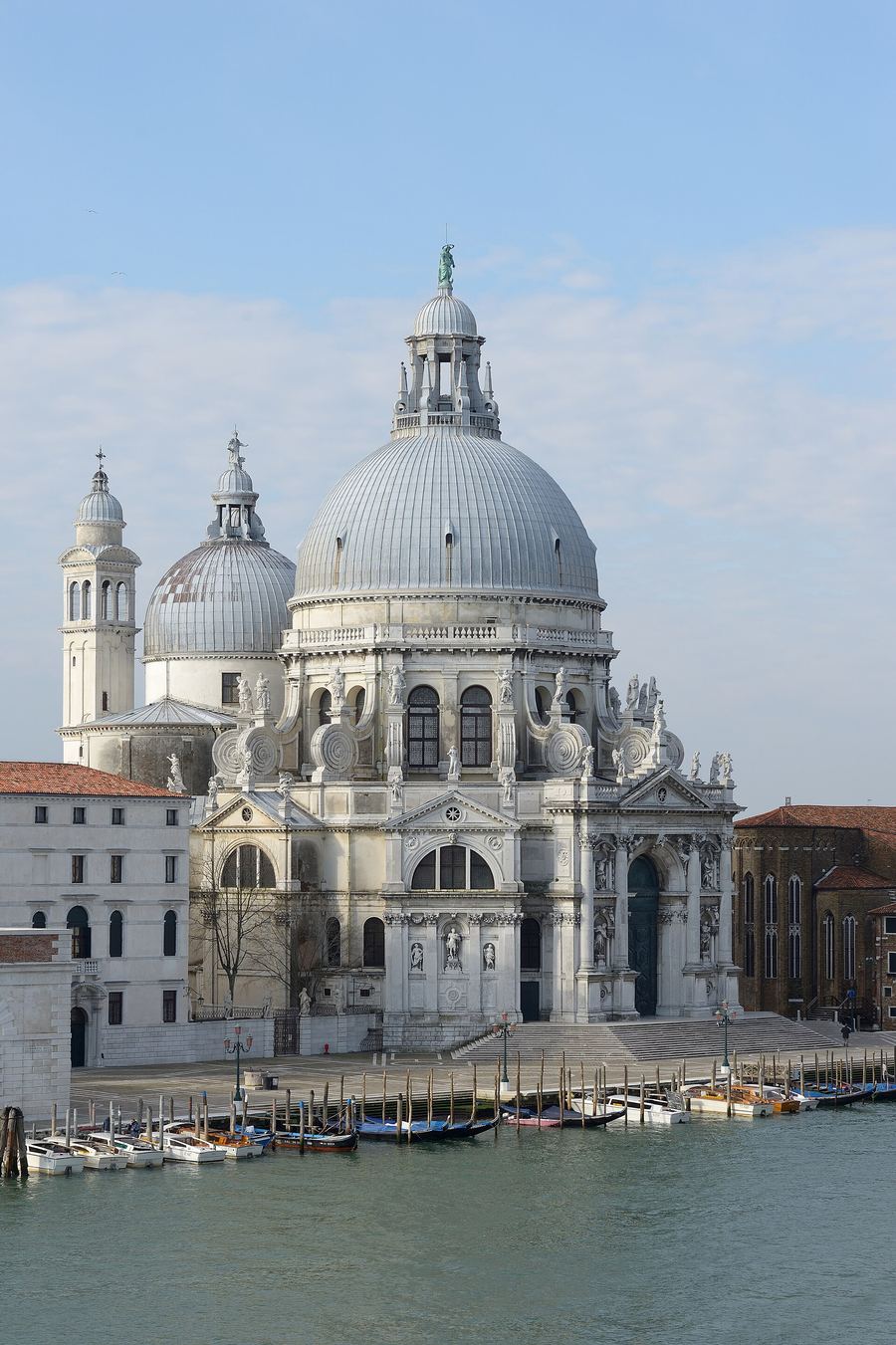
Dorsoduro — University district housing top art galleries, quiet squares, and canal views.
This Photo was taken by Wolfgang Moroder. Feel free to use my photos, but please mention me as the author and send me · CC BY-SA 3.0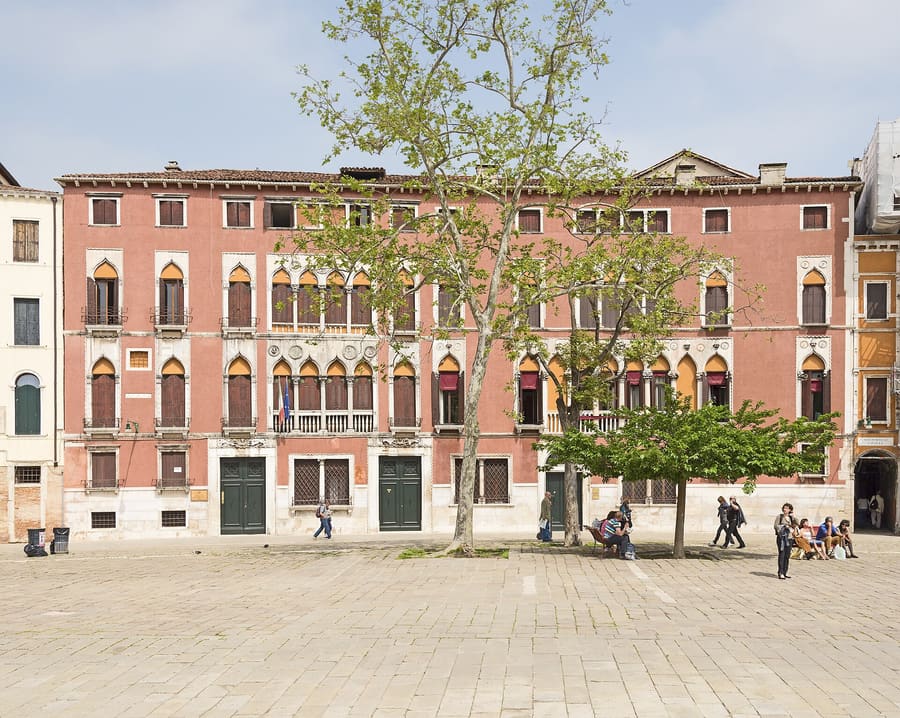
San Polo — Central district filled with narrow lanes, artisan workshops, and food markets.
Didier Descouens · CC BY-SA 4.0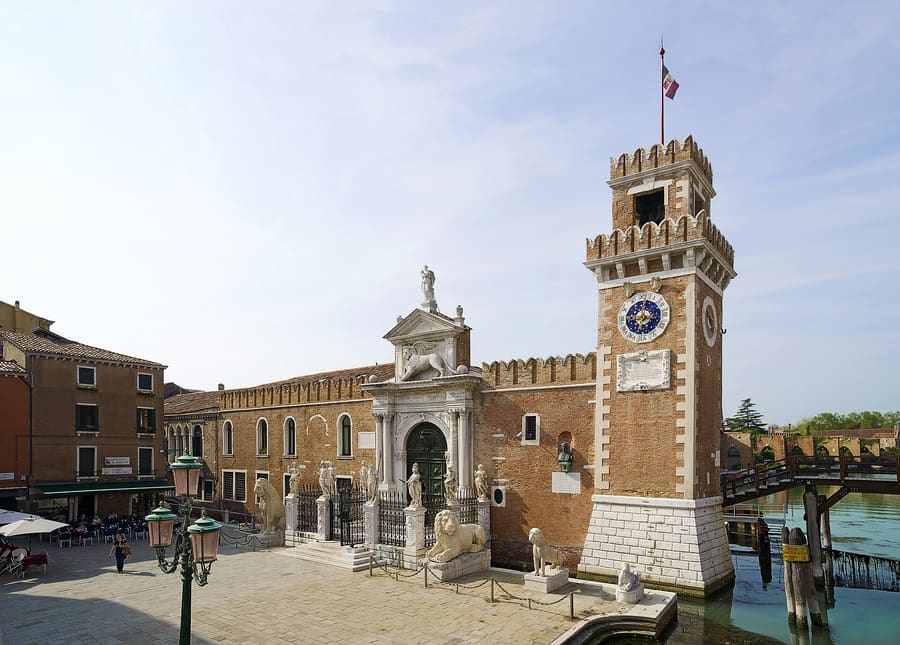
Castello — Sprawling eastern district ranging from grand naval yards to sleepy residential corners.
Didier Descouens · CC BY-SA 4.0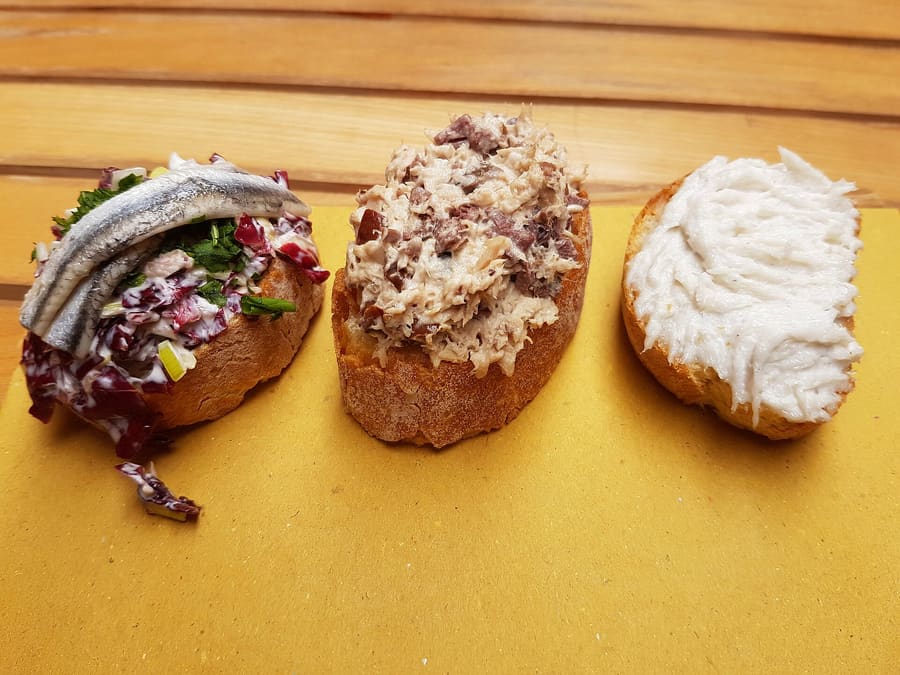
Standing for cichèti and an ombra at a local Venetian bàcaro.
Benreis · CC BY-SA 4.0highlights
landmark
Byzantine gold mosaics cover 8,000 square metres. Book a timed entry ticket online to bypass the main queue outside.
Pregunta a Parley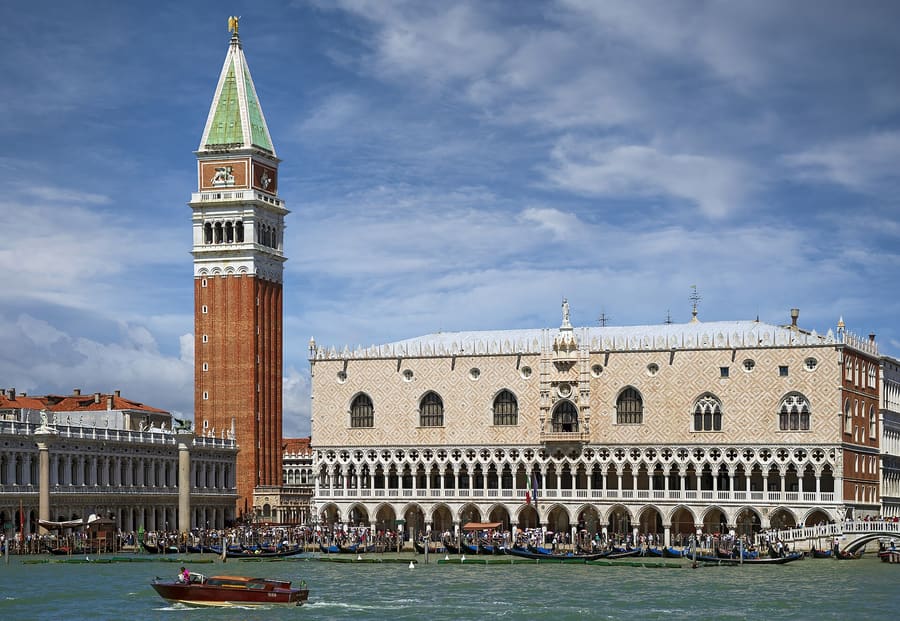
landmark
The seat of Venetian government for centuries. Buy the Secret Itineraries ticket to see the attics and Casanova's former cell.
Pregunta a Parley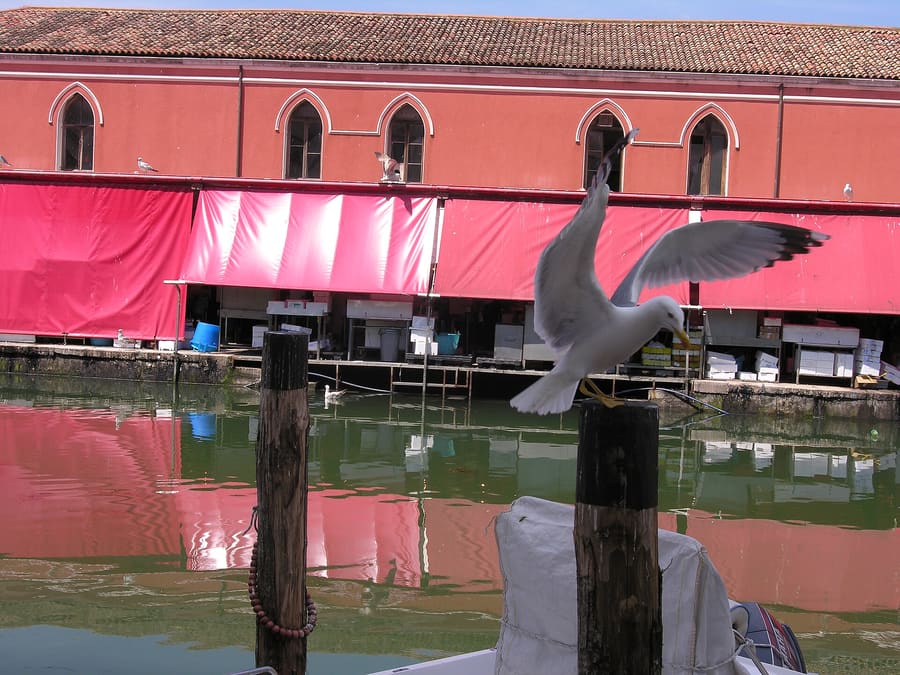
landmark
Fishmongers and produce stalls supply local restaurants daily. Visit before 10:00 to see seafood direct from the Venetian lagoon.
Pregunta a Parley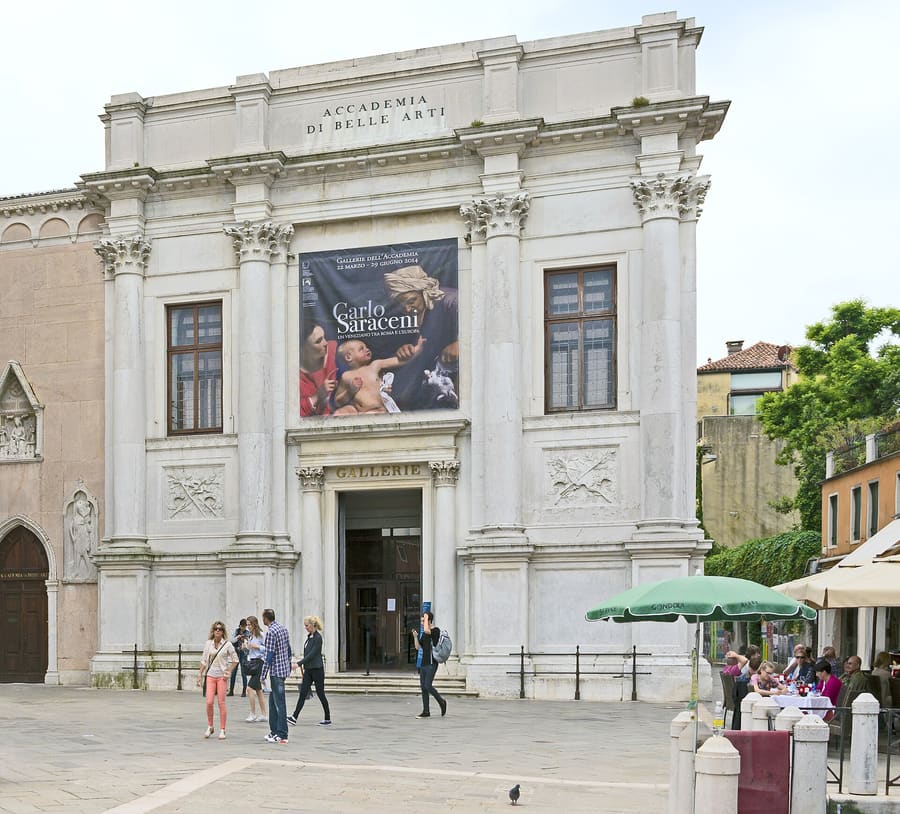
landmark
The definitive collection of Venetian Renaissance painting from Bellini to Titian. Go late afternoon when tour groups depart.
Pregunta a Parley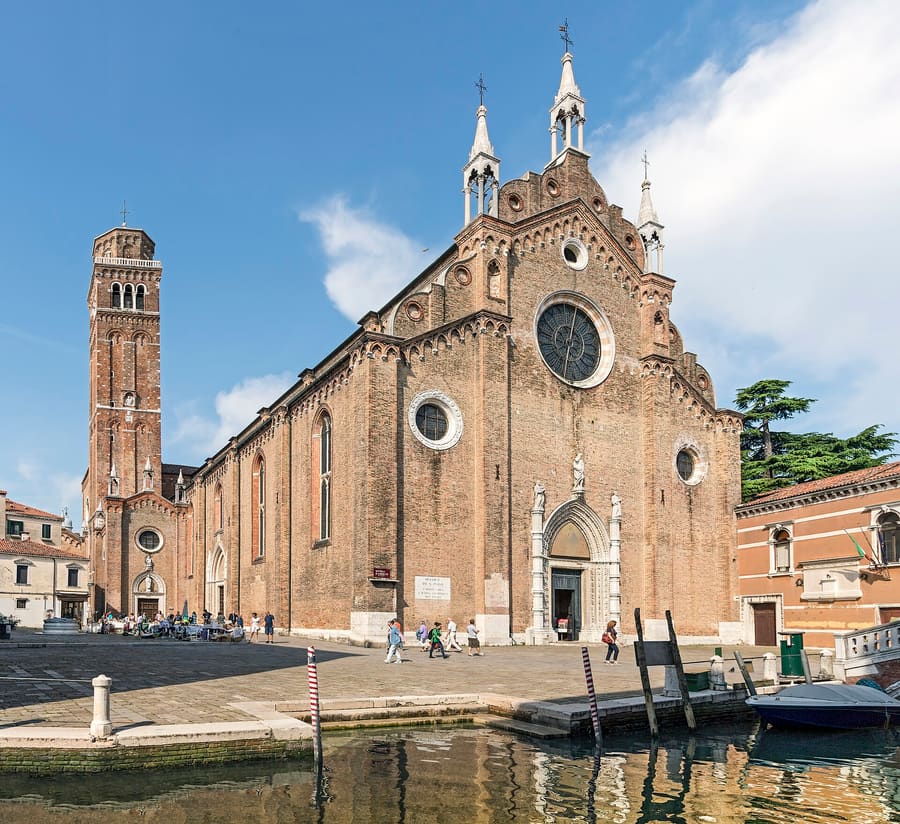
landmark
A massive Gothic brick church holding Titian's Assumption altar painting. Bring small change for coin-operated artwork lighting.
Pregunta a Parley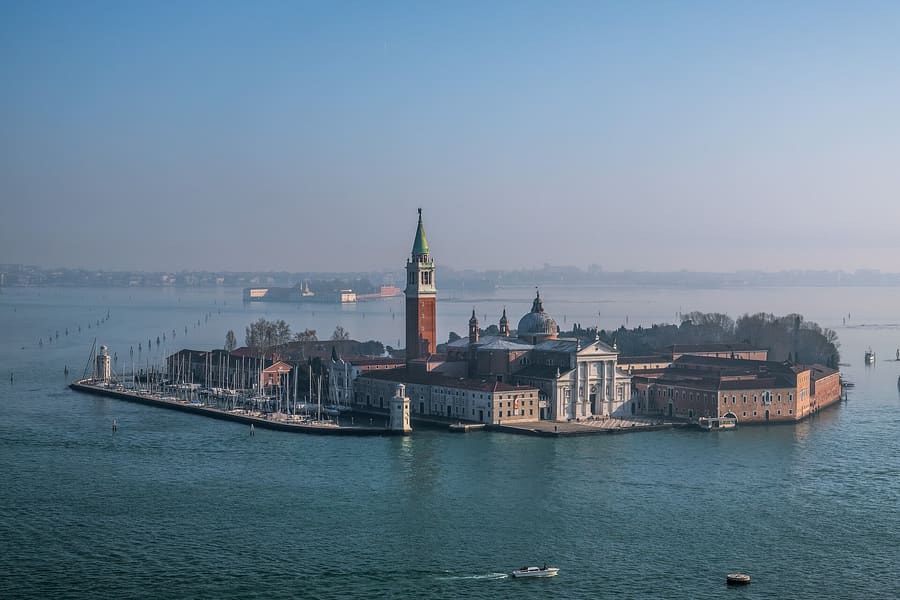
landmark
An island church directly across the water from St Mark's. Take the elevator up the bell tower for panoramic views without lines.
Pregunta a Parleyattractions
areas
Residential northern borough with long canals and vibrant bacari wine bars.
CercaTrain station and northern lagoon boats.
Pregunta a ParleyUniversity district housing top art galleries, quiet squares, and canal views.
CercaAccademia Bridge and Peggy Guggenheim Collection.
Pregunta a ParleyCentral district filled with narrow lanes, artisan workshops, and food markets.
CercaRialto Bridge and Frari Church.
Pregunta a ParleySprawling eastern district ranging from grand naval yards to sleepy residential corners.
CercaArsenale and St Mark's.
Pregunta a Parleyfood
Venetian dining centres on cichèti, small savoury bites served standing at wooden wine counters known as bàcari. Order a glass of house wine—an ombra—and point at plates of creamed salt cod (baccalà mantecato) or marinated sardines (sarde in saor). Sit-down meals revolve around lagoon seafood, cuttlefish black risotto, and soft-shell crabs when in season.
Standing for cichèti and an ombra at a local Venetian bàcaro.
Benreis · CC BY-SA 4.0Bàcari peak around 11:30–13:00 and 18:00–20:00. Eating standing at the counter costs significantly less than sitting at a table.
Ask for an ombra de vin (a small glass of draft local white or red wine) along with 2 or 3 cichèti from the glass display.
Look for moeche (tender soft-shell green crabs) in spring and autumn, cooked whole and eaten shell and all.
history
Venice emerged in the 5th century as mainland dwellers fled barbarian invasions to marshy lagoon islands. The Republic of Venice grew into a dominant maritime superpower, controlling Mediterranean trade routes for centuries through naval strength and mercantile diplomacy before falling to Napoleon in 1797.
First Doge elected
Venice establishes its independent political system under an elected leader, initiating eleven centuries of republican governance.
Fourth Crusade
Venetian forces sack Constantinople, bringing home immense wealth, relics, and bronze horses that transform St Mark's Square.
The Black Death
Plague wipes out half the population, prompting Venice to create the world's first formal maritime quarantine island systems.
Fall of the Republic
Napoleon invades, forcing the last Doge to abdicate and ending more than a millennium of Venetian independence.
where to stay
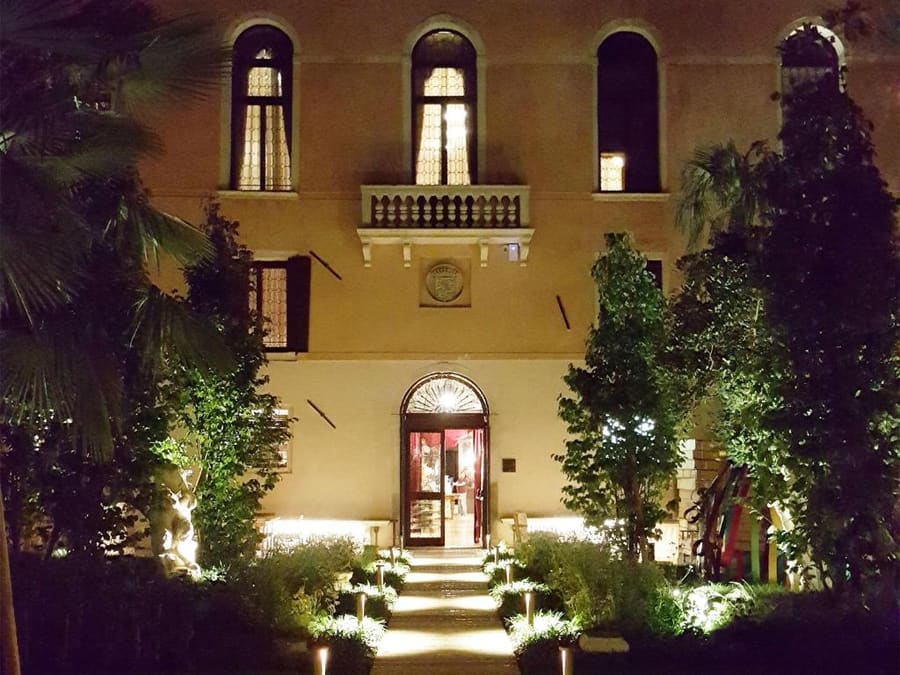
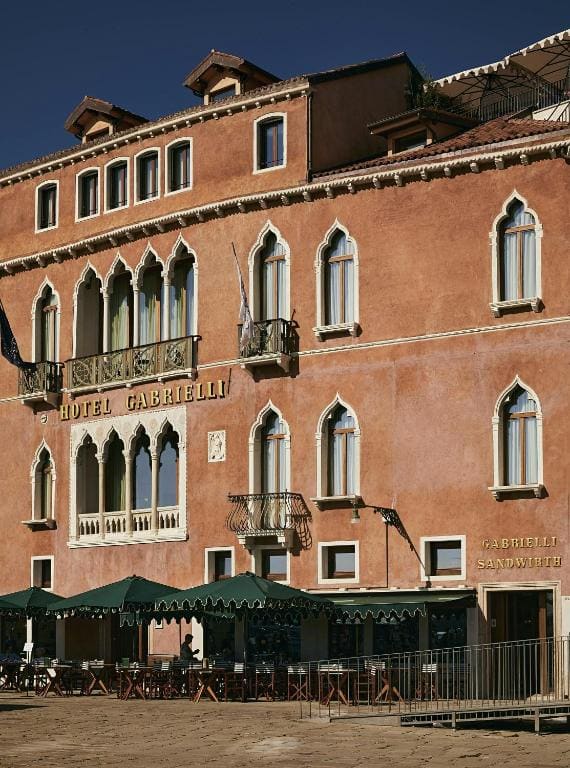
Choose your base by walking distance and luggage logistics. Venice has no cars, so carrying bags over multiple stepped bridges from transit hubs is exhausting. Staying near a major vaporetto stop or the train station saves energy on arrival and departure days.
Live rates, matched to the areas above.

transport
Venice is strictly pedestrian. Land vehicles stop at Piazzale Roma and the Santa Lucia rail station. Beyond those points, you walk or take ACTV vaporetti (water buses). Wandering aimlessly is part of the experience, but carrying offline maps prevents getting trapped in dead-end alleys ending directly in deep canals.
Desde Venice Marco Polo Airport (VCE)
ATVO express bus direct to Piazzale Roma; fast and inexpensive.
ACTV Line 5 bus to Piazzale Roma; includes city bus transfers.
Alilaguna water bus connects airport docks to San Marco and Rialto.
Land taxi to Piazzale Roma only. Requires walking from there.
Water taxi direct from airport dock to your hotel private jetty.
Single vaporetto tickets cost €9.50 each. A 24-hour (€25) or 72-hour (€45) pass quickly pays off if taking more than two rides daily.
Board a traghetto—a large shared gondola rowed by two men—to cross the Grand Canal at designated points for just €2 cash.
Line 1 stops at every pier along the Grand Canal. Line 2 acts as an express service, skipping smaller stops.
Walk on the right side of narrow lanes and bridges. Never block bridge steps with luggage or stop in narrow chokepoints.
cost
Venice is expensive for accommodation and sit-down dining near main square routes. However, standing for coffee and cichèti keeps daytime spending remarkably modest.
Drinking coffee while standing at the bar counter costs a fraction of sitting at outdoor tables in main piazzas.
Small snacks at traditional bàcari are priced individually per piece.
Official fixed rate for a 30-minute private ride daytime (€110 after 19:00). Rate is per boat, up to 5 passengers.
Valid for 75 minutes across water buses, including transfers.
seasonality
MAR – MAY
Mild weather and good light. Spring brings high visitor numbers; book advance tickets for major museums.
JUN – AUG
Hot, humid, and very crowded. Canal waters smell stronger and accommodation prices peak.
SEP – NOV
Pleasant autumn temperatures. November introduces *acqua alta* high tides; pack waterproof overshoes.
DEC – FEB
Cold and misty with atmospheric fog. Except during Carnival in February, winter offers quiet streets.
practicalities
High tides flood low areas like San Marco between October and March. Raised wooden walkways (*passatoie*) are set up on main routes.
Sitting or eating on church steps, bridges, or wellheads brings fines up to €500 from municipal wardens.
Traghetto canal crossings and public restrooms require cash, usually €1.50 to €2.
The fish market runs Tuesday through Saturday morning. It is completely closed on Sundays and Mondays.
Addresses use district numbers rather than street numbers. Rely on landmarks, church names, and canal names instead.