landmark
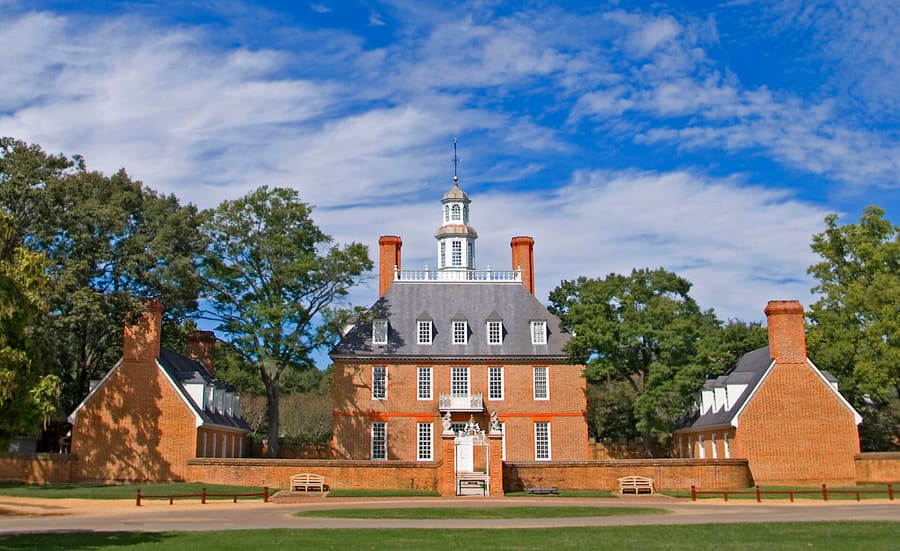
Governor's Palace
The royal governor's residence. Guided tours enter every 15 minutes; reserve early during summer.
Pregunta a ParleyEstados Unidos
Colonial politics, restored XVIII-century grid, and Tidewater food.
introduction
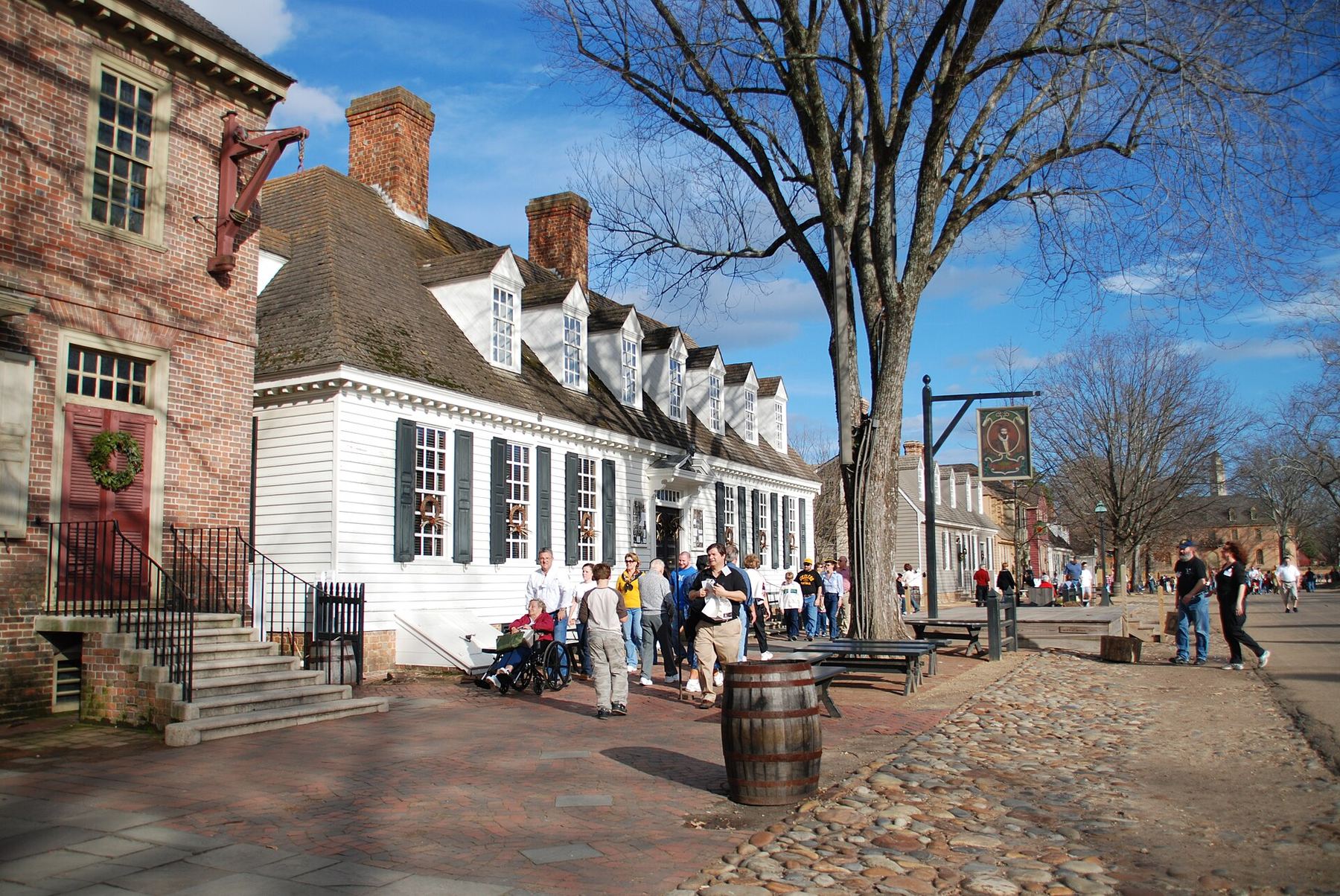
Williamsburg served as the capital of Virginia from 1699 to 1780. Today, the central historic district operates as a 301-acre living history site. You walk the original street layout between restored XVIII-century brick public buildings and timber trade shops. Modern commercial life sits directly adjacent along Merchants Square.
Arrival trick
Amtrak trains pull directly into Williamsburg station downtown. Walking to Duke of Gloucester Street takes five minutes.
Living history scale
Colonial Williamsburg is the largest outdoor living history museum in the world, covering 301 acres with 89 original XVIII-century structures.
Ticketing trick
Walking the main streets costs nothing. You only need an admission pass to enter building interiors and trade shops.
Williamsburg
MiguelYerena · CC BY-SA 4.0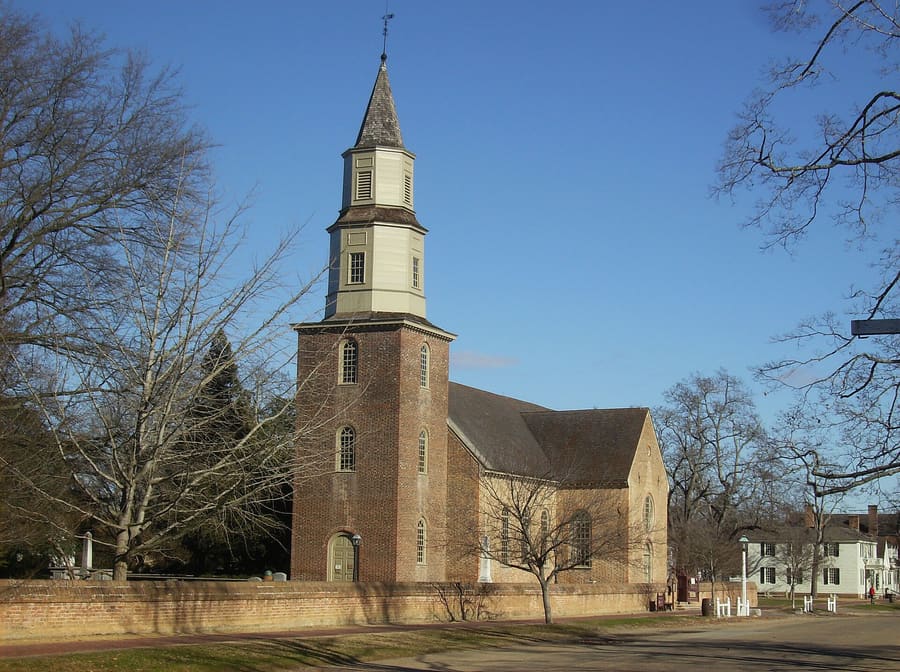
Historic Area — Restored XVIII-century grid with gravel paths, horse carriages, and historical trade shops.
Michael Kotrady · CC BY-SA 3.0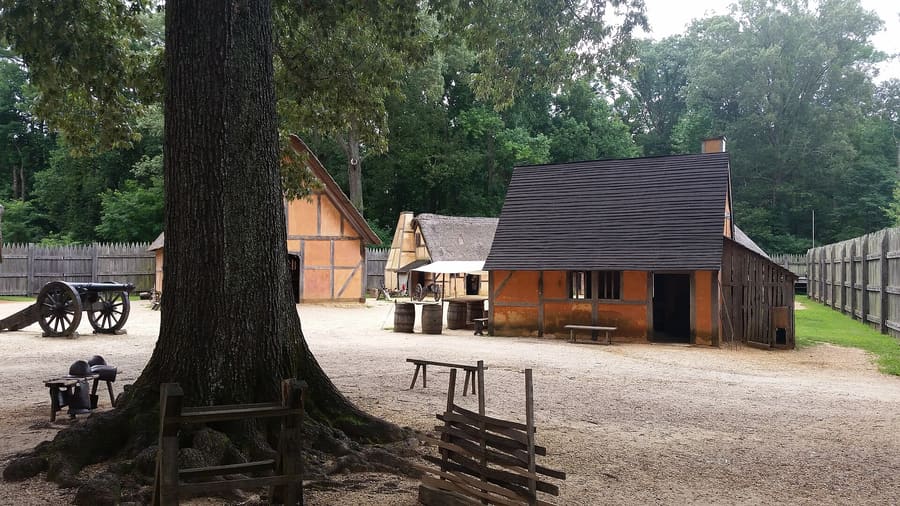
Jamestown Corridor — Wooded parkway connecting the college district to the James River sites.
Pi3.124 · CC BY-SA 4.0highlights
landmark
The royal governor's residence. Guided tours enter every 15 minutes; reserve early during summer.
Pregunta a Parley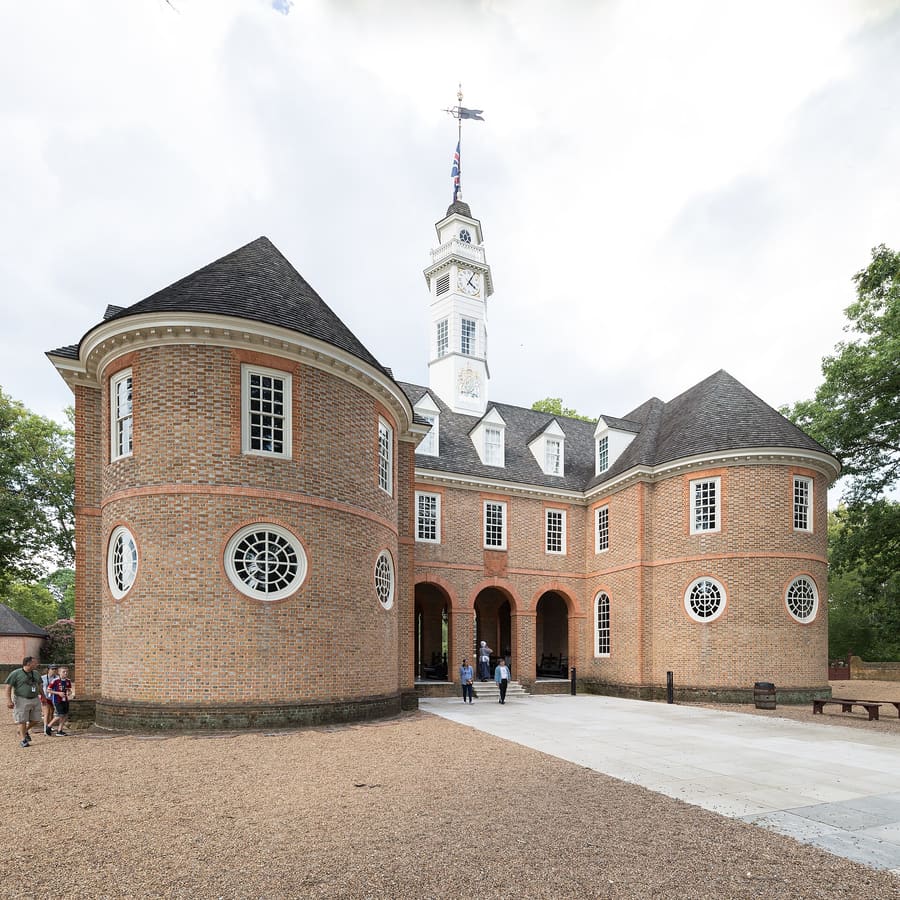
landmark
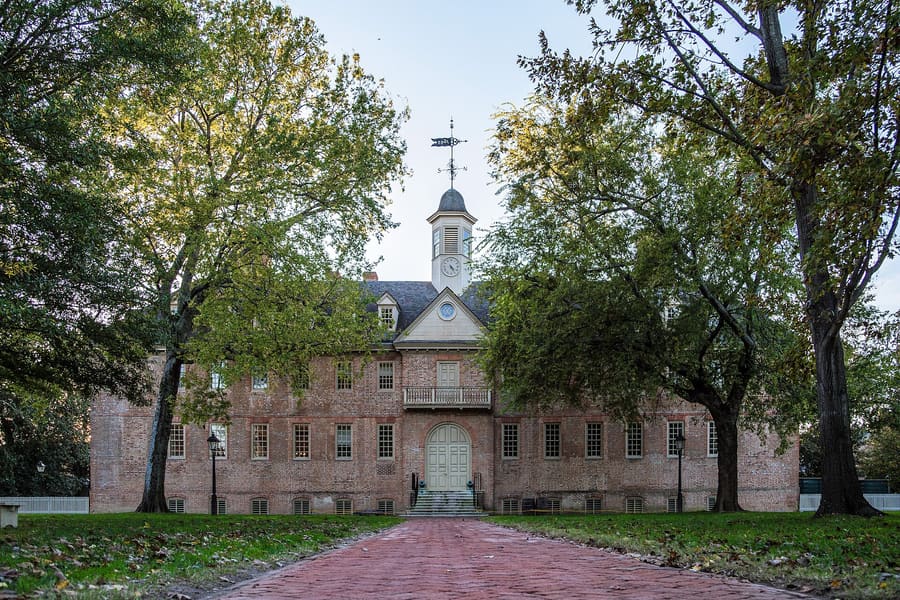
Seat of the XVIII-century Virginia legislature. Interpreters run mock debates on historical policy inside.
Pregunta a Parley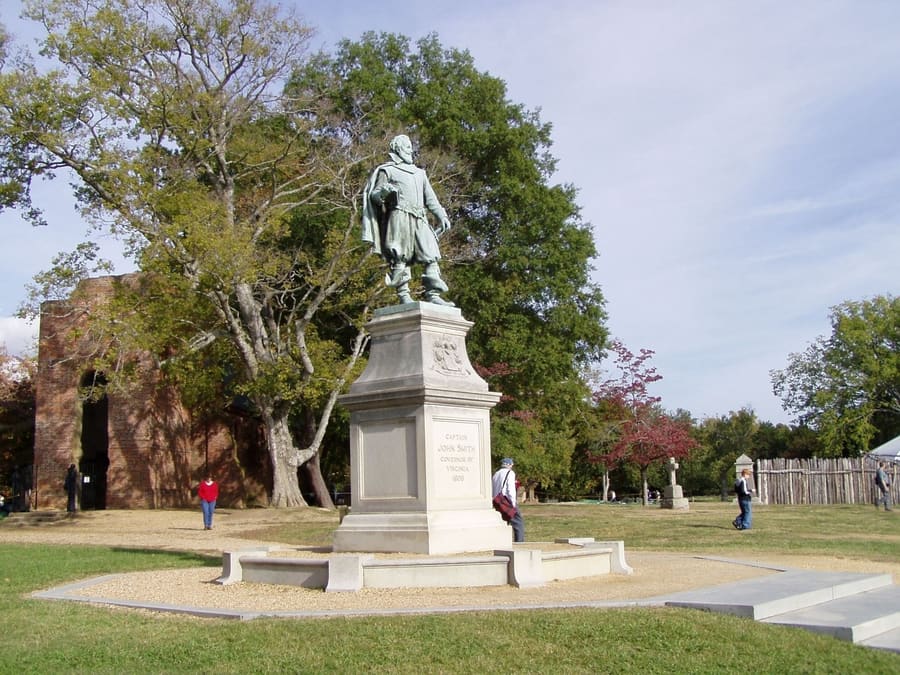
landmark
Site of the 1607 settlement. Active archaeology digs run Tuesday through Saturday in season.
Pregunta a Parley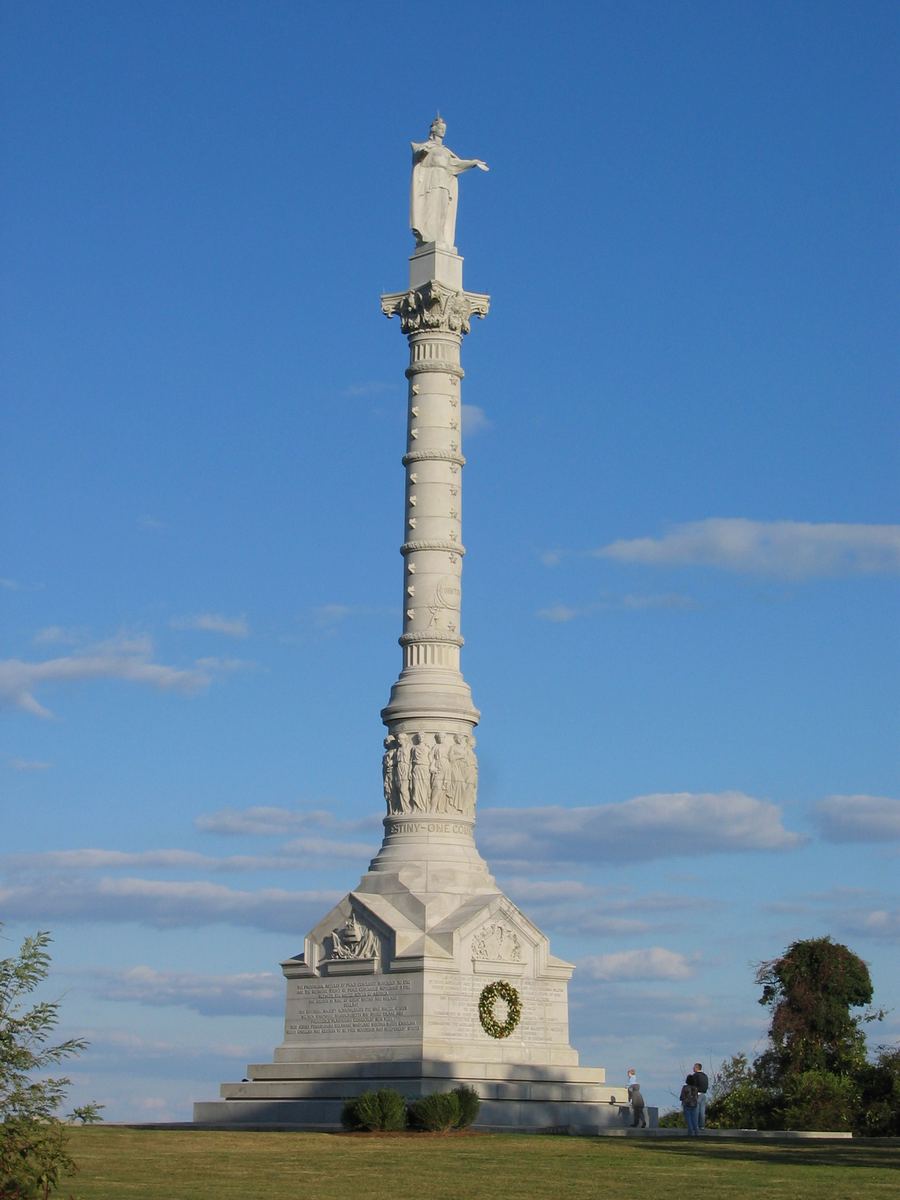
landmark
Site of the 1781 British surrender. Drive the seven-mile siege tour loop by car.
Pregunta a Parley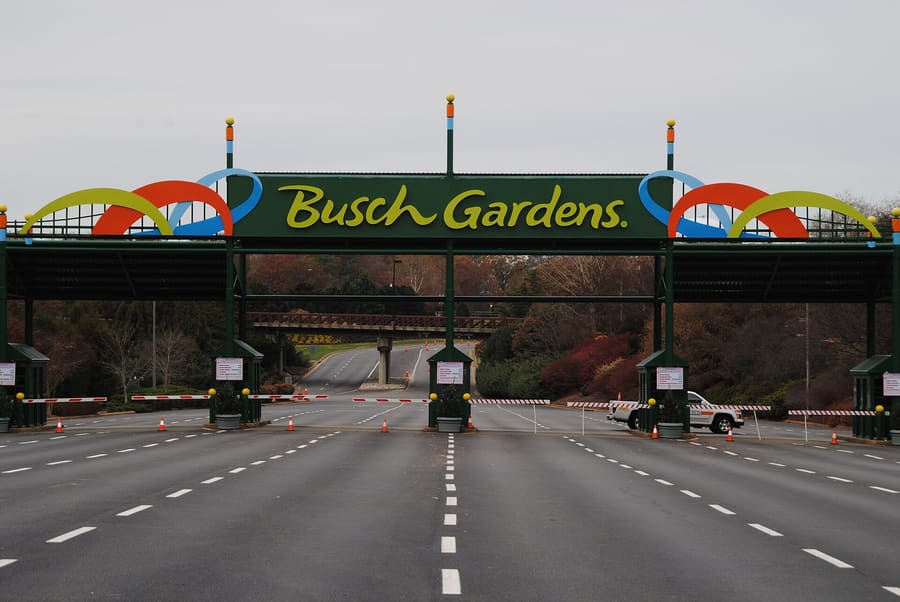
landmark
European-themed park known for major roller coasters. Ticket prices spike at the gate; buy online.
Pregunta a Parleyattractions
areas
Restored XVIII-century grid with gravel paths, horse carriages, and historical trade shops.
CercaMerchants Square and the College of William & Mary.
Pregunta a ParleyWooded parkway connecting the college district to the James River sites.
CercaHistoric Jamestowne and Colonial Parkway.
Pregunta a ParleyCommercial strip with modern hotels, shopping centers, and chain restaurants.
CercaHigh Street commercial complex.
Pregunta a Parleyfood
Williamsburg dining splits into two distinct categories: historical re-creation menus inside the Historic Area and modern regional restaurants along Merchants Square.Tidewater Virginia cooking leans heavily on local pork, blue crab from the Chesapeake, and stone-ground cornmeal. Colonial taverns serve dishes based on XVIII-century recipes, while local bakeries supply fresh cider donuts and sourdough daily.
Taverns like Chowning's and Shield's fill dinner slots well before arrival dates.
Creamy peanut soup served with sippets is a staple local starter across historic menus.
history
Founded in 1632 as Middle Plantation, Williamsburg became Virginia's capital in 1699. It served as the political engine of the colony throughout the American Revolution.When the state capital shifted to Richmond in 1780, the town quieted into a small college community. In 1926, Reverend W.A.R. Goodwin and John D. Rockefeller Jr. began purchasing historic buildings to create Colonial Williamsburg.
Middle Plantation Founded
Settlers erect a palisade across the Virginia Peninsula.
Capital Moves to Williamsburg
Virginia moves its government from Jamestown and renames the site.
Capital Shifts to Richmond
Government moves inland for wartime security, reducing local activity.
Restoration Begins
John D. Rockefeller Jr. finances the purchase and restoration of historic properties.
where to stay
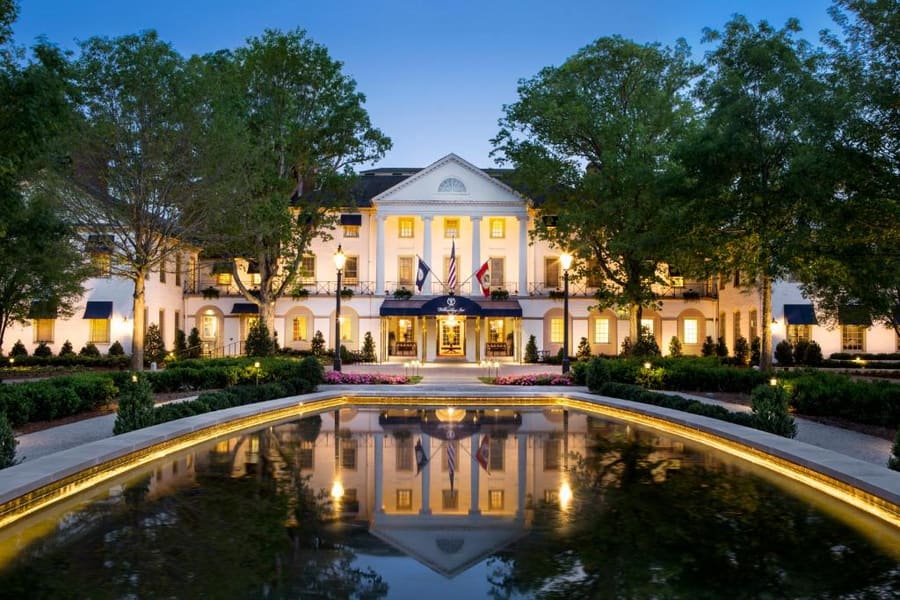
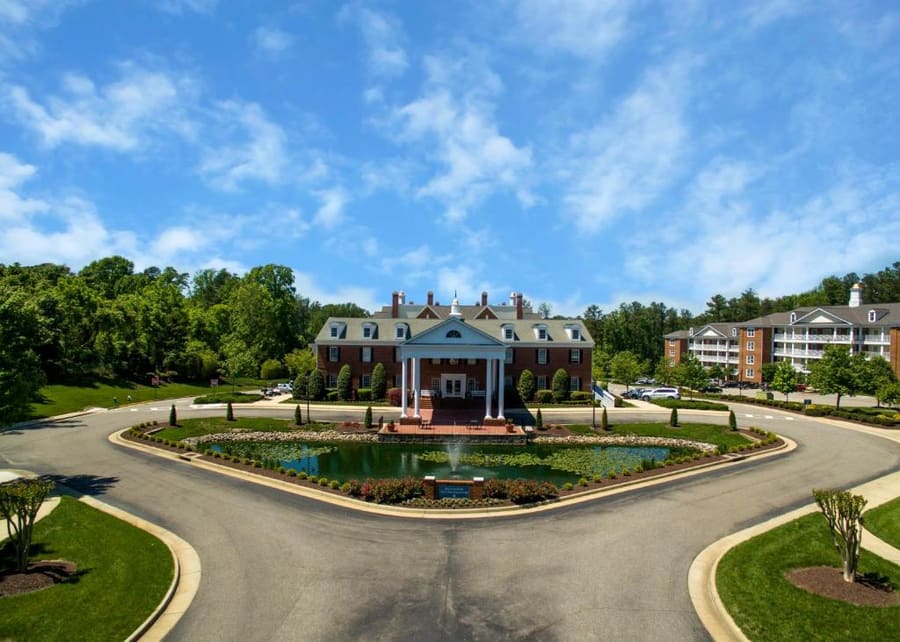
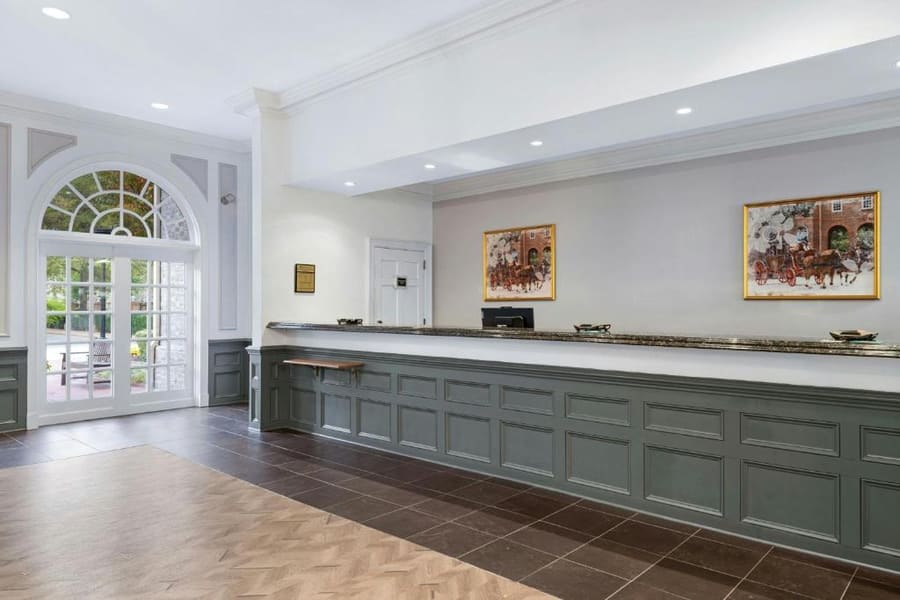
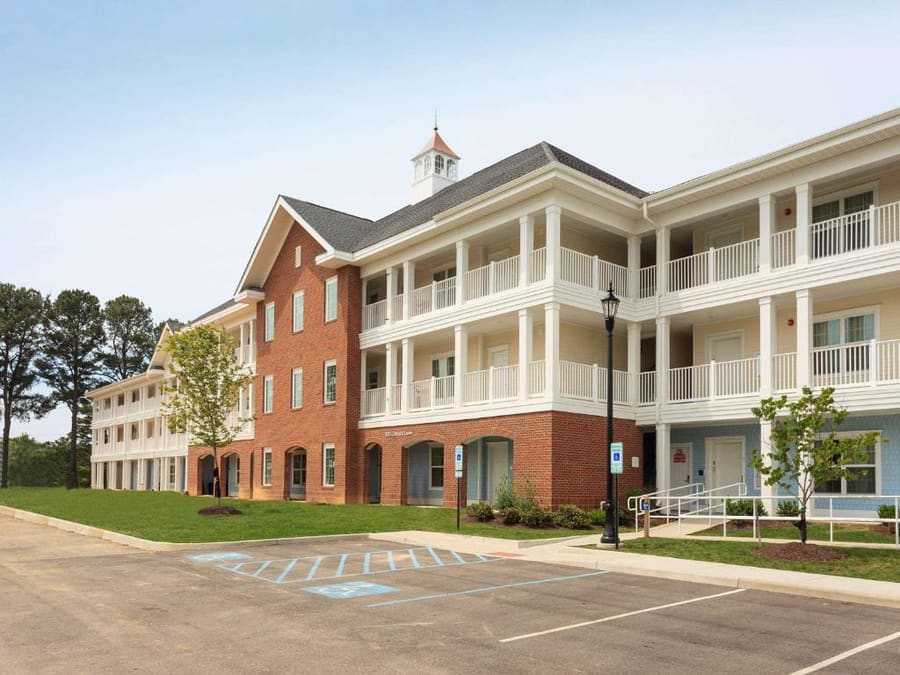
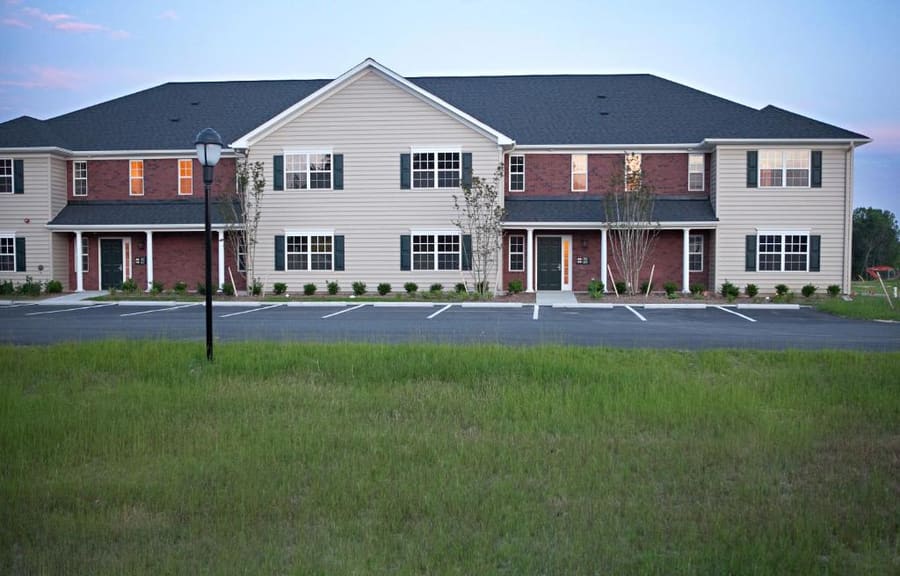
Choose your location based on whether you want to walk into the historic district or drive in from lower-cost resort properties along Route 60.
Live rates, matched to the areas above.
transport
The Historic Area is completely walkable and closed to regular car traffic during daytime hours. Driving is essential if you plan to visit Busch Gardens, Jamestown, or Yorktown.
Desde RIC
Picks up outside airport baggage claim.
Standard meter rates apply from Richmond International.
Passholders ride free buses surrounding the historic perimeter every 15 minutes.
Williamsburg Area Transit Authority operates buses to Busch Gardens for $1.50 single fare.
This 23-mile scenic highway links Williamsburg, Jamestown, and Yorktown without traffic lights.
cost
Williamsburg costs depend heavily on ticket packages. Walking street grounds is free, but museum and building access requires single or multi-day passes.
Single-day access to all historic buildings and trade sites.
Covers traditional meals like Brunswick stew or meat pies.
15-minute horse-drawn wagon tour through historic streets.
Prices fluctuate online based on day of the week.
seasonality
MAR – MAY
Mild temperatures around 65–75°F. Gardens are in full bloom; school field trip groups peak in April.
JUN – AUG
Hot and humid, often topping 90°F. Summer heat makes walking gravel streets tiring by noon.
SEP – NOV
Cooler days around 60–70°F. Fall foliage peaks in late October; crowd levels drop on weekdays.
DEC – FEB
Cold weather with highs near 45°F. Early December features holiday wreath displays along Duke of Gloucester Street.
practicalities
Trade shops and historic sites end programming by late afternoon.
Unpaved dirt and gravel roads are uneven throughout the historic zone.
Colonial Williamsburg ticket booths and shops accept only credit or debit cards.
The car ferry across the James River operates 24 hours daily with zero toll.