landmark
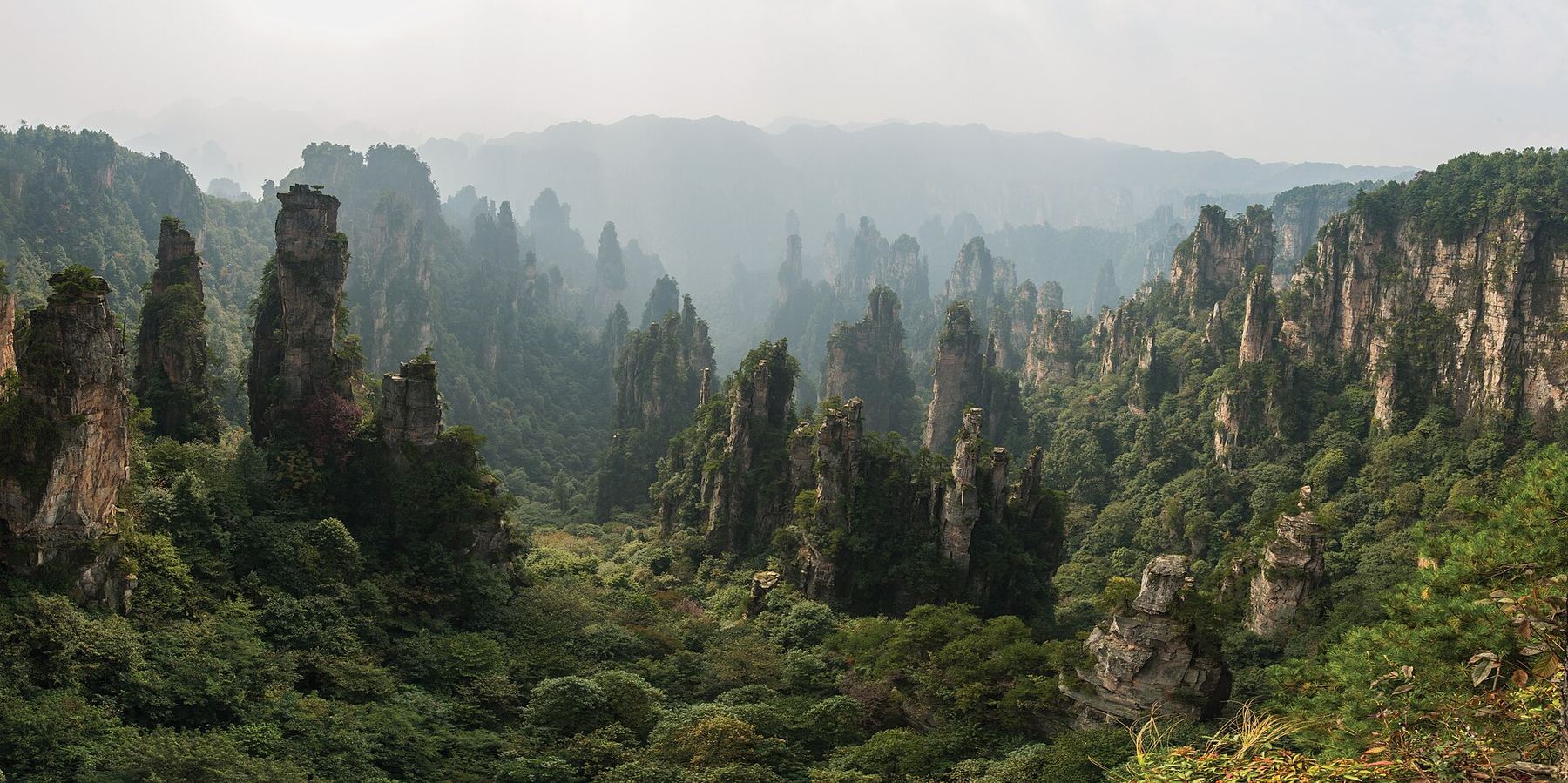
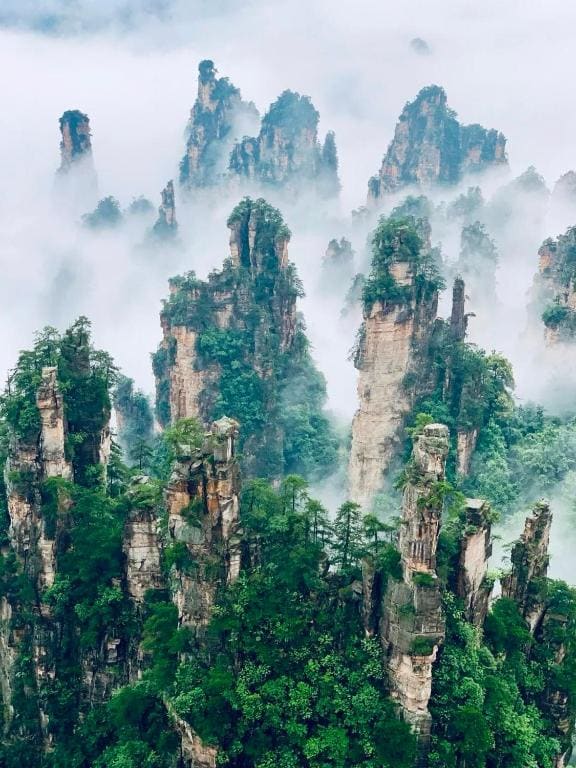
Tianzi Mountain
Highest peaks in the main park. Take the cable car up early to beat tour groups.
Pregunta a ParleyChina
Sandstone pillars, mountain cableways, and vertical Hunan trails
introduction
Zhangjiajie splits into two distinct operational hubs: Yongding city center in the south and Wulingyuan town in the north. Yongding houses the airport, high-speed rail, and the cableway ascending Tianmen Mountain. Wulingyuan sits directly at the main entry gates for the primary quartz-sandstone forest. Staying in Wulingyuan gives you sunrise access to the park trails, while Yongding offers urban amenities and faster transit connections.
Arrival shortcut
Zhangjiajie Hehua Airport sits 5 km from Yongding city center. A meter taxi to the Tianmen Mountain cableway base costs under ¥25.
UNESCO recognition
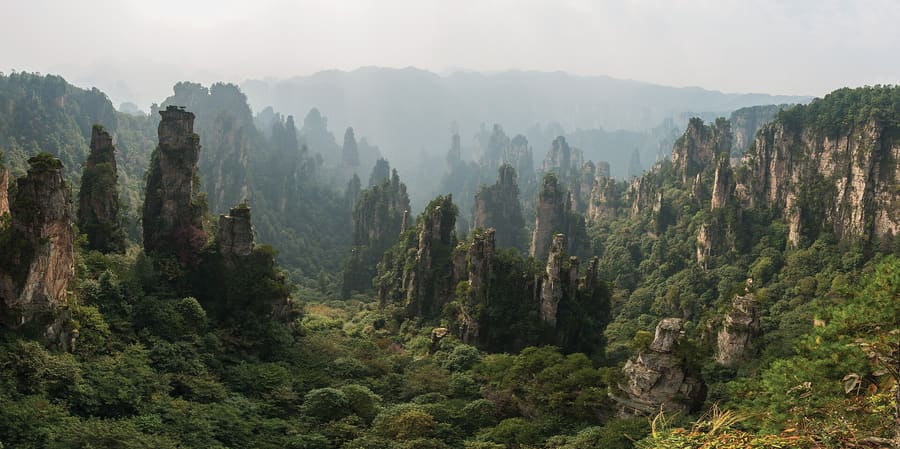
UNESCO inscribed Wulingyuan Scenic Area in 1992 for its 3,000 distinct quartz-sandstone pillars.
Passport entry
Park entry gates use facial recognition matched to your passport. Reserve your entry time slot online at least one day ahead.
Zhangjiajie
chensiyuan · CC BY-SA 4.0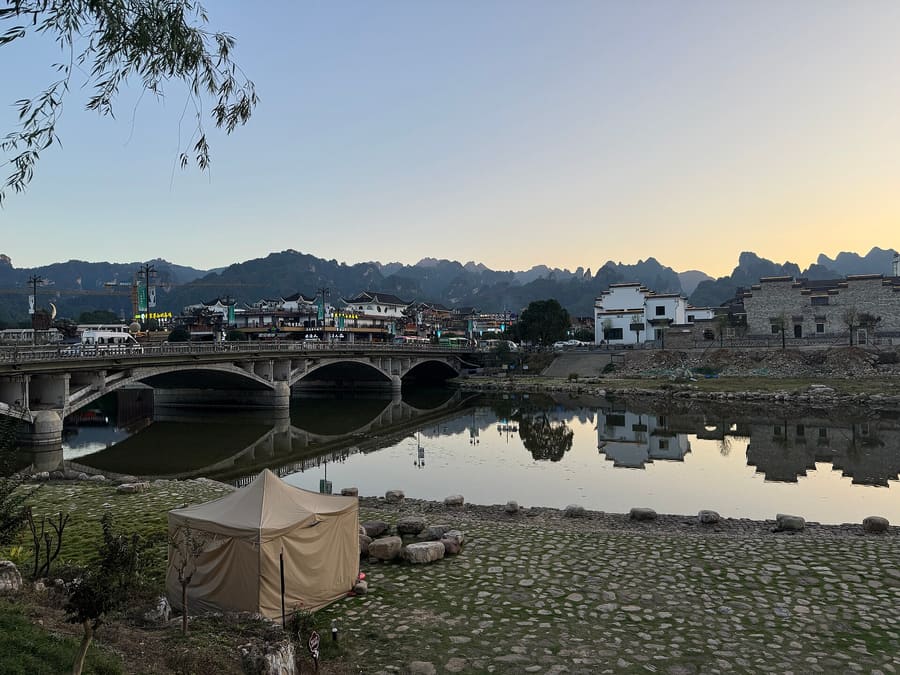
Wulingyuan Town — Low-rise tourist hub filled with hotels, noodle shops, and gear stores beside park gates.
Codas · CC BY-SA 4.0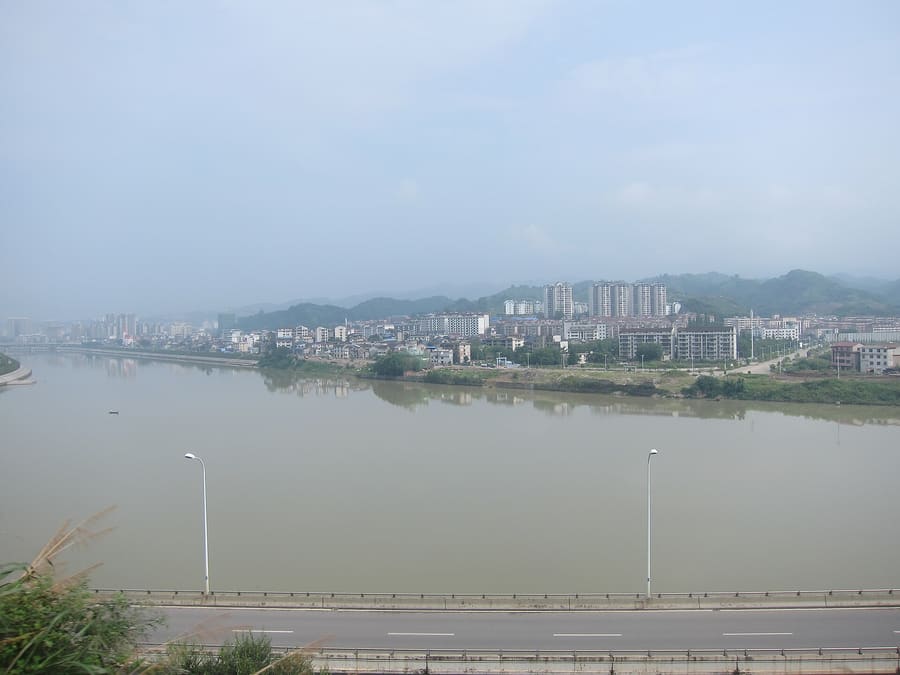
Yongding Downtown — Dense riverfront city center with night markets, malls, and major transit hubs.
Kuruman from Tokyo, Japan · CC BY 2.0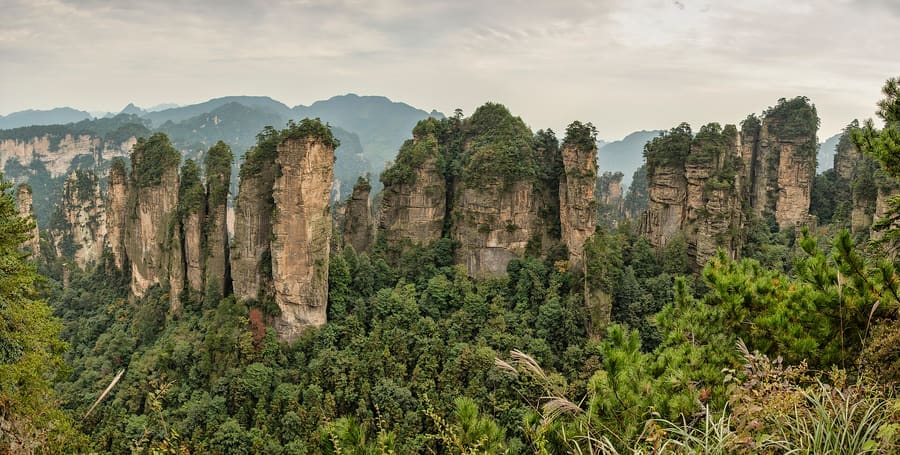
Yangjiajie Sector — Quieter western border region with family guesthouses and steep mountain trails.
chensiyuan · CC BY-SA 4.0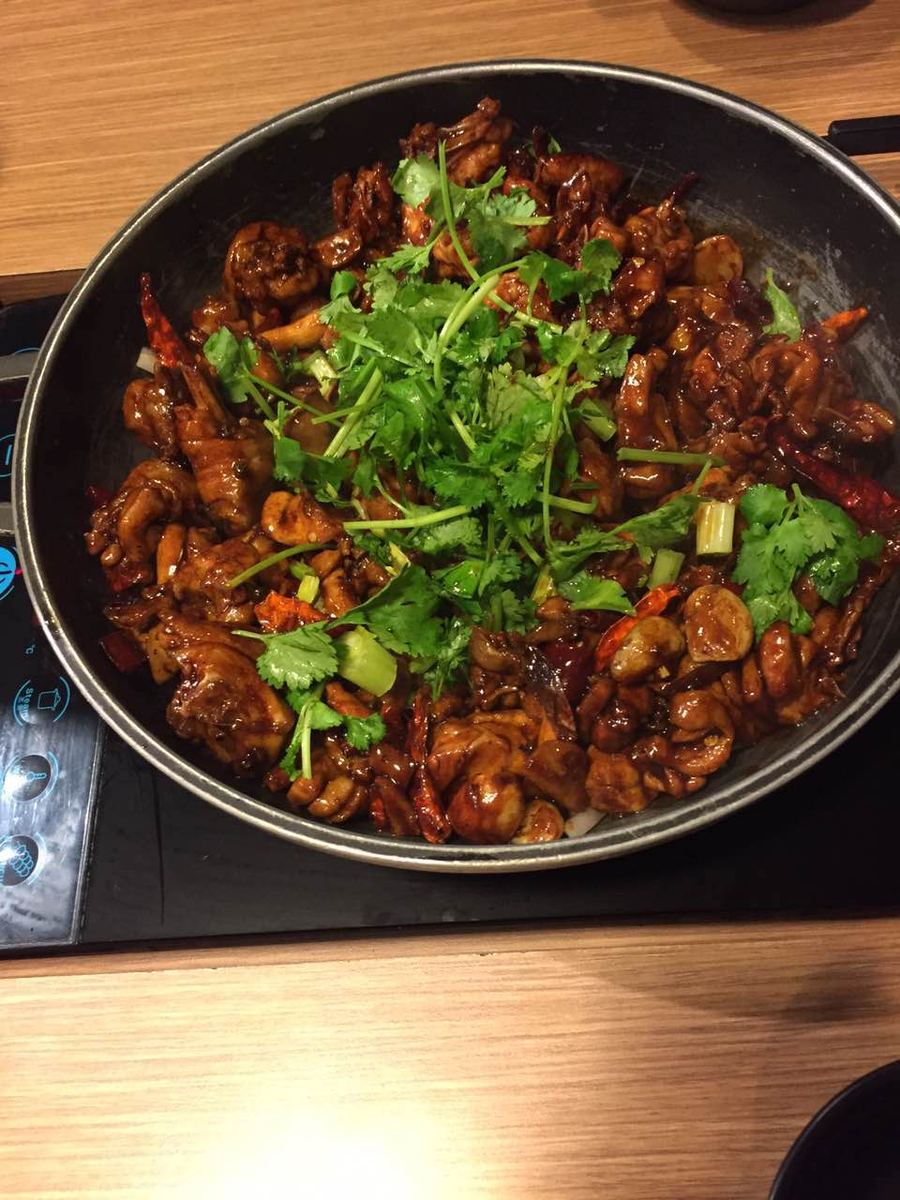
A traditional hot dry-pot Sanxiaguo filled with seasoned meats and chili oil.
1402Dragon Pool · CC BY-SA 4.0highlights
landmark
Highest peaks in the main park. Take the cable car up early to beat tour groups.
Pregunta a Parley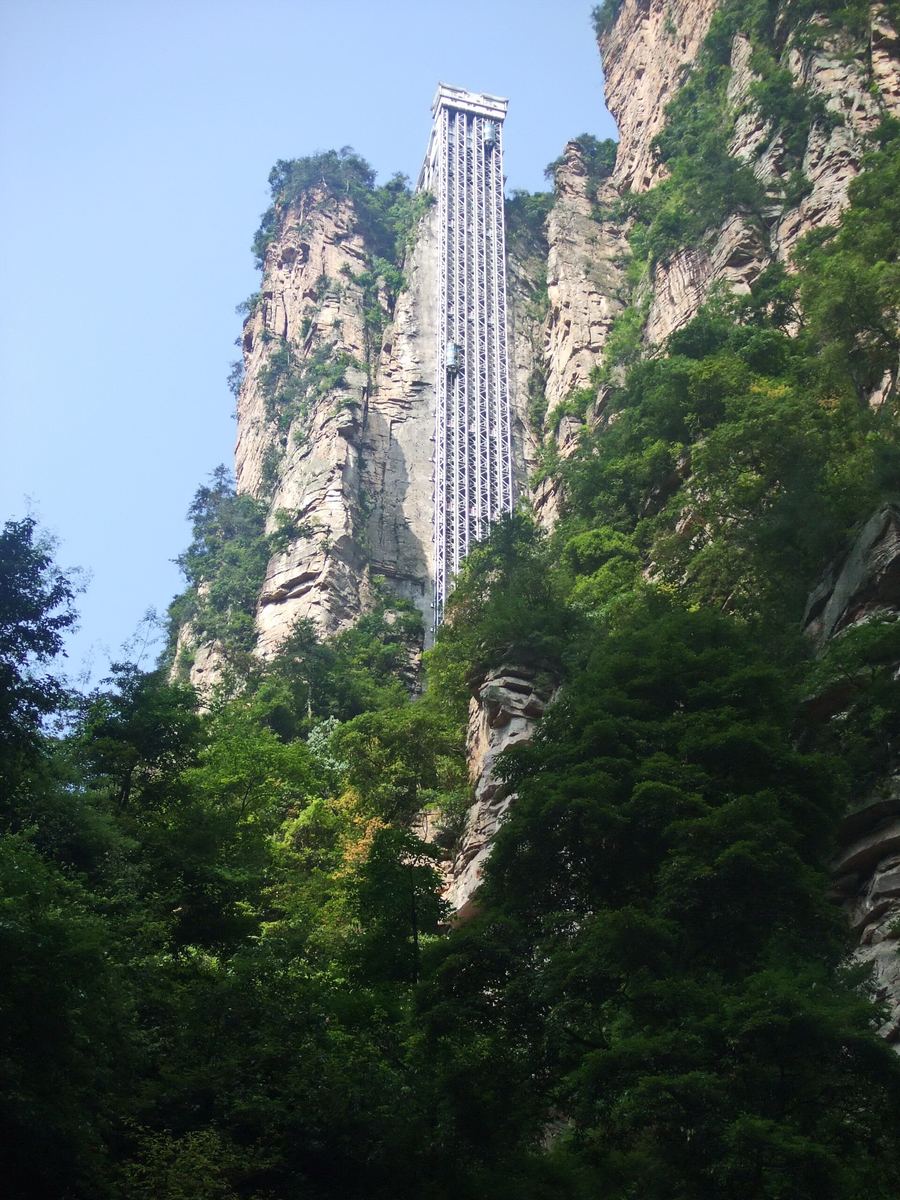
landmark
A 326-meter outdoor glass lift. Ride it up to Yuanjiajie to save two hours of stairs.
Pregunta a Parley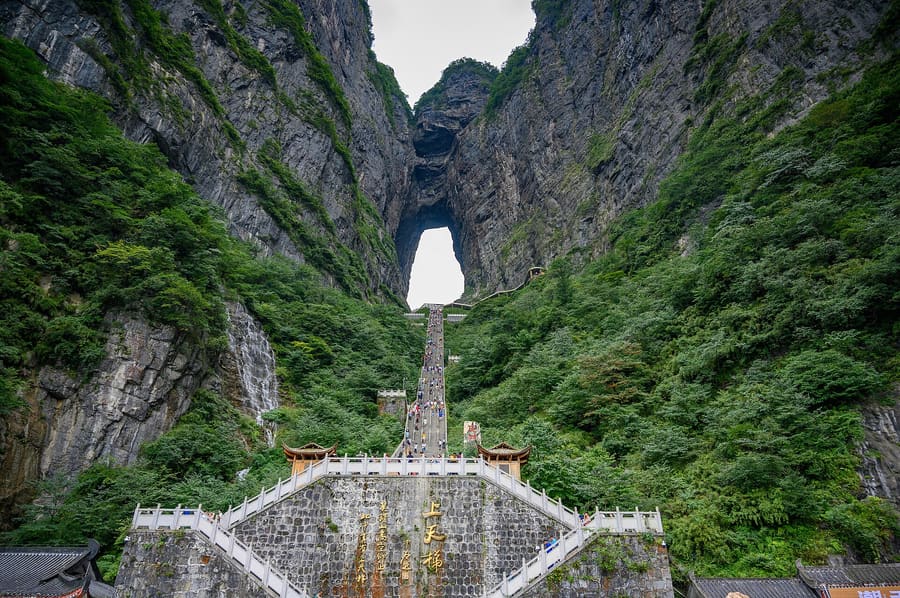
landmark
Home to the 999-step stair climb and cliffside glass skywalks. Cableway starts in town.
Pregunta a Parley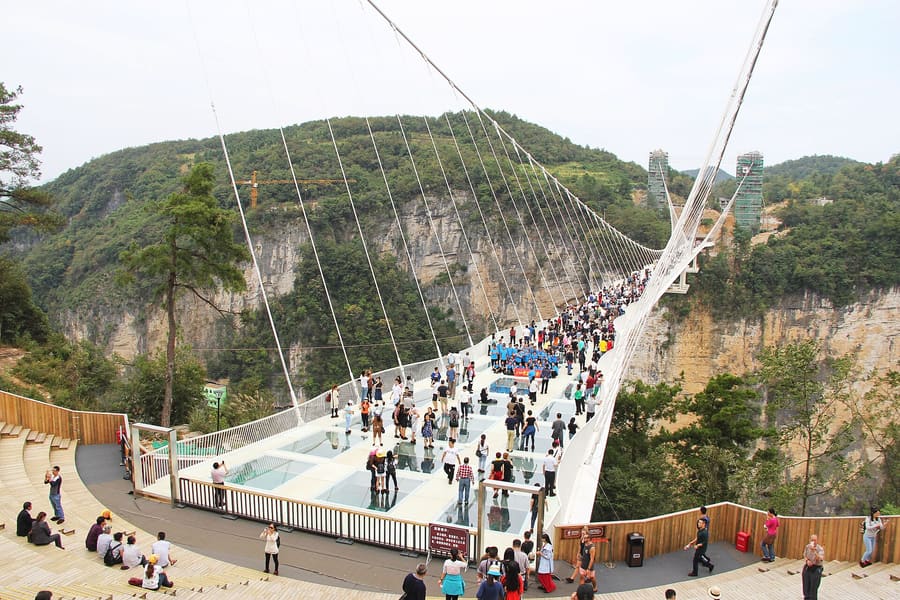
landmark
Spans 430 meters across the canyon floor. High-shoe covers are mandatory on the glass.
Pregunta a Parley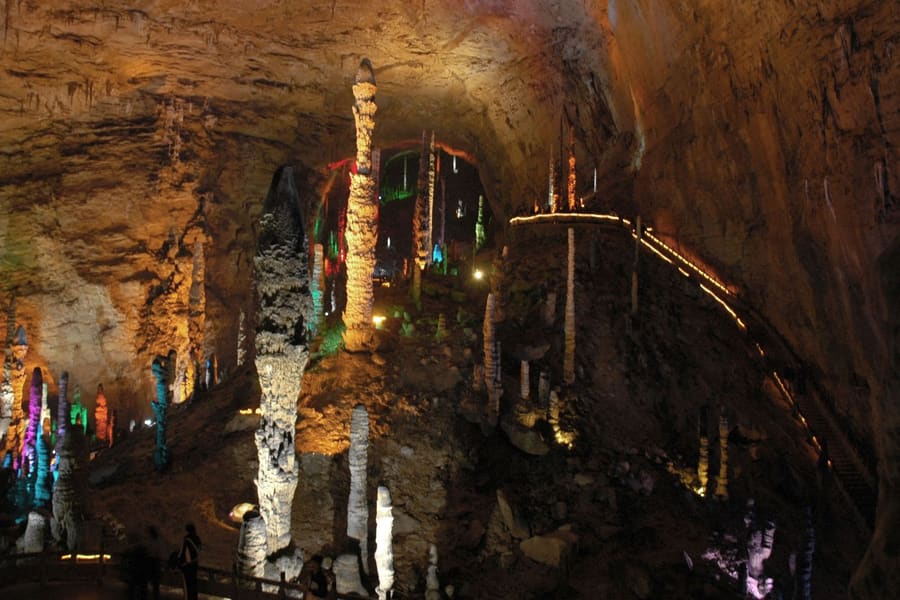
landmark
Multi-level subterranean karst cave. Includes an underground boat ride on the river.
Pregunta a Parley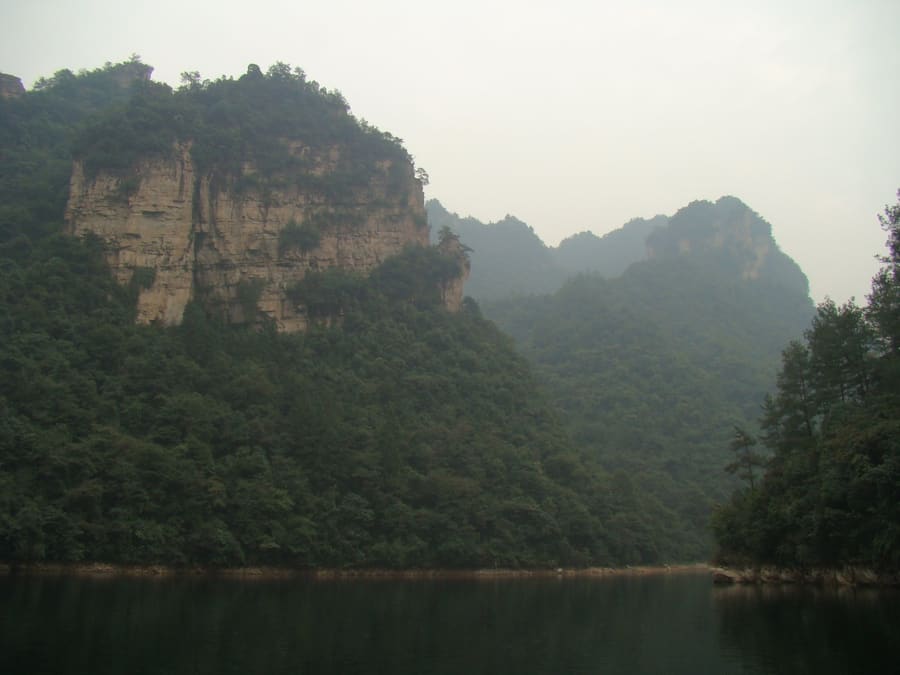
landmark
High-altitude freshwater lake bounded by vertical cliffs. Electric boat tours run daily.
Pregunta a Parleyattractions
areas
Low-rise tourist hub filled with hotels, noodle shops, and gear stores beside park gates.
CercaWulingyuan Signpost Gate, Baofeng Lake
Pregunta a ParleyDense riverfront city center with night markets, malls, and major transit hubs.
CercaTianmen Cableway Station, Zhangjiajie Railway Station
Pregunta a ParleyQuieter western border region with family guesthouses and steep mountain trails.
CercaOolong Village, Tianbo Mansion
Pregunta a ParleyRural mountain corridor dominated by narrow valleys and modern bridges.
CercaGlass Bridge, Yellow Dragon Cave
Pregunta a Parleyfood
Dining in Zhangjiajie centers on Tujia minority flavors and Hunan chili heat. The defining dish is Sanxiaguo, a dry-pot stew cooked at the table. Local cooks layer pork belly, beef tripe, tofu, and mountain radishes over a bed of simmered chili oil. You order by choosing your meat combination and spice level.Wild mountain vegetables and preserved meats round out local menus. Smoked pork belly cooked with dried fern roots appears in almost every neighborhood eatery. Rice noodles served in bone broth topped with pickled beans form the standard breakfast across both Yongding and Wulingyuan.
A traditional hot dry-pot Sanxiaguo filled with seasoned meats and chili oil.
1402Dragon Pool · CC BY-SA 4.0Sanxiaguo is priced per person, usually with a two-person minimum order at local specialist shops.
Restaurants in Wulingyuan close kitchens by 21:00. Yongding night markets serve food past midnight.
Standard dishes come heavily spiced. Specify wei la for mild chili heat if you prefer lower spice.
history
For centuries, the rugged sandstone landscape kept Zhangjiajie isolated from major trade routes. Indigenous Tujia and Miao communities farmed the lower valleys while steep cliffs blocked vertical expansion. Modern development began only after the mid-twentieth century as forestry operations mapped the terrain.In 1982, the central government designated the area as China's first national forest park. UNESCO recognition followed ten years later. Massive infrastructure investments transformed the remote park into a high-capacity mountain reserve connected by glass elevators, cableways, and high-speed rail.
First National Forest Park
The state establishes Zhangjiajie National Forest Park, establishing formal conservation boundaries.
UNESCO Listing
Wulingyuan Scenic Area receives UNESCO World Heritage status for its rare sandstone peak forest.
Bailong Elevator Opens
Engineers complete the cliffside glass elevator, cutting Yuanjiajie ascent times from hours to minutes.
Glass Bridge Launch
The Zhangjiajie Grand Canyon Glass Bridge opens, creating a major secondary tourist zone.
where to stay
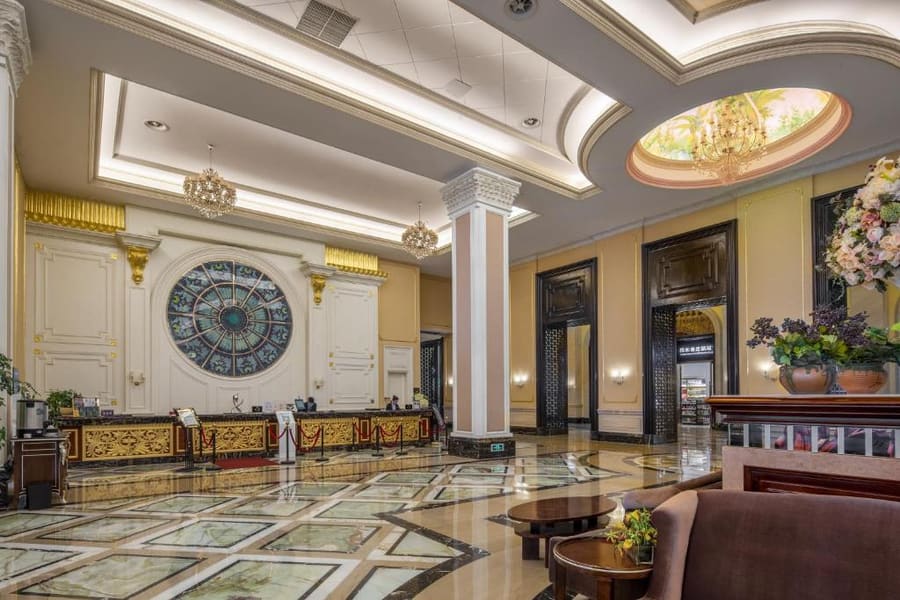
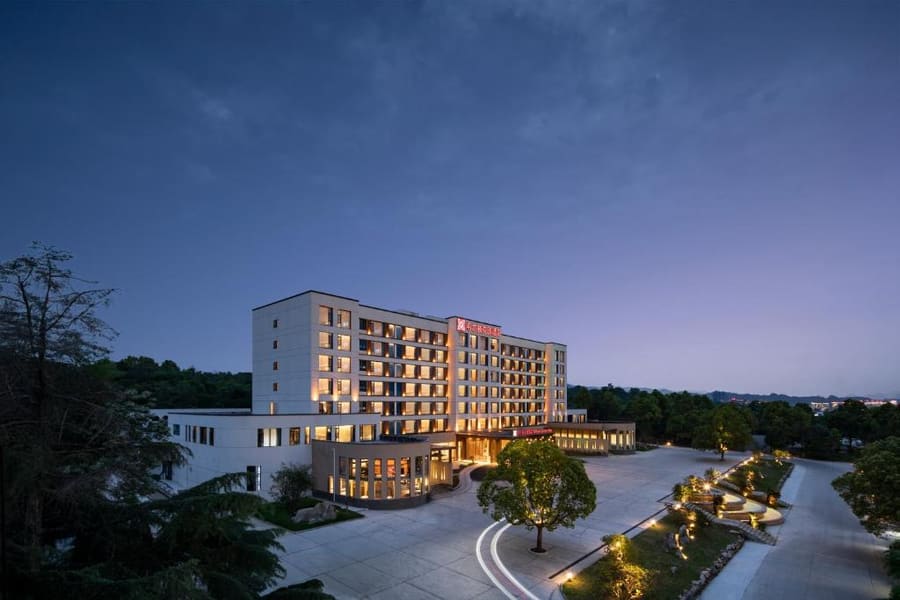
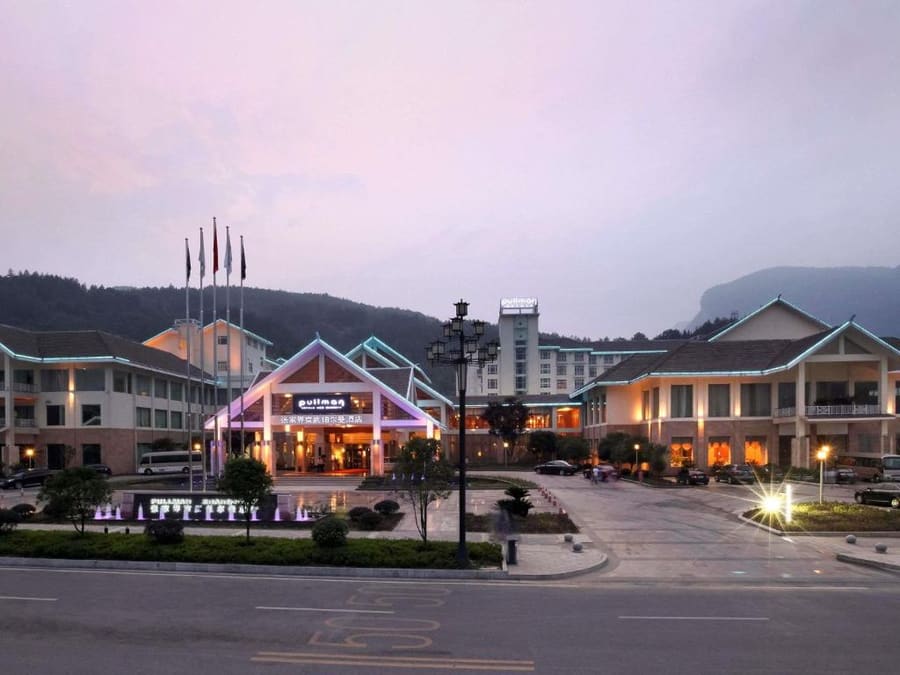
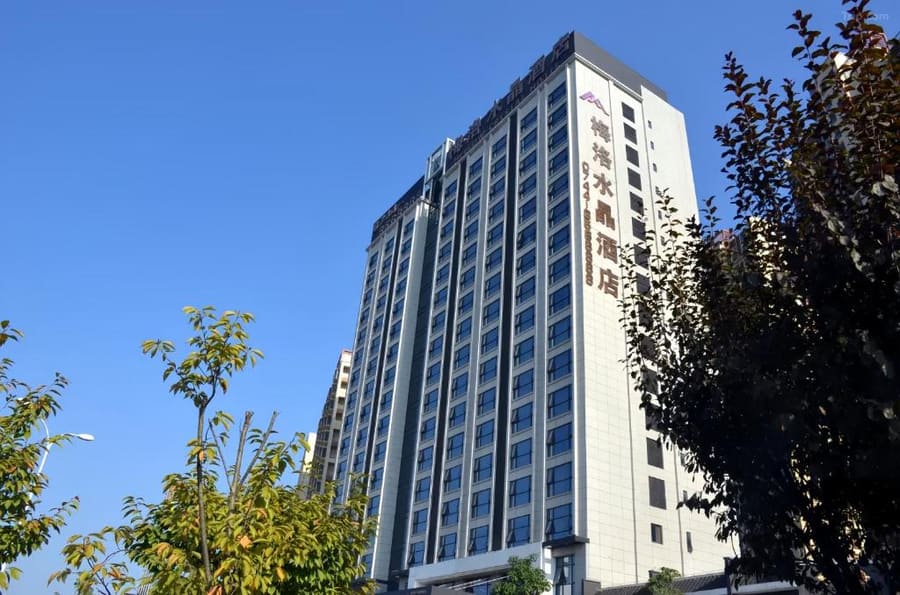
Choose your location based on your morning priorities. Base yourself in Wulingyuan Town if your main goal is hiking the primary national park without early morning transfers. Pick Yongding if you arrive late by train or plan to tackle Tianmen Mountain on your first morning.
Live rates, matched to the areas above.
transport
Zhangjiajie uses a split transport network. Urban taxis and local buses connect Yongding to the airport and high-speed railway station. Dedicated intercity buses and express highways connect Yongding with Wulingyuan Town. Inside Wulingyuan Scenic Area, free eco-buses run continuously between major ropeways and trailheads.
Desde Zhangjiajie Hehua Airport (DYG)
Metered taxis run directly from the terminal to downtown Yongding hotels.
Direct intercity minibus from Central Bus Station to Wulingyuan Terminal.
Pre-booked cars pick up directly at arrivals and drive to Wulingyuan gates.
Didi works reliably throughout Yongding and Wulingyuan. Payments clear automatically through linked cards.
Tianmen Mountain cable car queues can exceed two hours between 08:30 and 11:00.
Minibuses between Yongding Bus Station and Wulingyuan depart every ten minutes until 19:00.
cost
Travel expenses in Zhangjiajie are heavily weighted toward mountain infrastructure fees. Park entry tickets cover multiple days, but individual cable cars, elevators, and glass bridges charge separate fees. Cash is rarely needed, as digital payments are accepted across all ticket booths and food stalls.
Single ticket price for the cliffside elevator ascent or descent.
Covers park entry plus the primary long-line cableway and express mountain escalator.
Cost per person for a full dry-pot dinner with sides at a local street restaurant.
seasonality
MAR – MAY
Spring brings wild orchids and frequent mountain mist. Moderate temperatures make trail walking comfortable.
JUN – AUG
Summer brings heavy downpours and peak domestic school travel. Expect long cableway queues.
SEP – NOV
Crisp clear weather and bright autumn foliage. Peak visibility for panoramic pillar photography.
DEC – FEB
Cold temperatures with occasional snow on high sandstone peaks. Low hotel rates but some mountain trails close for ice.
practicalities
Carry your physical passport everywhere. Turnstiles scan your passport chip for park entry.
Walking down from mountain tops involves thousands of stone steps. Knee support sleeves help on steep descents.
Monkeys along the Golden Whip Stream snatch plastic bags. Keep food packed deep inside zip backpacks.
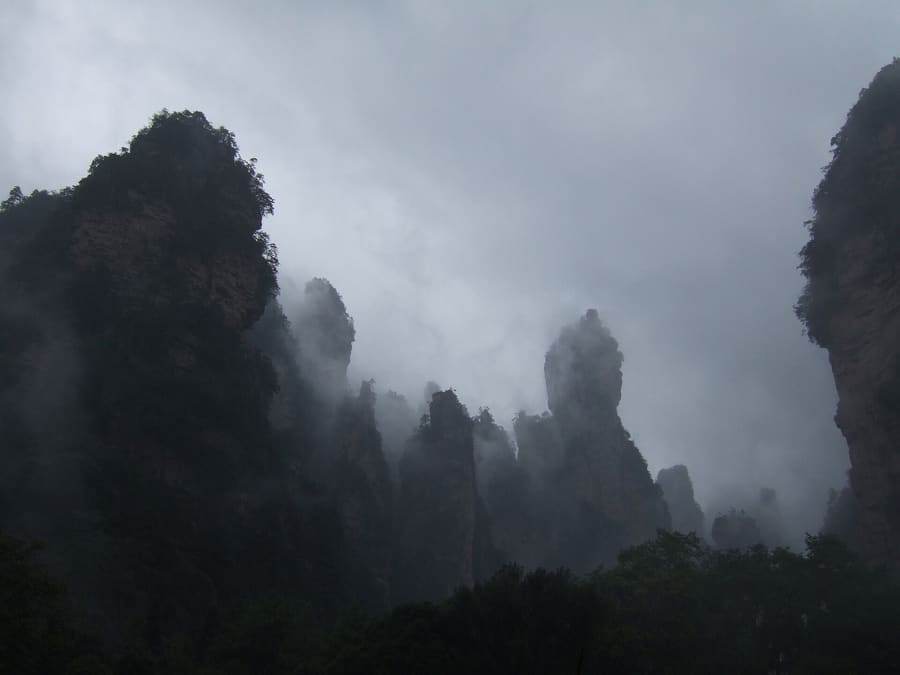
Dense fog can completely block valley views. Check live mountain webcams before buying cableway tickets.
Local private transit vendors ship suitcases between Yongding hotels and Wulingyuan guesthouses for about ¥30.