landmark
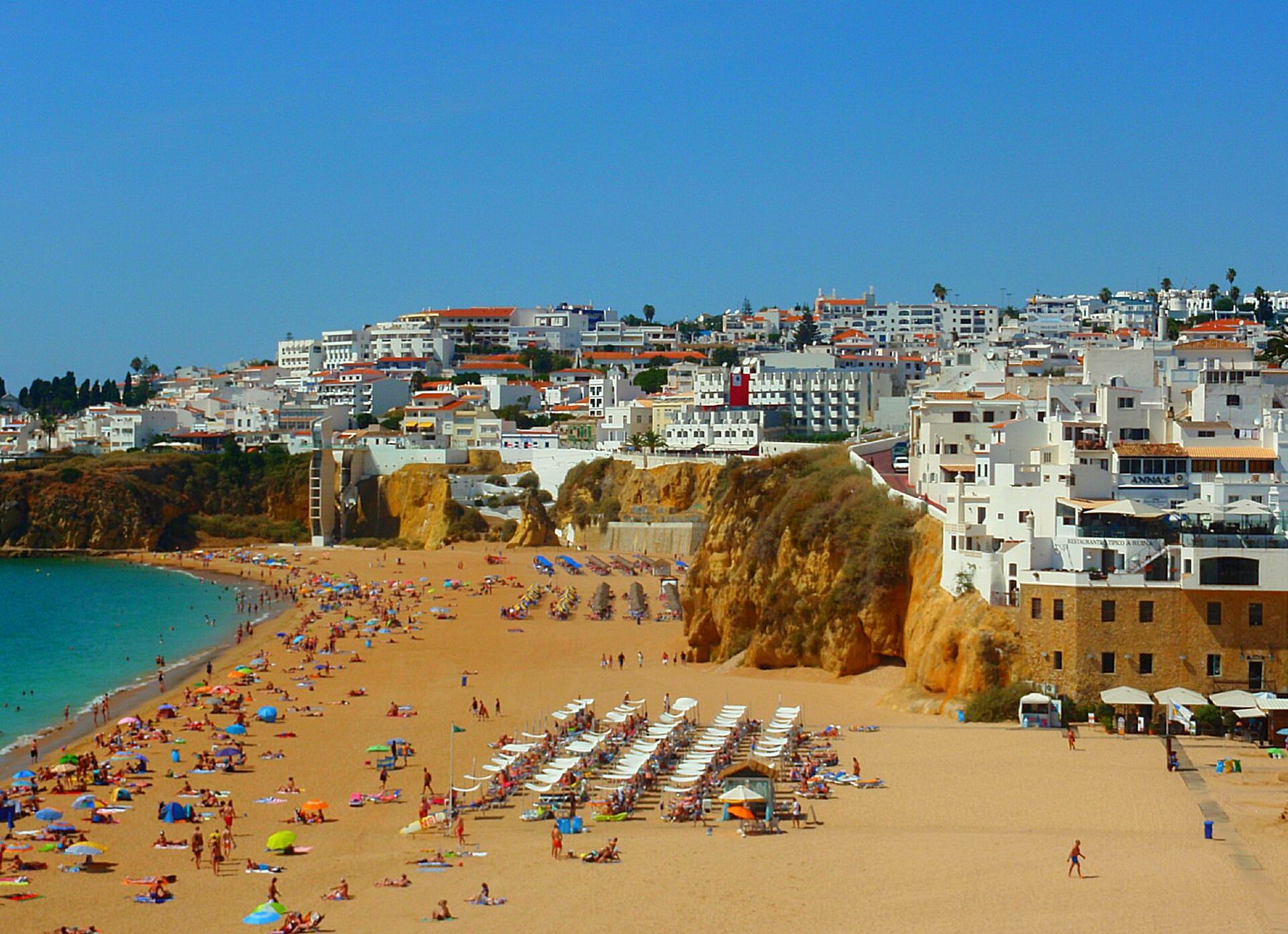
Praia do Peneco
Reach this wide town beach through a rock tunnel cut beneath the Old Town cliff face. Arrive before 10:00 to claim space near the water.
Demander à ParleyPortugal
A dual-identity fishing port turned high-octane beach hub.
introduction
Albufeira splits neatly into two distinct worlds separated by two kilometres of coastline. The Old Town clusters white cottages on steep hills above Praia do Peneco, while Areias de São João anchors the high-volume bar strip to the east. You navigate the sharp elevation changes via outdoor escalators, municipal elevators, and the Giro city bus network. Expect intense crowds from June through August, but quiet coastal paths and open seafood taverns during shoulder months.
Arrival from Faro Airport
Take the Vamus Algarve bus route 56 directly from Faro Airport to Albufeira main bus terminal in 45 minutes for €5.60.
Elevator access to Peneco
Use the free public elevator at Elevador do Peneco to drop from the clifftop directly onto the beach sand.
Giro bus payment tip
Buy a pre-loaded Giro city bus pass at kiosks to cut single fare prices from €1.40 down to under €1.00.
highlights
landmark
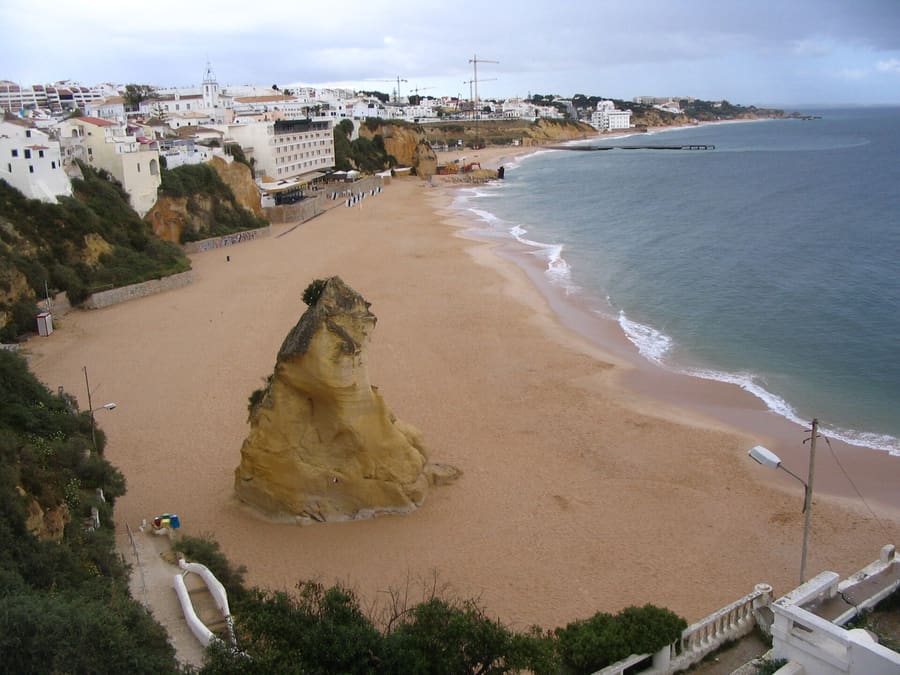
Reach this wide town beach through a rock tunnel cut beneath the Old Town cliff face. Arrive before 10:00 to claim space near the water.
Demander à Parley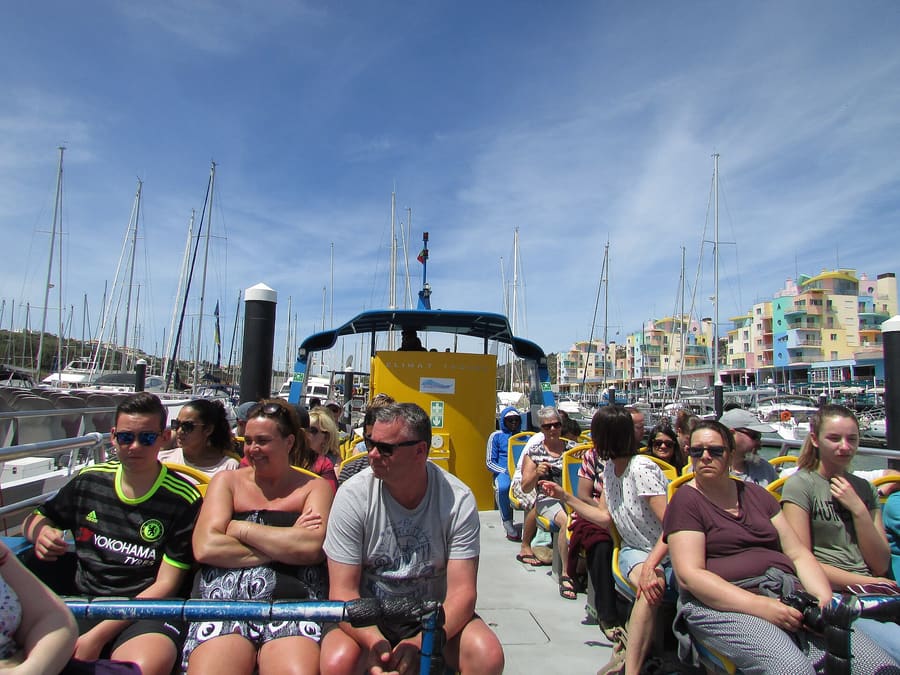
landmark
Pastel-colored harbour complex housing dolphin-watching catamarans and cave tours. Park in the underground garage to avoid heat.
Demander à Parley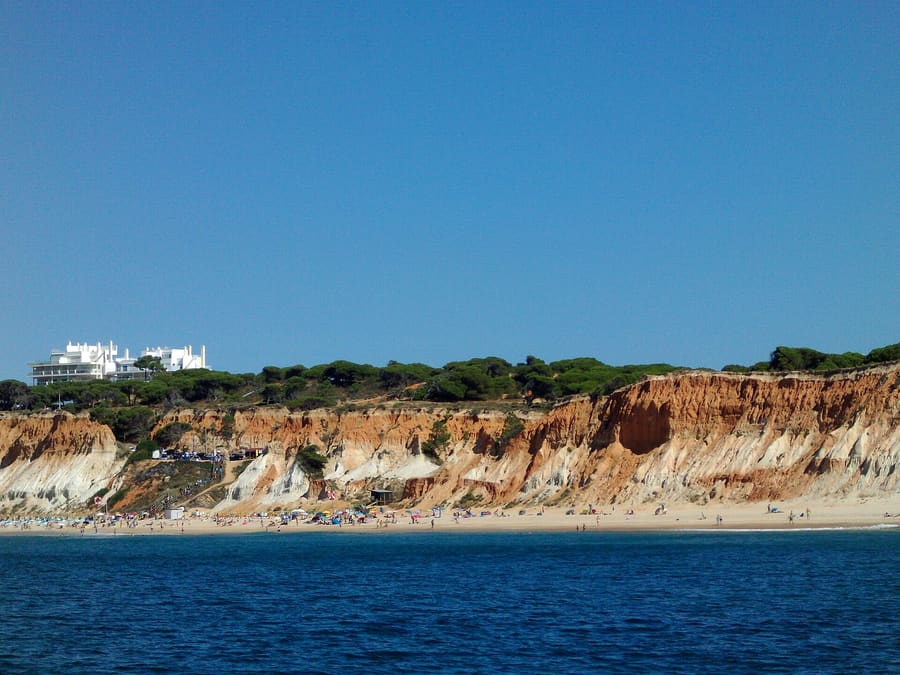
landmark
Six kilometres of golden sand backed by red clay cliffs extending toward Vilamoura. Walk eastern sections at low tide for empty stretches.
Demander à Parley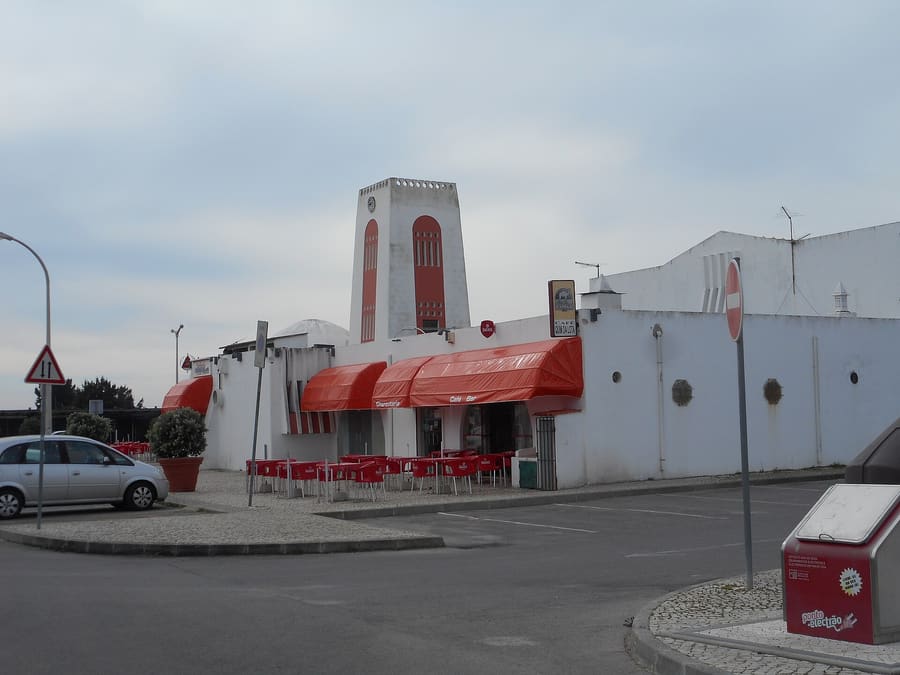
landmark
The city's main daily market for fresh Atlantic fish, regional figs, and local olive oil. Go between 08:00 and 11:00 for the best catch.
Demander à Parleyattractions
areas
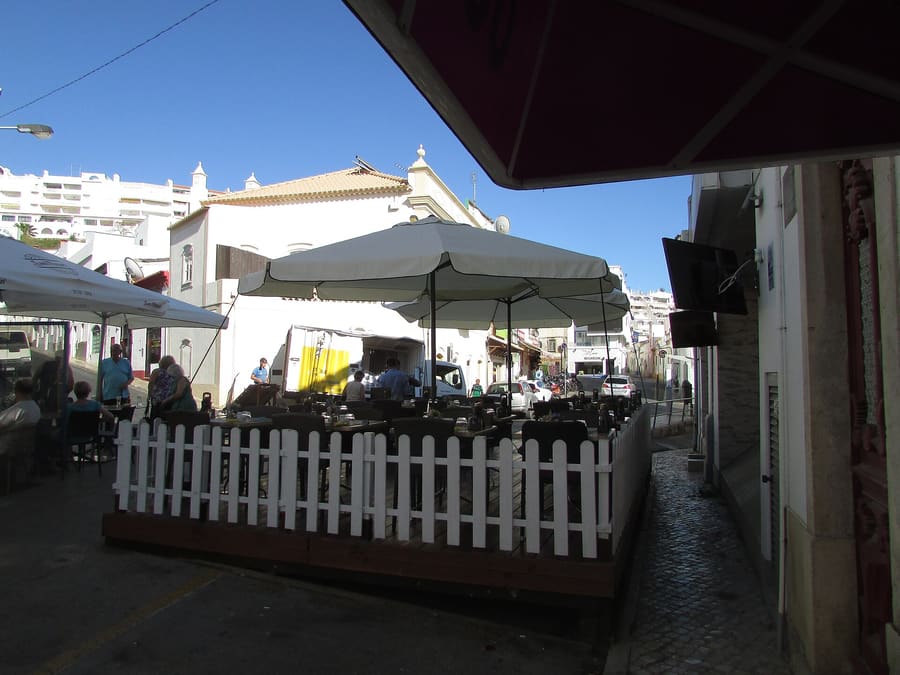
Pedestrian cobbles, whitewashed houses, and sea views dropping straight into beach tunnels.
À proximitéPraia do Peneco and Elevador do Peneco.
Demander à Parley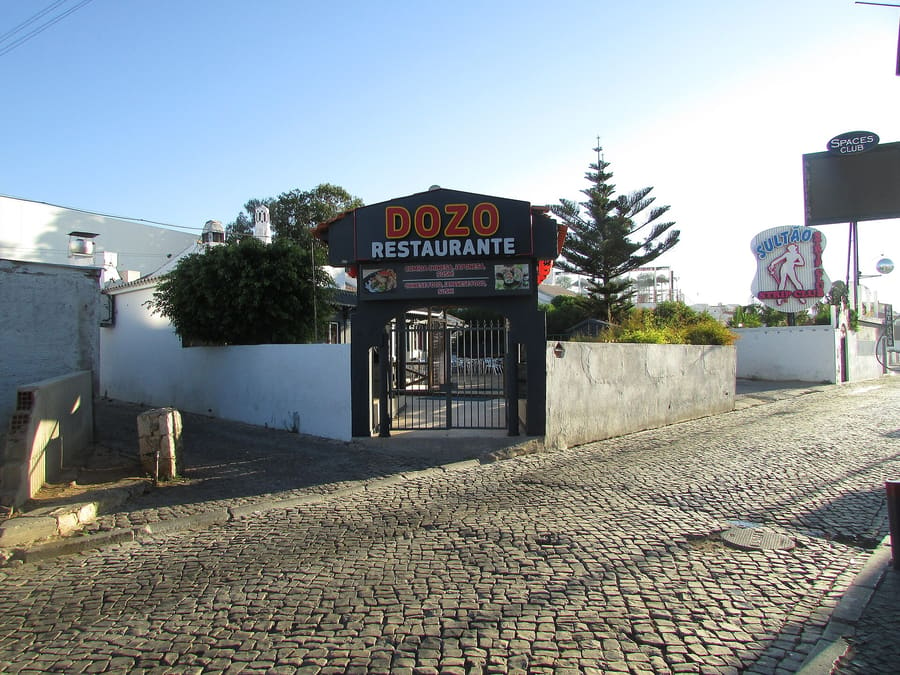
Neon-lit strip of British pubs, sports bars, and late-night fast food spots.
À proximitéPraia da Oura and Santa Eulália.
Demander à Parley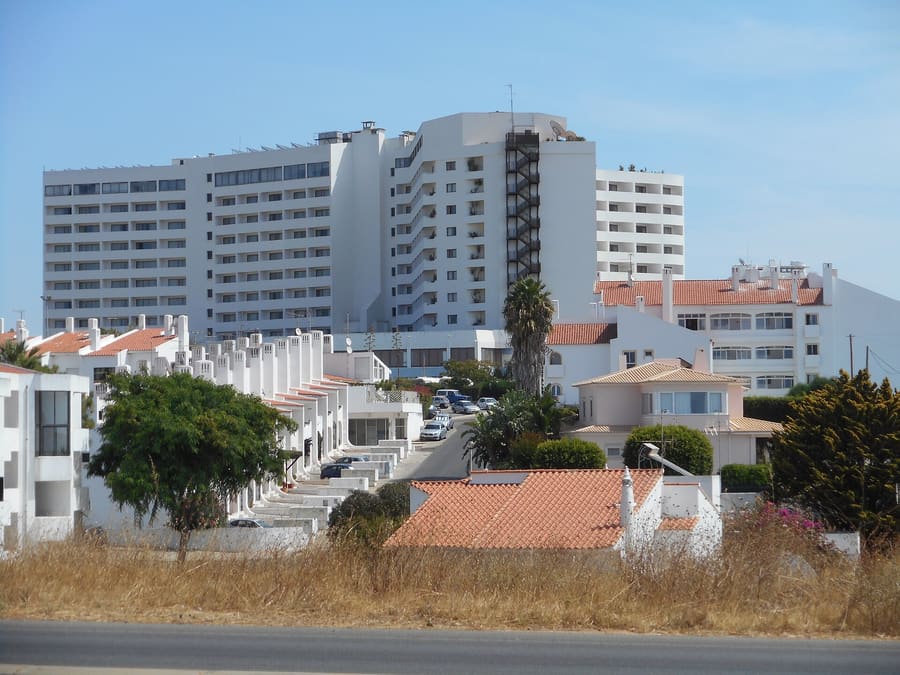
Hillside hotel zone north of the main strip with spacious pools and lower room rates.
À proximitéMercado dos Caliços and Strip north end.
Demander à Parley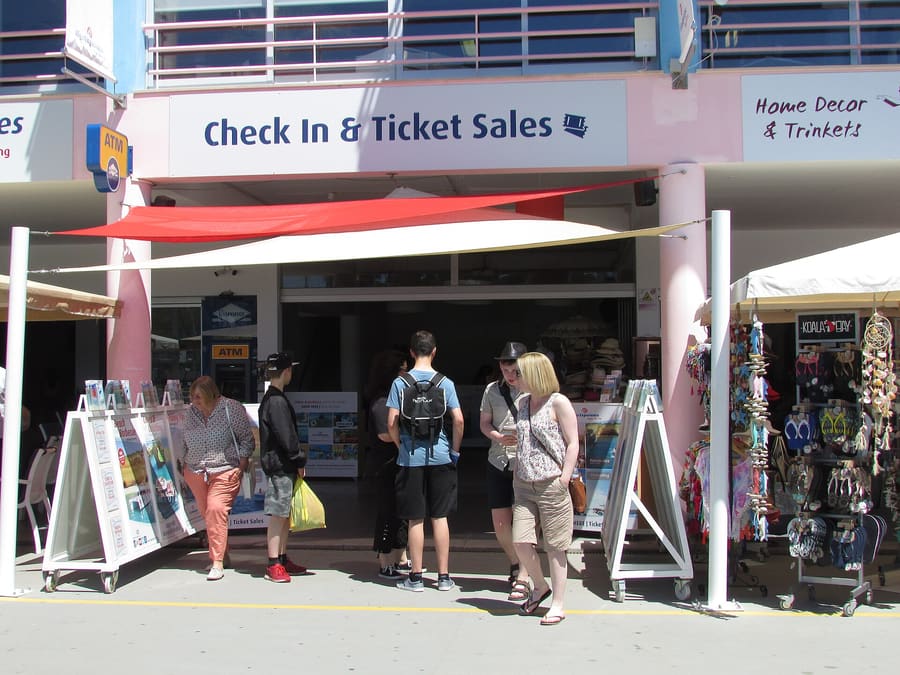
Modern harbour basin wrapped in candy-striped apartment blocks and boat charter desks.
À proximitéPraia da Balbina and boat docks.
Demander à Parleyfood
Albufeira's kitchen revolves around copper *cataplanas*—hinged clamshell cookers that steam clams, monkfish, and prawns in white wine and garlic. Along the fish market district, simple grills produce local sardines charred over wood coals with coarse salt. Skip the frozen tourist menus on Avenida Sá Carneiro; head instead to local spots near Mercado dos Caliços or along the cliffside of Praia dos Pescadores.
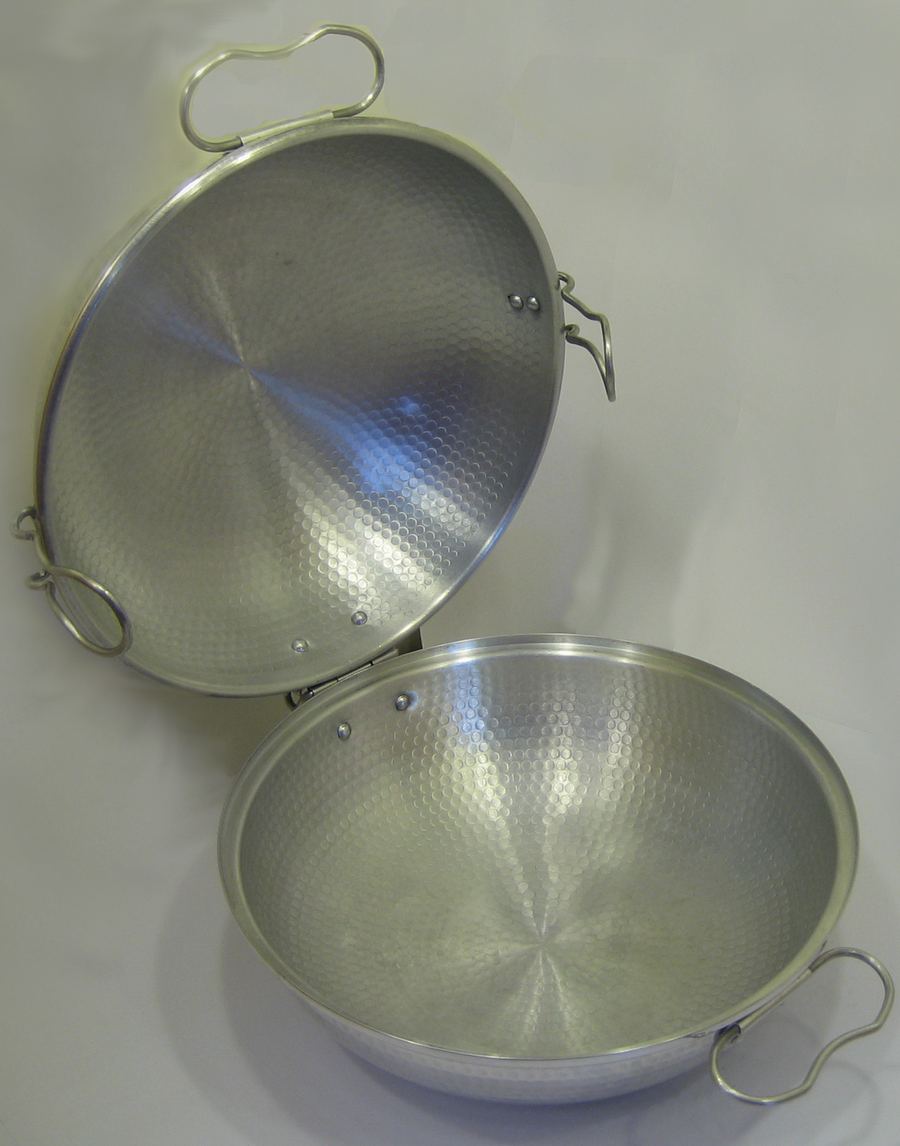
Fresh seafood cataplana cooked in a traditional copper clam cooker.
Sevinha · Public domainA proper cataplana is cooked to order for at least two people and takes 30 minutes to prepare.
The bread, olives, and sardine pate brought to your table are not free. Wave them away immediately if you do not want them added to your bill.
Eat fresh sardines between June and September when Atlantic catches are fattest and grilled at pop-up stands during local feasts.
history
Albufeira originated as the Phoenician trading post *Baltum* before expanding under Moorish rule as *Al-Buheira*, a name that derives from the Arabic term for 'the lagoon' or 'the small sea'. A devastating earthquake and tsunami in 1755 destroyed most of the fortified town, leaving only traces of the ancient city wall. By the mid-20th century, a quiet tuna fishing village transformed rapidly into the Algarve's primary resort hub.
Moorish Fortress
Moors fortify the hilltop village, naming it Al-Buheira and establishing defensive walls that survive partly today.
Christian Conquest
King Afonso III captures the town, integrating Albufeira into the Kingdom of Portugal after centuries of Islamic rule.
Great Tsunami
A massive earthquake and subsequent 10-metre wave demolish the lower town and destroy the Moorish fortifications.
Resort Emergence
Fishermen trade net mending for hospitality as international tourists arrive, turning the port into a beach center.
where to stay
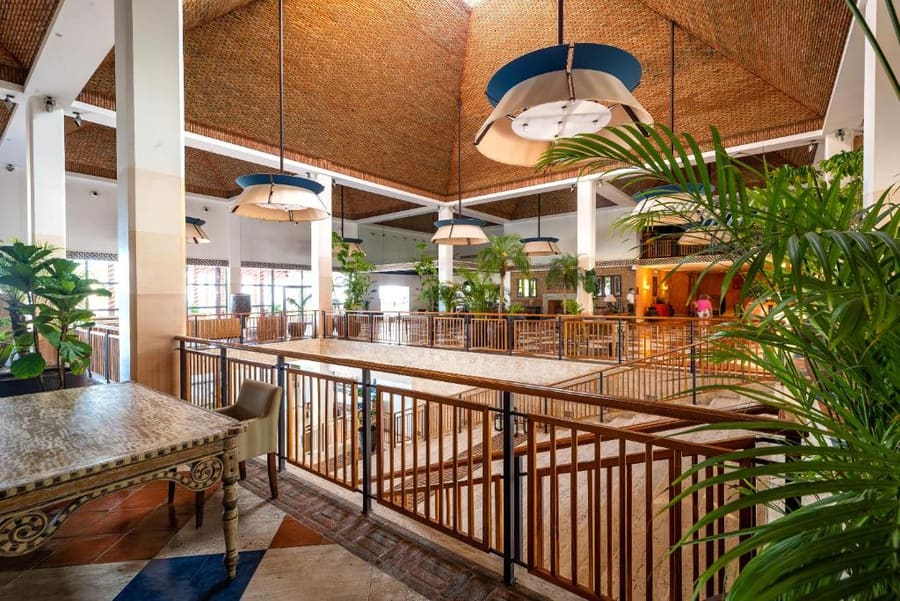
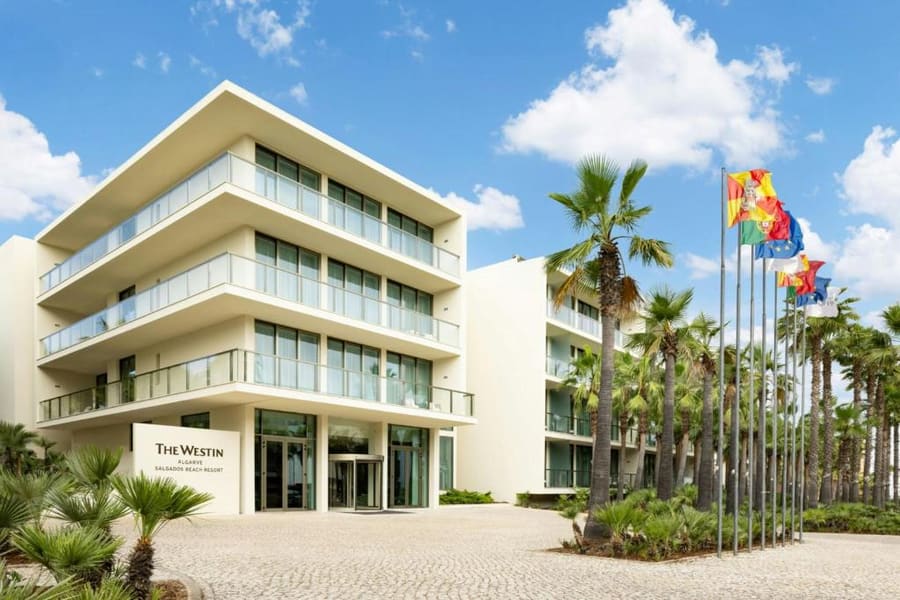
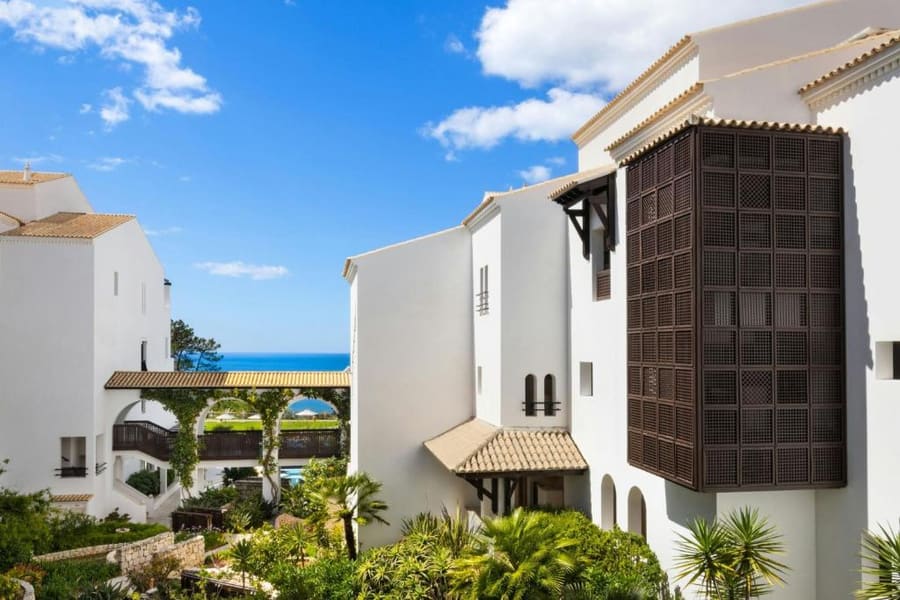
Choose your area based on your tolerance for nightlife noise and your willingness to walk steep hills. Stay in Old Town for traditional alleyways and beach elevators within steps of dinner. Pick Areias de São João if you want late-night venue access without needing taxis. Choose Montechoro or the Marina for quieter nights, lower room rates, and easy vehicle parking.
Live rates, matched to the areas above.
transport
Albufeira is sprawling and hilly. Walking between the Old Town and the Strip takes 30 minutes along steep roads. The local Giro minibus system connects all major zones, while regional Vamus buses serve neighbouring coastal towns and the main train station at Ferreiras, six kilometres inland.
Depuis Faro Airport (FAO)
Vamus route 56 runs direct from FAO airport terminal to Albufeira bus station.
Uber and Bolt operate widely; pickup is at the dedicated FAO rideshare zone.
Pre-book online to have a driver waiting in arrivals during summer peak crowds.
Rank sits outside arrivals; 20% surcharge applies on weekends and night trips.
Five colour-coded Giro minibus lines loop the city every 30 minutes. Buy pre-paid passes at central ticket kiosks to reduce per-ride costs.
The regional rail station lies 6km north of the center in Ferreiras. Connect via Giro Line B or a €7 taxi ride.
Avoid steep street climbs by using the free escalators at Praia dos Pescadores and the cliff elevator at Peneco.
cost
Albufeira offers a sharp divide between local prices inland and tourist markups on the beach front. Dining near Mercado dos Caliços costs half of what you pay on the Old Town main square.
Daily rental for two padded loungers and an umbrella on main beaches like Peneco or Oura.
Served with boiled potatoes and roasted pepper salad in local taverns.
Two-hour catamaran cruise departing from Albufeira Marina along coastal caves.
Paid in cash directly to the bus driver upon boarding.
seasonality
MAR – MAY
Mild spring weather with quiet beaches. Sea temperatures remain brisk around 16°C, but hiking along coastal red cliffs is ideal.
JUN – AUG
Peak summer heat and packed beaches. Water reaches 21°C. Prices double and nightlife runs until dawn across all main strips.
SEP – OCT
Warm Atlantic waters and declining crowd levels. Restaurants remain fully open and daytime heat stays around 24°C.
NOV – FEB
Quiet winter season with sunny days and cool nights. Many beach bars close, but central Old Town restaurants stay active.
practicalities
Strong Atlantic undertows affect open beaches. Always swim between green lifeguard flags and avoid sitting directly under unstable clay cliffs.
The southern coast gets over 300 days of sunshine annually. Midday heat on unshaded cliff paths requires water and high-SPF sunscreen.
Major restaurants accept Visa and Mastercard, but small beach chiringuitos and market stalls often require cash.
Kitchens serve lunch from 12:30 to 15:00 and dinner from 19:30 to 22:30. Stripside fast food stays open past 03:00.
Old Town's traditional calcada portuguesa paving becomes slippery when wet or worn down. Wear flat shoes with good grip.