attraction
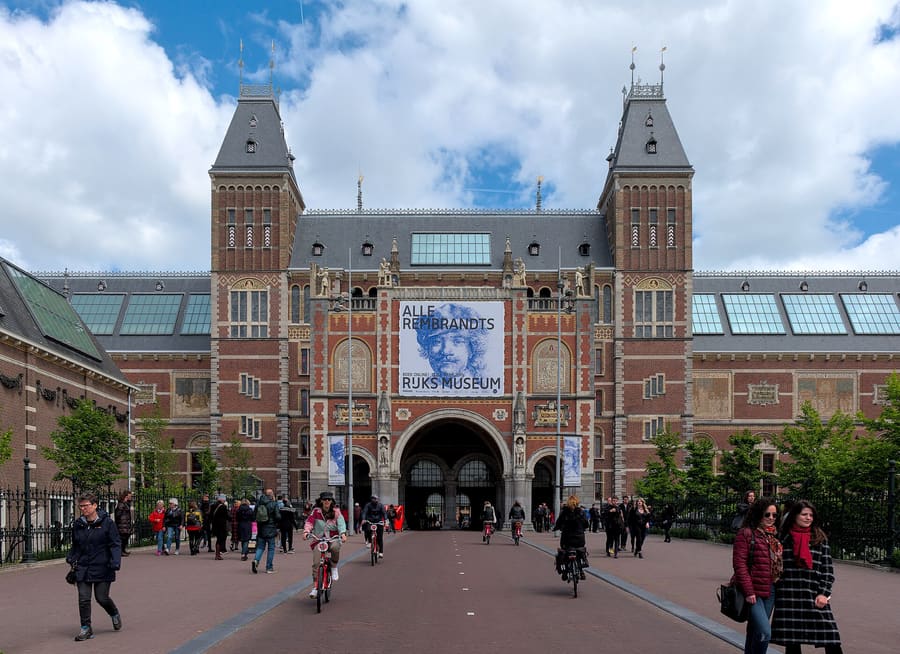
Rijksmuseum
Dutch Golden Age masterpieces hang in vast halls. Book morning slots to enter before tour groups arrive.
Demander à ParleyPays-Bas
Canals, strict bike priority, and precise urban planning.
introduction
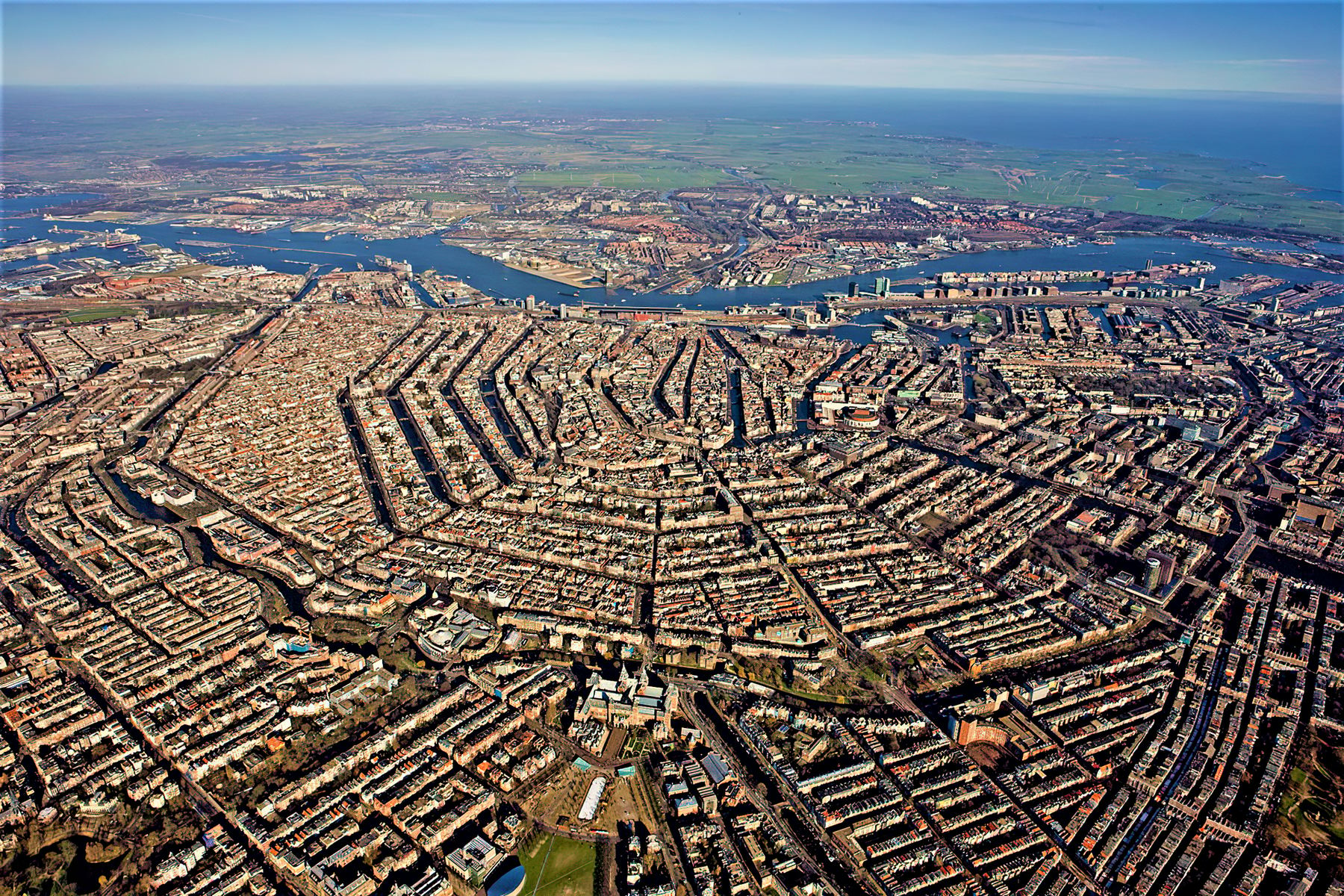
Amsterdam is built around concentric 17th-century canal rings designed for heavy water transit. Today, bicycles dominate the streets, though cyclists do not have absolute priority over pedestrians, who have the right of way at zebra crossings and in pedestrian zones. You navigate the city on foot, by tram, or on two wheels.
Airport rail link
Trains run directly from Schiphol Airport to Amsterdam Centraal in 14 minutes. Trains depart every few minutes from platforms beneath the main terminal.
UNESCO ring
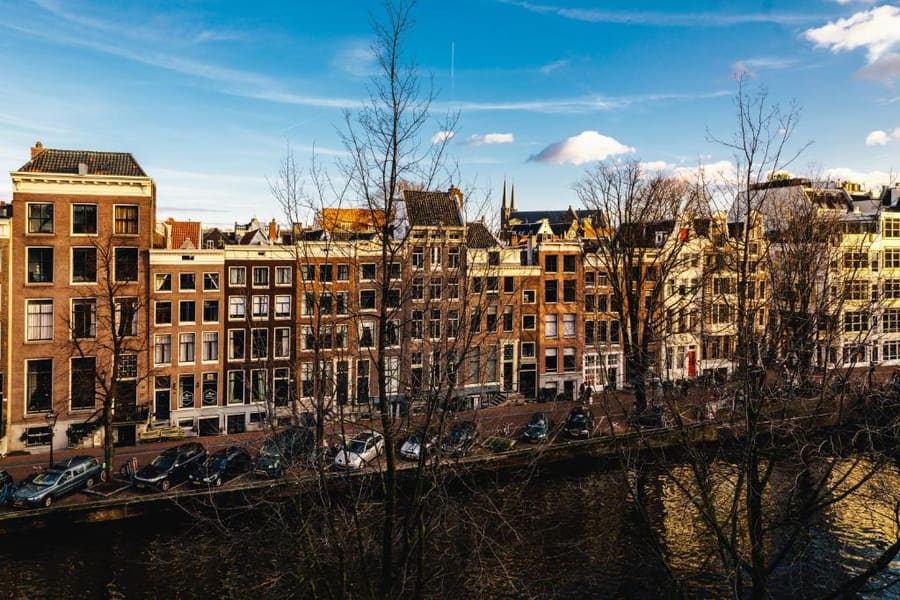
The 17th-century Grachtengordel canal district gained UNESCO World Heritage status in 2010. It comprises over 90 islands connected by hundreds of bridges.
Ticket booking
The Van Gogh Museum and Anne Frank House require advance online reservations with fixed timeslots. Walk-up ticket sales do not exist at these venues.
Amsterdam
Jorge Royan · CC BY-SA 3.0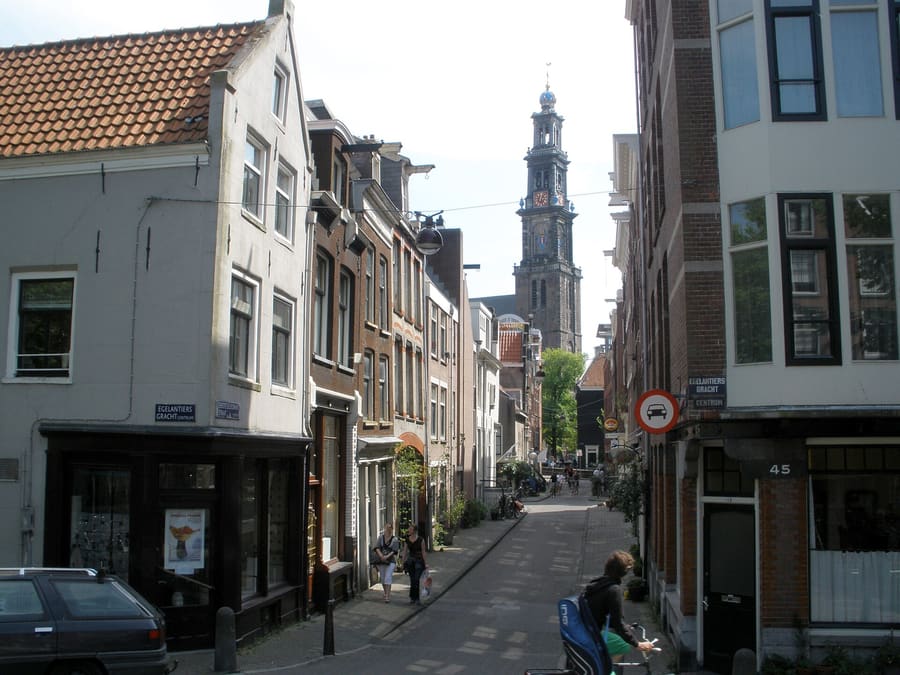
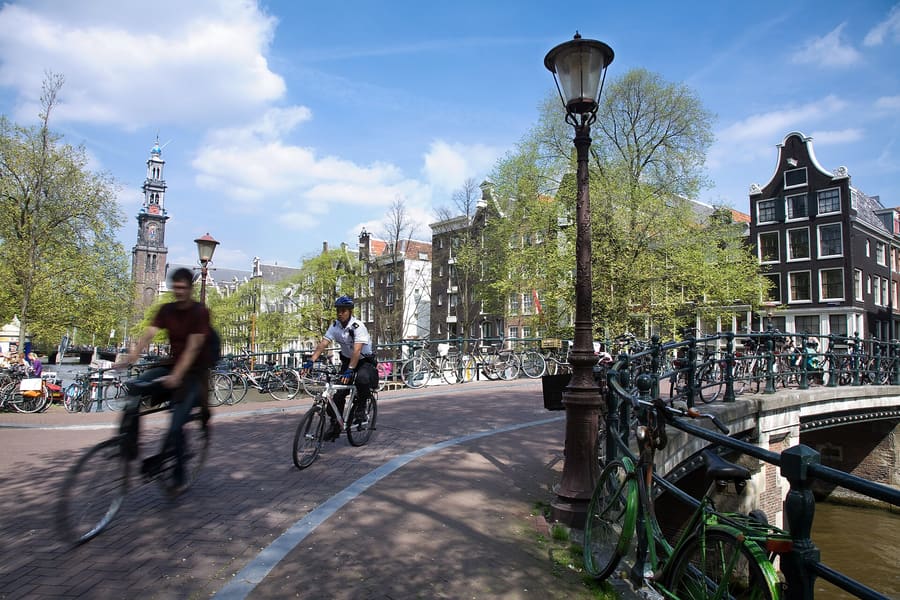
Jordaan — Quiet residential canals with narrow alleys, independent boutiques, and classic brown cafes.
Jvhertum · Public domain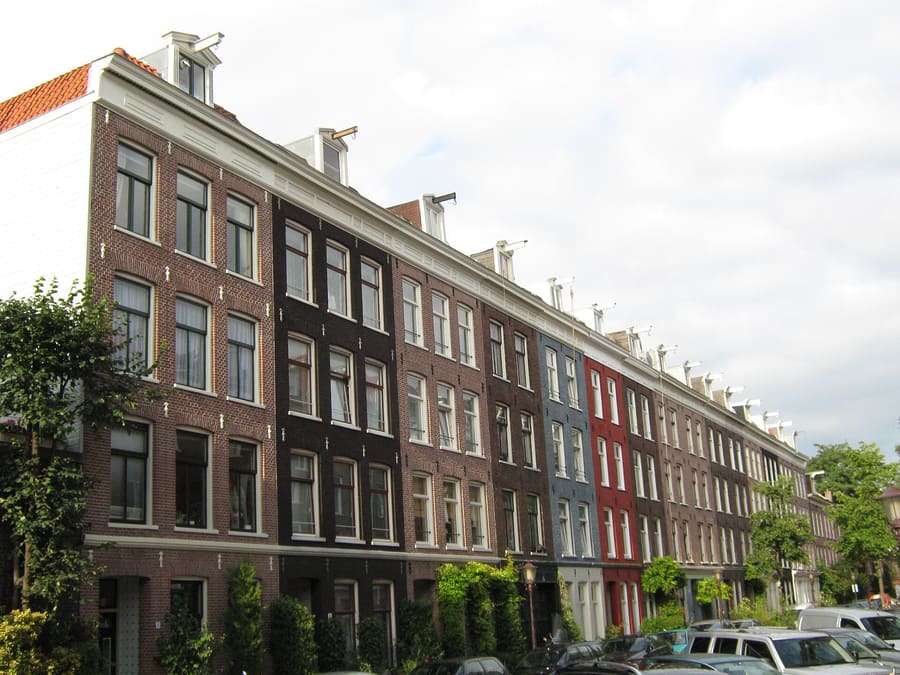
De Pijp — Former working-class quarter with street markets, global dining options, and active nightlife.
A. Bakker · CC BY-SA 3.0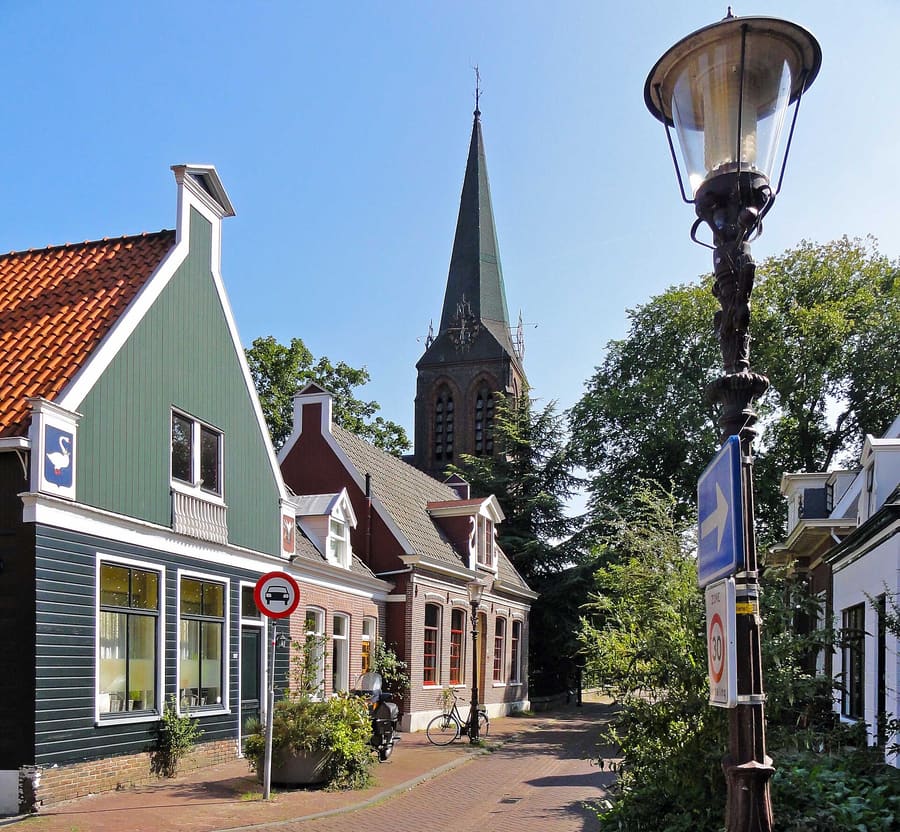
Amsterdam-Noord — Industrial waterfront area converted into art spaces, music venues, and modern architecture.
User:Gouwenaar · CC BY-SA 4.0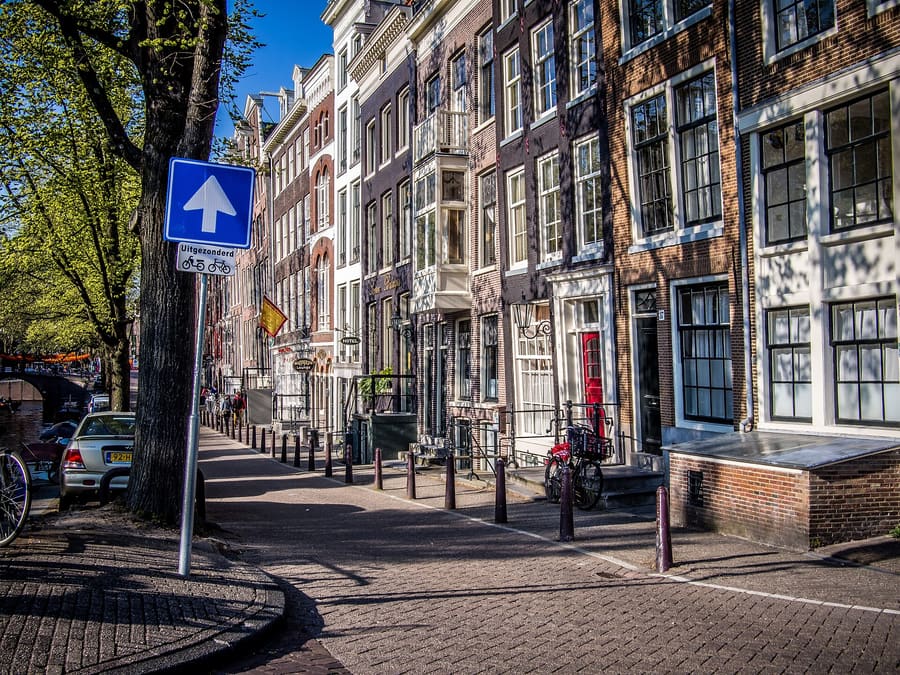
Grachtengordel — The central 17th-century canal ring with imposing merchant grand houses and picturesque bridges.
Sergey Galyonkin from Berlin, Germany · CC BY-SA 2.0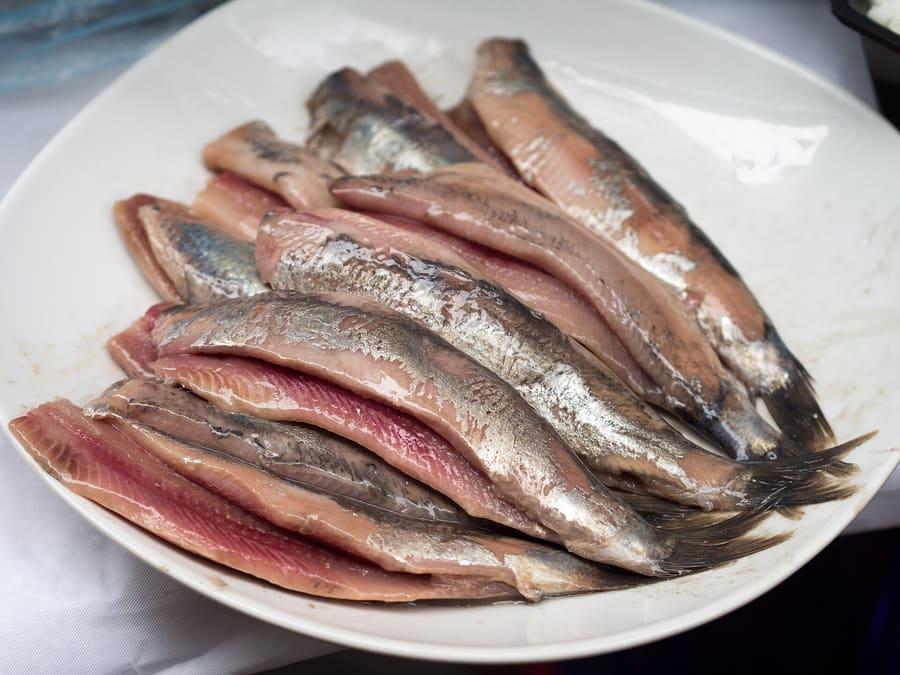
Raw herring with onions, served at local street kiosks.
Takeaway · CC BY-SA 3.0highlights
attraction
Dutch Golden Age masterpieces hang in vast halls. Book morning slots to enter before tour groups arrive.
Demander à Parley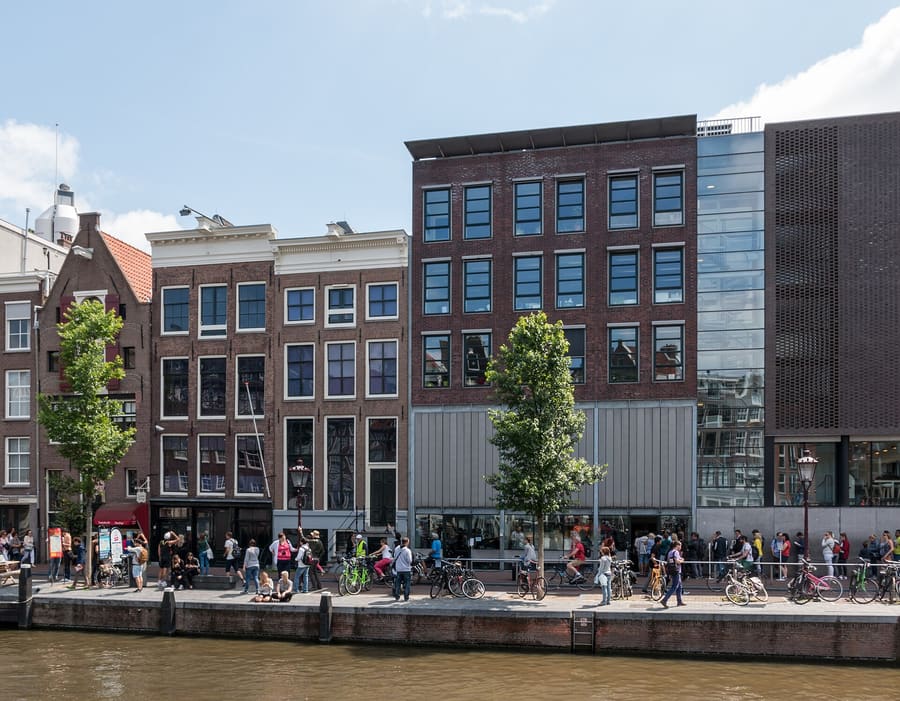
attraction
The secret annexe where Anne Frank hid during World War II. Tickets release six weeks ahead and sell out fast.
Demander à Parley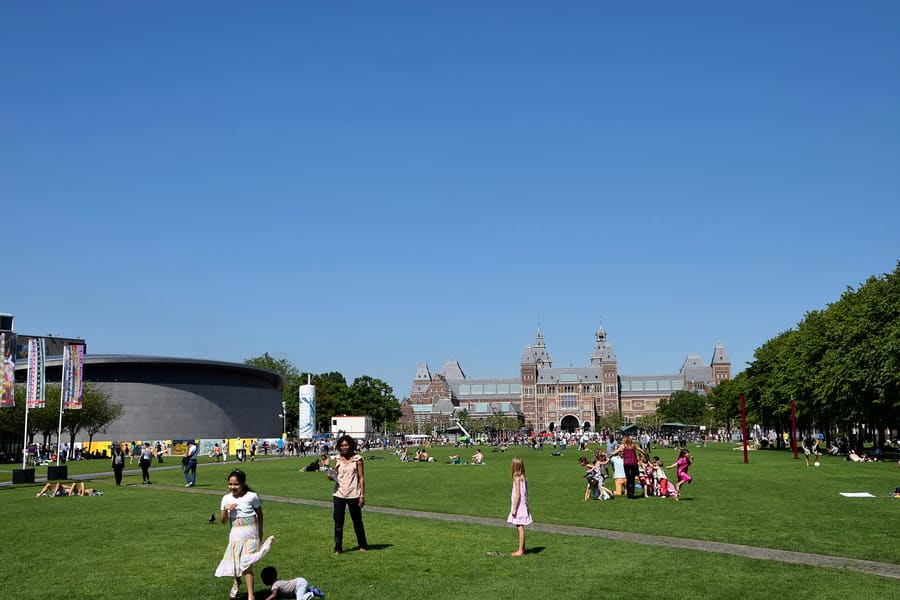
museum
The largest collection of Vincent van Gogh works worldwide. Tickets are available exclusively online.
Demander à Parley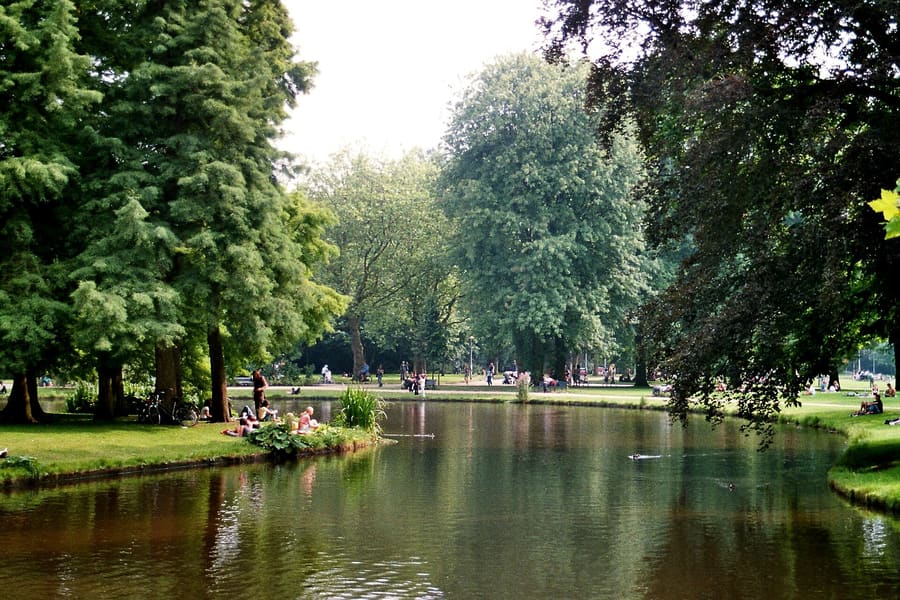
park
The main city park spans 120 acres near the museum quarter. Avoid walking in designated red bike paths.
Demander à Parley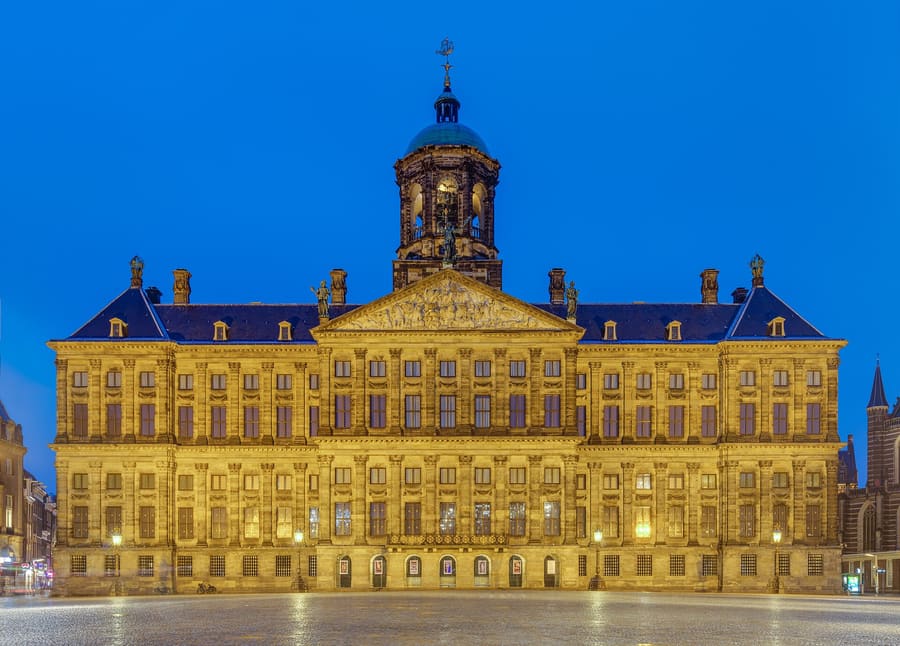
landmark
Built as a town hall in 1655, now used for official state functions. Check opening calendars before visiting.
Demander à Parleyattractions
areas
Quiet residential canals with narrow alleys, independent boutiques, and classic brown cafes.
À proximitéAnne Frank House and the Nine Streets shopping grid.
Demander à ParleyFormer working-class quarter with street markets, global dining options, and active nightlife.
À proximitéRijksmuseum and the Albert Cuyp Market.
Demander à ParleyIndustrial waterfront area converted into art spaces, music venues, and modern architecture.
À proximitéNDSM Wharf and Eye Filmmuseum.
Demander à ParleyThe central 17th-century canal ring with imposing merchant grand houses and picturesque bridges.
À proximitéFlower Market and Dam Square.
Demander à Parleyfood
Amsterdam dining balances historic pub culture with deep colonial influences. The city center offers traditional brown cafes serving beer and bitterballen alongside Indonesian restaurants serving multi-dish rijsttafel feasts. Street stalls sell raw herring with onions year-round, and the new catch season ('Hollandse Nieuwe') officially begins in June.
Raw herring with onions, served at local street kiosks.
Takeaway · CC BY-SA 3.0Order a full rijsttafel at specialized Indonesian spots like Kantjil & De Tijger. Expect a dozen small spiced dishes served over rice.
Brown cafes serve deep-fried beef ragout balls called bitterballen starting late afternoon. Pair them with mustard and local draft lager.
Buy raw herring (Hollandse Nieuwe) from street vendors near bridges. Ask for met uitjes en zuur to include diced raw onions and pickles.
history
Founded as a dam on the Amstel river in the 13th century, Amsterdam grew into a global trading powerhouse during the 17th century. Wealth from maritime trade financed the grand canal district and supported Dutch master painters.
Charter granted
Count Floris V grants toll exemption to residents near the Amstel dam, marking the formal origin of Amsterdam.
East India Company
The Dutch East India Company establishes headquarters in Amsterdam, funding rapid city expansion.
Canal ring built
Construction begins on the Grachtengordel ring to manage city growth and defend water access.
Wartime occupation
Nazi occupation decimates the local Jewish population, documented in Anne Frank's wartime diary.
where to stay
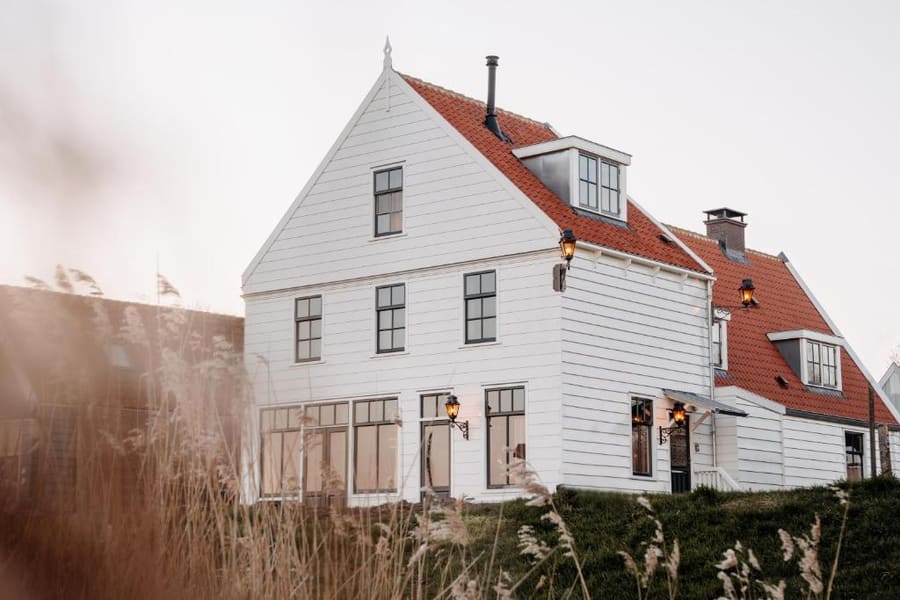
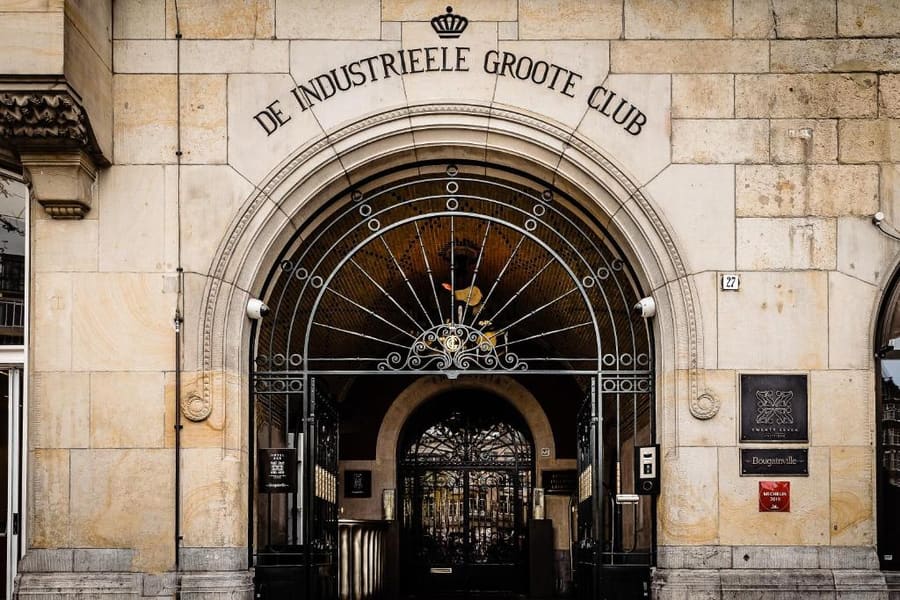
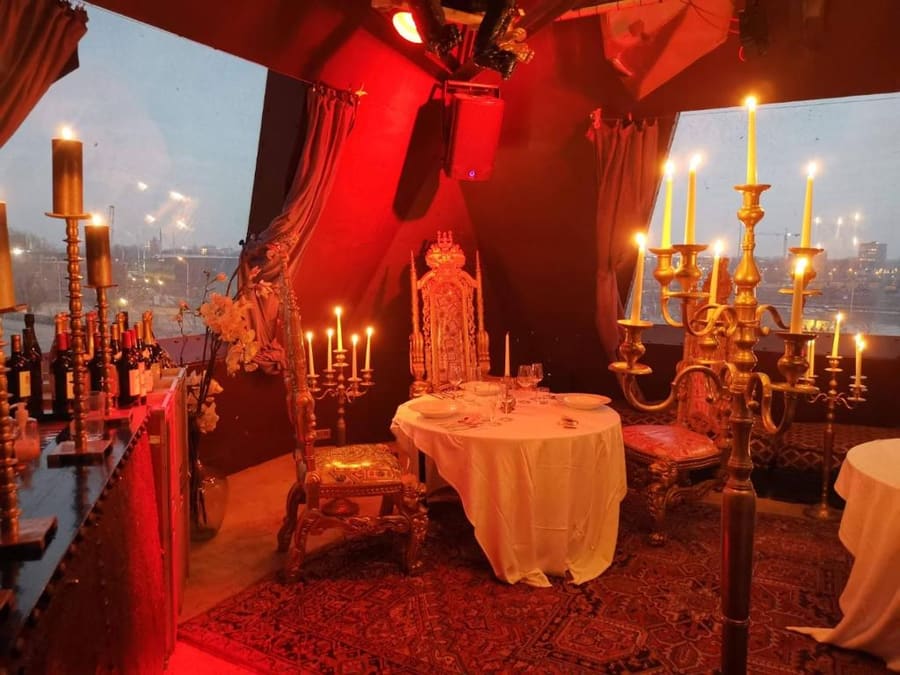
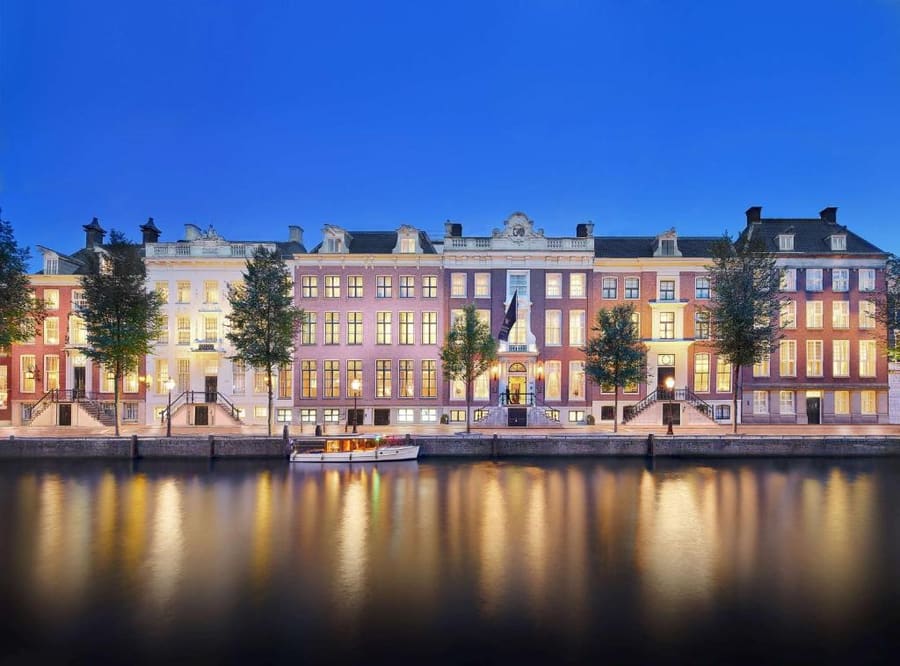
Choose your location based on your transport preferences and tolerance for night noise. The canal ring places you within walking distance of primary sights, while outer quarters like De Pijp and Noord offer distinct dining scenes and easier transport links.
Live rates, matched to the areas above.
transport
Amsterdam is compact and navigable by foot, tram, metro, and bicycle. Dedicated bike lanes cover the entire city; pedestrians must stay off red-paved cycle paths at all times.
Depuis Amsterdam Airport Schiphol (AMS)
Direct NS train runs every 10 minutes to Amsterdam Centraal.
Official rank outside arrivals. Fixed prices should be confirmed before departure.
Bus line 397 runs directly to Leidseplein and Museumplein.
Tap your contactless debit card or phone on entry and exit across all GVB trams, buses, and metros.
Trams always have right of way. Keep clear of tracks, especially when crossing streets on foot.
Red asphalt indicates dedicated bike lanes. Walking on them will draw sharp bells from local cyclists.
Ferries behind Amsterdam Centraal cross the IJ river to Noord continuously. No ticket or fee required.
cost
Amsterdam is an expensive European destination. Museum entries and high-end dining carry premium prices, but public transit and casual dining remain accessible.
An I amsterdam City Card includes transit and major entry fees for set timeframes.
Specialty coffee shops charge standard specialty rates throughout central districts.
Sandwiches, herring plates, or soup at lunch cafes in central areas.
Unlimited travel on GVB-operated trams, buses, and metros across the city.
seasonality
MAR – MAY
Spring tulip season brings heavy crowds to regional flower parks. Weather ranges from cool to mild.
JUN – AUG
Peak summer weather brings outdoor canal terraces and long daylight hours. Hotel prices hit annual highs.
SEP – NOV
Autumn weather turns damp and brisk. Museum queues shrink after mid-September.
DEC – FEB
Short daylight hours and high rainfall. Cold temperatures keep crowds inside historic cafes.
practicalities
Cash is rejected at many cafes, shops, and transit points. Carry a debit or credit card at all times.
Major venues do not sell walk-up tickets. Secure online entry slots weeks in advance.
Bicycles travel fast on silent electric drives. Look left and right before stepping onto any paved lane.
Alcohol consumption on public streets is restricted in designated areas of the central district.
Select small-boat electric canal tours from local operators for quiet propulsion.