landmark
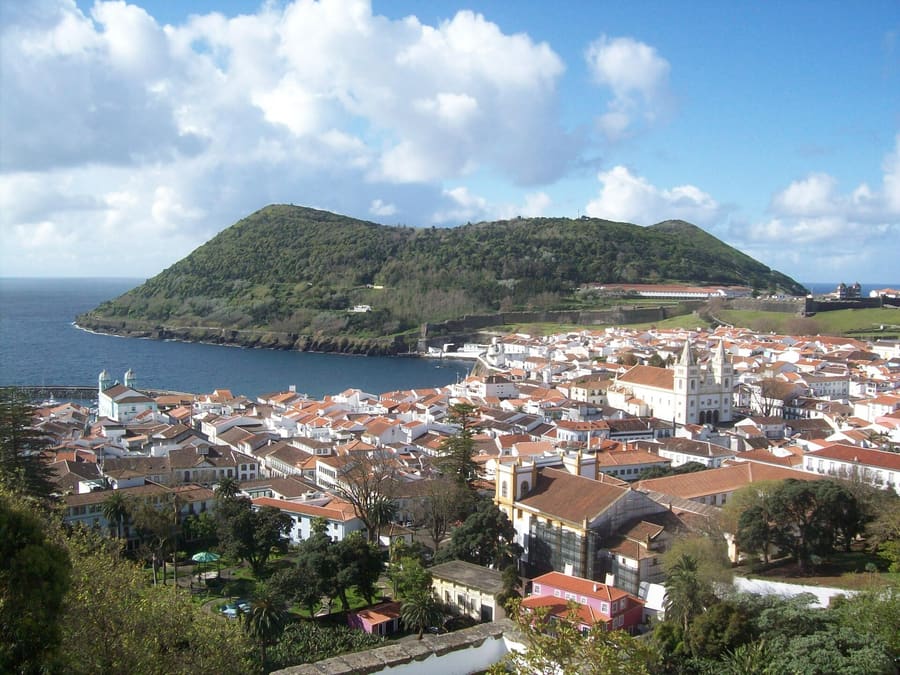
Monte Brasil
An extinct volcanic crater guarding the harbor. Hike the 5km ridge loop for clear views across the bay.
Demander à ParleyPortugal
Azorean naval history written in black basalt and sea salt.
introduction
Angra do Heroísmo is a port town built on a 16th-century grid of volcanic basalt and white plaster. Sitting on the southern shore of Terceira Island, it served for centuries as the primary mid-Atlantic refuge for Spanish and Portuguese fleets. You move through it on foot, tackling steep cobblestone lanes that reward sure footing. Expect sudden rain squalls, strong salt breezes, and unhurried meals of slow-braised beef served in clay pots.
Airport transit
Bus line 2 connects Lajes Airport to Praça Velha in 35 minutes for €1.85. Taxis run a fixed tariff of €20 to €25.
UNESCO protection
The street grid and stone fortresses gained UNESCO status in 1983 as a preserved mid-Atlantic ocean port.
Microclimate planning
Terceira weather shifts within minutes. Always carry a light rain shell even when morning skies over the bay look clear.
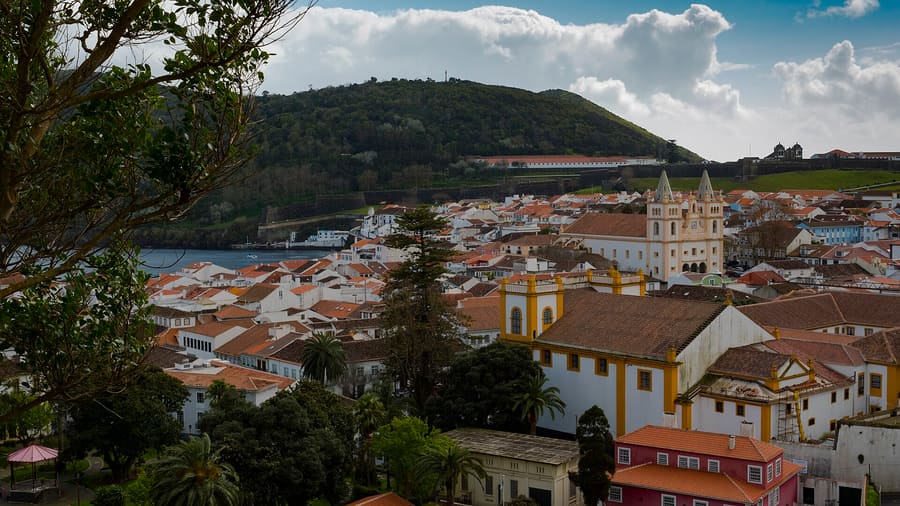
Angra do Heroísmo
Tuga1143 · CC BY-SA 4.0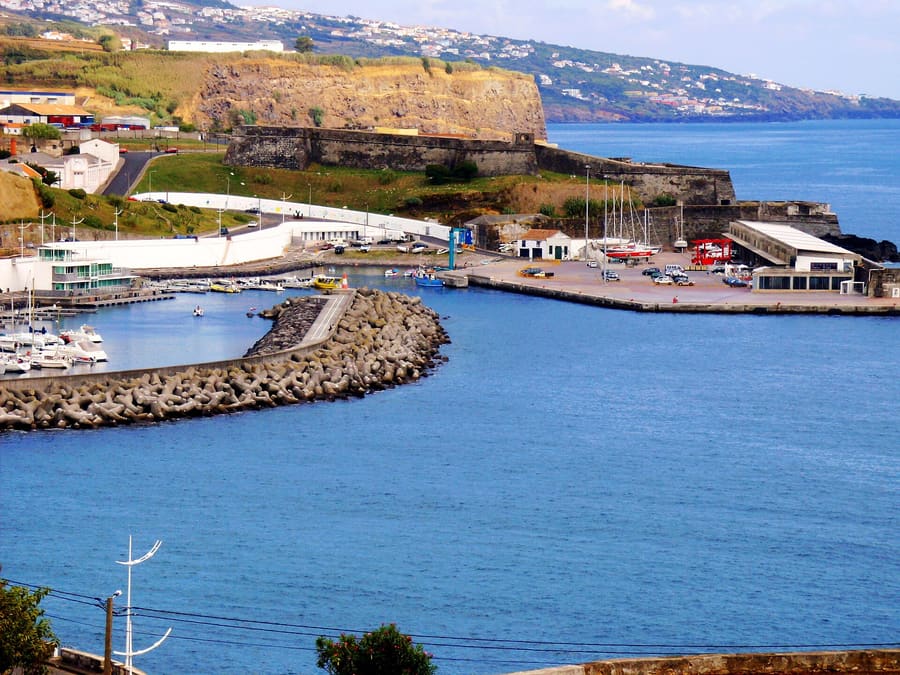
Porto de Pipas — Waterfront zone where small fishing craft dock next to the marina and a calm beach cove.
Carlos Luis Cruz (talk) · Public domain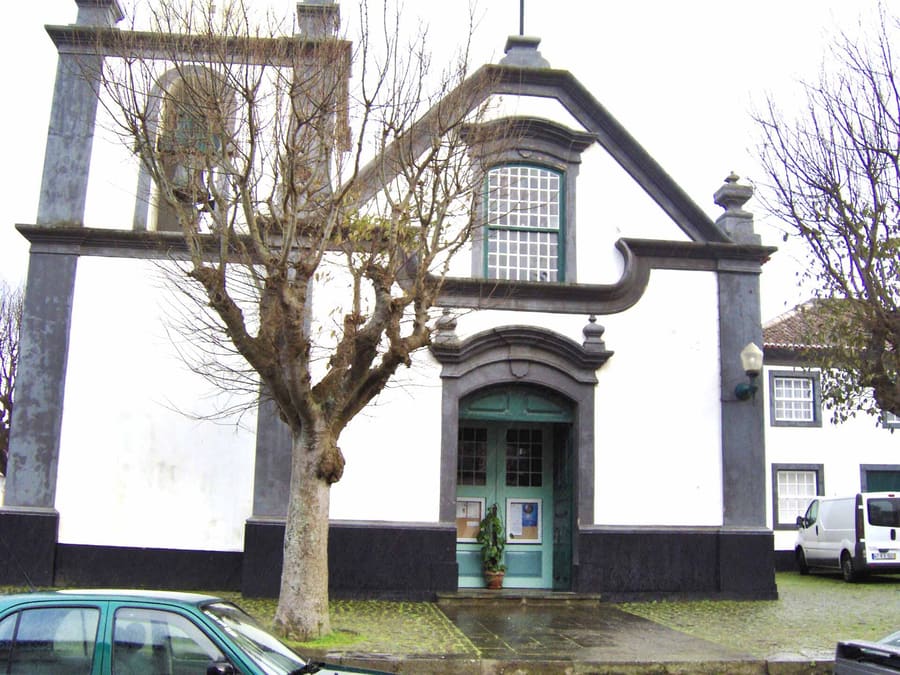
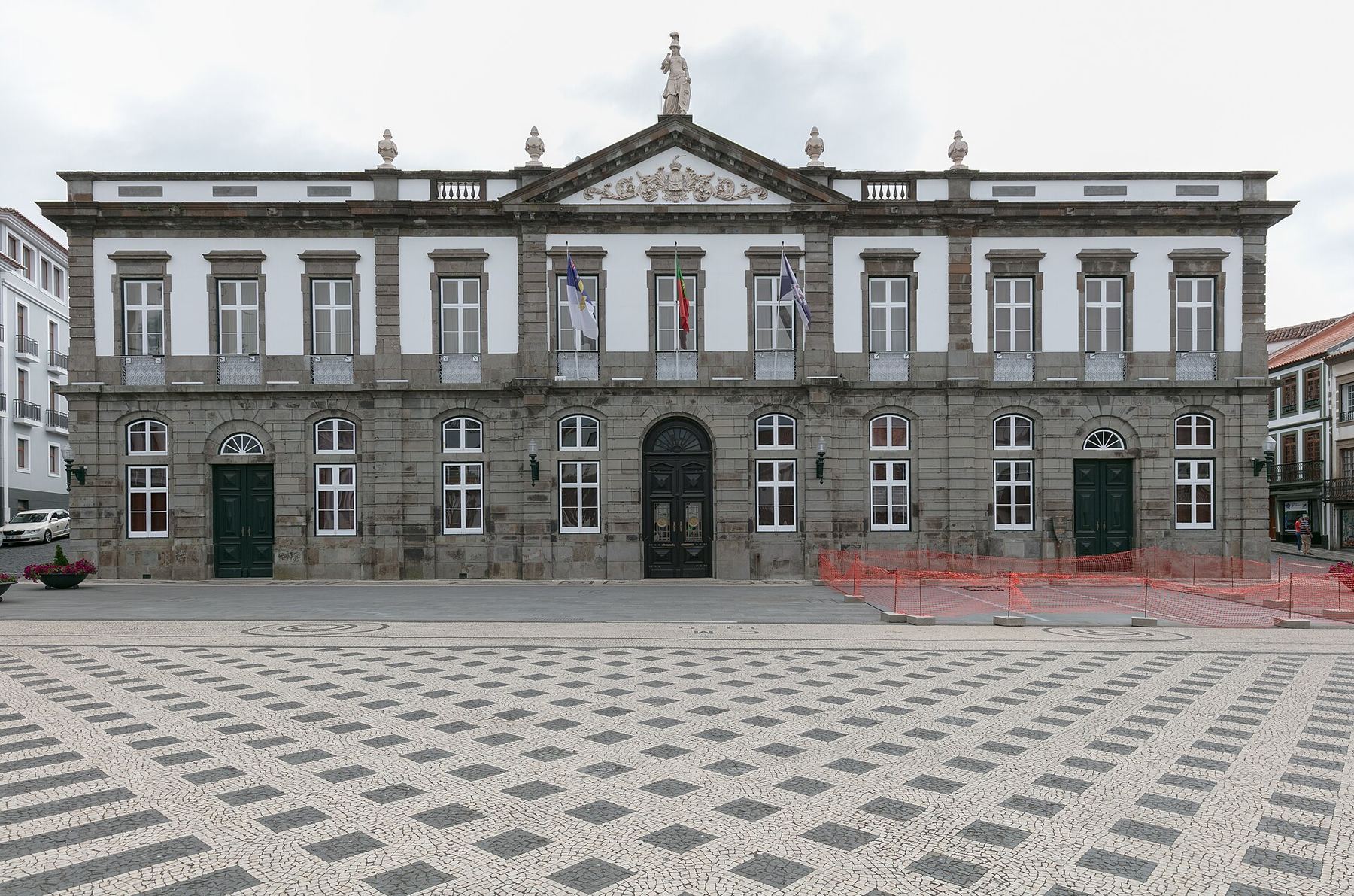
São Pedro — Residential district west of the centre, lined with 18th-century noble manors and stone gates.
José Luís Ávila Silveira/Pedro Noronha e Costa 16:44, 17 July 2007 (UTC) · Public domain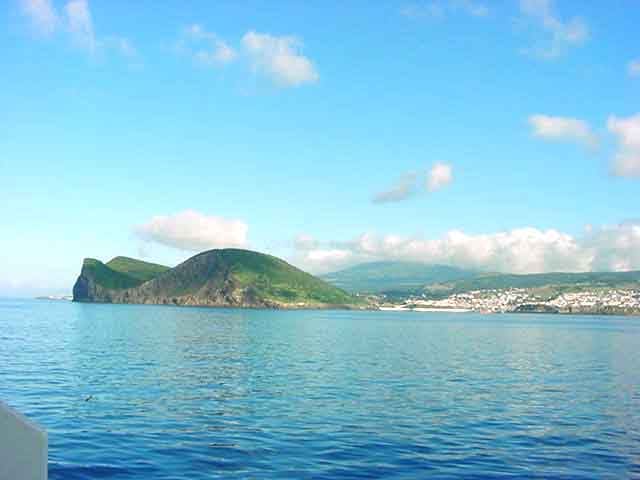
Silveira — Coastal suburb focused on a volcanic rock ocean pool used by year-round sea swimmers.
José Luís Ávila Silveira/Pedro Noronha e Costa 13:01, 18 July 2007 (UTC) · Public domainhighlights
landmark
An extinct volcanic crater guarding the harbor. Hike the 5km ridge loop for clear views across the bay.
Demander à Parley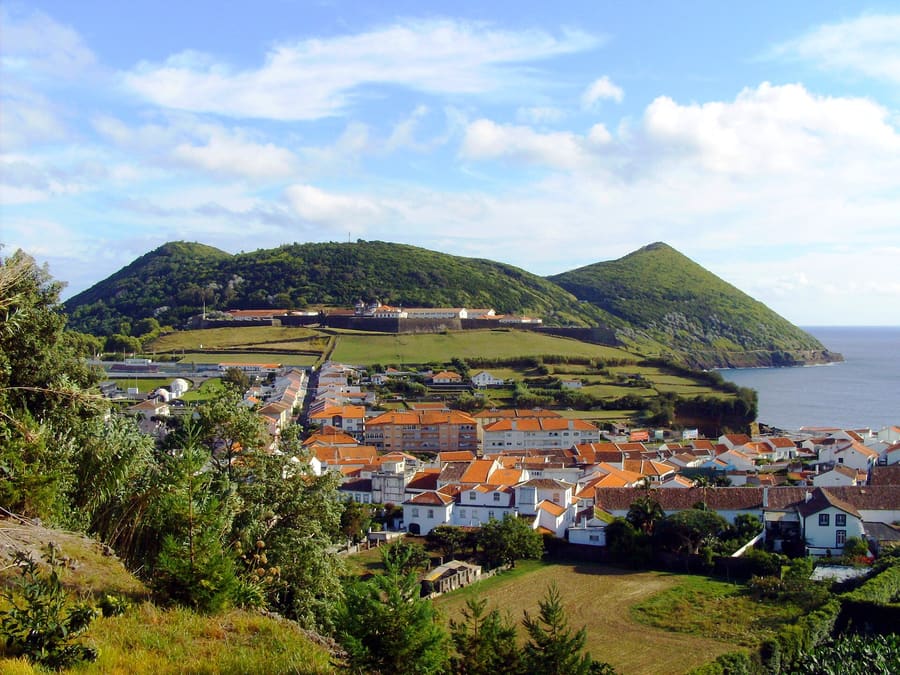
landmark
Massive 16th-century fortress wrapping the foot of Monte Brasil. Active military post; carry photo ID to enter.
Demander à Parley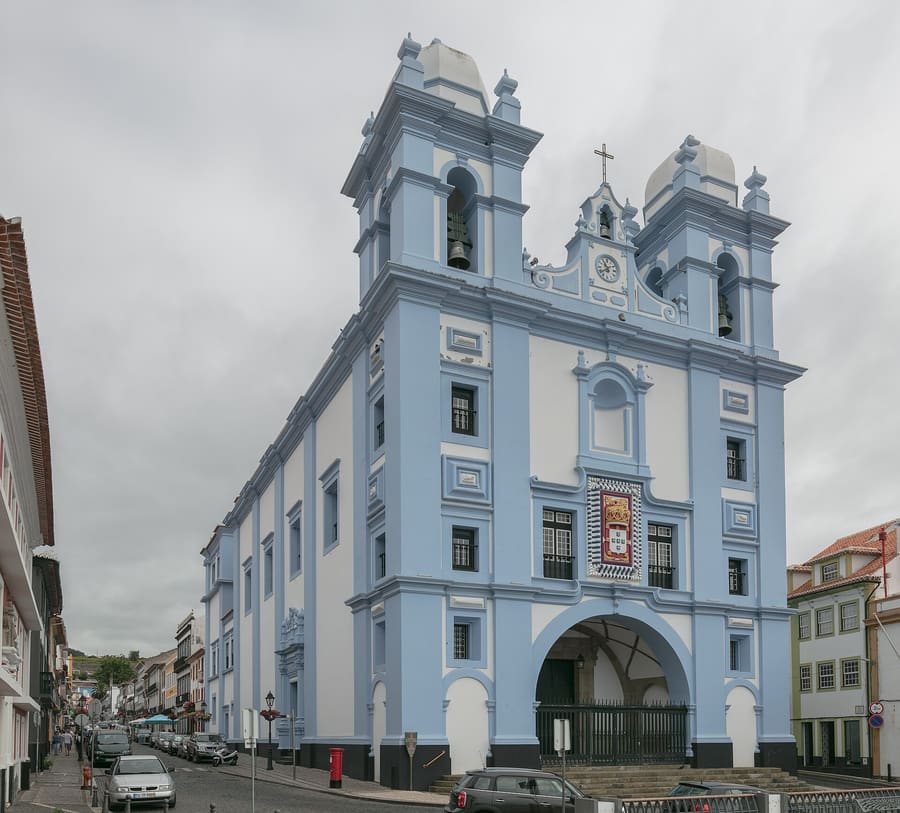
landmark
18th-century blue and white church looking directly over the harbor. Step inside for 18th-century tile panels.
Demander à Parley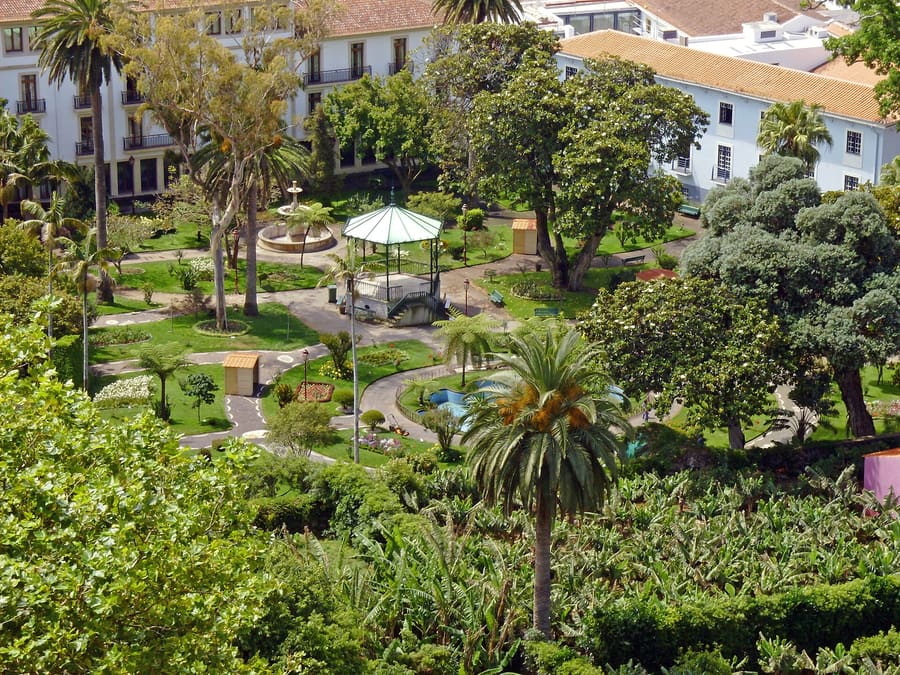
landmark
Terraced botanical garden climbing toward the upper town. Free admission and deep shade on hot afternoons.
Demander à Parley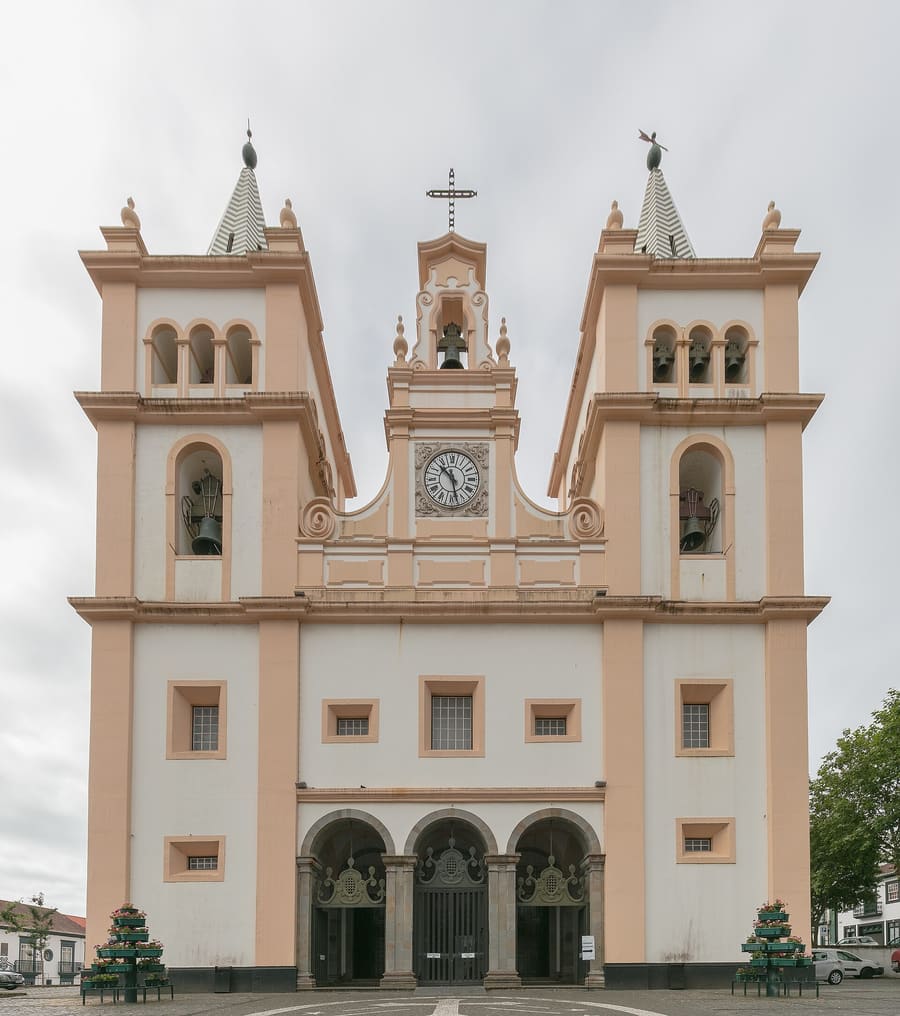
landmark
16th-century cathedral with silver altars and cedar wood ceilings. Pay €2 to climb the north bell tower.
Demander à Parleyattractions
areas
Waterfront zone where small fishing craft dock next to the marina and a calm beach cove.
À proximitéIgreja da Misericórdia, marina boardwalk
Demander à ParleyResidential district west of the centre, lined with 18th-century noble manors and stone gates.
À proximitéFortaleza de São João Baptista, Monte Brasil trailheads
Demander à ParleyCoastal suburb focused on a volcanic rock ocean pool used by year-round sea swimmers.
À proximitéZona Balnear da Silveira, Carvão bay
Demander à ParleyHistoric grid of cobblestone streets, whitewashed facades, and bakeries around Praça Velha.
À proximitéSé Catedral, Jardim Duque, local lunch spots
Demander à Parleyfood
Terceira’s signature dish is Alcatra à Moda da Terceira, beef shoulder or rump slow-cooked for hours inside a glazed earthenware pot (alguidar). The meat marinates in red wine, bacon, garlic, allspice, and cloves until it collapses at the touch of a fork. Local taverns season new clay pots by soaking them in fat to prevent cracking inside a wood-burning oven.You eat Alcatra with massa sovada, a slightly sweet, yellow egg bread used to mop up the spiced wine gravy. Modern restaurants also serve fish variations made with wreckfish or conger eel, but traditional beef remains the local standard. Order cheese from neighboring São Jorge Island to start your meal; it comes served with crushed red pepper paste (pimenta da terra).
A single order of Alcatra (€14–18) easily feeds two people when accompanied by bread and side potatoes.
Stop at this Rua de São João bakery for Dona Amélia cakes, spiced with cinnamon and molasses.
Order lapas grelhadas (grilled limpets with garlic butter) along the harbor at Porto de Pipas.
history
Angra was founded in 1450 on a natural bay protected by the volcanic headland of Monte Brasil. Its geographical position made it the crucial Atlantic refreshment port for Portuguese caravels and Spanish galleons returning from India, Brazil, and the Americas with gold, silver, and spices.During the Liberal Wars of the 1830s, Angra served as the temporary capital of Portugal under King Pedro IV. The city survived a magnitude 6.9 earthquake on January 1, 1980, which destroyed over half its buildings. Residents spent three decades restoring the historic quarter using original lime mortar, stone masonry, and timber framing.
Town founded
Álvaro Martins leads initial settlement, establishing a anchorage in the sheltered southern bay.
Diocese created
Pope Paul III elevates Angra to city status and seat of the Azorean bishopric.
Spanish rule
Philip II of Spain completes the conquest of Terceira and begins building the massive fortress on Monte Brasil.
Major earthquake
A severe earthquake strikes Terceira, triggering nationwide historic preservation efforts.
UNESCO designation
Angra do Heroísmo becomes the first location in the Azores named a World Heritage site.
where to stay
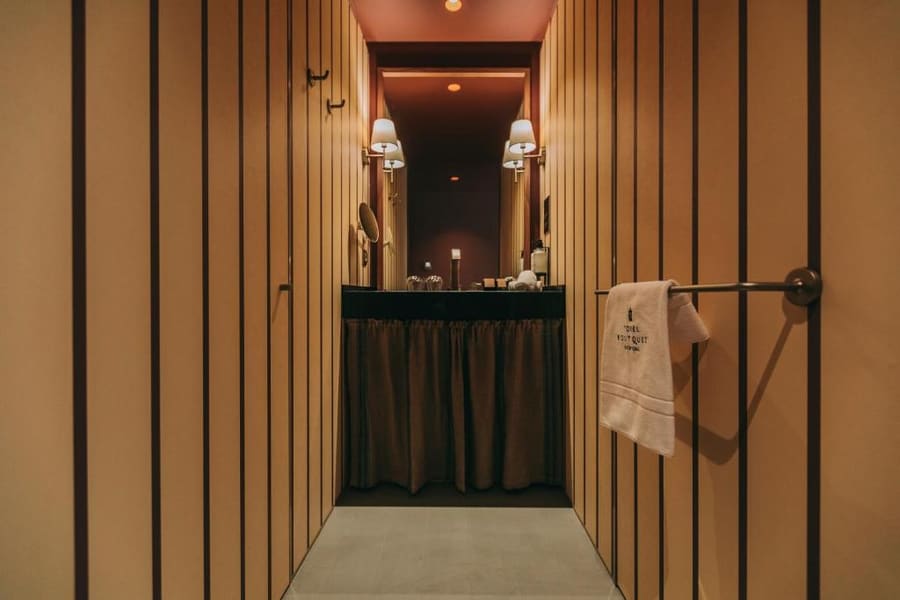
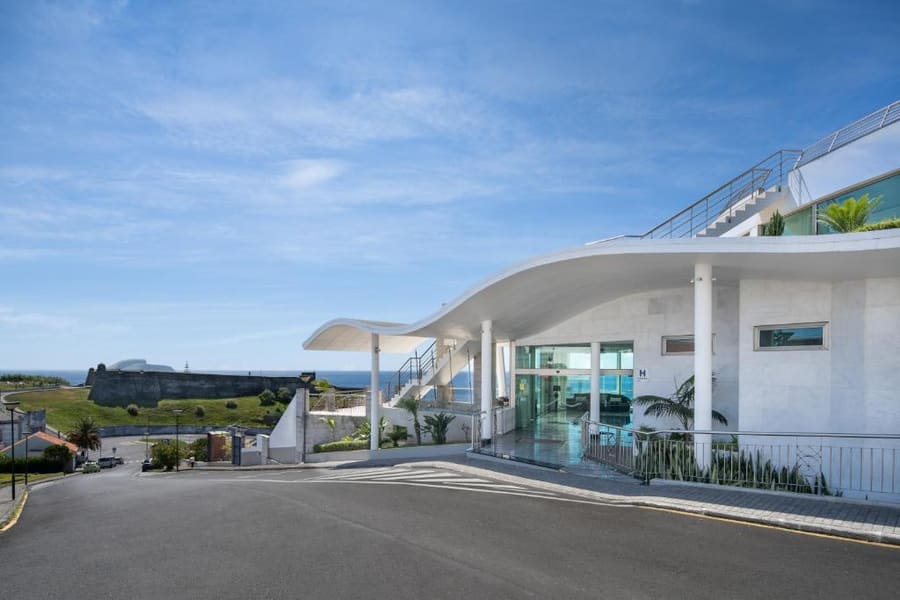
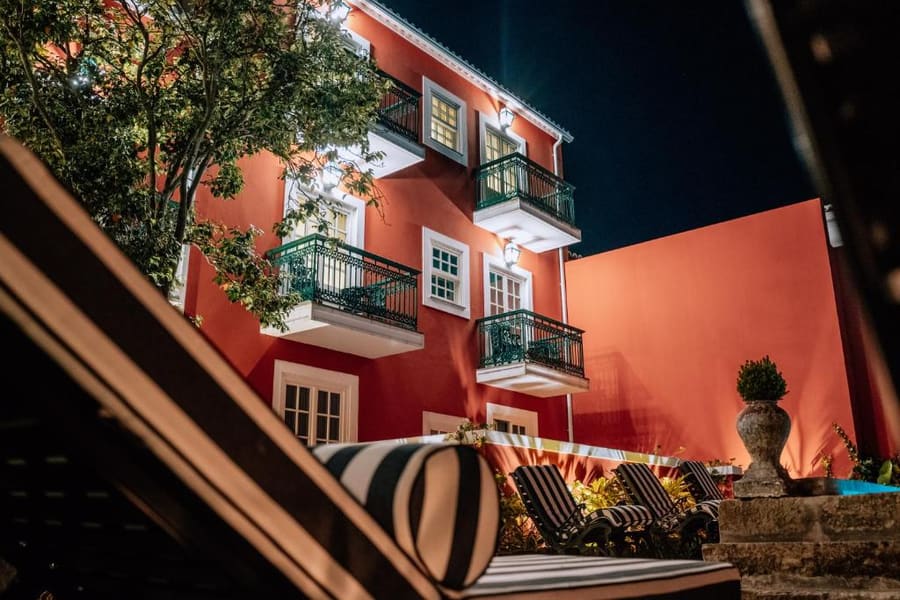
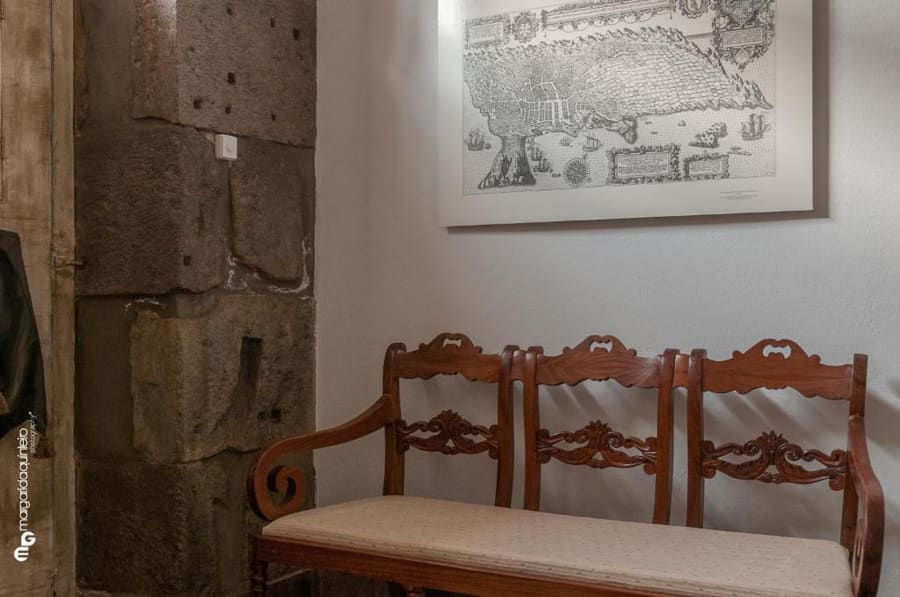
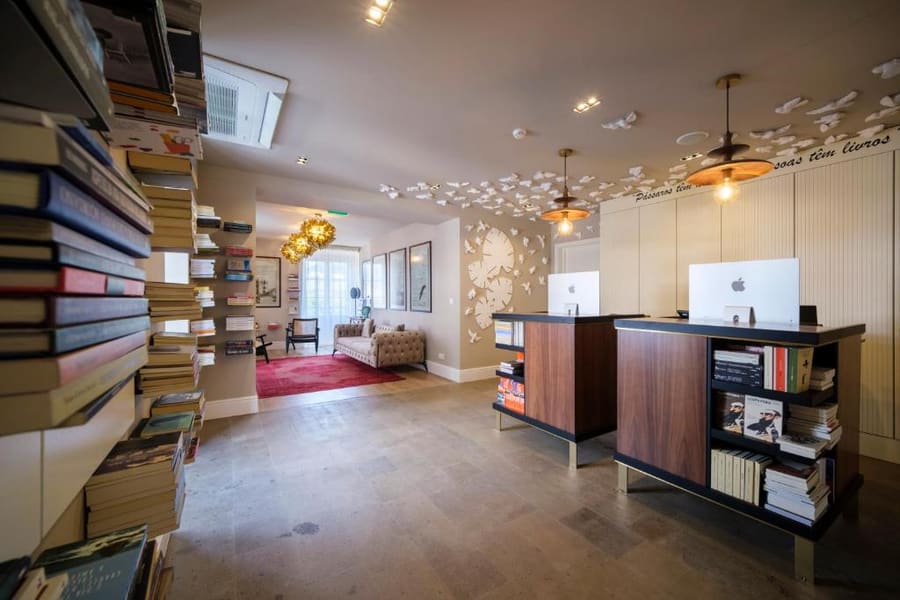
Choose your base depending on whether you want instant access to historic sights or fast access to the ocean. Staying in the historical grid places bakeries, churches, and dinner spots right outside your front door, but parking can prove difficult in narrow streets. Staying along the western coastal strip in Silveira trades urban walkability for larger hotel rooms, swimming platforms, and easier car rental parking.
Live rates, matched to the areas above.
transport
Inside Angra, walking is the only sensible option. Streets are narrow, steep, and paved with smooth basalt stones that get slippery in light rain. If you intend to explore the rest of Terceira Island—such as the volcanic lava tubes or northern natural pools—renting a car at Lajes Airport is essential, as island bus routes run infrequently.
Depuis Lajes Airport (TER)
Standard tariff to central hotels; driver puts luggage in trunk at no extra charge.
Line 2 runs hourly on weekdays between airport and Praça Velha; sparse weekend service.
Pre-book if arriving on late-night flights from Lisbon.
Wear rubber-soled shoes. Smooth basalt cobblestones offer low traction when damp.
The electric Citybus loop runs around the city perimeter for €0.50 per ride.
Paid street parking in Baixa operates Monday–Friday 08:00–19:00. Pay via cash at meters.
Collect rental cars directly at TER airport; town agencies have limited vehicle stock.
cost
Angra do Heroísmo remains affordable compared to mainland Portugal and major European cities. Food costs are modest, especially when ordering local beef, dairy, and table wines produced on the island.
Generous serving of slow-cooked beef in a clay pot at traditional taverns.
Standard price for an bica across central bakeries.
Local spice cake sold at bakeries around Praça Velha.
Single ticket price depending on urban versus regional routes.
seasonality
JUN – AUG
Warmest ocean temperatures (22°C) and dry weather. Sanjoaninas festival fills late June with street parades.
SEP – OCT
Sea remains warm enough for swimming. Crowds drop off sharply after early September.
NOV – FEB
Rainy and windy conditions dominate. Prices drop but mountain hiking trails get muddy.
MAR – MAY
Spring flowers bloom in botanical gardens. Weather shifts unpredictably between rain and sun.
practicalities
Most central shops and family-run restaurants close entirely on Sundays.
Portuguese Multibanco debit cards are universal; keep €10–20 cash for small cafes that reject international Visas.
Book accommodations 6 months ahead if visiting during the 10-day mid-June festival honoring St. John.
Swim only in designated areas like Silveira; ocean currents around the harbor mouth are strong.
Check webcam feeds (SpotAzores) before driving up to inland hiking trails to ensure clear visibility.