landmark
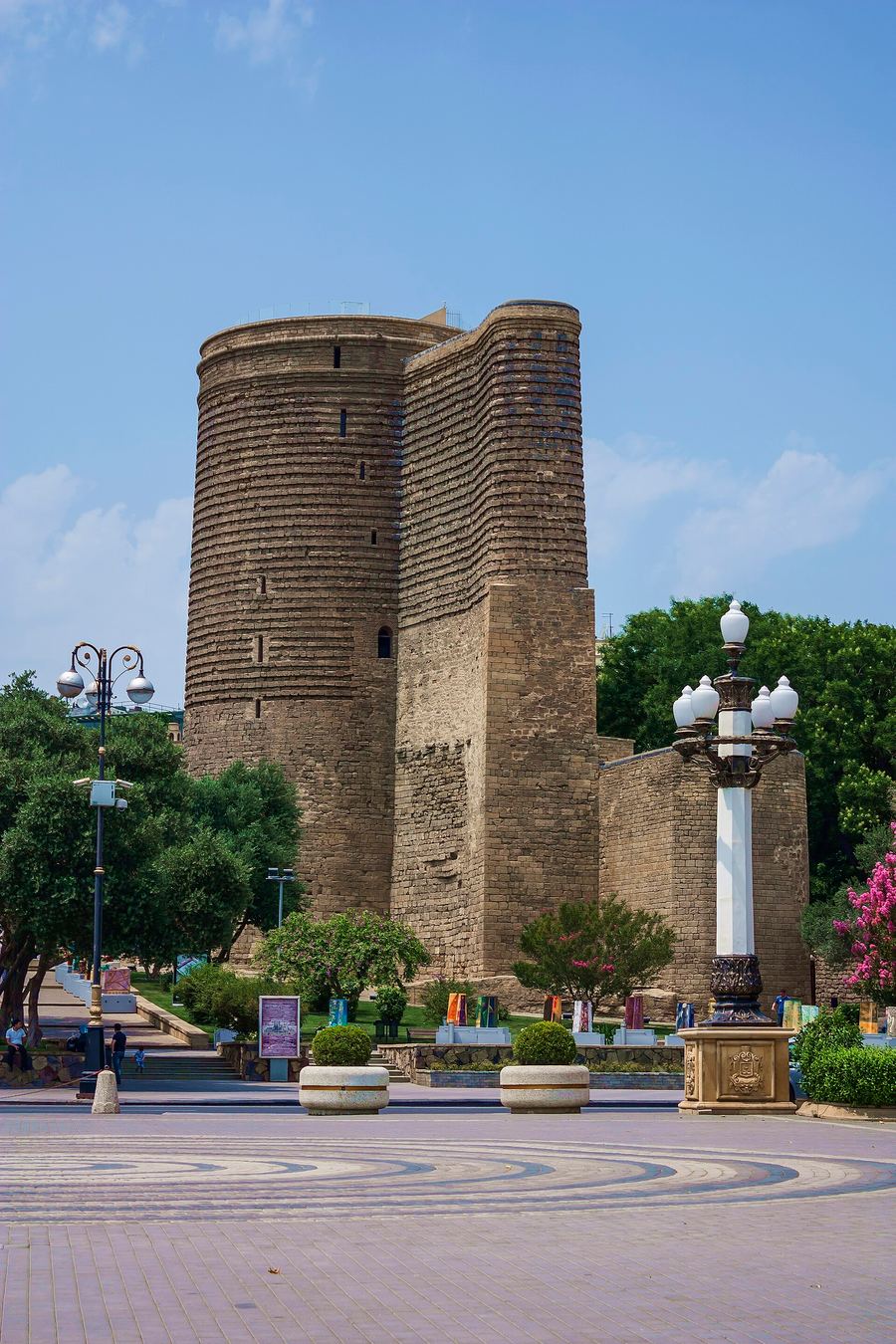
Maiden Tower
Twelfth-century stone cylinder with views over the bay. Buy a ticket early to beat tour groups.
Demander à ParleyAzerbaïdjan
Caspian oil wealth, Soviet gridlines, and medieval stone.
introduction
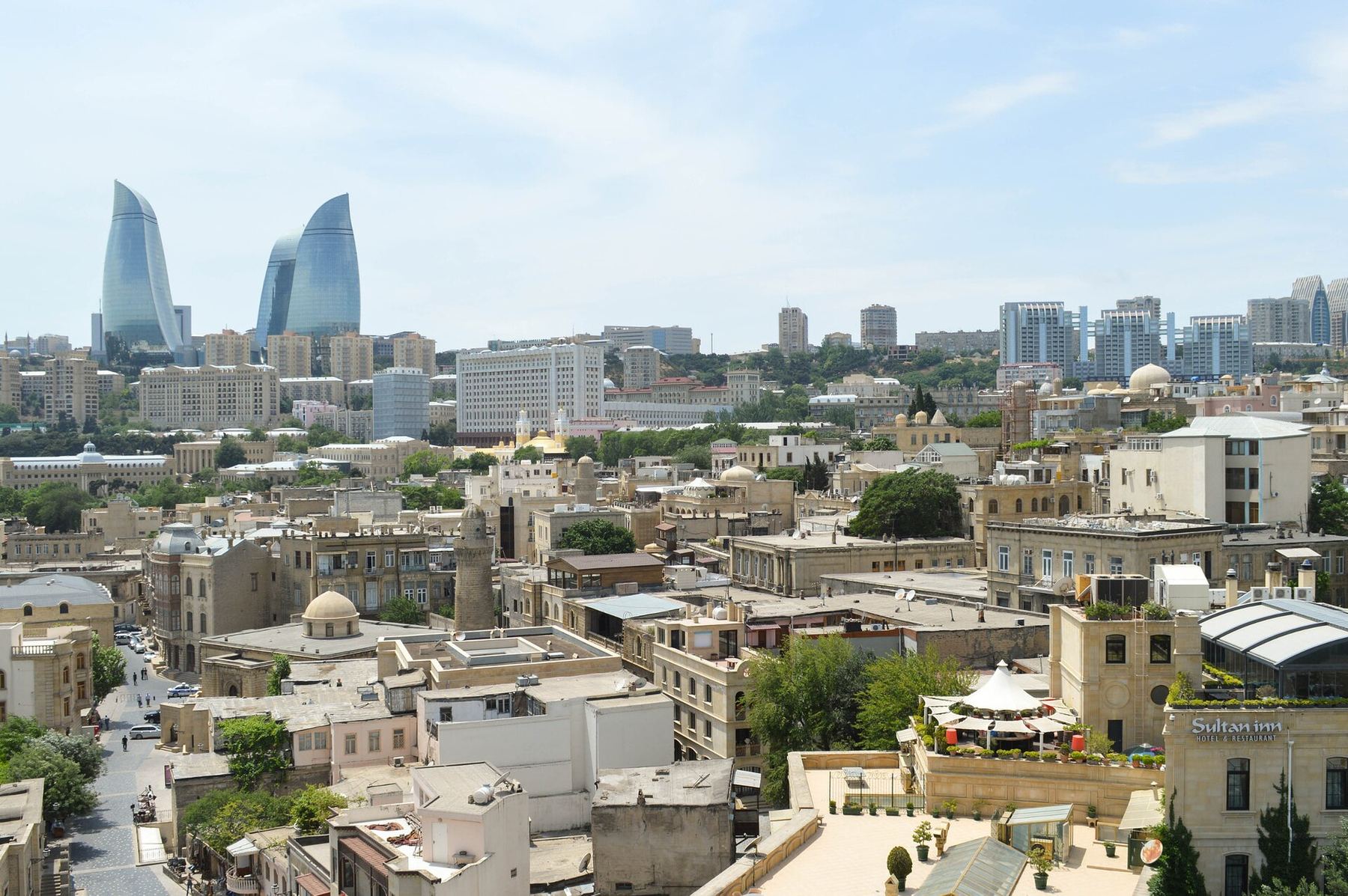
Baku stretches along a curved Caspian bay where oil capital funds glass skyscrapers beside twelfth-century stone walls. Wind is a constant presence that clears winter haze and cools summer evenings. You move between compact medieval alleys and vast Soviet avenues by subway or cheap ride-hailing apps. The city demands a pace that suits long tea drinkings and late-night dinners.
UNESCO recognition
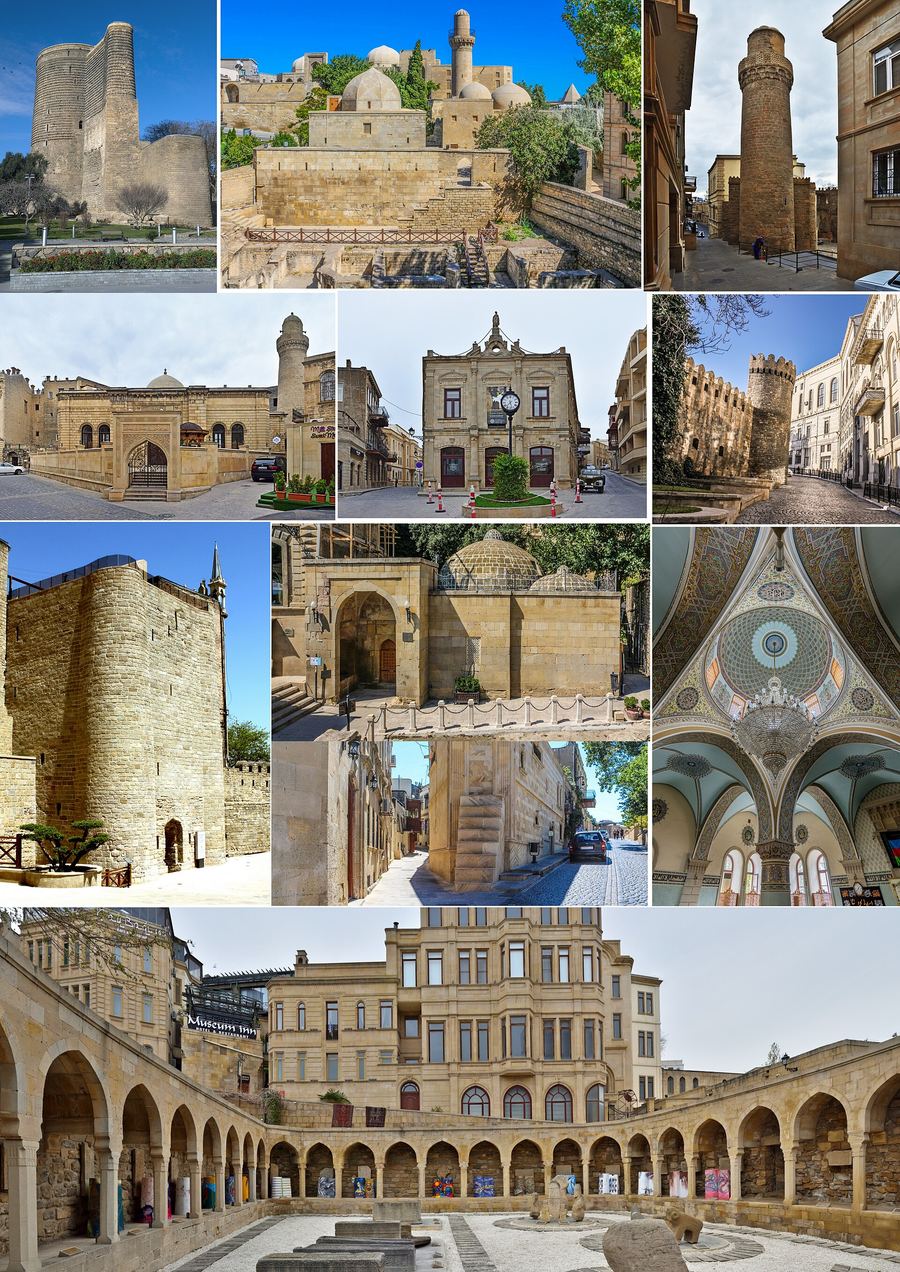
Icherisheher and the Shirvanshah Palace gained UNESCO listing in 2000. Restoration work keeps stone facades pristine.
Baku
Sefer azeri · CC BY-SA 4.0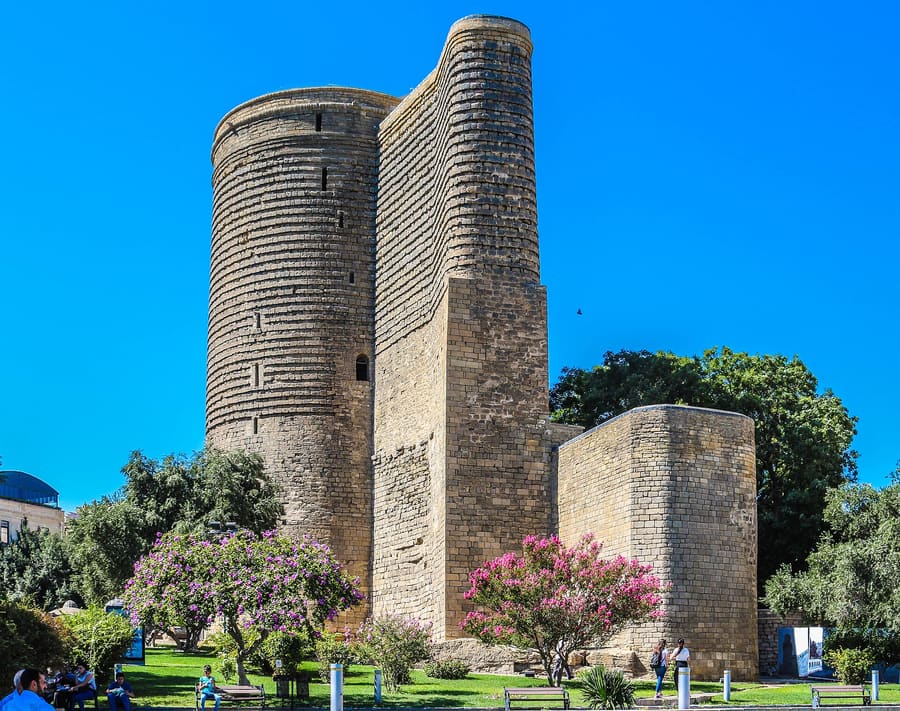
Icherisheher — Enclosed medieval stone quarter with steep alleys and quiet courtyard tea houses.
Sefer azeri · CC BY-SA 4.0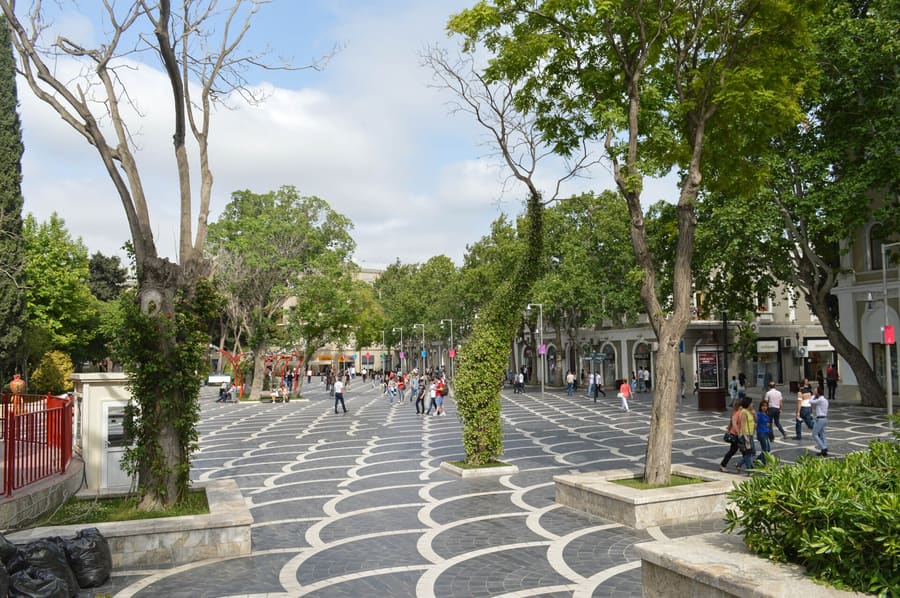
Fountains Square — Pedestrian heart filled with outdoor cafes, street performers, and late-night dining.
Francisco Anzola · CC BY 3.0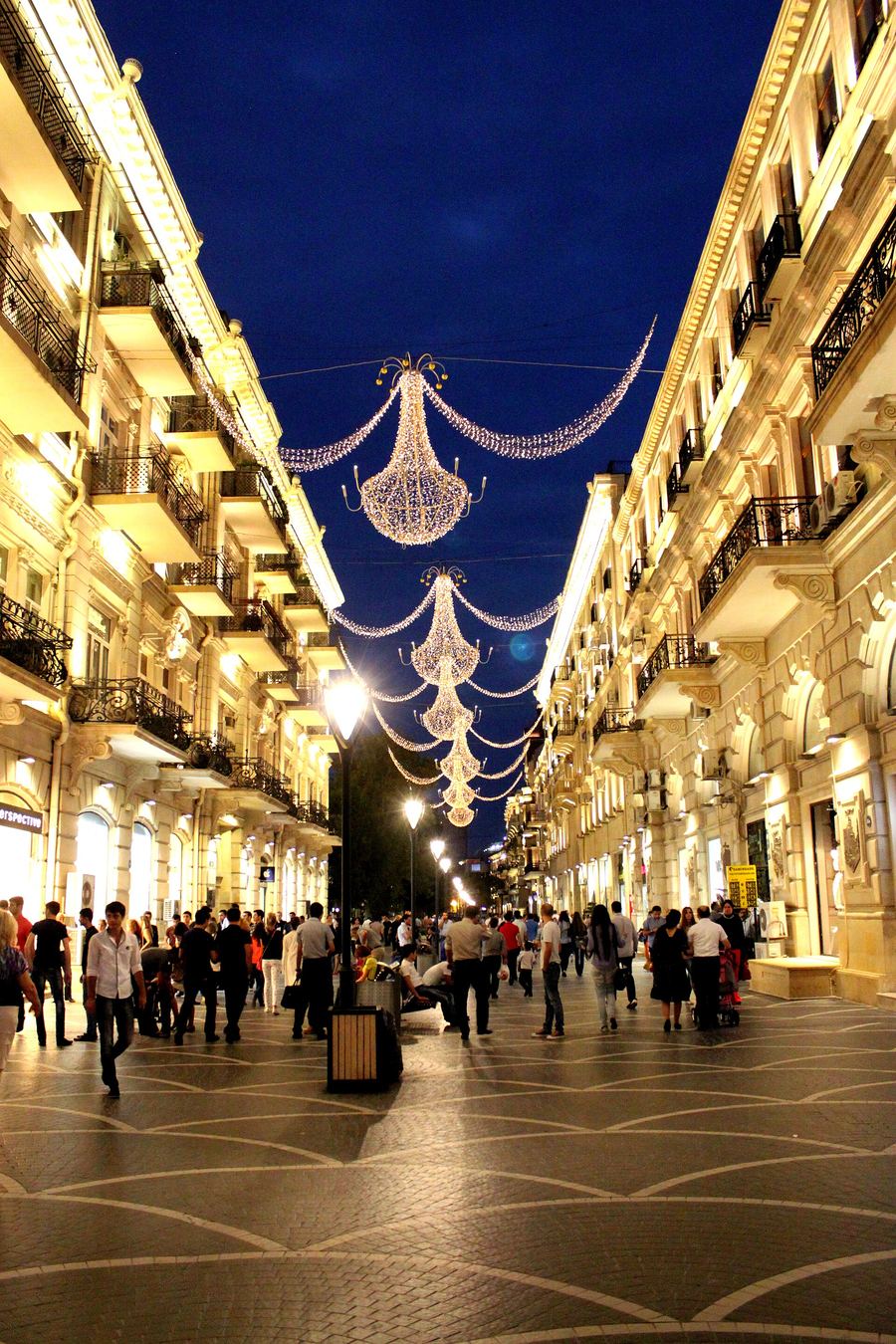
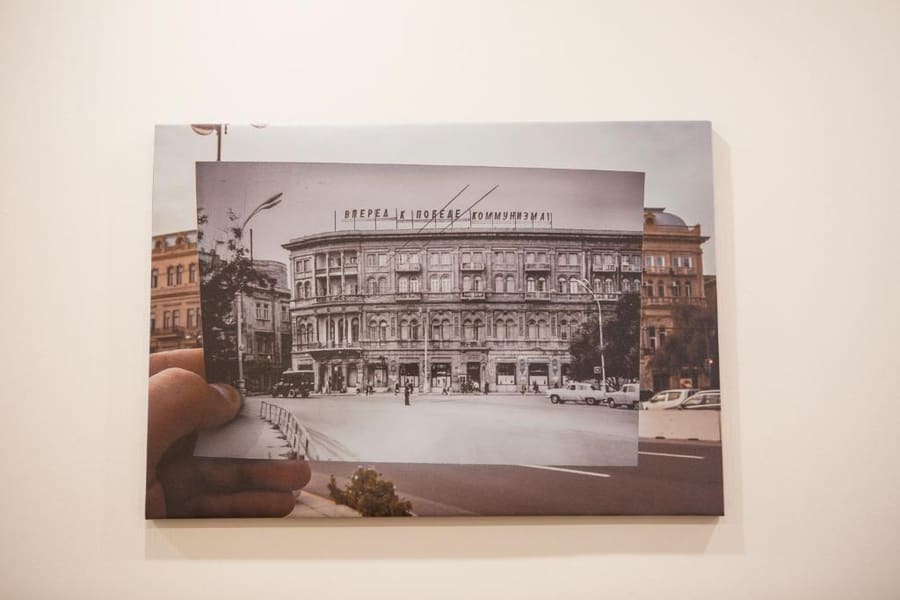
Nasimi — Soviet-era blocks, grand 19th-century oil-boom architecture, and 28 May transit hub.
Urek Meniashvili · CC BY-SA 3.0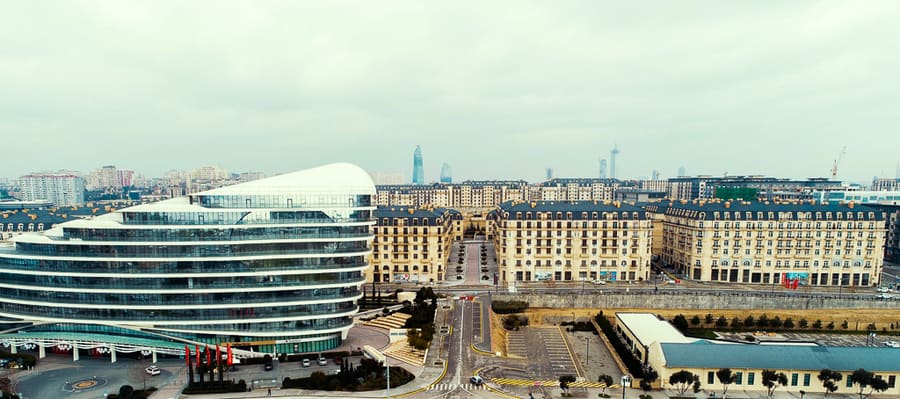
Port Baku — Sleek waterfront district with glass residential towers, high-end malls, and paved plazas.
Presidential Press and Information Office · CC BY 4.0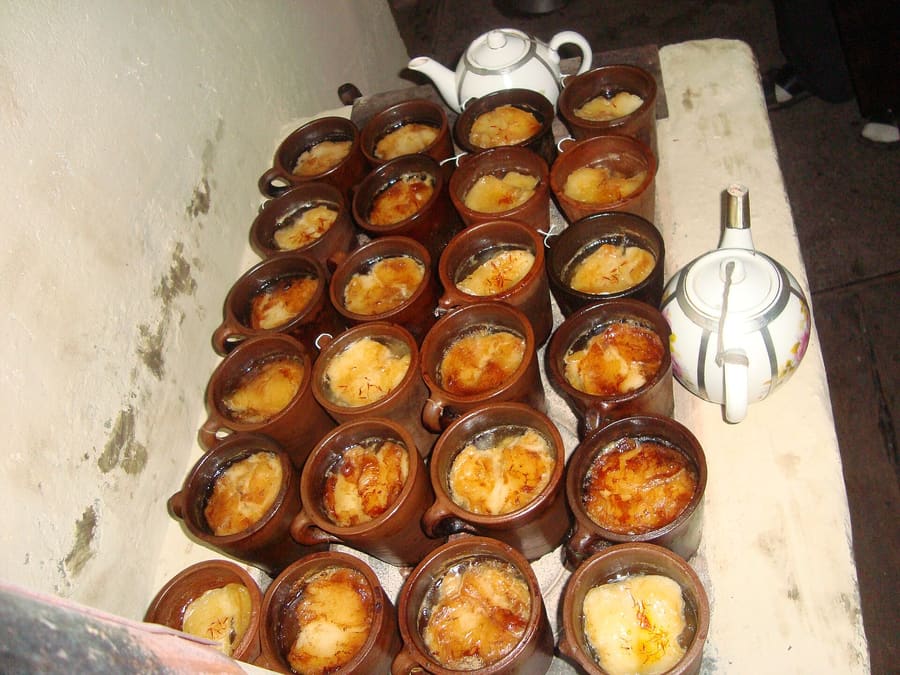
Piti stew served in individual earthenware pots at traditional Baku teahouses.
Самый древний · Public domainhighlights
landmark
Twelfth-century stone cylinder with views over the bay. Buy a ticket early to beat tour groups.
Demander à Parley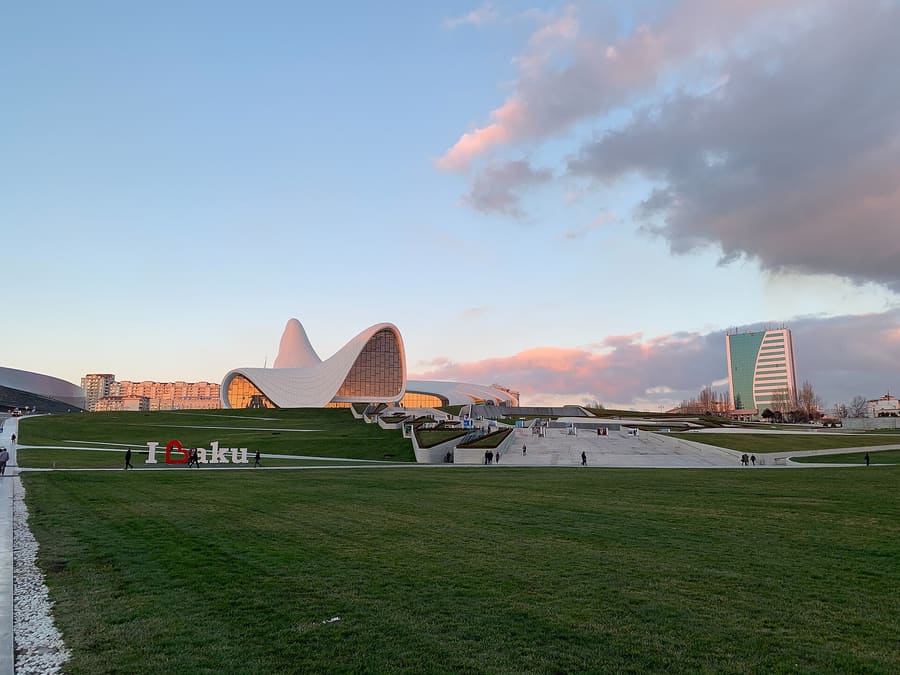
landmark
Zaha Hadid's fluid white complex houses exhibition halls. The park grounds are free to walk daily.
Demander à Parley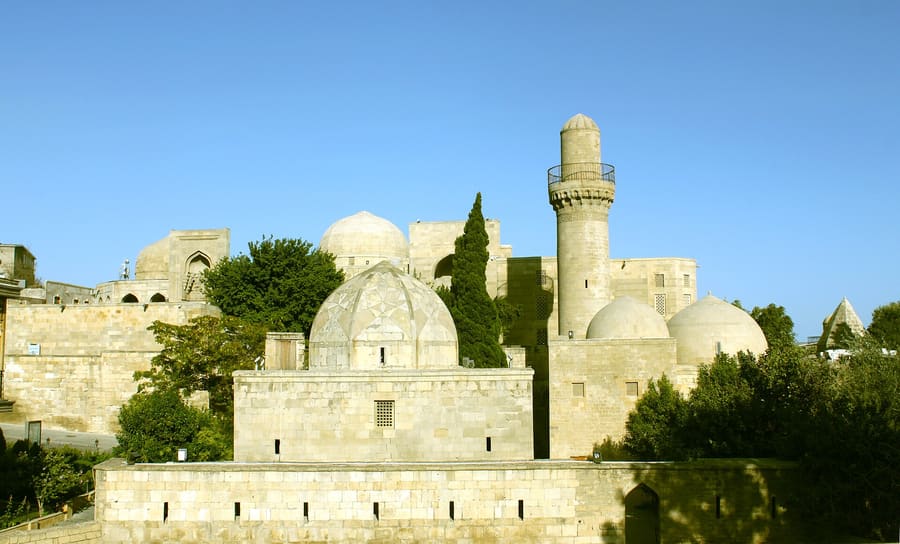
landmark
Fifteenth-century royal complex built from limestone. Look for the carved calligraphic panels on the mausoleum.
Demander à Parley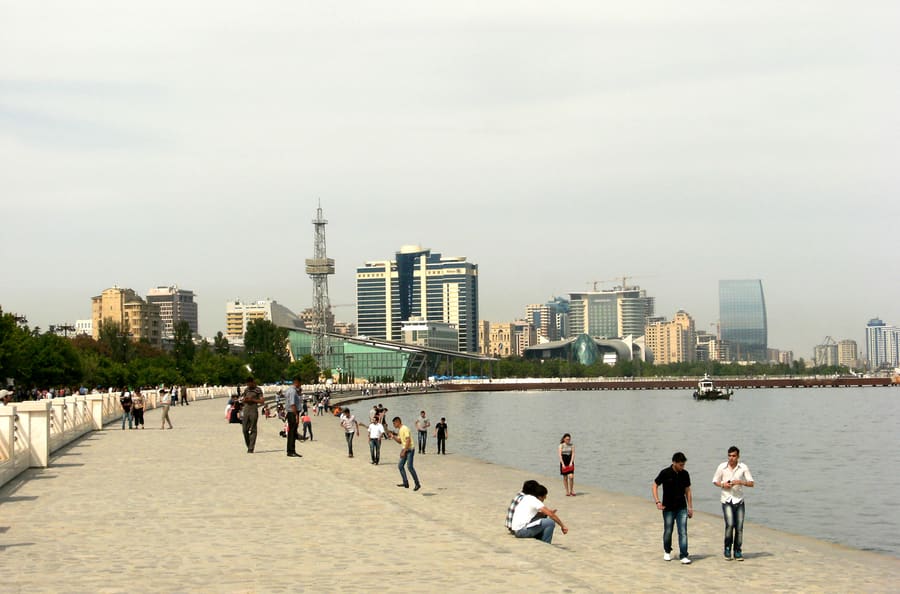
landmark
Promenade extending over three kilometers along the Caspian waterfront. Rent a bike or walk the shaded pine paths.
Demander à Parleyattractions
areas
Enclosed medieval stone quarter with steep alleys and quiet courtyard tea houses.
À proximitéMaiden Tower and Shirvanshah Palace.
Demander à ParleyPedestrian heart filled with outdoor cafes, street performers, and late-night dining.
À proximitéNizami Street shopping and Baku Boulevard.
Demander à ParleySoviet-era blocks, grand 19th-century oil-boom architecture, and 28 May transit hub.
À proximité28 May Rail Station and Yashil Bazar.
Demander à ParleySleek waterfront district with glass residential towers, high-end malls, and paved plazas.
À proximitéCaspian Sea promenade and modern dining hubs.
Demander à Parleyfood
Baku dining centers on slow-cooked meat, fresh herbs, and clay-oven breads. Caspian sturgeon and dushbara soup are traditional staples in city taverns. Tea arrives in armudu glasses with cherry preserve, served continuously throughout the meal.
Piti stew served in individual earthenware pots at traditional Baku teahouses.
Самый древний · Public domainTeaspoon-sized dumplings served in saffron broth. Authentic places aim for twelve dumplings per spoon.
Rice, dried fruits, and lamb cooked inside a sealed lavash crust. Order this dish two hours ahead at traditional restaurants.
Flatbreads stuffed with minced lamb, greens, or pumpkin. Eat them hot with sumac from street griddles near Icherisheher.
history
Baku grew from a medieval Caspian port governed by the Shirvanshah dynasty into the world's first industrial oil city by 1900. Russian conquest and Soviet planning reshaped its urban layout with wide grand avenues and underground transit.
Fortress Walls
The Shirvanshahs establish Baku as their capital and construct the Maiden Tower.
First Oil Boom
Imperial Russia permits private oil drilling, turning Baku into a global petroleum hub.
Soviet Era
Red Army forces enter Baku, transforming oil fields into state assets for seventy years.
Independence
Azerbaijan gains independence, leading to modern offshore oil contracts and skyline growth.
where to stay
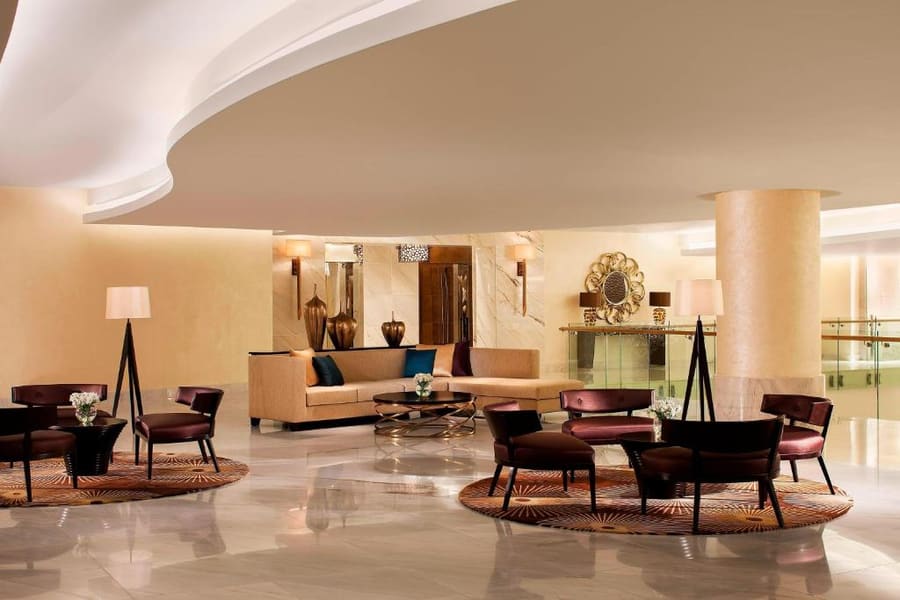
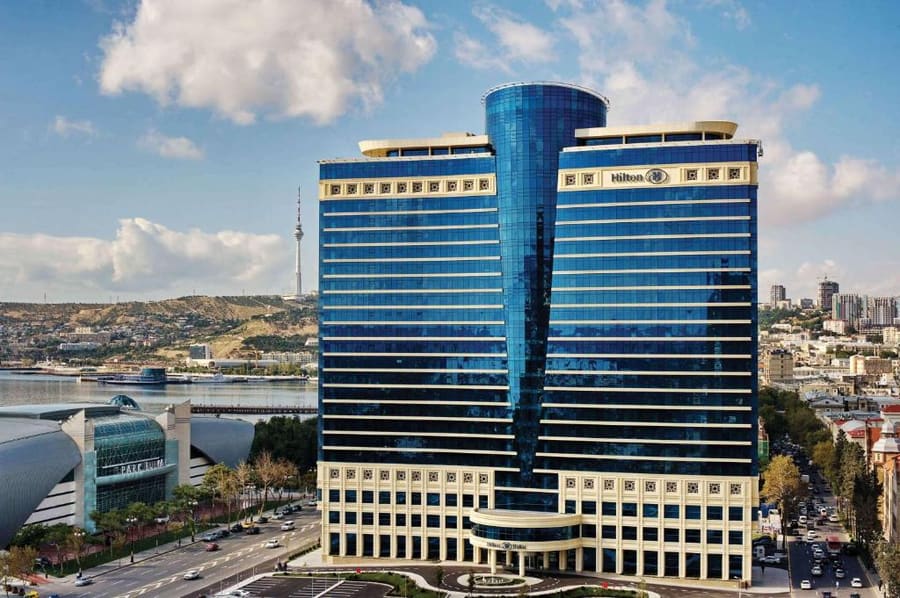
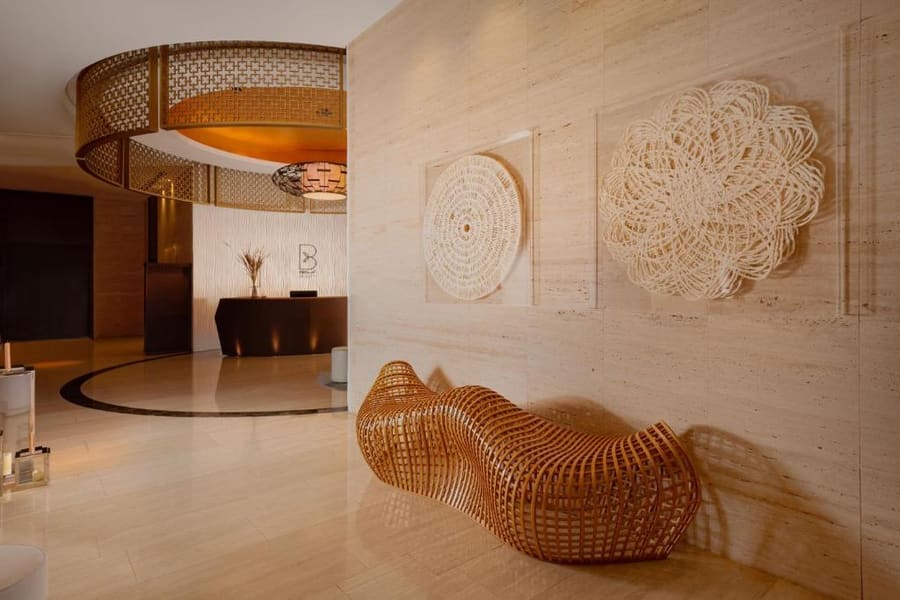
Choose your base by how you prefer to navigate. Pedestrians benefit from staying near Fountains Square or inside the Old City walls. Corporate travelers and luxury seekers often head to the modern Port Baku waterfront.
Live rates, matched to the areas above.
transport
Central Baku is easily traversed on foot or by ride-hailing apps. The metro system connects major transit hubs cheaply, while modern BakuBus vehicles handle surface street connections.
Depuis Heydar Aliyev International Airport (GYD)
Aeropress express bus runs every 30 minutes straight to 28 May Station.
Bolt operates widely; pick up at the outer curb outside arrivals.
Book via app inside arrival hall to avoid unmetered street taxi rates.
Ride-hailing is reliable across central Baku. Set payment in app to avoid driver cash arguments.
Broad avenues lack mid-block crossings. Use marked underground pedestrian underpasses to cross major roads.
cost
Baku is affordable compared to Western European capitals. Street snacks and transit are low-cost, while high-end waterfront dining matches international hotel pricing.
Fresh herb or lamb stuffed bread prepared on a hot iron griddle.
Slow-cooked lamb broth served with chickpea mash at local teahouses.
Flat fare per entry across the underground transit network.
Pot of black tea with lemon slices and cherry preserves in armudu glass.
seasonality
MAR – MAY
Mild temperatures and green parks. Spring wind can be strong off the Caspian.
JUN – AUG
Hot and dry with highs exceeding 35°C. Evenings stay warm along the Bulvar promenade.
SEP – NOV
Clear skies and comfortable temperatures make autumn ideal for city walking.
DEC – FEB
Cold coastal winds and overcast days. Hotel rates fall to seasonal lows.
practicalities
Baku operates on UTC+4 with no seasonal daylight savings changes.
Azerbaijani is the official language. Russian is widely understood; English is common with youth.
Card payments work in hotels and restaurants, but cash is mandatory for markets and small tea shops.
Baku is known as the City of Winds. Heavy gusts can appear abruptly year-round.
Tap water is safe for washing but bottled water is recommended for drinking.