landmark
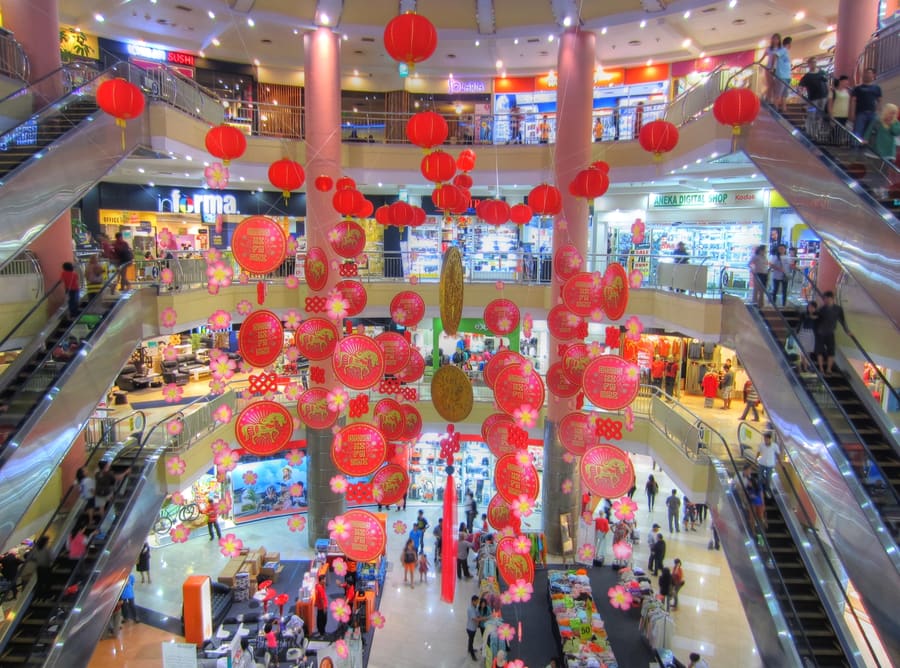
Grand Metropolitan Mall
A major retail and dining complex on Kalimalang. Air-conditioned escape when afternoon temperatures peak.
Demander à ParleyIndonésie
West Java's commuter engine and culinary crossroads.
introduction
Bekasi sits directly east of Jakarta along the main West Java transit corridor. Tens of thousands of workers commute into the capital daily via the KRL Commuterline rail. Commercial malls and quiet traditional markets share the same arterial roads. You visit Bekasi for regional Sundanese and Betawi food, industrial heritage, and easy rail access to Greater Jakarta.
Arrival via KRL train
Take the KRL Commuterline Cikarang Line from Manggarai Station in Jakarta. The journey costs IDR 3,000 and avoids toll road traffic jams.
Tarumanagara heritage
Bekasi was an administrative center of the 5th-century Tarumanagara Kingdom. The 5th-century Tugu Inscription documents early canal construction in the area.
Sunday Car-Free Day
Jalan Ahmad Yani closes to motorized vehicles every Sunday from 06:00 to 09:00. Pedestrians and breakfast stalls occupy the main thoroughfare.
Bekasi
RasyaAbhirama13 · CC BY-SA 4.0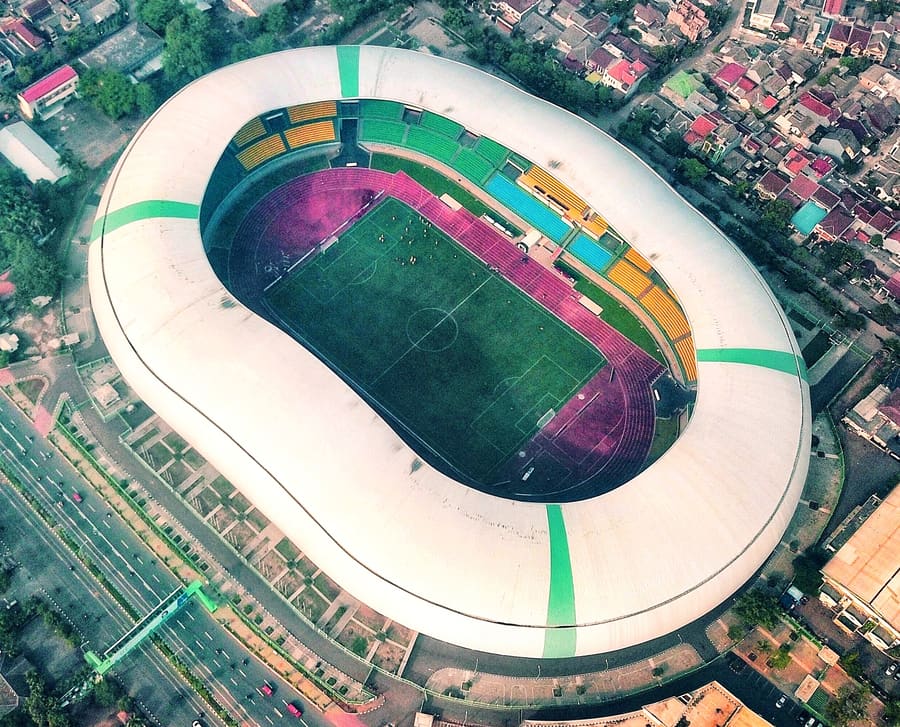
South Bekasi — Modern shopping hub around Pekayon and Jalan Ahmad Yani with contemporary hotels.
Garybhaztara · CC BY-SA 4.0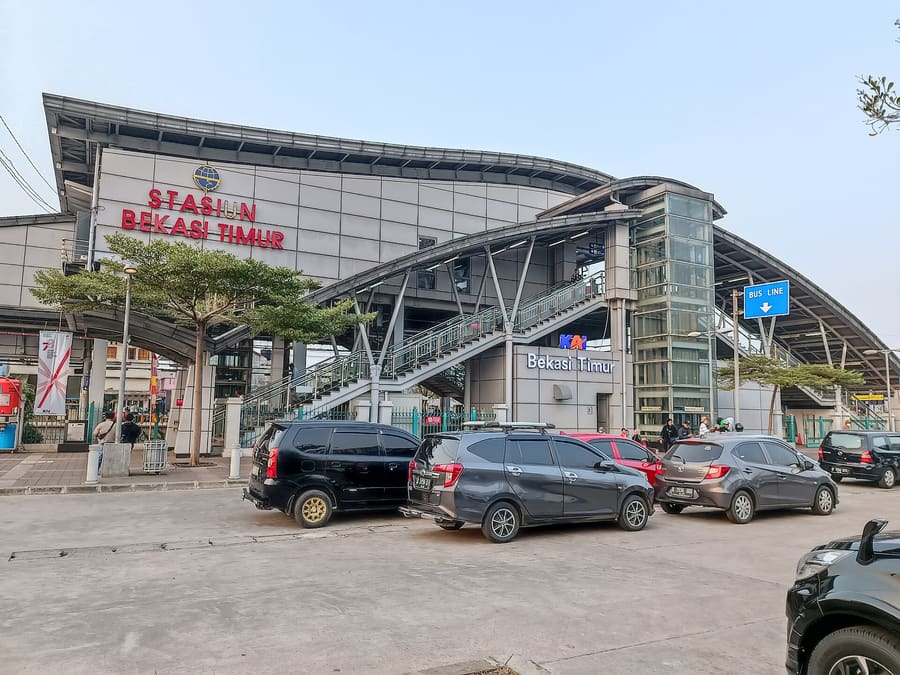
East Bekasi — Historic urban core around Pasar Proyek and the main railway station.
Fikri RA · CC BY-SA 4.0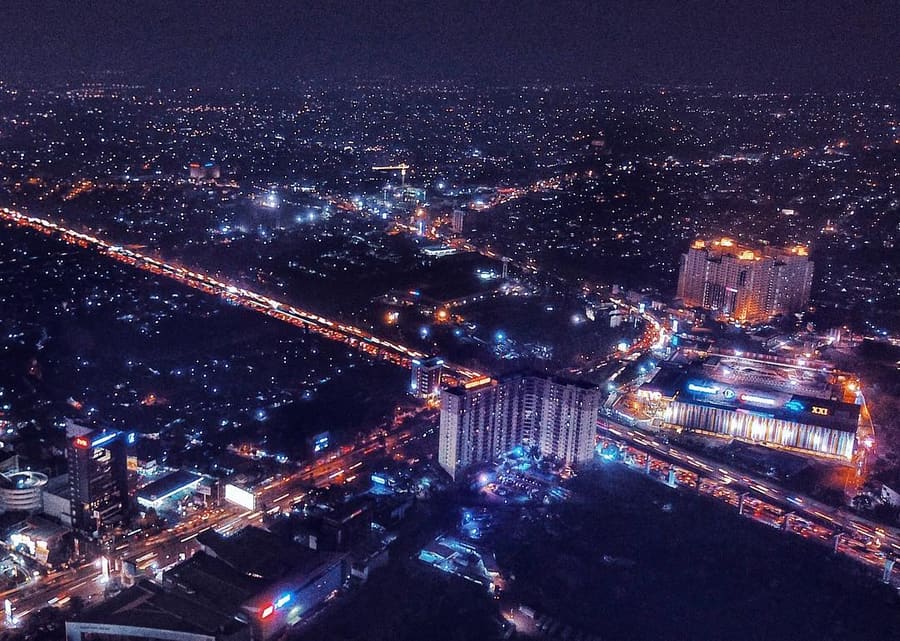
Summarecon Bekasi — Master-planned township north of the tracks with wide avenues and dining plazas.
Garybhaztara · CC BY-SA 4.0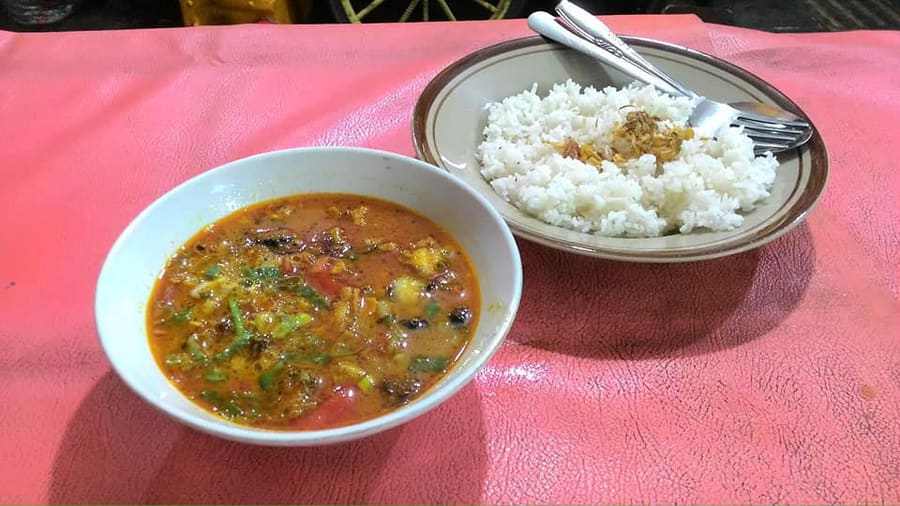
Soto tangkar served with fresh lime wedge and crushed emping crackers.
Gunawan Kartapranata · CC BY-SA 4.0highlights
landmark
A major retail and dining complex on Kalimalang. Air-conditioned escape when afternoon temperatures peak.
Demander à Parley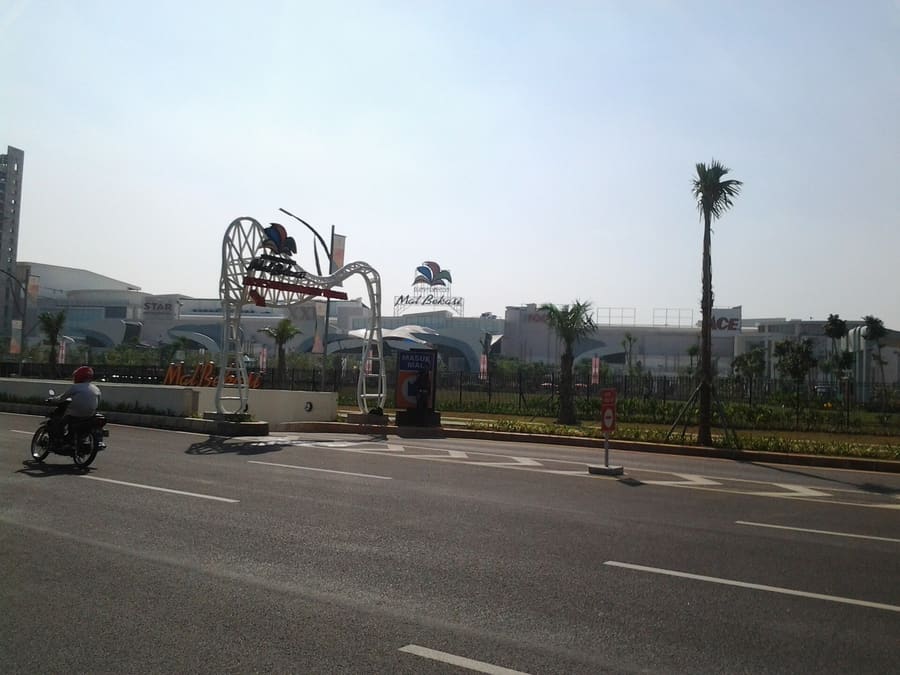
landmark
Open-air dining strip with evening live music. Connected directly to regional bus lines and apartment towers.
Demander à Parley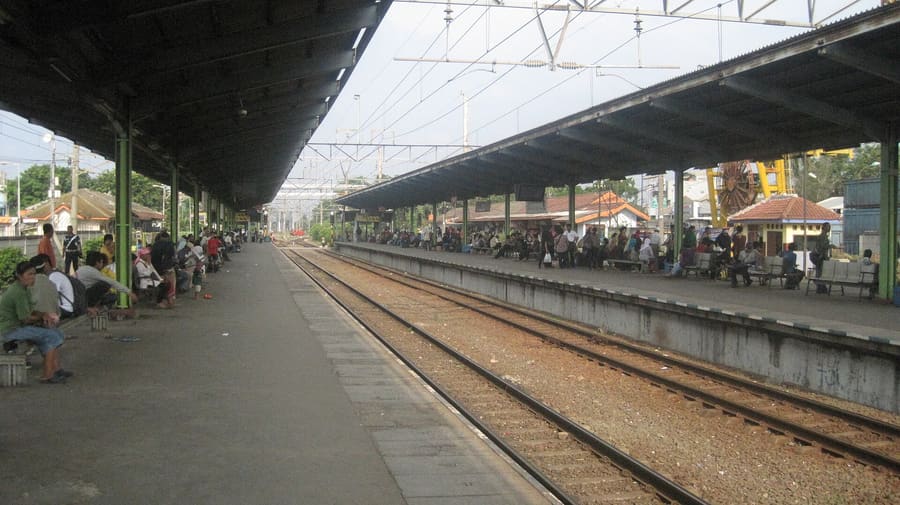
landmark
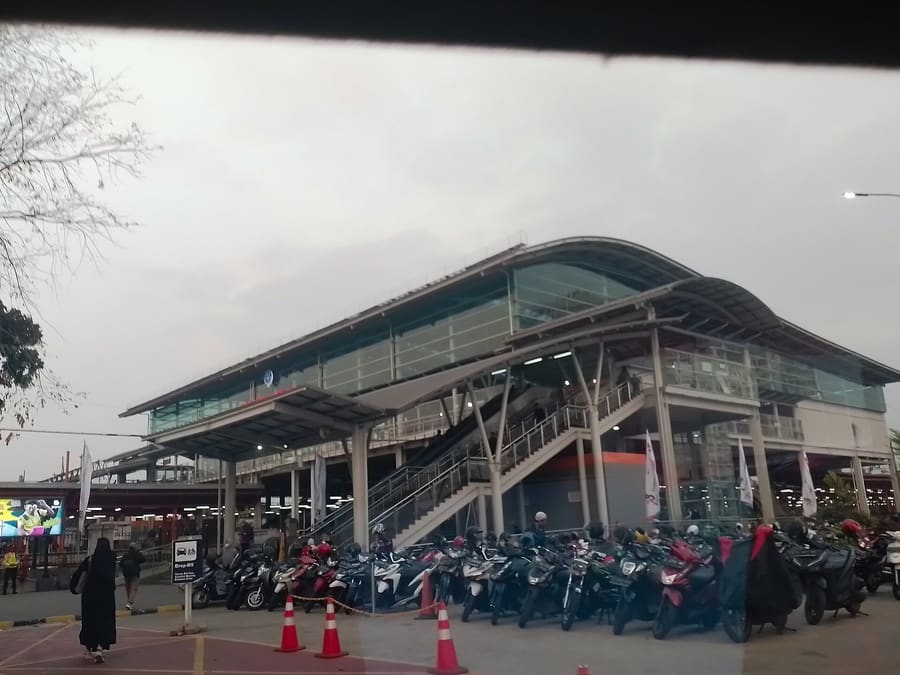
The main railway gateway into Greater Jakarta. Trains run to Central Jakarta every 10 to 15 minutes.
Demander à Parleyattractions
areas
Modern shopping hub around Pekayon and Jalan Ahmad Yani with contemporary hotels.
À proximitéGrand Metropolitan Mall and Kalimalang canal
Demander à ParleyHistoric urban core around Pasar Proyek and the main railway station.
À proximitéKlenteng Hok Lay Kiong and Stasiun Bekasi
Demander à ParleyMaster-planned township north of the tracks with wide avenues and dining plazas.
À proximitéSummarecon Mall and Flyover KH Noer Ali
Demander à ParleyTransit-heavy district bordering East Jakarta with dense commercial activity along toll exits.
À proximitéHalim Perdanakusuma Airport and East Jakarta border
Demander à Parleyfood
Bekasi sits on the border where Sundanese and Betawi culinary traditions meet. You find Betawi dishes like soto tangkar (beef ribs in spiced coconut broth) alongside Sundanese nasi timbel (steamed rice wrapped in banana leaf). Local stalls cook meat over wood fires in ceramic pots along Pasar Proyek street markets.Soto Tangkar Pak Haji Diding is located in Pasar Duri, West Jakarta, rather than near the market in Bekasi, serving broth simmered with turmeric and lemongrass. Order it with a side of fried lungs or beef marrow. For snack stalls, look for kue rangi, a cassava starch waffle grilled over coconut husks and drizzled with liquid palm sugar.
Soto tangkar served with fresh lime wedge and crushed emping crackers.
Gunawan Kartapranata · CC BY-SA 4.0Soto tangkar vendor stalls around Pasar Proyek open at 06:00 and sell out of prime cuts by 10:00.
Bekasi street food uses raw bird's eye chili sambal. Ask for sambal terpisah to get chili served on the side.
Small street vendors take cash or Indonesian QRIS digital payments. Credit cards work only in major malls.
history
In the 5th century, Bekasi was known as Dayeuh Sundapura, capital of the Tarumanagara Kingdom. King Purnawarman ordered the digging of the Chandrabhanga Canal to control annual river flooding. The city's modern name derives from Chandrabhanga, which shifted phonetically through Sundanese to Bekasi.
Tarumanagara Era
become capital of Tarumanagara kingdom; Tugu Inscription records major river canal construction.
Colonial Estates
Dutch authorities establish private agricultural estates (particuliere landerijen) across the Bekasi plain.
Revolutionary Front Line
Bekasi becomes a major military staging ground for Indonesian forces fighting Allied reoccupation.
Industrial Expansion
Industrial zones expand rapidly as manufacturing shifts east from central Jakarta.
where to stay
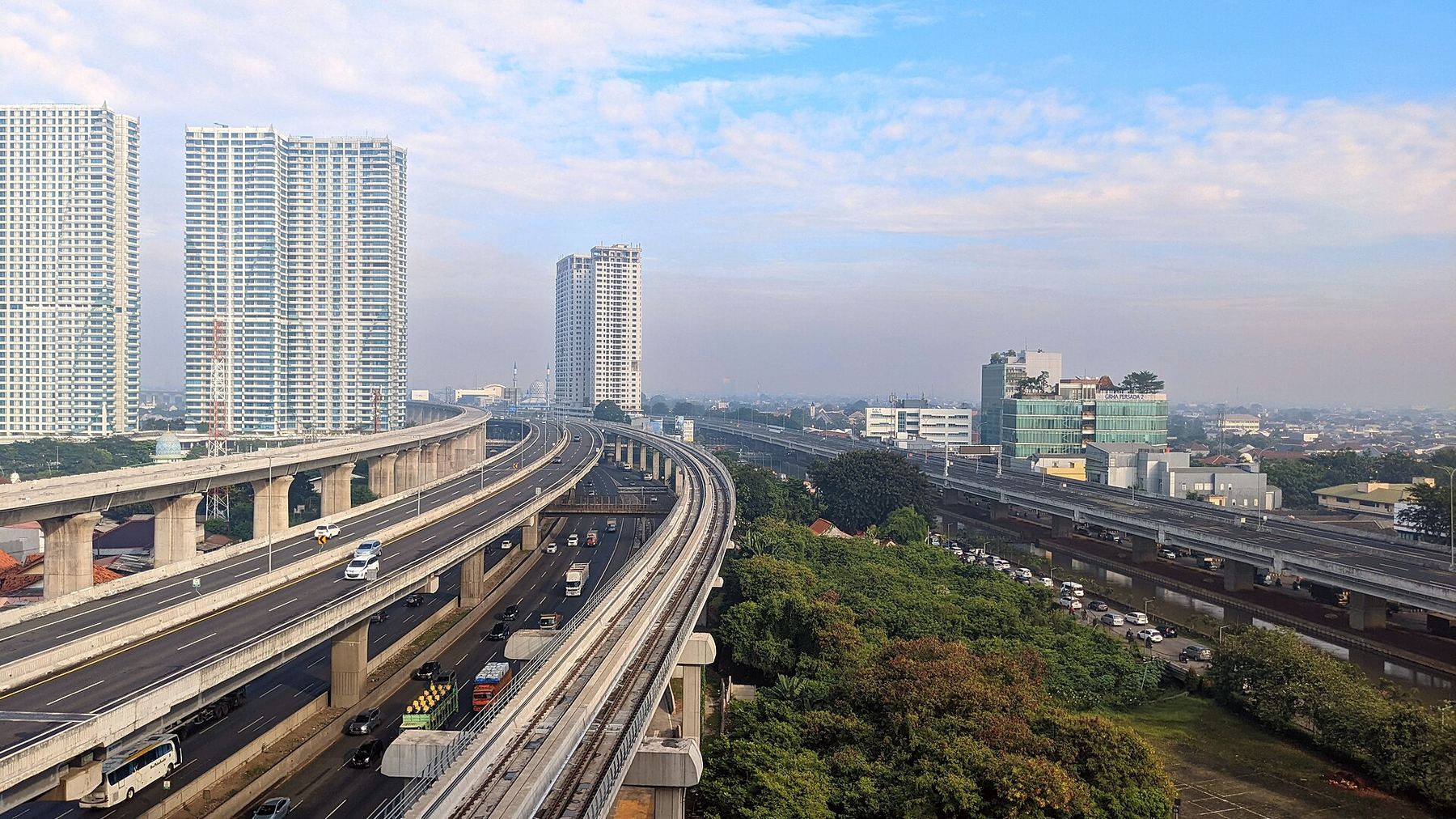
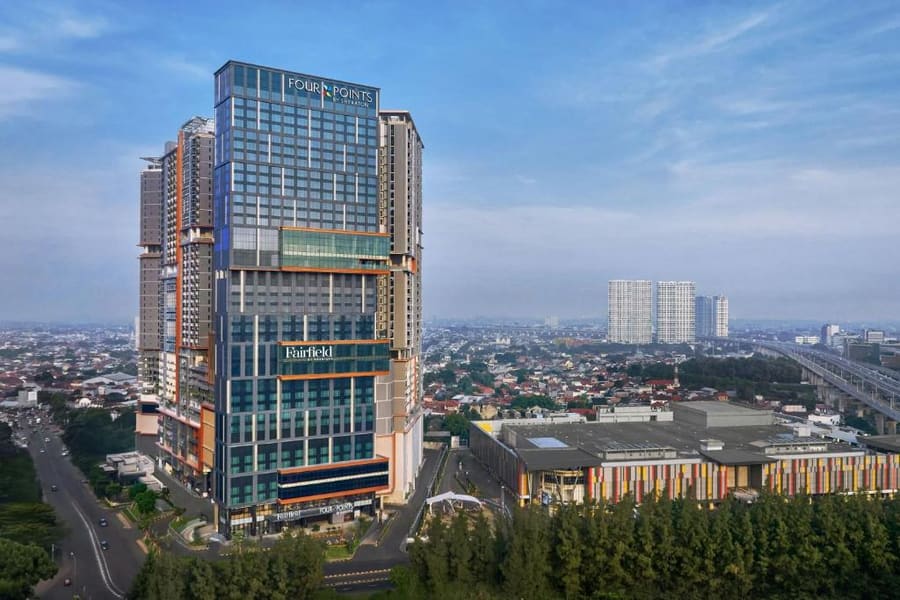
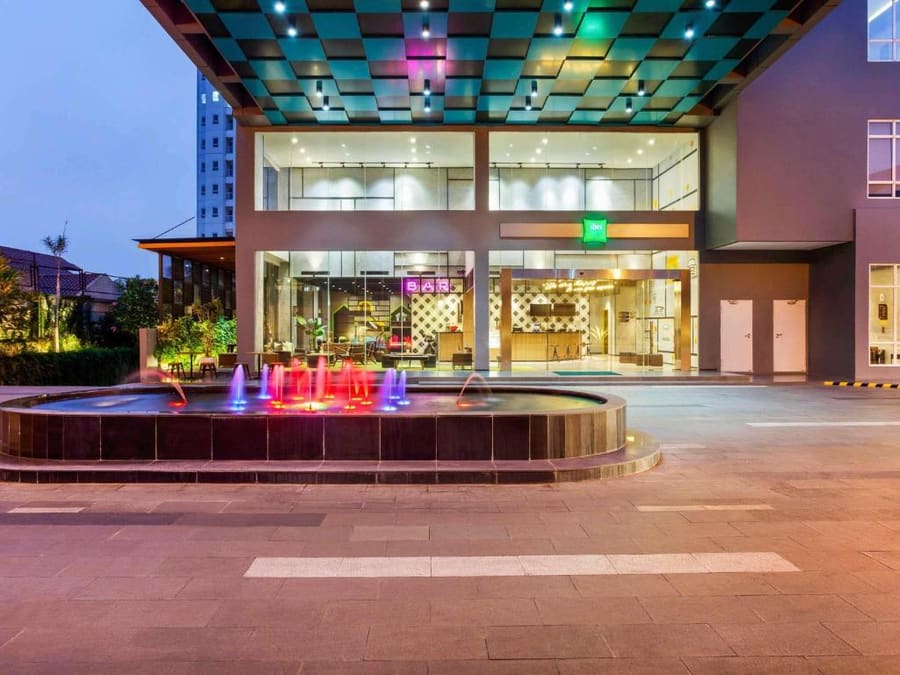
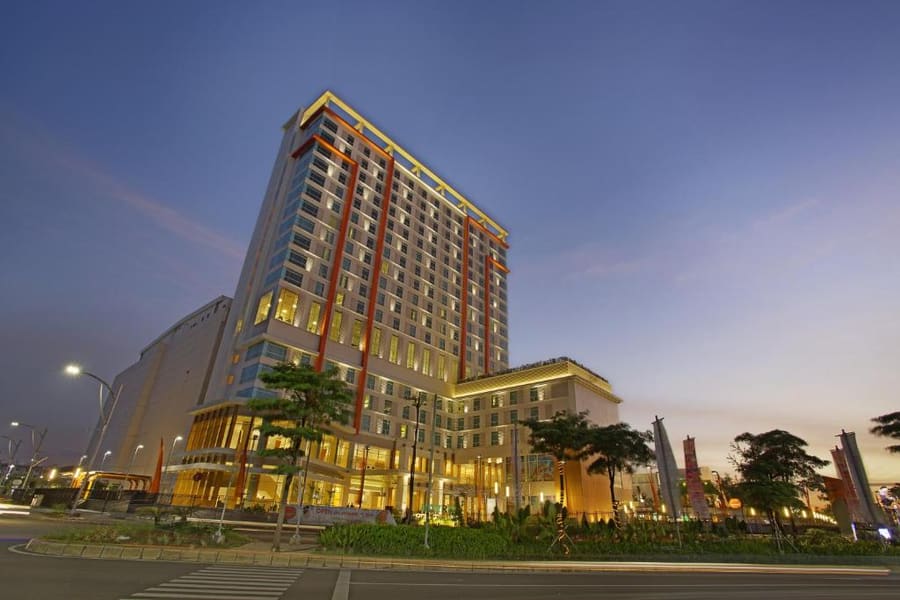
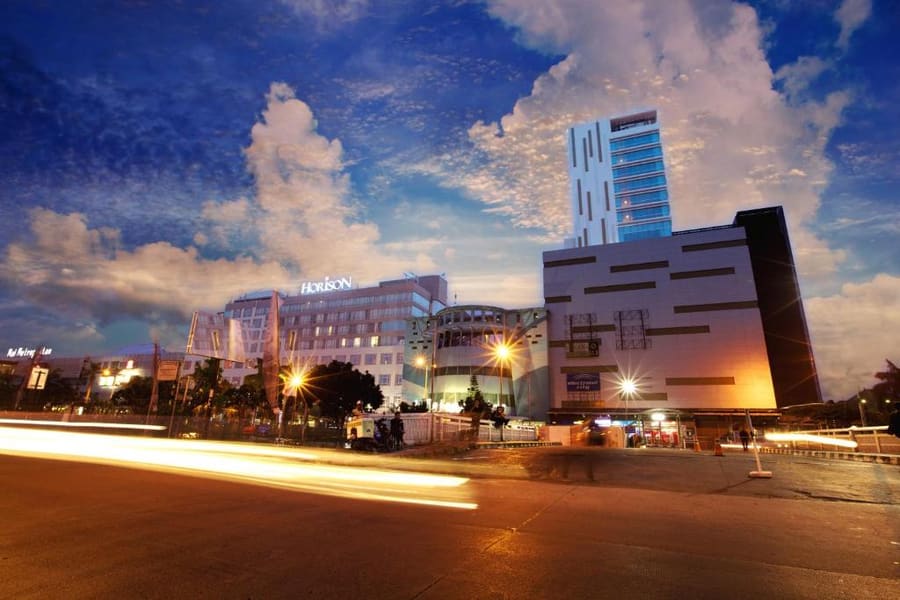
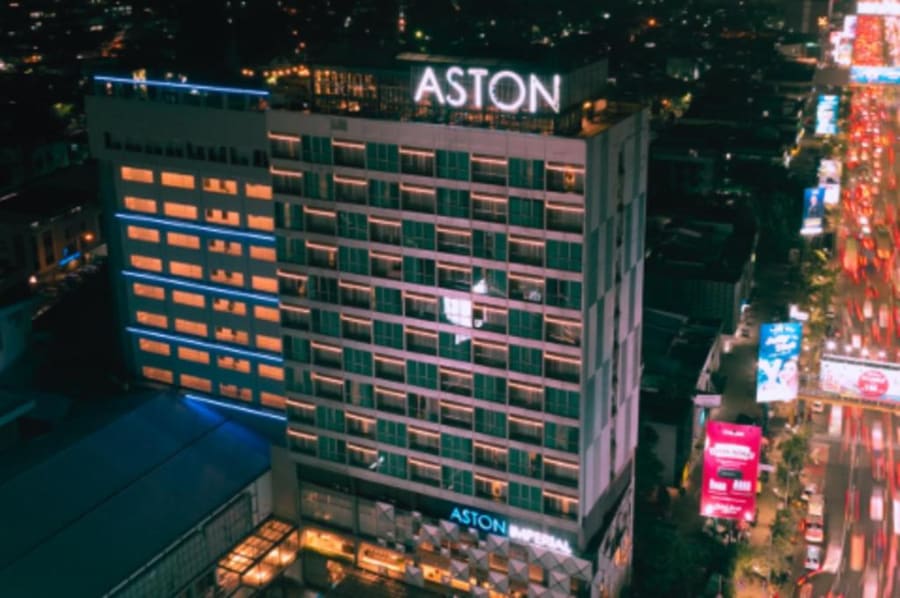
Choose your hotel based on your transit plans. If you need quick access to Jakarta, stay near Stasiun Bekasi or LRT stations in West Bekasi. If you want walkability to restaurants and shops, pick South Bekasi or Summarecon.
Live rates, matched to the areas above.
transport
Rail transit is the fastest way into and out of Bekasi. The KRL Commuterline rail connects Bekasi Station directly to Jakarta's Manggarai and Kampung Bandan stations. Within the city, ride-hailing motorbikes and cars avoid arterial road traffic.
Depuis Soekarno-Hatta International Airport (CGK)
Damri airport buses run directly from CGK terminals to Kayuringin Bus Terminal in Bekasi.
Metered taxis take the Jakarta Inner Ring Road and Jakarta-Cikampek toll road.
Tap in with an electronic money card (E-money, Flazz, or TapCash). Fares start at IDR 3,000.
The LRT line connects Jati Mulya and Barat stations in Bekasi to Kuningan in Central Jakarta.
Motorbike taxis (Ojek) cross city bottlenecks faster than four-wheeled vehicles during peak hours.
Avoid driving on the Jakarta-Cikampek toll road westward from 06:00 to 09:00, and eastward from 17:00 to 20:00.
cost
Bekasi prices run 20% to 30% lower than central Jakarta for food, local transport, and hotel stays. Street market dining is very affordable, while mall chain restaurants charge national standard rates.
Served with rice at traditional street stalls.
Standard distance-based fare across Greater Jakarta rail network.
Covers a 3 to 5 kilometer motorbike ride across town.
Standard room in a 3-star modern business hotel.
seasonality
JUN – SEP
Dry season with lowest rainfall. Best window for walking local street markets and taking outdoor day trips.
OCT – NOV
Transition months bring high humidity and late afternoon thunderstorms. Morning sightseeing remains clear.
DEC – FEB
Monsoon peak. Heavy downpours cause local street flooding along low-lying river basins. Plan indoor mall activities.
MAR – MAY
Rains taper off gradually. Temperatures remain high around 32°C during mid-afternoon hours.
practicalities
Local independent shops and market stalls close on Fridays between 11:30 and 13:00 for prayers.
Buy a prepaid transit card at convenient stores before using local parking or KRL train gates.
Midday humidity regularly pushes heat index values past 38°C. Carry bottled water when outside malls.
Indonesian is universally spoken. Sundanese and Betawi dialects feature heavily in casual street trade.
During rainstorms, check local navigation apps for road closures near Cikeas and Cileungsi river junctions.