landmark
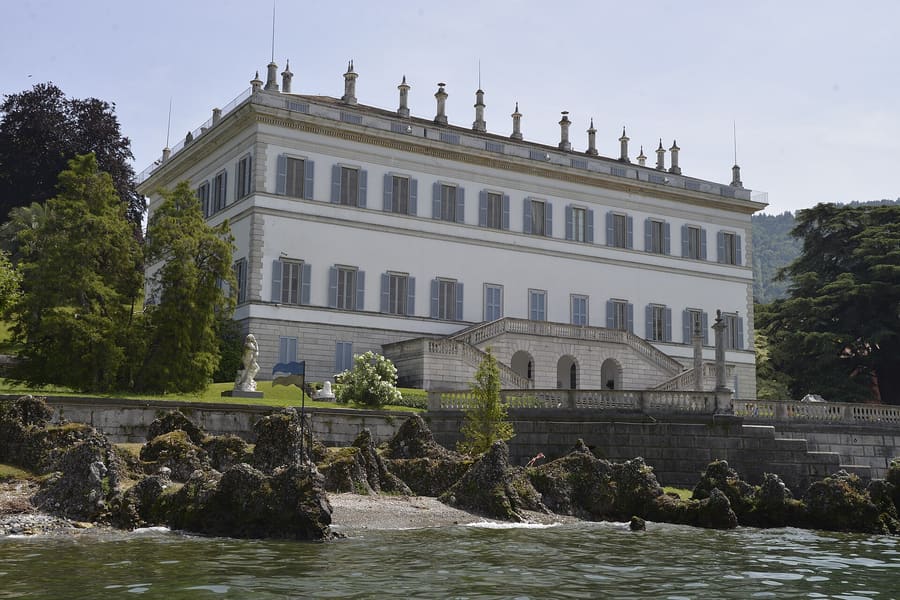
I Giardini di Villa Melzi
A one-kilometer lakeside walking path past rare botanical specimens. Buy tickets at either gate to avoid mid-day boat queue crowds.
Demander à ParleyItalie
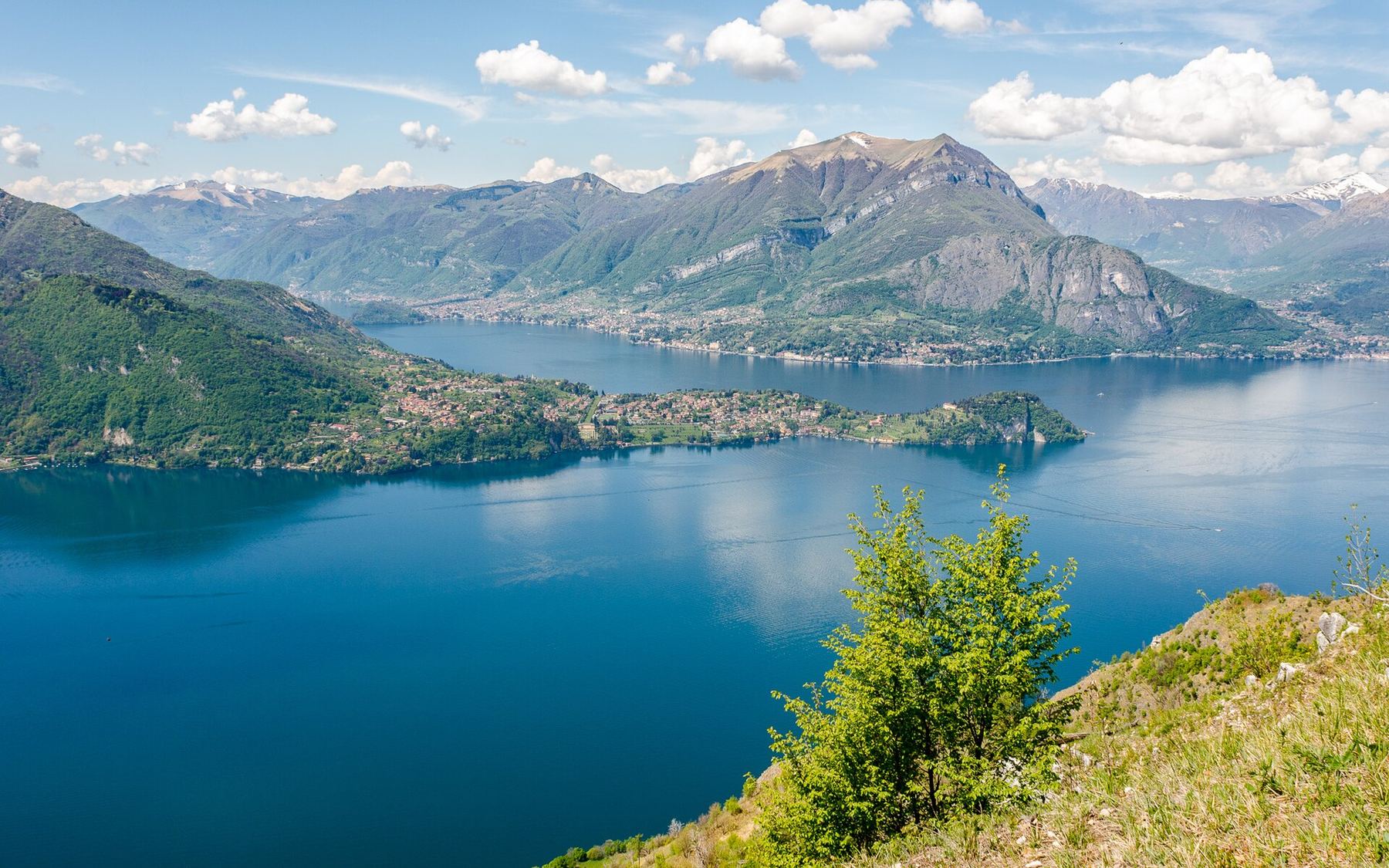
The narrow headland where Lake Como splits into two arms.
introduction
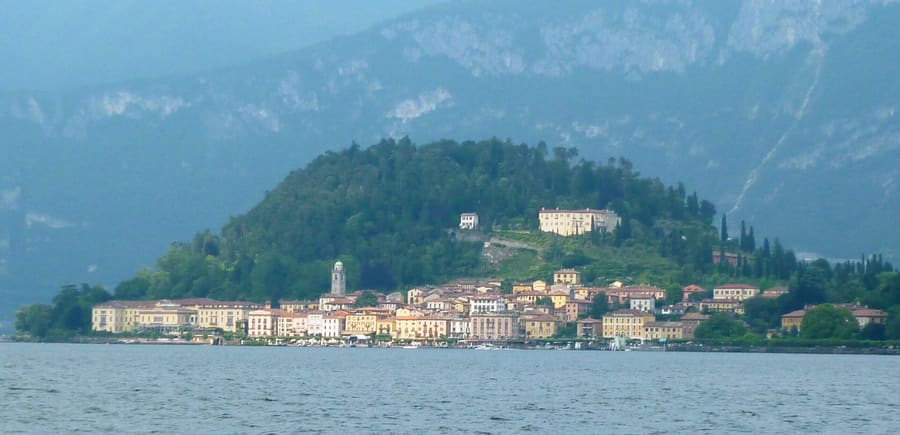
Bellagio sits at the exact intersection of Lake Como's three branches. Steep stone stairways called scalinate climb from the ferry terminals straight into the hillside town. You move on foot or by water, because driving here means slow traffic and scarce parking. High tourist volume concentrates in mid-day hours, leaving quiet mornings and evenings for exploring.
Arrival trick
Take the ferry from Varenna or Cadenabbia instead of driving the narrow road from Como. You skip traffic and step off right at the historic waterfront.
Geographic point
Punta Spartivento marks the division of Lake Como into its southwestern and southeastern branches. The alpine panorama spans both water corridors.
Planning trick
Buy middle-lake day ferry passes at the ticket window before 10:00. Lines double once morning boat excursions arrive from Como town.
Bellagio
Paebi · CC BY-SA 3.0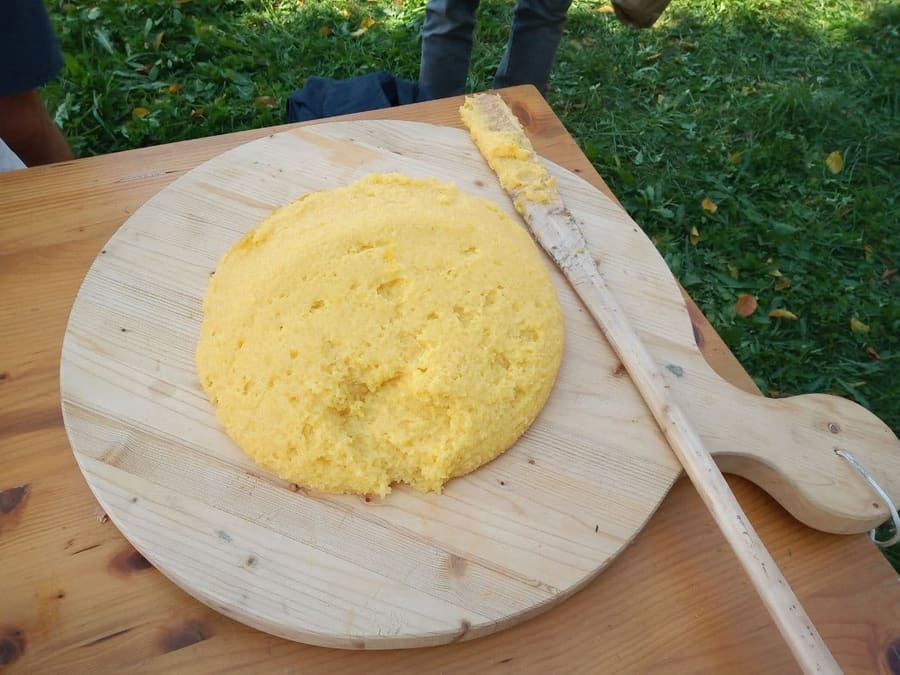
Traditional polenta prepared in copper kettles across the Lake Como region.
AnisKoutsi · CC BY-SA 4.0highlights
landmark
A one-kilometer lakeside walking path past rare botanical specimens. Buy tickets at either gate to avoid mid-day boat queue crowds.
Demander à Parley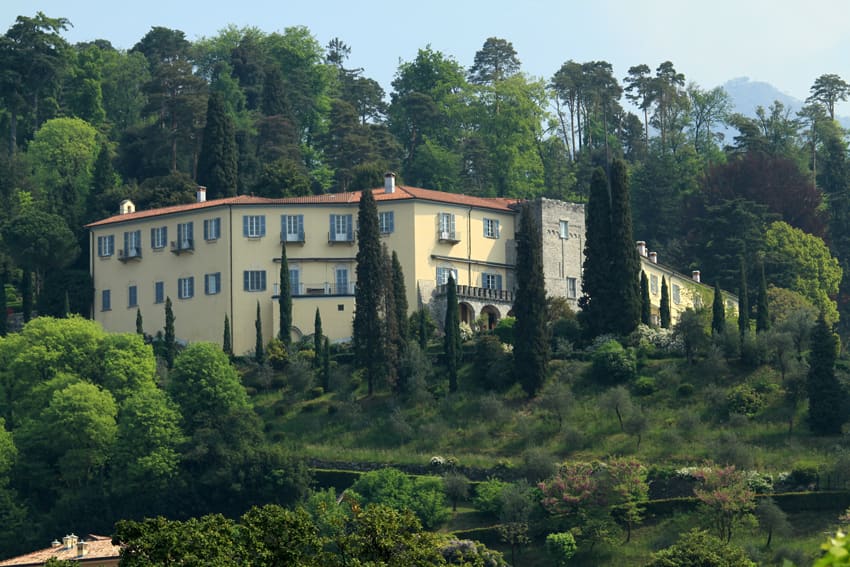
landmark
Terraced parkland covering the crest of the promontory. Entry requires booking a guided tour through the local tourist office.
Demander à Parley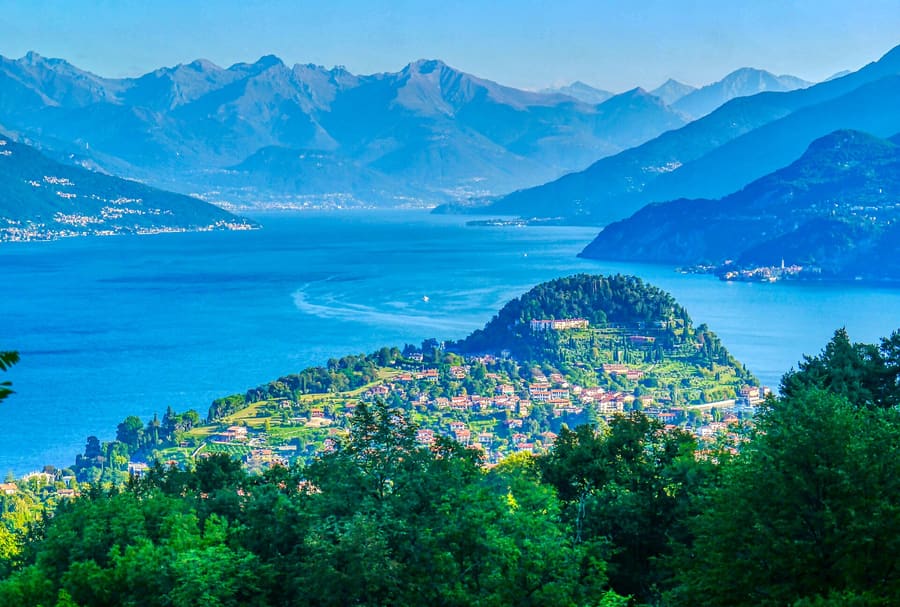
landmark
The northern tip where the lake forks into two branches. Early morning visits avoid the tour groups crowding the park benches.
Demander à Parleyattractions
areas
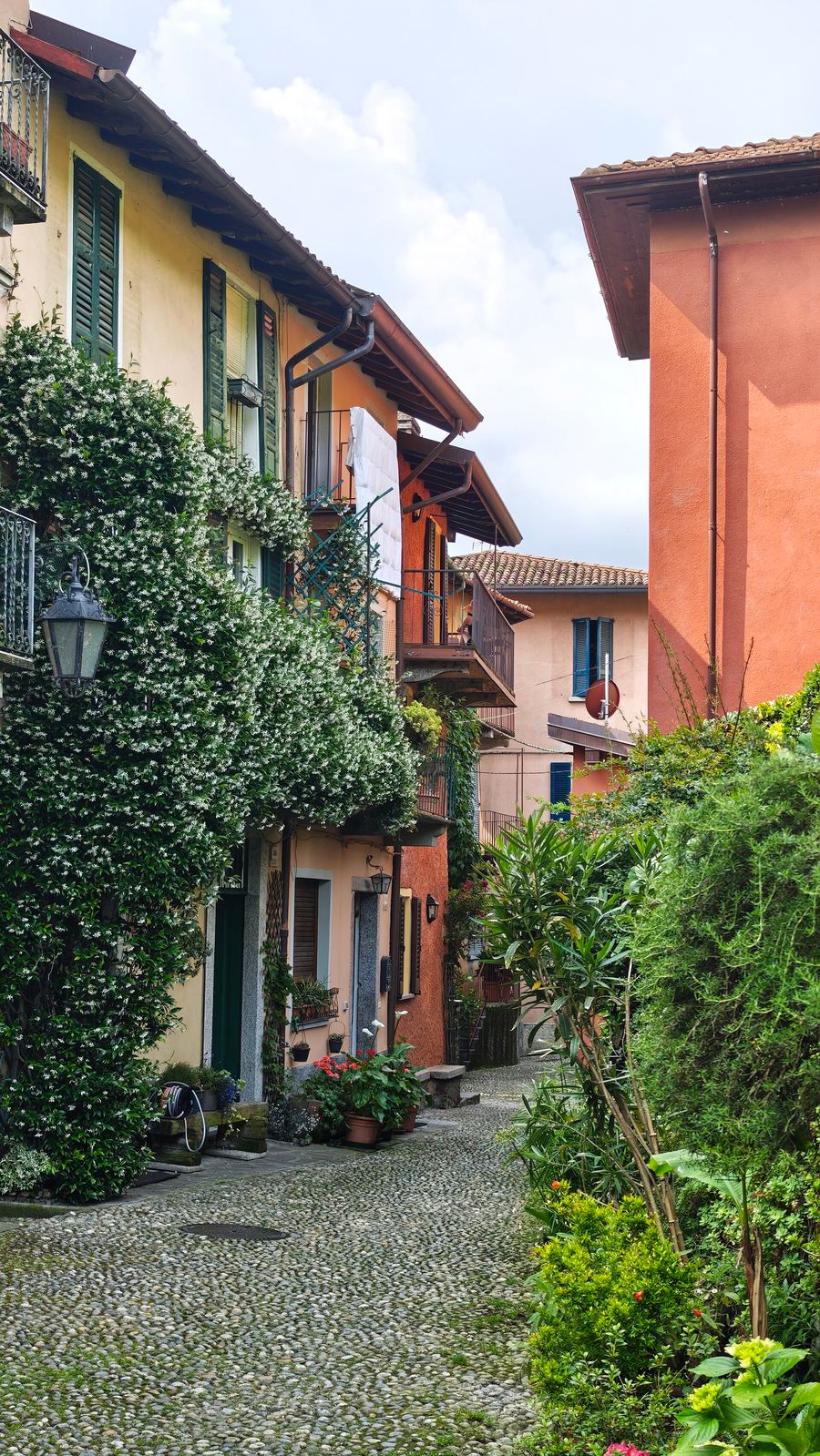
Quiet former fishing village on the eastern cove facing Lecco.
À proximitéPescallo harbor and water sports center
Demander à Parley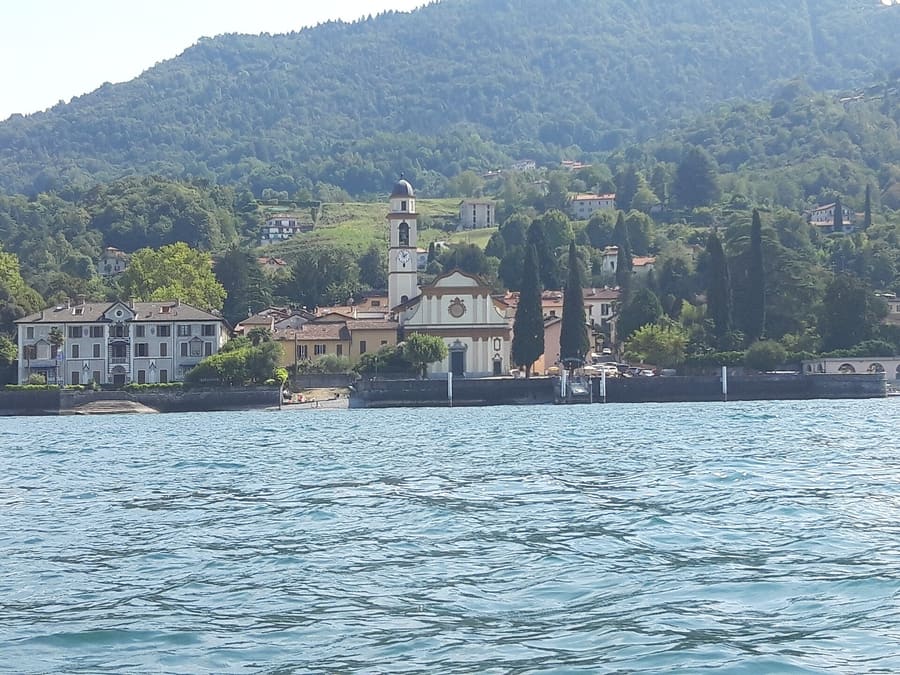
Residential hamlet south along the shore with a small public park.
À proximitéVilla Melzi gardens and San Giovanni pier
Demander à ParleySteep stone staircases, shops, ferry piers, and constant pedestrian movement.
À proximitéFerry terminals and Villa Serbelloni park entrance
Demander à ParleyUpland hamlets set above the peninsula with broad lake views.
À proximitéMadonna del Ghisallo pass road and hiking trails
Demander à Parleyfood
Bellagio cuisine comes from the lake and mountain pastures of Upper Lombardy. Local menus feature freshwater catch like agoni (shad) and missoltini (sun-dried salted shad cooked on hot plates). Polenta forms the base of traditional meals in mountain hamlets above the shore.The signature dish of Bellagio is tòch, a dense polenta cooked with butter and local cheese. Restaurants prepare it for communal gatherings, followed by ragell, a hot mulled wine brewed directly in the polenta pot.
Traditional polenta prepared in copper kettles across the Lake Como region.
AnisKoutsi · CC BY-SA 4.0Order dried lake shad at traditional waterfront trattorias. The fish is pressed with salt for months before grilling with olive oil and vinegar.
Perch fillet risotto remains the classic main course in Bellagio. Local kitchens brown fresh perch fillets in sage butter over creamy rice.
Waterfront tables in the Borgo book out days in advance during summer. Reserve dinner by mid-day or eat in upper hamlets like Visgnola.
history
Bellagio served as a Roman vantage point because of its commanding location over the lake's junction. Pliny the Younger maintained two villas along these shores in the first century AD. Control of the headland shifted between Como and Milan during medieval territorial rivalries.By the nineteenth century, European aristocracy transformed Bellagio into a retreat. Stately villas and botanical gardens replaced working olive groves and fishing quays along the waterfront.
Roman Haven
Pliny the Younger describes his lakeshore retreats, establishing Bellagio's long tradition as a countryside refuge.
Fortification
The town fortifies its promontory during conflict between Como and Milan, controlling boat traffic across all three lake arms.
Villa Melzi Built
Francesco Melzi d'Eril builds his neoclassical villa, establishing the Grand Tour landscape style on the headland.
Resort Era
Grand hotels open along the waterfront to serve European travelers arriving via steam vessels.
where to stay
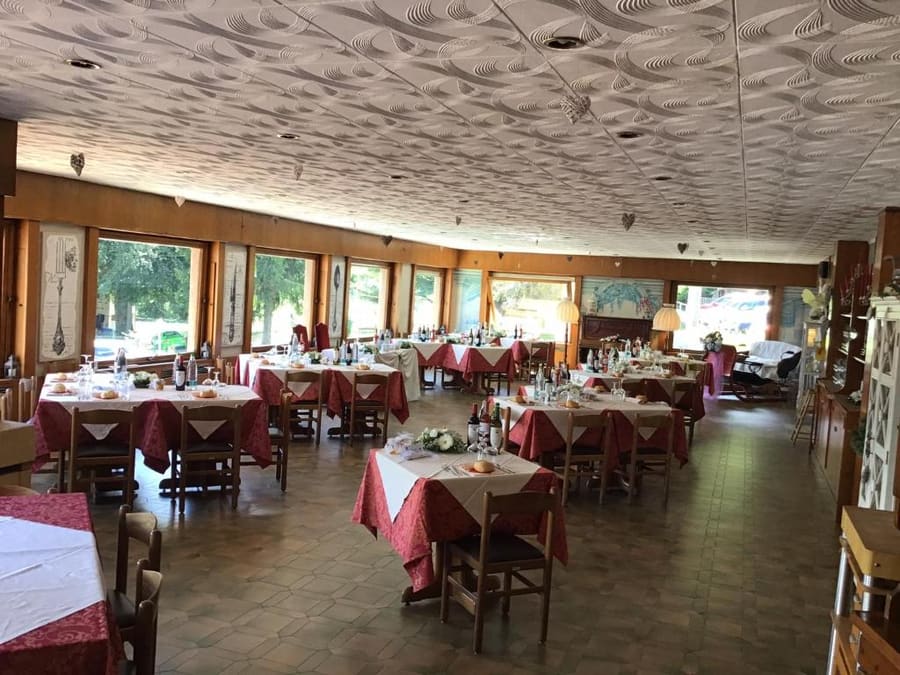
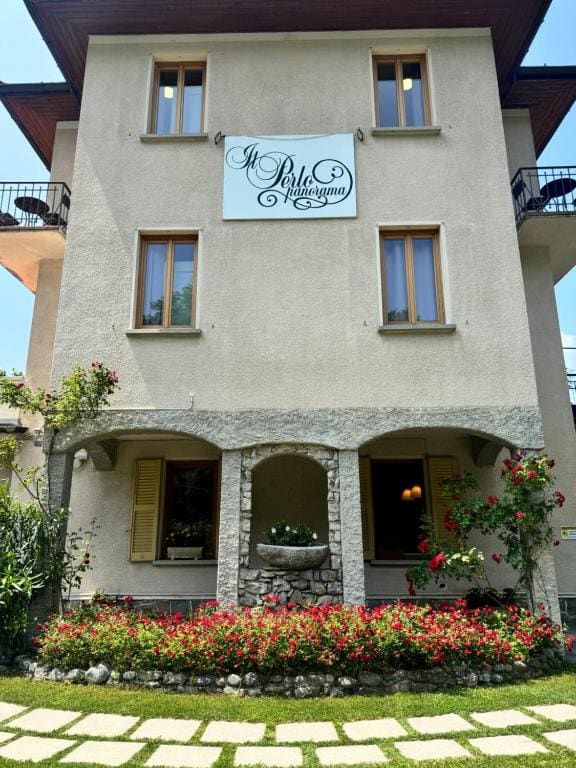
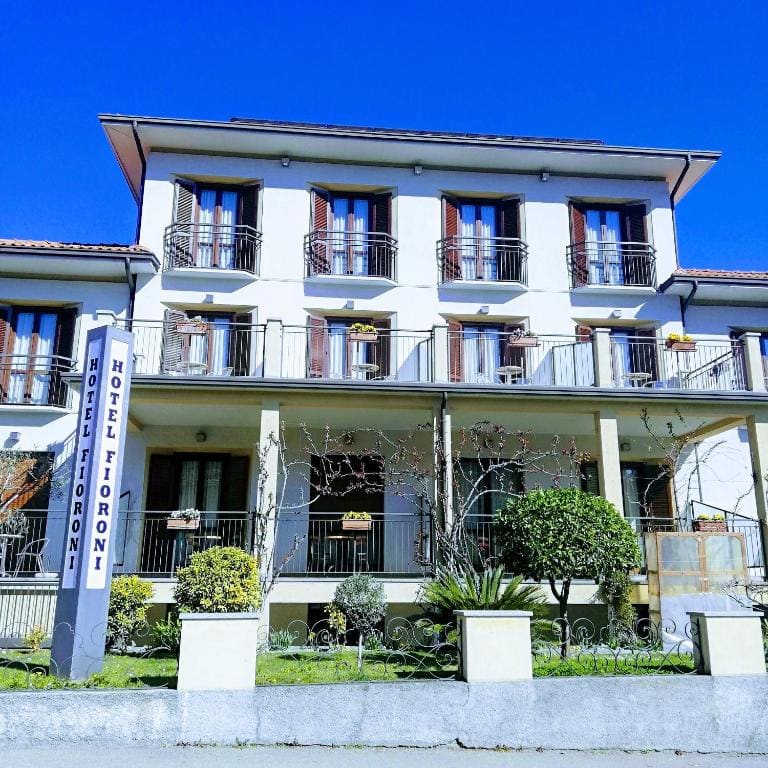
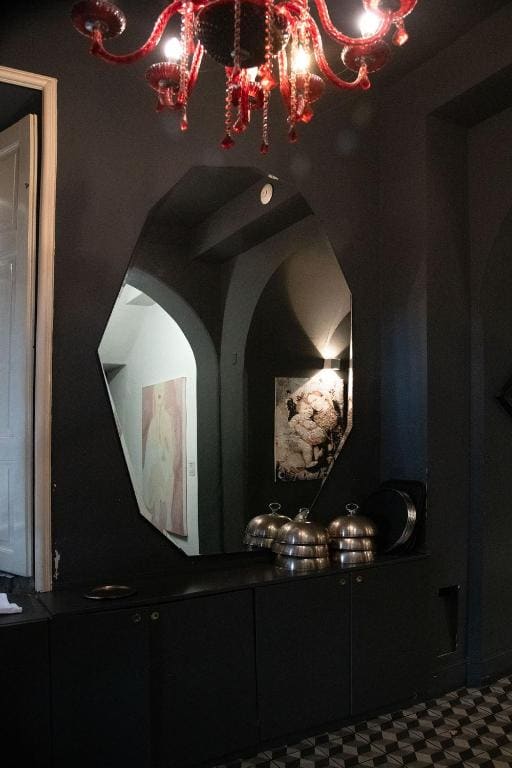
Choose your base by your intended transit mode and tolerance for stairs. The historic Borgo puts you steps from ferry lines but demands carrying luggage up stone staircases. Surrounding hamlets like Pescallo or San Giovanni offer flatter ground and quiet evenings, traded for a 15 to 25 minute walk into town.
Live rates, matched to the areas above.
transport
Ferries serve as the principal transit system connecting Bellagio to Varenna, Menaggio, and Como. The town center itself is entirely pedestrian, composed of steep stepped alleys that require solid footwear.
Depuis Varenna-Esino Railway Station
Walk 5 min down to Varenna pier. Use Navigazione Laghi app to skip queues.
For travellers with vehicles. Departs from Varenna car ferry dock.
Departs from Varenna waterfront. Direct drop-off avoids steep stepped alleys.
Drives around lake via Lecco. Required after last ferry (~22:00); night surcharges apply.
Car ferries run continuously across the central lake triangle to Varenna and Cadenabbia. Passenger-only fast boats connect to Como city.
Stone steps connect the waterfront to upper roads. Wheelchairs and heavy wheeled luggage struggle on the uneven cobbles.
Buy ferry tickets via the Navigazione Laghi app to skip long physical queues at the main Bellagio pier.
cost
Bellagio commands premium rates for accommodation and central dining due to geographic constraints. Budget options concentrate in upper hamlets away from the lakefront.
Day ticket covers unlimited rides between Bellagio, Varenna, Menaggio, and Cadenabbia.
Includes single-day access to the gardens and the small lakeside chapel museum.
Price increases to €4-5 if seated at a terrace table on Piazza Mazzini.
Plates of perch risotto or polenta in central trattorias.
seasonality
MAR – MAY
Gardens bloom and temperatures stay mild. Ferry schedules ramp up to spring service levels.
JUN – AUG
Peak tourist traffic. Mid-day heat makes climbing stairs slow; book ferries and tables early.
SEP – OCT
Warm waters and reduced crowds after mid-September. Villa gardens stay open through October.
NOV – FEB
Many villas, hotels, and restaurants close for the season. Reduced winter ferry timetable.
practicalities
Private luggage lockers sit near the main pier. Store bags there if arriving before hotel check-in.
Wear shoes with rubber grip. Smooth cobblestones grow slick when rain wet.
The Borgo center is a restricted traffic zone (ZTL). Cameras fine unauthorized non-resident vehicles.
San Giovanni offers a free pebble beach. Bring water shoes for stony ground.
Cross-lake ferries stop running around 22:00 in peak season. Missing the last boat forces a high taxi bill.