landmark
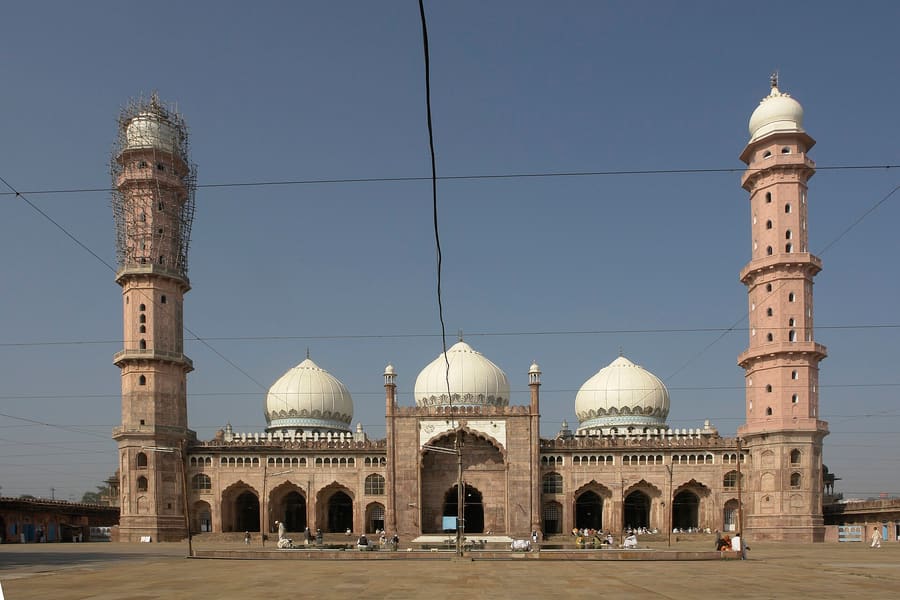
Taj-ul-Masajid
One of Asia's largest mosques. Non-Muslims should avoid prayer times and dress conservatively covering shoulders and legs.
Demander à ParleyInde
Begum lineage, twin lakes, and modernist civic design.
introduction
Bhopal splits neatly along its twin lakes. To the north lies the walled Old City, shaped by a century of female rulers, grand mosques, and crowded bazaars. To the south stretches a planned administrative town built around wide avenues, Charles Correa's cultural centers, and hilltop residential strips.
Arrival choice
Bhopal Junction serves the north and Old City markets. Rani Kamlapati station handles south-bound fast trains like the Shatabdi Express.
Prehistoric heritage
Bhimbetka sits 45 km south. Its UNESCO-listed rock shelters contain cave paintings created thousands of years ago.
Seasonality
Avoid May and June when temperatures clear 40°C. October through March provides comfortable weather for lake walks and street markets.
Bhopal
Shivamdwivedi82 · CC BY-SA 3.0
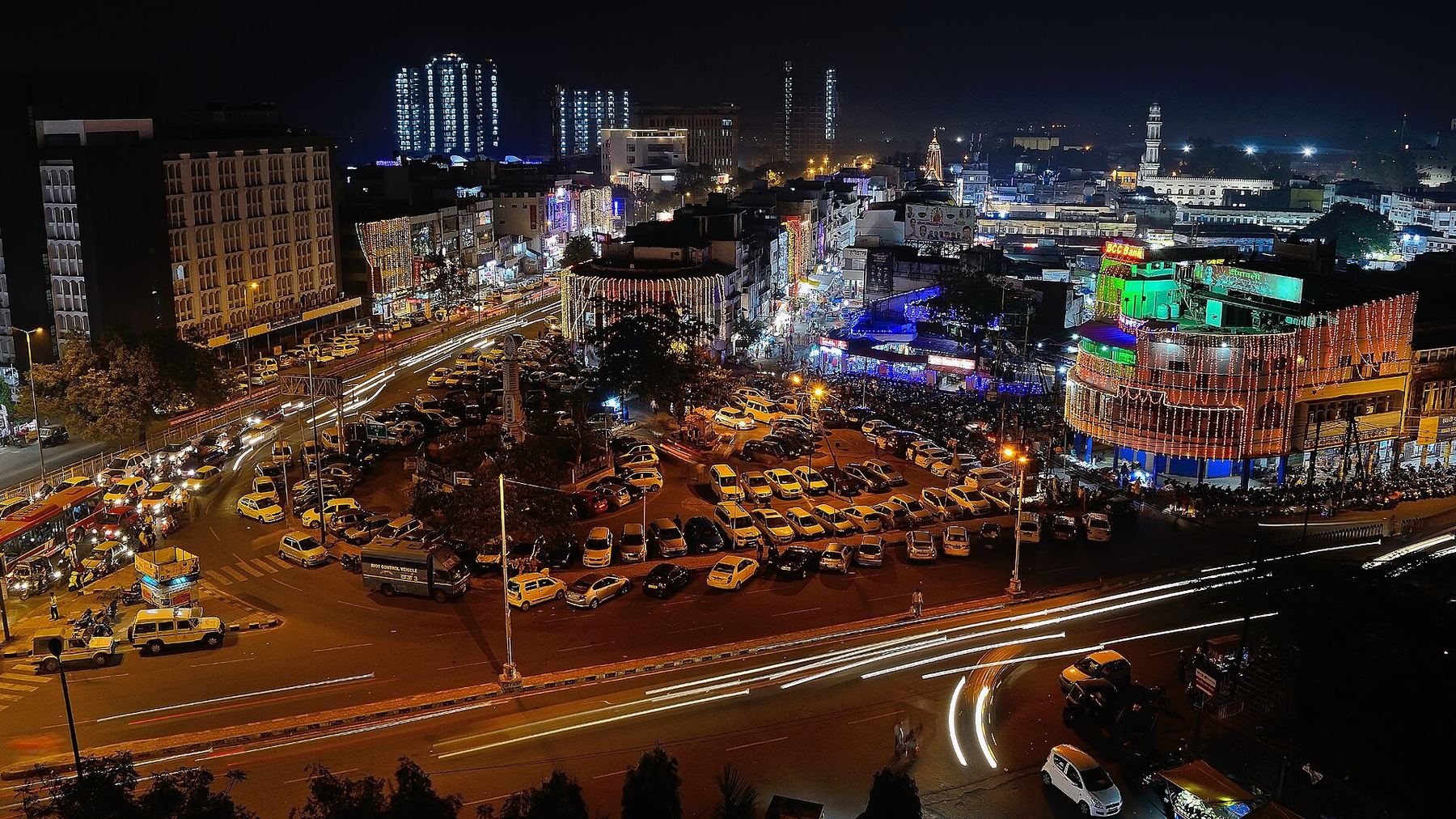
Old City — High-density bazaars, historic gates, silver markets, and morning tea stalls.
Relax ashish · Public domain
Sulaimani tea served plain or spiced with salt and lemon in the Old City.
Antara Sarkar · CC BY-SA 4.0highlights
landmark
One of Asia's largest mosques. Non-Muslims should avoid prayer times and dress conservatively covering shoulders and legs.
Demander à Parley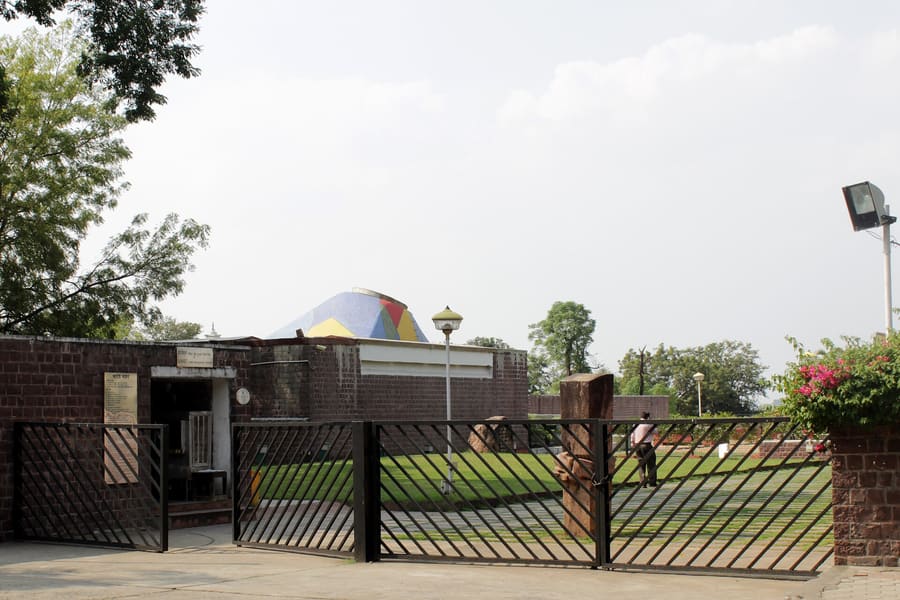
landmark
Charles Correa's multi-arts complex stepped into the hillside. Visit in late afternoon for gallery light and lake breezes.
Demander à Parley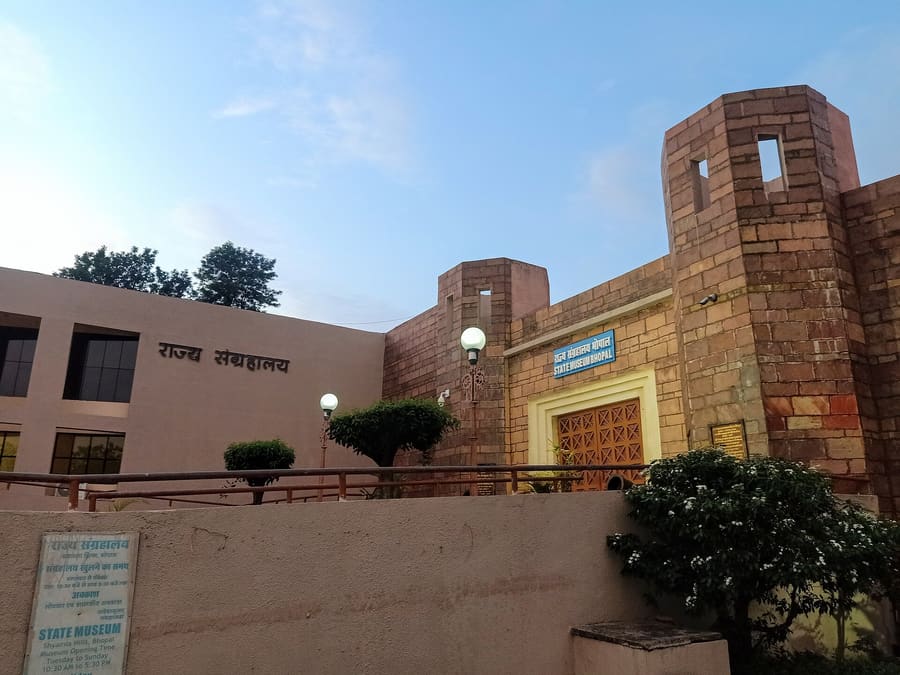
landmark
Houses ancient Jain sculptures, coinage, and regional stone carvings. Quiet and rarely crowded even on weekends.
Demander à Parleyattractions
areas
High-density bazaars, historic gates, silver markets, and morning tea stalls.
À proximitéTaj-ul-Masajid and Shaukat Mahal
Demander à ParleyQuiet ridge overlooking Upper Lake, home to major museums and VIP residences.
À proximitéMP Tribal Museum and Bharat Bhavan
Demander à ParleyCommercial sector filled with business hotels, coaching hubs, and office towers.
À proximitéDB City Mall and Rani Kamlapati Station
Demander à ParleySprawling residential sector with leafy streets, boutique cafes, and parks.
À proximitéGulmohar and Rani Kamlapati Station
Demander à Parleyfood
Bhopal's food splits along cultural lines. The morning belong to poha—flattened rice steamed with mustard seeds and turmeric, topped with crispy sev and fresh pomegranate seeds. In the Old City, food lanes cater to rich meat dishes like Bhopali Rizzala, a fragrant mutton curry prepared with coriander and mint paste. The meal finishes with sweet, salted, or lemon-infused Sulaimani tea, served piping hot in small glasses.
Sulaimani tea served plain or spiced with salt and lemon in the Old City.
Antara Sarkar · CC BY-SA 4.0Poha stalls in Chowk open by 06:30 and often sell out of hot batches before 10:00.
Order a glass at Raju Tea Stall near Itwara Road; locals drink it black with a dash of rock salt.
Nighttime food stalls around Old Bhopal bus stand run late, serving slow-cooked non-vegetarian dishes.
history
Founded by Paramara King Bhoja in the 11th century around a massive dammed lake, Bhopal evolved into an independent princely state in 1707 under Dost Mohammad Khan. Its most distinctive period occurred between 1819 and 1926, when four successive female rulers—the Begums of Bhopal—governed the state, building public infrastructure, waterworks, and grand Islamic monuments.
Bhojpal Established
Raja Bhoj builds the original fort and creates the Upper Lake by damming the Kolans River.
Princely State Founded
Afghan mercenary Dost Mohammad Khan establishes control, creating modern Bhopal state.
Era of the Begums
Four generations of female sovereigns build roads, water networks, rail links, and Taj-ul-Masajid.
Gas Tragedy
A deadly toxic leak at the Union Carbide chemical plant devastates northern neighbourhoods.
Station Modernisation
Rani Kamlapati station reopens as India's premier public-private railway terminal.
where to stay
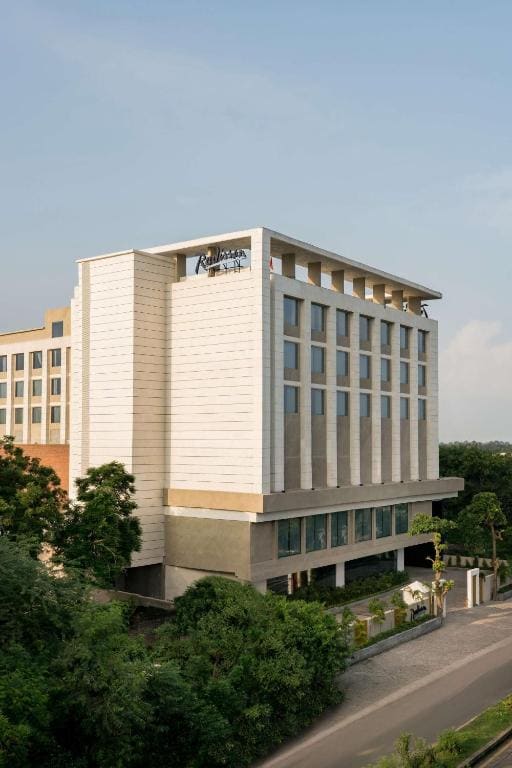
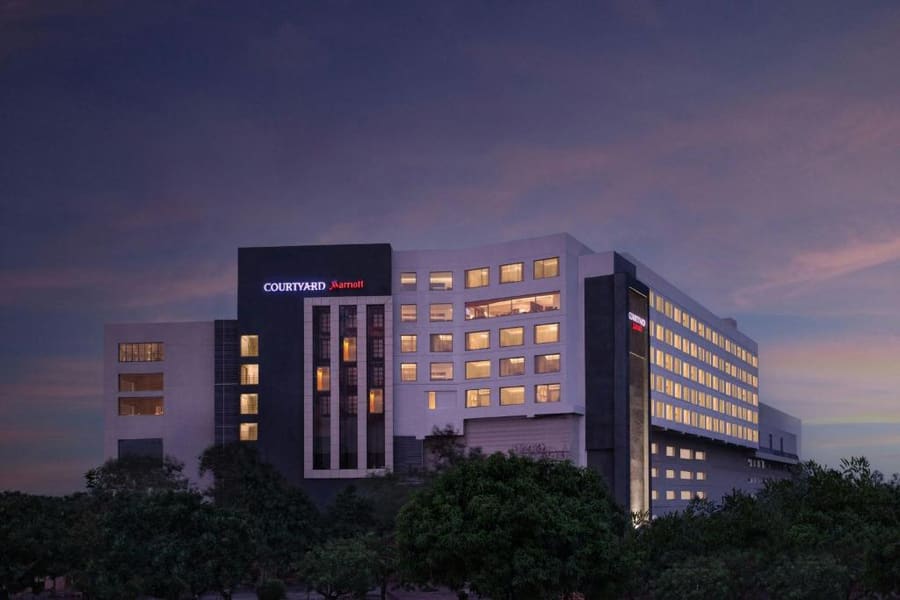
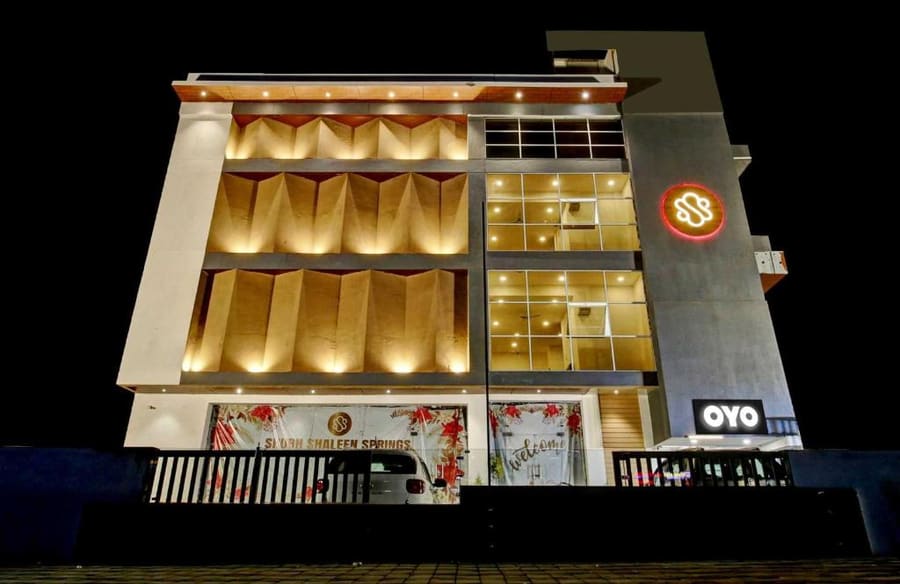
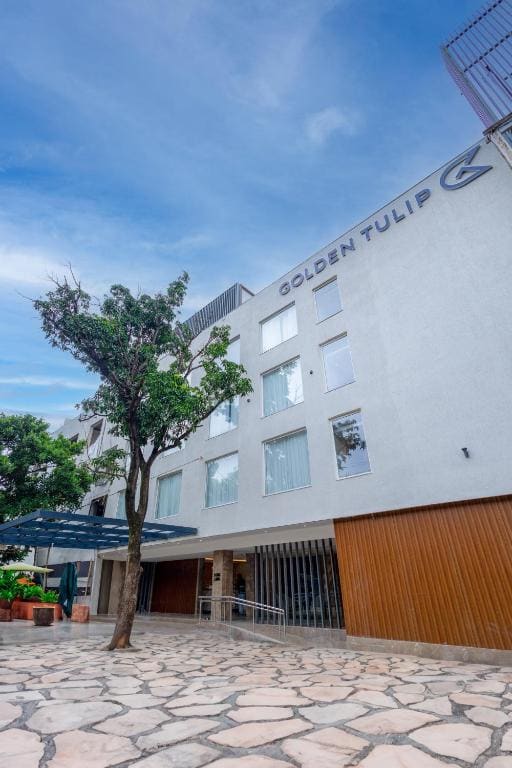
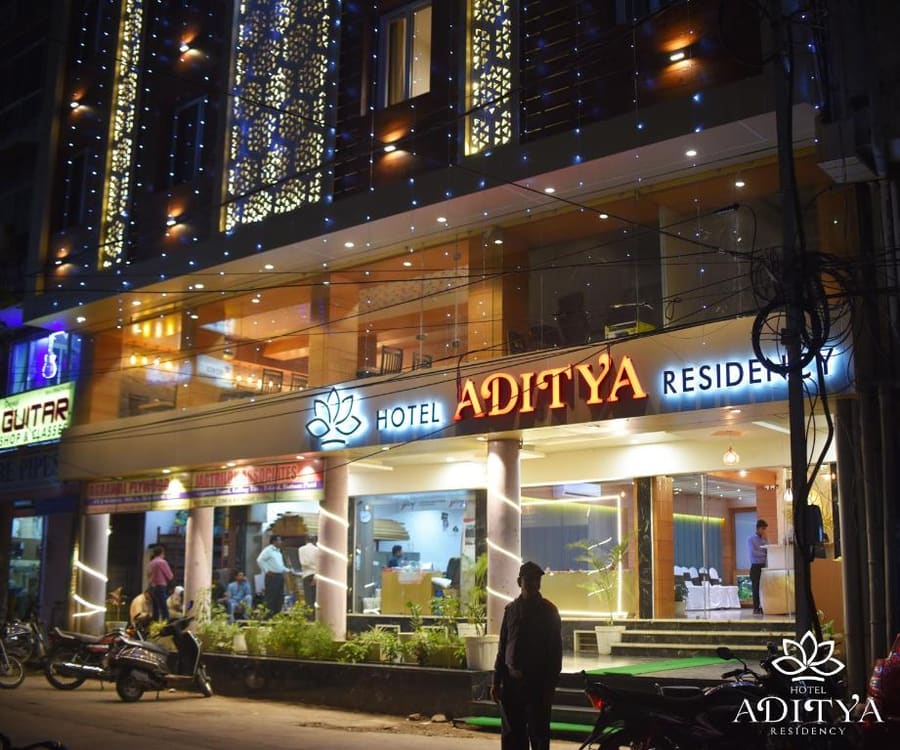
Choose your stay based on transit needs versus sightseeing goals. If you want quiet evenings and lake views, select Shyamla Hills. For short rail stopovers and modern hotel dining, pick MP Nagar or Arera Colony.
Live rates, matched to the areas above.
transport
Bhopal is spread over hills and lakes, making walking between major sectors impractical. Taxis, app rides, and auto-rickshaws carry the workload, as the dedicated BRTS corridors in Bhopal were scrapped and dismantled in 2023–2024 to ease traffic congestion.
Depuis Raja Bhoj Airport (BHO)
Prepaid counter available inside the arrival hall. Fix price before boarding.
Ola and Uber drivers pick up outside the main terminal exit.
BCLL city buses connect the airport road to Bhopal Junction railway station.
Drivers rarely use meters. Agree on the total fare before putting your luggage in.
Elevated line construction along the Karond–AIIMS route causes heavy delays in MP Nagar.
Uber and Ola work well south of the lakes but get cancellations inside tight Old City lanes.
cost
Bhopal remains significantly cheaper than Delhi or Mumbai. Daily expenses depend heavily on whether you choose local street eats in Chowk or upscale hotel dining in Shyamla Hills.
A full morning plate with Sulaimani tea at local street stalls.
Standard cross-town hop between Old City and Shyamla Hills.
State and Tribal Museum passes (higher fees for foreign passports).
Full Mughlai or North Indian meal at an established restaurant.
seasonality
OCT – FEB
Cool nights and comfortable daytime temps. Peak season for outdoor walking and museum visits.
MAR – MAY
Extreme dry heat reaching above 42°C. Limit sightseeing to early mornings and indoor galleries.
JUN – SEP
Monsoon rains fill the lakes and turn the surrounding hills green. Humidity stays very high.
practicalities
Cover legs and shoulders at Taj-ul-Masajid. Women should carry a scarf to cover their heads.
Old City bazaars and street tea vendors rarely take credit cards, though UPI is common.
The MP Tribal Museum and State Museum remain closed every Monday.
Swimming in Upper or Lower Lake is strictly prohibited due to deep silt and hidden currents.
Chowk market shops close on Sundays, though street food vendors remain open.