landmark
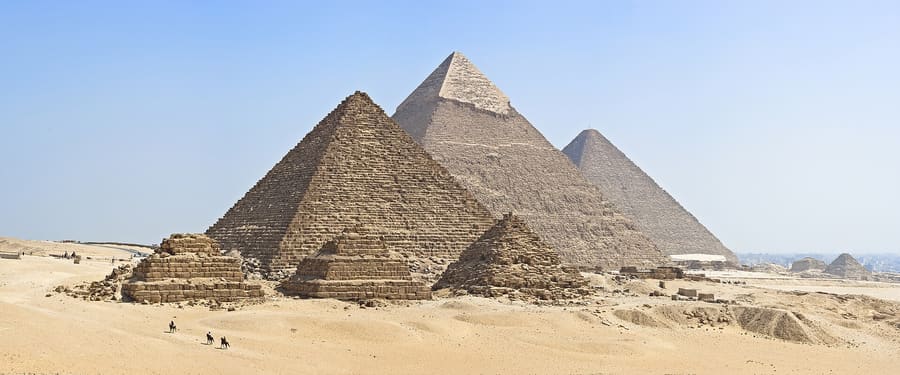
Giza Plateau
The Old Kingdom pyramids stand on the desert edge. Arrive at opening time at 07:00 to beat tour buses and heat.
Demander à ParleyÉgypte
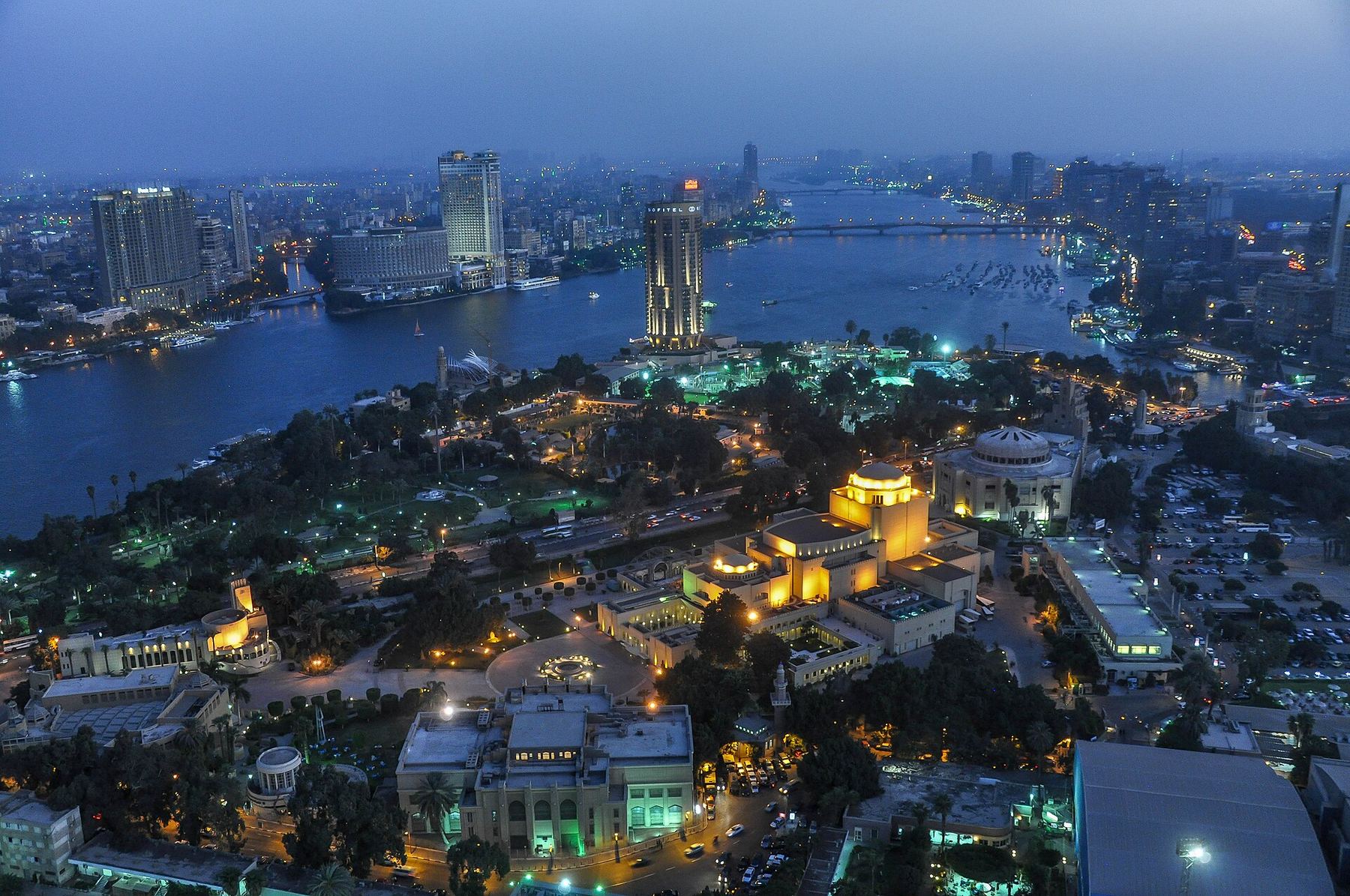
A sprawling desert megalopolis built on centuries of empires.
introduction
Cairo is an intense city of twenty million people set along the Nile River. High-speed multi-lane highways cut past medieval minarets and ancient monuments. Navigating this vast urban expanse requires combining Metro rides with targeted app-based taxis. Expect dense traffic, noise, and historic sights that justify the effort.
Airport ride hailing
Use ride-hailing apps like Uber at Cairo Airport to avoid haggling with taxi drivers. Pickups happen outside the main terminal arrivals area.
UNESCO Historic Cairo
Historic Cairo is a UNESCO World Heritage site recognized for its Islamic architecture. The designated area spans medieval mosques and traditional souks.
Museum ticket strategy
Buy official entry tickets online via the Egyptian Ministry of Tourism portal. Digital tickets let you bypass long queue lines at major sites.
Cairo
Sailko · CC BY 3.0
Zamalek — Tree-lined leafy island district with embassies, quiet cafes, and Art Deco apartment buildings.
Abdallah (talk) · CC BY-SA 3.0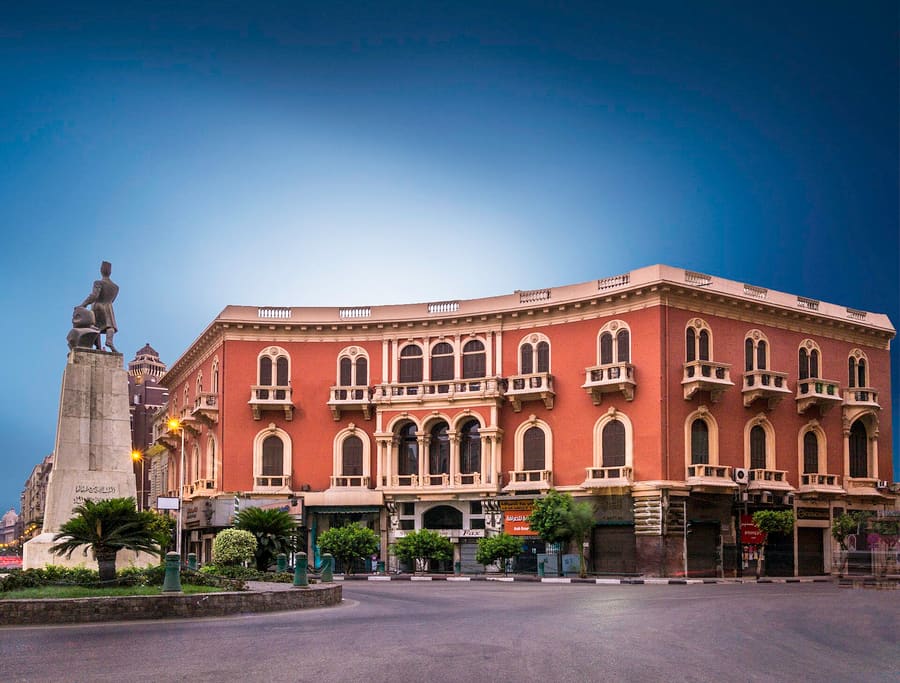
Downtown Cairo — 19th-century Haussmann-style avenues filled with heavy traffic, street vendors, and heritage cafes.
AhmedMosaad · CC BY-SA 4.0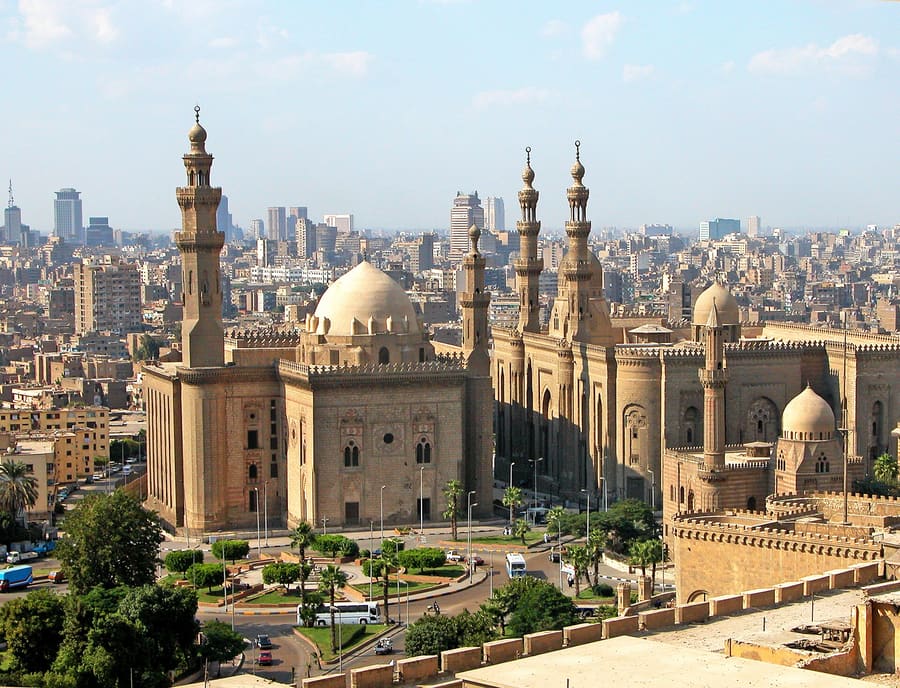
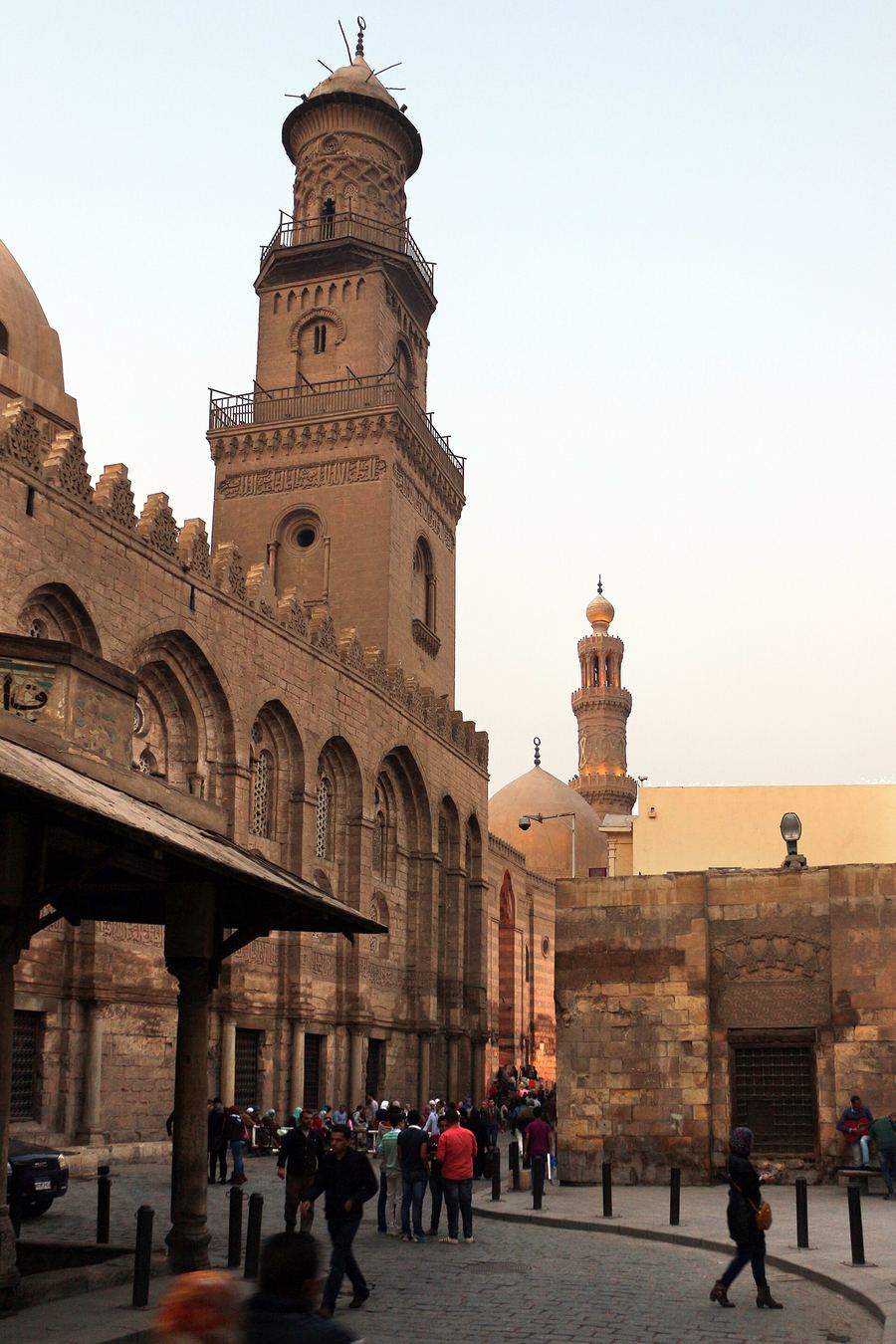
Islamic Cairo — Densely packed medieval quarter with minarets, spice vendors, and residential alleyways.
Dennis G. Jarvis · CC BY-SA 2.0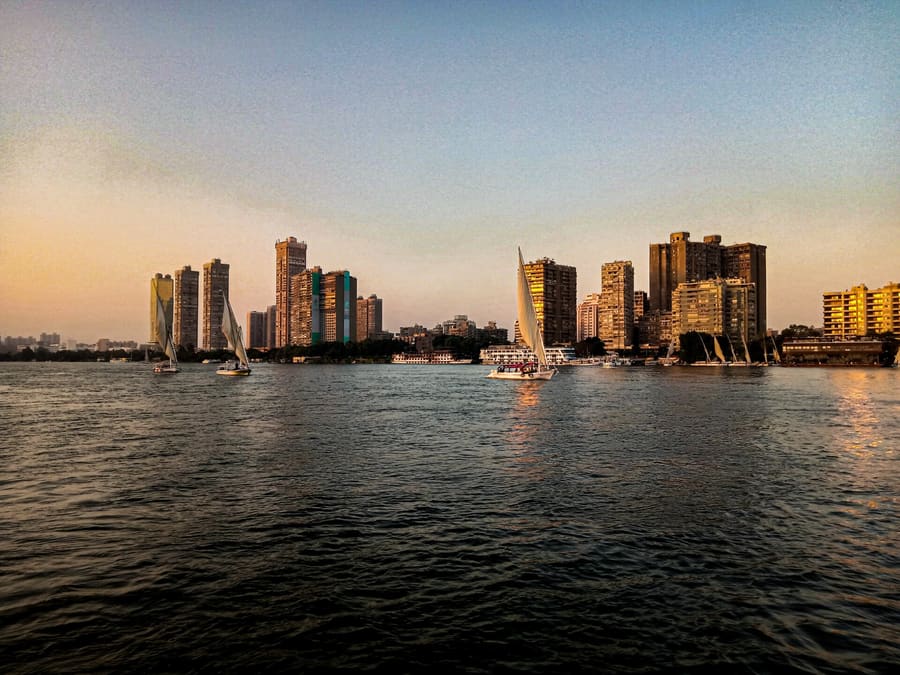
Maadi — Suburban residential grid with villas, green streets, and international dining options.
Remonnessem · CC BY-SA 4.0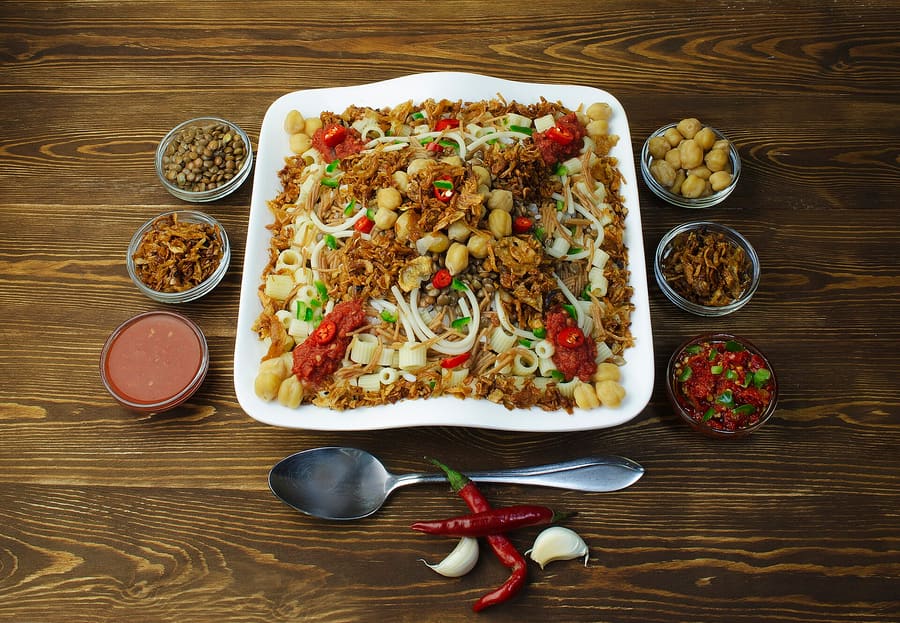
A bowl of traditional Cairo koshary served with garlic vinegar.
Dina Said · CC BY-SA 4.0highlights
landmark
The Old Kingdom pyramids stand on the desert edge. Arrive at opening time at 07:00 to beat tour buses and heat.
Demander à Parley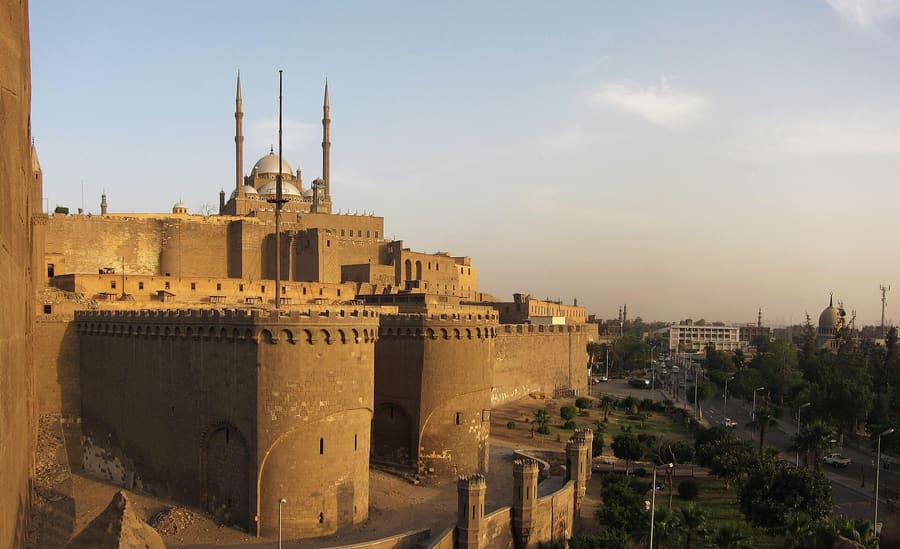
landmark
Saladin built this fortress above the city in 1176. The terrace of the Ottoman Mosque offers views across Cairo.
Demander à Parley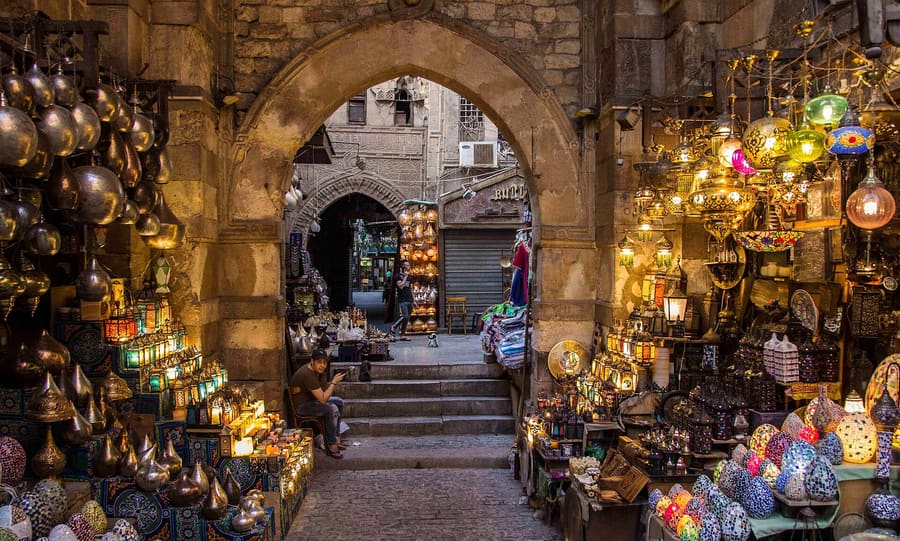
shopping
A medieval bazaar operating since the 14th century. Walk past main alleys into side streets to find brass artisans.
Demander à Parley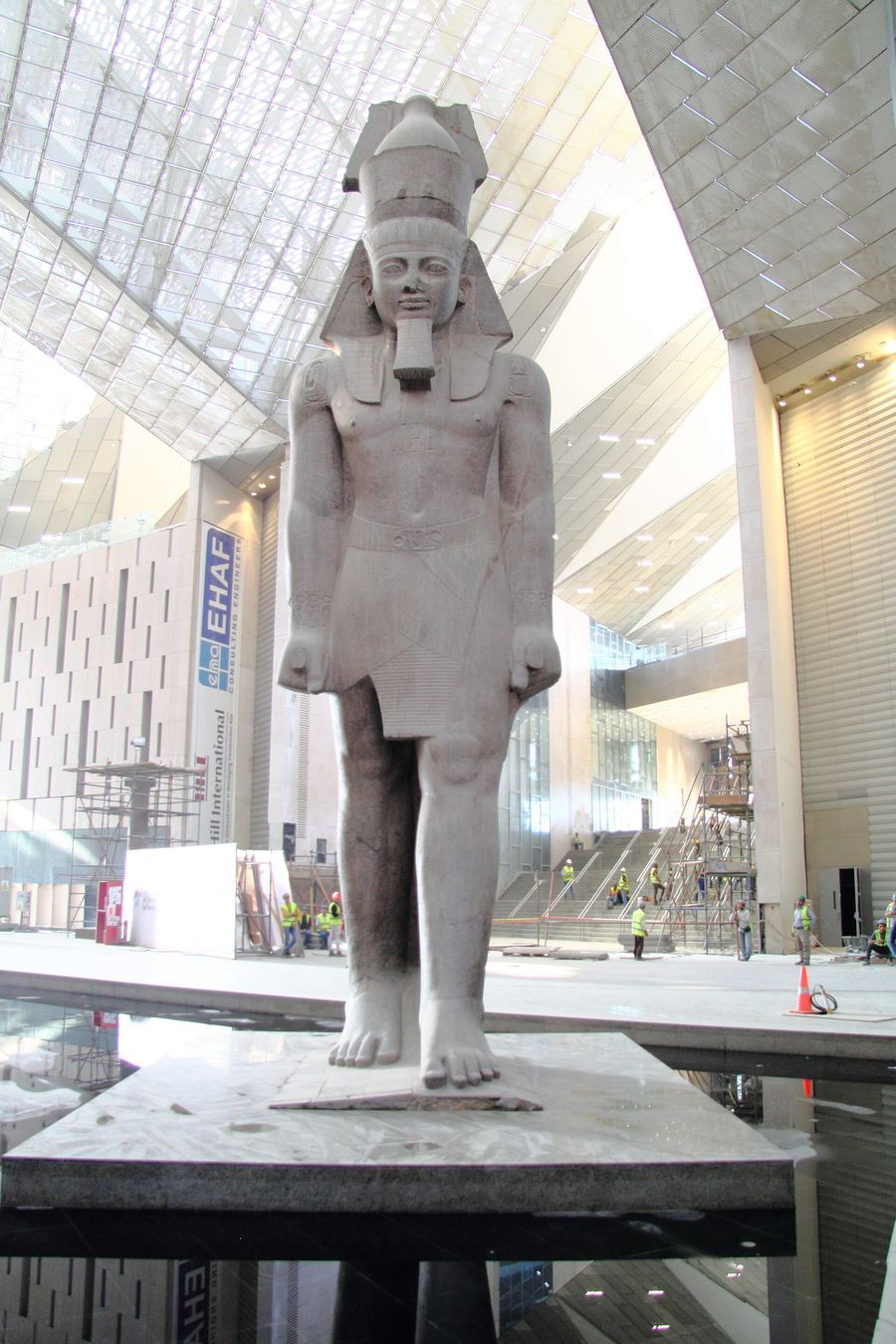
museum
Located near Giza, this mega-museum houses Tutankhamun's collection. Book timed entry slots online in advance.
Demander à Parley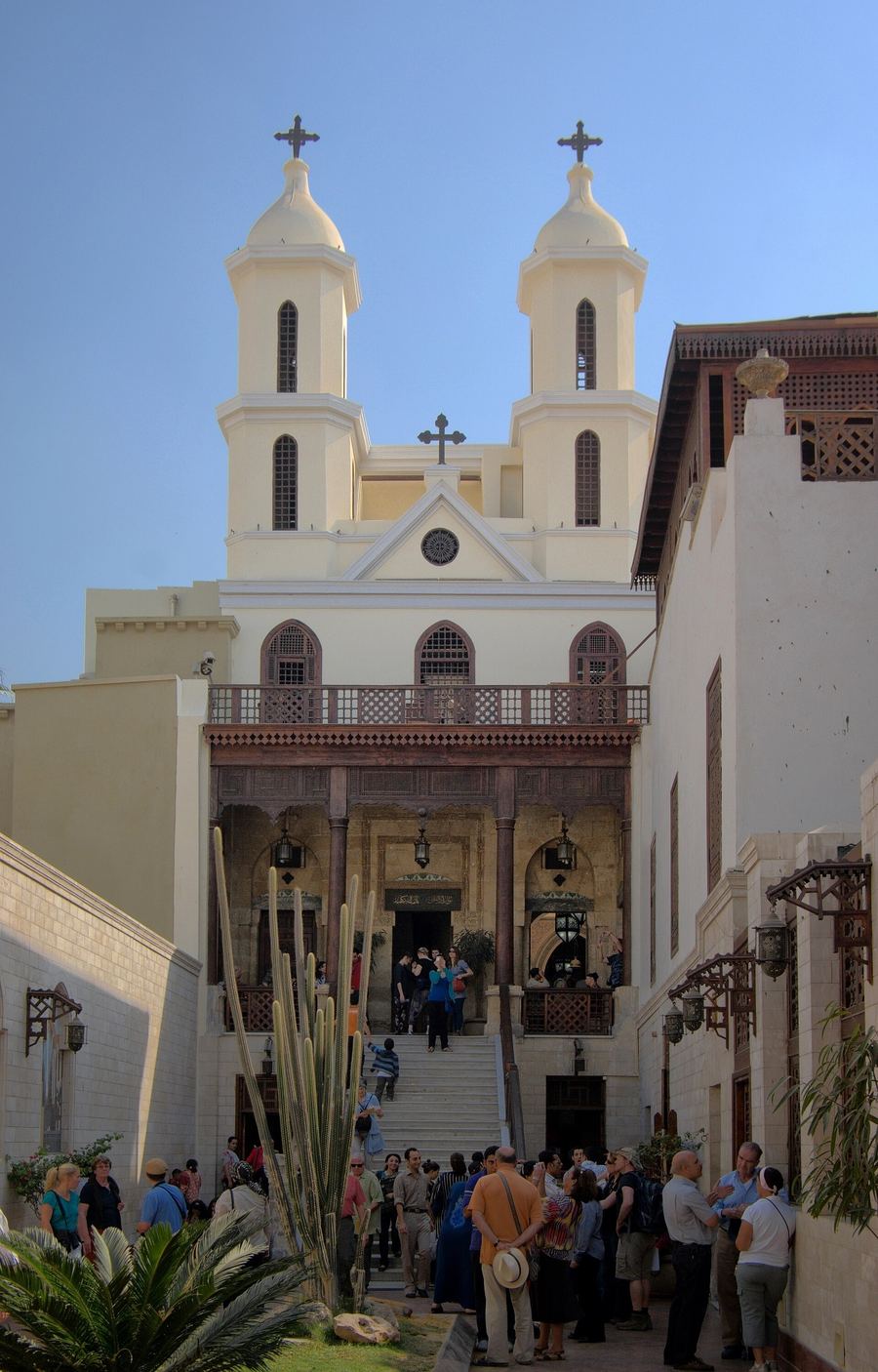
landmark
The walled enclave houses the 3rd-century Hanging Church. Take Metro Line 1 directly to Mar Girgis station.
Demander à Parley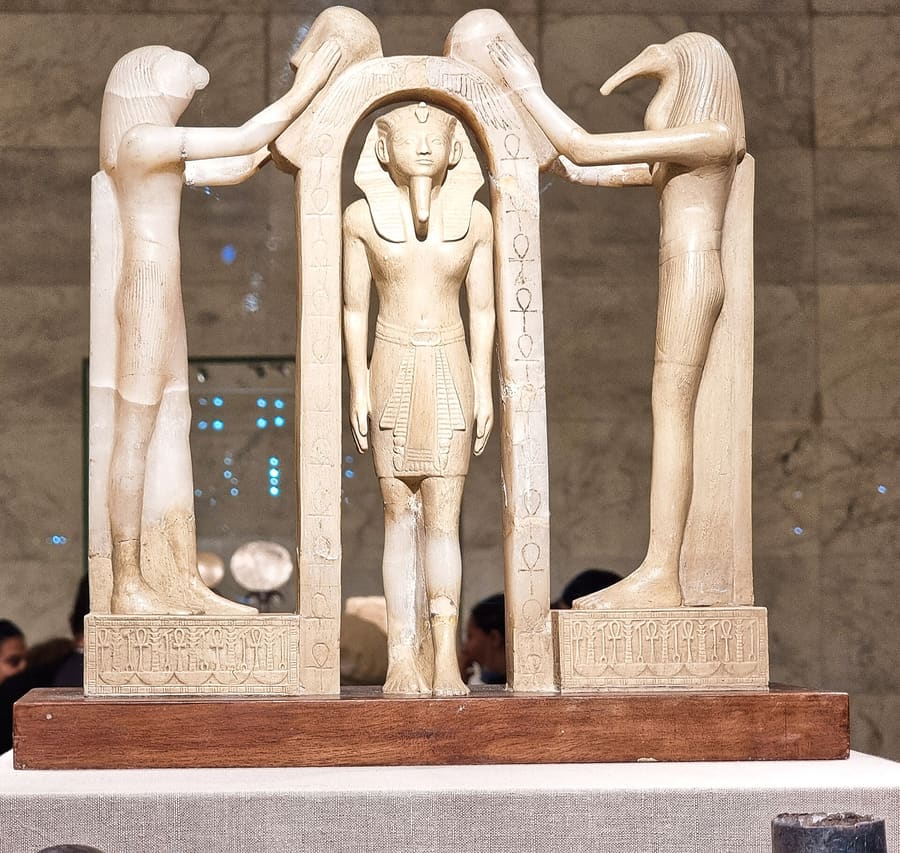
landmark
Houses twenty-two Royal Mummies transferred in 2021. The subterranean crypt displays mummies in historical context.
Demander à Parleyattractions
areas
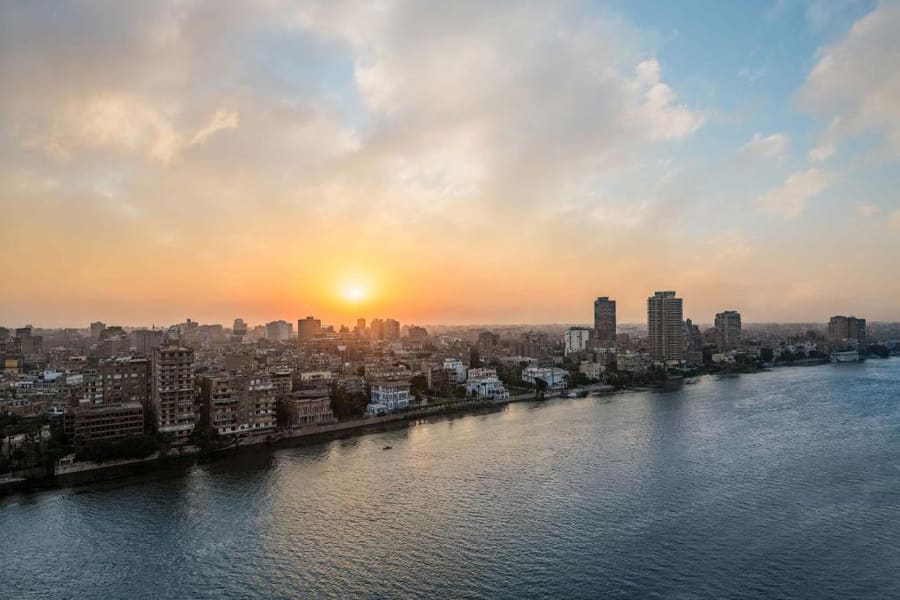
Tree-lined leafy island district with embassies, quiet cafes, and Art Deco apartment buildings.
À proximitéDowntown and Cairo Tower
Demander à Parley19th-century Haussmann-style avenues filled with heavy traffic, street vendors, and heritage cafes.
À proximitéEgyptian Museum and Tahrir Square
Demander à ParleyDensely packed medieval quarter with minarets, spice vendors, and residential alleyways.
À proximitéKhan el-Khalili and Al-Azhar Mosque
Demander à ParleySuburban residential grid with villas, green streets, and international dining options.
À proximitéCorniche and Nile felucca docks
Demander à Parleyfood
Cairo food runs on starchy, filling dishes designed for fast urban life. Koshary combines rice, macaroni, lentils, and chickpeas under spiced tomato sauce and fried onions. Ta'ameya uses ground fava beans instead of chickpeas, yielding a lighter green falafel fried fresh in deep cauldrons.
A bowl of traditional Cairo koshary served with garlic vinegar.
Dina Said · CC BY-SA 4.0Choose crowded outlets like Abou Tarek for koshary. Rapid turnover ensures fresh batches and hot ingredients.
Bakeries and street stalls fry ta'ameya early in the morning. Eat it tucked inside hot baladi flatbread.
Cairo restaurants remain empty at 19:00. Local diners arrive after 21:00, especially during warmer months.
history
Cairo grew as a sequence of capital cities built adjacent to one another along the East Bank of the Nile. Ancient Memphis and Giza dominated the Pharaonic era across the river. The Islamic conquest brought Fustat in 641 AD, followed by the Fatimid royal enclosure of Al-Qahira in 969 AD.
Giza Necropolis constructed
Pharaohs build the monumental pyramids on the Giza plateau as royal tombs.
Fatimid founding of Al-Qahira
General Jawhar establishes the fortified city that gives modern Cairo its name.
Citadel fortification
Saladin constructs the stone Citadel atop the Mokattam hills to defend against Crusaders.
Downtown modernization
Khedive Ismail hires French urban planners to create European-style boulevards downtown.
where to stay
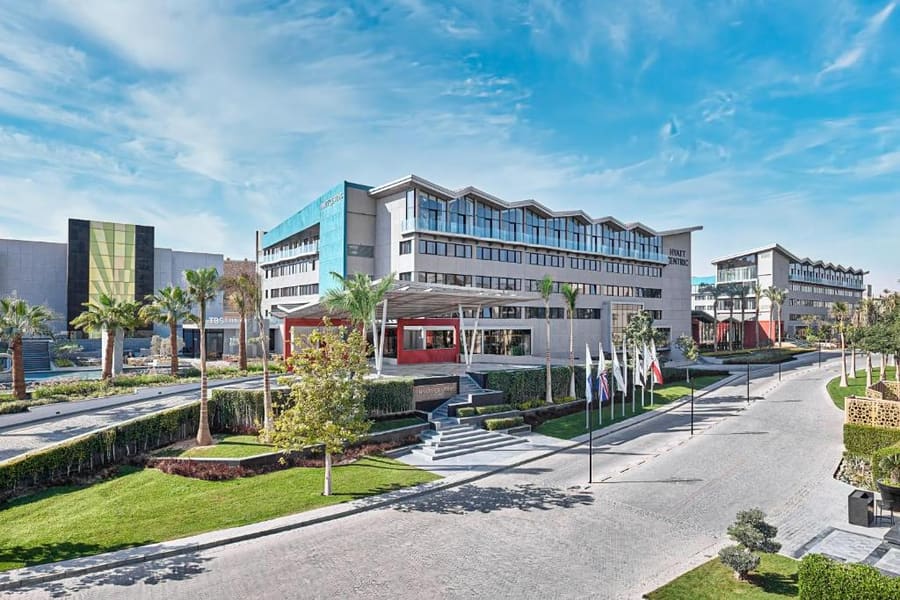
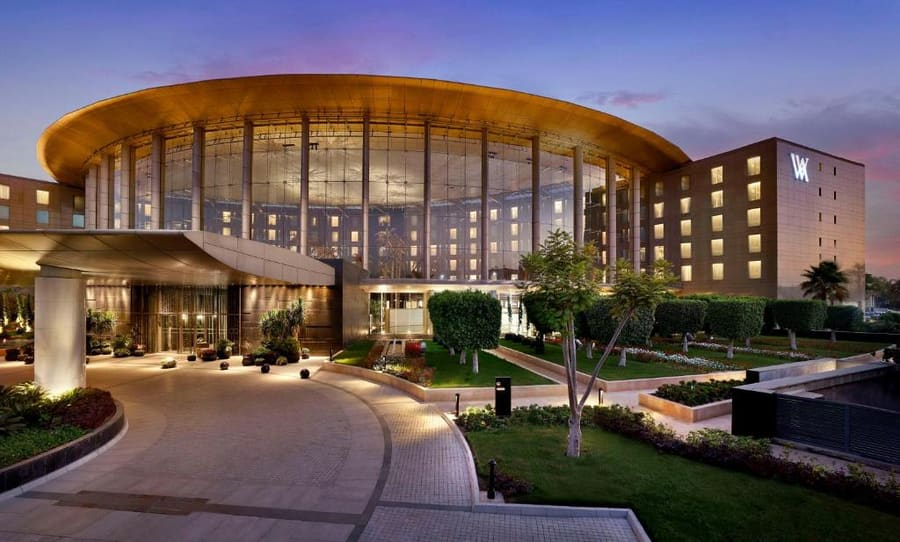
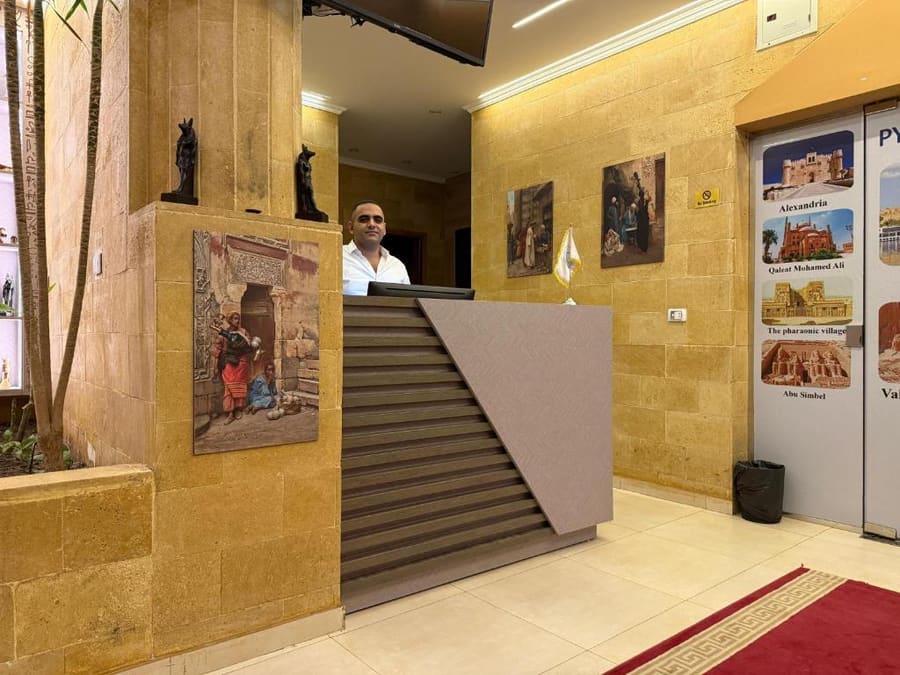
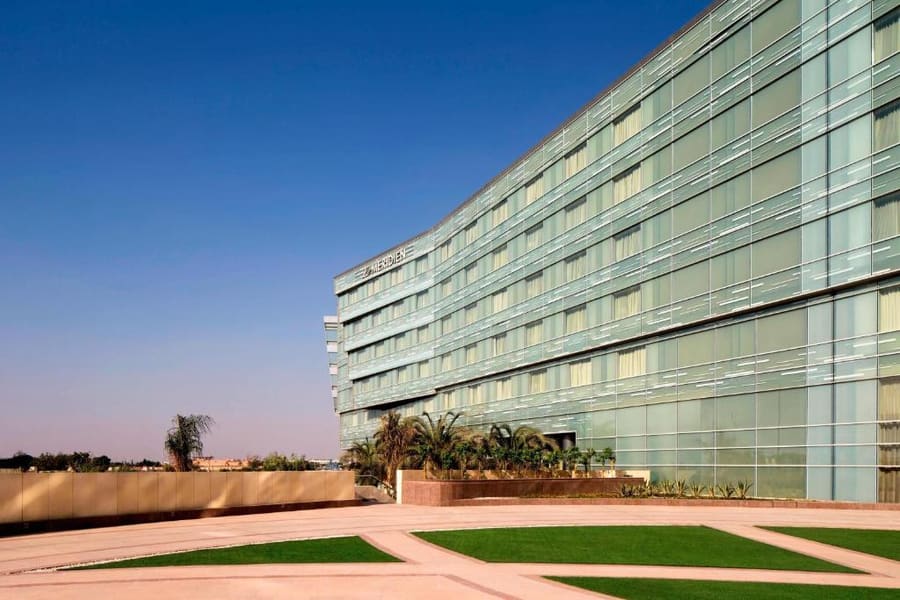
Select your base according to your tolerance for noise and urban chaos. Zamalek offers quiet streets and walkable cafes isolated on Gezira Island. Downtown puts you steps from major transit lines and classic architecture but stays loud late into the night. Giza hotels provide direct views of the pyramids but require long commutes to central historic sights.
Live rates, matched to the areas above.
transport
Cairo transit spans the underground Metro network, ride-hailing apps, and local microbuses. The Metro avoids surface traffic jams entirely. For destinations outside metro lines, ride-hailing provides fixed pricing and avoids language barriers during navigation.
Depuis Cairo International Airport (CAI)
Use app pickups outside terminals to avoid unmetered taxi solicitations.
Agree on total fare before putting luggage in the trunk if meter is unassigned.
Public buses run from Terminal 1 to Ramses Station; requires patience with traffic.
Microbus drivers and conductors do not carry large cash reserves to change high-denomination bills.
Surface road traffic freezes across Nile bridges during morning and evening commuting hours.
cost
Cairo remains affordable for international travellers, though site entry fees are set specifically for foreign tourists. Carry small cash banknotes for local purchases, tips, and street food stalls.
Basic street size costs EGP 30, while large sit-down portions reach EGP 60.
Standard entry fee for foreign adult visitors covering the general plateau grounds.
App rates for trips between Zamalek, Downtown, and Islamic Cairo.
seasonality
NOV – FEB
Cool daylight temperatures around 18–22°C. Peak tourist period requiring hotel bookings weeks in advance.
MAR – MAY
Mild spring weather with occasional desert windstorms (Khamaseen). Excellent window for daytime sightseeing.
JUN – AUG
Extreme summer heat often exceeding 40°C. Sightseeing is limited to early mornings and indoor museums.
SEP – OCT
Temperatures drop back to manageable levels. Sightseeing conditions improve with moderate visitor density.
practicalities
Exchange counters refuse damaged or marked foreign bills. Request clean Egyptian notes at ATMs.
Tap water in Cairo is heavily chlorinated and unsafe for unhabituated stomachs.
Cover shoulders and knees when visiting working mosques or residential quarters in Islamic Cairo.
Shops and sights open late on Friday due to morning prayers. Plan major tours after 13:00.
Agree on hourly boat rental prices along the Dokki or Maadi corniche before stepping aboard.