landmark
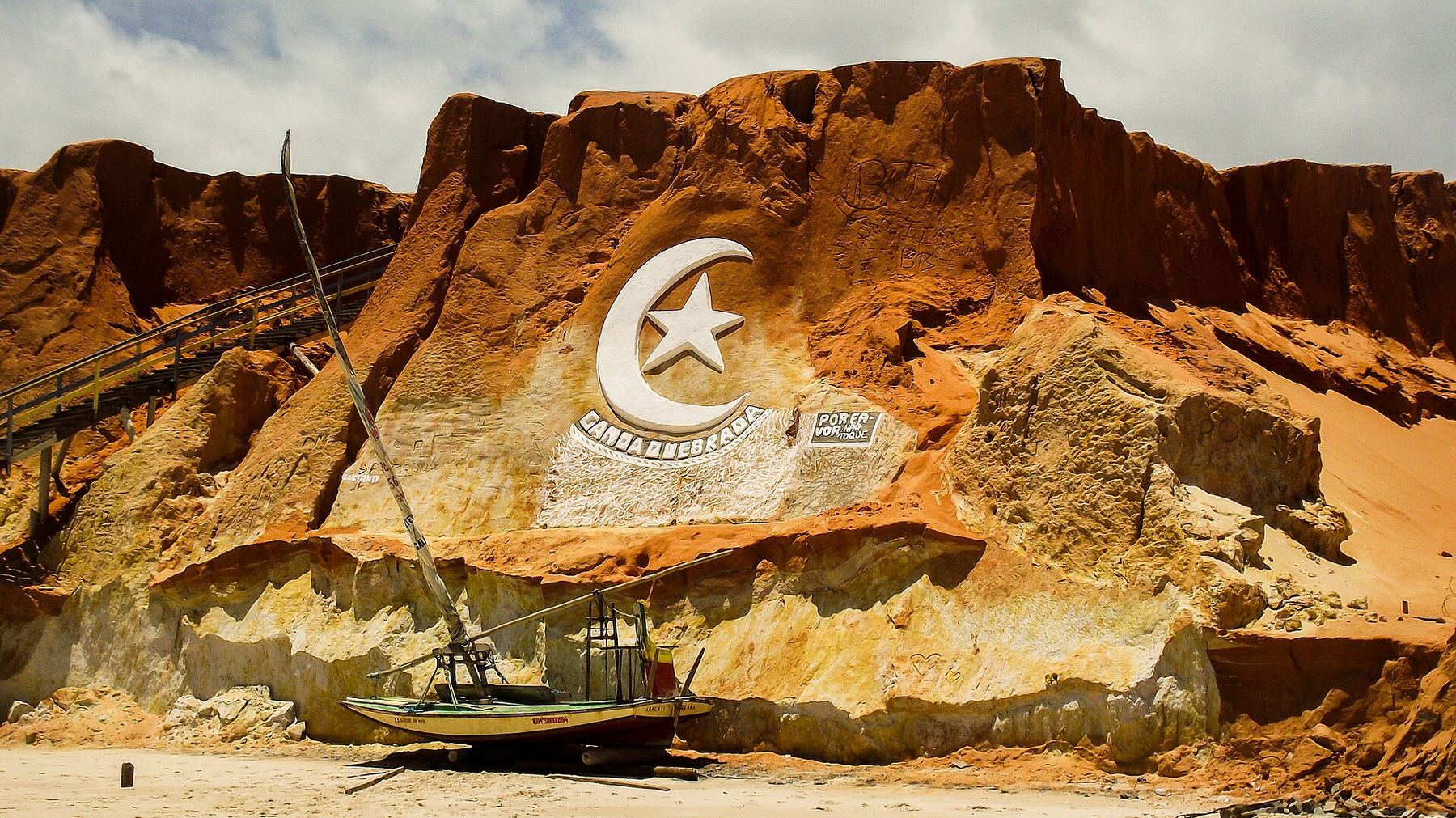
Falésias Vermelhas
Iron-rich sandstone cliffs framing the beach. Walk along the base only during low tide to avoid getting cornered by incoming waves.
Demander à ParleyBrésil
Red cliffs, strong Atlantic winds, and dune-backed sand.
introduction
Canoa Quebrada sits on red sandstone cliffs overlooking the Ceará coastline, 160 kilometers southeast of Fortaleza. A single pedestrian street called Broadway concentrates the dining and nightlife, while beach shacks line the sand below. Constant trade winds draw windsurfers and kitesurfers from July through December. Navigating the town requires walking sand paths and timing beach walks around the ocean tides.
Airport connections
Fly into Fortaleza (FOR) and catch a direct São Benedito bus from the central terminal. It takes three hours and costs around R$ 45.
Environmental protection zone
The red cliffs and dune fields are protected under state environmental laws. Driving private cars directly onto the sand is strictly illegal.
Cash and tide schedules
High tide covers the narrow beach pass under the cliffs. Withdraw cash in Aracati before arriving because local ATMs frequently run dry on weekends.
Canoa Quebrada
Patrick - Patrick · CC BY-SA 3.0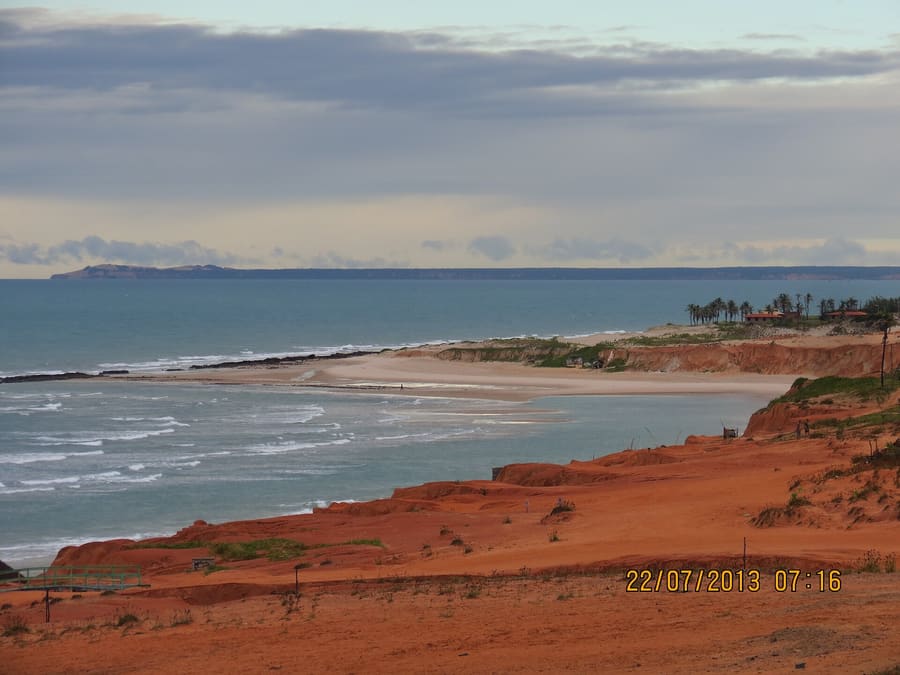
Cliffside — Quiet pousadas set on the red cliffs overlooking the open ocean.
Pablo Soares · CC BY-SA 3.0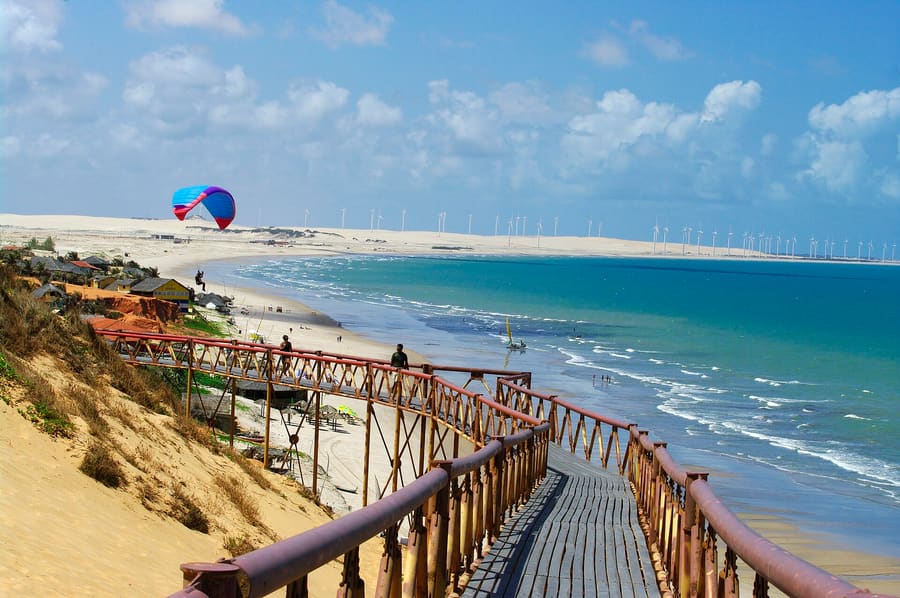
Volta — Unpaved residential area behind dunes with local grocery stores and guesthouses.
Otávio Nogueira · CC BY 2.0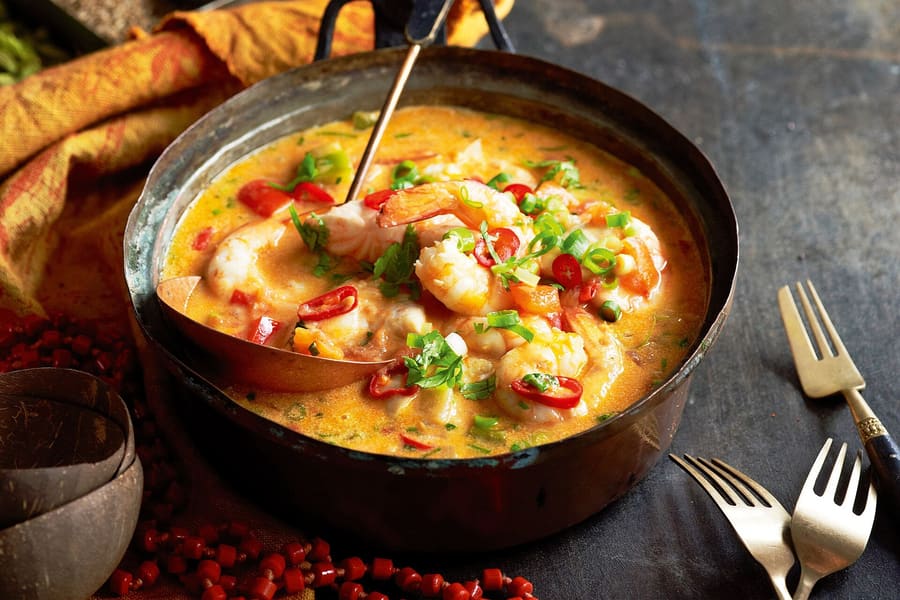
Freshly caught grilled fish and lobster served with cassava flour and coconut rice.
BR · CC BY-SA 4.0highlights
landmark
Iron-rich sandstone cliffs framing the beach. Walk along the base only during low tide to avoid getting cornered by incoming waves.
Demander à Parleylandmark
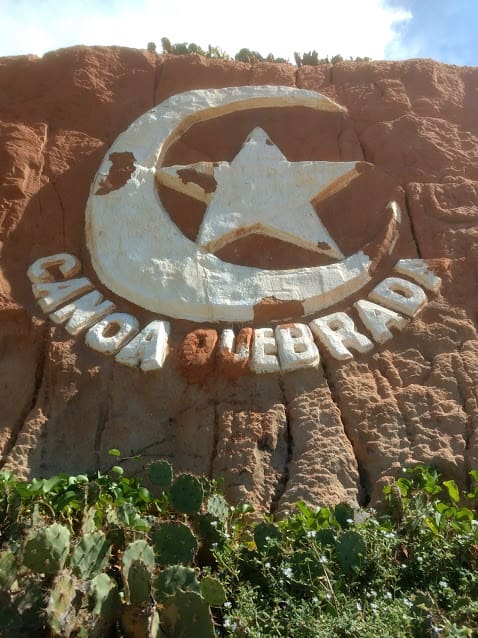
A crescent moon and star carved into the red cliff face in the 1970s. Look for it on the main cliff section south of the beach access ramp.
Demander à Parley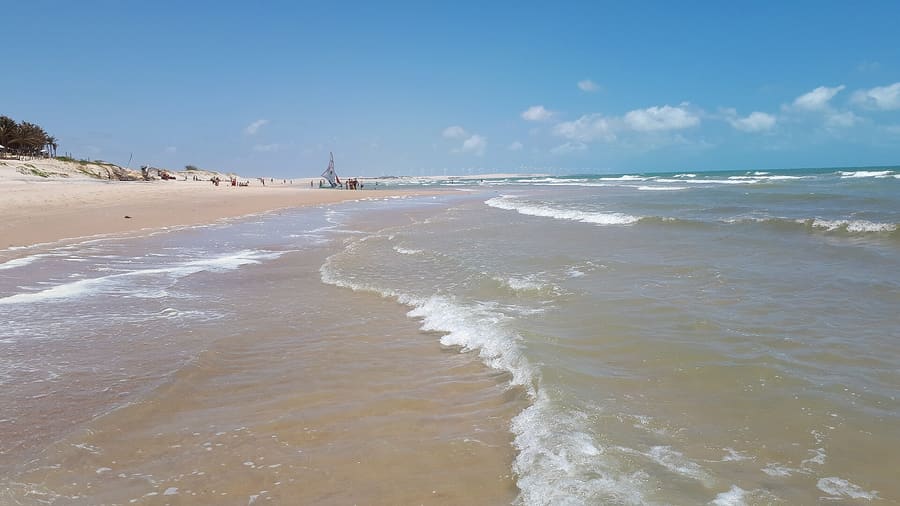
landmark
A wide ocean beach backed by wooden barracas serving fresh fish. Strong currents require cautious swimming near the cliff edges.
Demander à Parley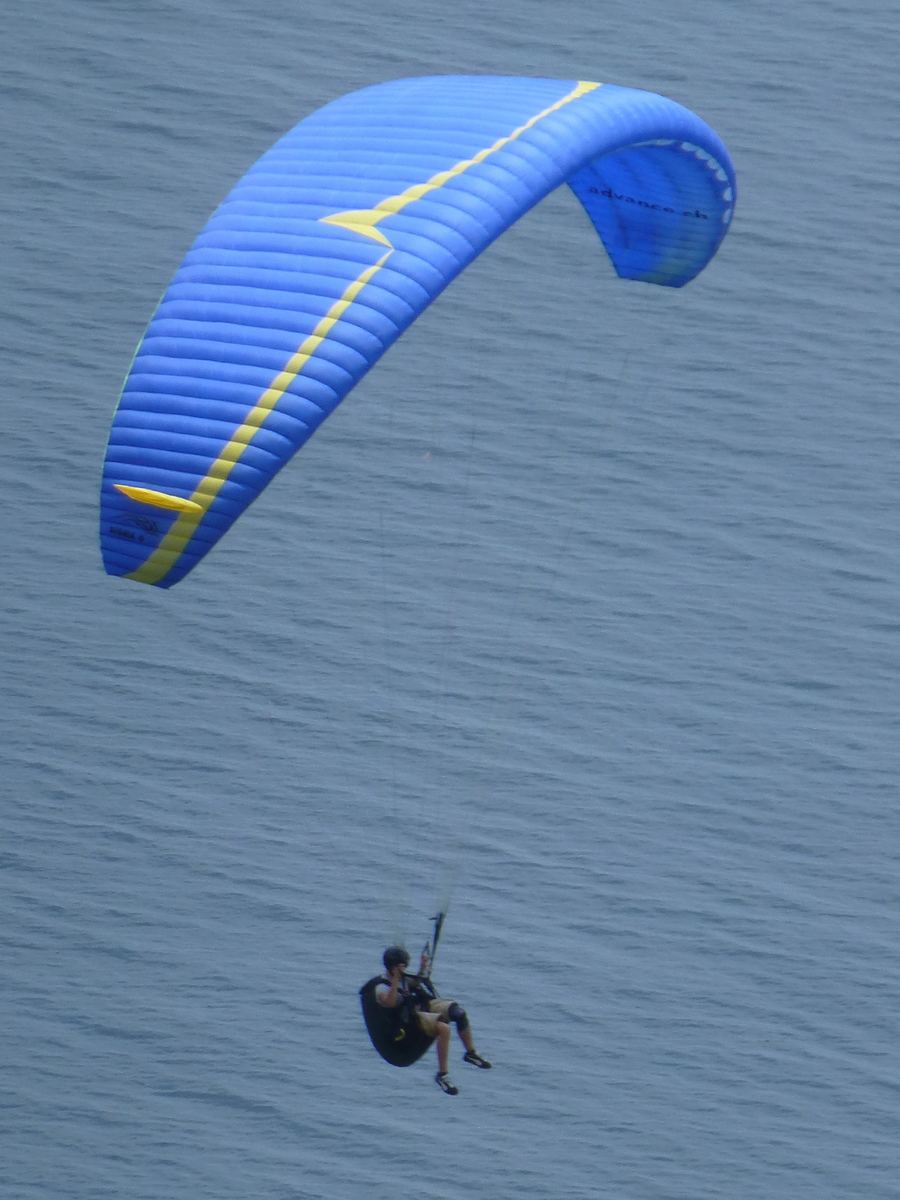
landmark
A clifftop launch site above the main beach ramp. Tandem flights ride steady thermal winds along the coastline daily.
Demander à Parleyattractions
areas
Quiet pousadas set on the red cliffs overlooking the open ocean.
À proximitéMoon and Star carving, paragliding launch, cliff trails.
Demander à ParleyUnpaved residential area behind dunes with local grocery stores and guesthouses.
À proximitéDuna do Pôr do Sol, dune buggy tracks, local markets.
Demander à ParleyPaved pedestrian strip filled with reggae beats, open-air bars, and late-night dining.
À proximitéBeach ramp, main taxis, daytime bakeries.
Demander à ParleyAn 18th-century colonial river town 12 kilometers inland, known for tiled facades.
À proximitéJaguaribe River, historic churches, major banks.
Demander à Parleyfood
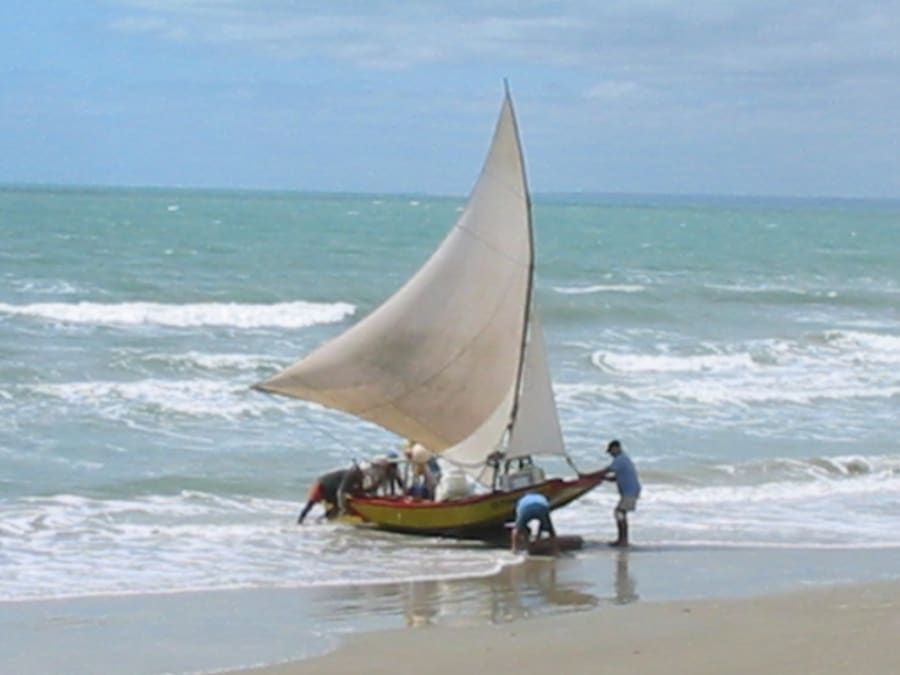
Canoa Quebrada relies heavily on wild seafood harvested along the Ceará coast. Local fishermen use traditional wooden sailboats called jangadas to catch red snapper, lobster, and octopus daily. On the beach, large open-air restaurants called barracas prepare fish over charcoal or simmer seafood in coconut milk with dendê oil.Dining options split between daytime beach shacks and nighttime venues on Broadway. Beach barracas charge higher prices for grilled fish plates, but the cost includes shade, lounge chairs, and direct ocean access. Dinner on Broadway shifts toward moqueca stew, seafood risotto, and wood-fired pizza catered to international visitors.
Freshly caught grilled fish and lobster served with cassava flour and coconut rice.
BR · CC BY-SA 4.0Kitchens at coastal shacks slow down after 15:00 as the daytime crowds drift away toward the dunes.
A local Ceará dish featuring fried fish fillets topped with fried bananas, melted cheese, and cream sauce.
Some larger beach barracas require a minimum food order to use their sun loungers without a fee.
history
Before tourism arrived, Canoa Quebrada was a remote fishing village inhabited by indigenous descendants and Portuguese traders. The isolated settlement sat wedged between sea cliffs and shifting sand dunes, reachable only on horseback or by walking along the coast at low tide.In the 1970s, French filmmakers and counterculture travelers discovered the village. They settled alongside local fishermen, creating an off-grid community. A local craftsman named Lima carved the crescent moon and star into the red cliffs, establishing a visual mark that came to define the town.
Counterculture era
Travelers from Europe and Rio de Janeiro arrive in Canoa Quebrada, establishing an artistic colony.
Paved road access
Completion of state highway CE-040 connects the village directly to Fortaleza, launching commercial tourism.
APA status established
The state creates an Environmental Protection Area to regulate development along the red cliff formation.
where to stay
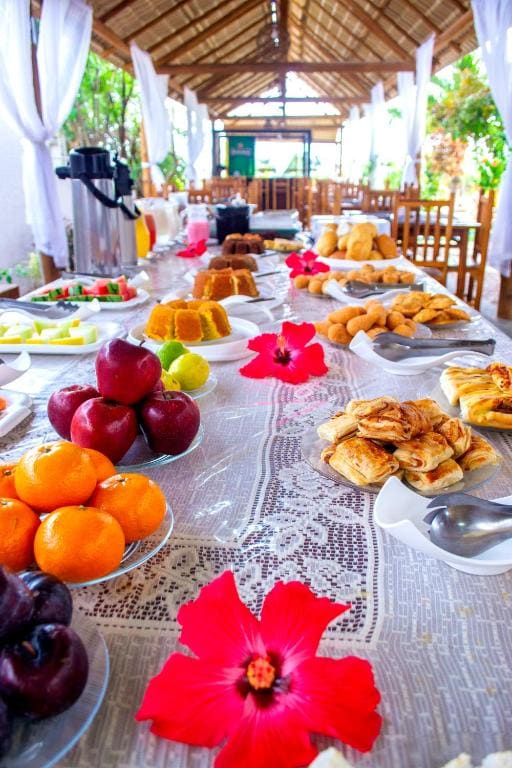
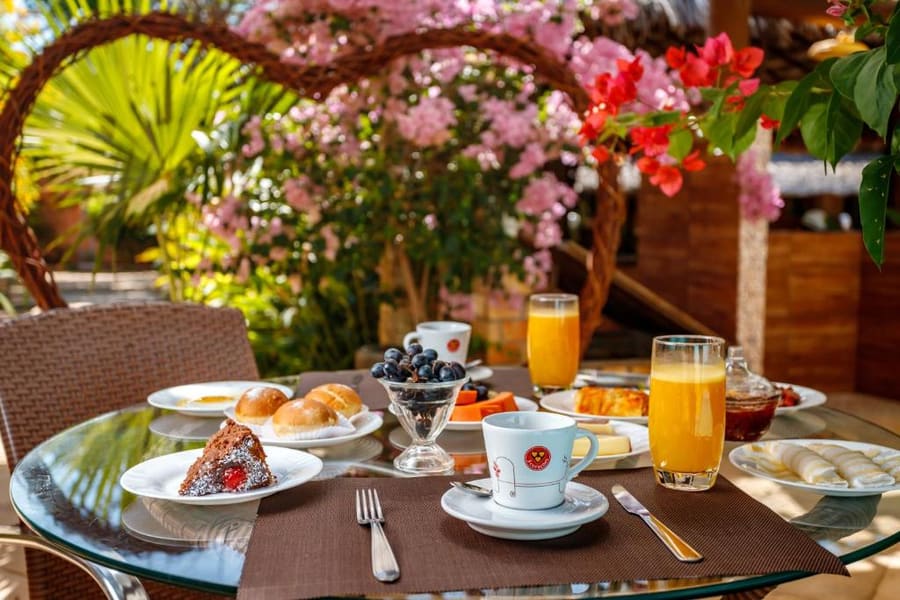
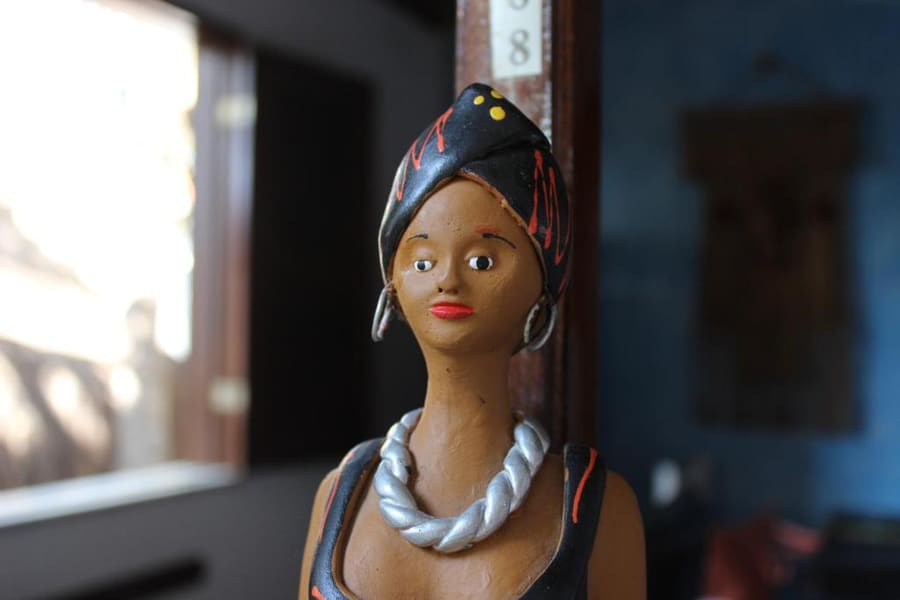
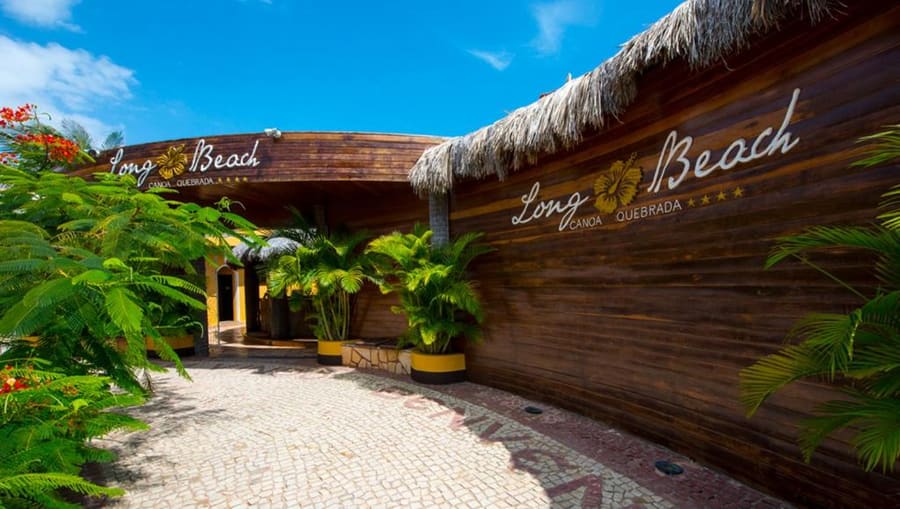
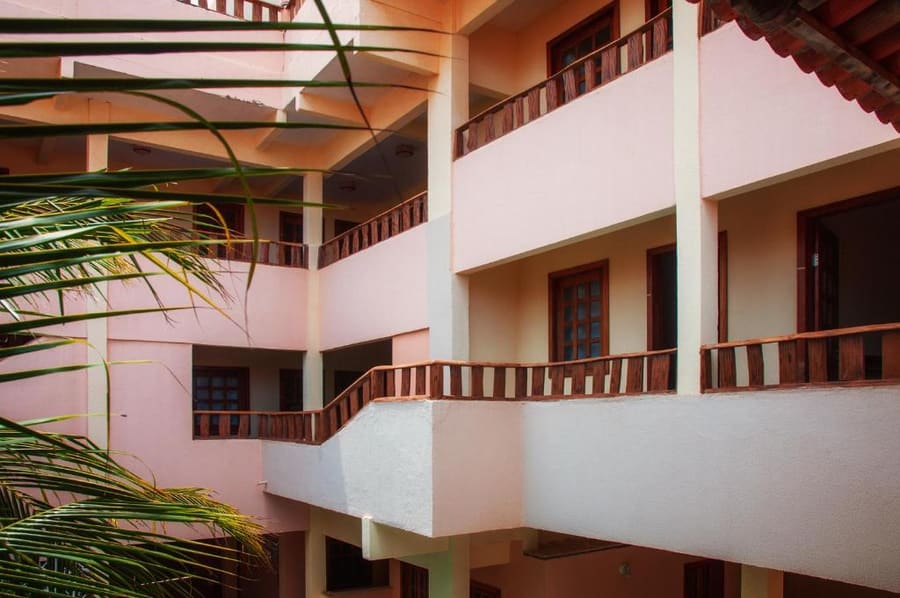
Choose your base depending on whether you value quiet sleep or nighttime convenience. Stays near Broadway place you steps from restaurants and nightlife, but background music carries into late hours. Cliffside properties offer ocean breezes and direct water views at a higher price point, while inland guesthouses in the Volta district provide budget rooms with quiet nights.
Live rates, matched to the areas above.
transport
Canoa Quebrada's central village is compact and largely vehicle-free. Rua Dragão do Mar operates entirely as a pedestrian zone. Cars park in dedicated lots at the village entrance or at individual pousadas. Standard taxis and accredited dune buggies handle transport outside the pedestrian core.
Depuis Fortaleza Airport (FOR)
Pre-booked drivers pick up directly at FOR arrivals terminal.
Drivers accept long trips south on highway CE-040, but return availability varies.
You do not need a vehicle within Canoa Quebrada village. Everything sits within a 15-minute walk.
Look for green registration stickers on dune buggies. Unlicensed drivers are prohibited from entering coastal dune routes.
Walking along the base of the cliffs to neighboring beaches like Majorlândia requires leaving at low tide.
Local taxis in Aracati do not use meters for trips to Canoa Quebrada. Agree on the fare before getting into the car.
cost
Prices in Canoa Quebrada rise significantly during peak holiday windows around New Year, Carnival, and July school holidays. Off-season travel brings discount accommodation rates, though restaurant prices stay stable year-round.
Covers a 1.5-hour tour through the coastal dunes, Lagoa do Mato, and local cliff viewpoints for up to four passengers.
Serves two adults at beach barracas, including rice, farofa cassava flour, and green salad.
Includes a 15-minute flight along the red cliffs with an accredited instructor.
Standard price along Broadway bars and daytime beach stalls.
seasonality
JUL – NOV
Peak wind season with steady trade winds. Ideal for kitesurfing and dry beach days with near-zero rainfall.
DEC – FEB
Peak Brazilian summer holidays. Hot, sunny days with packed beaches, high hotel rates, and vibrant nightlife.
MAR – MAY
Rainy season in Ceará. Passing tropical showers hit the coast, lower accommodation rates, quiet streets.
JUN
Transition month as rains fade and winds pick up. Great value window before July school holiday rush.
practicalities
Canoa Quebrada sits four degrees south of the equator. UV indexes reach extreme levels by 10:00 daily.
There are no major bank branches in Canoa Quebrada village. Bring cash or use card payment, though signal dropouts happen.
The open ocean coastal break features strong lateral currents. Swim in designated areas monitored by lifeguard posts.
High heels are impractical on Broadway's unpaved sand sections and cobblestones. Flip-flops or flat sandals work best.
Broadway remains quiet until late evening. Restaurants pick up after 20:00, while bars and dance spots peak after midnight.