landmark
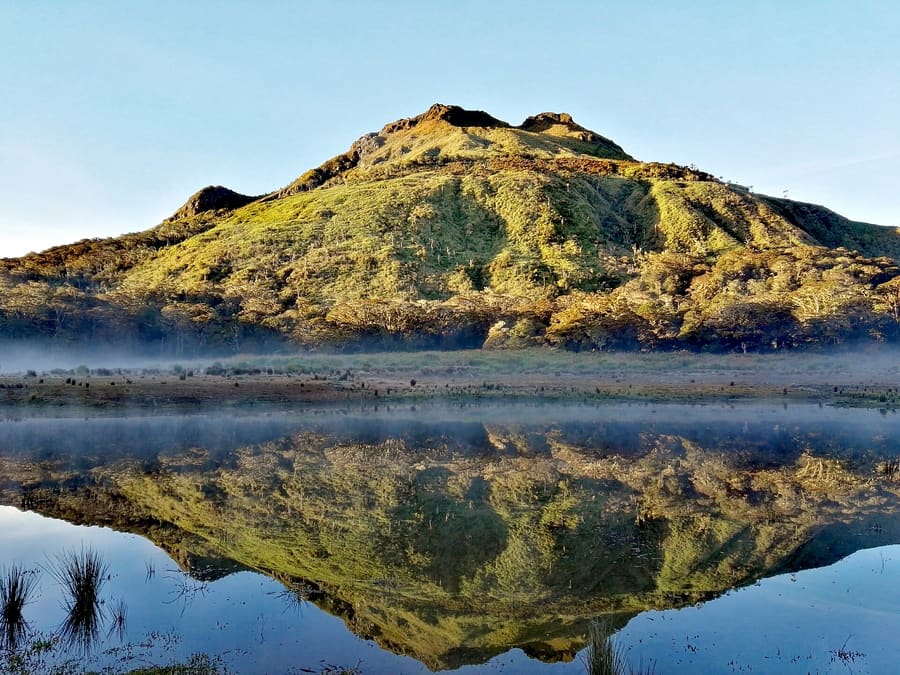
Mount Apo
The highest peak in the Philippines requires a permit from the city tourism office. Book climbing slots weeks ahead in dry season.
Demander à ParleyPhilippines
Mindanao's orderly commercial hub of fruit, eagles, and peak.
introduction
Davao City spreads across a massive land area between Mount Apo and the Gulf of Davao. Its strict municipal ordinances create an unusually orderly metropolis with mandatory speed limits and enforced bans on public smoking and late-night alcohol sales. You navigate the long urban corridor using white taxis or route-bound jeepneys. Expect straightforward safety, high humidity, and cheap fresh seafood.
Airport taxi queue
Official white taxis queue right outside arrivals at Francisco Bangoy International Airport. Drivers run the meter without negotiation.
Municipal smoke ban
Davao City enforces a strict ban on public smoking and vaping. Lighting up in non-designated outdoor spots brings immediate fines.
1 AM liquor curfew
Bars stop serving alcohol at 1:00 AM under municipal ordinance. Establishments close promptly, so plan evening drinks early.
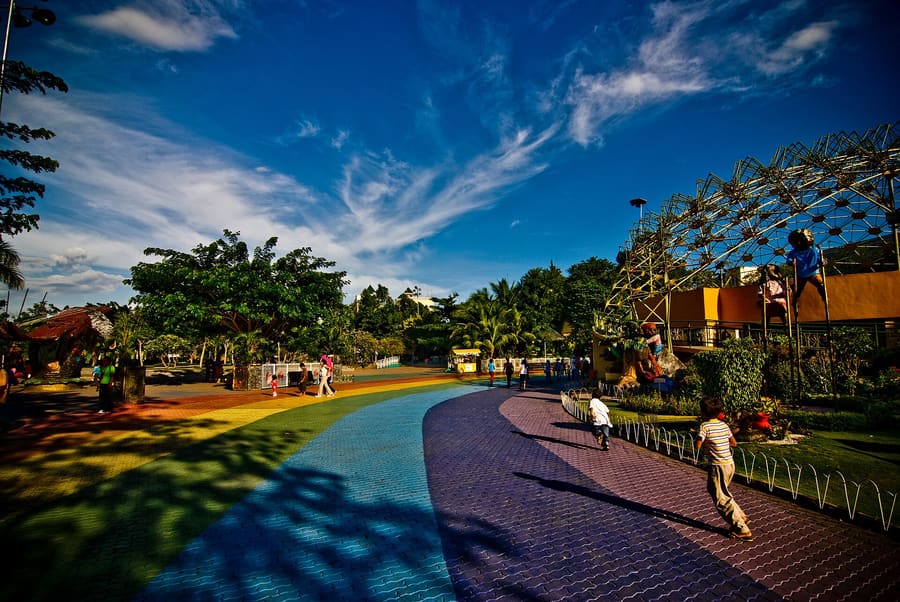
Davao City
Reuel Mark Delez from Valenzuela, Philippines · CC BY 2.0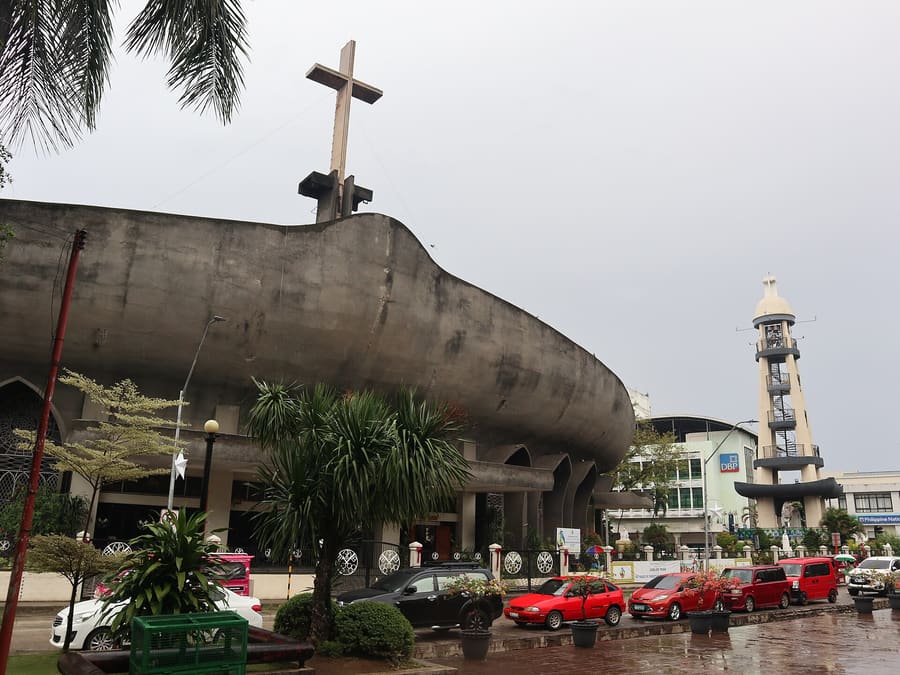
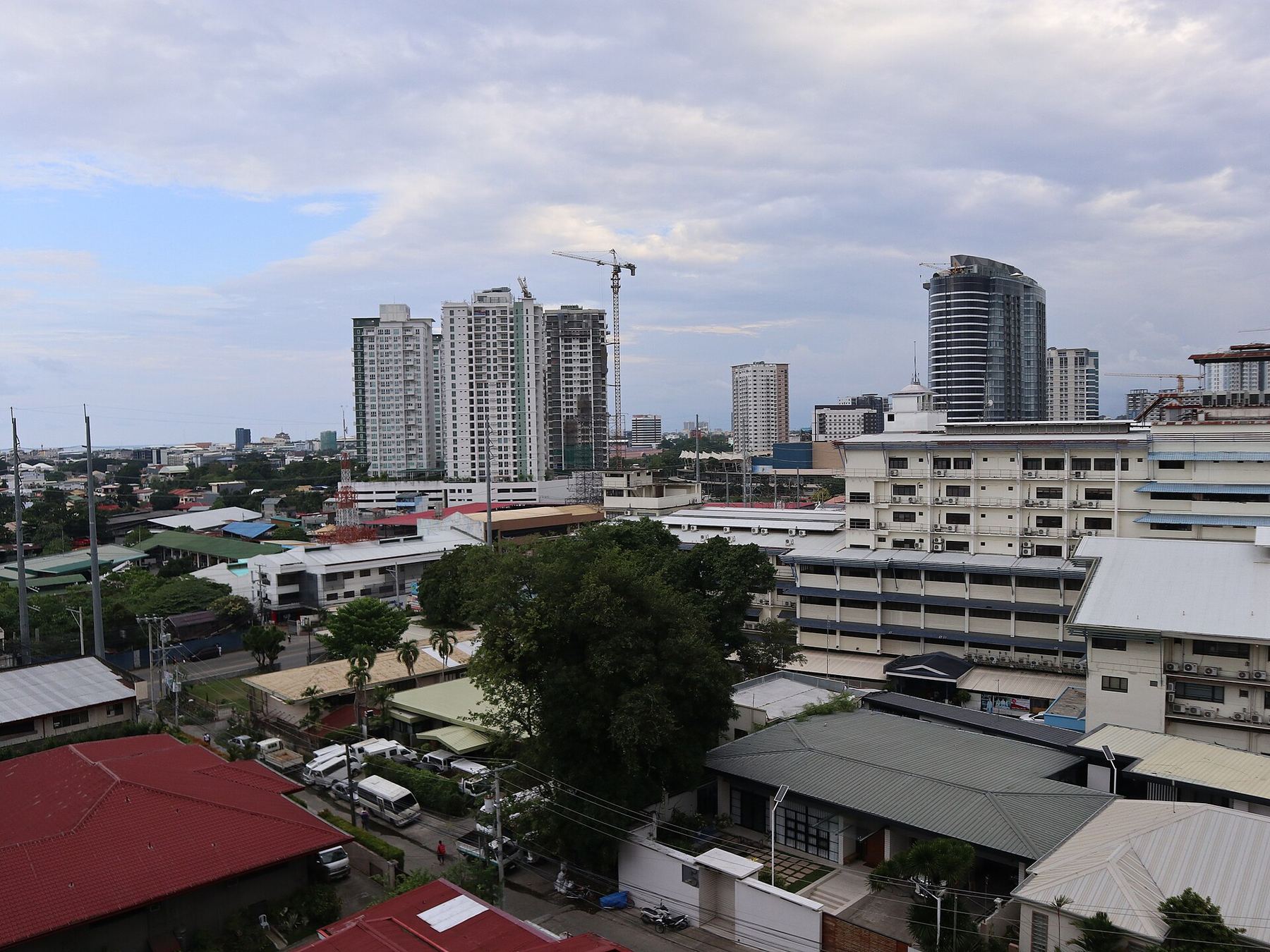
Poblacion — Compact administrative center with historic churches, cheap eateries, and dense jeepney routes.
patrickroque01 · CC BY-SA 4.0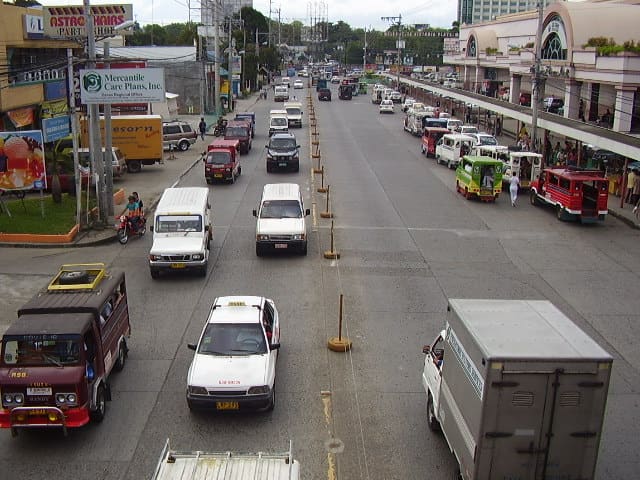
Bajada — Central commercial strip lined with hospitals, shopping centers, and mid-range business hotels.
Pascalll · Public domain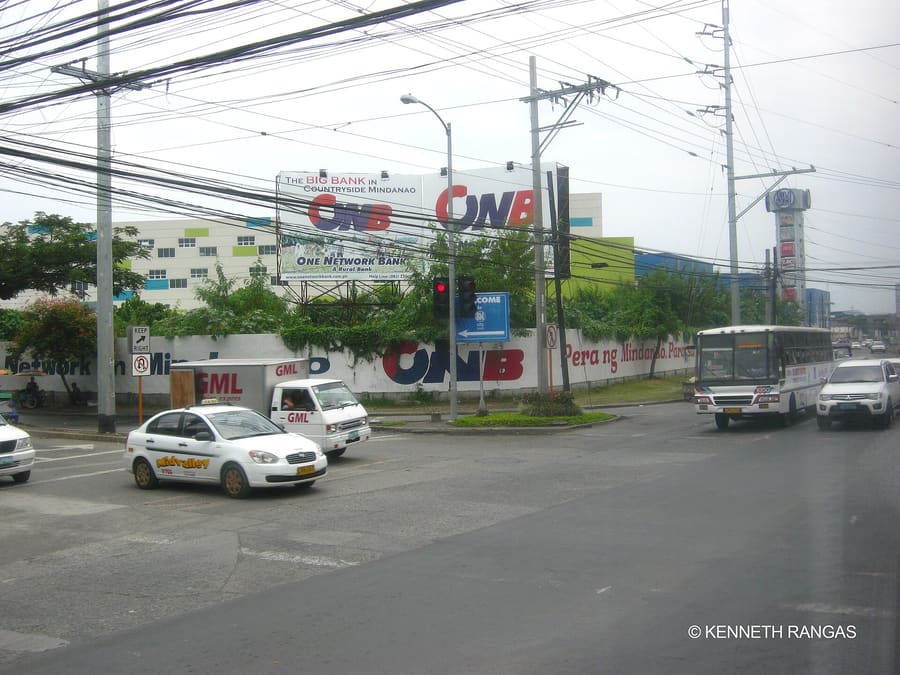
Matina — Southern suburb packed with universities, open-air food parks, and residential green space.
Kenneth Rangas · CC BY 3.0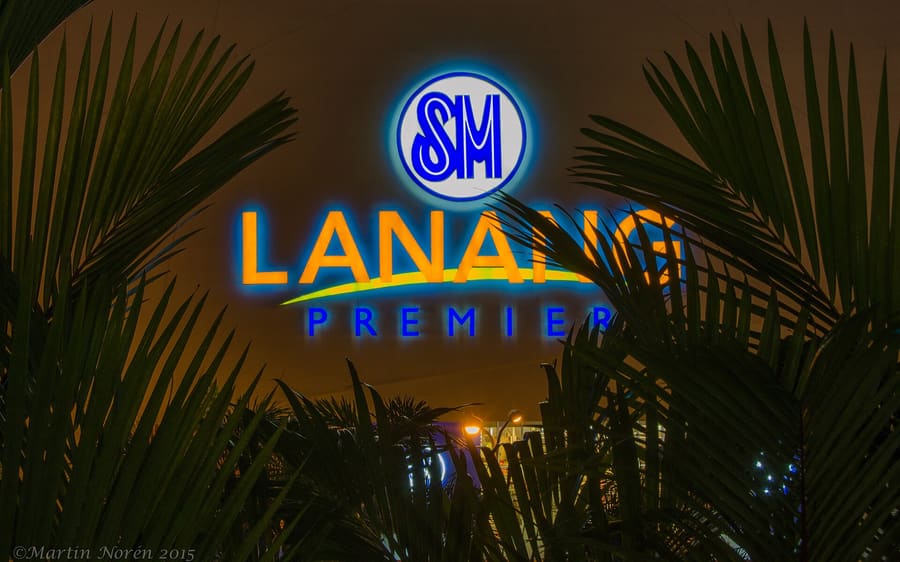
Lanang — Modern northern commercial district with upscale hotels, convention halls, and wide roads.
Moody Fotografi · CC BY 2.0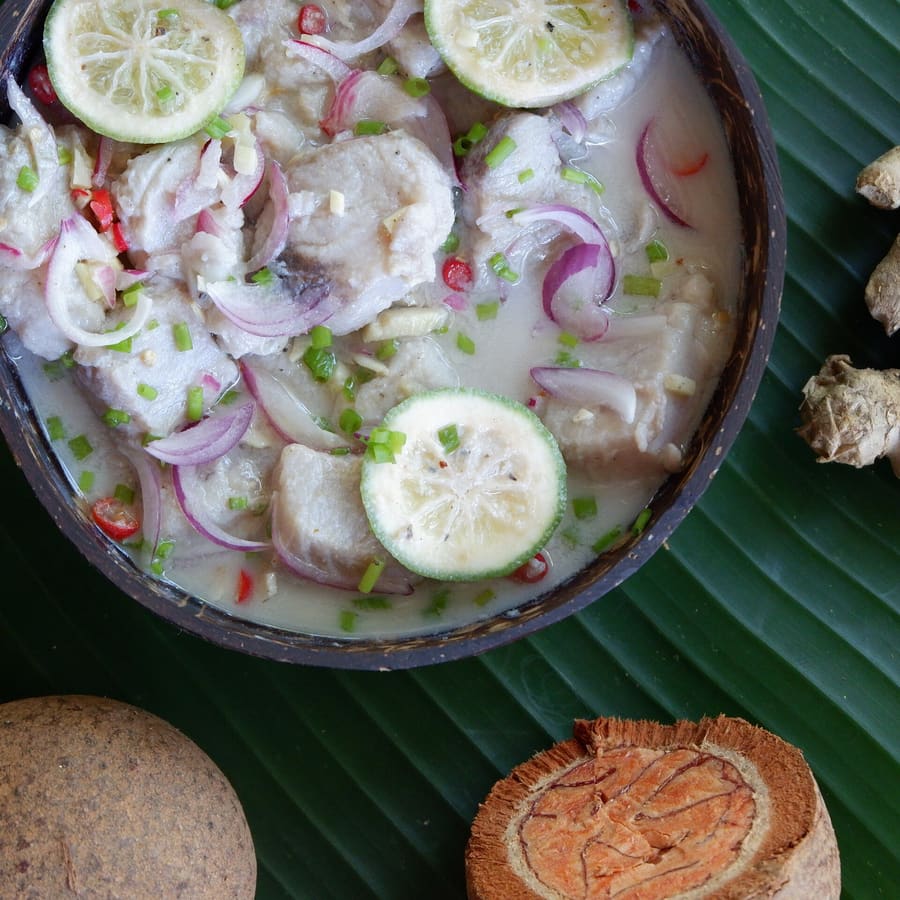
Kinilaw prepared with fresh yellowfin tuna, ginger, and citrus.
Lokalpedia · CC BY-SA 4.0highlights
landmark
The highest peak in the Philippines requires a permit from the city tourism office. Book climbing slots weeks ahead in dry season.
Demander à Parley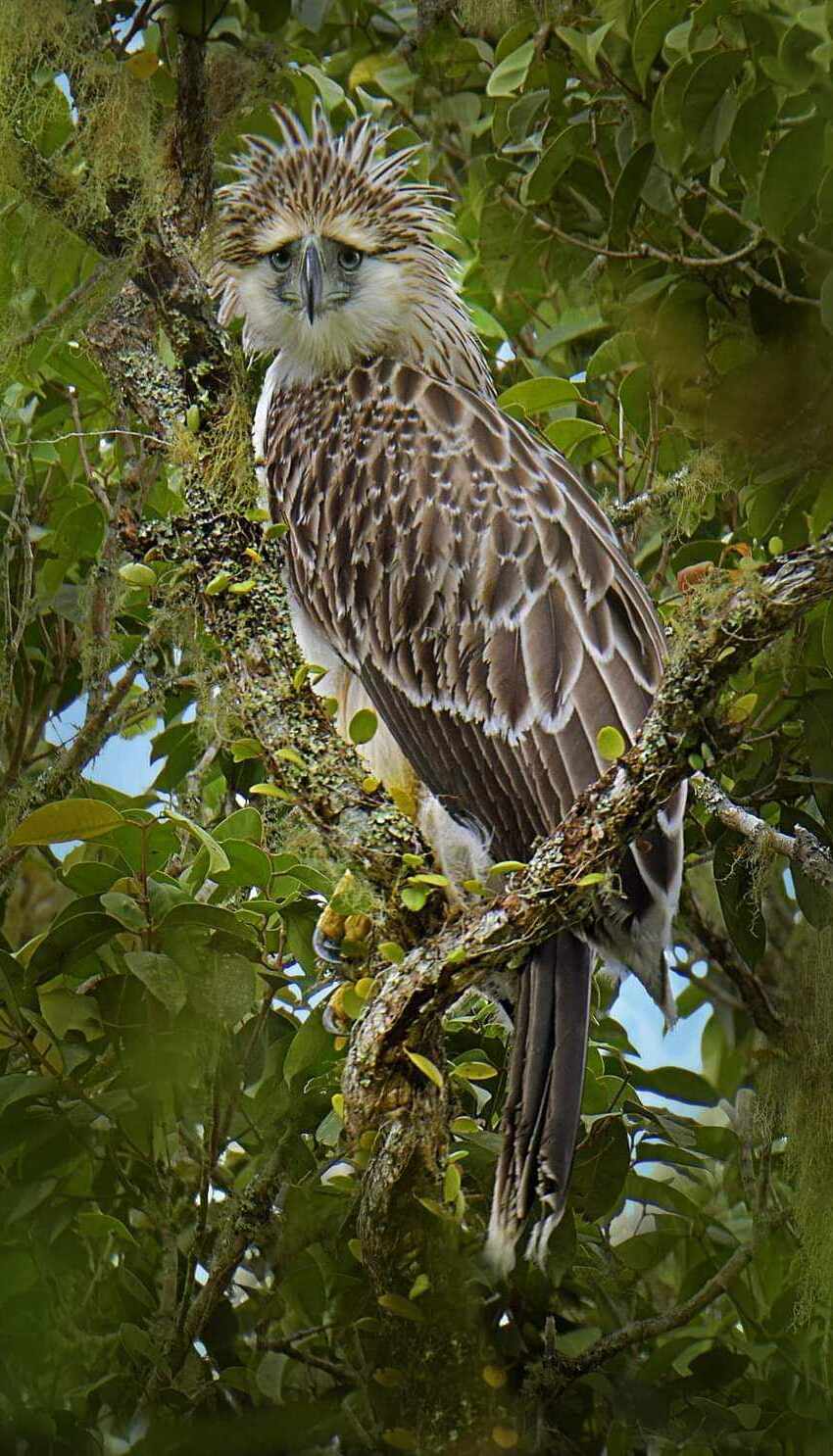
landmark
This Calinan breeding center holds critically endangered raptors. Arrive before 10:00 to see active birds before midday heat.
Demander à Parley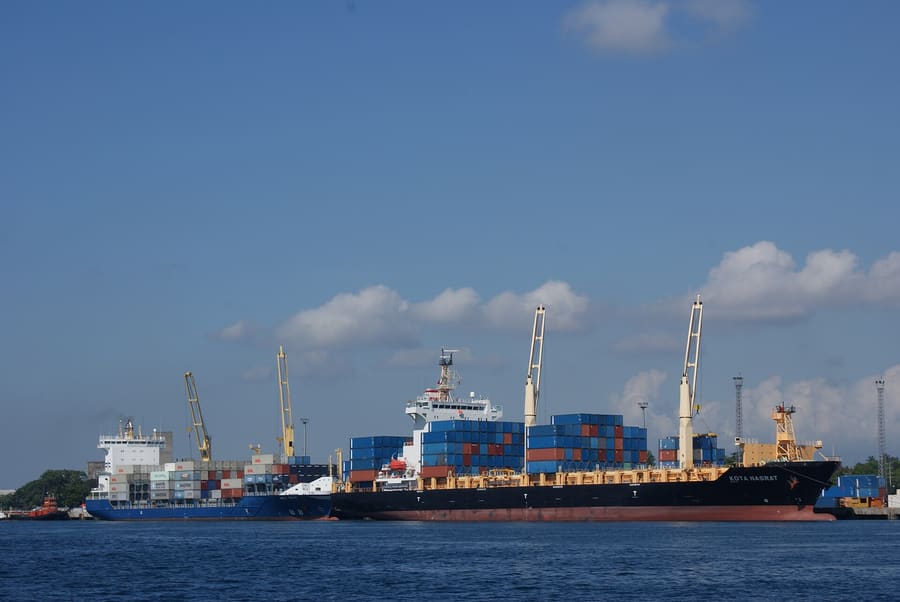
landmark
The urban departure point for passenger ferries to Samal Island. Buy tickets at the pier counter before queueing at the gangway.
Demander à Parleyattractions
areas
Compact administrative center with historic churches, cheap eateries, and dense jeepney routes.
À proximitéRoxas Night Market and San Pedro Cathedral
Demander à ParleyCentral commercial strip lined with hospitals, shopping centers, and mid-range business hotels.
À proximitéAbreeza Mall and Victoria Plaza
Demander à ParleySouthern suburb packed with universities, open-air food parks, and residential green space.
À proximitéMatina Town Square and Shrine Hills
Demander à ParleyModern northern commercial district with upscale hotels, convention halls, and wide roads.
À proximitéSM Lanang Premier and Davao International Airport
Demander à Parleyfood
Davao sits beside the Gulf of Davao, with a port that handles primarily agricultural exports while General Santos City is the primary port for yellowfin tuna in Mindanao. Local cooks prepare yellowfin raw or grilled over coconut charcoal within hours of landing.Kinilaw na malasugi or tuna is cured in coconut vinegar and calamansi juice, then seasoned with ginger and native chili. Cooks often mix in tabon-tabon fruit or suha pulp to temper the acidity. You find this dish served daily at seafood eateries along Boulevard and local grill houses.Fruit stalls dominate street corners between August and October during peak harvest season. Durian varieties like Puyat and Arancillo are sold by weight and opened on request. Cacao plantations on the slopes of Mount Apo supply the city's craft chocolate industry.
Kinilaw prepared with fresh yellowfin tuna, ginger, and citrus.
Lokalpedia · CC BY-SA 4.0Hotels and taxis strictly prohibit fresh durian due to the smell. Eat the fruit at stall benches in Magsaysay Park.
Roxas Night Market vendors and casual eateries take cash only. Keep small 20 and 50 peso notes ready.
history
Davao City grew from indigenous Bagobo and Lumad settlements along the Davao River into Mindanao's largest urban economic center. Spanish forces established a permanent outpost in 1848 under Don Jose Oyanguren.Japanese immigrants settled in the early twentieth century to establish vast abaca plantations, shaping local agriculture and trade before World War II. Post-war expansion turned the city into a global shipping port for bananas, pineapple, and timber.
Spanish conquest
Don Jose Oyanguren defeats local chieftain Datu Bago and establishes Nueva Vergara, later renamed Davao.
Abaca boom
Japanese entrepreneur Ota Kyosaburo introduces commercial abaca farming, drawing thousands of Japanese settlers.
Charter city status
President Manuel L. Quezon signs the charter creating the City of Davao to manage rapid territorial growth.
Strict ordinances
The city passes pioneering municipal bans on public smoking and late-night alcohol sales to curb urban crime.
where to stay
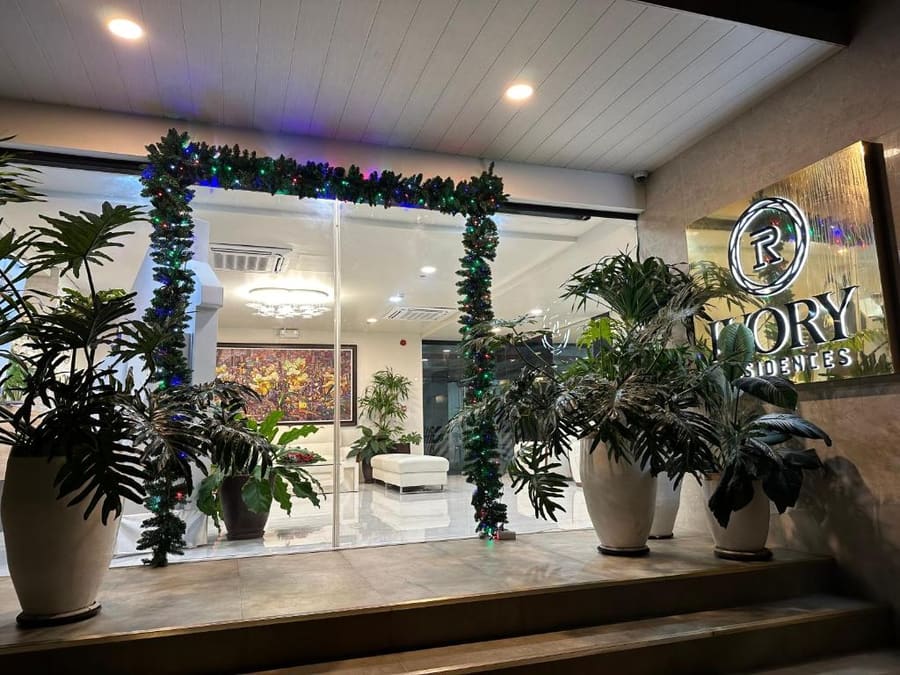
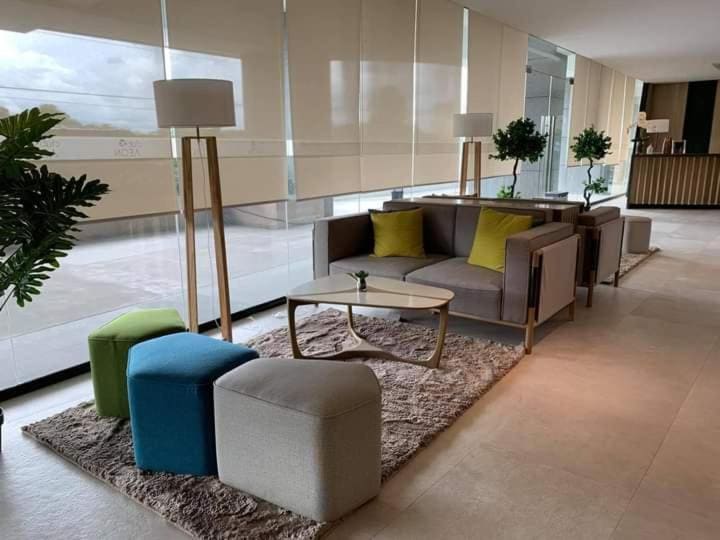
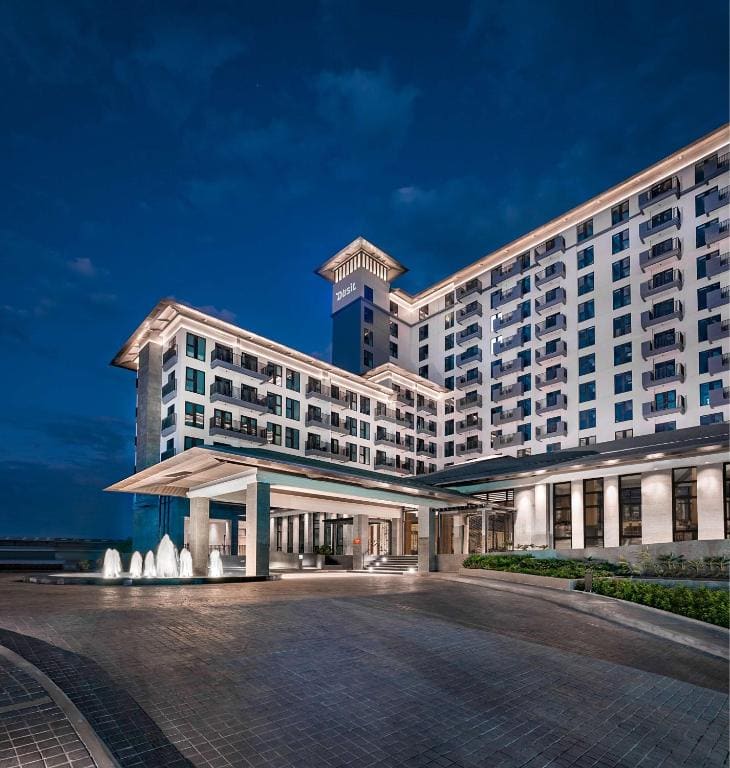
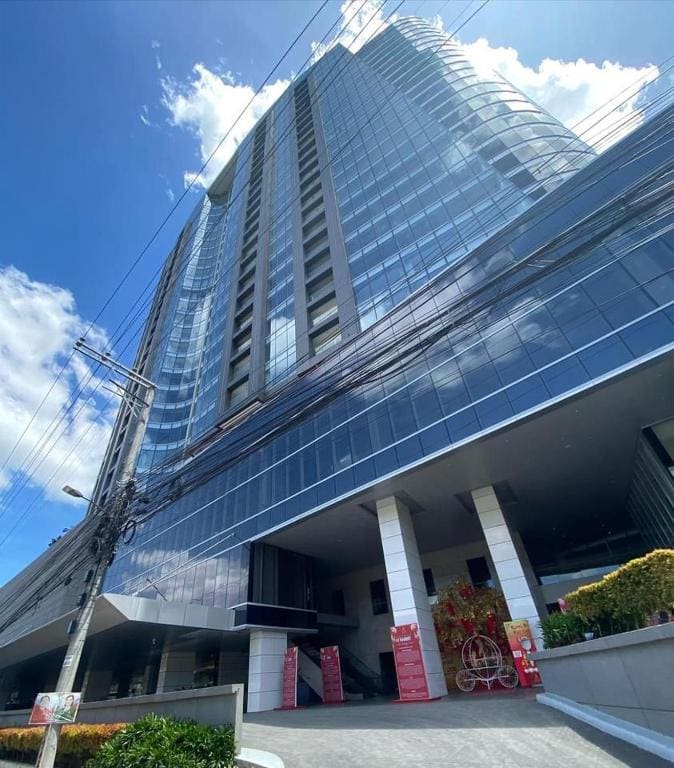
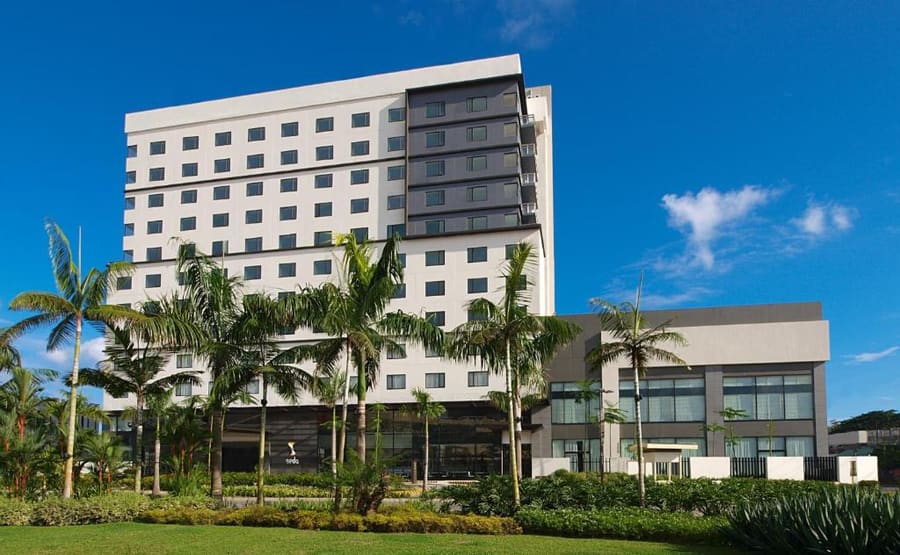
Choose your base by balancing city transit times against your evening activity plans. Davao City stretches over 2,400 square kilometers, so staying near your primary interest saves substantial road commute time.Lanang suits travelers taking early morning flights or seeking high-end hotel amenities. Bajada places you squarely in the middle of commercial malls and medical centers. Poblacion offers inexpensive lodging within walking distance of central night markets.
Live rates, matched to the areas above.
transport
Davao City's transit network relies heavily on white metered taxis and public utility jeepneys (PUJs). Strict local speed limits (30–40 km/h in downtown streets, 60 km/h on highways) mean traffic moves smoothly but deliberate pacing is enforced.White taxis in Davao City are strictly regulated. Drivers switch on the meter automatically and return exact change down to the last peso.
Depuis Francisco Bangoy International Airport (DVO)
Official white taxis queue directly outside the arrival hall. Meter rate applies.
Grab operates reliably at the airport pick-up zone.
Taxi drivers in Davao City do not negotiate fixed rates inside city limits. You pay strictly what the meter displays.
Jeepney destination names are painted on the side panels. Pay your fare directly to the driver or pass coins via fellow passengers.
Traffic cameras monitor speed limits across the city. Allow fixed travel times during peak morning and evening hours.
Motorized tricycles operate strictly on secondary residential roads and are banned from major highways like JP Laurel Avenue.
cost
Davao City offers significantly lower daily travel costs than Manila or Cebu. Food, local transportation, and entry fees remain remarkably affordable across all districts.Cash remains essential for public jeepneys, traditional fruit stalls, and night market vendors. Malls and modern hotels accept major credit cards freely.
A generous portion of grilled tuna panga or belly with rice at a local grill house.
Prices fluctuate depending on seasonal harvest peaks between August and October.
Standard fare covers most central urban travel routes across downtown.
Standard adult admission ticket supporting raptor conservation in Calinan.
seasonality
DEC – FEB
Cooler temperatures and mild weather. Excellent conditions for urban sightseeing and lower humidity.
MAR – MAY
Hot dry season. High demand for mountain climbing permits on Mount Apo and resort trips to Samal Island.
JUN – JUL
Intermittent afternoon rains start. Fewer domestic visitors and cheaper hotel room rates.
AUG – SEP
Kadayawan Festival season. Heavy hotel bookings and peak availability of fresh local fruits.
OCT – NOV
Moderate rain showers. Fruit season winds down while urban travel remains quiet.
practicalities
Bars stop serving alcohol at 1:00 AM sharp. Establishments turn off music and close facilities promptly.
Withdraw cash at mall branches in Bajada or Lanang before travelling out to Calinan or Mount Apo base camps.
Davao City operates a centralized 911 emergency response system matching North American dispatch standards.
Passenger boats leave Sta. Ana Wharf every 15–30 minutes until early evening for Samal beaches.