landmark
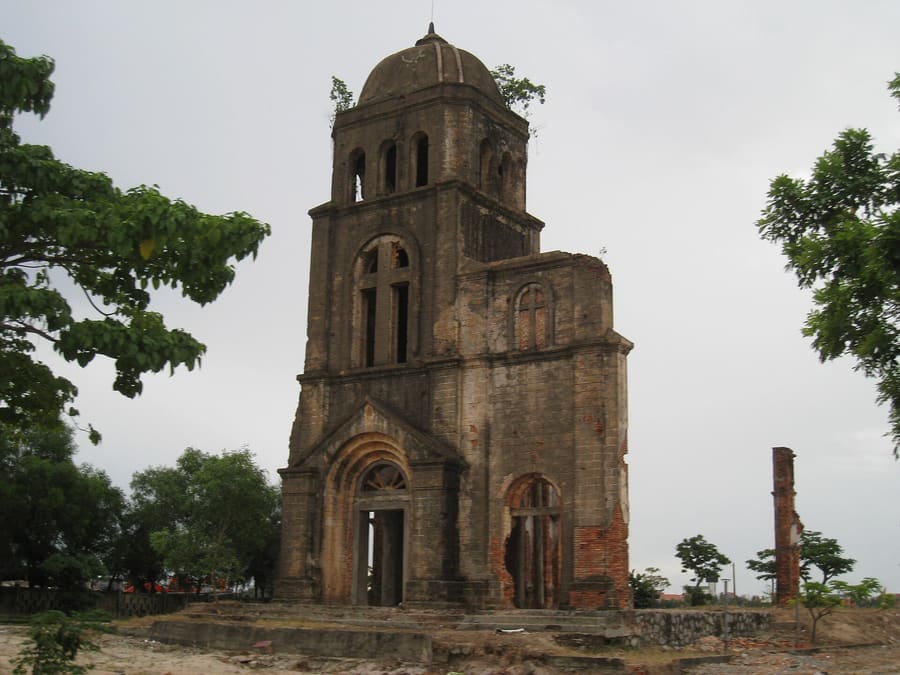
Tam Toa Church Ruins
This ruined Catholic bell tower stands on the riverfront, preserved as a memorial to 1968 aerial bombardments.
Demander à ParleyViêt Nam
A coastal transit city forged between sand dunes and caves.
introduction
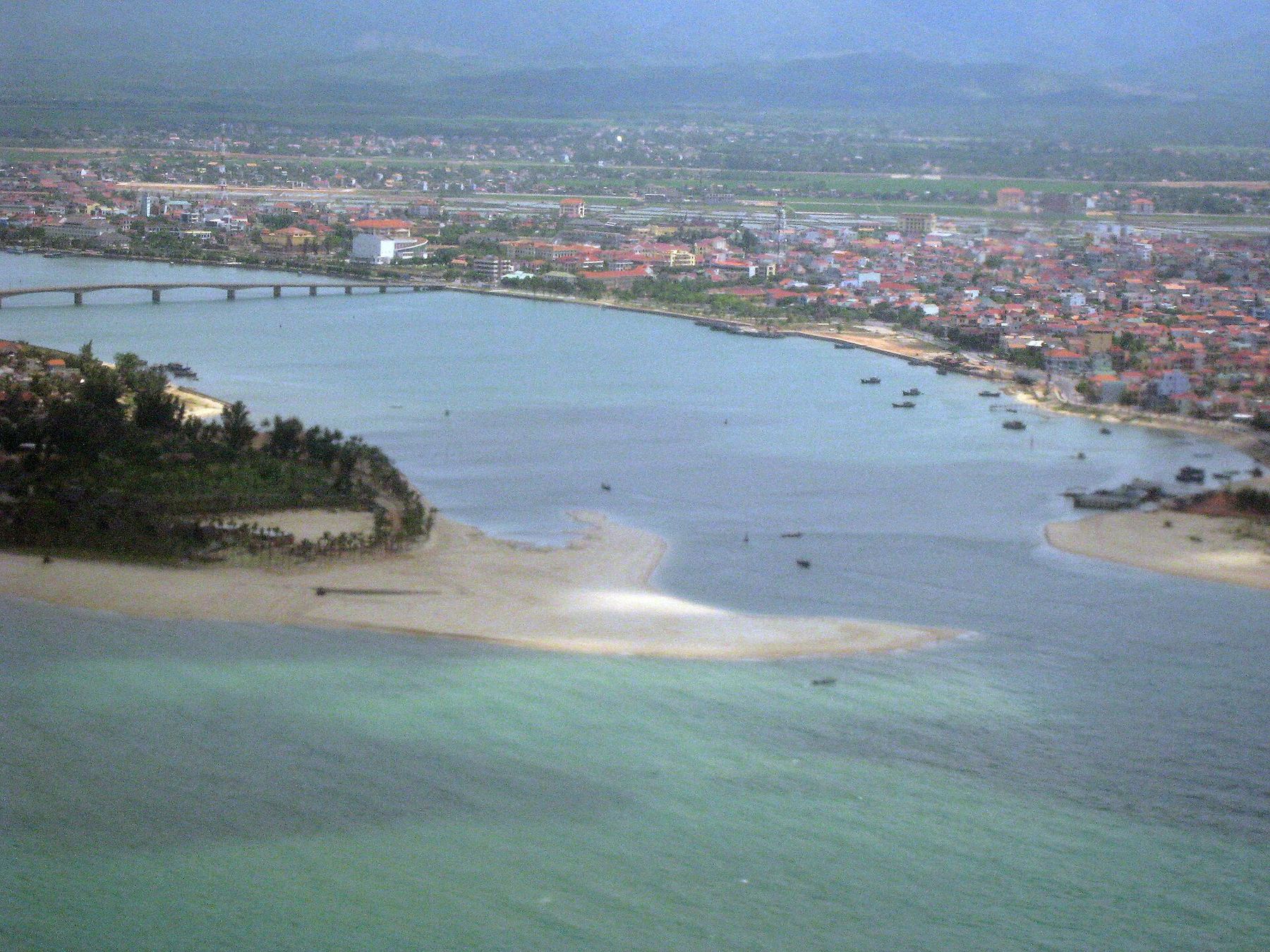
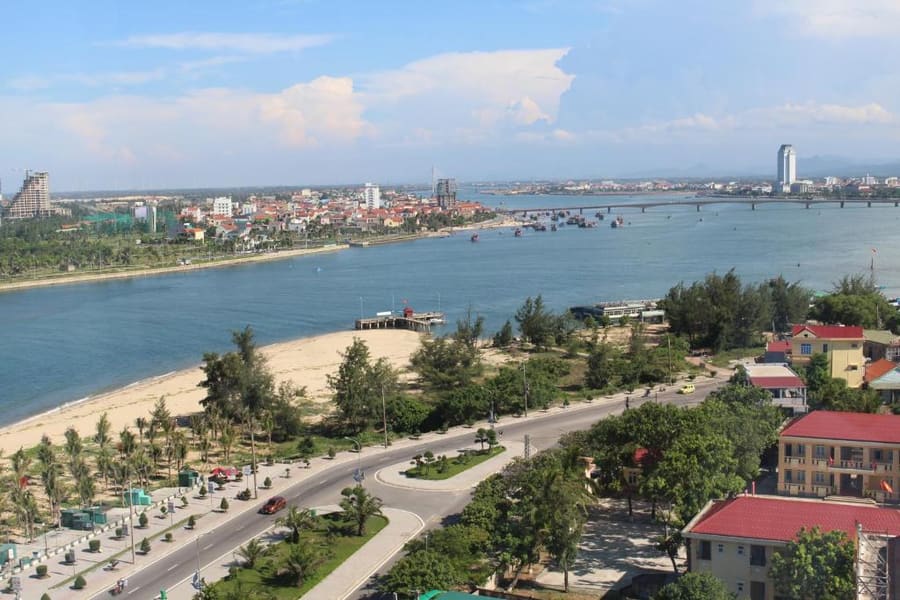
Dong Hoi serves as the functional gateway to the caves of Phong Nha, but it functions on its own quiet rhythm along the Nhat Le River. The city layout is linear, stretching south to north between the riverbank and the South China Sea. Taxis and motorbikes cover most distances inside twenty minutes. You come here to break a long train journey or sleep comfortably before entering the jungle.
Arrival shortcut
Dong Hoi Airport sits six kilometres north of town. Taxis charge around 100,000 VND to reach central hotels.
UNESCO gateway status
Phong Nha-Ke Bang National Park lies 45 kilometres inland. Local buses depart near Dong Hoi Market every hour.
Booking seasonal transport
Reunification Express train seats sell out weeks ahead during summer. Reserve your ticket early via the official railway portal.
Dong Hoi
Tho nau · CC BY-SA 3.0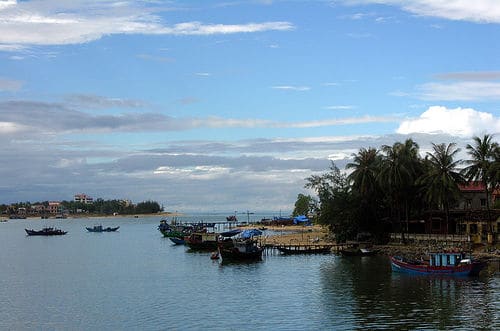
Nhat Le Riverfront — Walkable promenade along riverbanks, lined with evening coffee shops and seafood venues.
Toanvungtau · Public domain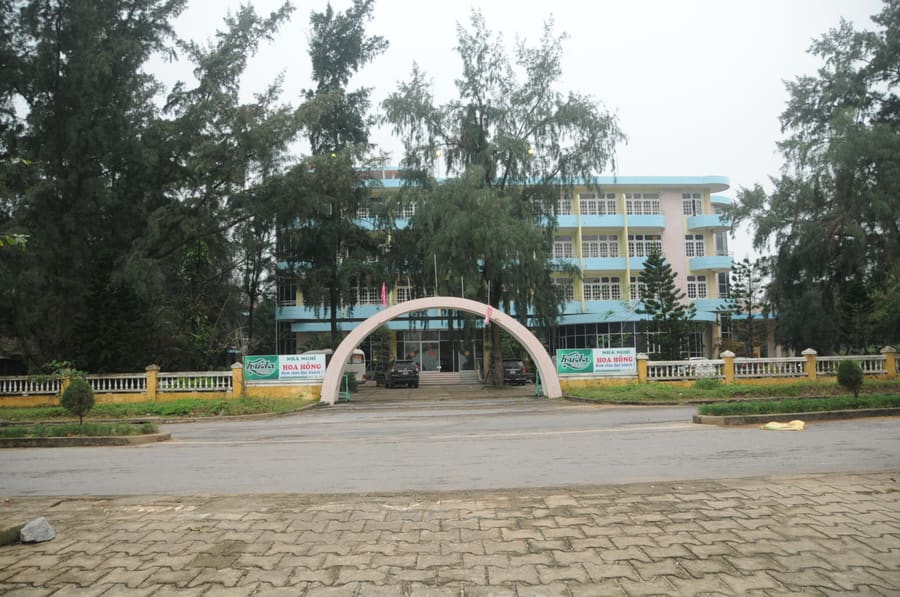
Nhat Le Beach Front — Coastal strip north of the city with seafood shacks, small hotels, and direct sand access.
ChieuTimViet · CC BY 3.0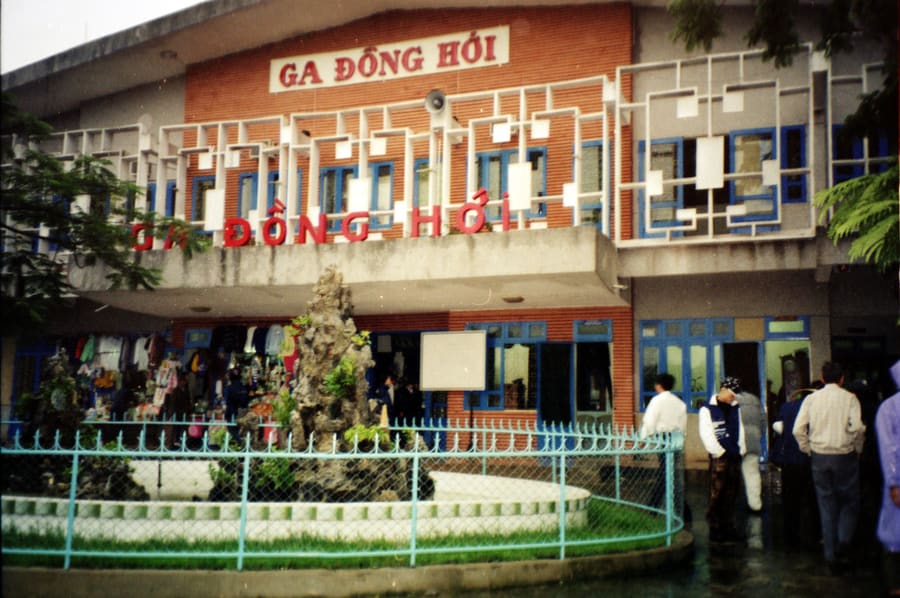
Station Quarter — Practical hub surrounding Dong Hoi Railway Station, filled with mini-marts and simple guesthouses.
Chris Yunker · CC BY-SA 2.0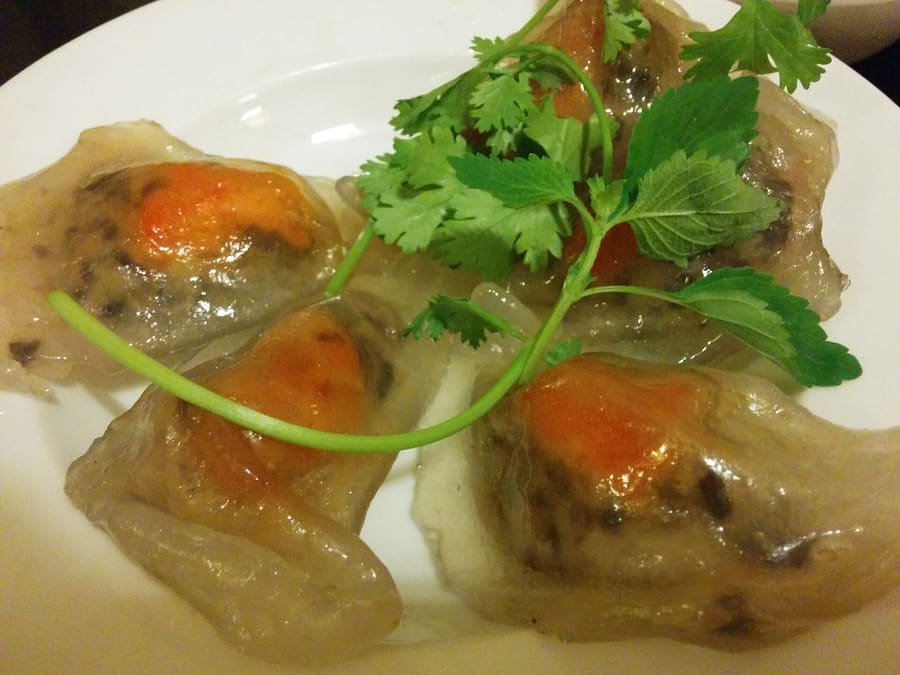
Banh bot loc filled with shrimp and pork, steamed inside banana leaves.
Amenoc · CC0highlights
landmark
This ruined Catholic bell tower stands on the riverfront, preserved as a memorial to 1968 aerial bombardments.
Demander à Parley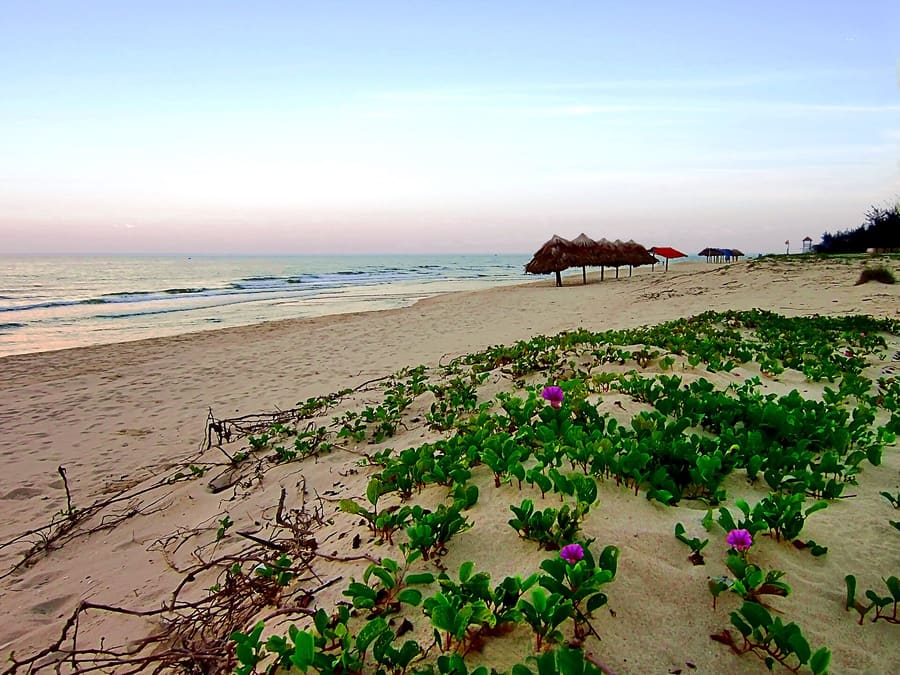
landmark
A flat strip of white sand two kilometres from the center. Strong undertows occur from October to January.
Demander à Parley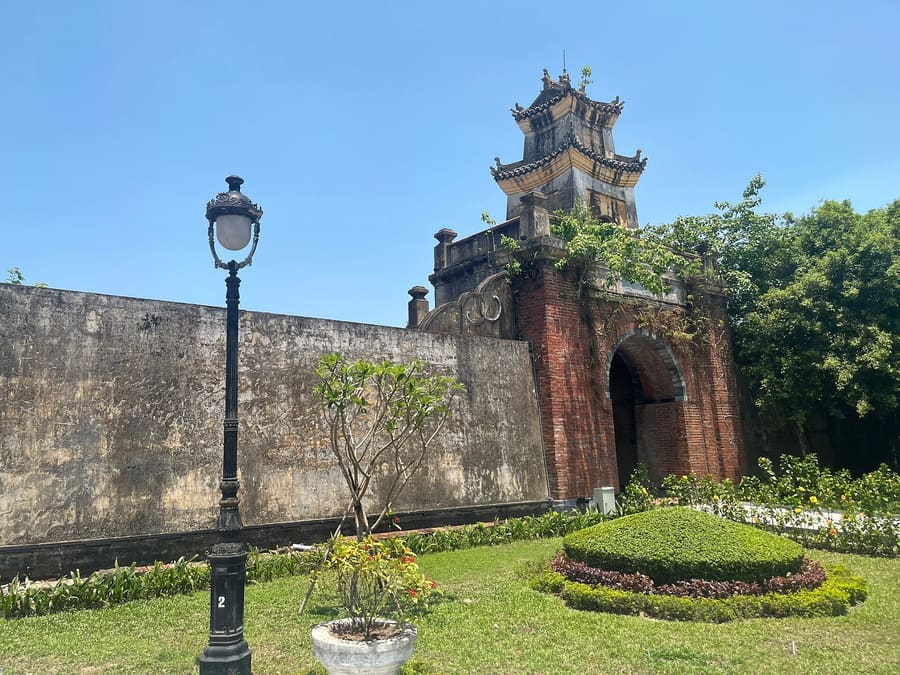
landmark
Built in 1630 under the Nguyen Lords, this restored gate once marked the defensive wall dividing northern and southern clans.
Demander à Parleyattractions
areas
Walkable promenade along riverbanks, lined with evening coffee shops and seafood venues.
À proximitéDong Hoi Market and Tam Toa Church
Demander à ParleyCoastal strip north of the city with seafood shacks, small hotels, and direct sand access.
À proximitéNhat Le Beach and Quang Phu Dunes
Demander à ParleyPractical hub surrounding Dong Hoi Railway Station, filled with mini-marts and simple guesthouses.
À proximitéDong Hoi Railway Station
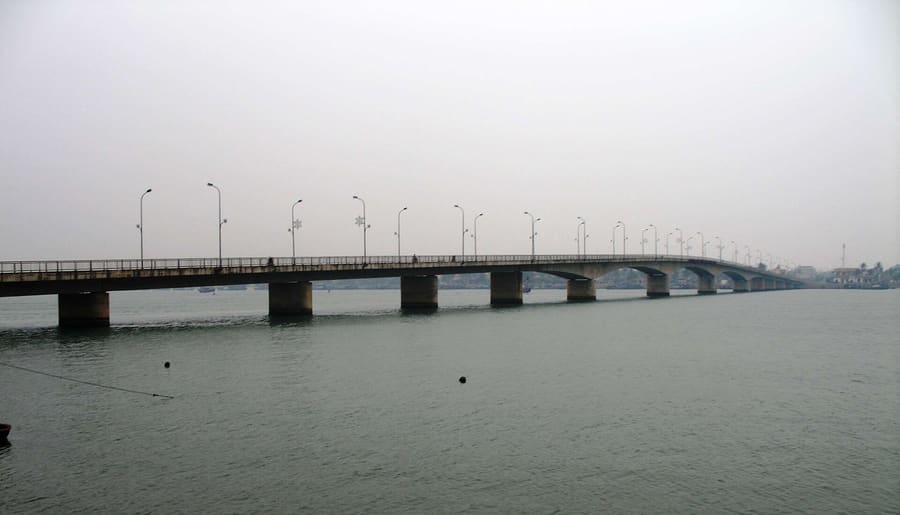
Demander à ParleyWide, breezy resort district across Nhat Le Bridge, bounded by ocean on one side and river on the other.
À proximitéBao Ninh Beach and Nhat Le Bridge
Demander à Parleyfood
Quang Binh cuisine centers on small, labor-intensive rice dishes and fresh catches from the Nhat Le estuary. Local cooks make banh bot loc from translucent tapioca dough packed with river shrimp and pork belly, steamed in banana leaves. Look out for ram den, crispy spring rolls filled with minced sea snake meat sourced from local fishermen. Eating here means sitting on low plastic stools along Truong Phap road, where seafood stalls display live clams and squid in plastic tubs.
Banh bot loc filled with shrimp and pork, steamed inside banana leaves.
Amenoc · CC0Oceanfront stalls along Truong Phap street open at 16:00. Prices run by weight in kilograms, so confirm the cost before ordering.
Ram den is served mostly at specialty riverfront restaurants near Nhat Le bridge rather than standard street carts.
history
Dong Hoi grew at a narrow bottleneck in central Vietnam, making it a military choke point for centuries. In the 17th century, the Nguyen Lords built the defensive Luy Thay wall system here to stop armies from the north. Heavy bombing during the 20th century conflict destroyed almost all original brick structures, leaving damaged stone shells like Tam Toa Church. Modern Dong Hoi was largely rebuilt after 1975 into a tidy provincial center oriented toward seafood and eco-tourism.
Luy Thay Construction
Nguyen Lord Nguyen Phuc Nguyen builds fortified walls across Quang Binh to repel Trinh dynasty incursions from the north.
French Citadel Occupation
French forces take control of the Dong Hoi citadel, turning the settlement into a regional administrative outpost.
Wartime Destruction
Air raids destroy most of the town's historic buildings, leaving Tam Toa Church as one of the few surviving ruins.
UNESCO Cave Recognition
Nearby Phong Nha-Ke Bang becomes a World Heritage site, transforming Dong Hoi into a primary travel gateway.
where to stay
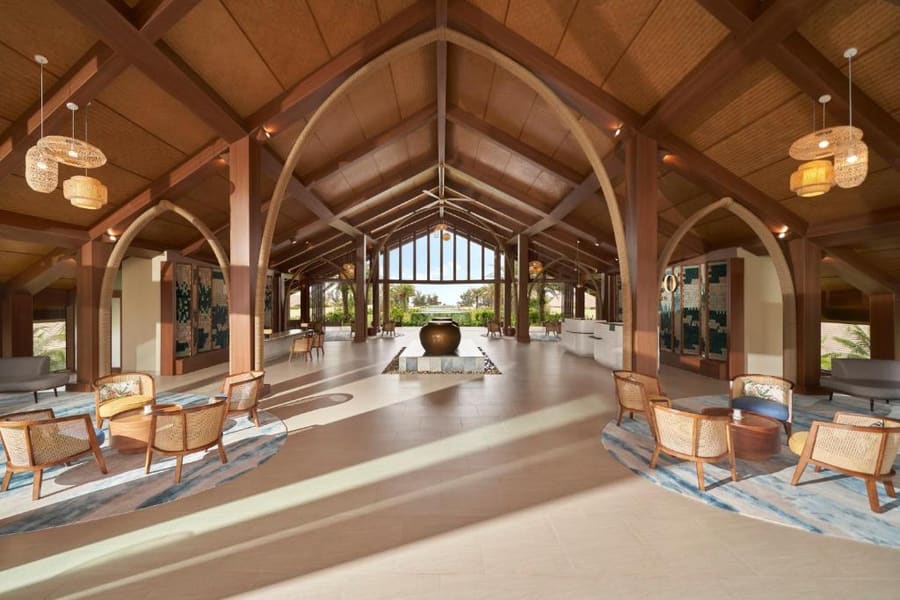
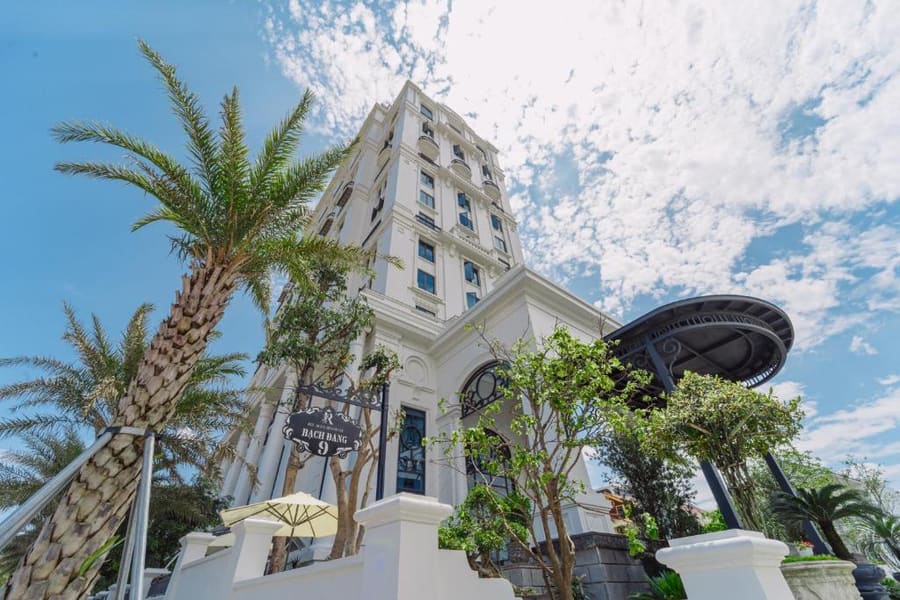
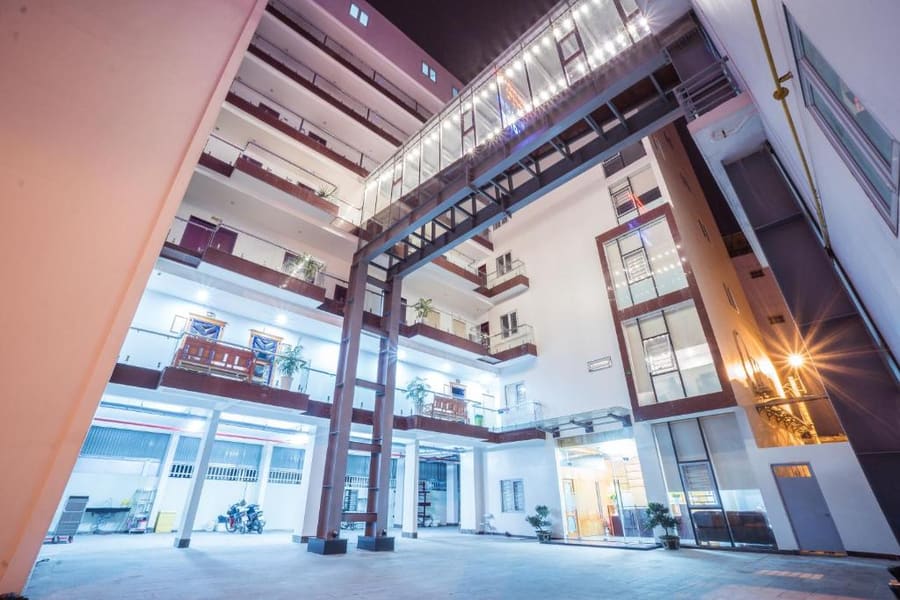
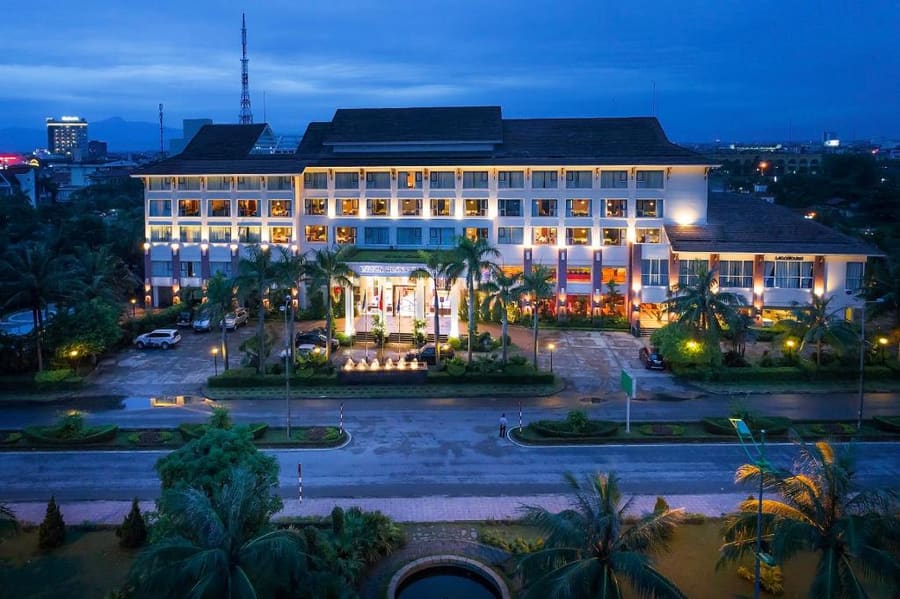
Choose your stay by proximity to water or transit. Bao Ninh offers quiet beachfront resorts, while the Nhat Le riverfront places you steps from evening seafood stalls. Guesthouses near the train station suit late arrivals.
Live rates, matched to the areas above.
transport
Depuis Dong Hoi Airport (VDH)
Official metered taxis wait outside the terminal gate.
Grab cars pick up at the airport parking area.
Dong Hoi station lies three kilometres west of the riverfront. A taxi to central hotels costs around 50,000 VND.
Most hotels rent automatic motorbikes for 120,000–150,000 VND per day. Helmets are required by law.
Grab operates smoothly inside city limits, but coverage drops off significantly once you head toward Phong Nha.
Local public buses to Phong Nha depart every hour from Nam Ly bus station between 05:30 and 17:00.
cost
Dong Hoi is cheaper than major hubs like Hanoi or Da Nang. Street food and short taxi trips require local cash, while major hotels and resorts accept international cards.
A serving of ten local tapioca dumplings at street stalls.
Fresh clams, squid, and beer at Truong Phap riverfront stalls.
Standard 110cc automatic scooter excluding fuel.
Rental fee for sand-boarding at Quang Phu dunes.
seasonality
FEB – APR
Mild weather with temperatures around 22–26°C. Excellent condition for cave trips and outdoor walks.
MAY – AUG
Hot and dry with ocean waters calm for swimming. Domestic summer holiday crowds peak in July.
SEP – NOV
Rainy season with frequent heavy downpours and occasional storms. River levels rise dramatically.
DEC – JAN
Cooler weather dropping below 18°C. Heavy ocean swells make sea swimming unsafe.
practicalities
Midday heat from May to August is severe. Schedule dune visits and beach walks before 08:00 or after 16:30.
Keep cash in small denominations (20,000 to 100,000 VND) for market purchases and street dining.
Red flags on Nhat Le beach indicate hazardous rip currents between October and December. Obey shoreline warnings.
The fish market beside Nhat Le bridge peaks before 06:30. Activity winds down rapidly past 08:00.
Cover shoulders and knees when visiting historic sites like Quang Binh Gate and local temples.