landmark
Al-Balad Historic District
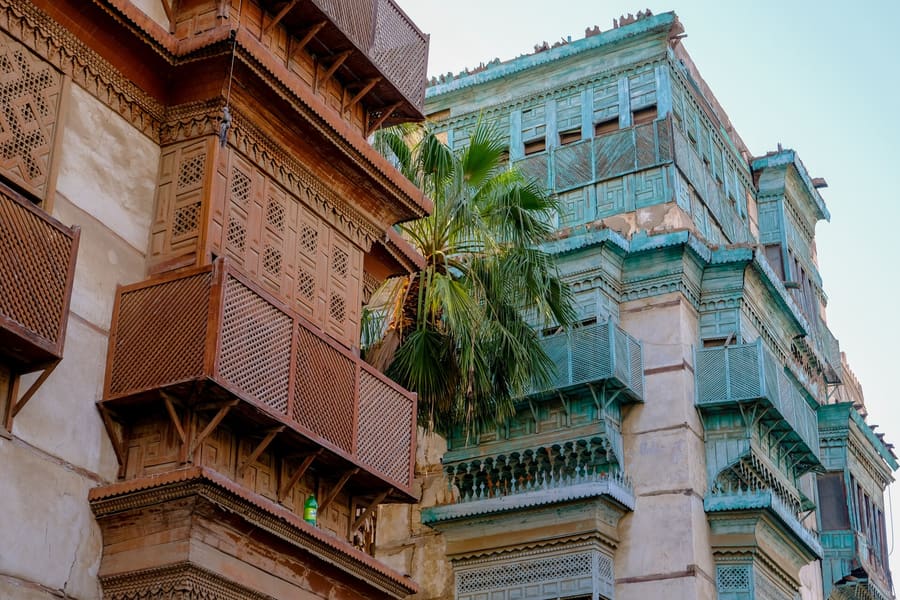
Coral-stone merchant houses with wooden Roshan balconies date to the 19th century. Visit after 17:00 when shops open.
Demander à ParleyArabie saoudite
The Red Sea gateway trading heritage for high-rise ambition.
introduction
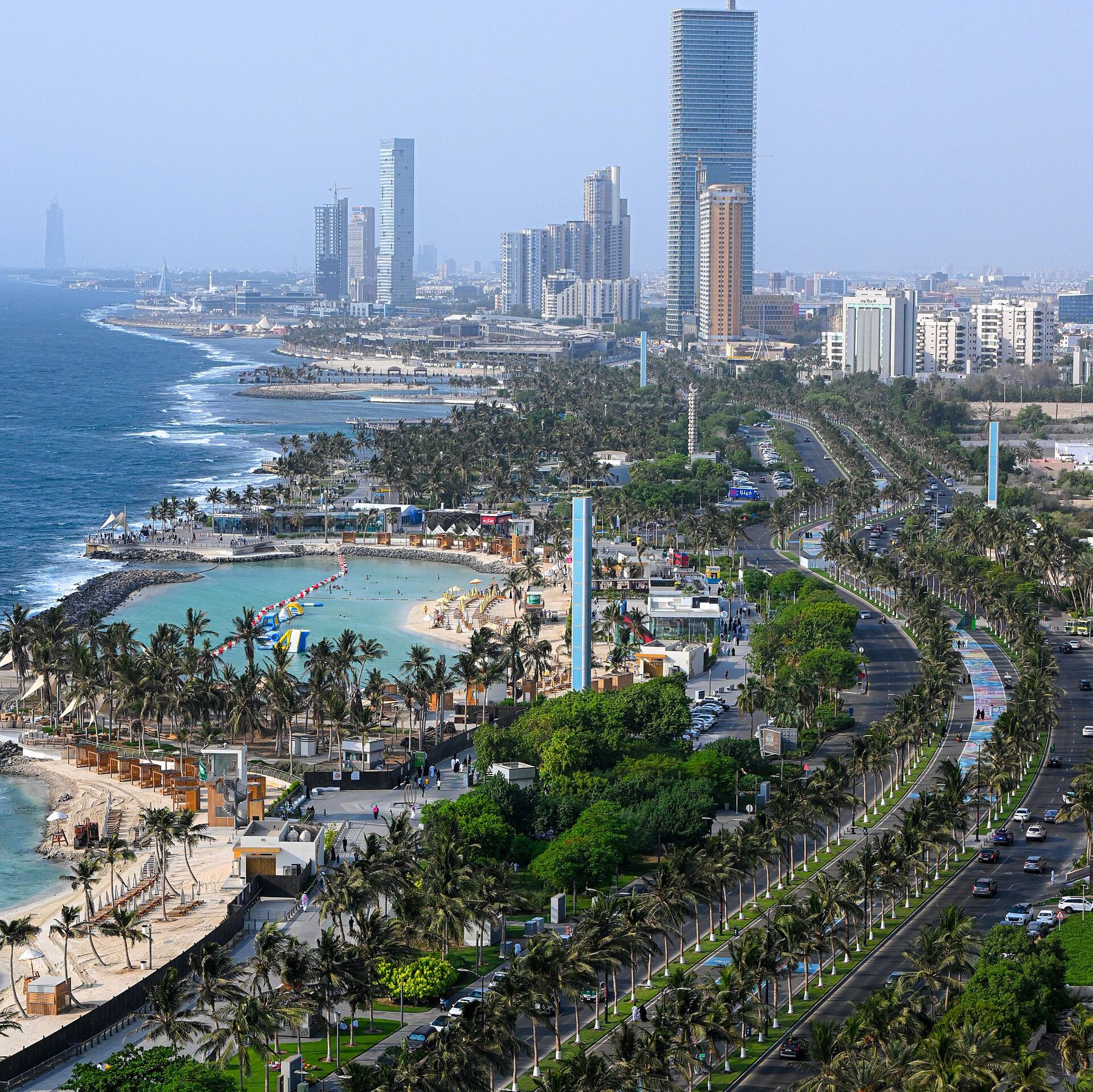
Jeddah operates as Saudi Arabia's primary port and commercial hub, historically shaped by millions of sea-bound pilgrims. Life moves outdoors only after dusk, when daytime heat breaks over the coastal promenades. Navigating the sprawling metropolis requires private cars or ride-hailing apps, as public transit remains minimal outside the central rail links. Coral-block merchant houses stand twenty minutes south of modern seaside skyscrapers.
Airport train transfer
The Haramain High Speed Railway links JED Terminal 1 directly to Al-Sulimaniyah station in 20 minutes.
Historic District
Al-Balad gained UNESCO World Heritage status in 2014 for its distinctive Roshan tower houses built from Red Sea coral.
Diving window
Book Red Sea boat charters at least two weeks ahead during November to March to secure permits.
Jeddah
Omarnizar05 · CC0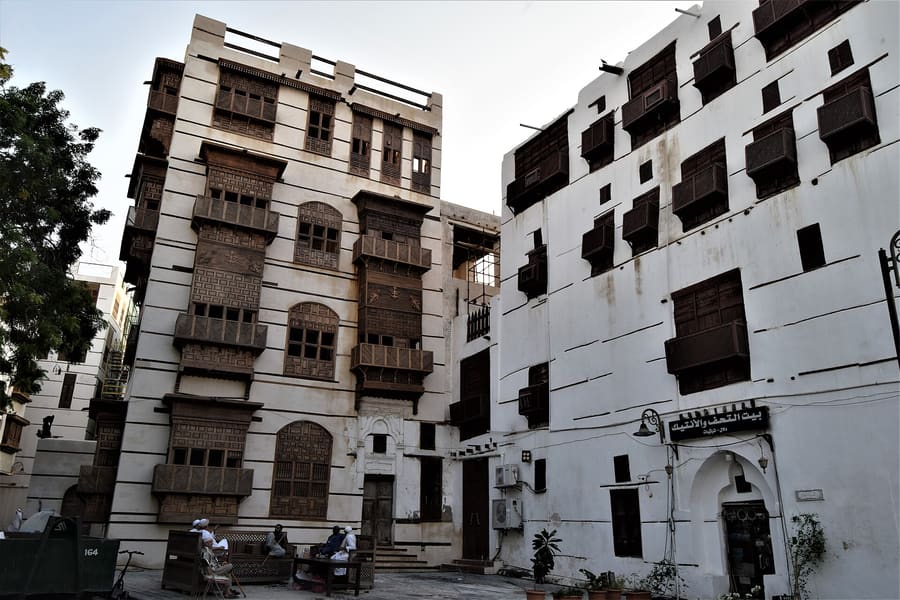
Al-Balad — Ancient coral towers, narrow alleys, spices, and restored cultural spaces.
Anne and David · Public domain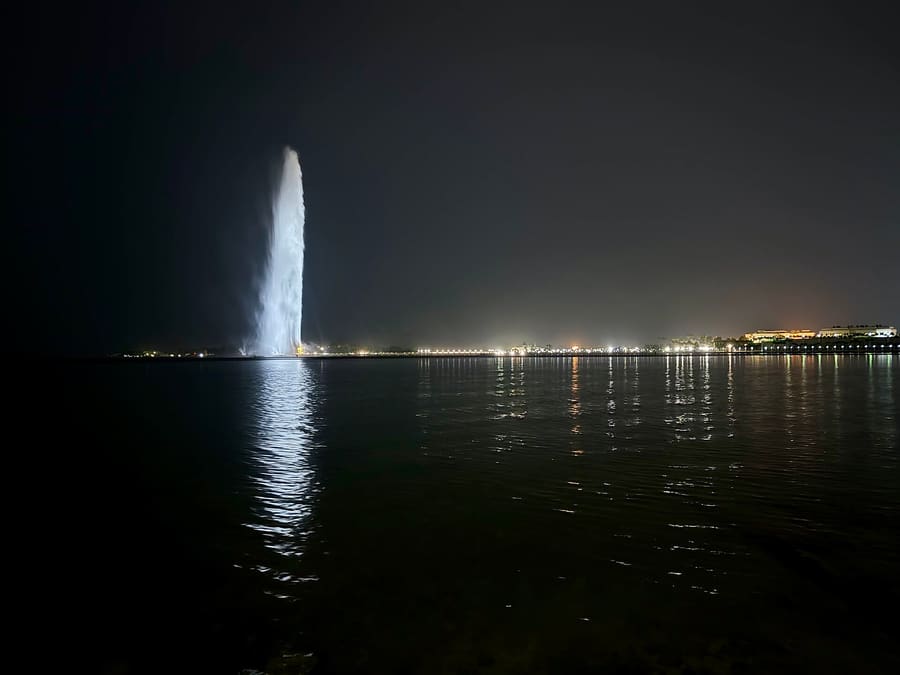
Al-Hamra — Mid-century seaside quarter with late-night cafes and fountain views.
ほっきー · CC0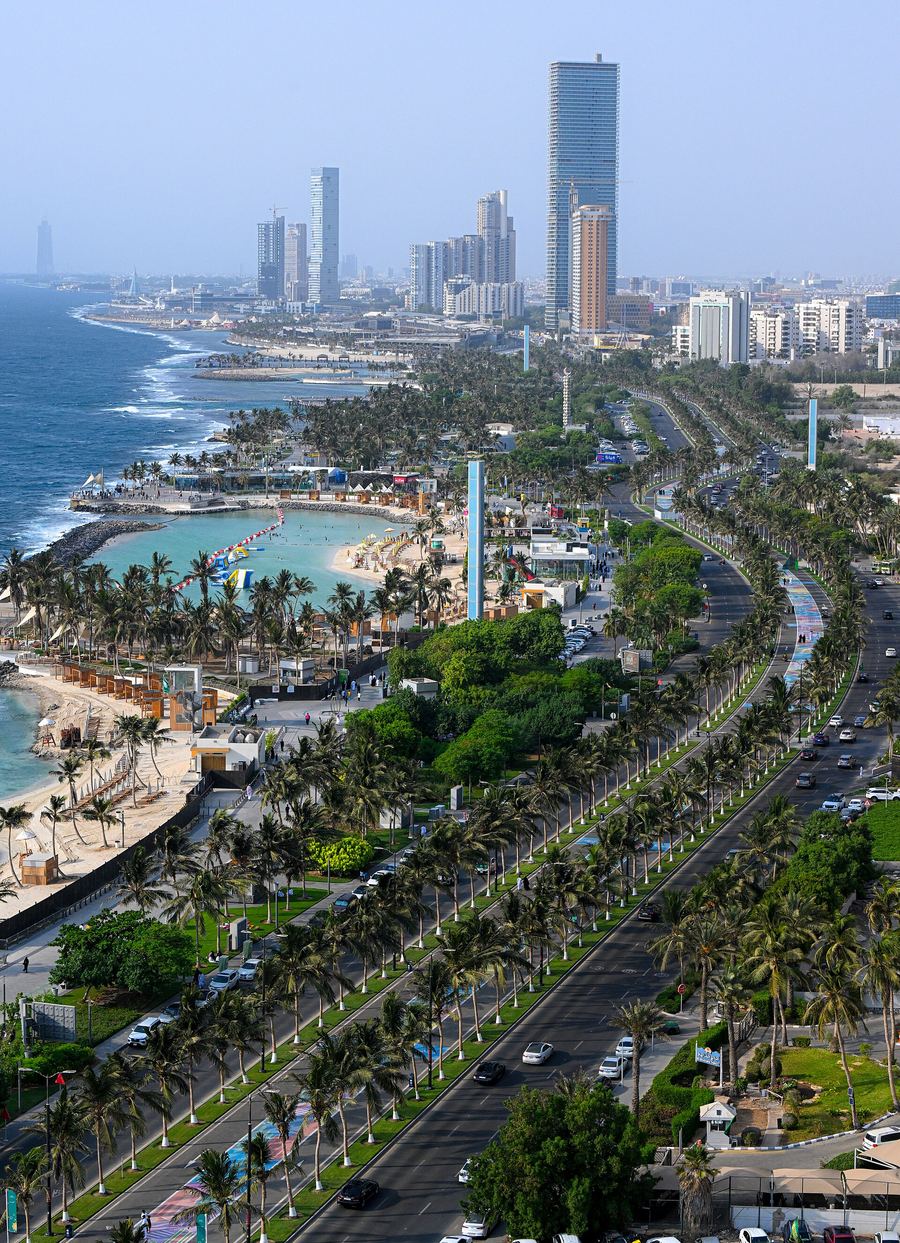
Al-Shati — Upscale modern district flanking the northern Corniche and luxury malls.
Saudi Press Agency (SPA) · CC BY-SA 4.0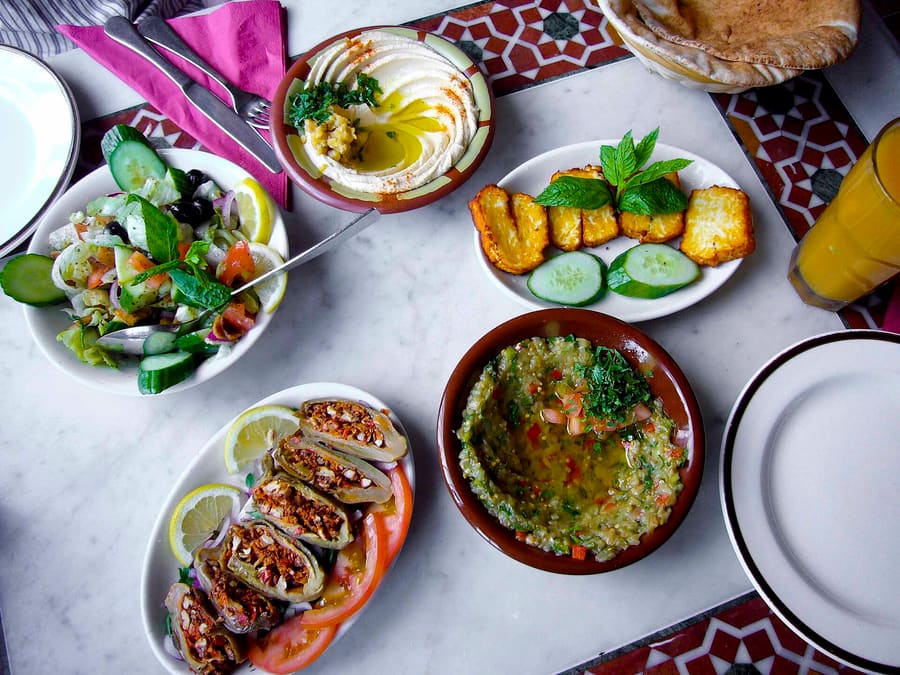
Freshly cooked Red Sea fish served with spiced rice.
Paul Joseph · CC BY 2.0highlights
landmark
Coral-stone merchant houses with wooden Roshan balconies date to the 19th century. Visit after 17:00 when shops open.
Demander à Parley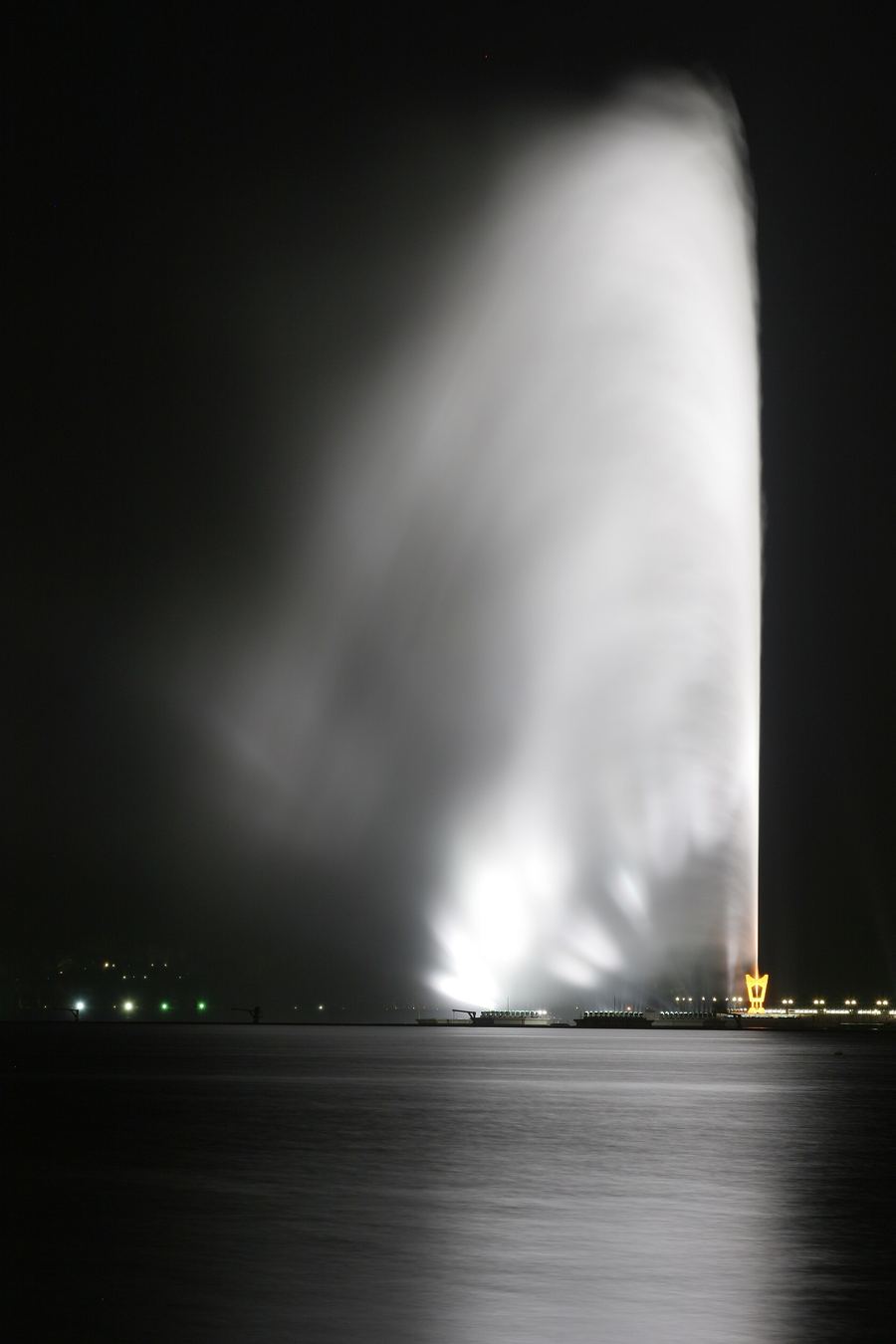
landmark
The world's tallest jet shoots Red Sea saltwater 312 metres high. View it from the Al-Hamra Corniche around sunset.
Demander à Parley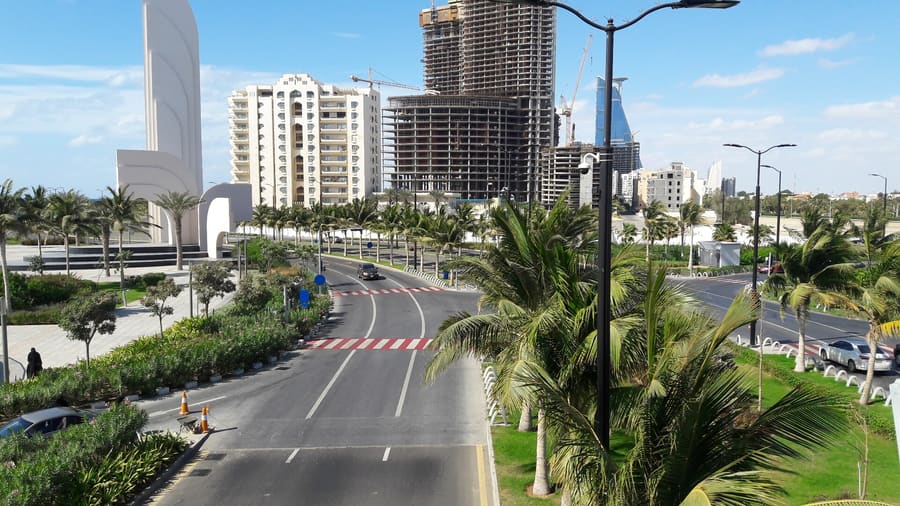
landmark
A 30-kilometre coastal park filled with public sculptures and bicycle lanes. Evenings bring heavy traffic along the waterfront.
Demander à Parleyattractions
areas
Ancient coral towers, narrow alleys, spices, and restored cultural spaces.
À proximitéSouk Al-Alawi and historic merchant mansions.
Demander à ParleyMid-century seaside quarter with late-night cafes and fountain views.
À proximitéKing Fahd's Fountain and Palestine Street dining.
Demander à ParleyUpscale modern district flanking the northern Corniche and luxury malls.
À proximitéRed Sea Mall and the Jeddah Waterfront promenade.
Demander à ParleyLeafy residential area packed with specialty coffee shops and independent dining.
À proximitéBatterjee Street cafes and Stars Avenue Mall.
Demander à Parleyfood
Jeddah's culinary identity centers on fresh Red Sea fish prepared Hijazi-style and Yemeni-influenced breakfast dishes. Sayadieh—spiced rice cooked with caramelized onions and served with fried parrotfish—is the city's signature seafood plate. For breakfast, local spots serve Mutabbaq, a crispy folded flatbread stuffed with minced meat, eggs, and leeks. Central fish markets like Central Fish Market in Al-Bangalah let you purchase fresh catch directly from stalls to be cooked on-site.
Freshly cooked Red Sea fish served with spiced rice.
Paul Joseph · CC BY 2.0Restaurants peak after 21:00. Arriving before 19:30 often means sitting in empty dining rooms.
At Al-Bangalah market, pay the seller for fish, then pay the cooking counter separately per kilo.
The local fried chicken chain Al Baik draws massive queues; download their app to order ahead.
history
Jeddah grew from a fishing village into the gateway to Mecca when Caliph Uthman ibn Affan designated its port for Muslim pilgrims in 647 AD. Coral stone from the Red Sea reef formed the building blocks of its distinctive multi-story towers. The city prospered under Ottoman and Hashemite control before joining the Kingdom of Saudi Arabia in 1925.
Caliphate Port
Caliph Uthman designates Jeddah as the official sea port for pilgrims travelling to Mecca.
Saudi Unification
Jeddah enters the Kingdom of Saudi Arabia, expanding beyond its historic walled city boundary.
Corniche Transformation
Mayor Mohamed Said Farsi installs hundreds of international sculptures along the modern coast.
UNESCO Designation
Al-Balad is inscribed as a UNESCO World Heritage site for its unique coral-stone architecture.
where to stay
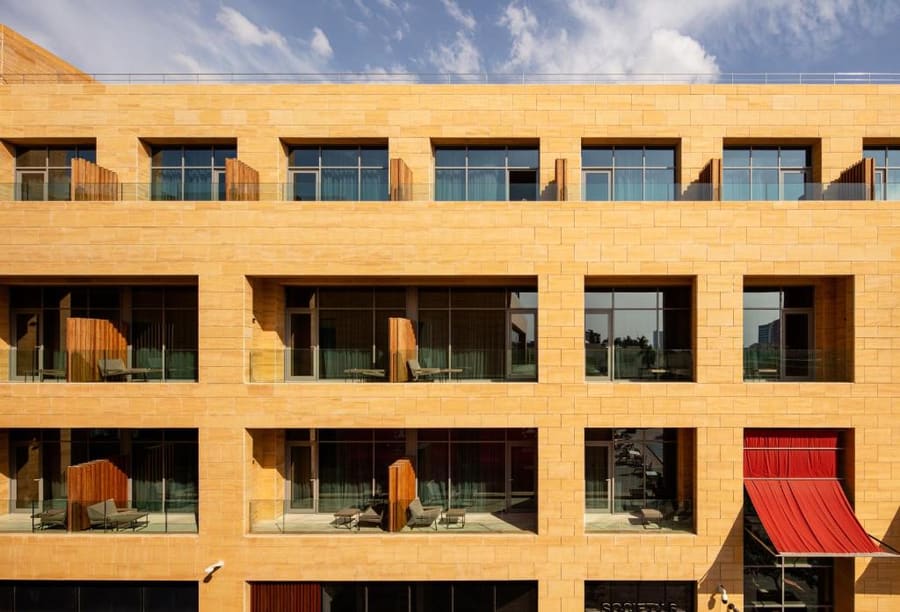
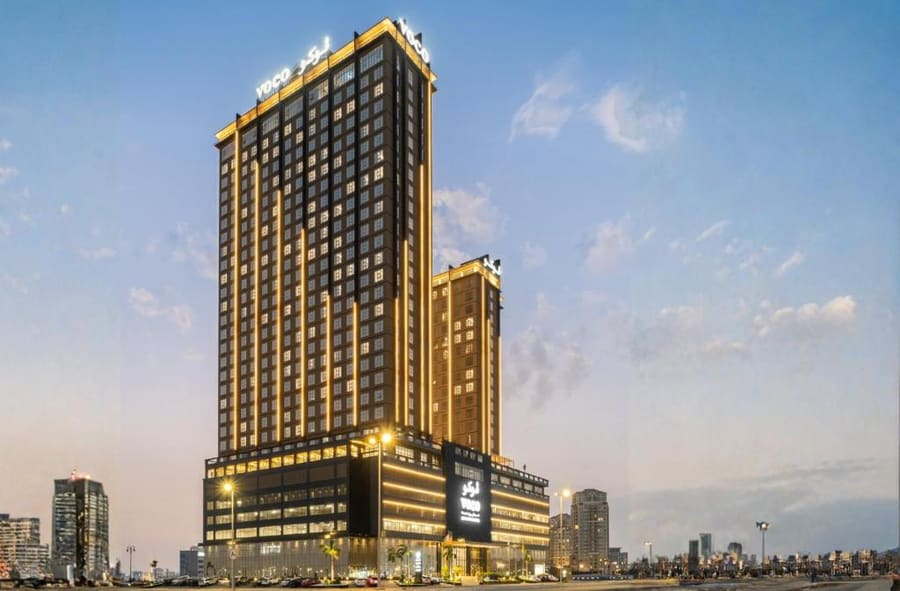
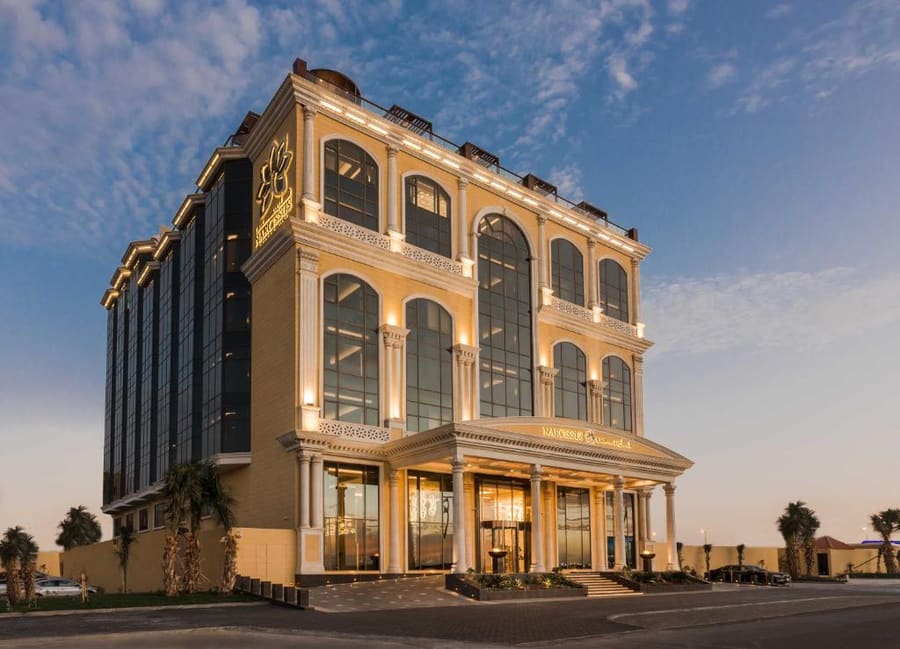
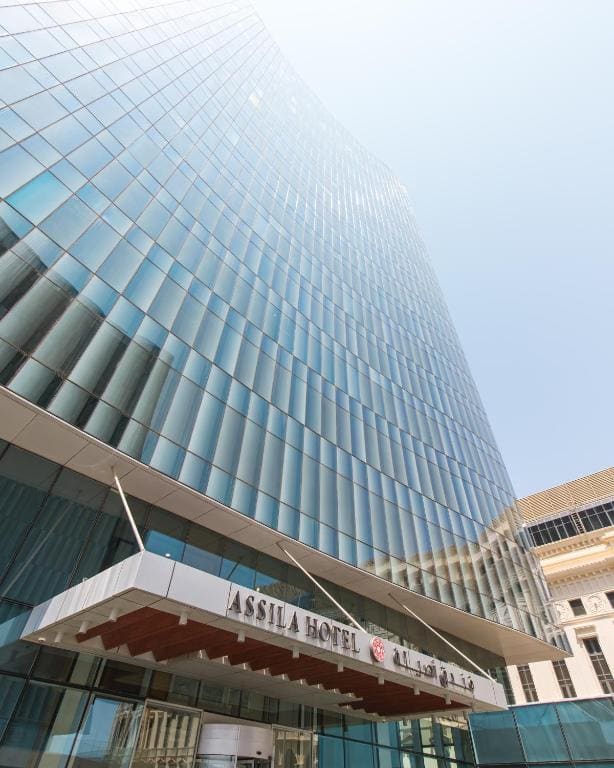
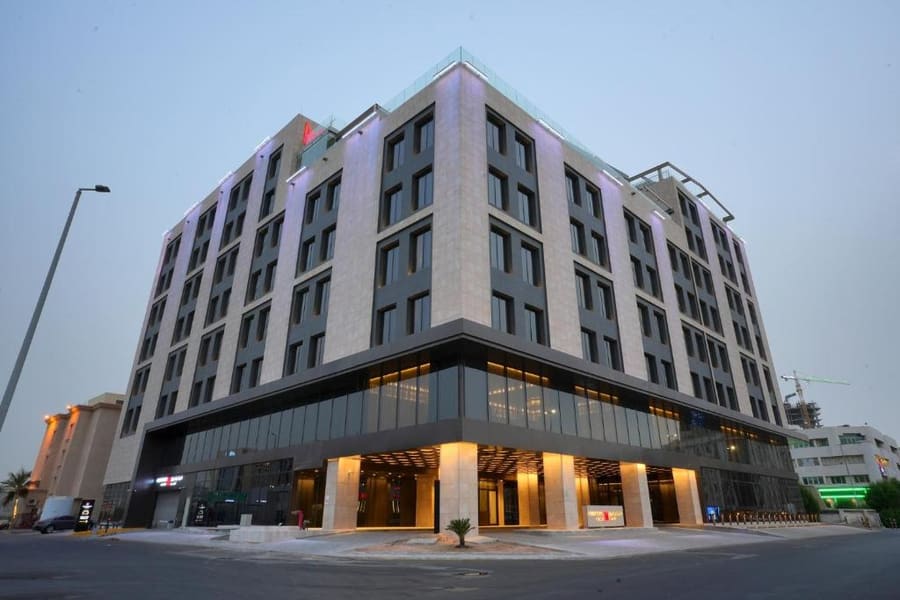
Choose your base depending on whether you prefer walking access to historical alleys or modern coastal views. Al-Balad offers boutique stays inside heritage buildings, while Al-Shati and Al-Hamra cater to luxury seaside resorts.
Live rates, matched to the areas above.
transport
Jeddah lacks an extensive urban metro system, so private vehicles dominate travel. Taxis and ride-hailing apps provide the primary way to navigate between districts separated by multi-lane highways.
Depuis JED - King Abdulaziz International Airport
Uber and Careem pickup zones are signed outside Terminal 1 arrival gates.
Official airport taxis operate on meters; confirm the fare before departing.
Haramain High Speed Rail runs from Terminal 1 to Al-Sulimaniyah station.
Uber and local app Careem work seamlessly with international credit cards.
Avoid highway travel between 07:30–09:00 and 17:00–19:30 when main thoroughfares stall.
Hailing green taxis on the street requires negotiating fares in advance or requesting the meter.
Book Haramain train tickets to Mecca or Medina online early, as seats sell out days ahead.
cost
Saudi Arabia uses the Saudi Riyal (SAR). Electronic card payments are accepted almost everywhere, including small souk shops.
A solid seafood dinner at a casual restaurant costs around 70 SAR per person.
A flat white or V60 pour-over in Al-Zahra cafes runs around 22 SAR.
Average Uber rides across central neighbourhoods stay under 40 SAR outside peak hours.
A half-day diving or snorkeling boat trip from Obhur costs roughly 450 SAR including gear.
seasonality
NOV – FEB
Temperatures drop to 25°C–30°C. Peak tourist season with outdoor markets and crowded promenades.
MAR – APR
Warm days averaging 32°C with pleasant coastal evenings. Good window for Red Sea diving.
MAY – AUG
Extreme heat and high humidity exceeding 40°C. Outdoor activity stops; city moves indoors.
SEP – OCT
Humidity remains high while temperatures slowly cool to 34°C. Sea temperatures peak for diving.
practicalities
Schedule outdoor sightseeing for early morning or after sunset to avoid severe midday heat.
Loose clothing covering shoulders and knees is standard for all public spaces.
Many independent shops close briefly during prayer times; major malls stay open continuously.
Contactless card payments are universal; carrying large amounts of cash is unnecessary.
Red Sea marine reserves enforce strict rules against touching coral or disturbing marine wildlife.