landmark
Kampot Pepper Plantation
Taste green pepper corns directly off the vine at La Plantation. Free tours run daily, but farm transport requires a tuk-tuk.
Demander à ParleyCambodge
River trade, black pepper, and French colonial geometry.
introduction
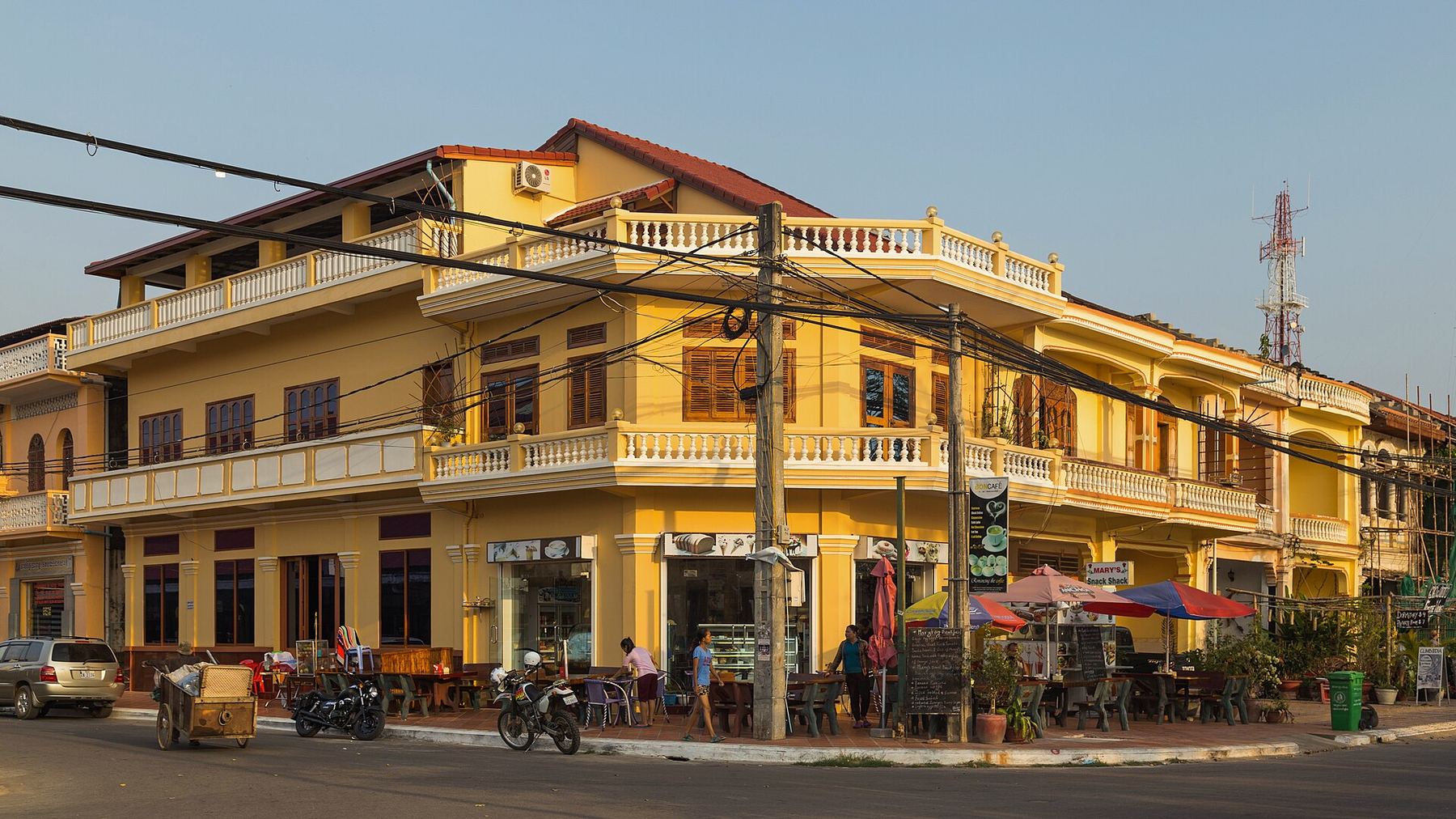
Kampot stretches along the Praek Tuek Chhou river, a former French colonial river port anchored by low-rise shophouses and quiet streets. You travel here by bus or train from Phnom Penh, settling into a rhythm set by tides, pepper harvests, and sunset boat trips. Life centres on the riverfront, where old French administrative buildings meet night markets and tuk-tuk drivers. Beyond the town grid lies a countryside of salt pans, limestone caves, and pepper plantations running up to Bokor Mountain.
Arrival trick
Take the train from Phnom Penh Royal Railway Station instead of minivans. The journey takes four hours and bypasses the dangerous overtaking maneuvers on National Highway 3.
Geographical recognition
Kampot Pepper holds EU Protected Geographical Indication status. Only pepper grown in Kampot and Kep provinces under strict organic rules carries this certified mark.
Planning trick
Salt harvest season runs only during the dry months from January to April. Visit the salt fields near town early in the morning before heat reflection becomes oppressive.
highlights
landmark
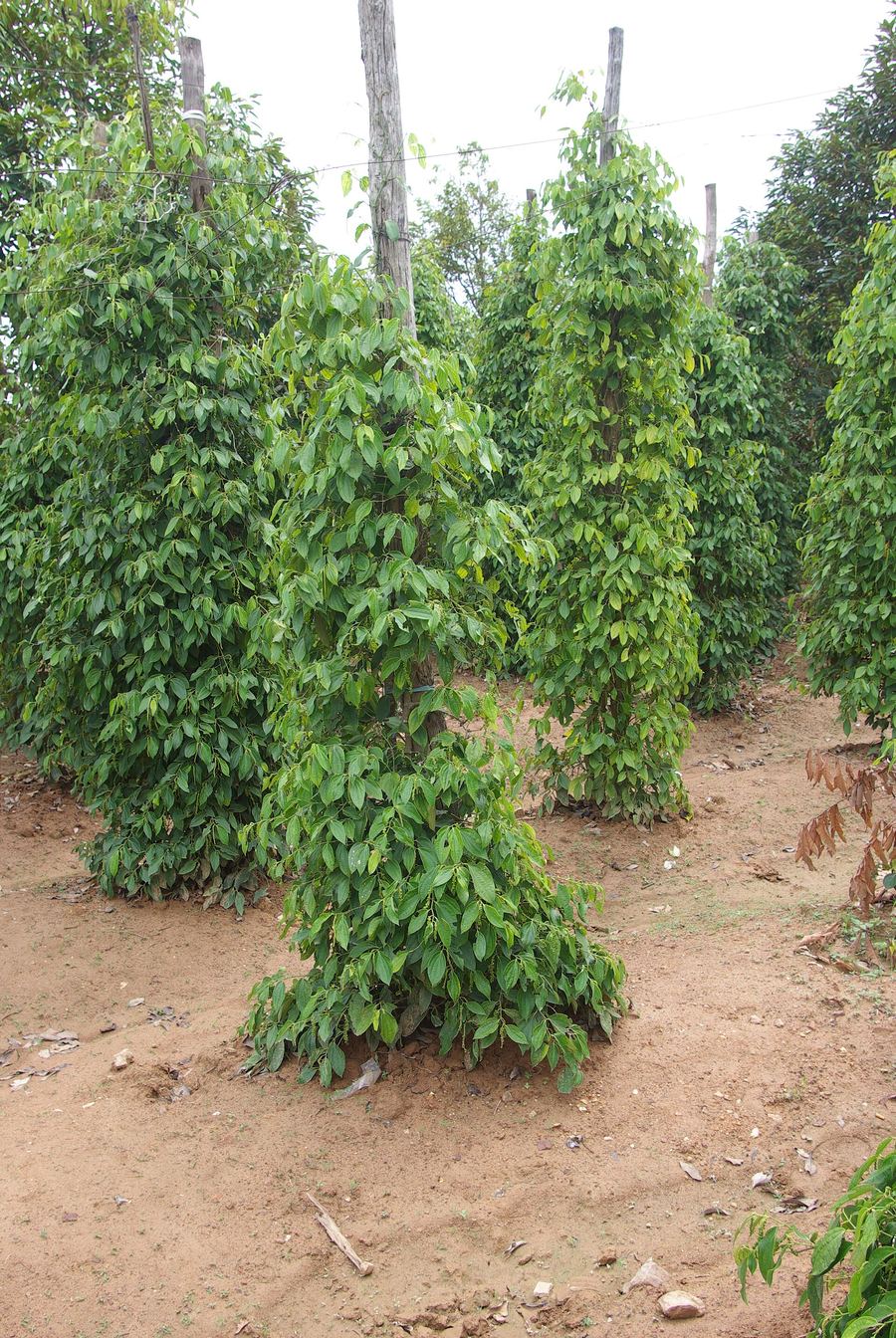
Taste green pepper corns directly off the vine at La Plantation. Free tours run daily, but farm transport requires a tuk-tuk.
Demander à Parley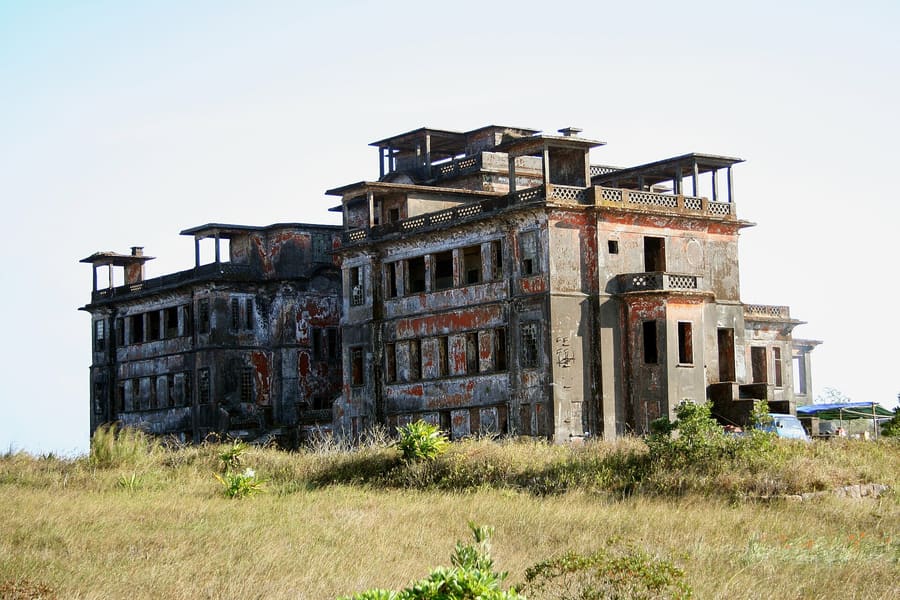
landmark
Explore the abandoned 1920s French Catholic Church at 1,000 metres elevation. Temperatures drop significantly at the summit.
Demander à Parley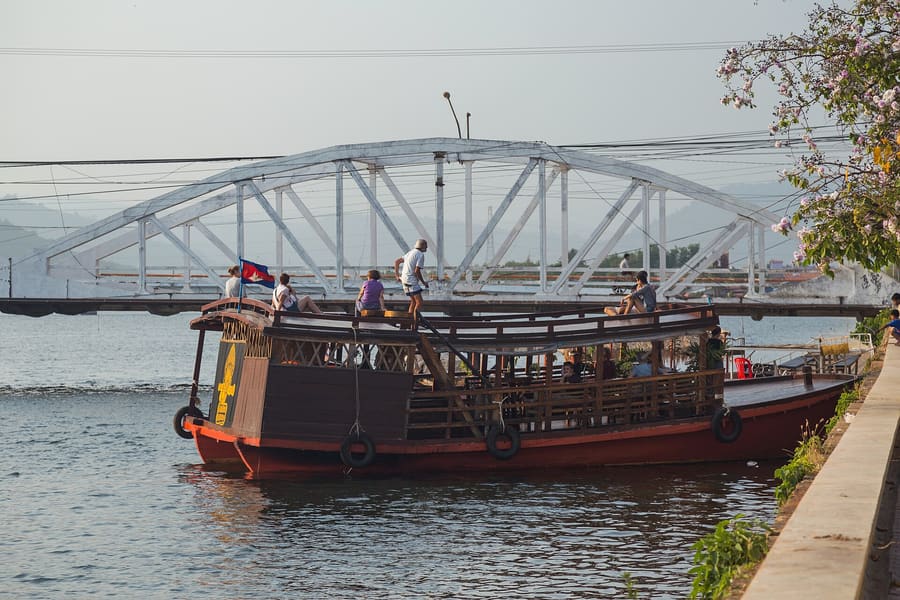
landmark
Walk the river path at dusk when local vendors set up food stalls. Sunset cruises leave daily from the central piers.
Demander à Parleyattractions
areas
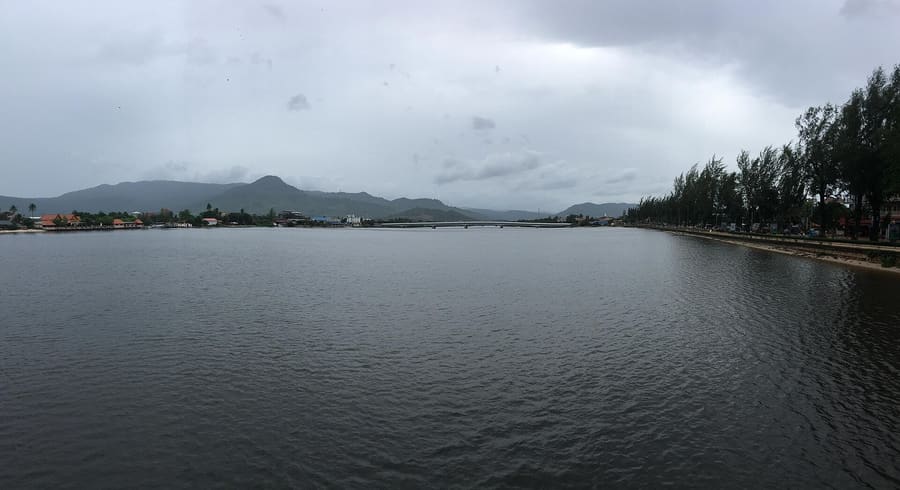
Colonial grid with cafes, bakeries, and river views.
À proximitéOld Market and main piers
Demander à ParleyQuieter stretch across the Entanou Bridge with boutique stays.
À proximitéEntanou Bridge and Fish Market
Demander à ParleyLush resorts lining the upper river bend away from the urban grid.
À proximitéTuek Chhou Rapids and Green Loop
Demander à ParleyRural agrarian outskirts dotted with salt pans and agricultural plots.
À proximitéSalt fields and road to Kep
Demander à Parleyfood
Kampot food relies on the immediate region's produce. Kampot pepper corns are harvested green, black, red, and white, each providing distinct heat profiles to local stir-fries. At the central night market, vendors flash-fry squid and prawns with sprigs of fresh green pepper stem.Crab cooked with green Kampot pepper is the regional benchmark dish. While Kep market is the famous source, Kampot kitchens serve the same catch hauled daily along the coast. Breakfast centers on nom banh chok, rice noodles smothered in fish-based green curry sauce served from shoulder-pole street baskets.
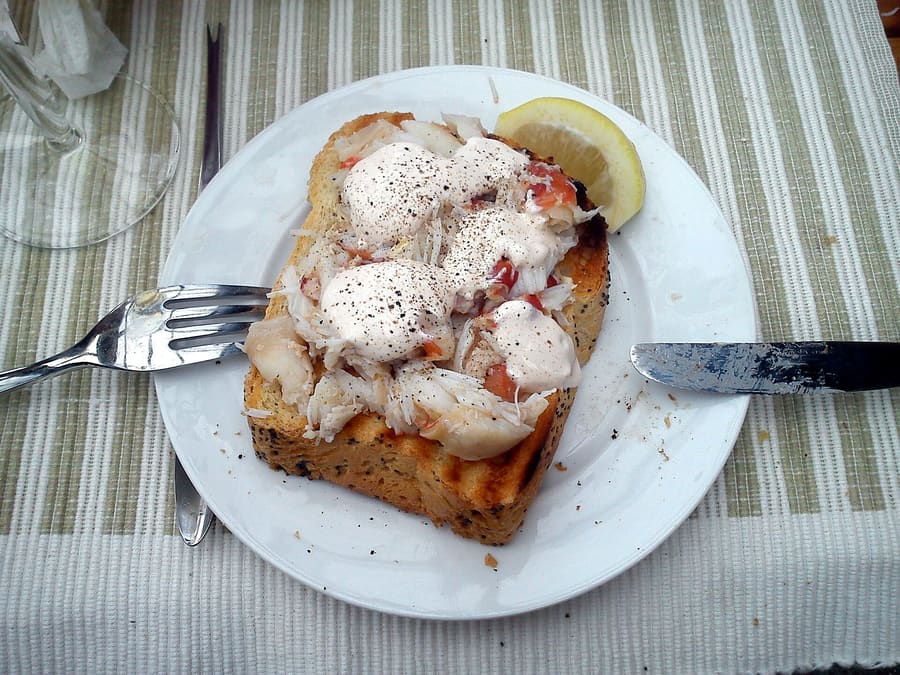
Stir-fried coastal crab cooked with fresh green Kampot pepper corns.
cyclonebill from Copenhagen, Denmark · CC BY-SA 2.0Green pepper corns spoil within days of picking. Eat them in Kampot at local seafood eateries along the river where sprigs are added whole to the wok.
Breakfast noodle vendors sell out by 09:00. Look for women carrying balanced baskets near the Old Market for authentic Kampot-style fish curry broth.
Buy packaged pepper with the official EU PGI seal. Unsealed bags sold in souvenir markets often mix lower-grade pepper from neighboring regions.
history
Kampot served as Cambodia's primary seaport before the construction of the deep-water port at Sihanoukville in the late 1950s. French colonial administration transformed the river settlement into a regional hub for pepper exports and administrative control over the southern coast.During the Khmer Rouge regime, pepper plantations were cleared for rice farming, nearly destroying the regional crop species. Reconstruction of the pepper industry began in the late 1990s, restoring small family plots and securing international trade protection.
French Colonial Base
Kampot becomes the administrative center for southern Cambodia under the French Protectorate.
Bokor Palace Opens
French authorities complete the hotel and casino resort atop Bokor Mountain as a cool retreat.
Plantations Destroyed
Khmer Rouge forces depopulate Kampot, replacing specialized pepper farms with collective rice fields.
PGI Status Awarded
Kampot pepper receives national geographical indication, later recognized by the EU in 2016.
where to stay
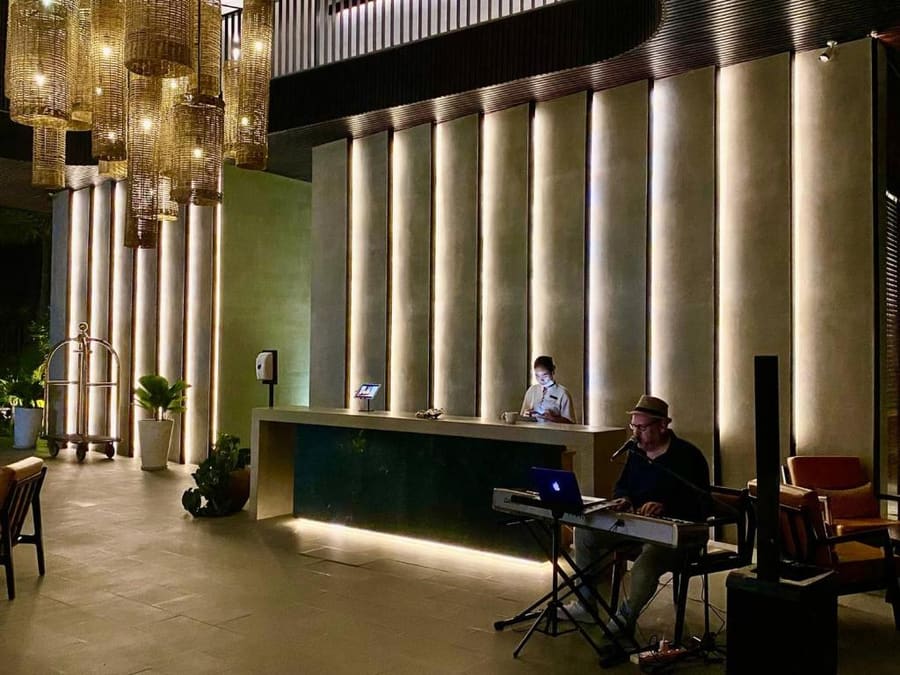
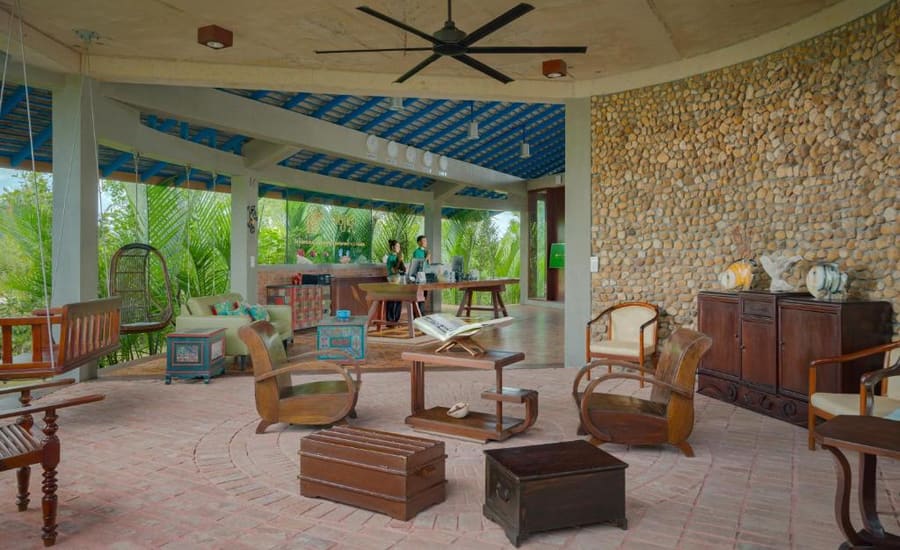
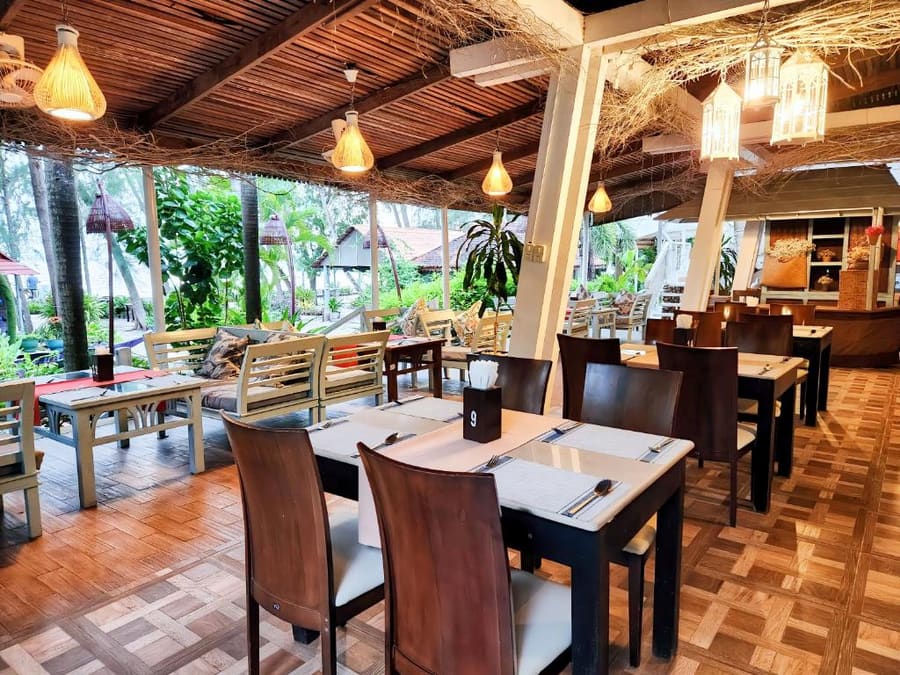
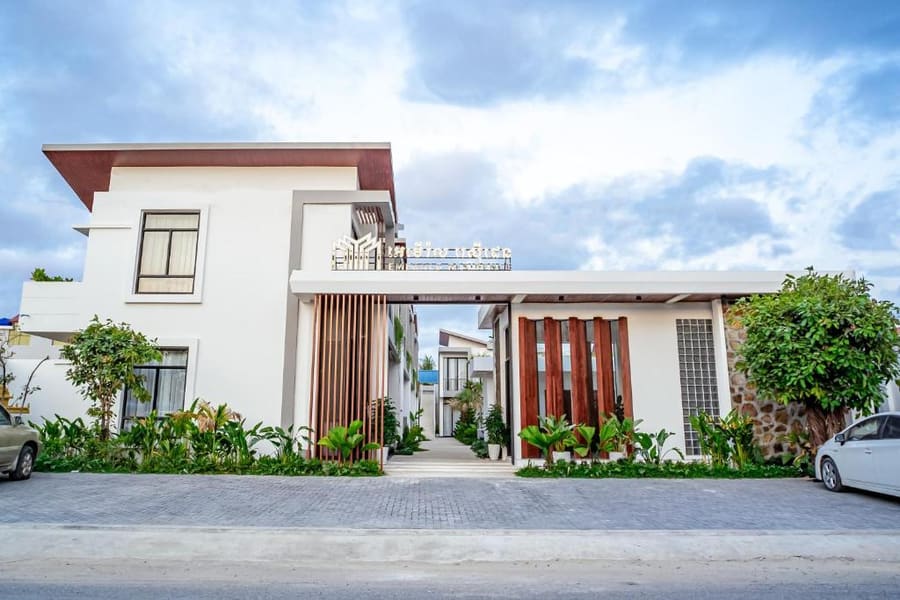
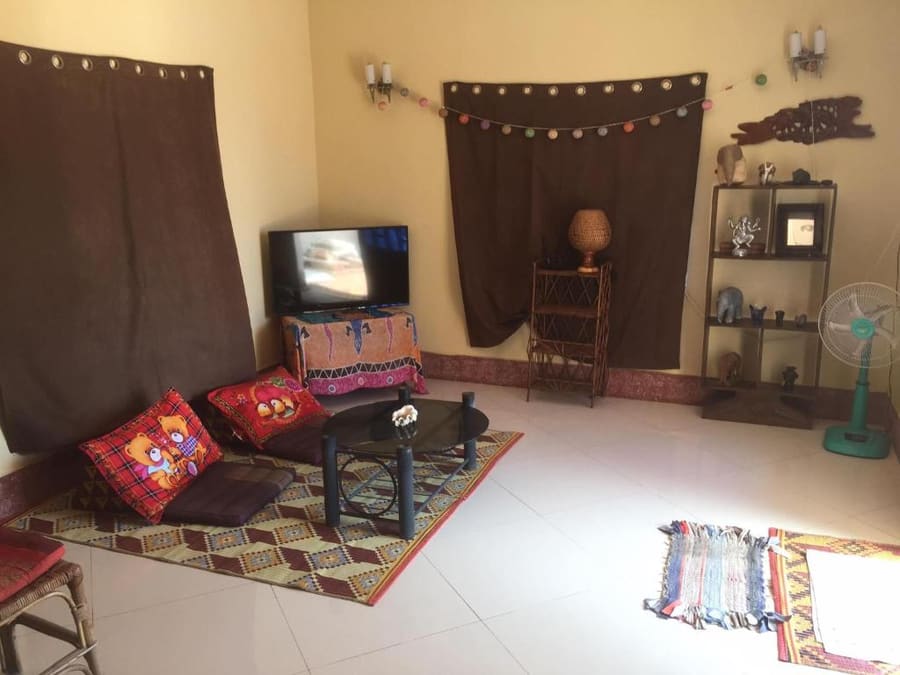
Choose your base based on transport independence. If you do not plan to ride a scooter or book tuk-tuks for every trip, stay inside the central grid near the Old Market. If you want quiet water access and kayaking, pick a resort along the upper river road.
Live rates, matched to the areas above.
transport
Kampot is compact and flat. The town centre takes 20 minutes to cross on foot. For trips to pepper farms, salt fields, or Bokor Mountain, you need a tuk-tuk or scooter rental.
Download PassApp or Grab to hail auto-rickshaws with fixed meter pricing inside town boundaries.
Automatic scooters rent for US$5–7 per 24 hours. Ensure your helmet visor is clear before driving at night.
The 32-kilometer mountain road to Bokor summit is paved but frequently gets enveloped in dense fog by mid-afternoon.
A full-day tuk-tuk charter to pepper farms and salt fields costs US$20–25. Agree on the itinerary before departing.
cost
Cambodia operates a dual-currency economy. US Dollars are accepted everywhere, while Cambodian Riel (KHR) is used for small change under US$1. ATMs dispense US dollars, but following official National Bank of Cambodia policy introduced in August 2024, merchants and financial institutions in Cambodia are required to accept old, stained, or slightly torn US dollar bills without penalty.
A standard dish like Kampot pepper crab or curry at a mid-range local restaurant.
Certified organic black or red Kampot pepper purchased directly at farm stores.
Includes basic helmet rental from downtown guesthouses.
Includes a 90-minute trip upstream with one complimentary beer or soft drink.
seasonality
NOV – FEB
Dry weather and cooler temperatures. Peak season for river activities and town walking tours.
MAR – MAY
Peak heat with temperatures reaching 38°C. Salt harvesting is in full swing, but mid-day sightseeing is uncomfortable.
JUN – AUG
Monsoon rains start. Green landscapes and full river levels make this ideal for kayaking and pepper farm trips.
SEP – OCT
Heavy rainfall causing occasional street flooding. Lower hotel rates, but dirt roads to rural attractions become muddy.
practicalities
Vendors refuse US dollar notes with slight rips, markings, or heavy wear. Check change carefully before leaving the register.
Riverbank evenings have heavy mosquito activity. Local minimarts charge high markup on imported sun blocks and repellents.
Brief electricity outages happen during peak hot season. High-end hotels run backup generators; budget guesthouses may not.
Cover shoulders and knees when visiting cave temples like Phnom Chhngok out of respect for local worshipers.
The Praek Tuek Chhou river has strong tidal currents. Avoid swimming near town piers and stick to designated riverside resorts.