landmark
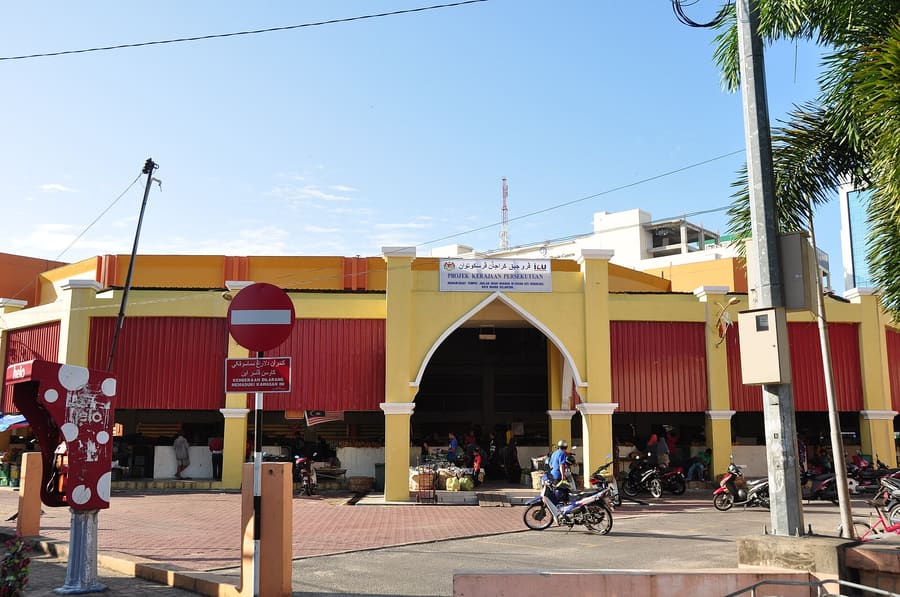
Pasar Siti Khadijah
An octagonal market run mostly by women vendors. Visit upper levels before 11:00 for good food photography.
Demander à ParleyMalaisie
Malay traditions, morning markets, and blue-rice breakfasts.
introduction
Kota Bharu sits in the far northeast of Peninsular Malaysia, close to the Thai border. It operates as the cultural capital of Malay tradition, governed under strict Islamic local laws. You come here to eat authentic regional food, visit octagonal markets, and see royal wooden palaces. The city moves at a relaxed pace and shuts down early.
Arrival trick
Grab rides from Sultan Ismail Petra Airport to the central bus station cost around MYR 15. Municipal buses run every hour for MYR 2.
Cultural status
Kelantan is the cradle of Malay folk arts. Dikir barat choral singing and wayang kulit shadow puppetry remain active traditions here.
Weekend shift
Kelantan runs on a Sunday-to-Thursday workweek. State offices and banks close on Friday and Saturday.
Kota Bharu
Euchiasmus at English Wikipedia · Public domain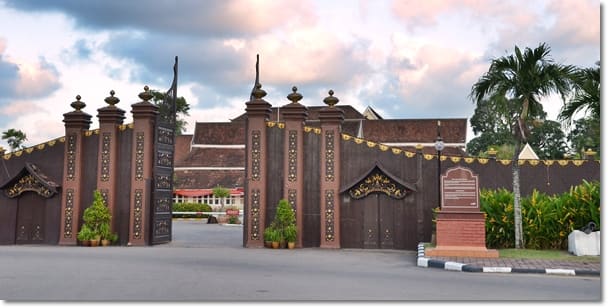
City Centre — Walkable district containing main markets, museums, night stalls, and regional transport terminals.
Muhamad Fadhli Ahmad · CC BY-SA 4.0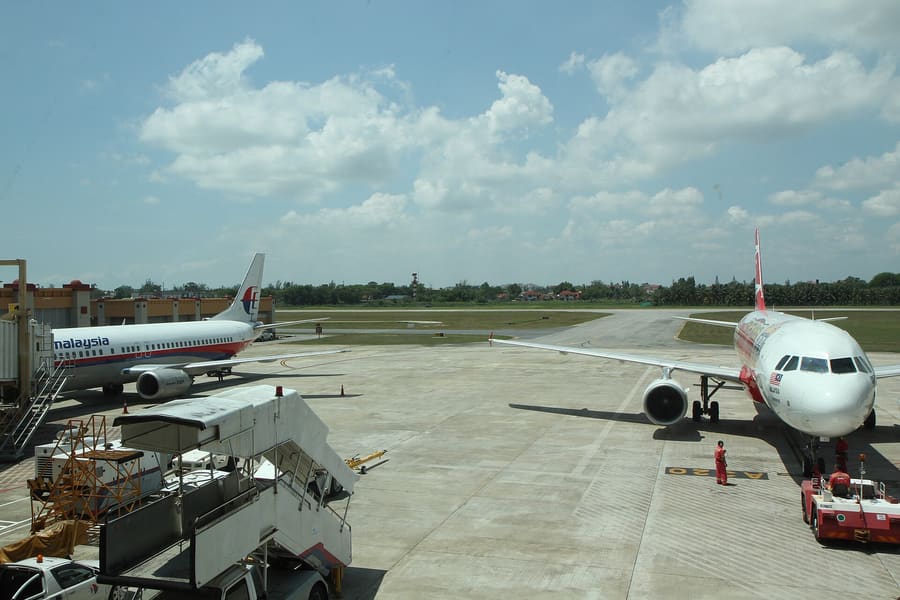
Pengkalan Chepa — Northern industrial and airport district close to the coast and local universities.
Cycloneopp · CC BY-SA 3.0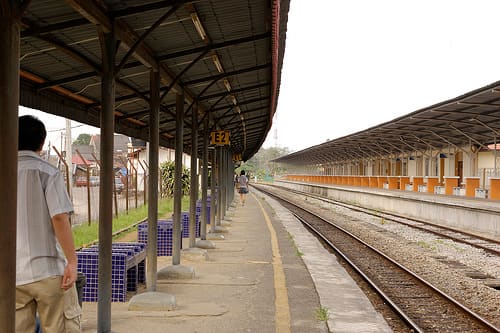
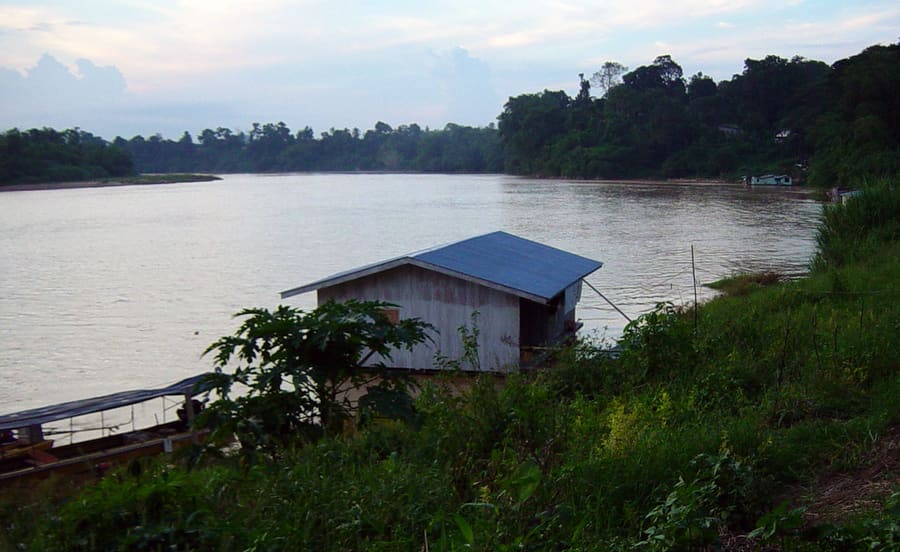
Wakaf Bharu — Small railway town across the Kelantan River, serving as the main train station hub for Kota Bharu.
Marzuki Ali · CC BY 1.0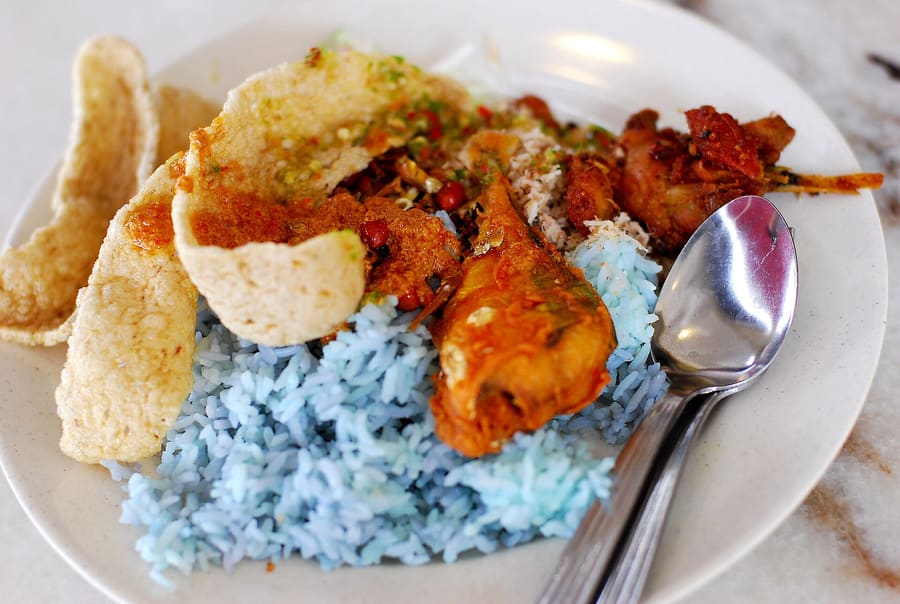
Nasi kerabu served with fresh local herbs, solok lada, and fried chicken.
amrufm from Shah Alam, Malaysia · CC BY 2.0highlights
landmark
An octagonal market run mostly by women vendors. Visit upper levels before 11:00 for good food photography.
Demander à Parley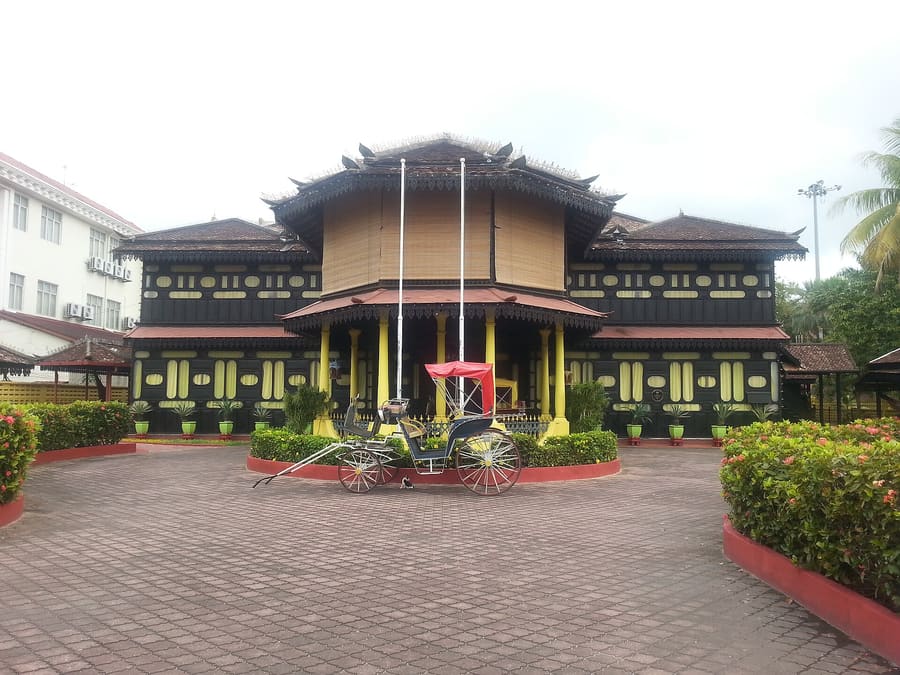
landmark
An 1887 royal wooden palace exhibiting Kelantnese royal ceremonies and craftsmanship. Closed Fridays.
Demander à Parley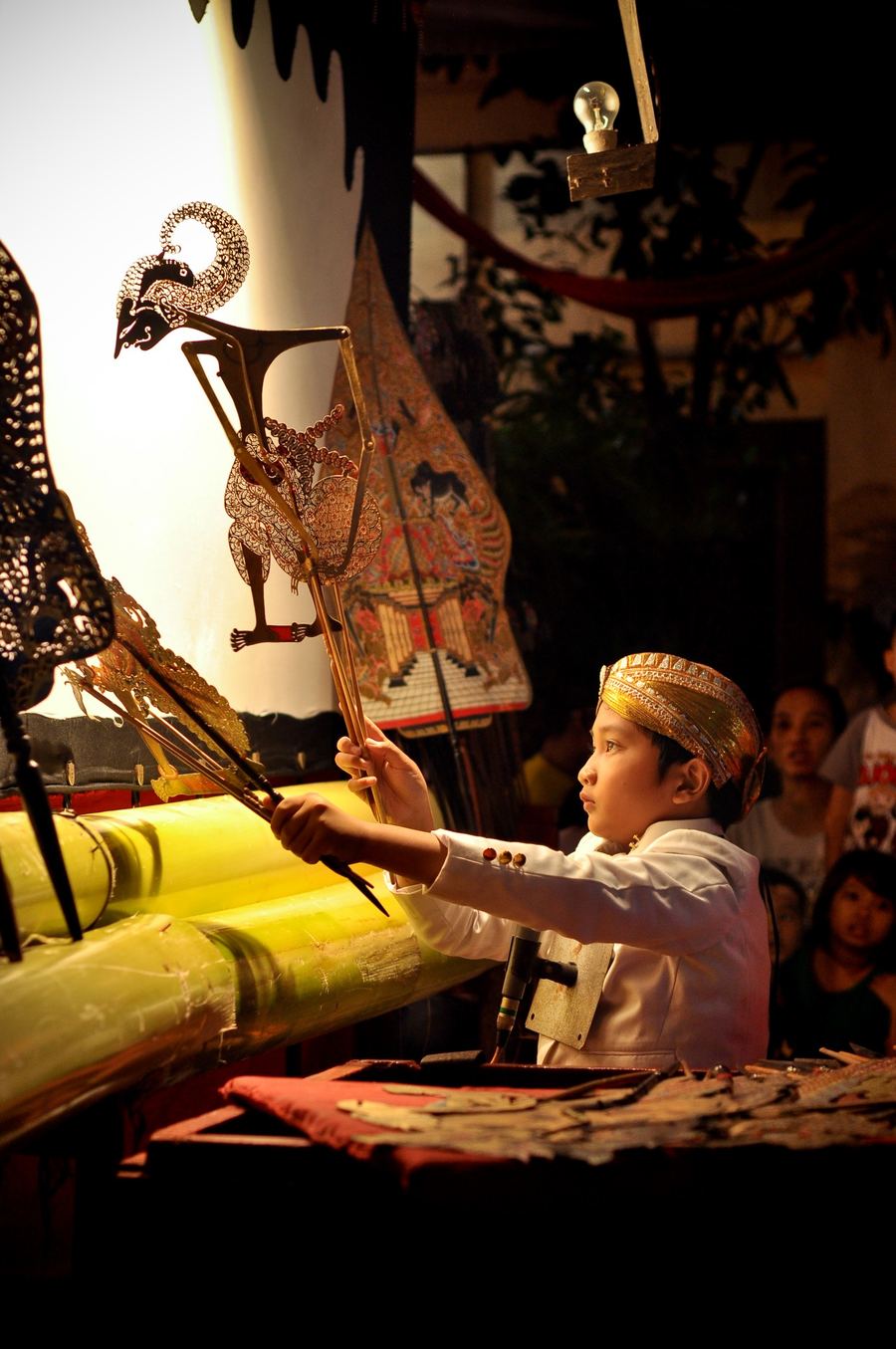
landmark
State cultural centre offering free public performances of silat, top spinning, and shadow puppets on select days.
Demander à Parleyattractions
areas
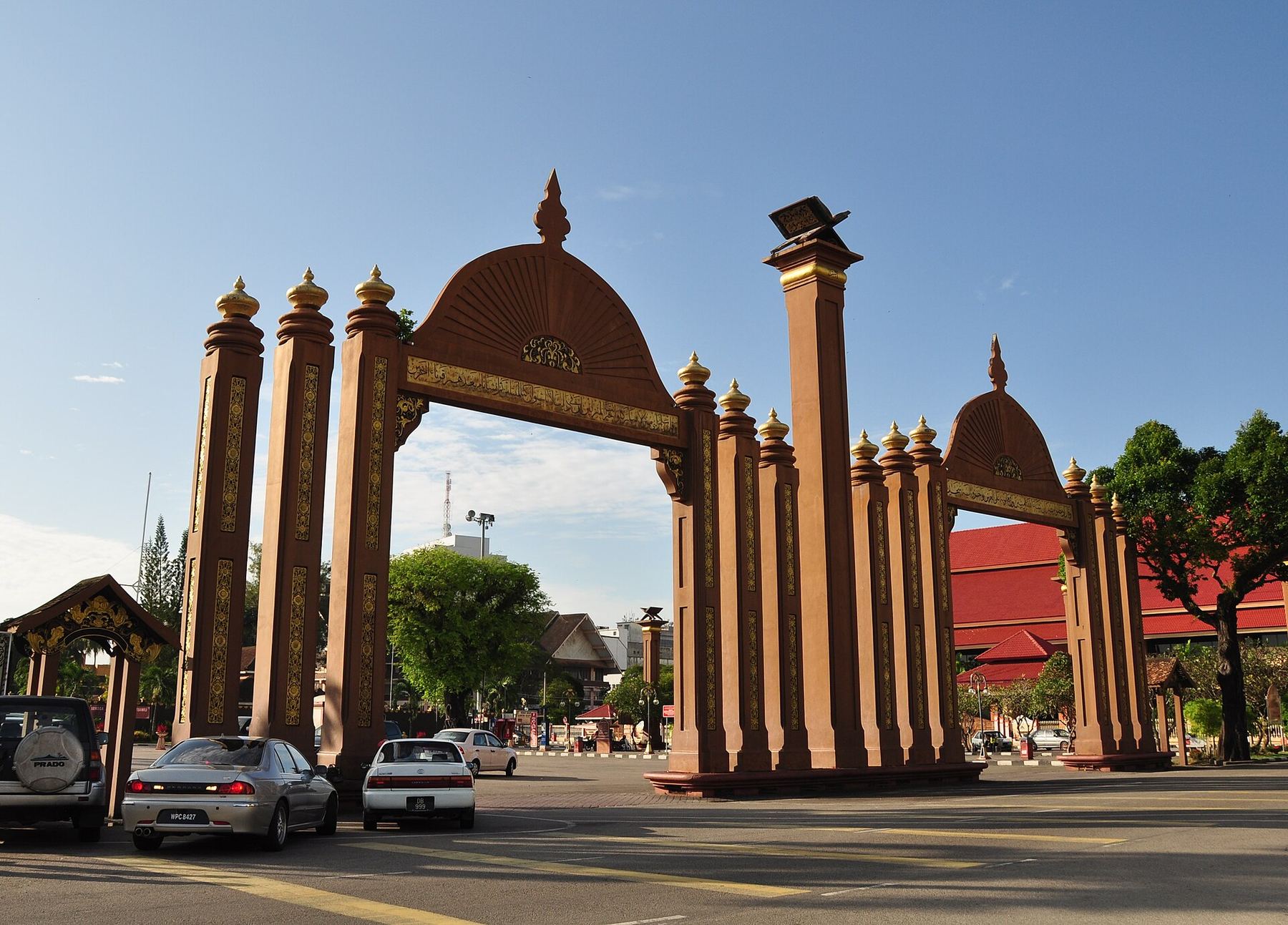
Walkable district containing main markets, museums, night stalls, and regional transport terminals.
À proximitéPasar Siti Khadijah and Istana Jahar.
Demander à ParleyNorthern industrial and airport district close to the coast and local universities.
À proximitéSultan Ismail Petra Airport.
Demander à ParleySmall railway town across the Kelantan River, serving as the main train station hub for Kota Bharu.
À proximitéWakaf Bharu railway station.
Demander à ParleyUniversity and medical suburb 6 km southeast with modern dining, cafes, and residential quarters.
À proximitéUniversiti Sains Malaysia campus.
Demander à Parleyfood
Kelantnese cuisine is distinct from the rest of Malaysia. Dishes rely heavily on coconut milk, local herbs, palm sugar, and fermented fish sauce called budu. Breakfast is the main food event of the day in Kota Bharu.Nasi kerabu is the defining local dish. White rice is dyed blue using butterfly pea flowers and served with finely shredded raw herbs, salted egg, fish crackers, and fried chicken or beef rendang. You mix everything together before eating.Laksam offers a local alternative to noodle soup. Flat rice-flour rolls swim in a thick, lukewarm gravy made from minced fish, coconut milk, and onions. It is topped with fresh herbs and sambal.
Nasi kerabu served with fresh local herbs, solok lada, and fried chicken.
amrufm from Shah Alam, Malaysia · CC BY 2.0Popular nasi kerabu and laksam stalls sell out by 10:00. Plan to arrive between 07:30 and 09:00 for the freshest spread.
Nasi dagang features red wild rice cooked in coconut milk, served with a rich tuna curry (gulai ikan aya) and pickled cucumbers.
Hawkers and market stalls in Pasar Siti Khadijah operate on cash only. Card payments are limited to modern cafes and hotels.
history
Sultan Muhammad II founded Kota Bharu in 1844 as the new royal capital of Kelantan. He built the Grand Palace (Istana Balai Besar) along the Kelantan River to establish a central seat of power for the sultanate.On December 8, 1941, Japanese forces landed on the beaches of Kota Bharu. This marked the opening ground assault of the Pacific War in Malaya, hours before the attack on Pearl Harbor.
City established
Sultan Muhammad II moves the Kelantan royal capital to Kota Bharu and constructs Istana Balai Besar.
First bank built
The Mercantile Bank of India opens Bank Kapor, Kota Bharu's first stone building, now the War Museum.
WWII invasion
Japanese troops land at Pantai Sabak, launching the Malayan Campaign against British forces.
Cultural preservation focus
State policies reinforce traditional Malay arts, architecture, and Islamic governance across the city.
where to stay
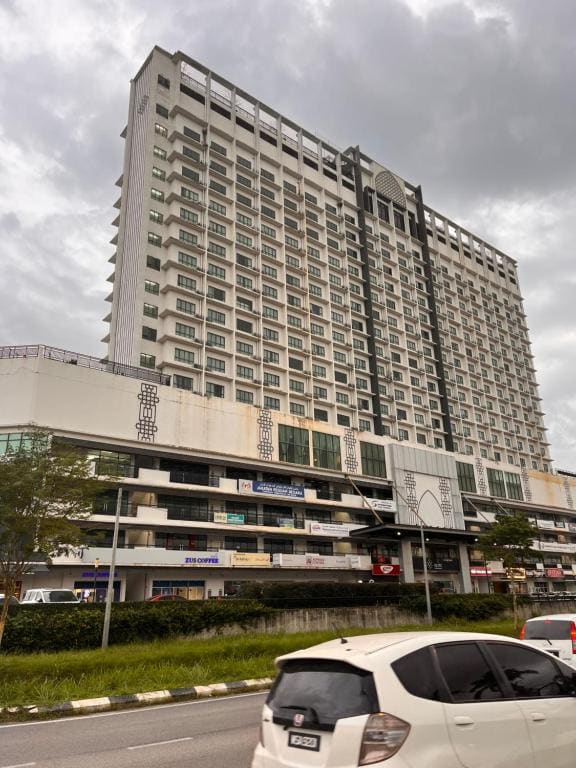
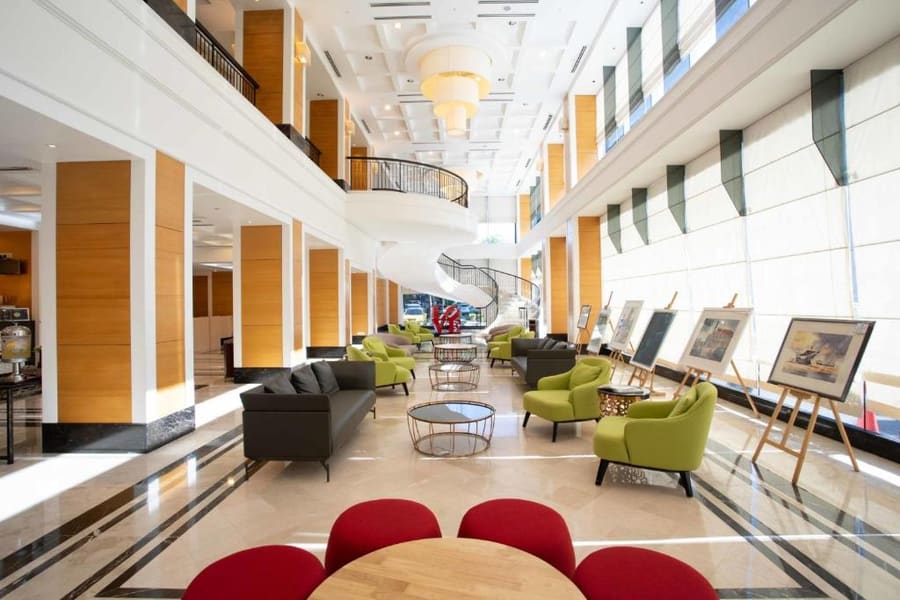
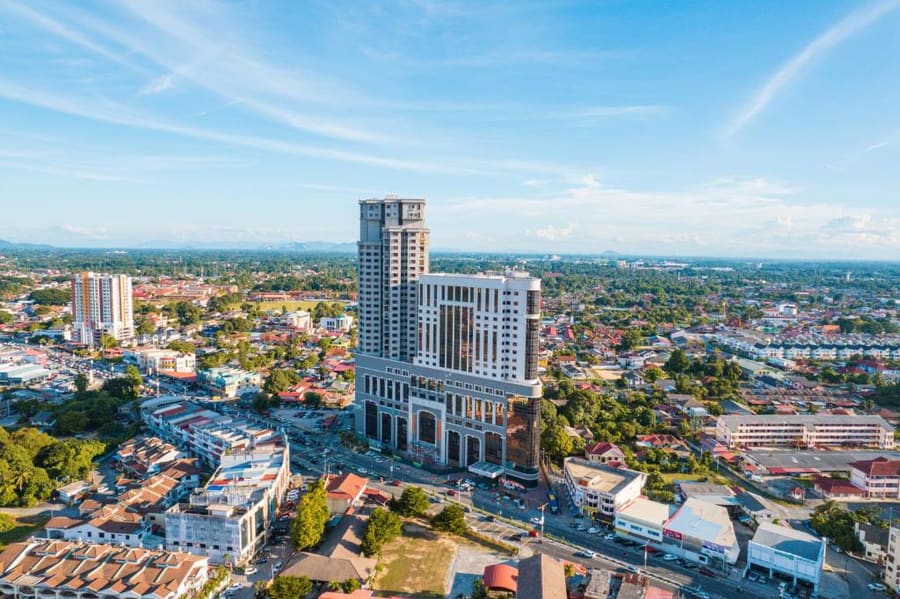
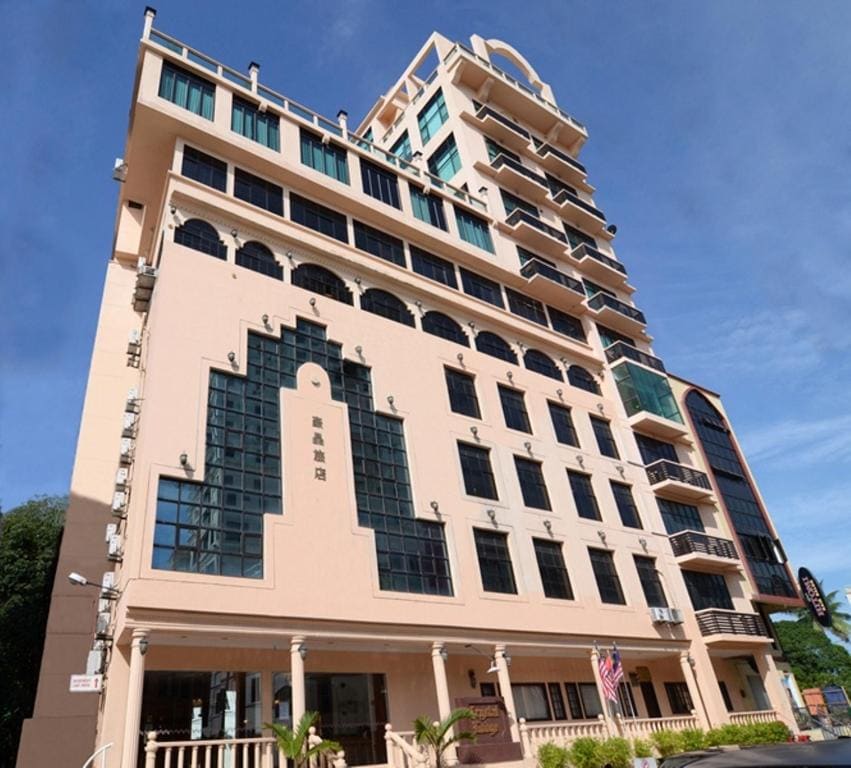
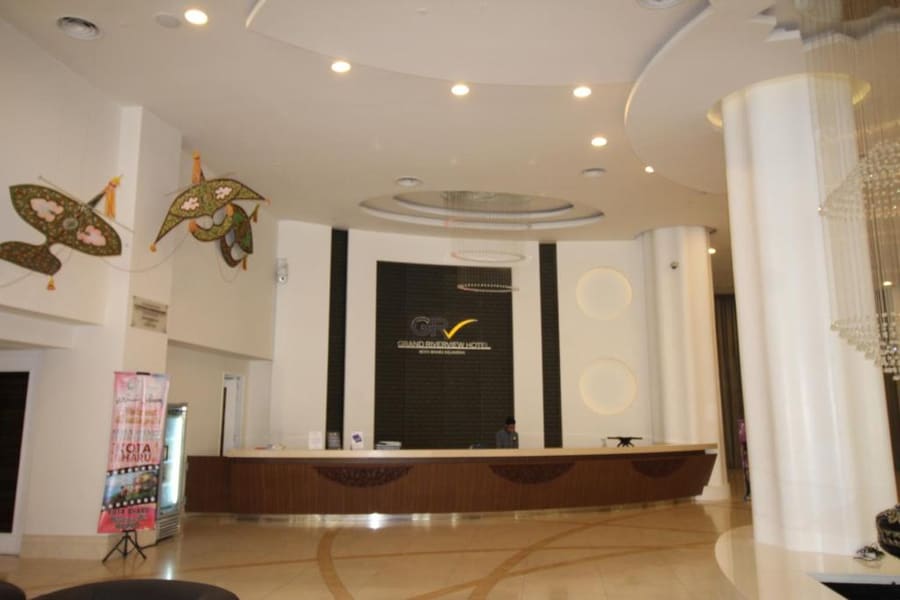
Choose your hotel location based on your transport plans. Stay in the City Centre if you want to walk to central markets, museums, and morning breakfast stalls. Stay in Kubang Kerian if you prefer quiet surroundings, newer rooms, and simple parking access.
Live rates, matched to the areas above.
transport
Kota Bharu is compact enough to walk around the core historical district. Grab works reliably for trips outside the centre, such as visits to Kubang Kerian or the Tumpat Buddhist temples. Local pink buses link key districts but run on broad intervals.
Depuis Sultan Ismail Petra Airport (KBR)
Grab operates reliably from the airport terminal to central hotels.
Fixed-rate coupon taxis are available inside the arrivals hall.
City bus line 9 stops outside the terminal every 60 minutes.
Rideshare fares within the city centre cost between MYR 5 and MYR 9.
Wakaf Bharu station sits 6 km west of town. A Grab fare to central hotels costs around MYR 10.
Taxis from central Kota Bharu to Kuala Besut Jetty take 1 hour and cost around MYR 70–90 per car.
Istana Jahar, Padang Merdeka, and the War Museum form a cluster walkable within 10 minutes.
cost
Kota Bharu is significantly cheaper than Kuala Lumpur or Penang. Meals at hawker stalls, market entries, and local rideshare fares remain low, though alcohol is limited and priced higher because it is taxed under federal excise duties, while local municipal licensing and state regulations in Kelantan restrict its public sale and availability.
Price includes rice, fresh herbs, side dish, and a iced drink at local stalls.
State-run museums like Istana Jahar charge minimal fees for international visitors.
Applies to most rides within the city centre radius.
Standard fixed fare for a private car to the Perhentian ferry port.
seasonality
MAR – MAY
Dry and warm weather. Best conditions for outdoor markets and boat trips to Perhentian Islands.
JUN – AUG
Hot days with occasional afternoon showers. Good seasonal fruit availability in local markets.
SEP – OCT
Increasing rainfall. Temperatures moderate, but sea transfers to nearby islands become choppier.
NOV – FEB
Northeast Monsoon brings heavy rainfall and local flooding. Perhentian ferries shut down completely.
practicalities
Kelantan is conservative. Keep shoulders and knees covered in public spaces and administrative offices.
Shops and markets pause business between 12:30 and 14:30 on Fridays for afternoon prayers.
Alcohol is not sold in Malay-owned restaurants. Chinese restaurants and major hotels carry limited stock.
Carry insect repellent when visiting evening street markets or coastal areas.
Boats to the Perhentian Islands stop running between November and February due to monsoon seas.