landmark
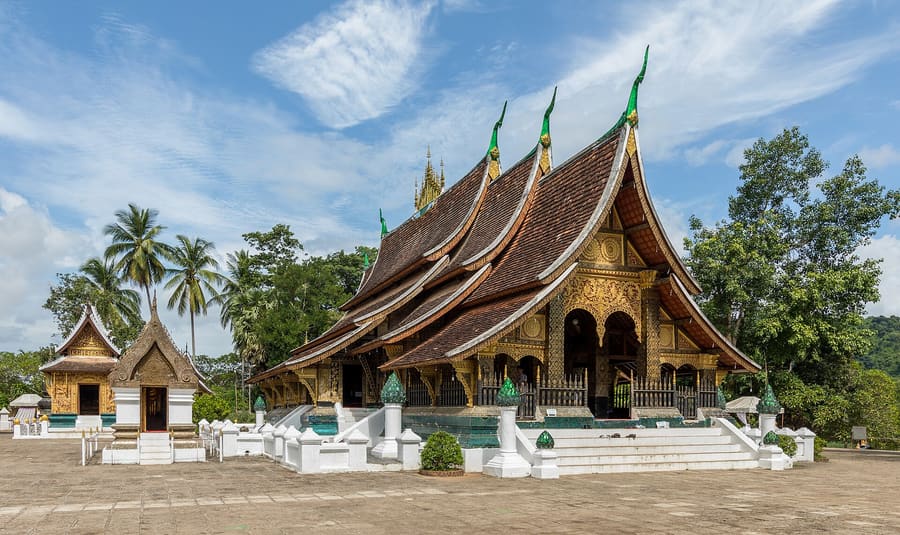
Wat Xieng Thong
Sweeping rooflines mark this 16th-century temple near the tip of the peninsula. Visit before 09:00 to beat tour groups.
Demander à ParleyLaos
Lao royal tradition where two rivers meet.
introduction
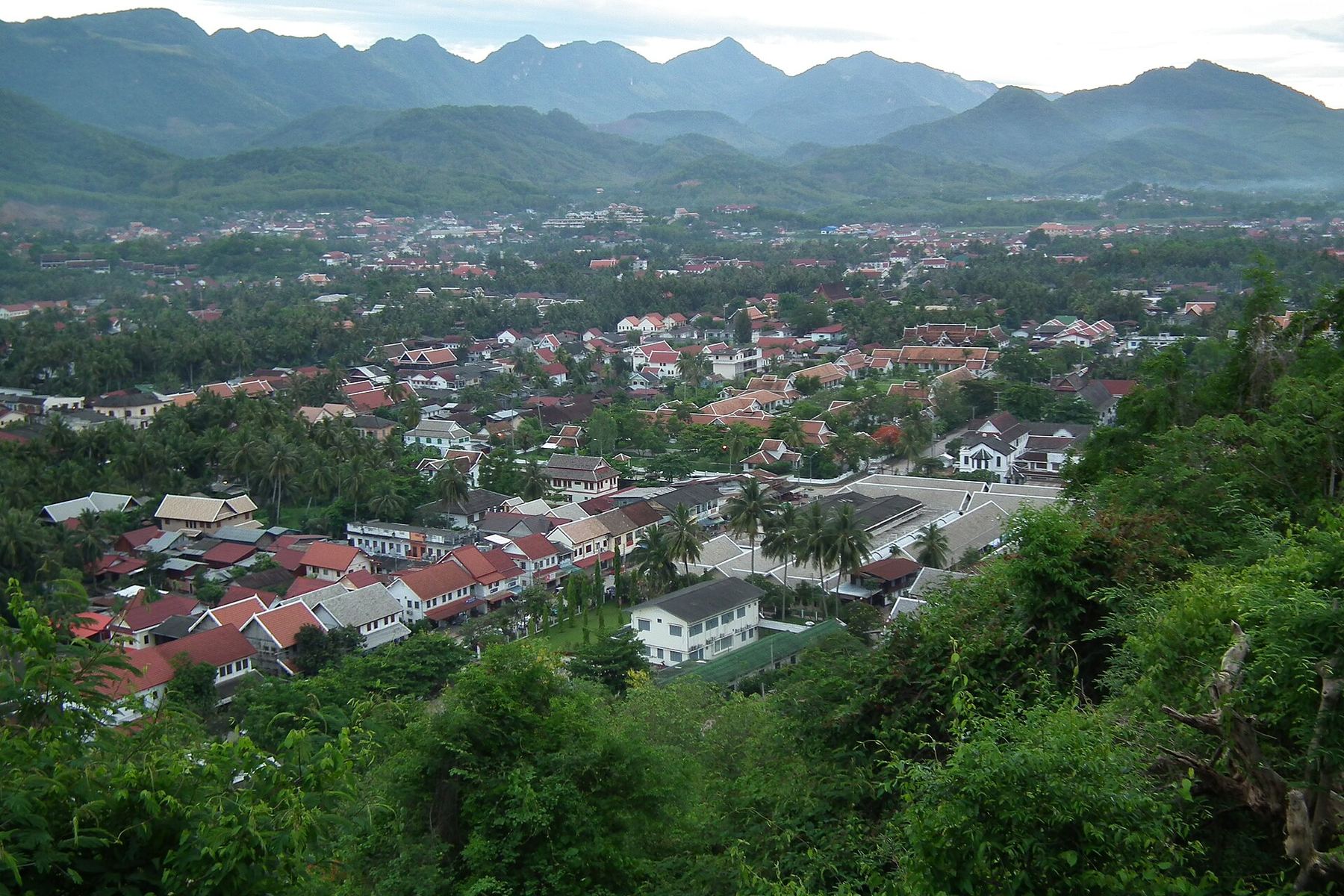
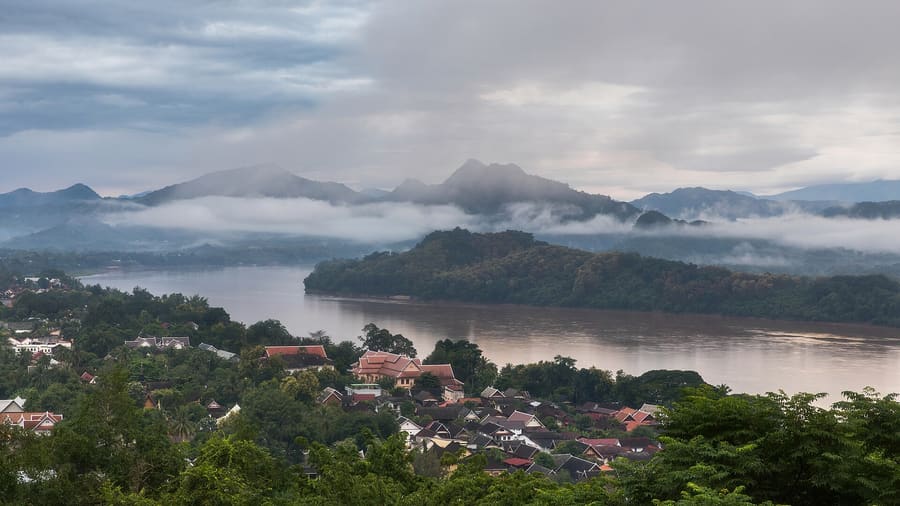
Luang Prabang sits on a narrow peninsula formed by the confluence of the Mekong and Nam Khan rivers. The town operates at an unhurried pace shaped by Buddhist monastic routines and strict UNESCO preservation rules. You move through the central peninsula on foot or bicycle, passing gilt temples and French colonial townhouses.
UNESCO World Heritage designation
UNESCO listed the peninsula in 1995. Strict building codes preserve the Lao wooden architecture and French colonial townhouses.
High-speed rail booking window
The Laos-China Railway connects to Vientiane in under two hours. Tickets open three days in advance and sell out quickly.
Luang Prabang
Basile Morin · CC BY-SA 4.0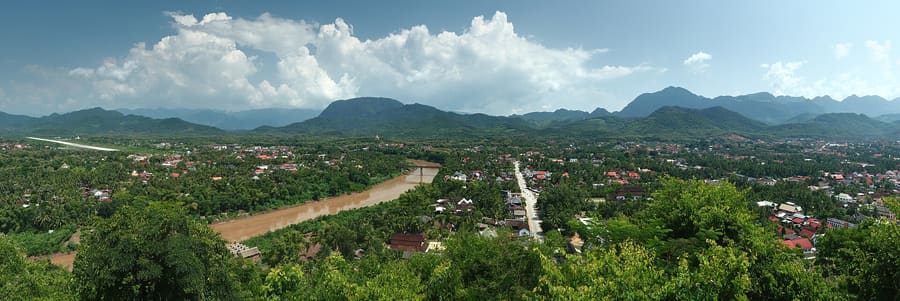
Peninsula — Quiet brick alleys flanked by preserved colonial villas and active temples.
Benh LIEU SONG · CC BY-SA 3.0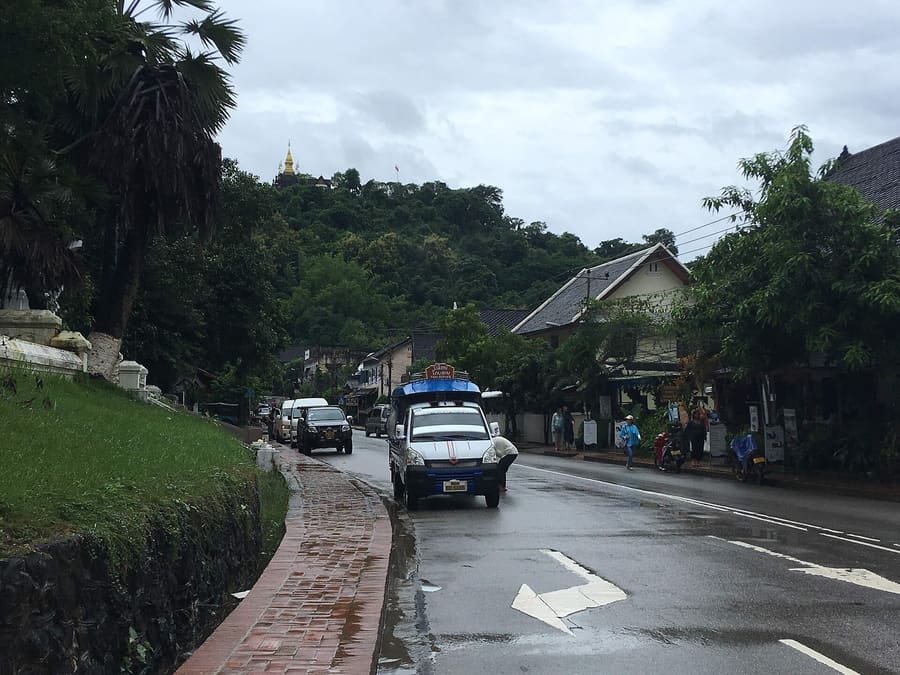
Nam Khan Riverbank — Leafy riverside road lined with casual cafes, wooden guesthouses, and bamboo footbridges.
Christophe95 · CC BY-SA 4.0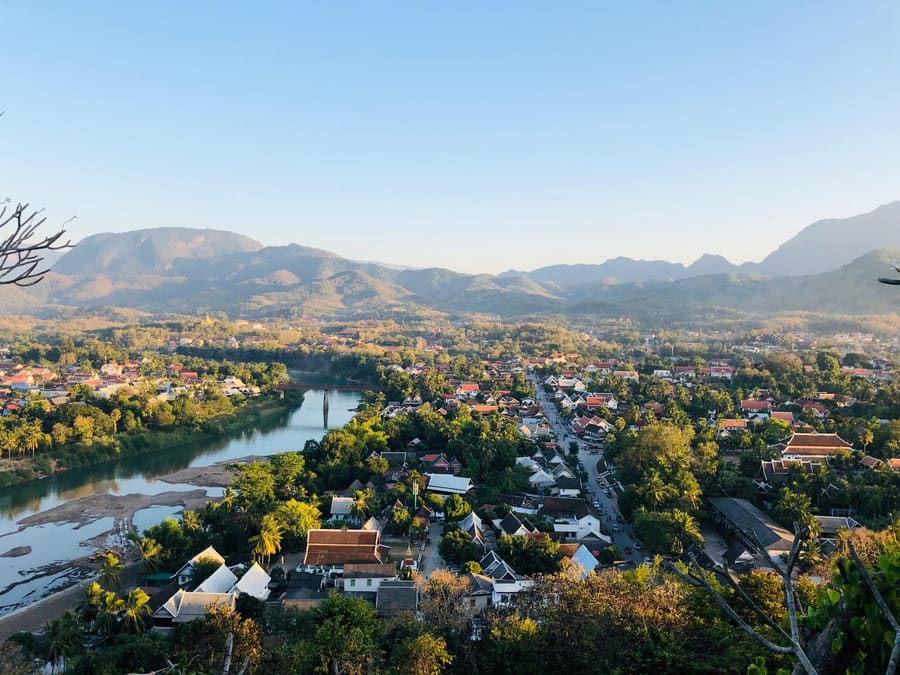
Ban Wat Tat — Residential neighborhood with low-key guesthouses, local noodle shops, and quiet alleyways.
Shelly Zohar · CC BY-SA 4.0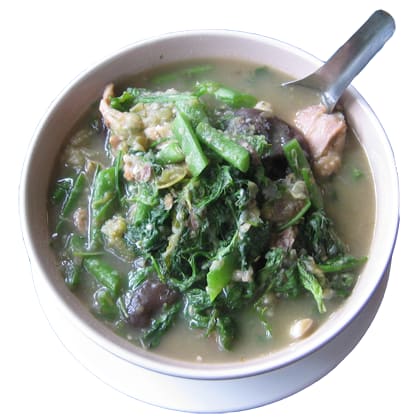
Or Lam, a slow-cooked stew seasoned with sakhaan pepper wood.
Misterbenzen · CC BY-SA 4.0highlights
landmark
Sweeping rooflines mark this 16th-century temple near the tip of the peninsula. Visit before 09:00 to beat tour groups.
Demander à Parley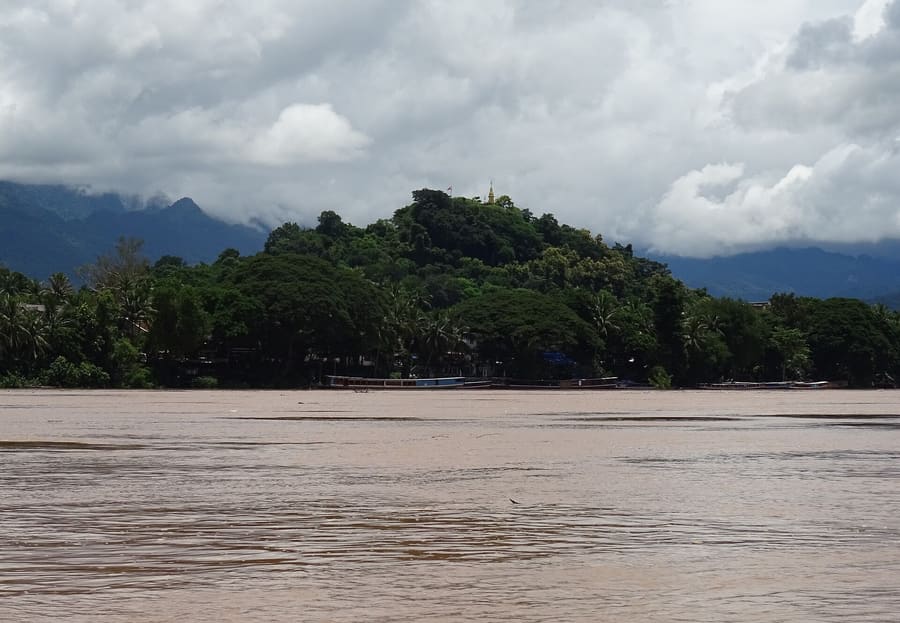
landmark
328 steps lead to panoramic river views. Sunset brings dense crowds, so climb at dawn for space and mist.
Demander à Parley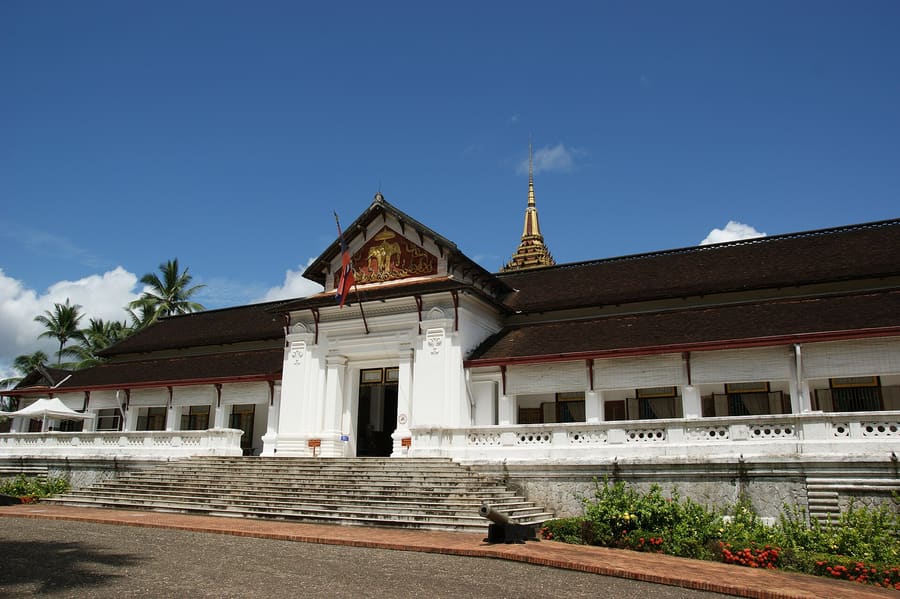
landmark
Built in 1904 for King Sisavang Vong, housing the Prabang Buddha. Strict dress code requires covered shoulders and knees.
Demander à Parley
landmark
The oldest operating temple in town features a unique stupa shaped like a lotus blossom. Quieter than riverfront temples.
Demander à Parley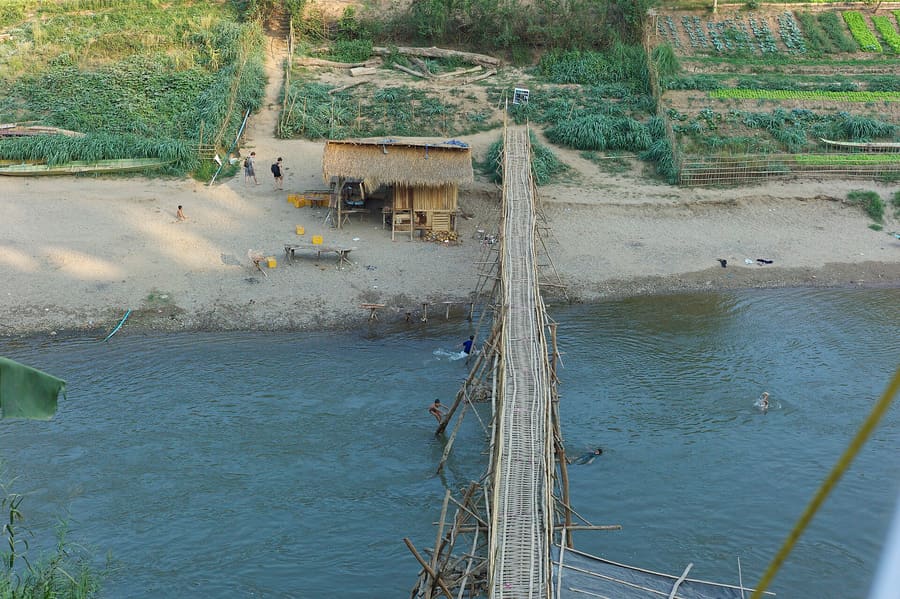
landmark
Rebuilt every dry season after monsoon floods wash it away. A small toll supports the local family that constructs it.
Demander à Parleyattractions
areas
Quiet brick alleys flanked by preserved colonial villas and active temples.
À proximitéWat Xieng Thong, Mekong riverfront piers.
Demander à ParleyLeafy riverside road lined with casual cafes, wooden guesthouses, and bamboo footbridges.
À proximitéBamboo Bridge, Mount Phousi back entrance.
Demander à ParleyResidential neighborhood with low-key guesthouses, local noodle shops, and quiet alleyways.
À proximitéWat Visounnarath, local morning market.
Demander à ParleyCentral district centered around the night market, evening food stalls, and bakeries.
À proximitéNight Market, Royal Palace Museum, Mount Phousi main steps.
Demander à Parleyfood
Lao cuisine in Luang Prabang relies on forest herbs, fermented fish paste, and sticky rice eaten by hand. Unlike Thai food, local dishes emphasize bitter and aromatic flavours over sweetness. Street vendors along the Mekong serve fresh river weed dried with sesame seeds alongside spicy tomato dip.
Or Lam, a slow-cooked stew seasoned with sakhaan pepper wood.
Misterbenzen · CC BY-SA 4.0Try Northern Lao Khao Soi along Khem Khong street. Clear pork broth comes topped with minced pork, fermented soybeans, and fresh herbs.
Visit the morning alley market behind the Royal Palace before 08:00. Local vendors sell fresh sticky rice, grilled river fish, and wild mushrooms.
Order Or Lam at traditional eateries. This buffalo or pork stew uses wild wood stems that produce a numbing spice on the tongue.
history
Luang Prabang became the first capital of the Lan Xang Kingdom in 1353 under King Fa Ngum. The city served as the spiritual and royal heart of Laos for centuries. French colonial rule in the late 19th century added European architecture alongside traditional Lao wooden structures, creating the townscape protected today.
Lan Xang Established
King Fa Ngum unifies regional Lao principalities to establish the Lan Xang kingdom with its capital at Muang Sua, later renamed Luang Prabang.
Capital Relocation
King Setthathirath moves the political capital to Vientiane, but Luang Prabang remains the royal and religious seat of the kingdom.
French Protectorate
France integrates Laos into French Indochina, preserving the Lao monarchy and rebuilding civic structures in mixed Lao-French style.
UNESCO Inscription
UNESCO designates the entire town a World Heritage Site, halting modern development and initiating strict architectural restoration rules.
where to stay
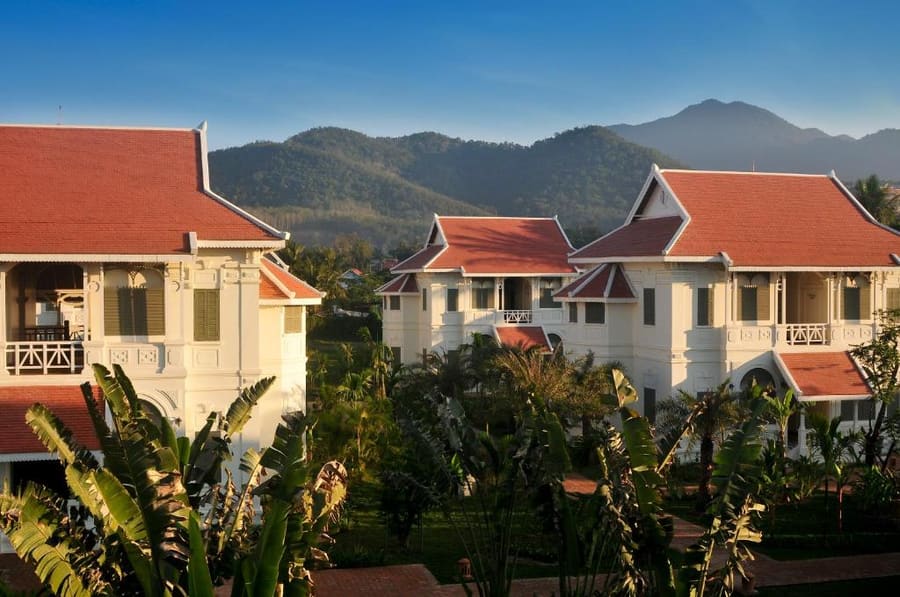
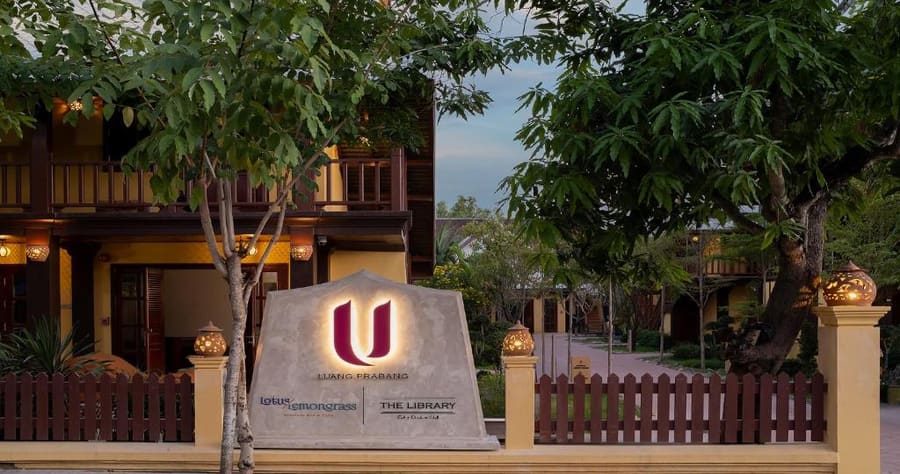
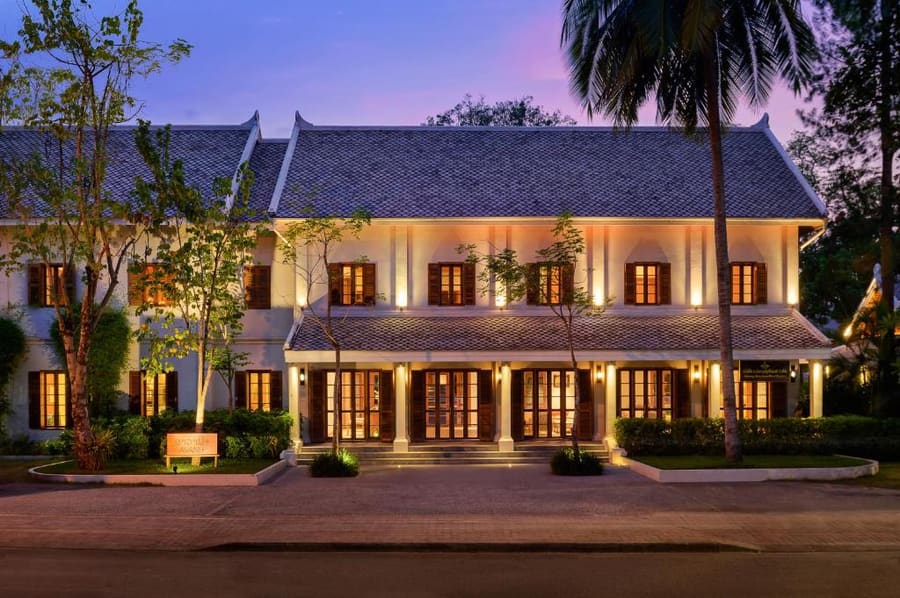
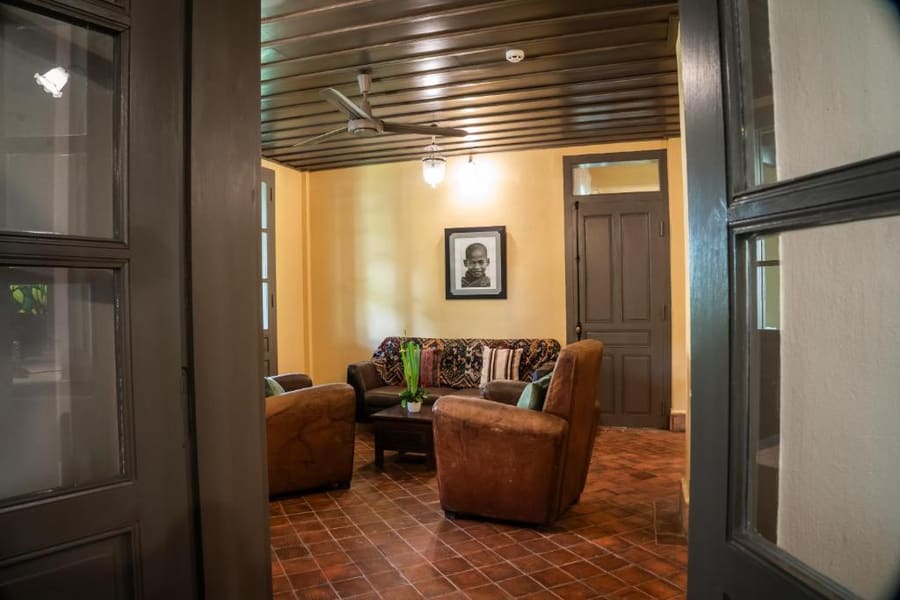
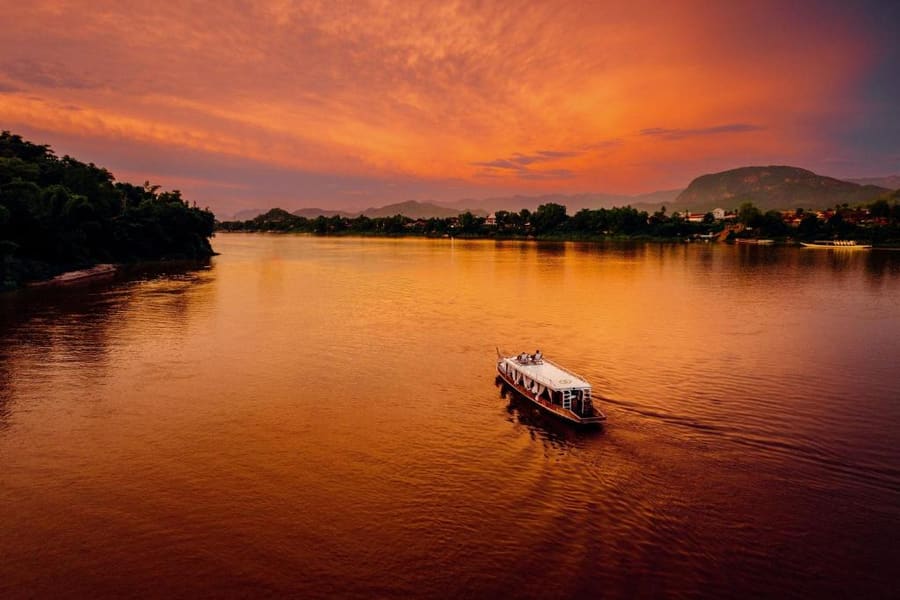
Choose your area based on how close you want to be to early morning temple life or quiet riverfront views. The peninsula offers maximum walkable charm at premium rates. Properties south of Mount Phousi give lower nightly rates with easy access to markets.
Live rates, matched to the areas above.
transport
Luang Prabang is compact enough to navigate on foot or by bicycle. Tuktuks are abundant for longer hops, though fares require clear agreement before you sit down. High-speed rail now connects the city swiftly to Vientiane and Vang Vieng.
The Laos-China Railway station sits 12km outside town. Minivans meet incoming trains and charge fixed fares into the center.
Negotiate tuktuk prices before boarding. Rides within the peninsula cost between 30,000 and 50,000 LAK.
Most guesthouses rent bicycles for around 30,000 LAK per day. Flat terrain makes cycling the peninsula simple.
The entire UNESCO central zone measures under two kilometers long. You rarely need motorized transit during the day.
cost
Laos uses the Lao Kip (LAK). Prices for meals and transport are low by international standards, though high-end peninsula hotels command global rates. Cash remains necessary for markets, tuktuks, and small eateries.
A fresh bowl of Khao Soi or noodle soup at local market stalls.
Standard city bike from guesthouses or street rental shops.
Comfortable air-conditioned room in or near the old town.
seasonality
NOV – FEB
Cool dry season brings clear skies and comfortable walking temperatures. Book accommodation months ahead.
MAR – MAY
Temperatures rise above 35°C and agricultural burning reduces air quality. Drink water and plan indoor mid-day rest.
JUN – AUG
Monsoon rains bring heavy afternoon downpours and lush landscapes. River levels rise and prices drop.
SEP – OCT
Rains taper off leaving green hills and full waterfalls. Good balance of clear weather and lower tourist numbers.
practicalities
Cover shoulders and knees when entering temples. Remove shoes and hats before stepping onto temple hall floors.
Observe the Tak Bat alms ceremony from across the street. Keep distance, do not flash photos, and stay silent.
ATMs dispense Lao Kip with withdrawal limits per transaction. Carry back-up foreign cash like USD or THB.
Shops and restaurants operate at a relaxed pace. Allow extra time for food preparation and service.
Choose slow boats over speedboats for Mekong trips. Speedboats lack safety gear and produce extreme noise levels.