landmark
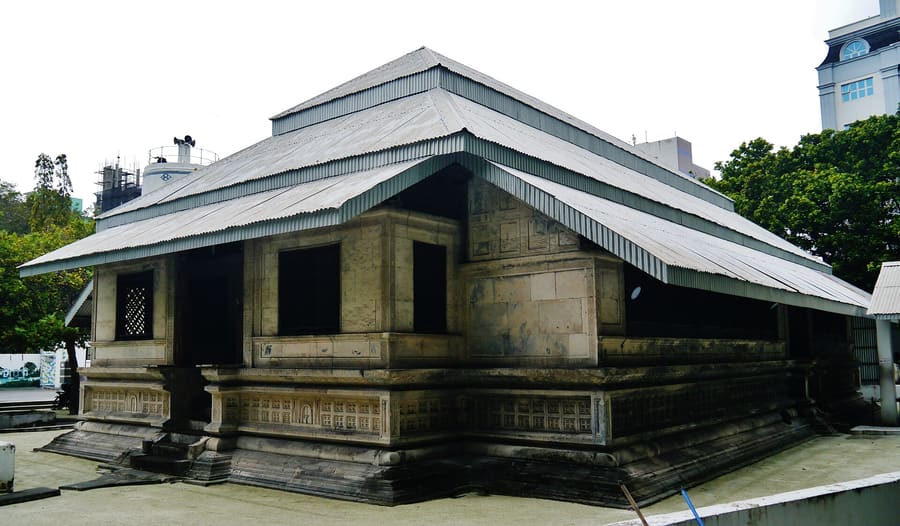
Malé Friday Mosque
Built from carved coral stone in 1658. Non-Muslims must request entry permission from officials before visiting inside.
Demander à ParleyMaldives
Atoll transit, island guesthouses, and ocean channels.
introduction
The Maldives operates on two parallel tracks. Private resort islands offer alcohol, open swimwear, and direct transfers by seaplane. Inhabited local islands offer budget guesthouses, strict modesty rules, and scheduled ferries. Deciding between a private island or an inhabited local island defines your entire budget and trip style.
Airport transfer timing
Seaplanes only fly in daylight hours. If your international flight arrives after 15:30, you must stay overnight near Malé or book a speedboat resort.
UNESCO Biosphere Reserve
Hanifaru Bay in Baa Atoll hosts hundreds of manta rays from May to November. Snorkellers get strict 45-minute slots to limit environmental impact.
Two distinct travel rules
Resort islands serve alcohol and allow bikinis everywhere. Inhabited local islands enforce strict modesty codes outside designated bikini beaches.
Maldives
Syced · CC BY-SA 3.0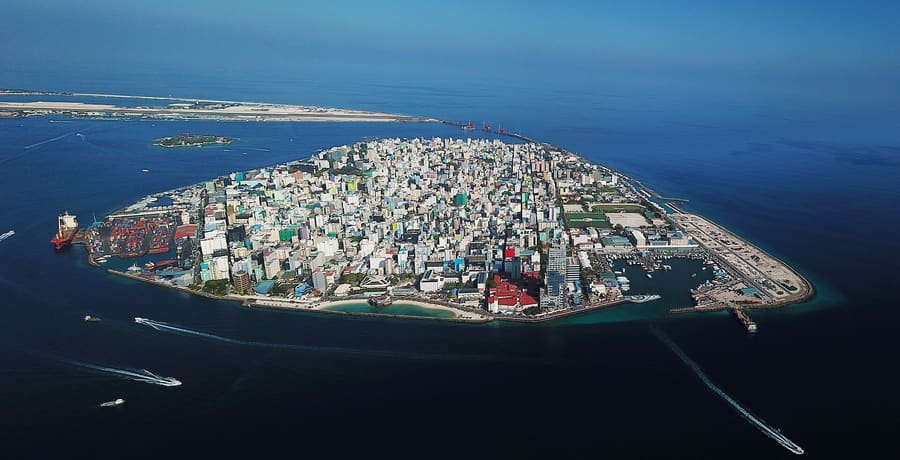
Malé City — Densely packed capital island filled with government offices, markets, and narrow roads.
Shahee Ilyas · CC BY-SA 3.0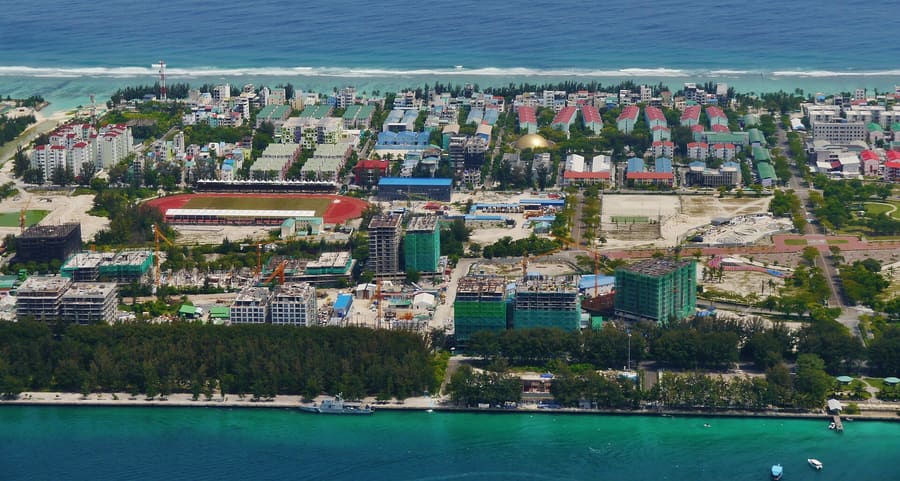
Hulhumalé — Reclaimed artificial island built on a wide grid layout with low-rise apartment blocks.
Zairon · CC BY-SA 4.0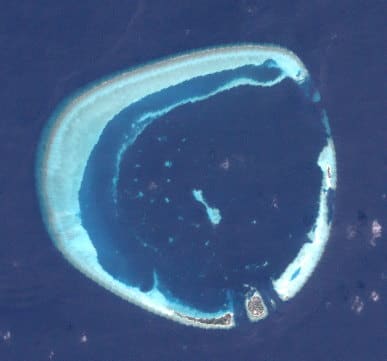
Rasdhoo — Compact local island known as the gateway to hammerhead shark diving spots.
NASA · Public domain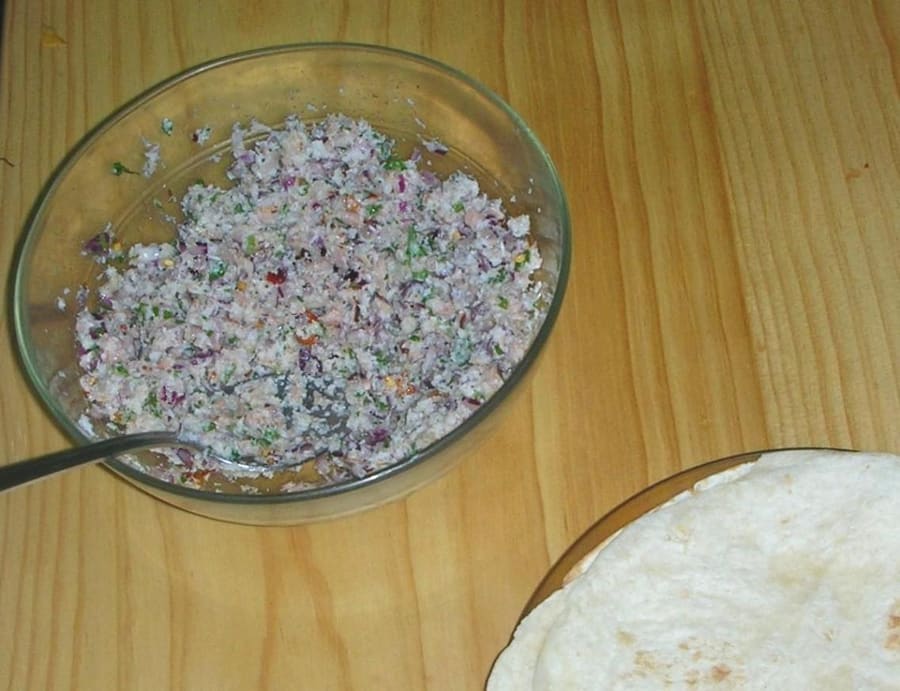
Mas huni served with fresh roshi flatbreads and black tea.
Xavier Romero-Frias · CC BY-SA 3.0highlights
landmark
Built from carved coral stone in 1658. Non-Muslims must request entry permission from officials before visiting inside.
Demander à Parley
landmark
Year-round aggregate zone for resident whale sharks. Excursion boats leave daily from Dhigurah and Maamigili.
Demander à Parley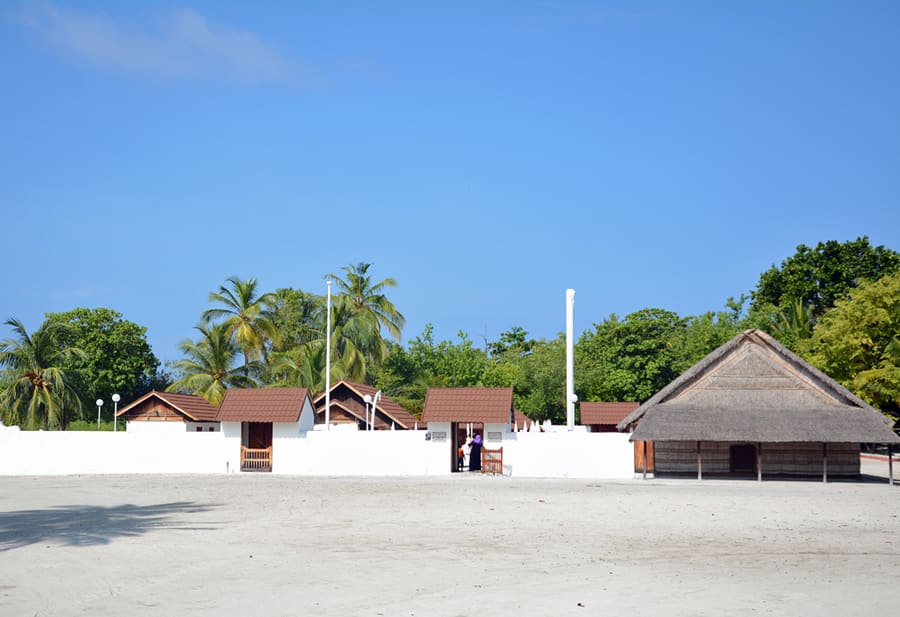
landmark
16th-century wooden palace of Sultan Mohamed Thakurufaanu. Preserves intricate timber interior detailing in the far north.
Demander à Parley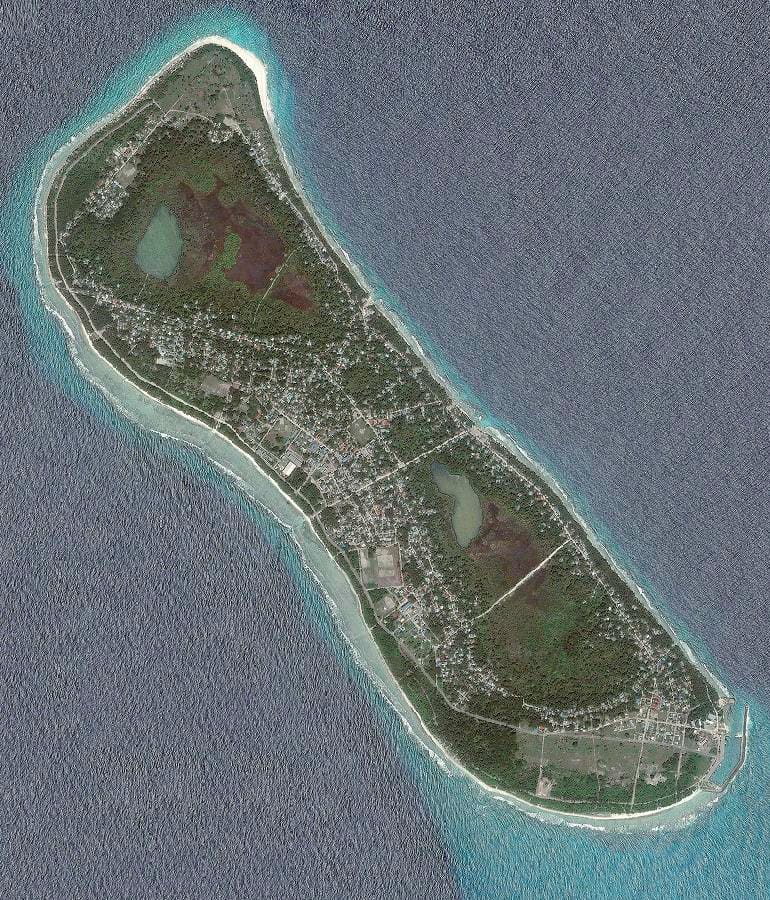
landmark
Isolated ocean island famous for daily tiger shark dives. Strong ocean currents demand experienced diving skills.
Demander à Parleyattractions
areas
Densely packed capital island filled with government offices, markets, and narrow roads.
À proximitéVelana International Airport via Sinamalé Bridge.
Demander à ParleyReclaimed artificial island built on a wide grid layout with low-rise apartment blocks.
À proximitéVelana International Airport terminal by land bus.
Demander à ParleyCompact local island known as the gateway to hammerhead shark diving spots.
À proximitéMadivaru sandbank and North Ari Atoll dive sites.
Demander à Parleyfood
Maldivian cuisine revolves around skipjack tuna, coconut, and starch. Local diners eat in informal eateries known as hotaa. Breakfast centres on mas huni, a cold salad of shredded tuna, grated coconut, onion, and chilli eaten with warm flatbreads.
Mas huni served with fresh roshi flatbreads and black tea.
Xavier Romero-Frias · CC BY-SA 3.0Order shredded skipjack tuna mixed with coconut, chilli, and lime. Eat it wrapped in warm roshi flatbread at any local hotaa.
Visit tea shops between 16:00 and 18:00 for short eats. Bajiya pastry pockets and gulha tuna dumplings cost under 5 MVR each.
Try clear tuna broth poured over rice with lime, chilli, and raw onion. Locals eat this dish daily for lunch.
history
Early Maldivian settlers were Buddhist communities from southern India and Sri Lanka. The island nation converted to Islam in 1153 under Sultan Dhovemi. Britain declared the islands a protectorate in 1887 while leaving domestic governance to the sultanate. The country gained full independence in 1965 and launched its resort tourism industry in 1972.
Conversion to Islam
King Dhovemi converted to Islam, replacing centuries of Buddhist tradition with an Islamic sultanate.
British Protectorate
The Maldives signed a treaty with Britain for military protection while retaining internal monarchy.
Full Independence
The country ended its British protected status and established complete diplomatic sovereignty.
Resort Tourism Launch
Kurumba Maldives opened as the first commercial resort island, creating the resort economy.
Local Guesthouses Allowed
Legal reforms permitted guesthouses on inhabited islands, enabling budget travel beyond private resorts.
where to stay
Choose your base by island type. Private island resorts charge premium prices for secluded overwater villas, alcohol licenses, and private beaches. Inhabited local islands offer guesthouses at lower prices, but you must follow dress codes in public areas and take transfers to licensed bar boats for alcohol.
transport
Moving across atolls requires choosing between state public ferries, scheduled speedboats, and domestic flights or seaplanes. Ferries run cheaply between neighboring islands within an atoll, but they run infrequently and take hours. Speedboats handle intermediate distances, while seaplanes serve distant resorts directly from Velana Airport.
Depuis Velana International Airport (MLE)
Runs 24/7 from the airport pier to Malé Henveiru ferry terminal.
Drives over Sinamalé Bridge. Extra 10 MVR charge usually applies for trunk luggage.
RTL airport bus operates via the bridge directly into Malé.
Private water taxi available on demand at the airport jetty.
State ferries connect local islands within the same atoll. Single rides cost 20 MVR to 50 MVR.
Trans Maldivian Airways flies only during daylight hours. Seaplane departure schedules are finalized the evening before travel.
Shared speedboats run from Malé to popular islands like Maafushi for $25 to $40 per seat.
cost
The Maldives operates a dual currency economy. Resort islands bill in US Dollars ($) and add a 10% service charge plus local green taxes. Inhabited islands accept both US Dollars and Maldivian Rufiyaa (MVR), though cash in MVR gets better rates at small local shops.
Local island teashops offer filling breakfast dishes at standard local rates.
Subsidized state ferries offer cheap transport between local islands within an atoll.
Scheduled express boats run several times daily from the Malé jetty.
Dive shops on inhabited islands charge less than resort dive centers.
seasonality
DEC – APR
Northeast monsoon brings low rainfall and calm water. Resort rates reach peak levels.
MAY – JUL
Southwest monsoon brings wind and rain. High manta ray activity in Baa Atoll.
AUG – OCT
Moderate rainfall with steady ocean swells. Ideal weather window for surf breaks.
NOV
Monsoon transition month. Seas calm down and resort rates stay below peak winter prices.
practicalities
Importing alcohol is illegal and customs will seize it on arrival. Alcohol is sold legally only on private resort islands and offshore bar boats.
Inhabited islands require covered shoulders and knees in public. Swimming in bikinis is restricted to marked bikini beaches.
Shops and public transport stop during Friday prayers between 11:30 and 13:30 across inhabited local islands.
US Dollars are accepted everywhere. Local island shops issue change in Maldivian Rufiyaa (MVR).
The equator crosses the southern Maldives. Unprotected skin burns quickly without high SPF reef-safe sunscreen.