landmark
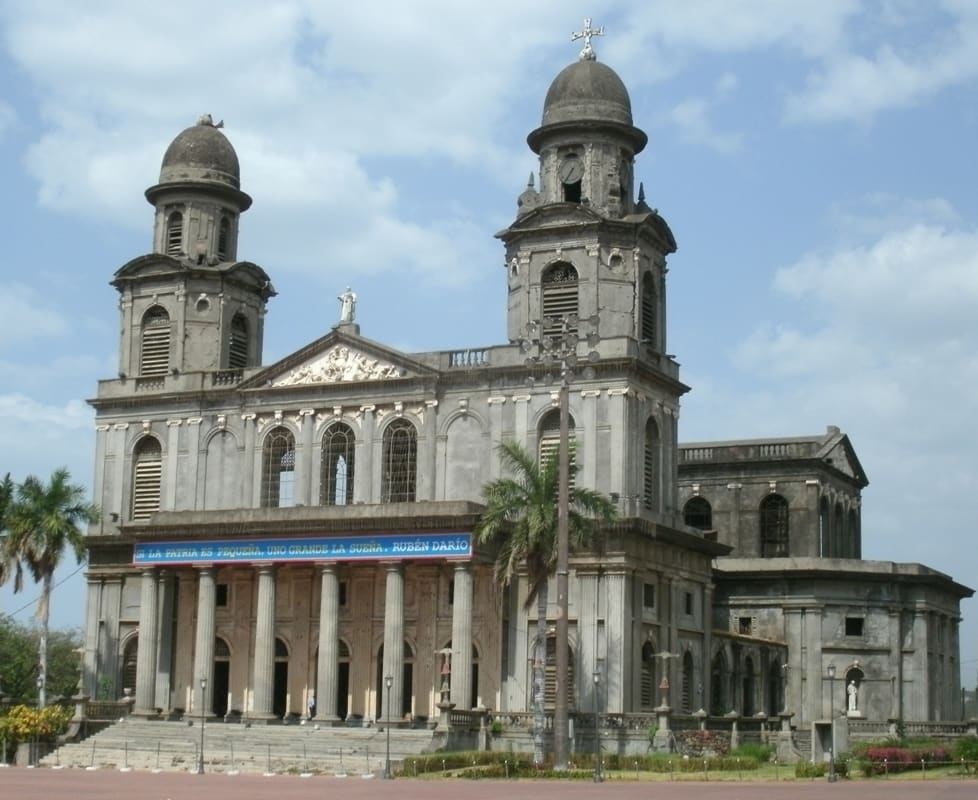
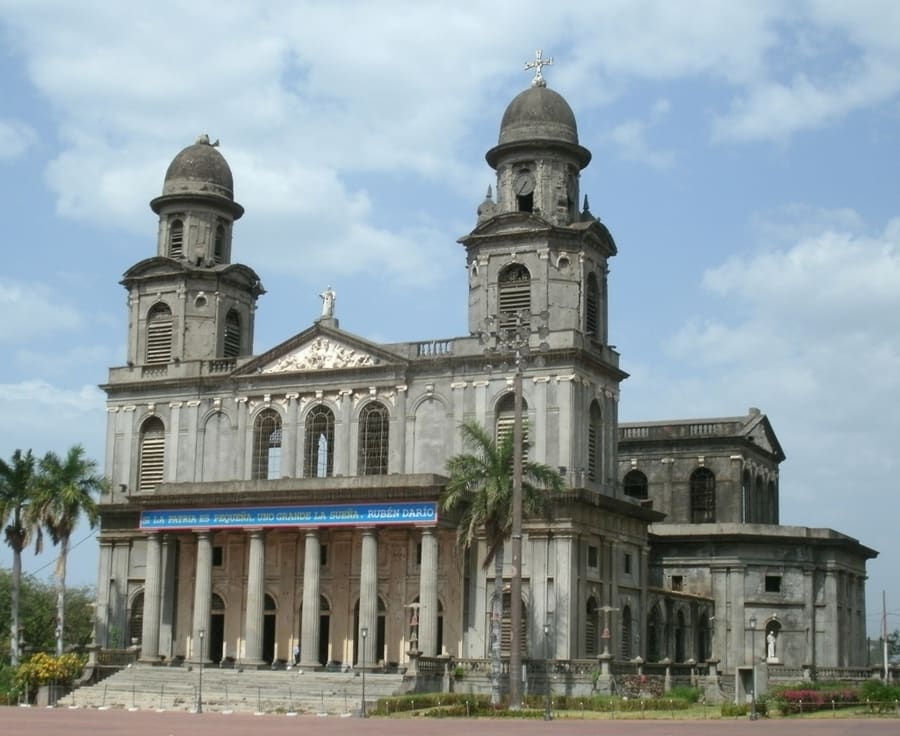
Old Cathedral of Managua
This roofless shell survived the 1972 earthquake. View its neoclassical facade from the edge of Plaza de la Revolución.
Demander à ParleyNicaragua
A sprawling capital built without a traditional downtown.
introduction
Managua has no traditional city center due to the 1972 earthquake. You navigate by landmark references rather than street names or numbers. Taxis and private drivers get you around faster than public buses. Plan around distinct hubs like Los Robles for dining and Plaza de la Revolución for history.
Arrival trick
Augusto C. Sandino Airport sits 11 km east of the center. Airport taxis charge fixed rates, while rideshare apps pick up outside the gate.
Seismic urban grid
The 1972 earthquake destroyed the historic core. Local addresses rely on reference points relative to missing or standing landmarks.
Planning trick
Pay for small purchases using Nicaraguan córdobas. Most hotels, restaurants, and larger shops accept US dollars directly.
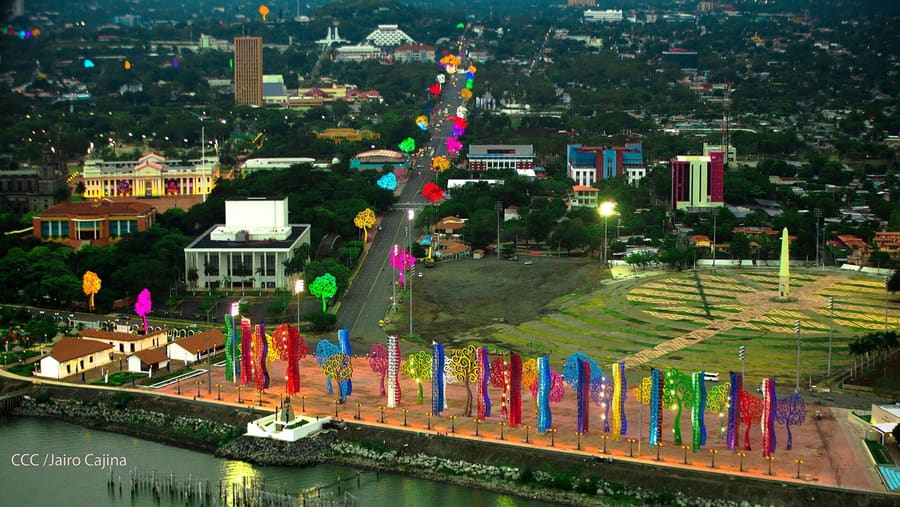
Managua
Jairo Cajina · CC BY-SA 4.0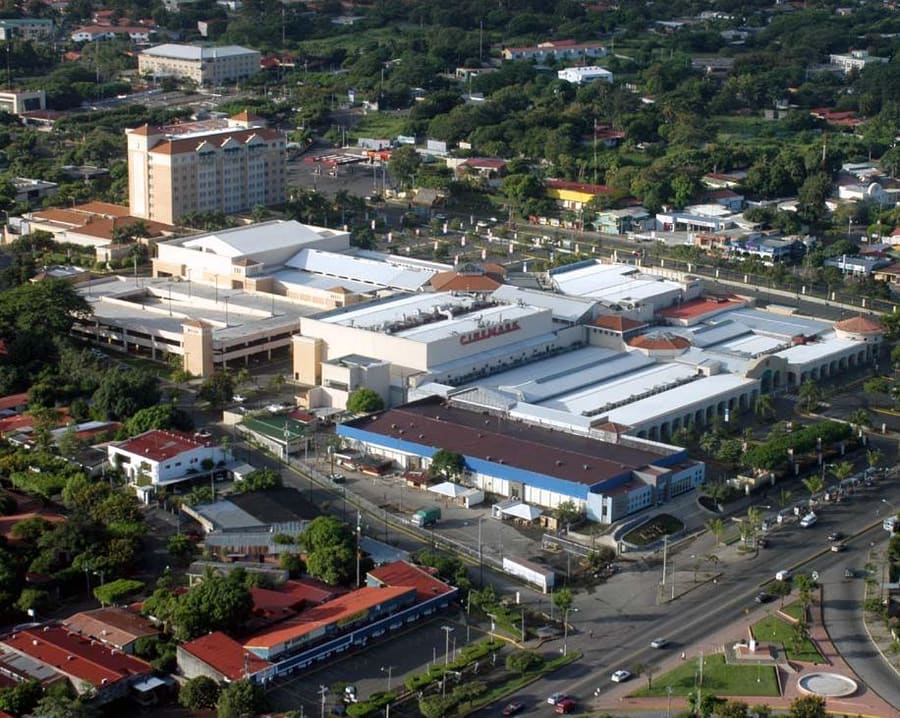
Carretera a Masaya — Commercial artery lined with shopping centers, corporate headquarters, and high-rise hotels.
[2] · CC BY-SA 3.0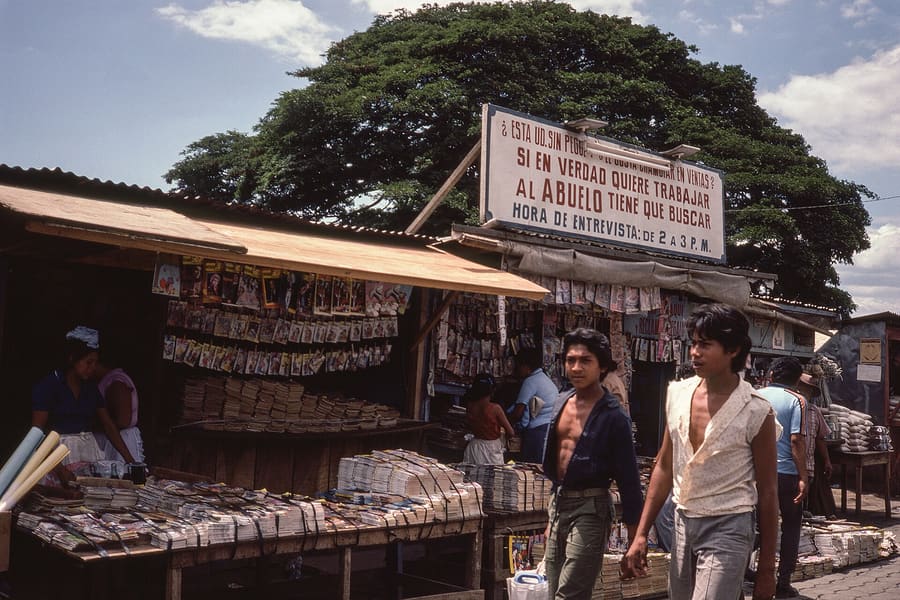
Mercado Huembes food court serves traditional dishes like nacatamales and vigorón.
Susan Ruggles · CC BY 2.0highlights
landmark
This roofless shell survived the 1972 earthquake. View its neoclassical facade from the edge of Plaza de la Revolución.
Demander à Parley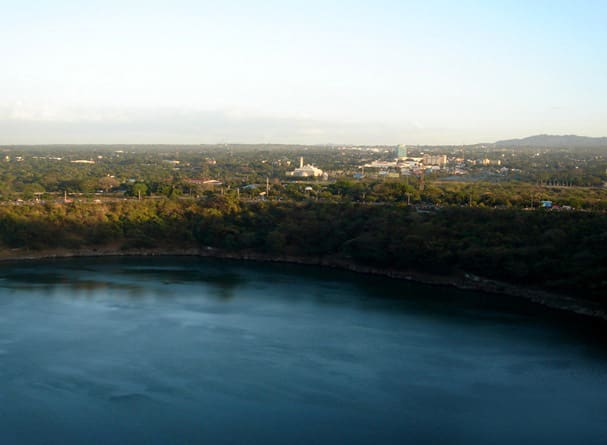
landmark
A volcanic crater lake right in the city center. Walk to the lip for panoramic views of the skyline and Sandino silhouette.
Demander à Parleylandmark
The main market for local handicrafts, wooden toys, and hammocks. Eat freshly made nacatamales in the central food hall.
Demander à Parley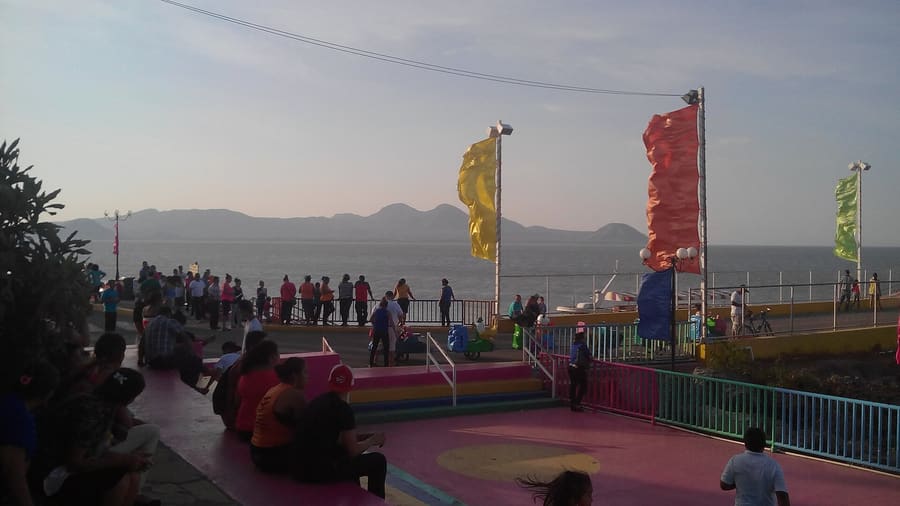
landmark
A landscaped boardwalk along Lake Xolotlán packed with restaurants. Evening strolls offer breezes off the water.
Demander à Parley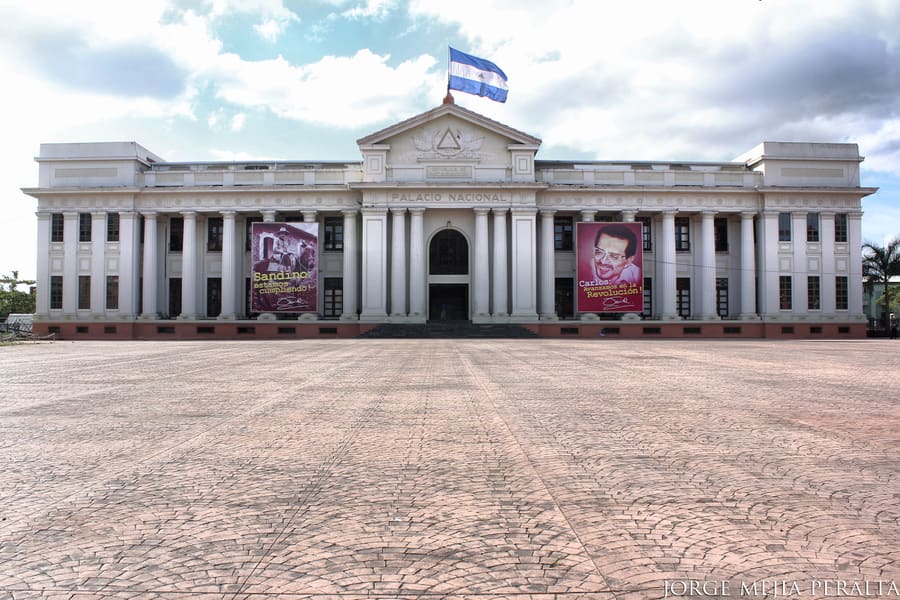
landmark
Houses the National Museum with pre-Columbian pottery and revolutionary art. Buy your ticket at the front courtyard entrance.
Demander à Parleyattractions
areas
Commercial artery lined with shopping centers, corporate headquarters, and high-rise hotels.
À proximitéMetrocentro shopping mall and Rotonda Rubén Darío.
Demander à ParleyLeafy upscale district with walkable streets, craft cocktail bars, and international dining spots.
À proximitéMetrocentro mall and Zona Hipos dining corridor.
Demander à ParleyQuiet diplomatic neighborhood with mid-range guesthouses, art galleries, and casual local eateries.
À proximitéPlaza Inter and Tiscapa Lagoon.
Demander à ParleyCooler residential hillside area home to universities, sushi bars, and modern hotel chains.
À proximitéUNAN campus and Galerías Santo Domingo.
Demander à Parleyfood
Managua dining revolves around fritangas, open-air grills serving carne asada, sweet plantains, and fried queso blanco. Ordering nacatamales on Sunday morning remains a ritual across the city, wrapped in plantain leaves and stuffed with seasoned pork, rice, and mint. For lunch, local comiderías serve affordable daily specials featuring guiso de pipián and indio viejo.
Mercado Huembes food court serves traditional dishes like nacatamales and vigorón.
Susan Ruggles · CC BY 2.0Fritangas set up grills by 17:00. Eat early for the freshest cuts of beef and fresh fried cheese.
Bakeries and corner homes sell nacatamales on Sunday mornings. Pair yours with black coffee.
Street stalls and market stalls take cash in córdobas. Sit-down restaurants accept credit cards.
history
Managua became the capital of Nicaragua in 1852 as a compromise between rival cities León and Granada. The city suffered severe destruction during the 1931 earthquake and again on December 23, 1972, which flattened the historical downtown. Subsequent reconstruction shifted commercial growth to southern suburbs, leaving Managua with its unusual, decentralized layout.
Capital city designated
Managua is selected as the national capital to end decades of rivalry between León and Granada.
Great earthquake
A 6.2 magnitude earthquake destroys central Managua, claiming over 10,000 lives and shifting urban development.
Sandinista Revolution
Revolutionary forces enter Plaza de la Revolución, ending decades of Somoza family dictatorship.
Waterfront revitalization
Construction begins on Puerto Salvador Allende, opening the shore of Lake Xolotlán to leisure.
where to stay
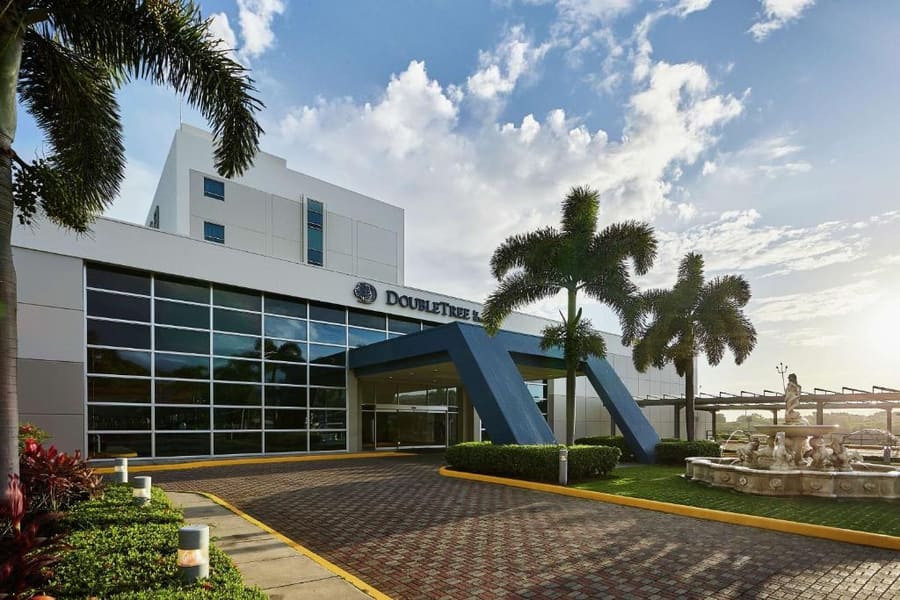
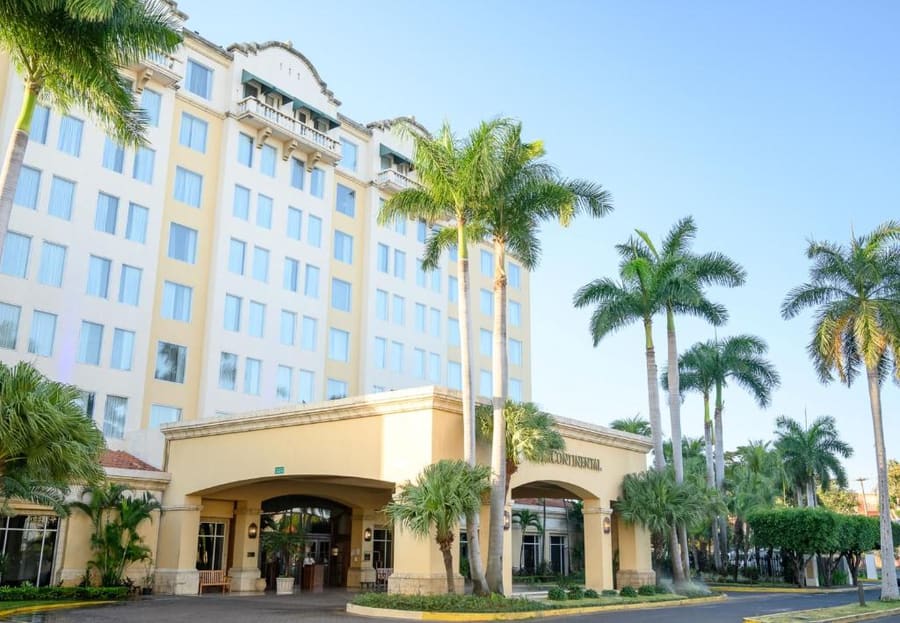
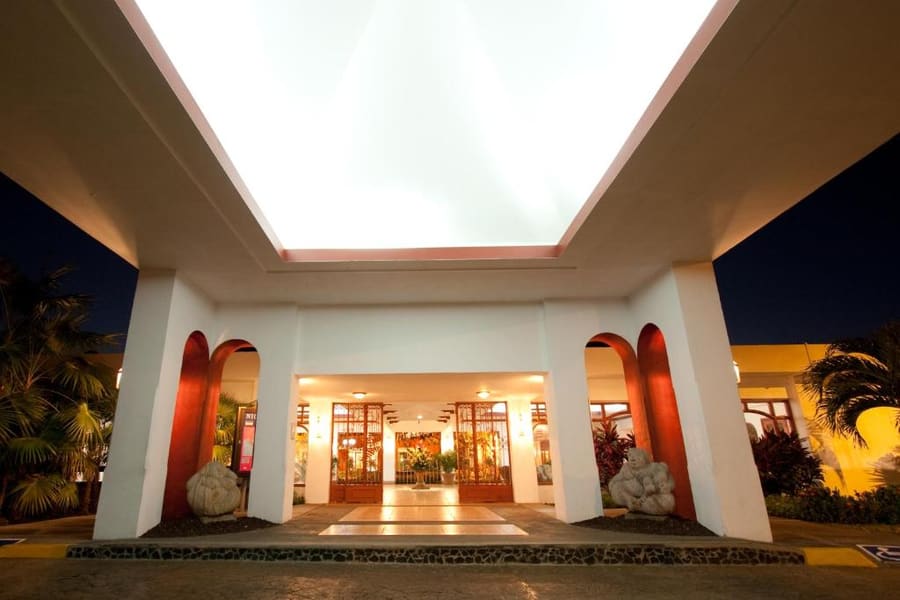
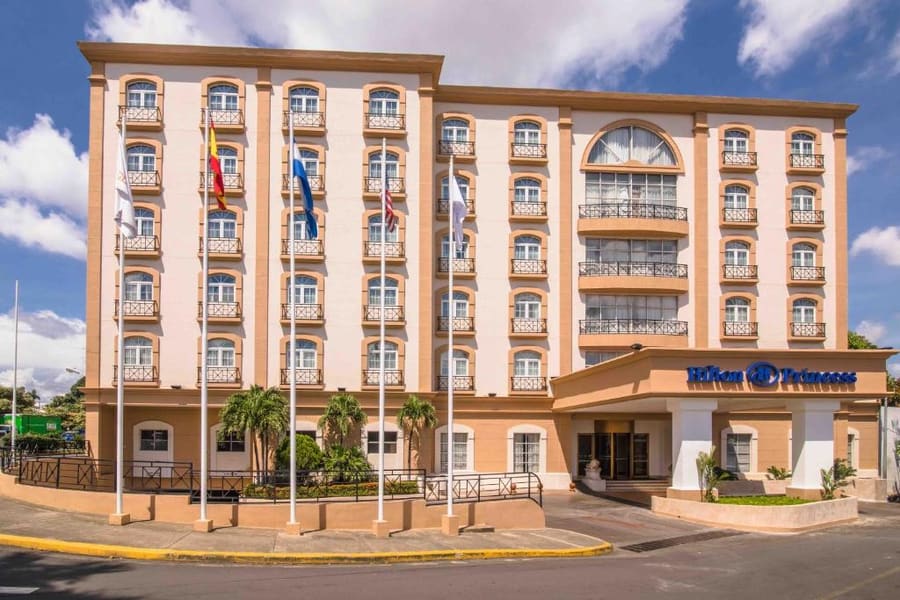
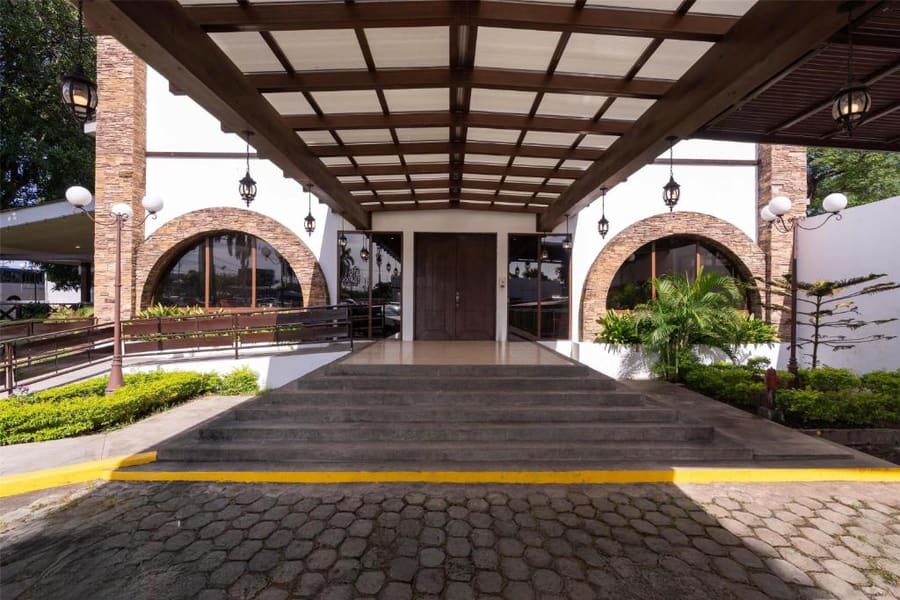
Choose your neighborhood based on your travel style and safety preference. Los Robles offers walkable dining and boutique hotels. Carretera a Masaya suits business travelers wanting high-end chain amenities, while Bolonia provides quiet, budget-friendly guesthouses near historic sights.
Live rates, matched to the areas above.
transport
Managua lacks a subway or light rail system. City buses operate on set routes for low fares, but collective taxis and app-based rides offer safer, simpler transport for visitors. Addresses use landmarks rather than street numbers, so state your destination relative to well-known intersections or buildings.
Depuis Augusto C. Sandino International Airport (MGA)
Authorized airport taxis charge flat rates paid at the terminal counter.
Drivers wait just outside the airport security gates.
Route 266 stops along the main road outside the airport terminal.
Taxis pick up multiple passengers along common routes. Confirm your destination and price before stepping inside.
InDrive operates across Managua, eliminating language barriers and fare negotiations.
Carretera a Masaya jams between 07:30–09:00 and 17:00–18:30. Add 30 minutes to travel plans during these windows.
Give destinations using reference points, such as 'two blocks lake-ward from Rotonda El Guegüense'.
cost
Managua is one of Central America's most affordable capitals. Everyday food and transit are inexpensive, while upscale dining in Los Robles matches international prices. US dollars are accepted everywhere alongside Nicaraguan córdobas.
Includes grilled beef or pork, gallo pinto, fried cheese, and plantains.
Executive lunch at local sit-down restaurants includes main, juice, and dessert.
Short trips within central business zones cost under 200 córdobas.
Local microbrews served in Los Robles or Zona Hipos.
seasonality
NOV – FEB
Dry season begins with lower humidity and warm daytime temperatures. Best window for outdoor sightseeing.
MAR – APR
Hottest months of the year with temperatures topping 35°C. Dust levels rise before the rains start.
MAY – AUG
Rainy season starts with heavy afternoon downpours. Lush vegetation surrounds the crater lakes.
SEP – OCT
Peak rainfall window with frequent tropical storms. Bring waterproof gear and expect street flooding.
practicalities
Locals give directions using Lago (north/towards the lake), Sur (south), Arriba (east/where sun rises), and Abajo (west/where sun sets).
US dollars cash is accepted almost everywhere. Change under $20 USD is usually given in córdobas.
Stick to bottled or filtered water in restaurants and hotels across the city.
Avoid walking alone after dark outside gated zones or commercial strips like Los Robles.
Electrical outlets use 120V US standard plugs (Type A/B). No adapter needed for North American gear.