landmark
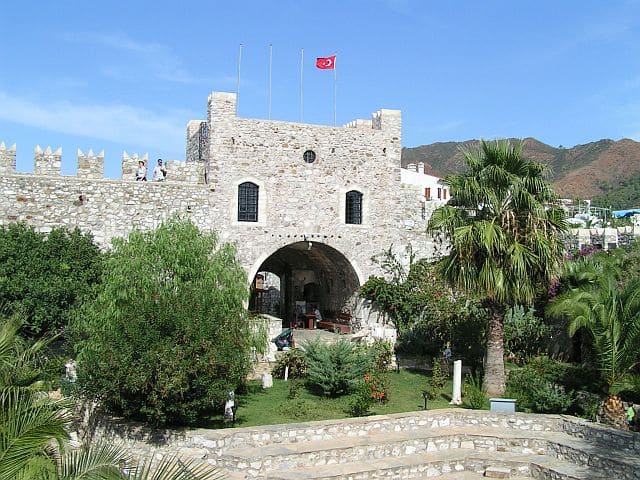
Marmaris Castle & Museum
Sixteenth-century fortress built by Suleiman the Magnificent. Climb the ramparts early in the morning to beat the summer heat.
Demander à ParleyTurquie
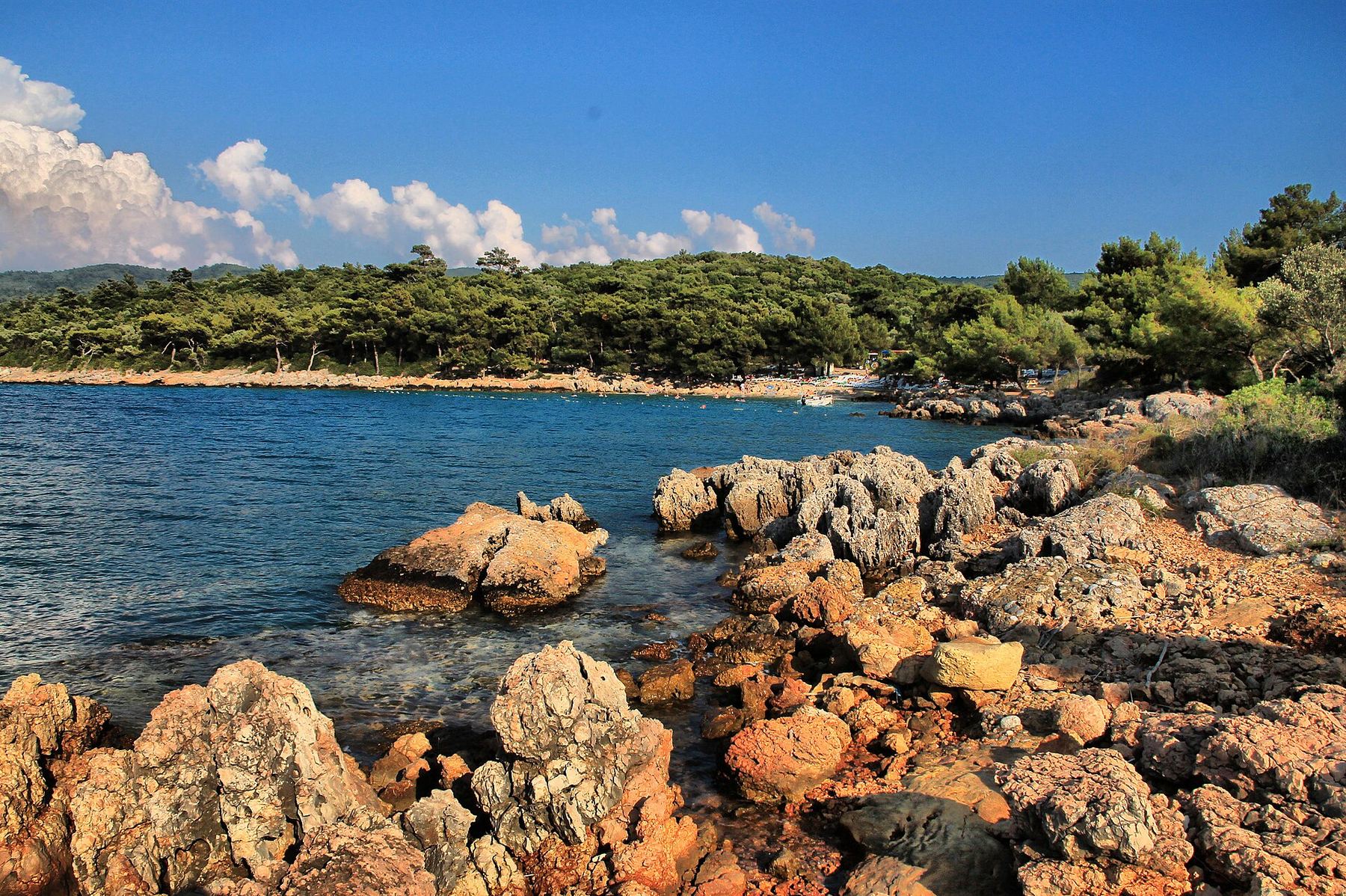
Pine-forested hills meet a sheltered Aegean yacht port.
introduction
Marmaris sits in a deep natural bay where the Aegean Sea meets the Mediterranean. Steep pine forests drop directly into the water, sheltering one of the region's largest marina hubs. You move through town along a flat coastal promenade or on green-striped dolmuş minibuses. The atmosphere splits cleanly between a dense marina quarter and quiet, forest-backed bays.
Arrival via Dalaman
Dalaman Airport (DLM) sits 90 km east. Muttaş and Havaş shuttle buses meet every domestic flight and run directly to Marmaris Bus Terminal.
Suleiman's 1522 Castle
Ottoman Sultan Suleiman rebuilt Marmaris Castle in 1522 as a staging base for his siege of Rhodes. It now houses the town's archaeology museum.
Water Taxi Connections
Water taxis run hourly between Marmaris central pier and İçmeler from May to October. They cost slightly more than dolmuş minibuses but bypass road traffic.
Marmaris
nepomnyashiy · CC BY-SA 3.0Old Town & Castle — Cobblestone alleys, whitewashed stone houses, and quiet stairs climbing around the Ottoman castle walls.
Dave.Dunford at English Wikipedia · Public domain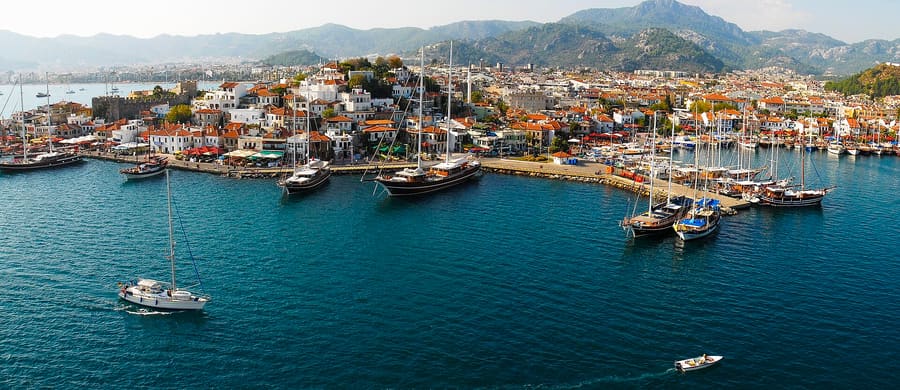
Netsel Marina & Harbour — Sleek wooden pontoon walkways lined with yachts, upscale seafood dining, and marine services.
Mstyslav Chernov · CC BY-SA 3.0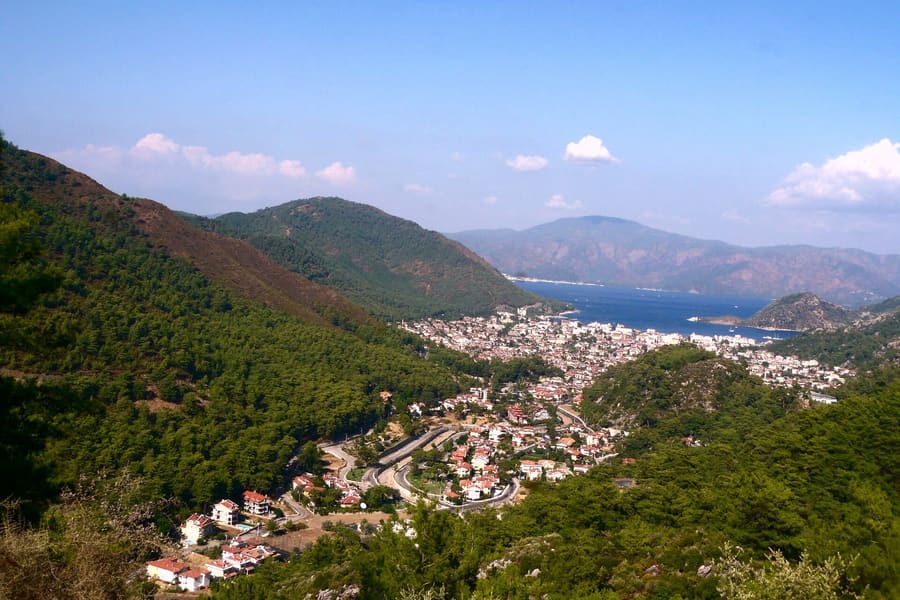
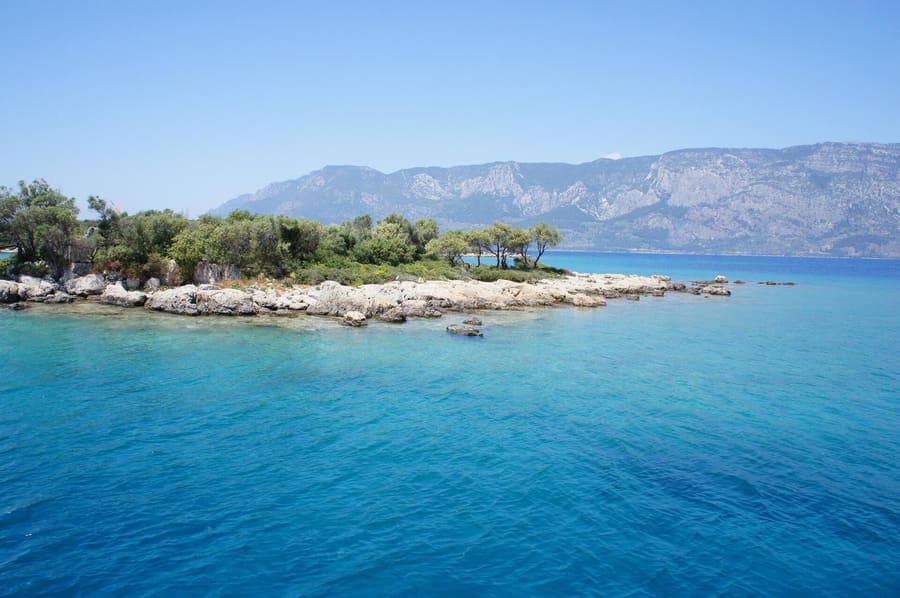
İçmeler — A green bay resort framed by pine trees, featuring cleaner sand and wider residential streets.
Юрій Хижняк (YuraHiz… · CC BY 3.0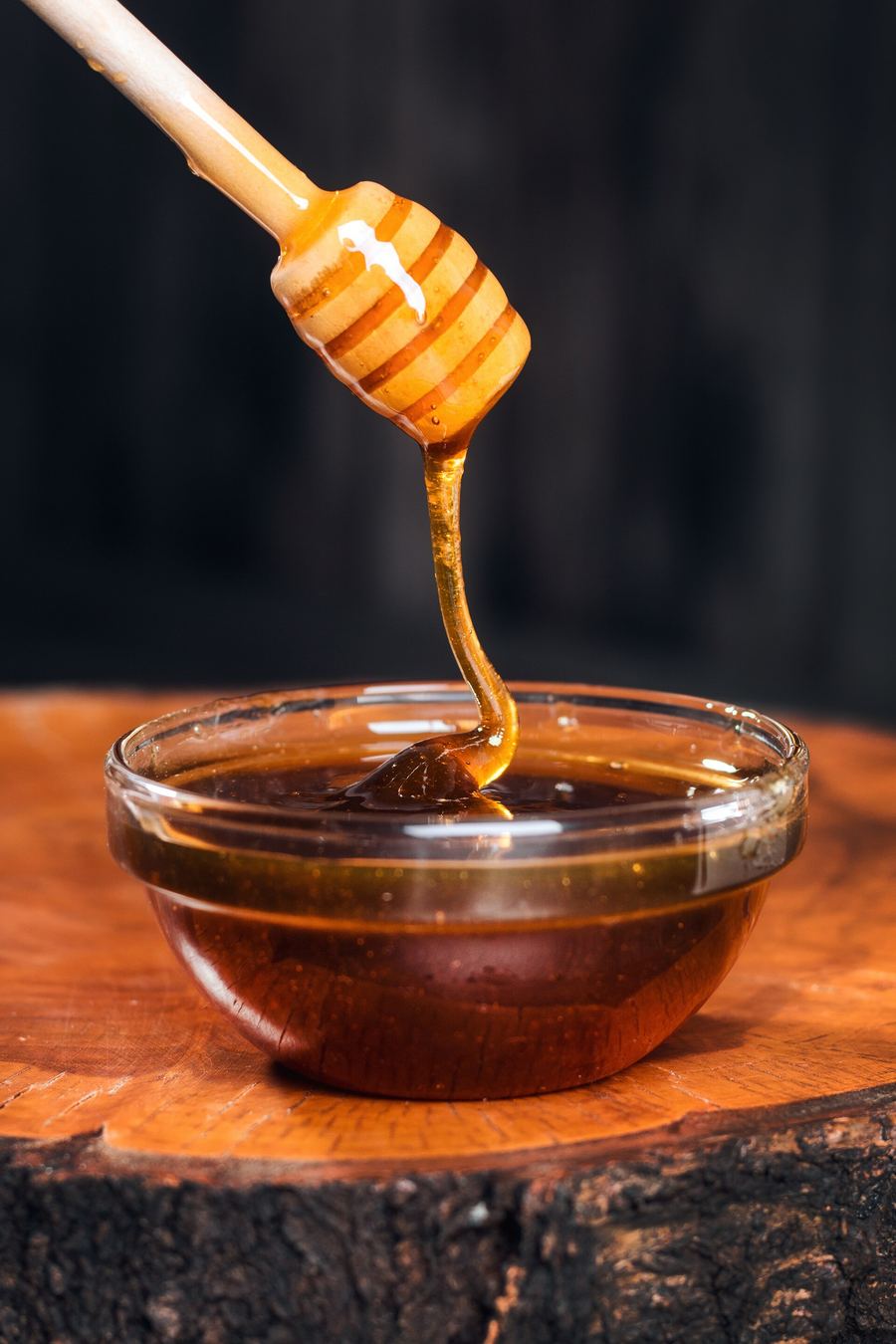
Marmaris pine honey served with fresh local breakfast preserves.
Mila.atkovska · CC BY-SA 4.0highlights
landmark
Sixteenth-century fortress built by Suleiman the Magnificent. Climb the ramparts early in the morning to beat the summer heat.
Demander à Parley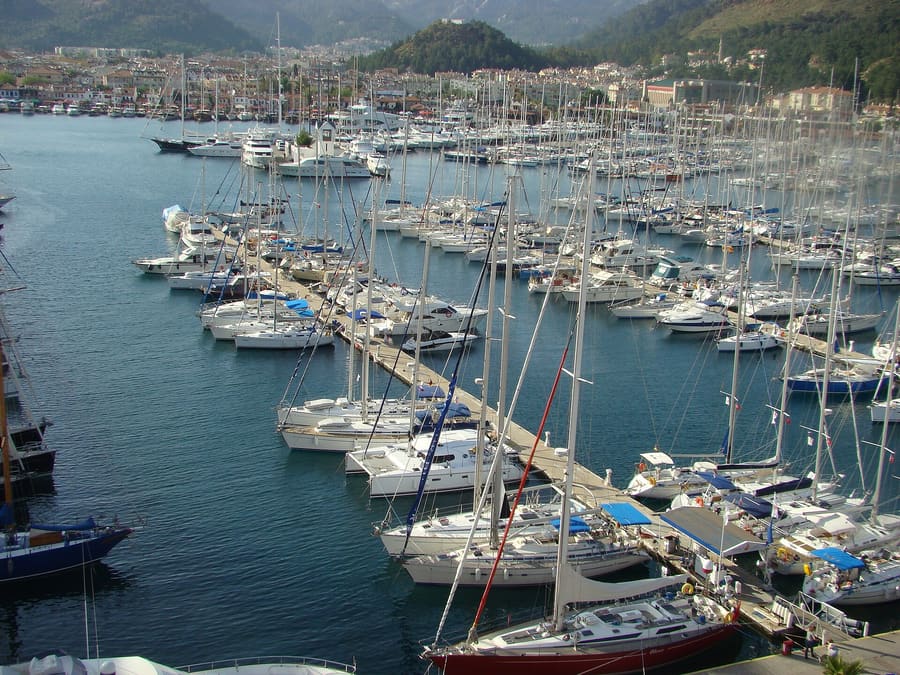
landmark
Major Mediterranean yachting hub. The waterfront features marine supply shops, quiet cafes, and boat charter offices.
Demander à Parley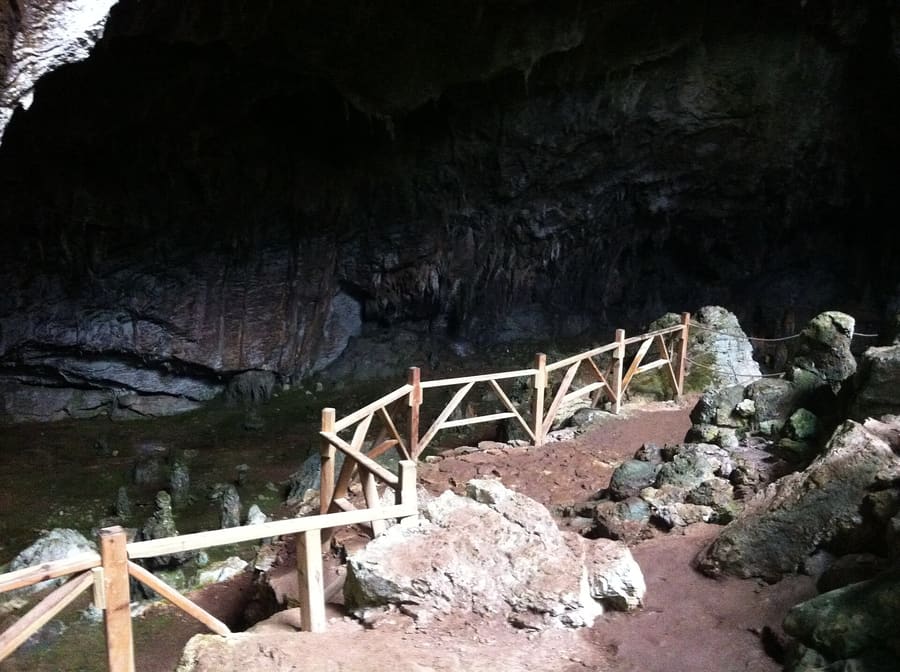
landmark
Ancient cult site on Heaven Island used since the Bronze Age. Access requires a short walk through pine forest.
Demander à Parley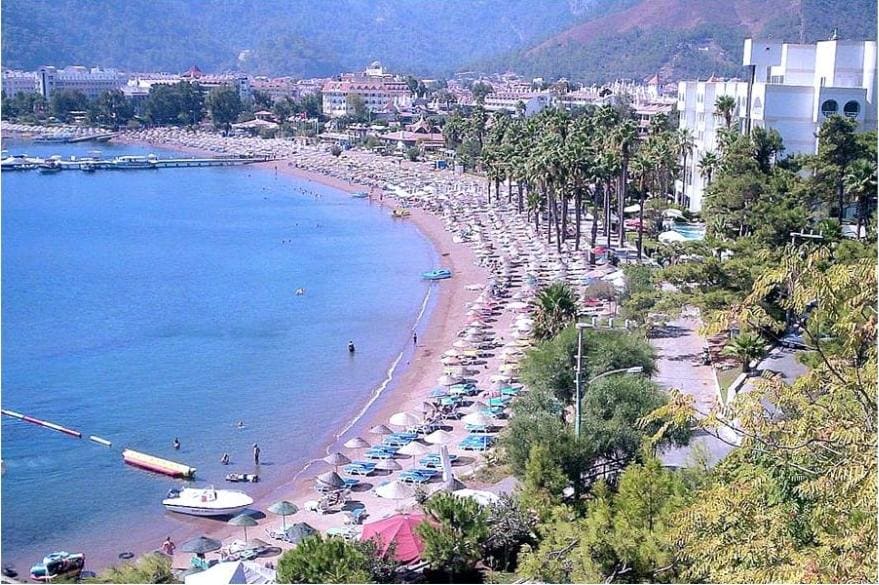
landmark
Sheltered sand and pebble cove 8 km west of central Marmaris. Waters stay calmer and clearer than at Long Beach.
Demander à Parley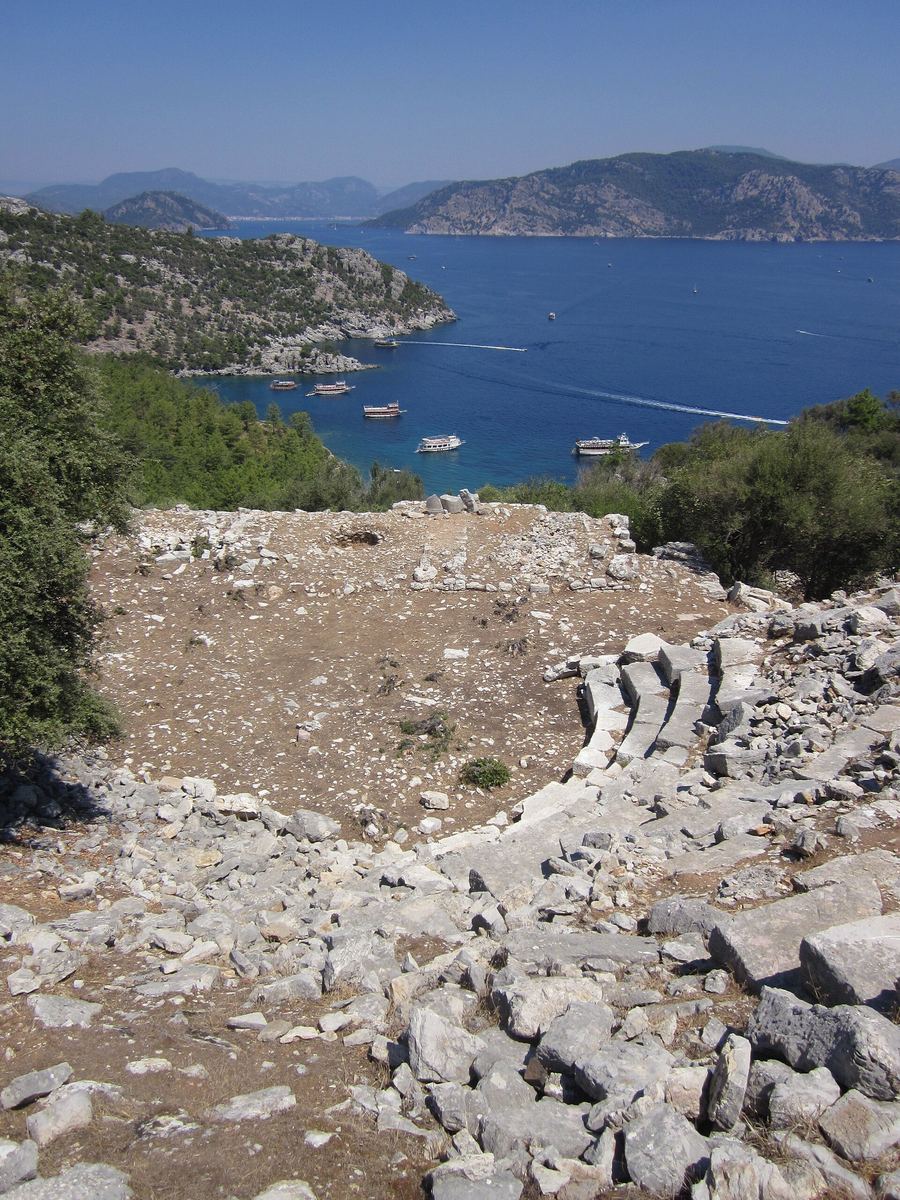
landmark
Free hilltop ruin with an ancient theater looking out over Turunç Bay. Reach it via local dolmuş toward Kumlubük.
Demander à Parleyattractions
areas
Cobblestone alleys, whitewashed stone houses, and quiet stairs climbing around the Ottoman castle walls.
À proximitéMarmaris Castle, Grand Bazaar, Central Pier
Demander à ParleySleek wooden pontoon walkways lined with yachts, upscale seafood dining, and marine services.
À proximitéNetsel Shopping Center, Bar Street, Old Town
Demander à ParleyA green bay resort framed by pine trees, featuring cleaner sand and wider residential streets.
À proximitéİçmeler Beach, Water Taxi Pier, Coastal Path
Demander à ParleyA continuous 10-kilometer paved sea promenade backed by high-density resort hotels and bars.
À proximitéMarmaris Beach, Waterparks, City Bus Route
Demander à Parleyfood
Muğla province produces over half of Turkey's pine honey (çam balı), harvested from the red pine forests surrounding Marmaris. You will find it served at breakfast alongside thick kaymak cream and salty white cheese. Along the coastline, local cooking features Aegean wild greens like şevketi bostan (blessed thistle) stewed with lamb or sautéed in olive oil.Harbour dining centers on daily catch from local boats. Red mullet (barbun), sea bass (levrek), and octopus are common staples across local fish taverns (meyhane).
Marmaris pine honey served with fresh local breakfast preserves.
Mila.atkovska · CC BY-SA 4.0Seafood at harbour taverns is priced per kilogram rather than per plate. Always inspect the fish display case and agree on the total weight price before ordering.
Traditional village breakfasts (serpme kahvaltı) in nearby Bayır or Çamlı village are served until 14:00 on weekends.
history
Known in antiquity as Physkos, Marmaris served as an important port for the ancient Carian civilization. Its strategic location made it a target for competing Mediterranean powers, passing from Carian control to the Persians, Alexander the Great, and later the Romans.In 1522, Sultan Suleiman the Magnificent rebuilt the town's hilltop castle as a military staging ground for his armada during the conquest of the Knights of Saint John on Rhodes. Marmaris remained a quiet fishing village until a magnitude 7.2 earthquake damaged much of the historic housing in 1957. Modern development expanded rapidly from the late 1980s onward into a major international resort port.
Siege of Physkos
Inhabitants burned their own city of Physkos before Alexander the Great's army arrived to prevent him taking their supplies.
Ottoman Staging Ground
Suleiman the Magnificent rebuilt Marmaris Castle to assemble 200,000 Ottoman troops before launching his successful naval siege against Rhodes.
Netsel Marina Opens
Construction of modern marina infrastructure transformed the quiet fishing town into Turkey's leading yacht charter hub.
where to stay
Choose your district based on noise tolerance and mobility needs. The Old Town around the castle offers historical character but requires climbing narrow stairs. Uzunyalı suits beach lovers who want immediate promenade access, though bar music runs until midnight. İçmeler provides wider beaches and a calmer setting 8 kilometers to the west.
transport
Marmaris relies heavily on green-striped dolmuş minibuses that run frequent fixed routes along the coast. Water taxis operate seasonally across the bay, connecting Marmaris central pier directly to İçmeler and Turunç.
Depuis Dalaman Airport (DLM)
Muttaş and Havaş coaches park outside arrivals and drop at Marmaris Bus Terminal.
Official yellow airport taxis have fixed rate boards posted outside the terminal.
Must be booked at least 24 hours in advance for direct hotel door delivery.
Minibuses with a turquoise stripe run inside Marmaris city center. Minibuses with an orange stripe run to İçmeler.
Pay dolmuş fares using a Muğla Kentkart or direct contactless credit/debit card on the reader near the driver.
Water taxis to İçmeler operate hourly from May through October, departing from the central pier near the Atatürk statue.
Marmaris Otogar (bus station) sits 2 km north of town. Local dolmuş minibuses connect the station to the harbour every 10 minutes.
cost
Prices in Marmaris fluctuate with annual Turkish inflation. Seafood dining along the marina and water sports along Long Beach represent the largest daily expenses.
Covers any single continuous trip inside the city limits or out to İçmeler.
One-way boat ticket between Marmaris main pier and İçmeler pier.
Includes a main dish, salad, and a soft drink or beer at non-marina restaurants.
seasonality
MAR – MAY
Daytime temperatures are mild for coastal hikes. Sea water remains cool, but spring wildflowers cover the peninsula.
JUN – AUG
Temperatures routinely clear 35°C. High sea temperatures draw dense crowds, and marina prices reach their annual peak.
SEP – OCT
Warm sea water, cooler air temperatures, and lower tourist numbers make autumn the best window for yachting.
NOV – FEB
Rainfall increases significantly. Most seasonal beachfront hotels and excursion boats close until spring.
practicalities
Promenade walks carry little shade between 11:00 and 16:00. Carry water and wear sun protection when walking between beaches.
Credit cards are accepted at almost all shops and restaurants. Keep 200–300 TRY cash for small dolmuş trips or tipping.
The cobblestone lanes around the castle feature no street signage. Navigation apps occasionally lose GPS lock among high stone walls.
Pine forests around Marmaris carry strict fire bans from May to October. Camping and open flames outside designated park zones are illegal.
Pharmacies close on Sundays, but a designated duty pharmacy remains open 24 hours. Check the posted paper list on any pharmacy window.