landmark
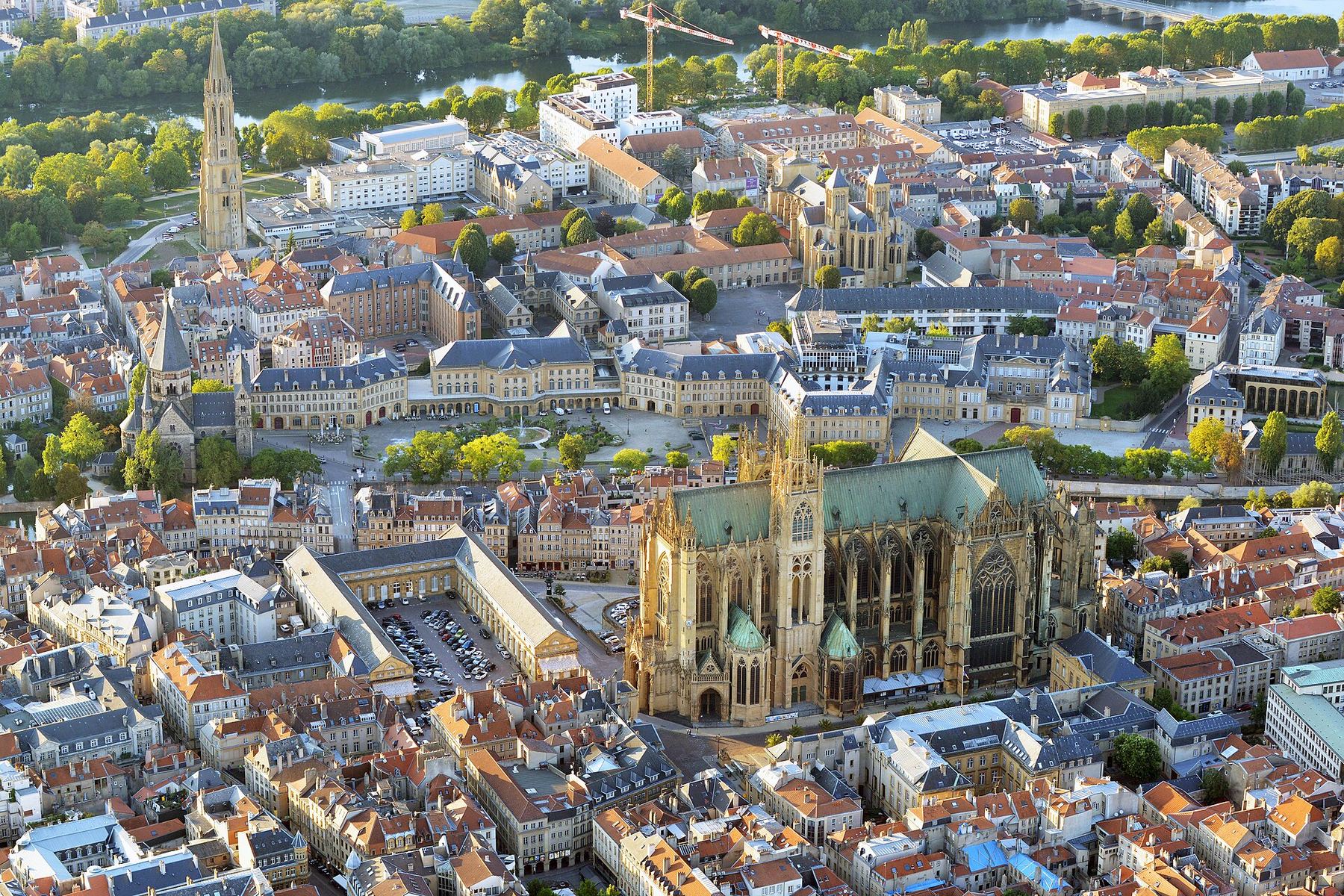
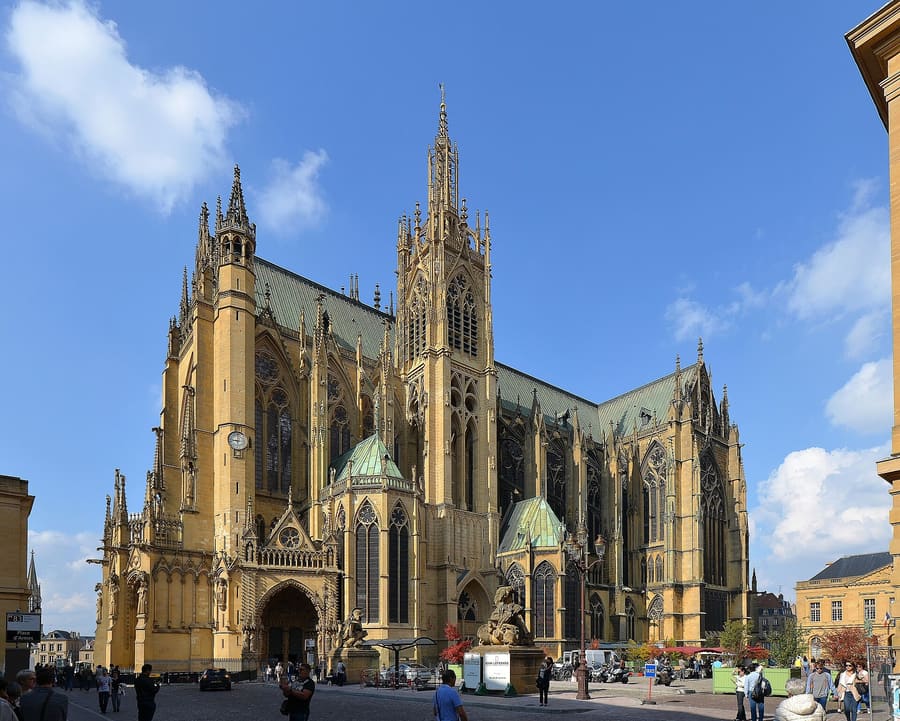
Cathédrale Saint-Étienne
Gothic cathedral with 6,500 square meters of stained glass. Entry is free; Chagall windows sit in the northern ambulatory.
Demander à ParleyFrance
Yellow Jaumont stone, modern art, and borderland history.
introduction
Metz sits at the confluence of the Moselle and Seille rivers in northeastern France. You can walk the core on foot in twenty minutes, moving from medieval arcades to German annexation architecture. The city centers on bright yellow limestone buildings and huge expanses of stained glass. Modern art at the Centre Pompidou-Metz anchors a revitalized railway district.
Arrival trick
Metz-Ville station connects directly to Paris Est in 85 minutes via TGV. Walk out the main doors directly into the Quartier Impérial.
Stained glass record
Saint-Étienne Cathedral holds 6,500 square meters of stained glass. Marc Chagall designed several panels in the northern ambulatory.
Transit efficiency
The Mettis bus rapid transit uses dedicated lanes across town. A single ticket costs €1.70 and includes transfers within one hour.
Metz
Alice Volkwardsen · CC BY-SA 3.0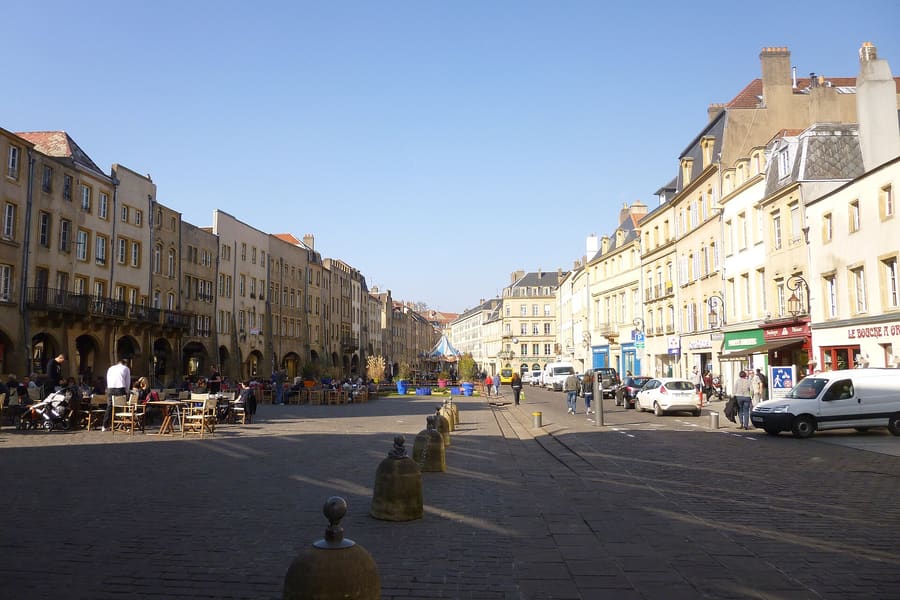
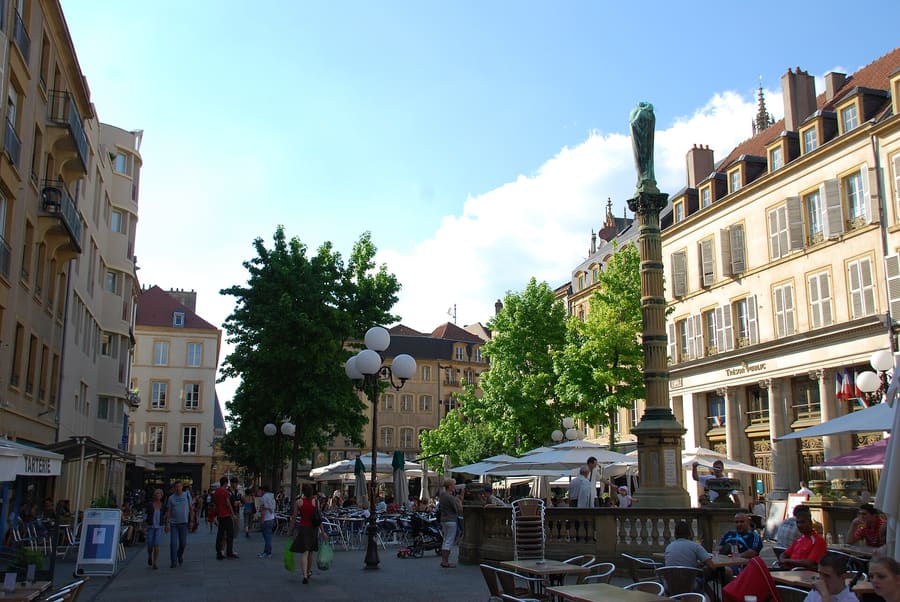
Centre-Ville — Pedestrianized medieval lanes, stone arcades on Place Saint-Louis, and cathedral views.
JuJu939 · CC BY-SA 3.0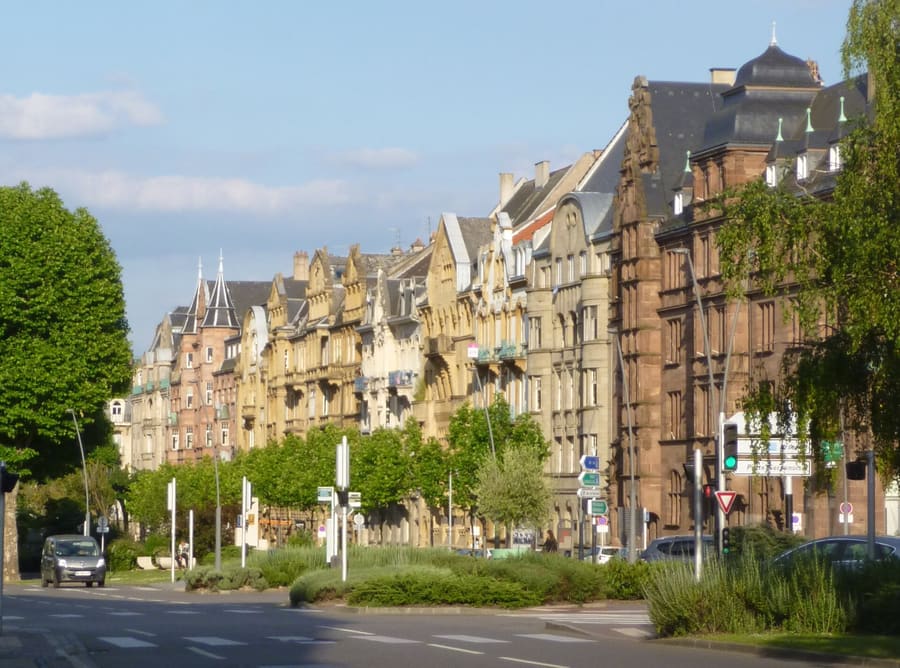
Quartier Impérial — Monumental German Annexation architecture with wide boulevards and heavy stone villas.
JuJu939 · CC BY-SA 4.0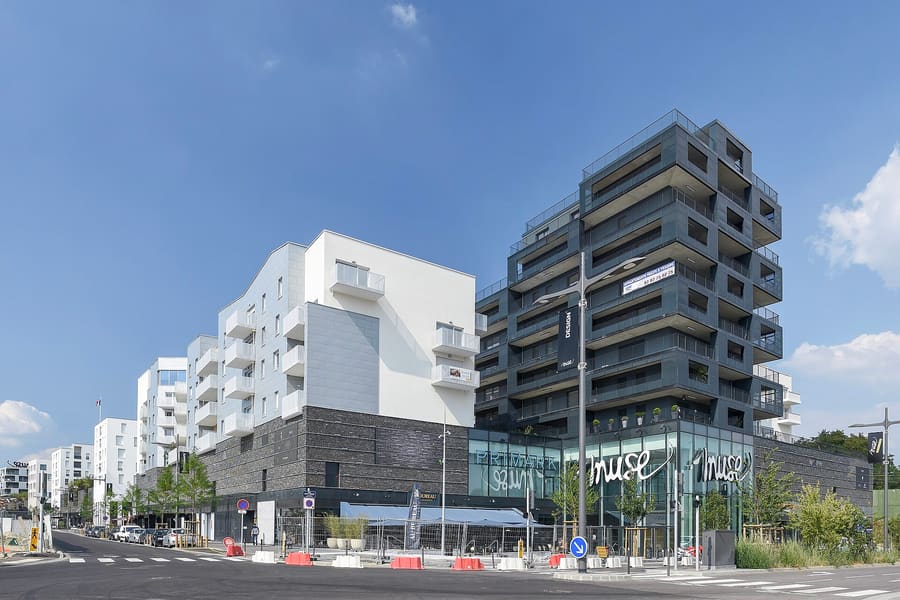
Amphithéâtre — Modern glass-and-steel district centered around high-design culture and retail.
Alexandre Prevot from Nancy, France · CC BY-SA 2.0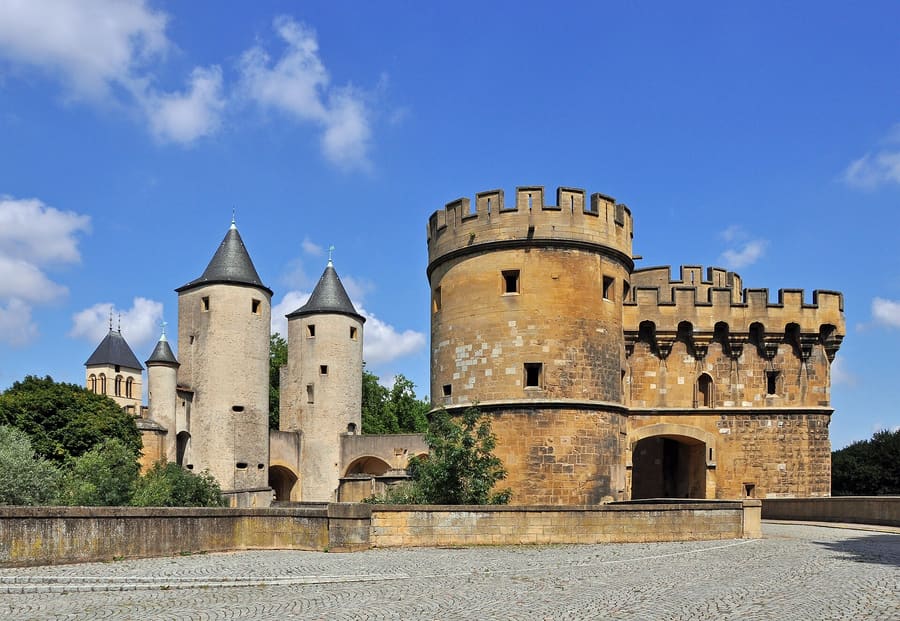
Outre-Seille — Quiet former artisan quarter with antique shops and timber-framed buildings.
Marc Ryckaert (MJJR) · CC BY 3.0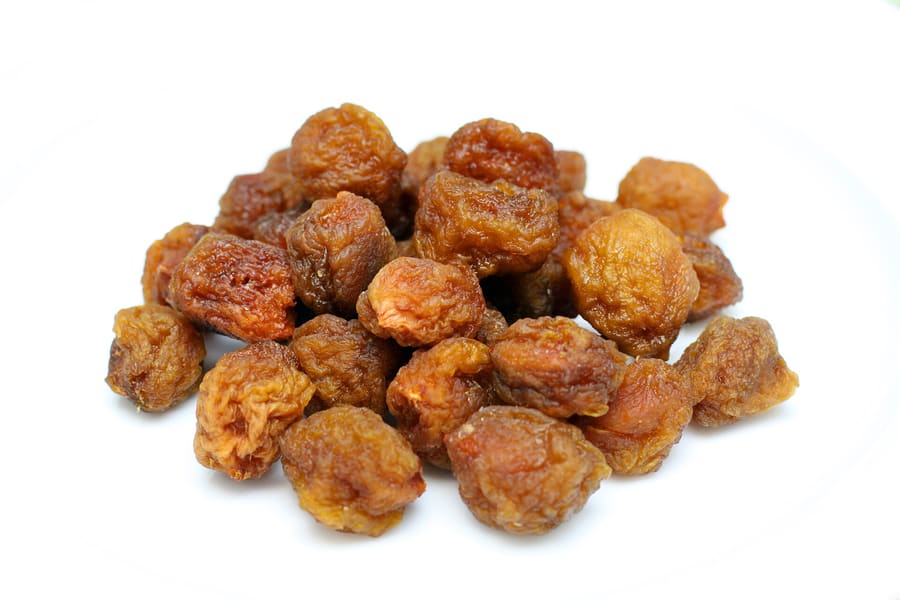
Fresh Mirabelle plums, harvested locally in Moselle from late August.
Safa.daneshvar · CC BY-SA 4.0highlights
landmark
Gothic cathedral with 6,500 square meters of stained glass. Entry is free; Chagall windows sit in the northern ambulatory.
Demander à Parley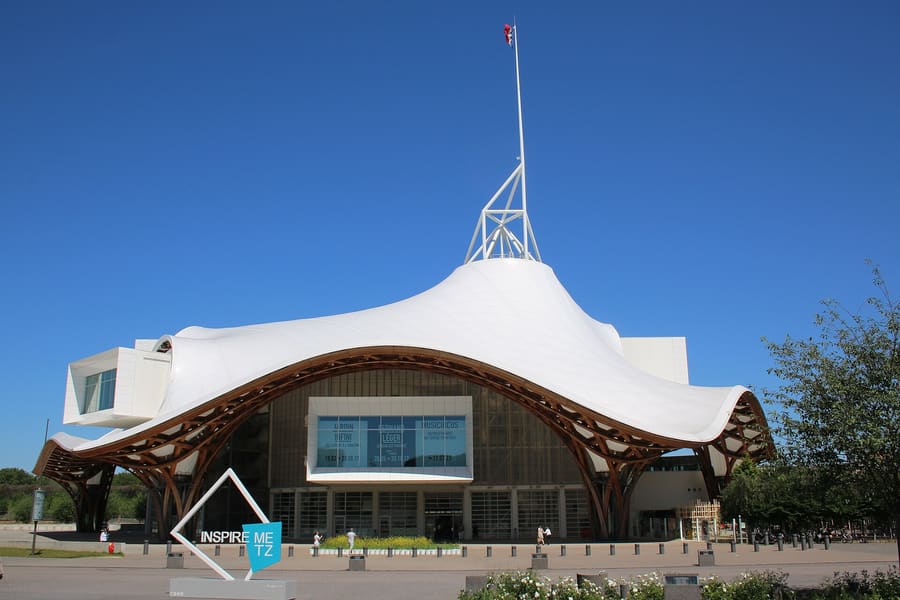
landmark
Modern art gallery under a woven timber roof. Closed Tuesdays. Buy tickets online to skip ticket desk queues.
Demander à Parley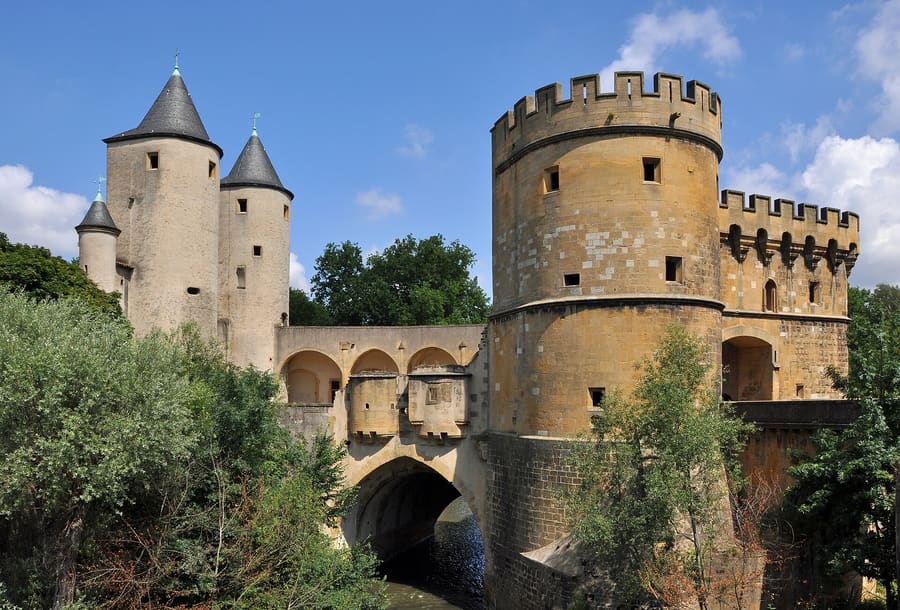
landmark
Fortified 13th-century bridge gate over the Seille river. Walk the ramparts during daytime opening hours.
Demander à Parley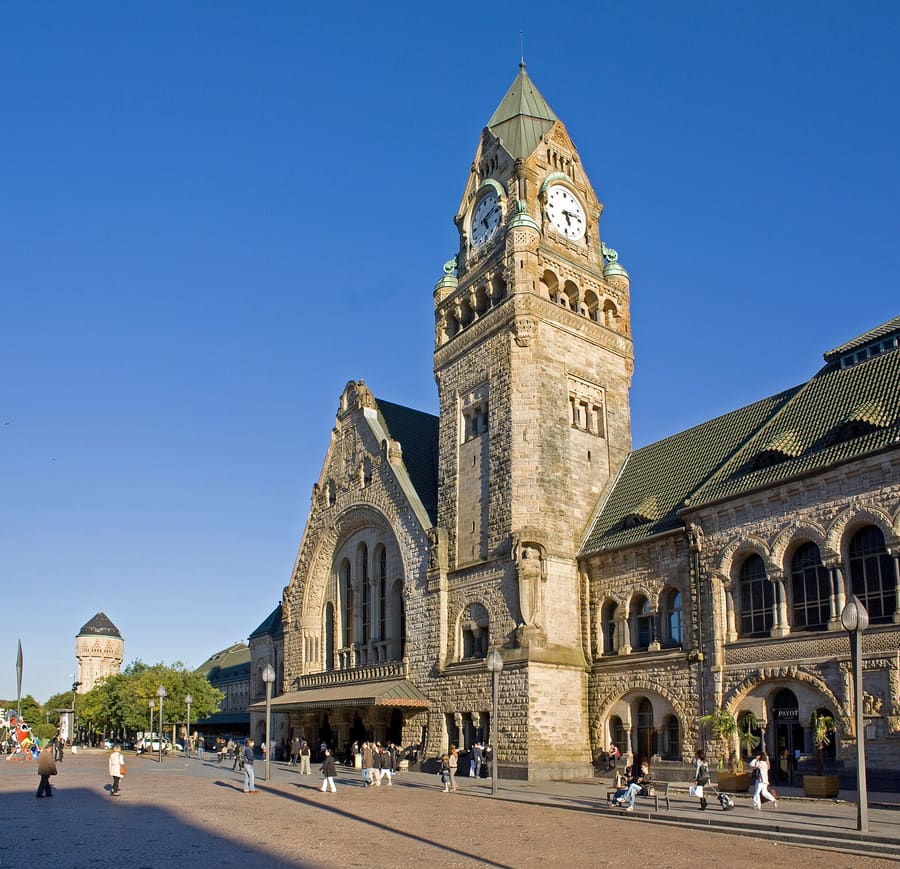
landmark
Massive 300-meter-long railway station built under German rule in 1908. Kaiser Wilhelm II had a private lounge here.
Demander à Parley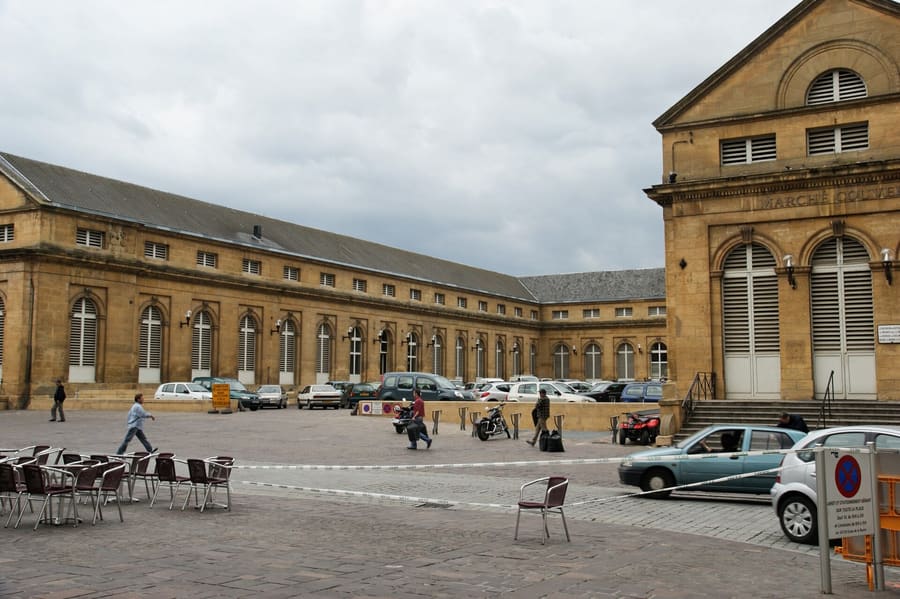
landmark
Food market housed inside a former bishop's palace. Open Tuesday through Saturday for local cheeses and charcuterie.
Demander à Parleyattractions
areas
Pedestrianized medieval lanes, stone arcades on Place Saint-Louis, and cathedral views.
À proximitéCathédrale Saint-Étienne, Marché Couvert, Musée de La Cour d'Or
Demander à ParleyMonumental German Annexation architecture with wide boulevards and heavy stone villas.
À proximitéGare de Metz-Ville, Porte Serpenoise, Avenue Foch
Demander à ParleyModern glass-and-steel district centered around high-design culture and retail.
À proximitéCentre Pompidou-Metz, Parc de la Seille, Gare de Metz-Ville
Demander à ParleyQuiet former artisan quarter with antique shops and timber-framed buildings.
À proximitéPorte des Allemands, Église Saint-Eucaire
Demander à Parleyfood
Metz food relies heavily on butter, smoked pork, and local stone fruits. Quiche Lorraine originated in this region, prepared here with egg custard and lardons without cheese. Smoked pork sausages and pork loin baked in puff pastry dominate traditional brasserie menus across the city.The Mirabelle plum defines local dessert culture. Growers harvest the small yellow plum in late August across Moselle orchards. Bakeries serve Mirabelle tarts, while distillers produce clear Mirabelle eau-de-vie aged in glass carboys.
Fresh Mirabelle plums, harvested locally in Moselle from late August.
Safa.daneshvar · CC BY-SA 4.0Eat inside the covered market at cheese counters and seafood stands. Chez Mauricette serves local charcuterie and wines at wooden high tables.
Mirabelle harvest runs from mid-August through September. Bakeries stock fresh plum tarts during these six weeks only.
Look for Tourte Lorraine in bakeries: minced pork and veal marinated in white wine and herbs inside shortcrust pastry.
history
Metz began as Divodurum, a major Roman city on the trade route between Lyon and Trier. It later became the capital of the Merovingian kingdom of Austrasia. By the 13th century, Metz established itself as an independent republic within the Holy Roman Empire.France annexed Metz in 1552, transforming it into a heavily fortified frontier city. Following the Franco-Prussian War in 1871, Germany annexed Metz for nearly 50 years. German urban planners doubled the city's surface area, constructing the monumental Neustadt around the railway station.
Free Imperial City
Metz wins self-governance, trading freely within the Holy Roman Empire and building stone city walls.
French Annexation
King Henri II of France occupies Metz, turning the city into a strategic military stronghold.
German Rule Begins
The Treaty of Frankfurt assigns Metz to Germany, prompting the design of the Imperial Quarter.
Return to France
Metz returns to French sovereignty following the end of World War I.
Pompidou Opening
Centre Pompidou-Metz opens, making Metz a regional center for modern and contemporary art.
where to stay
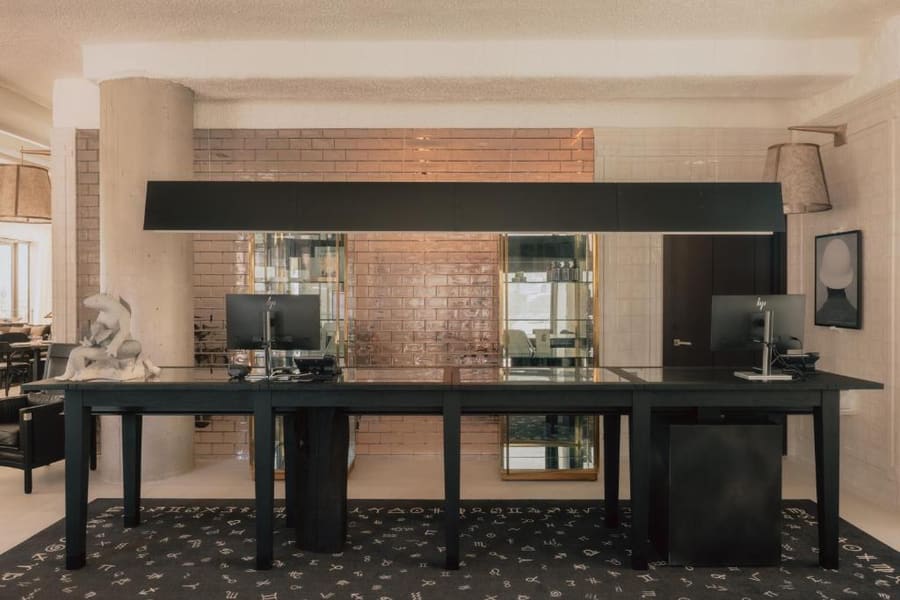
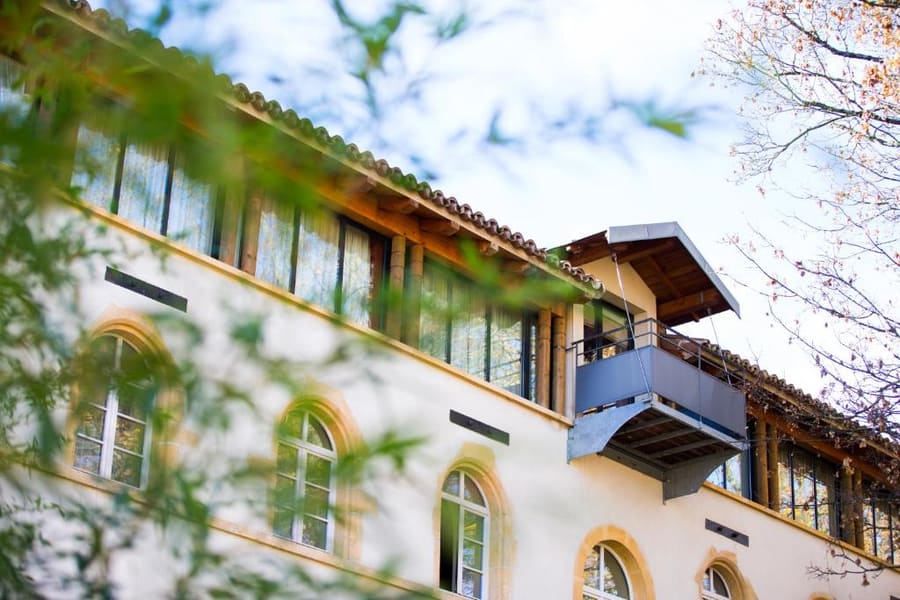
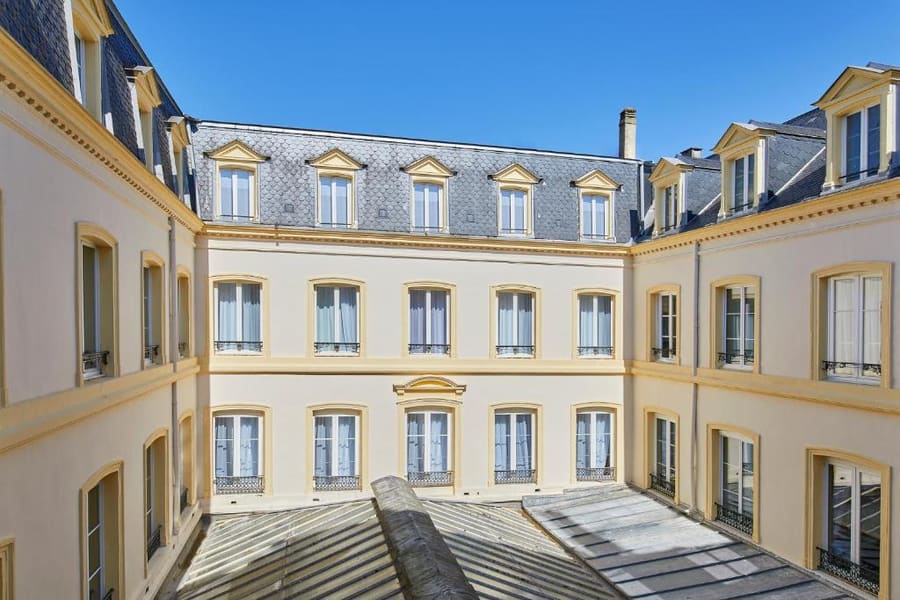
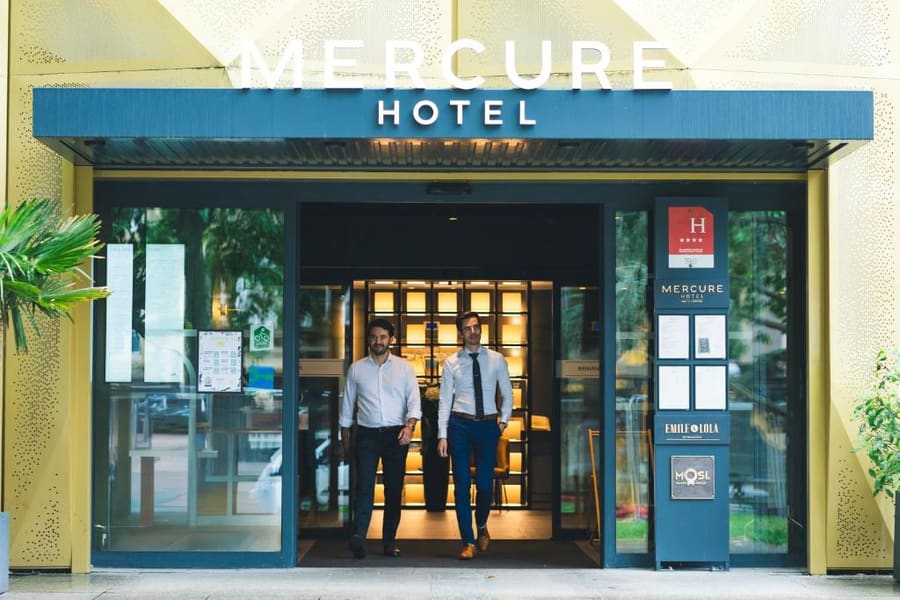
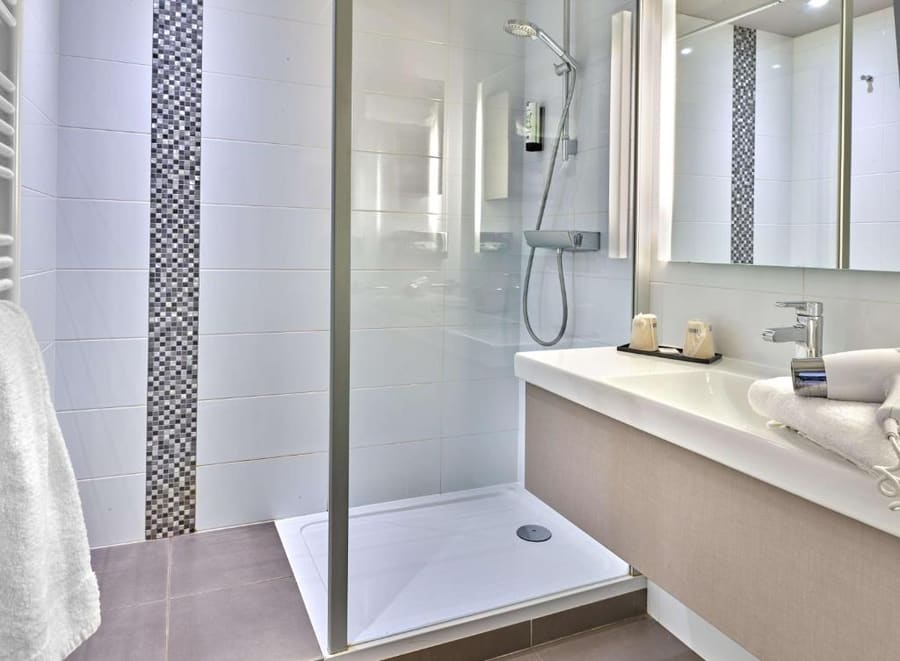
Choose your hotel location based on how you arrive and how much you walk. Centre-Ville puts historical sights right outside your door, but taxis cannot access every street. The Quartier Impérial and Amphithéâtre offer seamless rail access and modern hotel floor plans.
Live rates, matched to the areas above.
transport
Metz is compact enough to navigate largely on foot. The city center is largely pedestrianized around Place Saint-Jacques and Place Saint-Louis. For longer distances to the outer neighborhoods, the LE MET' transport network operates two high-frequency Mettis bus lines alongside standard bus routes.
Depuis Gare de Metz-Ville
Direct TGV inOUi services depart Paris Est multiple times daily.
Mettis lines A and B depart directly from the station forecourt into Centre-Ville.
Taxi rank sits directly outside the main hall exit facing Place du Général-de-Gaulle.
Mettis lines A and B use dedicated purple and turquoise bi-articulated buses. They run every 8 to 10 minutes until midnight.
Tap your contactless bank card directly on the ticket validator inside the bus. A single ride costs €1.70.
Rent bicycles at the station forecourt. Metz has dedicated bike paths along the Moselle river banks.
Buses stop operating around 00:30. Walking remains the primary option late at night in the core.
cost
Metz offers reasonable prices compared to Paris or nearby Luxembourg. Dining costs match standard French regional cities. Museums offer low entry fees, and municipal cultural sites like the Cour d'Or are free for all visitors.
Drinking coffee while standing at the bar costs less than sitting on Place Saint-Jacques terraces.
Two-course weekday lunch menus in Centre-Ville offer the best value for cooked meals.
Ticket prices vary depending on the number of active exhibition galleries open on your visit.
Buy a multi-trip pass on the LE MET' app if you plan to ride the bus regularly.
seasonality
MAR – MAY
Mild temperatures and blooming gardens along the river channels. Museums are uncrowded.
JUN – AUG
Warm terrace weather and long daylight hours. August hosts the annual Fêtes de la Mirabelle festival.
SEP – NOV
Crisp autumn weather and wine harvest activities in Moselle vineyards. Autumn arts programming starts.
DEC – FEB
Cold weather with major Christmas markets across central squares. Book winter hotels early.
practicalities
Most retail shops and supermarkets close completely on Sundays. Restaurants and bakeries remain open.
Start every interaction with 'Bonjour'. French is standard, though basic German and English are spoken near the station.
Contactless card payment works almost everywhere. Carry €10 cash for small market stall purchases under €5.
The Moselle riverbanks feature smooth paved walking and cycling paths stretching past Plan d'Eau lake.
Metz limestone appears golden late in the afternoon sun. Sunset is the best time for cathedral exterior photos.