landmark
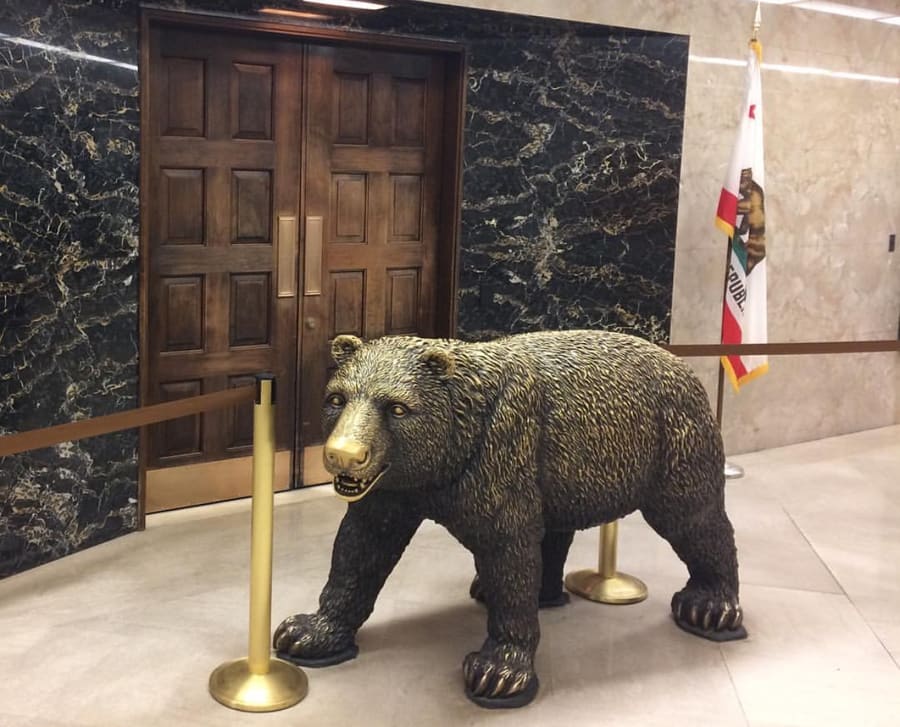
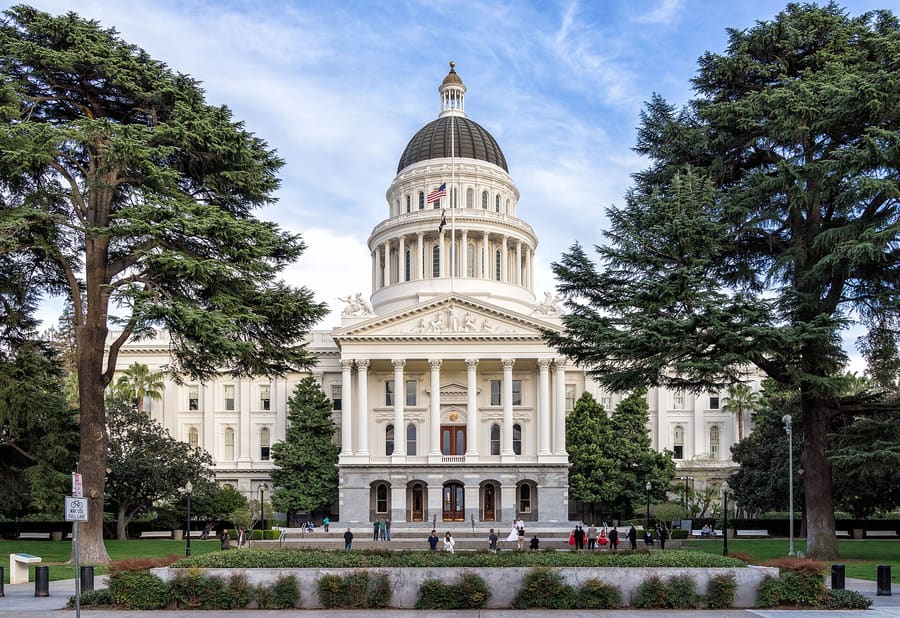
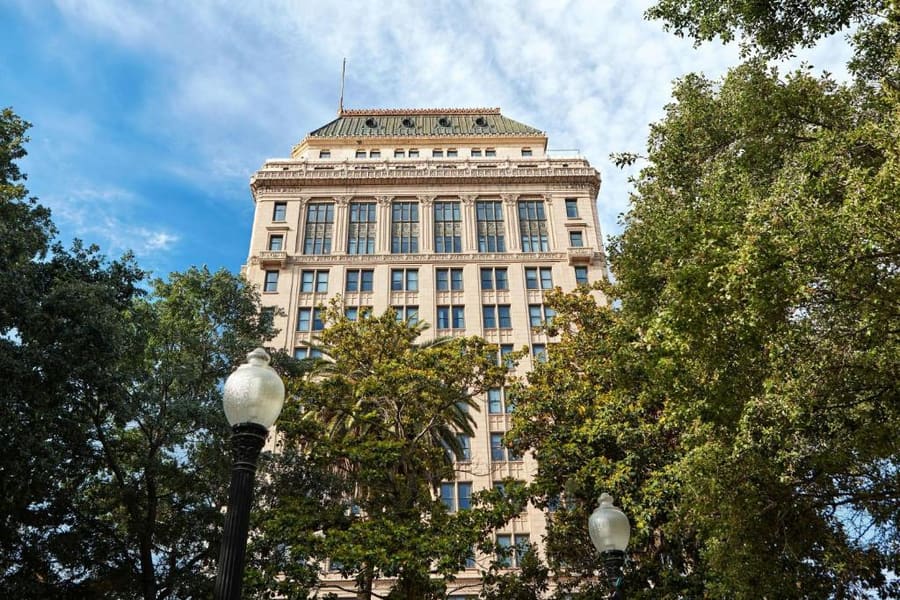
California State Capitol
Walk the 40-acre Capitol Park grounds. Free admission lets you view legislative chambers and historical museum rooms.
Demander à ParleyÉtats-Unis
Trees, state politics, and agricultural dining.
introduction
Sacramento runs on a strict street grid laid out in 1848. Lettered streets run east to west, while numbered streets run north to south. Midtown and Downtown host most civic institutions, historic sites, and restaurants. Summer days bring heavy dry heat, but the evening Delta Breeze cools the city rapidly.
Airport transit trick
SacRT Bus 142 connects SMF airport to downtown in 20 minutes for $2.50. Taxis charge $40 for the same route.
Farm-to-fork capital
Sacramento is officially declared America's Farm-to-Fork Capital. High-density agriculture surrounds the city within a 50-mile radius.
Beat the summer heat
Summer temperatures routinely exceed 100°F during midday. The evening Delta Breeze drops temperatures by up to 30 degrees.
Sacramento
Andre m · CC BY-SA 3.0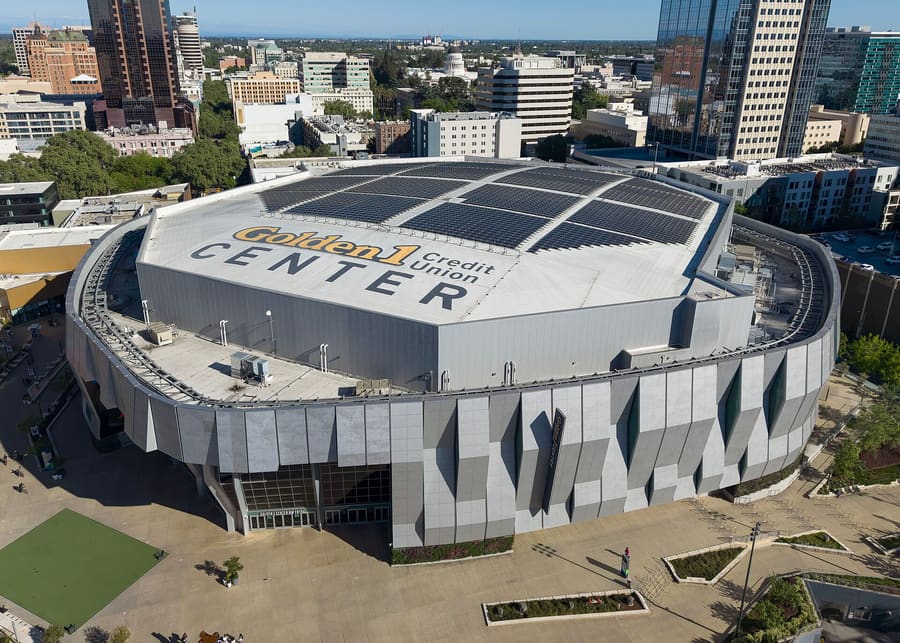
Downtown — Government offices, sports arena energy, and grand historic avenues.
Quintin Soloviev · CC BY 4.0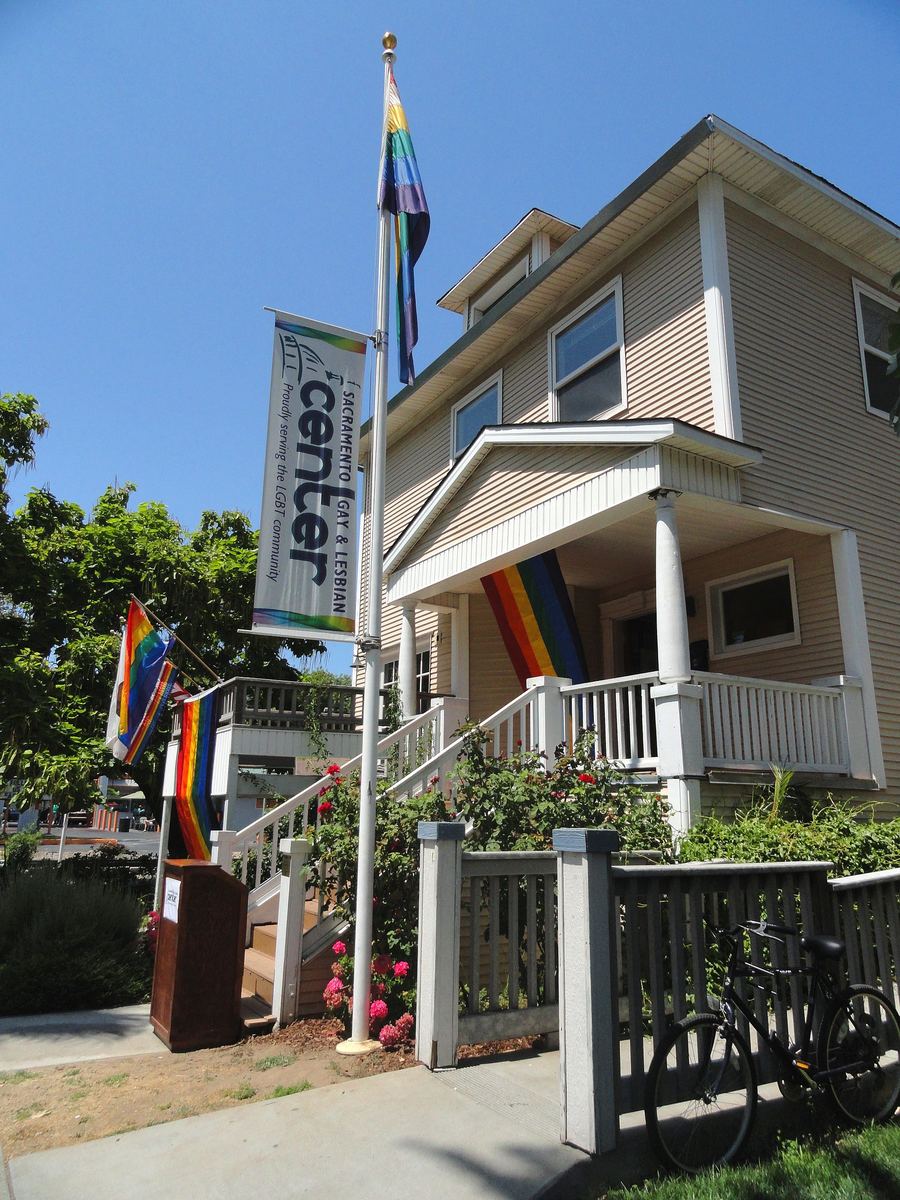
Midtown — Victorian homes under deep tree canopy with patio dining and indie shops.
Amadscientist · CC BY-SA 3.0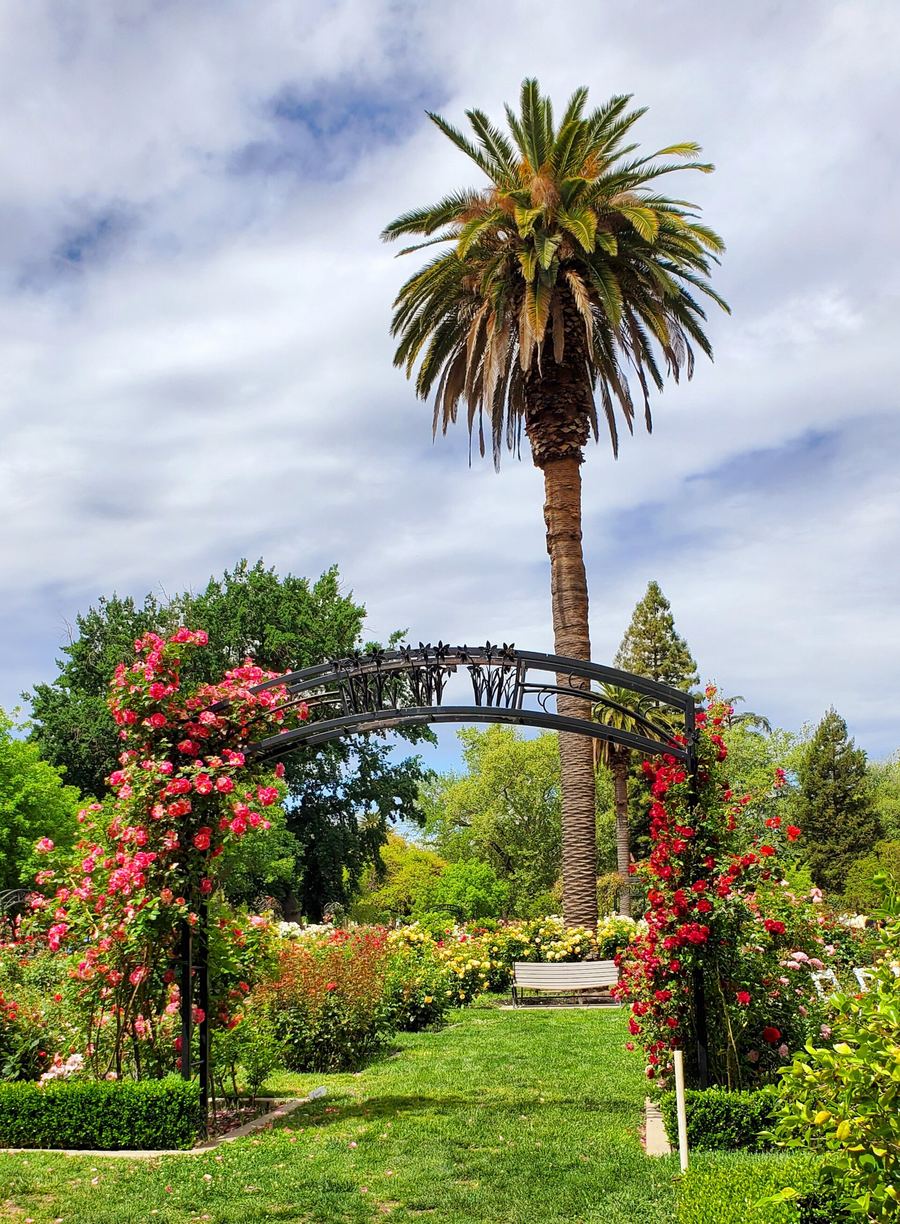
East Sacramento — Quiet residential streets lined with historic revival architecture and local coffee shops.
Ingawh · CC BY-SA 4.0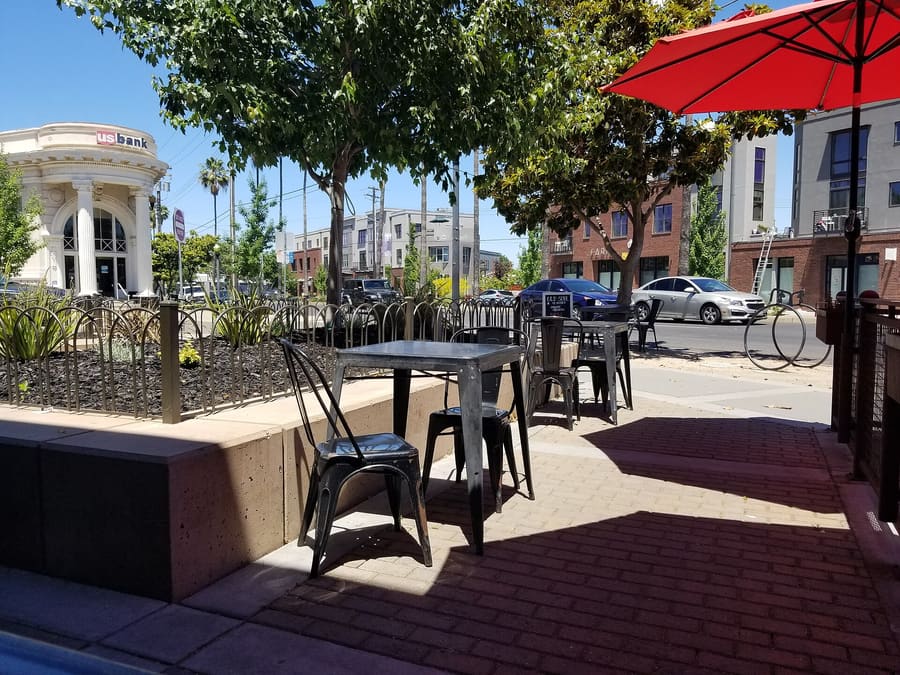
Oak Park — Historic neighborhood centered on Broadway with indie bakeries and breweries.
Lindseyroses1 · CC BY-SA 4.0highlights
landmark
Walk the 40-acre Capitol Park grounds. Free admission lets you view legislative chambers and historical museum rooms.
Demander à Parley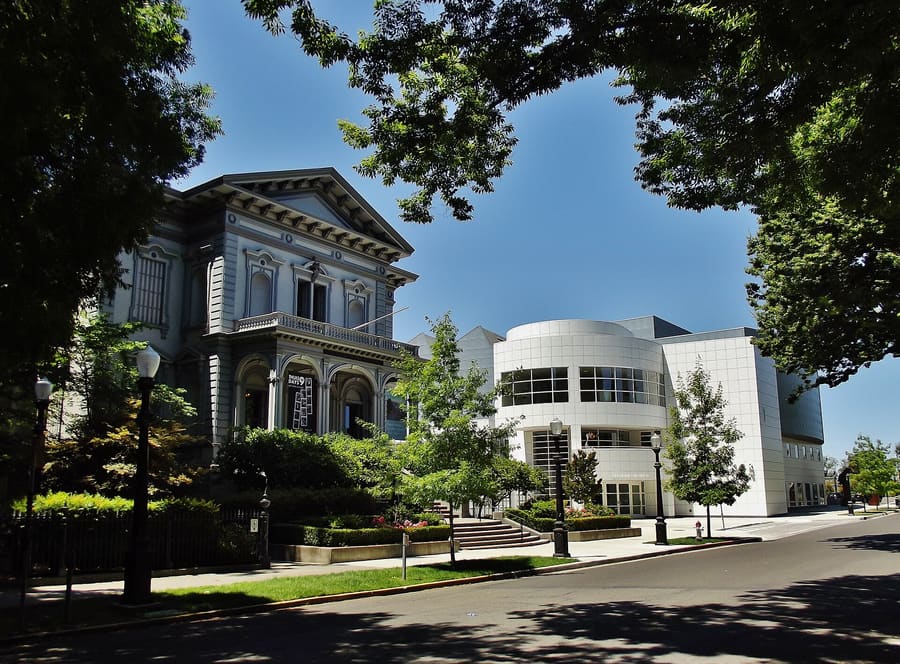
landmark
The oldest public art museum in the western US pairs Victorian architecture with modern wings. Pay $15 for admission.
Demander à Parley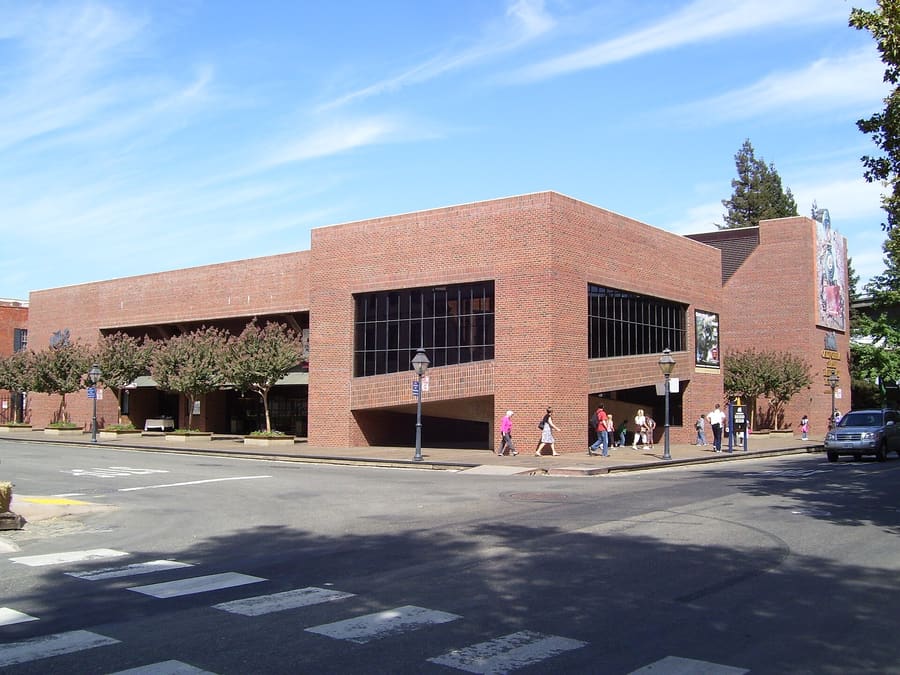
landmark
Explore restored 19th-century steam locomotives in Old Sacramento. Excursion trains run along the river on weekends.
Demander à Parley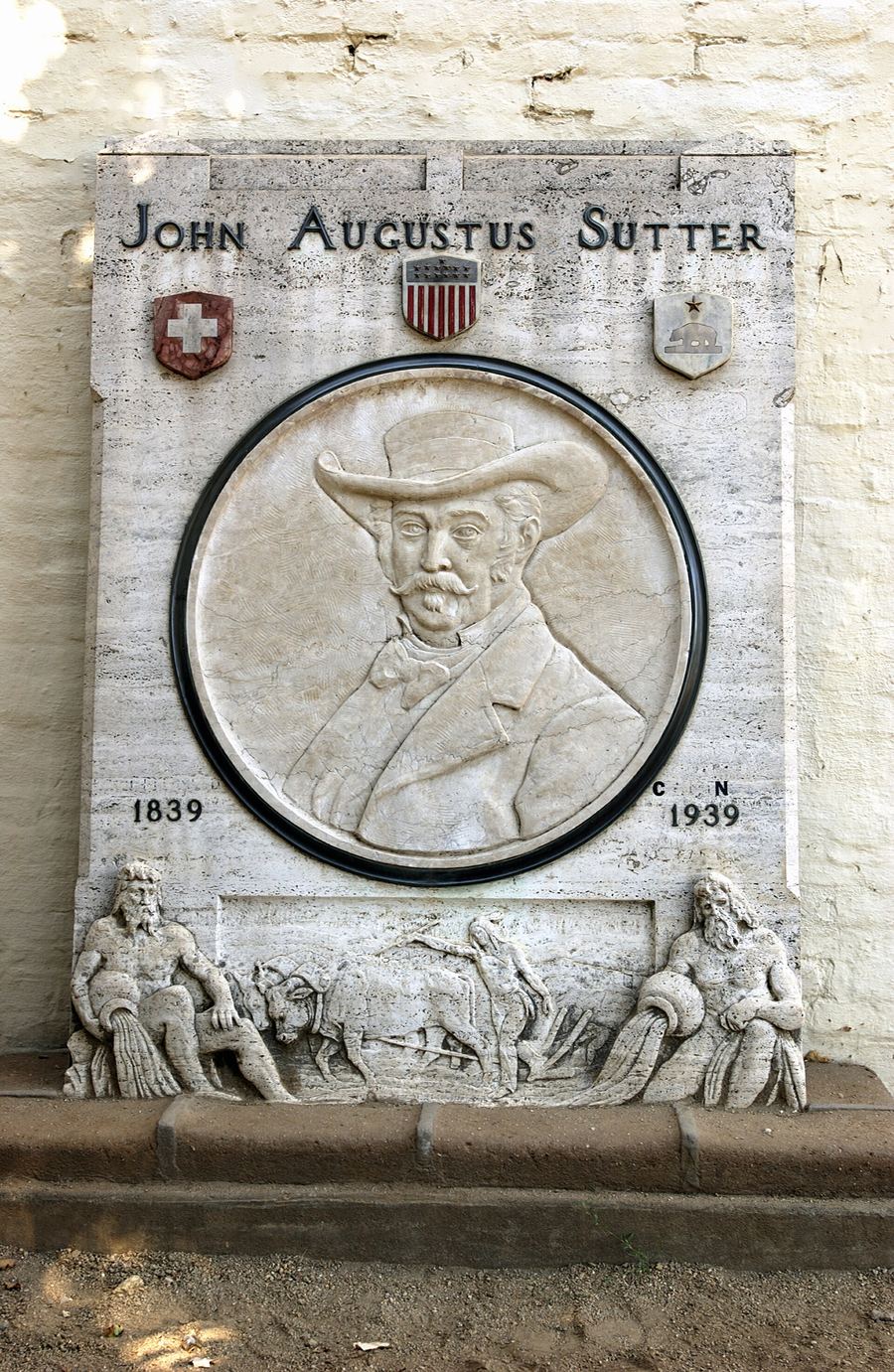
landmark
Sacramento's oldest European structure sits right in Midtown. Self-guided audio tours cover the 1840s Gold Rush era.
Demander à Parley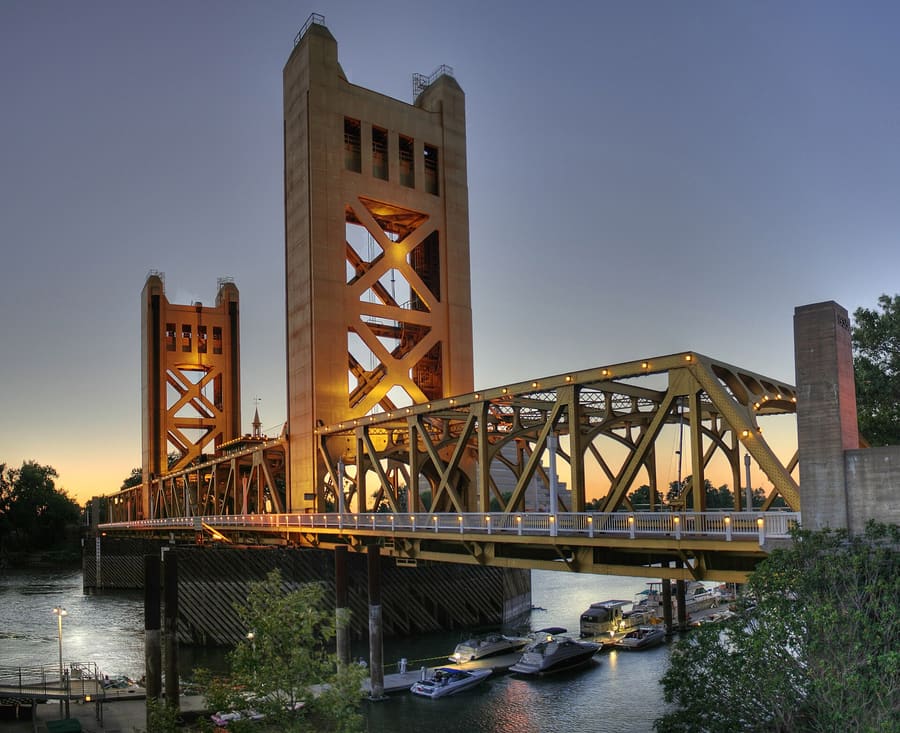
landmark
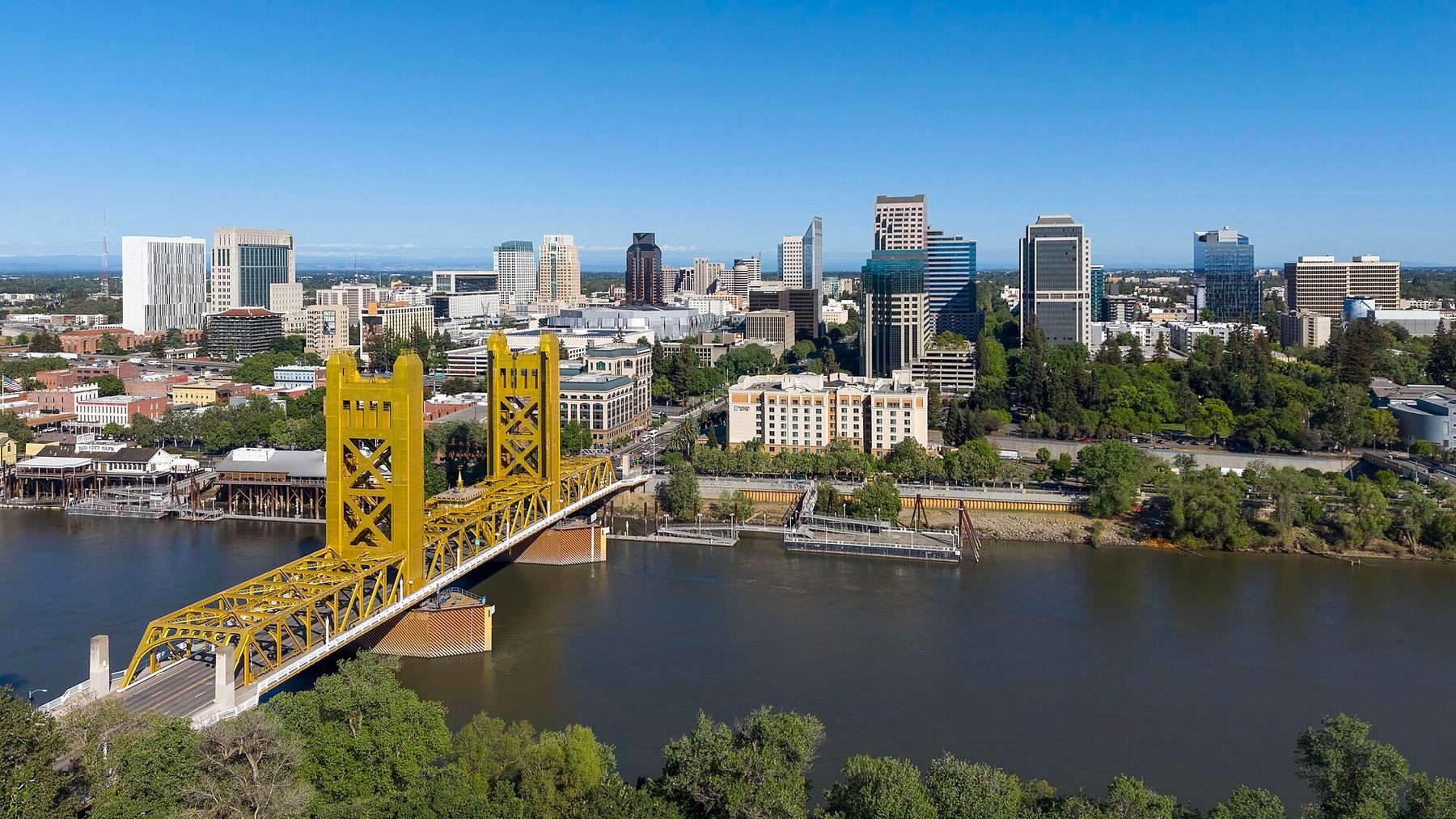
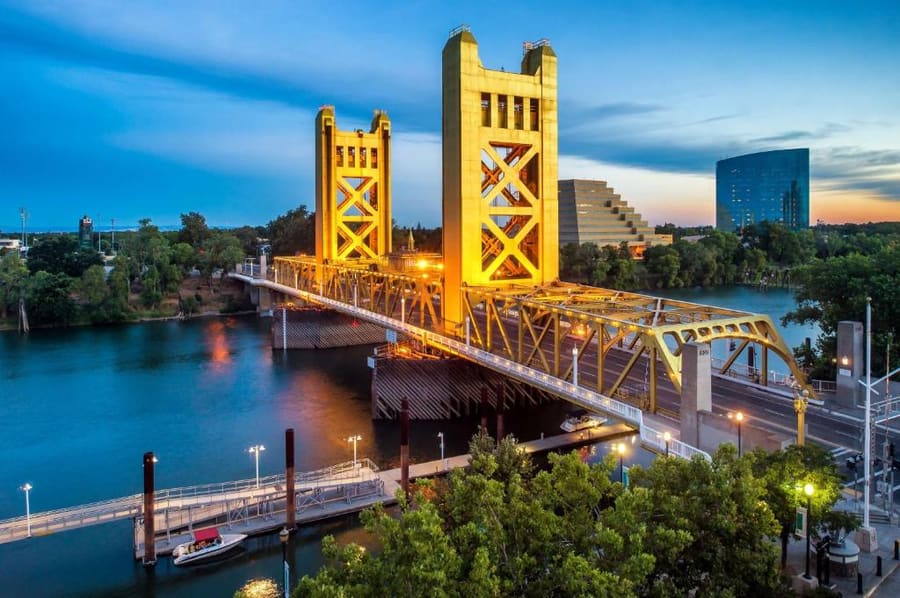
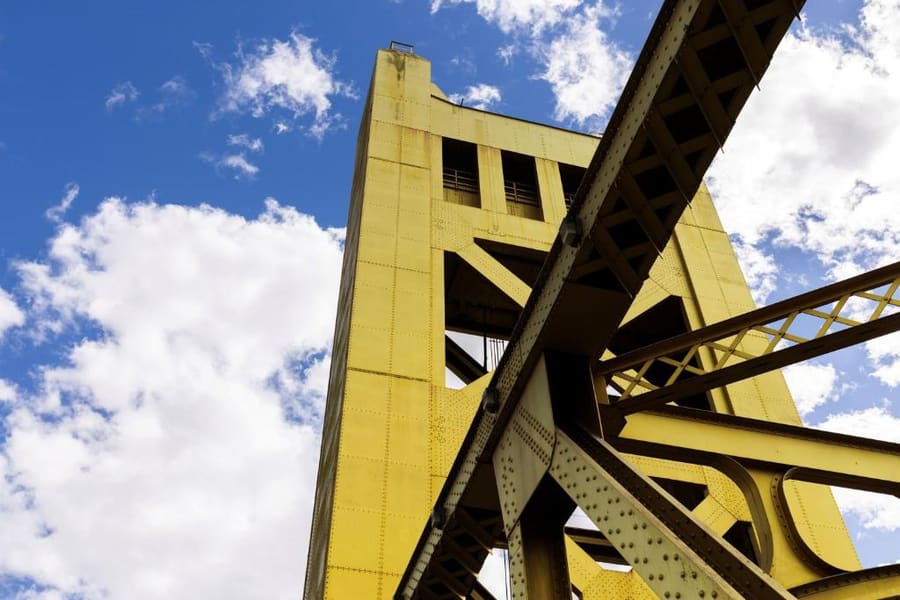
Walk or bike across this golden lift bridge connecting Sacramento to West Sacramento. The views peak at sunset.
Demander à Parley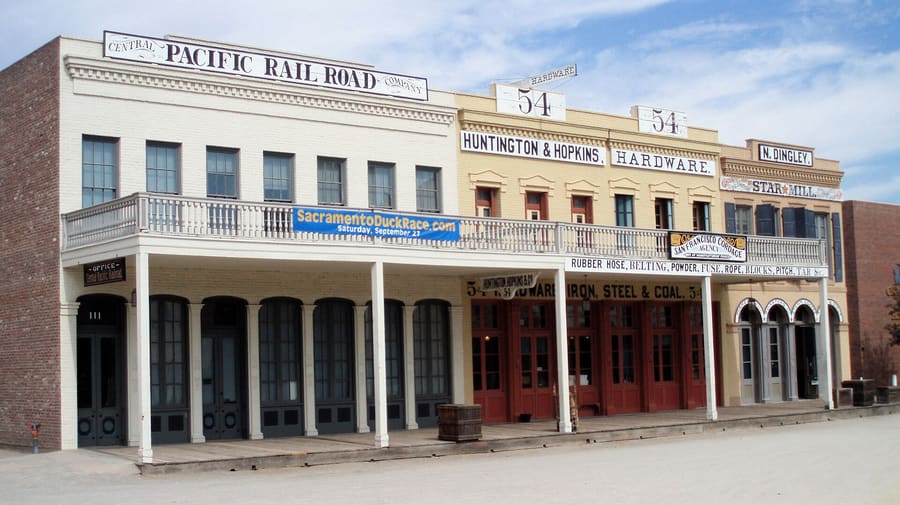
landmark
Wooden boardwalks and 1850s buildings sit along the river. Skip tourist trinket shops to focus on the history.
Demander à Parleyattractions
areas
Government offices, sports arena energy, and grand historic avenues.
À proximitéOld Sacramento and Midtown.
Demander à ParleyVictorian homes under deep tree canopy with patio dining and indie shops.
À proximitéDowntown and East Sacramento.
Demander à ParleyQuiet residential streets lined with historic revival architecture and local coffee shops.
À proximitéMidtown and CSUS campus.
Demander à ParleyHistoric neighborhood centered on Broadway with indie bakeries and breweries.
À proximitéUC Davis Medical Center and Midtown.
Demander à Parleyfood
Sacramento sits in the middle of California's Central Valley, surrounded by 1.5 million acres of farmland. Restaurants source directly from nearby growers, making farm-to-fork dining standard practice rather than a marketing tactic. Local olive oils, stone fruit, tomatoes, and rice dominate seasonal menus across Midtown and Downtown.
Head to 20th Street on Saturday mornings. Over 90 vendors sell regional produce, baked goods, and prepared hot meals.
28th and J Streets form a cluster of farm-driven eateries. Reservations fill quickly for Friday and Saturday dinners.
history
John Sutter established New Helvetia in 1839 on Nisenan land. The 1848 discovery of gold at Sutter's Mill nearby transformed the settlement into a boomtown. Floods repeatedly submerged the city in the 1850s, forcing engineers to raise the entire downtown street level by ten feet in the 1860s.
Sutter's Fort Built
Swiss immigrant John Sutter establishes a trade settlement near the confluence of the American and Sacramento rivers.
City Incorporation
Sacramento becomes California's first incorporated city during the peak of the Gold Rush population explosion.
State Capital Chosen
Sacramento becomes the permanent capital of California after competing with San Jose, Vallejo, and Benicia.
The Great Raising
Devastating floods trigger a massive engineering project to raise downtown streets and buildings by up to 14 feet.
Transcontinental Railroad
The First Transcontinental Railroad completes its western terminus in Old Sacramento, cementing the city's transit role.
where to stay
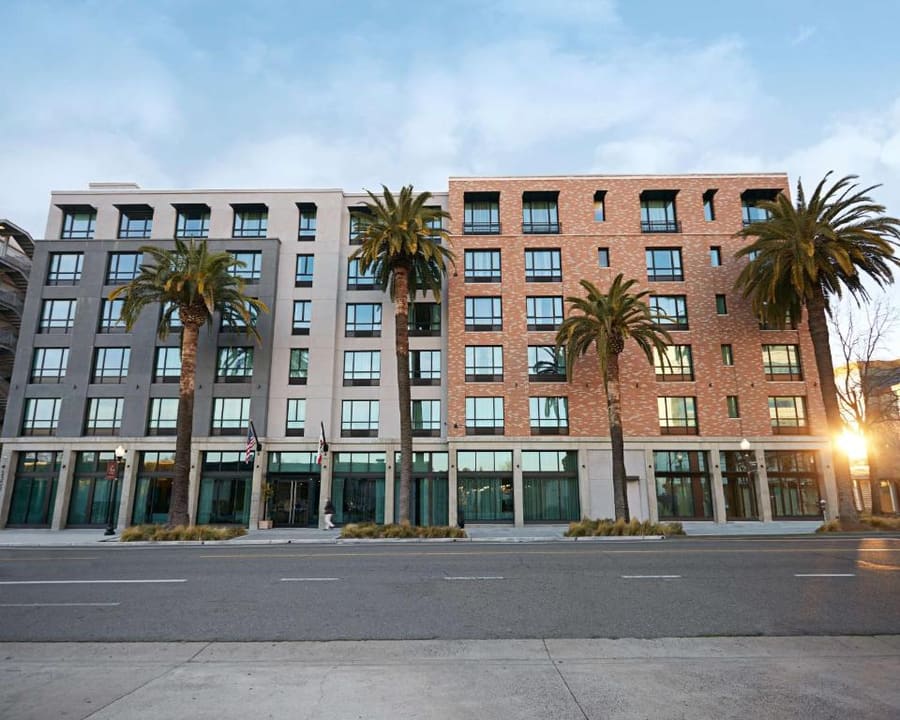
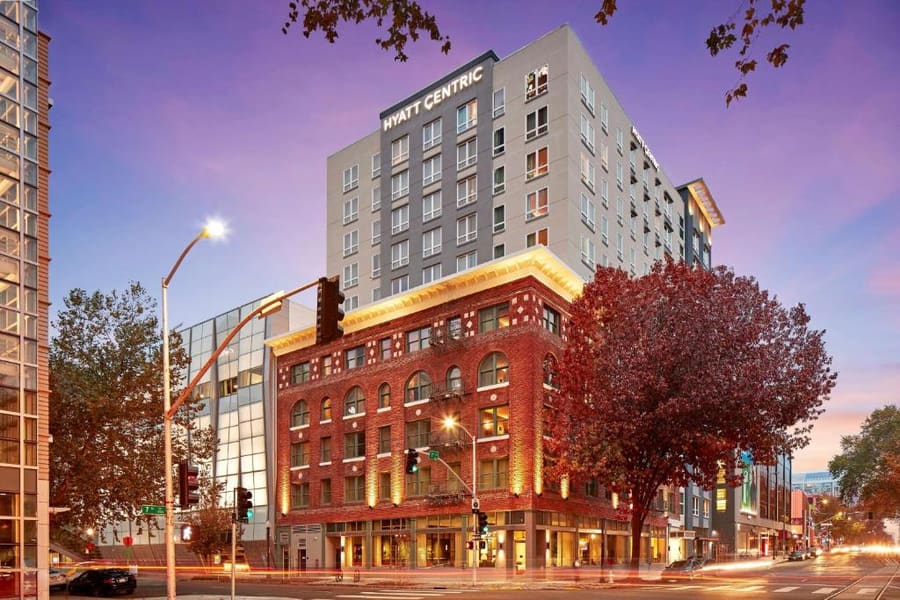
Choose your accommodation based on how you prefer to move. Downtown puts you within walking distance of government buildings, museums, and the arena. Midtown offers residential charm, tree-shaded walks, and late-night dining without needing a car.
Live rates, matched to the areas above.
transport
Sacramento operates a grid system that makes navigation straightforward. Downtown and Midtown are flat and easy to navigate on foot or by bicycle. SacRT light rail serves core corridors, while rideshares cover gaps quickly.
Depuis Sacramento International Airport (SMF)
SacRT Route 142 runs directly between SMF terminals and Downtown every 20-30 minutes.
Pickups occur outside baggage claim at both Terminal A and Terminal B.
Metered taxis wait outside designated terminal curbs.
A single ride costs $2.50, or buy a $7 daily pass. Validate your ticket before boarding at platform kiosks.
Numbered streets run north-south; lettered streets run east-west. Addresses correspond to street numbers.
Rent a bike to access the 32-mile paved trail running along the American River to Folsom Lake.
Tap a reloadable Connect Card or buy digital passes via the SacRT mobile app for seamless boarding.
cost
Sacramento prices remain lower than San Francisco or Los Angeles, but dining and lodging carry standard California tax rates. Budgeting around local expectations ensures few surprises.
Includes two main courses and farm-to-fork cocktails in Midtown or Downtown.
Grants unlimited rides on SacRT buses and light rail lines for a full calendar day.
Standard adult admission for the Crocker Art Museum and Railroad Museum.
Single-origin espresso with a fresh pastry at local independent coffee shops.
seasonality
MAR – MAY
Mild weather with temperatures in the 60s and 70s. Wildflowers bloom along river trails and Capitol Park.
JUN – AUG
Midday temperatures regularly top 95°F. Plan outdoor activities for morning hours before heat sets in.
SEP – NOV
Fall brings pleasant 70°F weather and autumn foliage across the urban forest tree canopy.
DEC – FEB
Cool and rainy period with daytime highs near 55°F. Nighttime temperatures occasionally drop near freezing.
practicalities
Summer days hit 100°F, but wind blowing from the San Francisco Bay delta drops evening temperatures rapidly by dusk.
Over 100,000 public trees line city streets. Sidewalk shade reduces ground temperatures significantly during peak summer.
Hotel rates spike and parking gets scarce when the state legislature is in session from January through August.
Midtown parking meters run until 10 PM in active dining areas. Read street signs to avoid tow-away zones.
The Sacramento and American rivers have cold, fast currents. Always wear life jackets when swimming or rafting.