landmark
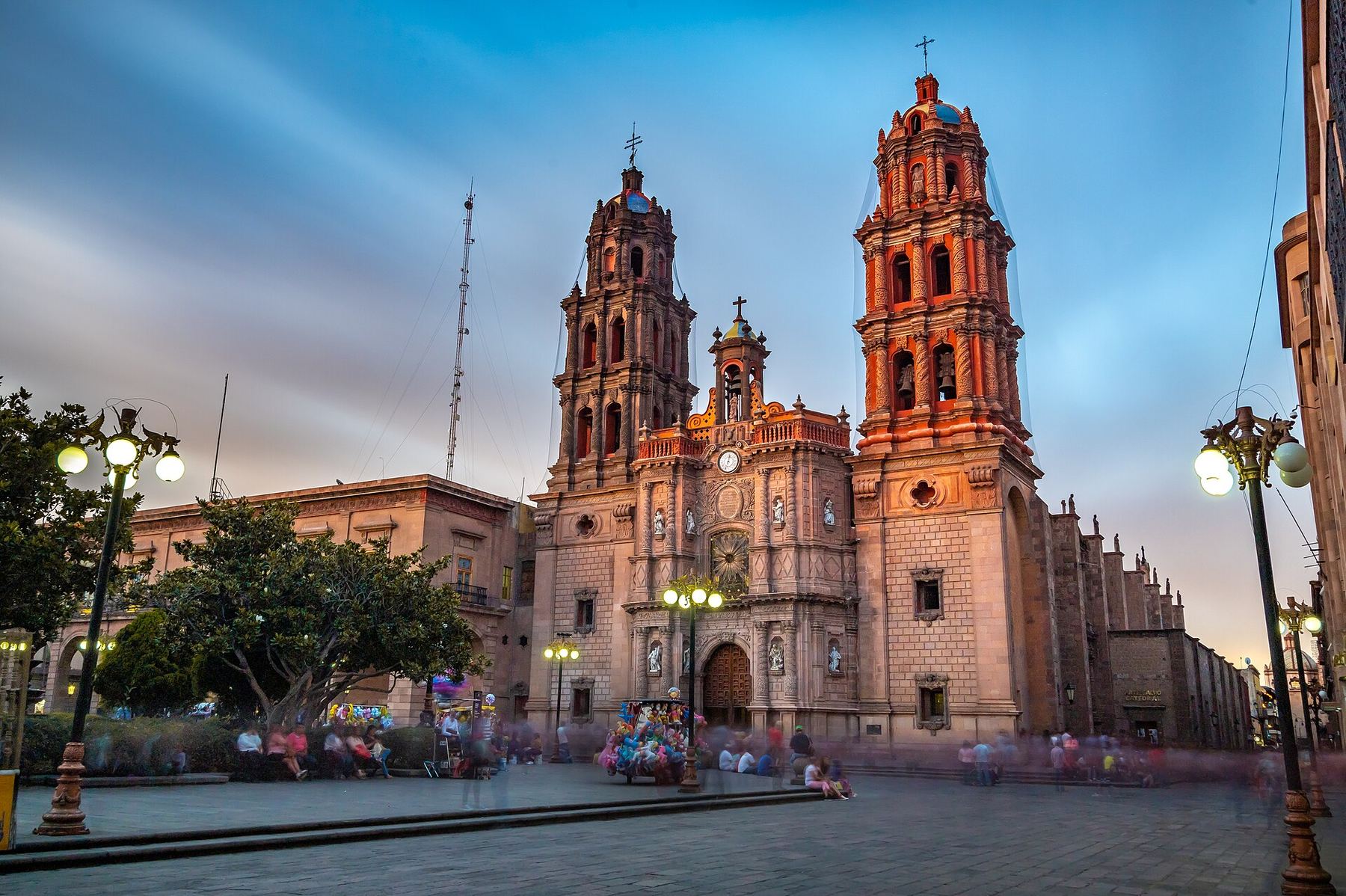
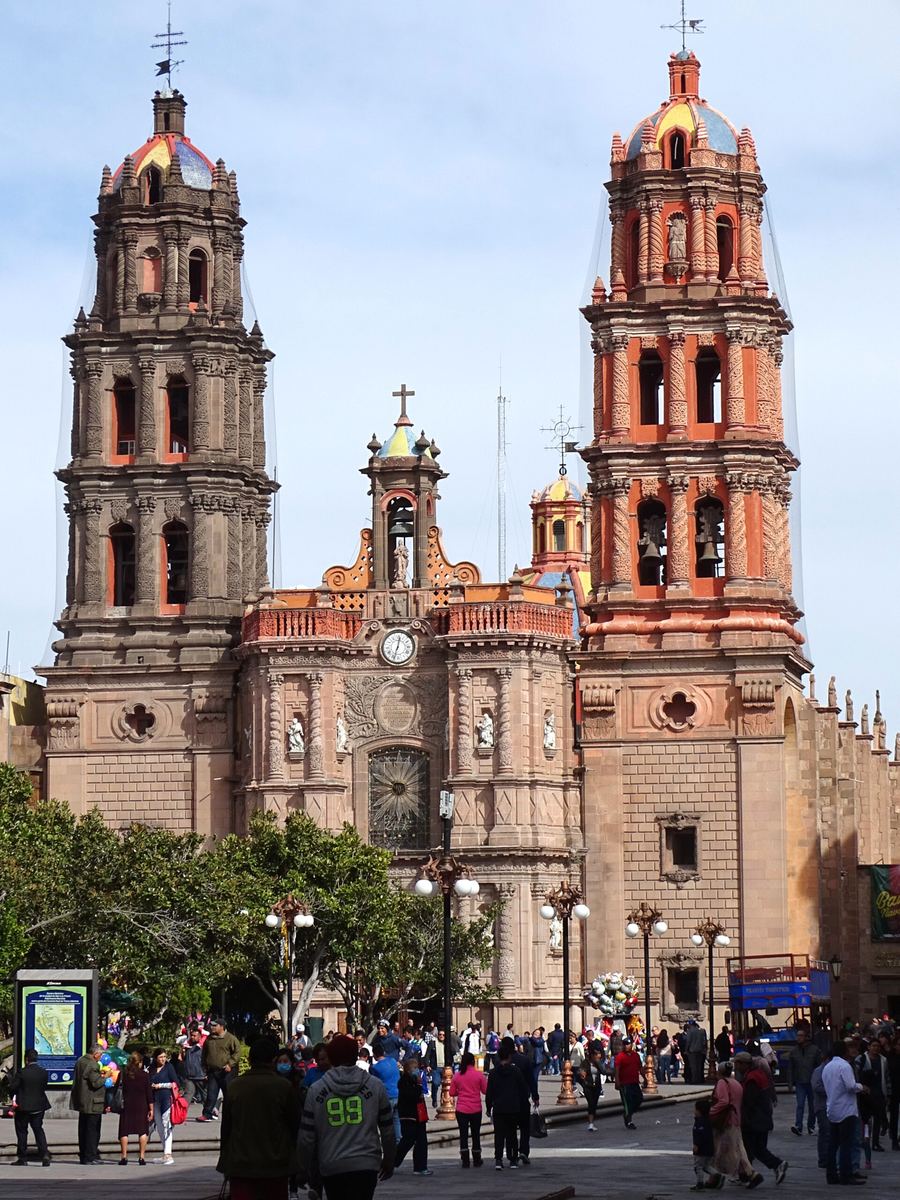
Catedral Metropolitana
Pink quarry stone dominates this 18th-century cathedral on Plaza de Armas. Step inside early to avoid midday mass services.
Demander à ParleyMexique
Pink quarry plazas, silver-mining history, and guajillo masa
introduction
San Luis Potosí built its wealth on 16th-century silver mines, leaving behind a compact centre built from pink quarry stone. You navigate the core on foot along stone pedestrian avenues that link seven colonial plazas. Outside the historic centre, heavy industry and sprawling residential zones dominate, requiring taxis or rideshare apps. Expect quiet evenings, stark desert light, and unpretentious regional cooking.
Airport taxi voucher system
Buy authorized taxi tickets at Ponciano Arriaga Airport counters before stepping outside. Fares to the historic centre cost around 350 MXN.
World Heritage mining corridor
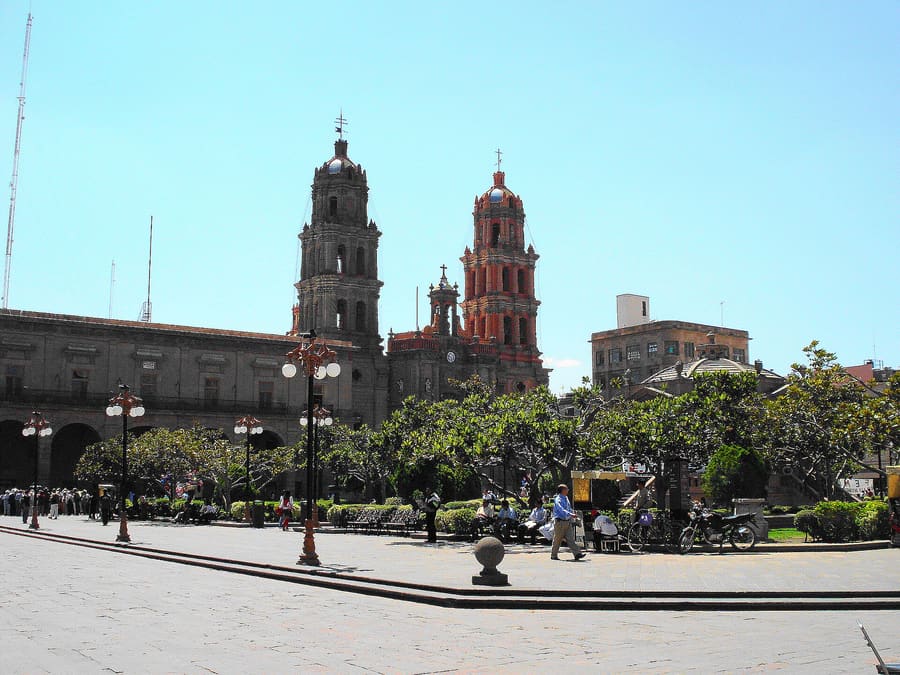
The historic centre is a UNESCO World Heritage site on the Silver Route. Pink quarry stone marks its colonial plazas and baroque churches.
Pedestrian grid navigation
Calle Hidalgo connects the main plazas as a pedestrian avenue. Walk north to south to avoid navigating heavy vehicle traffic.
San Luis Potosí
Felipe Alfonso Castillo · CC BY-SA 3.0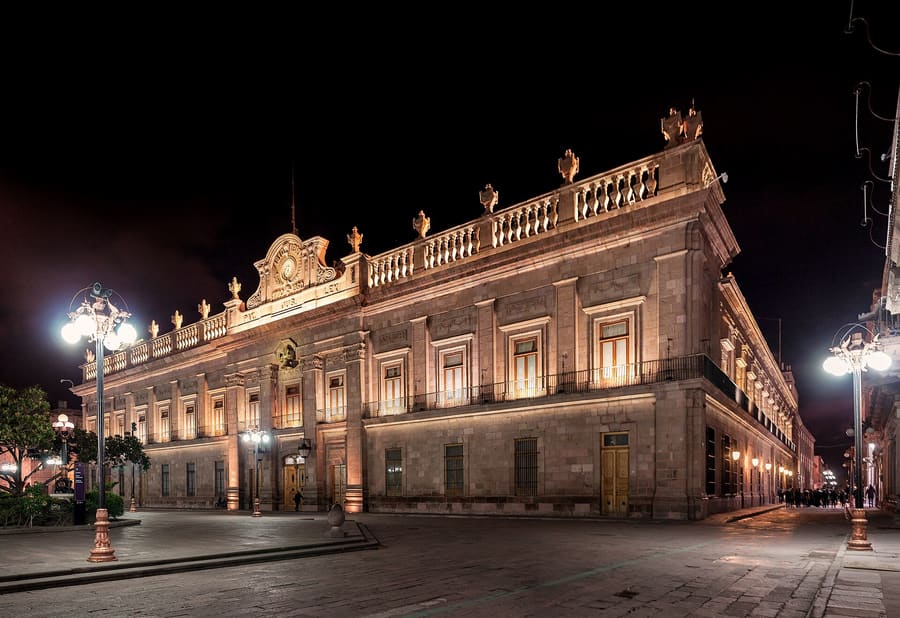
Centro Histórico — Colonial plazas, pink quarry stone architecture, and stone pedestrian avenues.
Sixto Emmanuel Picones · CC BY-SA 4.0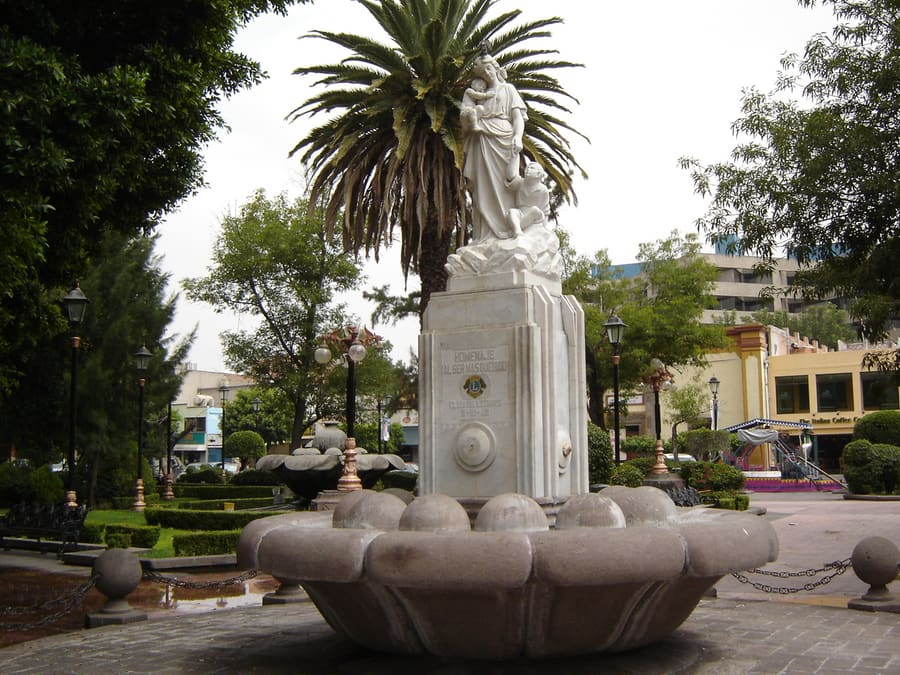
Tequisquiapan — Shady residential district centred around a green park and sidewalk cafes.
Chanilim714 · CC BY-SA 3.0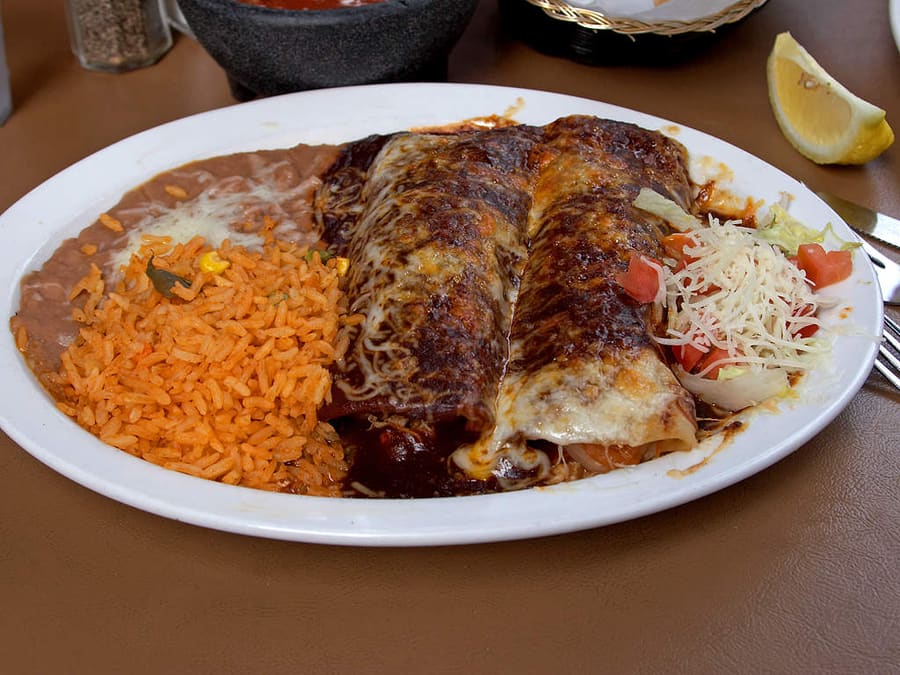
Enchiladas potosinas served with fried beans, avocado, and pickled jalapenos.
Jon Sullivan · Public domainhighlights
landmark
Pink quarry stone dominates this 18th-century cathedral on Plaza de Armas. Step inside early to avoid midday mass services.
Demander à Parley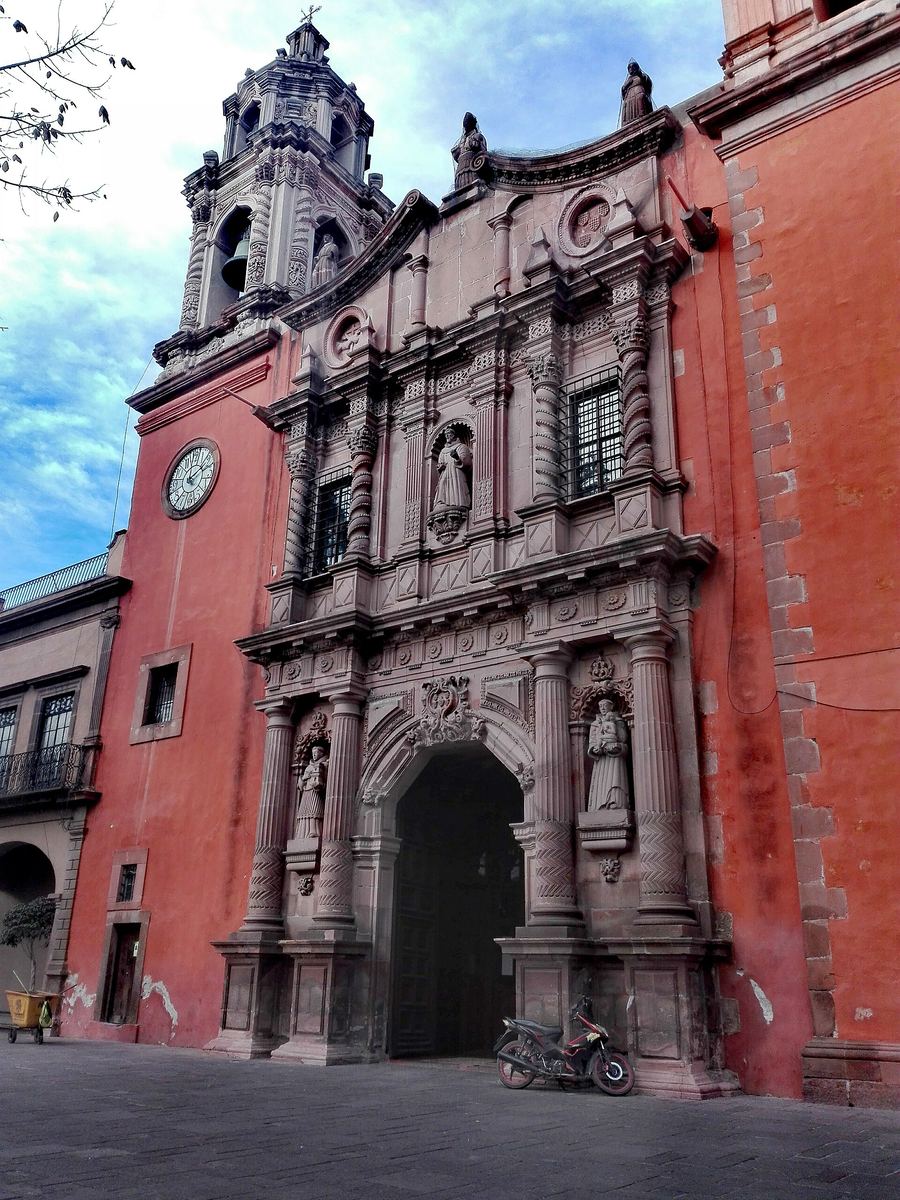
landmark
Blue tiles cover the dome of this 1591 Franciscan church. Sit by the fountain on the quiet plaza to escape street vendors.
Demander à Parley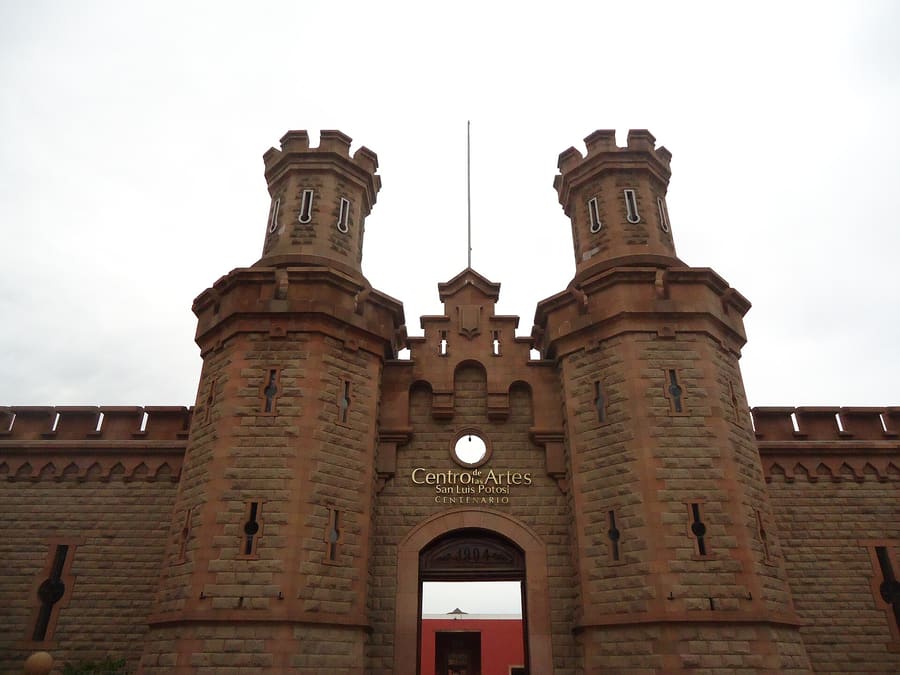
landmark
A 19th-century state prison turned arts centre houses Carrington surrealist sculptures. Take guided tours on weekends for roof access.
Demander à Parley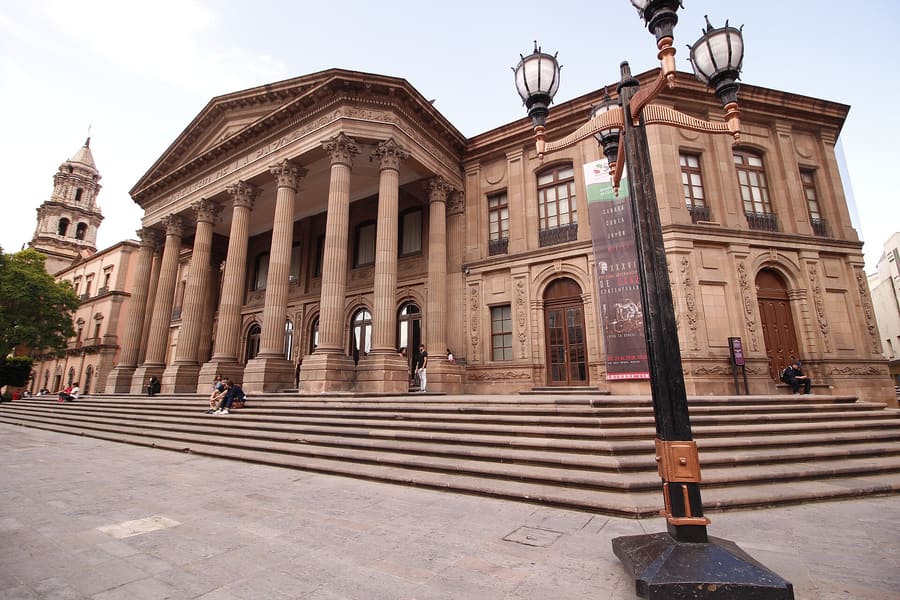
landmark
Neoclassical opera house opened in 1894 on Plaza del Carmen. Buy tickets at the box office for evening orchestral performances.
Demander à Parley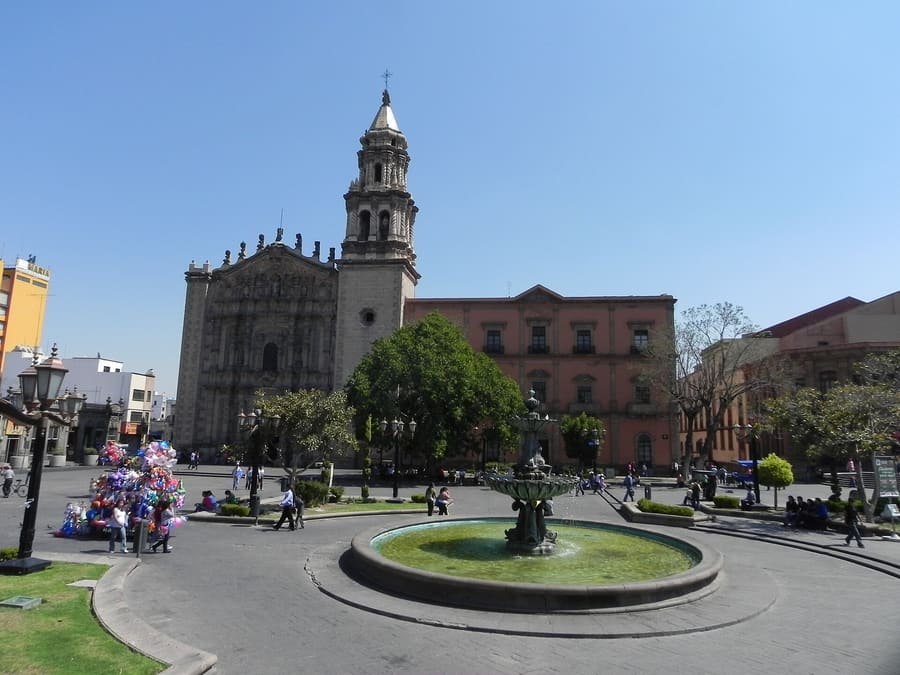
landmark
Baroque facade carved from local pink quarry stone. Visit during late afternoon when sunlight hits the intricate stone altarpieces.
Demander à Parleyattractions
areas
Colonial plazas, pink quarry stone architecture, and stone pedestrian avenues.
À proximitéPlaza de Armas, Teatro de la Paz, Mercado Hidalgo
Demander à ParleyShady residential district centred around a green park and sidewalk cafes.
À proximitéJardín de Tequis, Avenida Venustiano Carranza
Demander à Parley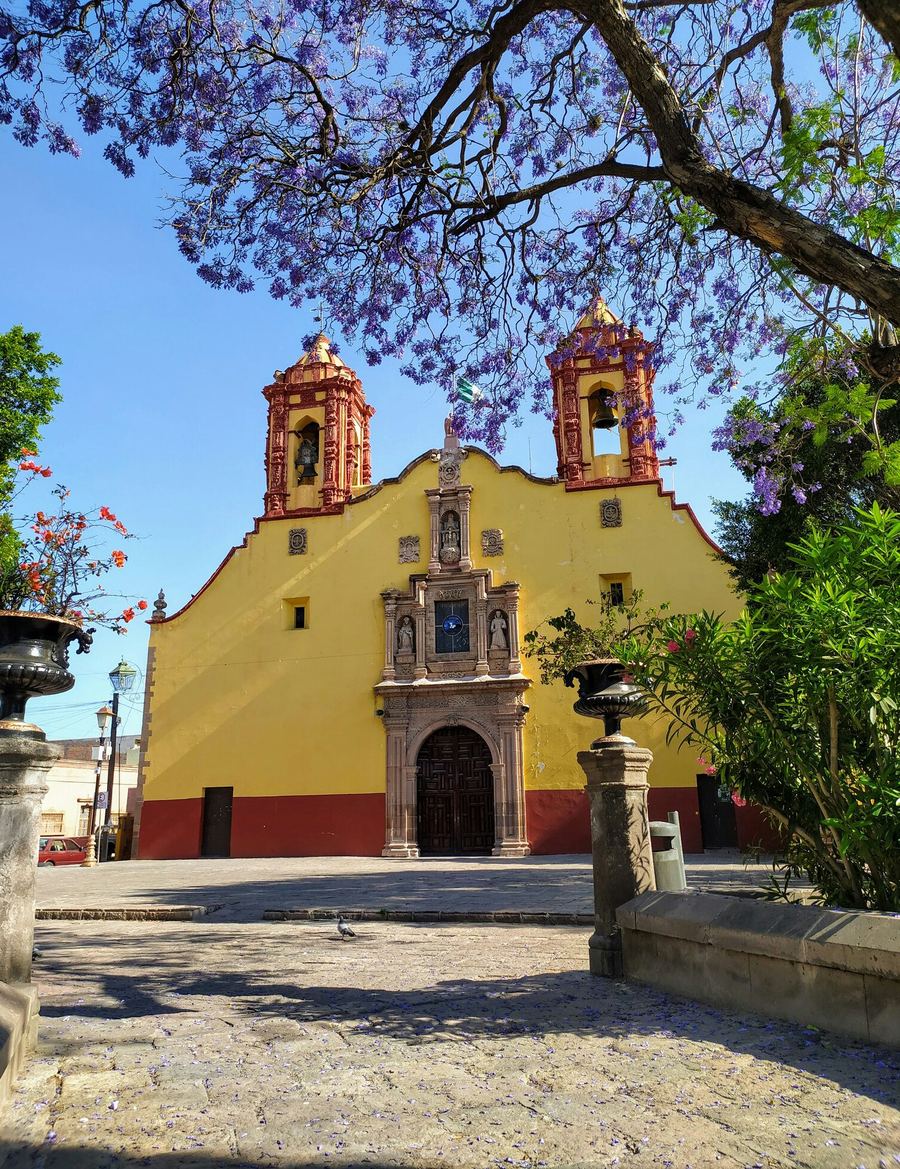
Traditional residential neighbourhood with colourful houses and small bakeries.
À proximitéJardín de San Miguelito, Calzada de Guadalupe
Demander à ParleyModern commercial sector featuring contemporary hotels, malls, and wine bars.
À proximitéPlaza San Luis, Parque Tangamanga
Demander à Parleyfood
San Luis Potosí cuisine differs sharply from central Mexican defaults. The region relies on ground guajillo chili worked directly into corn masa dough before pressing and cooking. This creates the signature bright red color of local staples.Enchiladas potosinas are folded like turnovers and filled with queso fresco and chopped onion before frying. Gorditas de Morales are cooked on a comal or deep-fried before being split and stuffed with braised pork or pressed chicharrón. Sweet local specialties revolve around artisanal chocolate and goat milk cajeta.
Enchiladas potosinas served with fried beans, avocado, and pickled jalapenos.
Jon Sullivan · Public domainMasa is kneaded with guajillo chili paste before cooking, giving the tortilla a red hue. Try them at Mercado Hidalgo or La Posada del Virrey on Plaza de Armas.
Gorditas de Morales along Avenida Venustiano Carranza sell out by 11:00. Order yours stuffed with pressed pork skin in red salsa.
Buy handmade mint candies and chocolate truffles at Chocolates Costanzo on Calle Galeana. The local factory store has operated since 1927.
A plate of four enchiladas potosinas costs 60 to 90 MXN at market stalls, while sit-down dining rooms charge 130 to 180 MXN.
history
Founded in 1592 after rich silver and gold deposits were discovered at nearby Cerro de San Pedro, San Luis Potosí grew as a crucial node on the Spanish imperial trade route. The city's wealth funded lavish baroque and neoclassical architecture built from pink quarry stone.During the 19th and 20th centuries, the city twice served as Mexico's temporary national capital and acted as the staging ground for the 1910 Mexican Revolution under Francisco I. Madero.
Silver discovery
Gold and silver are discovered at Cerro de San Pedro, establishing San Luis Potosí as a key mining hub on the Royal Road.
City charter
King Philip IV grants San Luis Potosí city status, naming it after Louis IX of France and the Bolivian mining complex at Potosí.
National capital
President Benito Juárez relocates the republican government to San Luis Potosí during the French Intervention.
Plan de San Luis
Francisco I. Madero drafts the political manifesto calling for revolution against Porfirio Díaz while imprisoned in the city.
where to stay
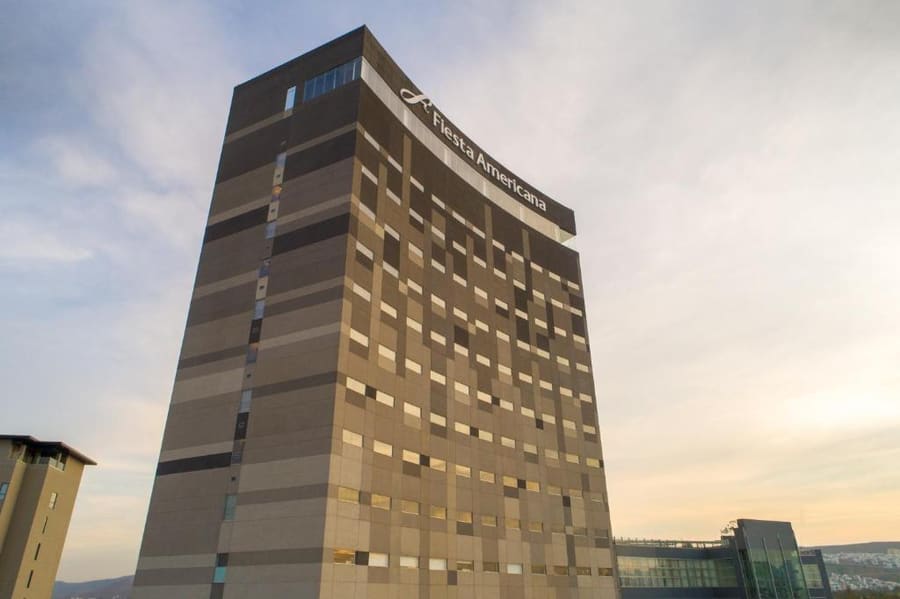
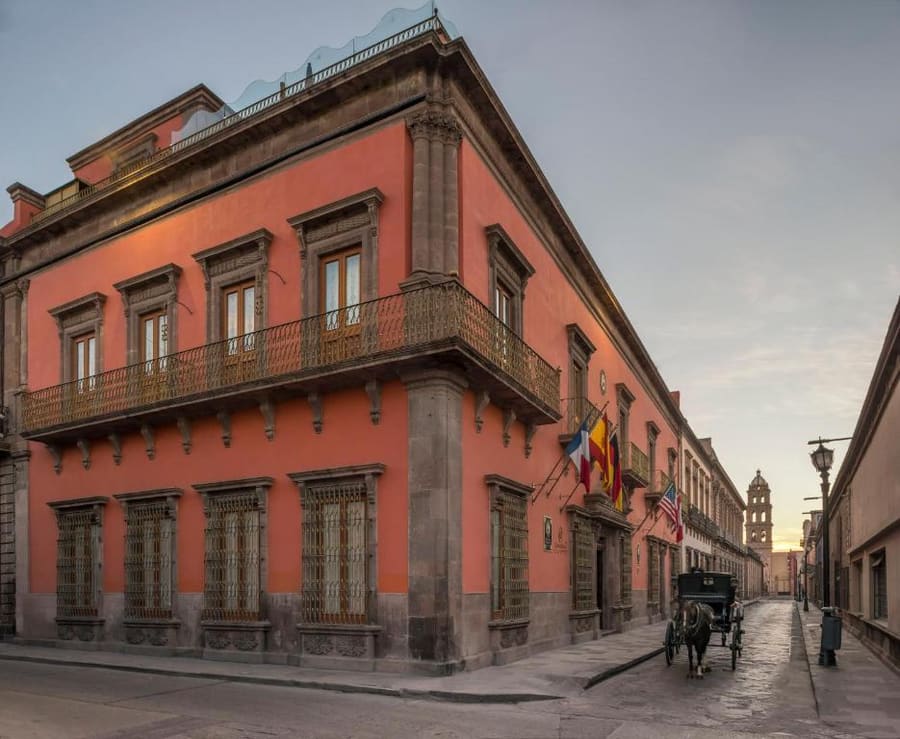
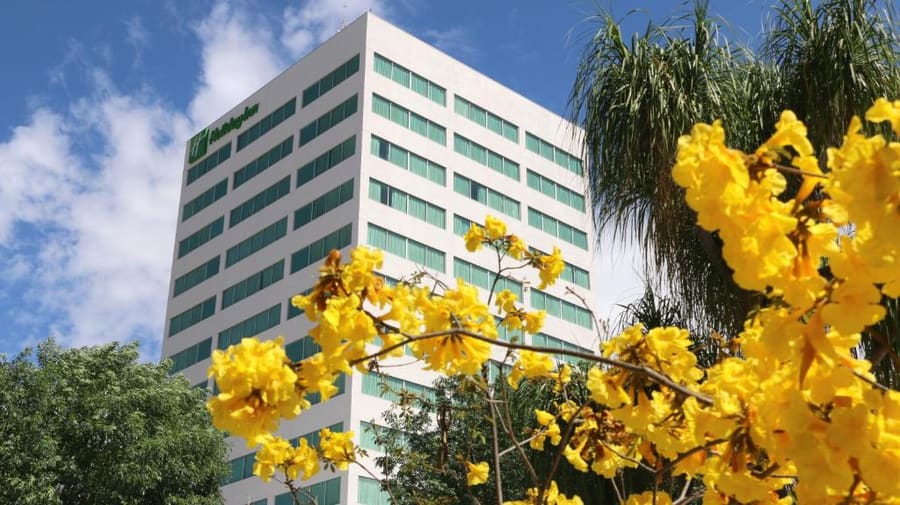
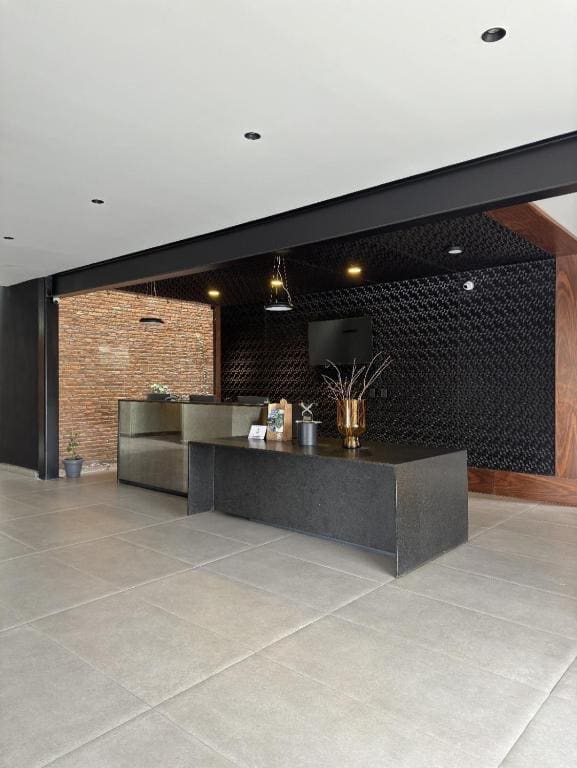
Choose your base depending on whether you prioritize walkable access to historic sights or proximity to modern business amenities. Staying in Centro Histórico puts colonial churches and museums at your doorstep, though street traffic can start early. Lomas and Tequisquiapan offer quieter nights and easier parking if you have a rental vehicle.
Live rates, matched to the areas above.
transport
Centro Histórico is best explored entirely on foot, thanks to connected pedestrian streets like Calle Hidalgo. For trips to outer districts like Lomas or Parque Tangamanga, rideshare apps provide cheap and reliable rides. City buses run frequently along main avenues, though routes are confusing for newcomers.
Depuis Ponciano Arriaga International Airport (SLP)
Pay at the official airport taxi counter inside the terminal before exiting.
Drivers pick up outside the main airport perimeter property line.
Walk the north-south axis of Calle Hidalgo without worrying about car traffic between Plaza de Armas and Mercado Hidalgo.
Uber and DiDi operate widely across San Luis Potosí with average waiting times under five minutes in central zones.
Traffic stalls heavy along Avenida Salvador Nava between 08:00–09:30 and 18:00–19:30. Plan cross-city trips outside these windows.
cost
San Luis Potosí remains significantly cheaper than Mexico City or Guadalajara for dining and cultural attractions. Entry fees to state-run museums are modest, while street food provides filling options for very little outlay.
A full plate of enchiladas potosinas or red gorditas with fresh juice at Mercado Hidalgo.
Standard adult admission ticket for Leonora Carrington Museum or Museo Regional Potosino.
Three courses with a drink at a traditional restaurant on Calle Carranza or Plaza San Francisco.
Flat single-ride fare on standard urban bus lines across the metropolitan area.
seasonality
MAR – MAY
Hot and dry season with temperatures over 30°C. Easter Procession of Silence fills streets in April.
JUN – SEP
Afternoon rain showers cool down the city. Bring an umbrella for late afternoon walks.
OCT – NOV
Mild sunny days around 22°C. Day of the Dead and Xantolo celebrations bring altar displays to main plazas.
DEC – FEB
Cold nights dropping near 5°C, warm sunny afternoons. Pack a warm coat for evening strolls through Centro.
practicalities
Good Friday features Mexico's largest silent Easter procession through Centro. Book balcony seats months ahead.
Plazas and walkways use uneven quarry paving stones. Wear flat walking shoes to prevent trips.
Small food stands and market vendors in Mercado República do not accept credit cards.
The city sits at 1,860 metres elevation. Sunburn happens fast despite mild air temperatures.
The semi-abandoned mining village lies 20 kilometres east. Take a local bus from Alameda Central.