landmark
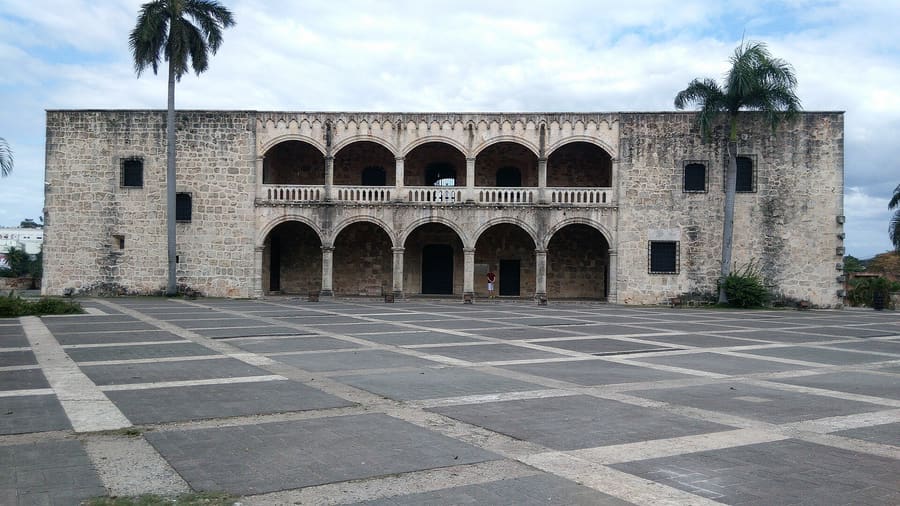
Alcázar de Colón
Diego Columbus built this coral limestone palace between 1510 and 1514. Visit early at opening to beat group tours.
Demander à ParleyRépublique dominicaine
The Americas' oldest city operating as a Caribbean metropolis.
introduction
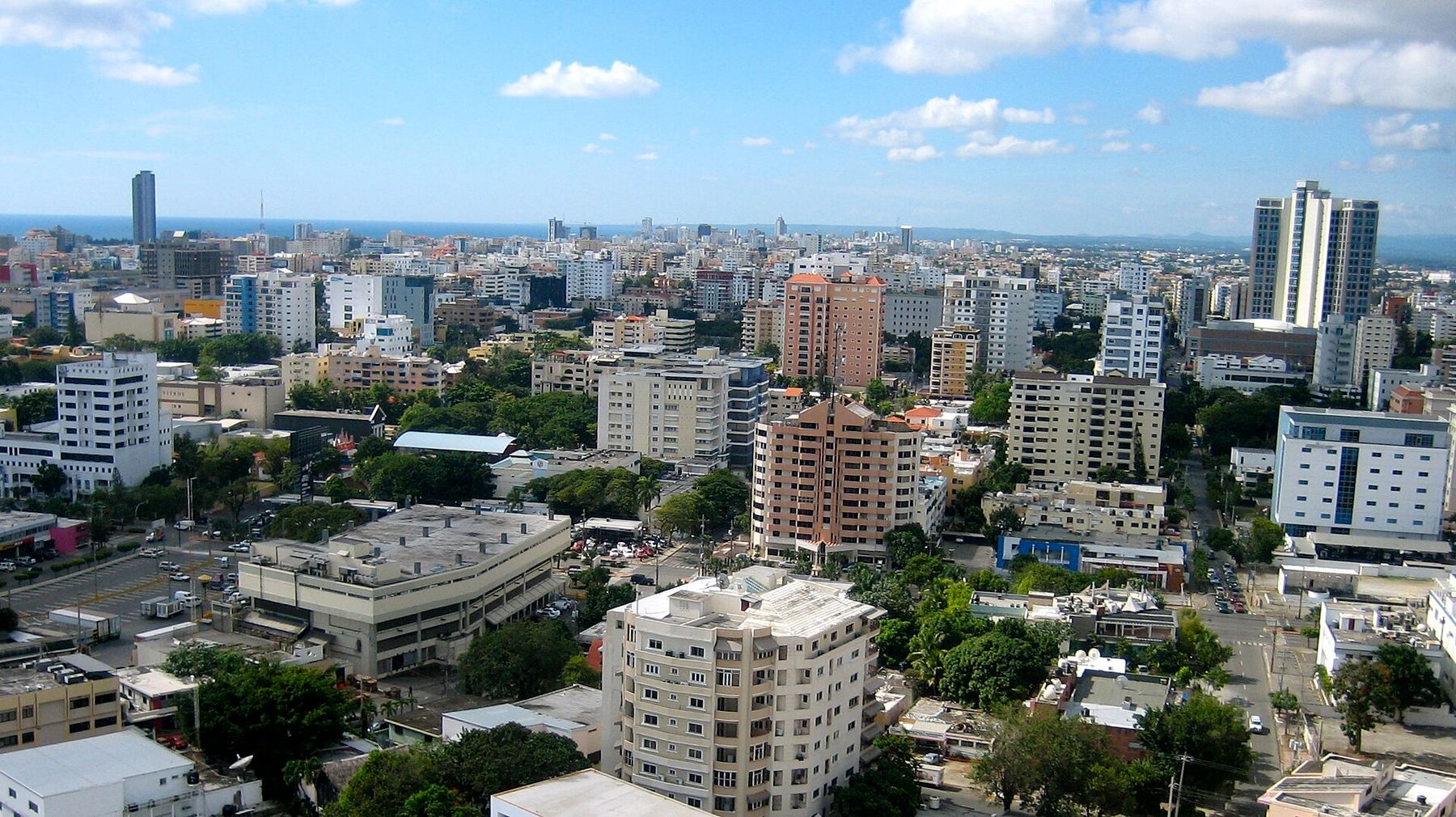
Santo Domingo is a dense urban capital of three million people, where 16th-century coral limestone architecture shares space with high-rise financial districts. Navigating the city requires splitting your time between the compact colonial grid and the wide, traffic-choked avenues of the modern west side. Heat dictates the daily cadence, pushing activity into early mornings and late air-conditioned nights. Expect heavy traffic, loud street life, and sharp economic contrasts across adjacent blocks.
Airport transfer default
Las Américas International Airport sits 30 kilometres east. Official airport taxis charge a fixed rate around DOP 2,000–2,500 to the centre.
UNESCO status
The Zona Colonial became a UNESCO World Heritage site in 1990 as the oldest continuous European settlement in the Americas.
Sunday traffic and streets
Calle El Conde goes pedestrian-only daily, but major avenues close to cars on Sunday mornings for cyclists and runners.
Santo Domingo
Mariordo (Mario Roberto Durán Ortiz) · CC BY-SA 4.0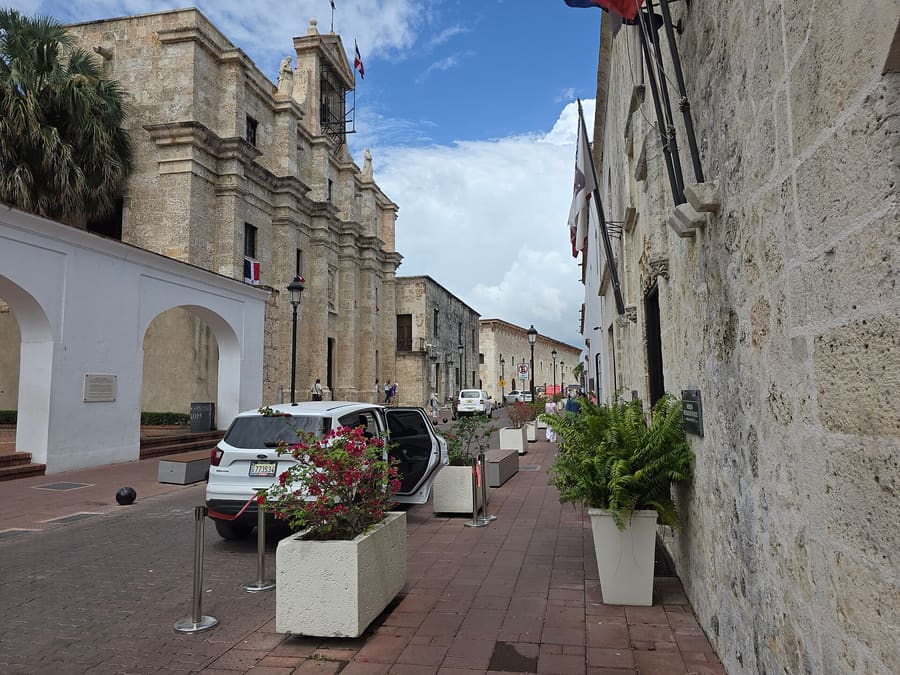
Zona Colonial — Cobblestone streets, colonial courtyard cafes, and heavy foot traffic.
Desox7x · CC0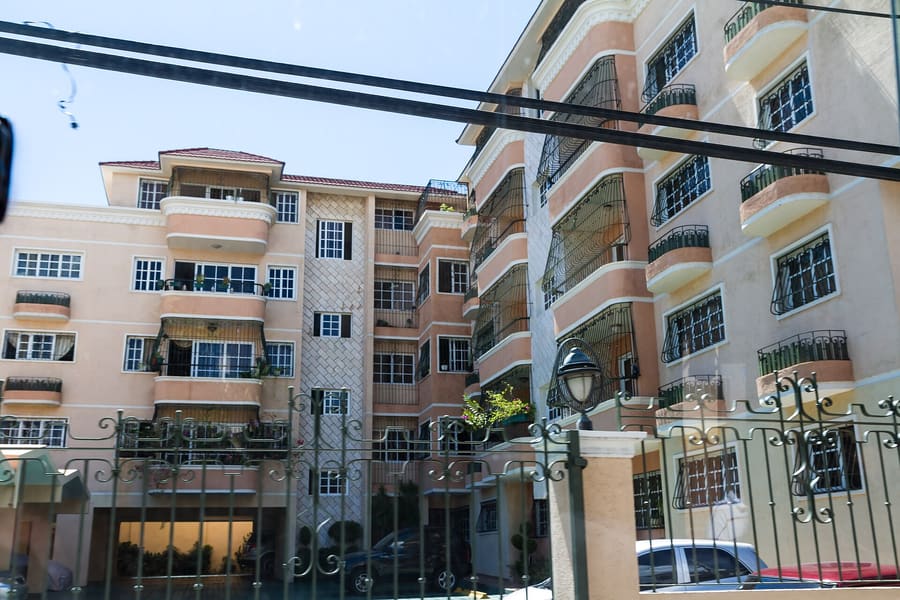
Gazcue — Tree-lined streets with mid-century houses, government offices, and quiet inns.
Максим Улитин · CC BY 3.0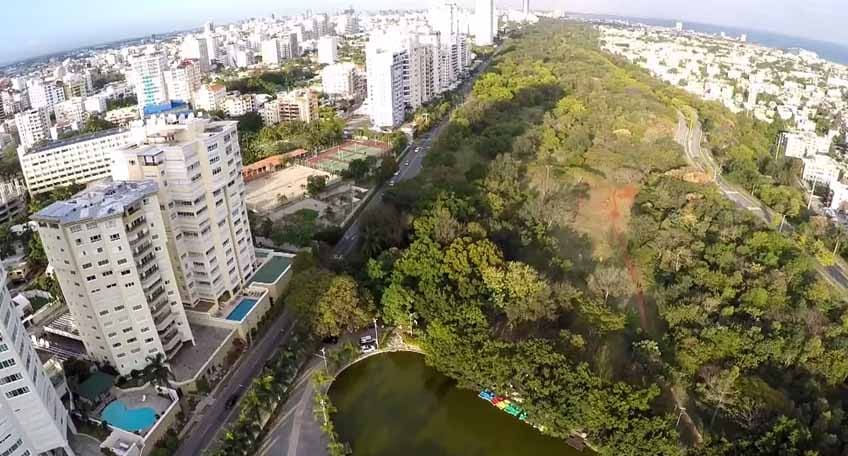
Bella Vista — Suburban residential layout with local eateries and proximity to coastal parks.
Pisandomitierra · CC BY-SA 4.0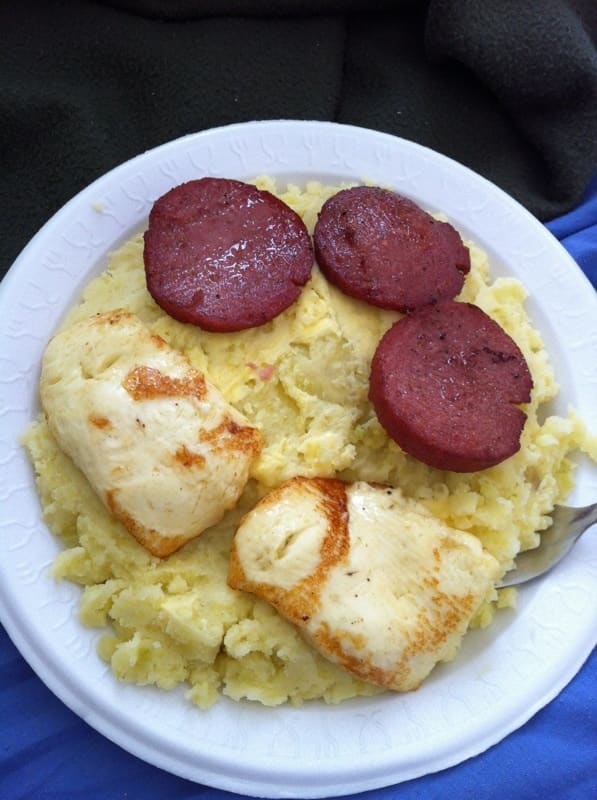
Mangú topped with pickled red onions, served as a daily breakfast fixture.
User:Dominicanoventura · CC BY-SA 3.0highlights
landmark
Diego Columbus built this coral limestone palace between 1510 and 1514. Visit early at opening to beat group tours.
Demander à Parley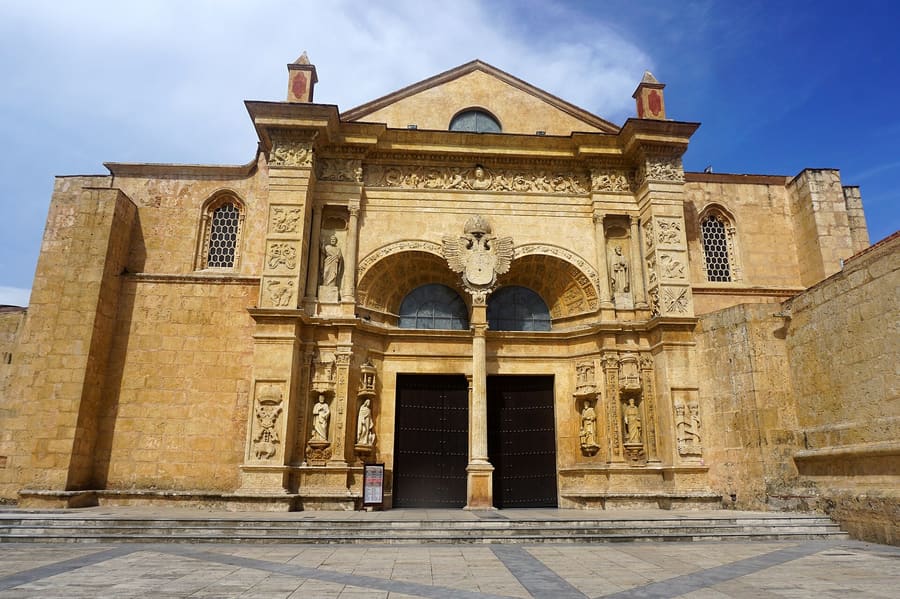
landmark
Consecrated in 1541, this is the first cathedral built in the Americas. Strict dress codes require covered shoulders and knees.
Demander à Parley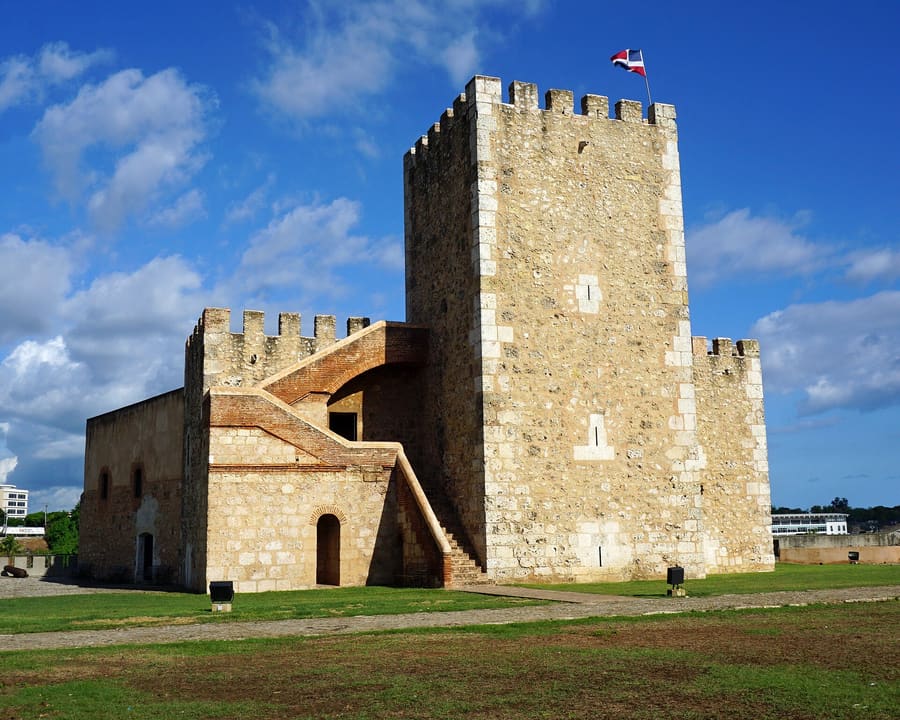
landmark
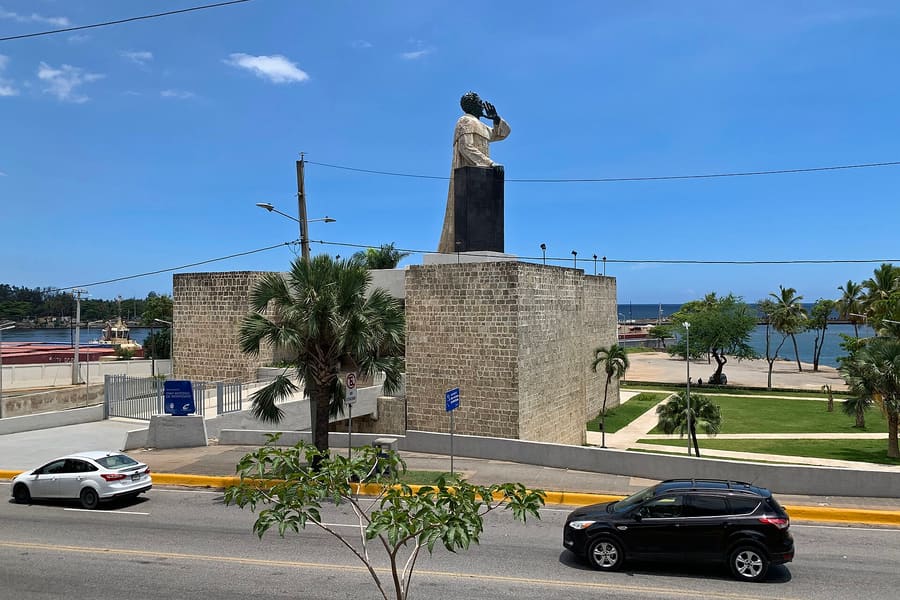
Constructed in 1502, the fortress stands at the mouth of the Ozama River. Climb the Torre del Homenaje for clear river views.
Demander à Parley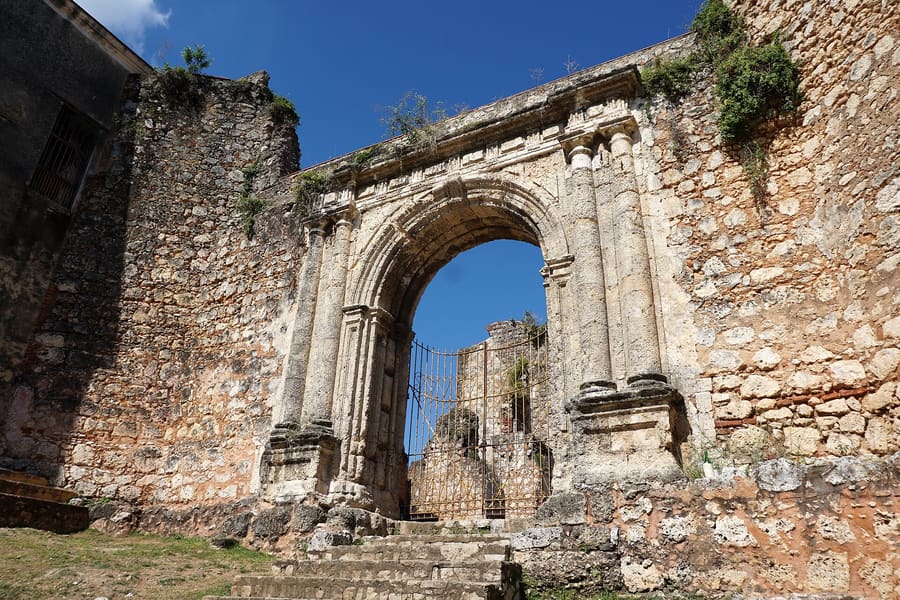
landmark
The first monastery in the New World now stands as stone ruins. Sunday evenings host live outdoor merengue bands.
Demander à Parley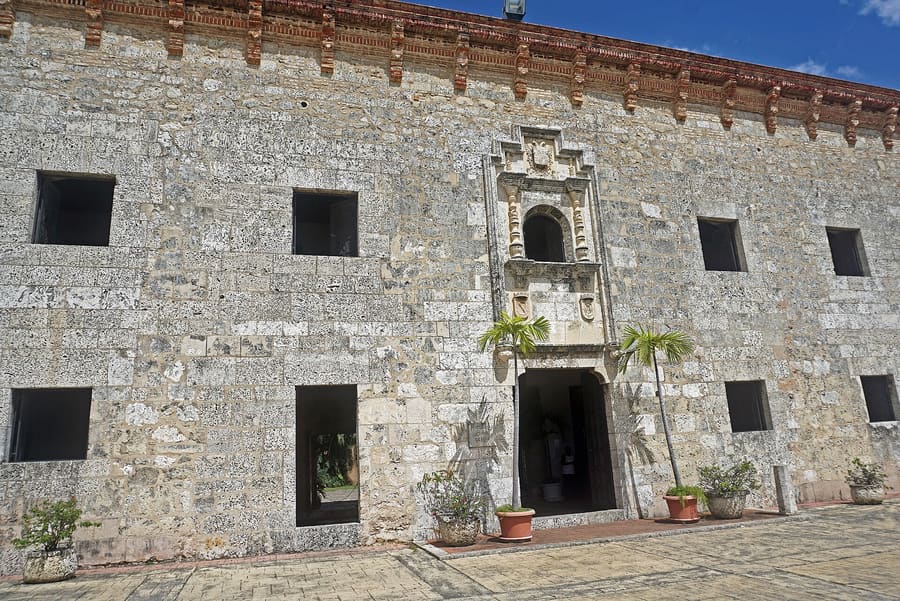
landmark
The former Spanish royal court displays colonial administration artifacts and shipwrecks. Buy the audio guide for context.
Demander à Parleyattractions
areas
Cobblestone streets, colonial courtyard cafes, and heavy foot traffic.
À proximitéOzama River and Malecón.
Demander à ParleyTree-lined streets with mid-century houses, government offices, and quiet inns.
À proximitéPlaza de la Cultura and the oceanfront promenade.
Demander à ParleySuburban residential layout with local eateries and proximity to coastal parks.
À proximitéParque Mirador Sur.
Demander à ParleyModern residential towers, upscale shopping malls, and quiet dining spots.
À proximitéBlueMall and Avenida Winston Churchill.
Demander à Parleyfood
Dominican cuisine in Santo Domingo centres on root crops, stewed meats, and white rice. The midday meal is the principal culinary event of the day. Restaurants in the financial district serve set lunches known as la bandera, while evening dining in Piantini shifts toward modern Caribbean fusion.
Mangú topped with pickled red onions, served as a daily breakfast fixture.
User:Dominicanoventura · CC BY-SA 3.0Order the traditional lunch plate of rice, red beans, and stewed beef or chicken at local comedores between 12:00 and 14:00.
Eat mashed green plantains topped with red onions, fried cheese, and salami for breakfast at traditional cafes on Calle El Conde.
Order a ceniza (ice-cold) green bottle of Presidente beer, typically served in large 22-ounce bottles meant for sharing.
history
Founded in 1496 by Bartholomew Columbus, Santo Domingo served as the administrative headquarters for Spanish conquest in the Caribbean. The city endured pirate sackings, French cessions, and Haitian occupation before Dominican independence in 1844. Modern history was shaped by the 31-year dictatorship of Rafael Trujillo.
Drake's raid
English privateer Francis Drake occupies the city for a month, ransoming it after looting churches and municipal records.
Dominican independence
Revolutionaries declare independence from Haitian rule at the Puerta del Conde, establishing the sovereign republic.
Hurricane San Zenón
A devastating storm destroys much of the wooden city, leading Trujillo to rebuild using modern reinforced concrete.
where to stay
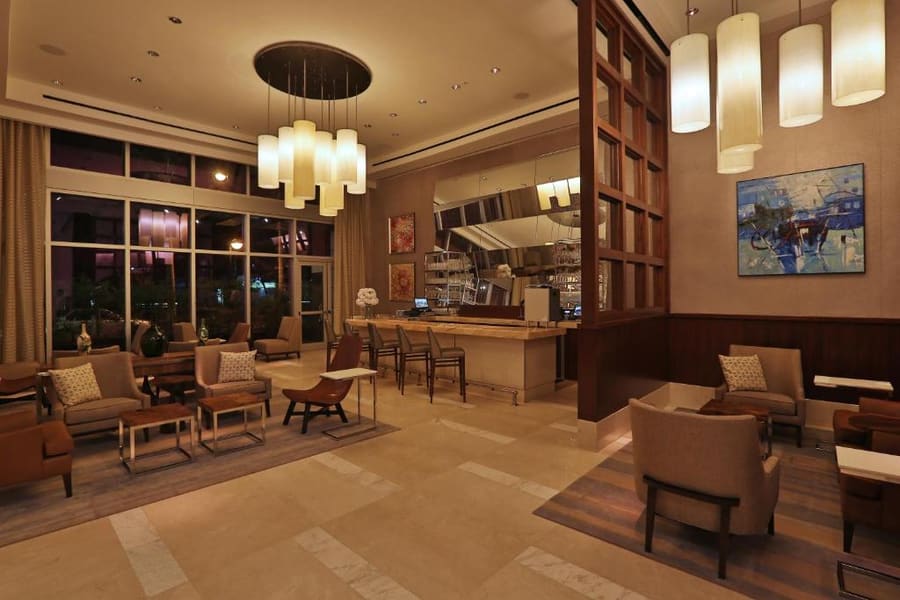
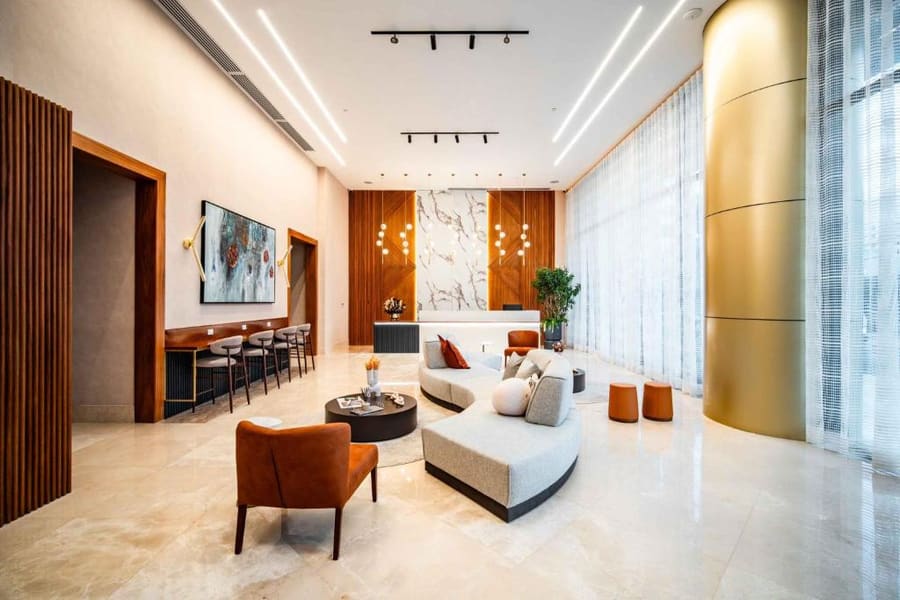
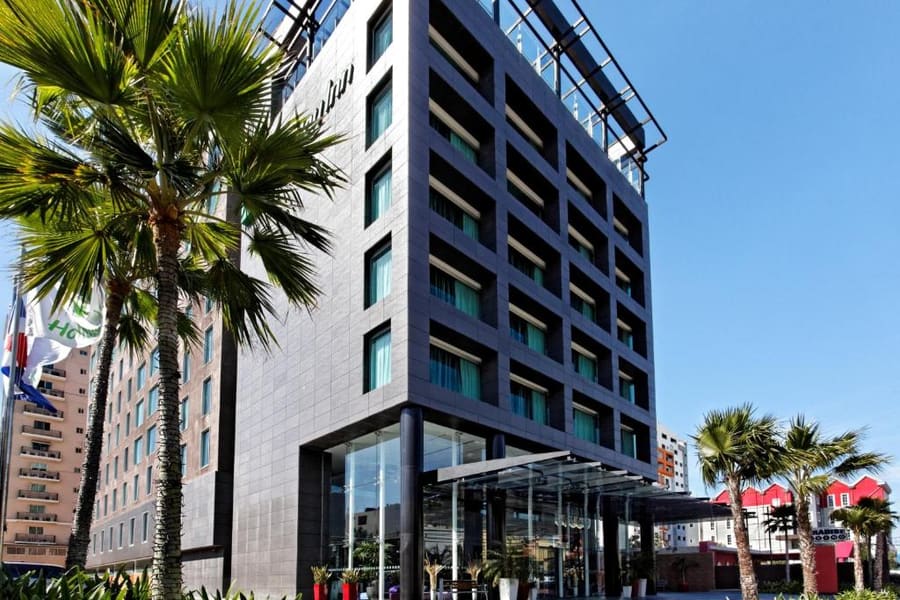
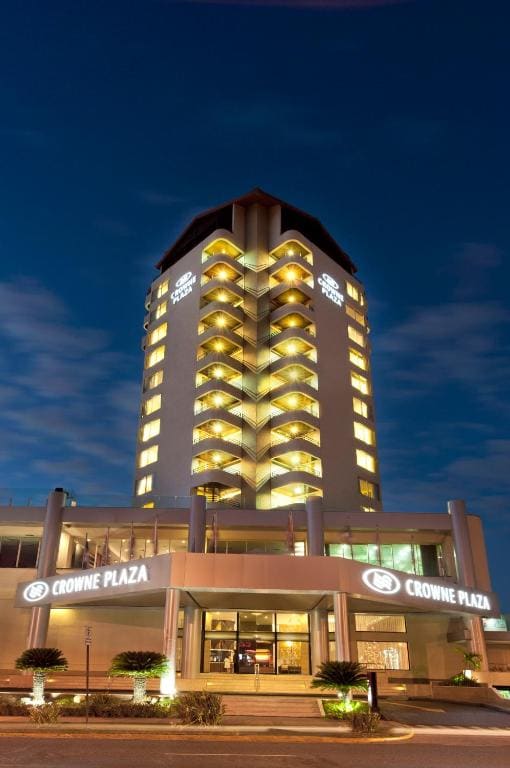
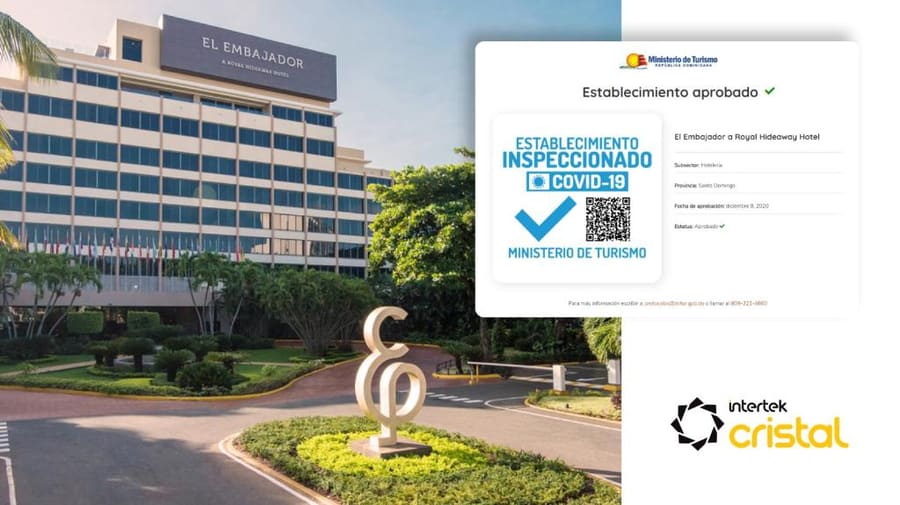
Choose your base based on whether you prefer walking to sightsee or staying in high-rise international comforts. Staying in the Zona Colonial places you within walking distance of sights and evening bars. Modern districts like Piantini require rideshare transit but offer quieter, international-standard hotels.
Live rates, matched to the areas above.
transport
Santo Domingo traffic is intense during peak morning and evening rush hours. The Santo Domingo Metro consists of two clean and efficient lines, but coverage is limited outside major corridors. Rideshare services are widely available and safer than flagging unmetered street taxis.
Depuis Las Américas International Airport (SDQ)
Fixed rates available at official airport taxi counters inside arrivals.
Pickup requires walking past the main taxi queue to the departure level.
Pre-arranged driver meets you holding a sign inside the terminal.
Avoid route taxis (conchos) unless you know exact street routes, as they crowd five passengers into compact sedans.
Expect heavy gridlock on Avenida Winston Churchill and Avenida 27 de Febrero between 17:00 and 19:30 daily.
cost
Santo Domingo operates on the Dominican Peso (DOP). High-end hotels, upscale restaurants, and major supermarkets accept international credit cards. Cash is necessary for street food stalls, metro tickets, and tipping.
Standard set lunch plate in local neighborhood comedores.
Price for a single espresso at a specialty cafe.
Flat rate per trip across the two-line subway system.
Three courses without drinks at a seated restaurant.
seasonality
DEC – APR
Dry season brings manageable humidity and comfortable evening breezes. Book hotels early for peak winter holiday weeks.
MAY – JUL
Temperatures rise and brief afternoon rain showers become frequent. Hotel rates drop across the central districts.
AUG – OCT
Peak hurricane season produces high heat and tropical downpours. Flexible travel arrangements are advised.
NOV – NOV
Rainfall subsides and temperatures cool slightly ahead of the winter surge. Good balance of prices and weather.
practicalities
Most government-run museums in the Zona Colonial close on Mondays.
Tropical sun is intense at mid-day; walk on the shaded side of historic streets.
Use ATMs inside bank branches or shopping malls rather than standalone street terminals.
Spanish is universal; basic greetings in Spanish go a long way outside major hotel front desks.
Tap water is not drinkable anywhere in the city; use bottled or filtered water for drinking and brushing teeth.