landmark
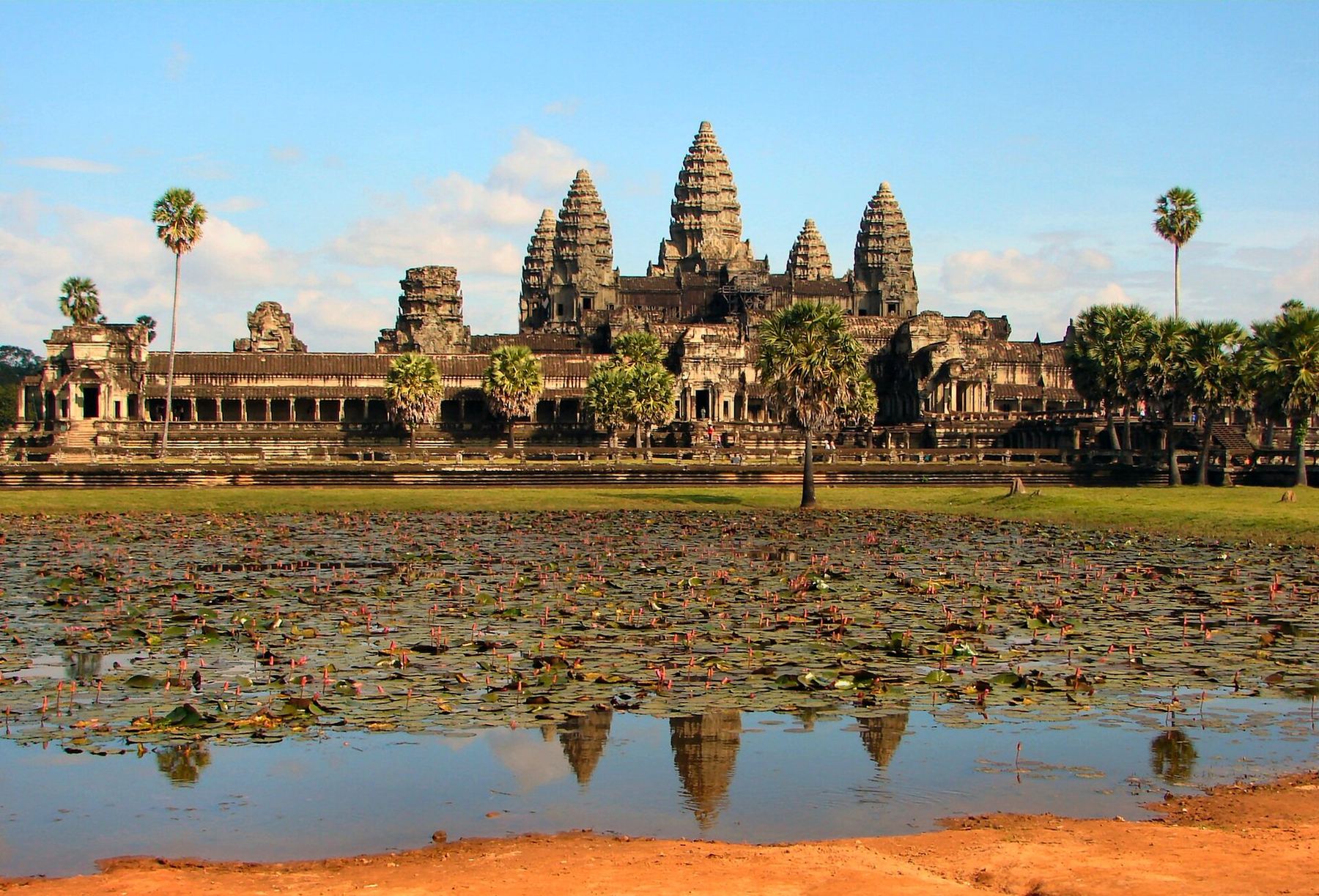
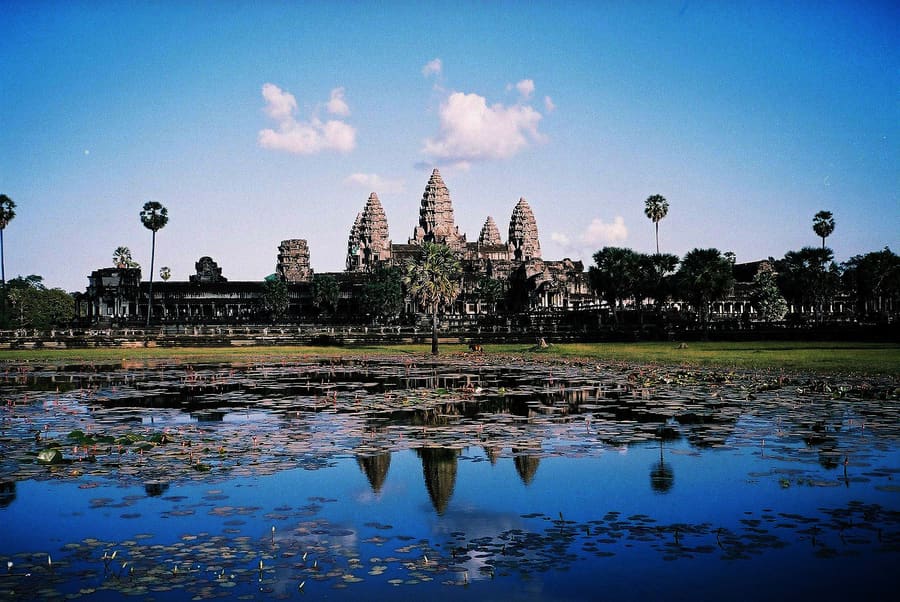
Angkor Wat
The world's largest religious structure. Arrive at 05:00 for sunrise, then enter the inner galleries while crowd lines stay short.
Demander à ParleyCambodge
The gateway to the Khmer Empire's stone monuments.
introduction
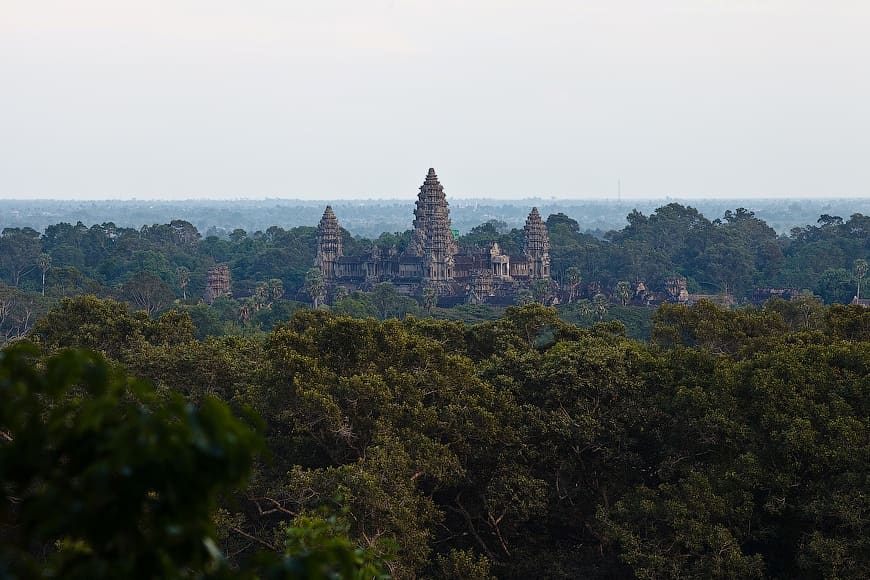
Siem Reap exists primarily to serve travellers visiting the Angkor temple complex. The city expands along the Siem Reap River, balancing quiet residential alleys with crowded nightlife enclaves. You navigate mostly by tuk-tuk along paved main corridors and unpaved side streets. Plan your days around early morning temple excursions to beat the midday heat.
Arrival from SAI Airport
Siem Reap Angkor International Airport sits 45 kilometres east of town. An official taxi costs $35, while shared airport shuttle buses cost $9 per passenger.
UNESCO Heritage Site
Angkor Archaeological Park protects over 400 square kilometres of temples, reservoirs, and ancient urban canals built between the 9th and 15th centuries.
Angkor Pass Strategy
Buy your multi-day Angkor Pass online through the official Angkor Enterprise portal. Passes bought after 17:00 grant access for the sunset on that same evening.
Siem Reap
Ranglen · CC BY-SA 3.0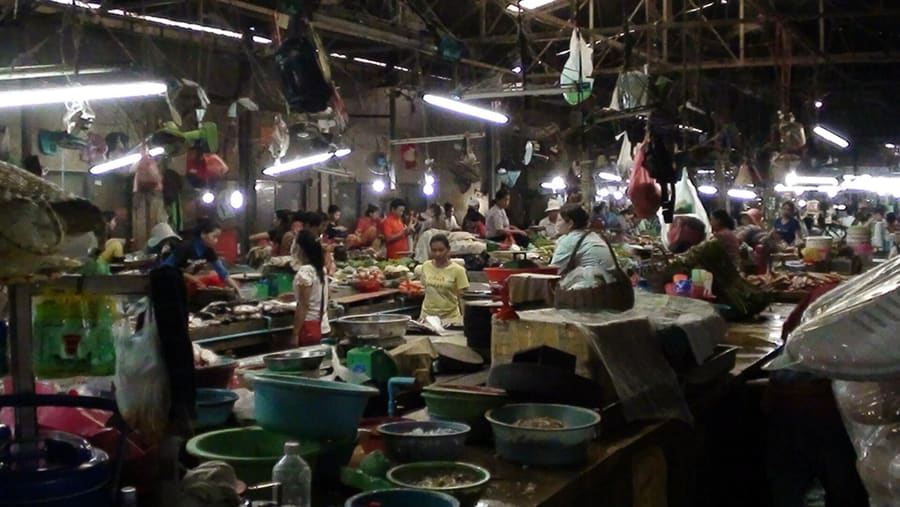
Pub Street & Psar Chaa — High-density pedestrian district with intense neon lighting, street food carts, and cheap draft beer joints.
Peazapata · CC BY-SA 4.0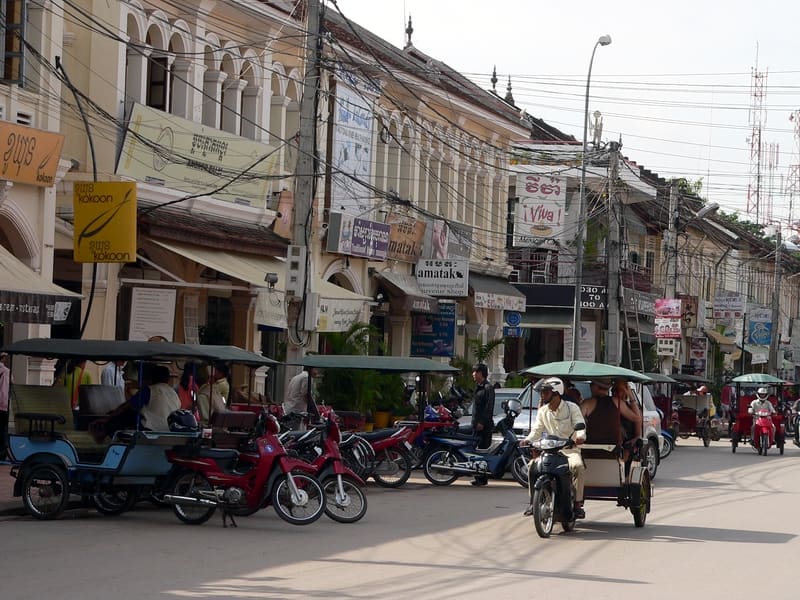
French Quarter — Wide tree-shaded avenues with colonial stone architecture, high-end bakeries, and grand historic hotels.
Henning Blatt · CC BY-SA 3.0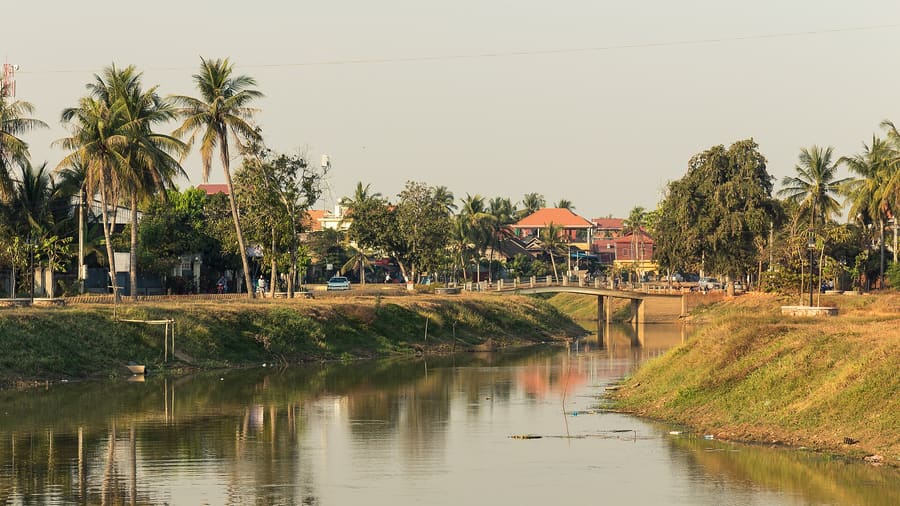
Riverfront North — Leafy stretch along Charles de Gaulle avenue leading north directly toward the main Angkor park checkpoint.
Dmitry A. Mottl · CC BY-SA 4.0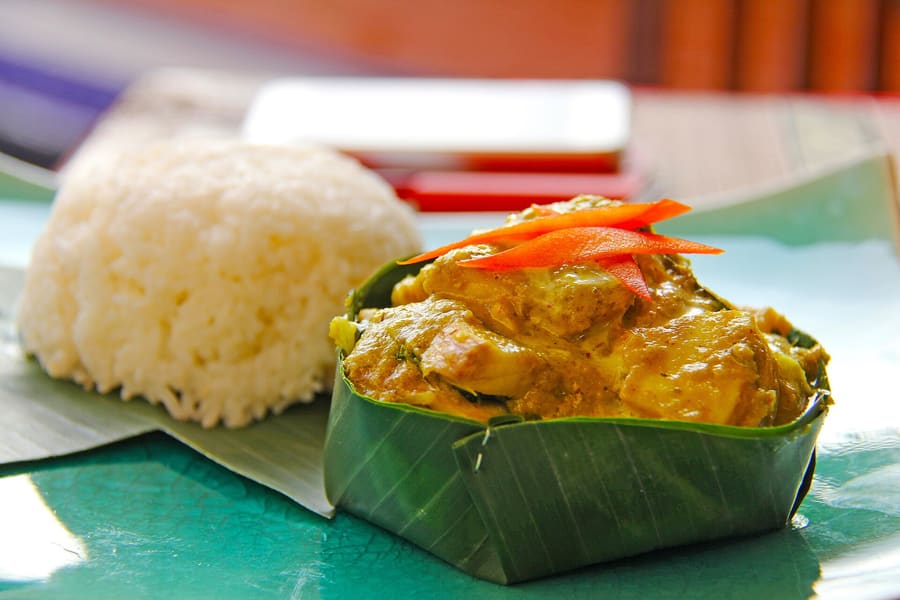
Fish amok, a coconut curry steamed in banana leaf, served at local restaurants.
sharonang · CC0highlights
landmark
The world's largest religious structure. Arrive at 05:00 for sunrise, then enter the inner galleries while crowd lines stay short.
Demander à Parley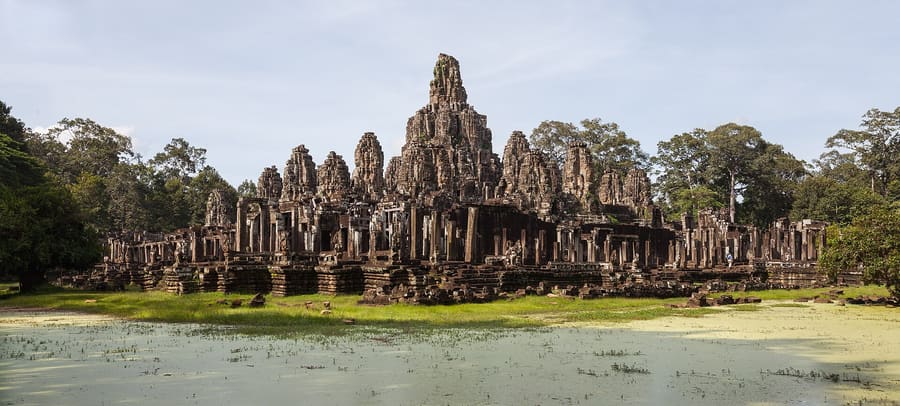
landmark
Famous for 216 giant smiling stone faces. Explore the lower relief walls first to understand ancient Khmer military battles.
Demander à Parley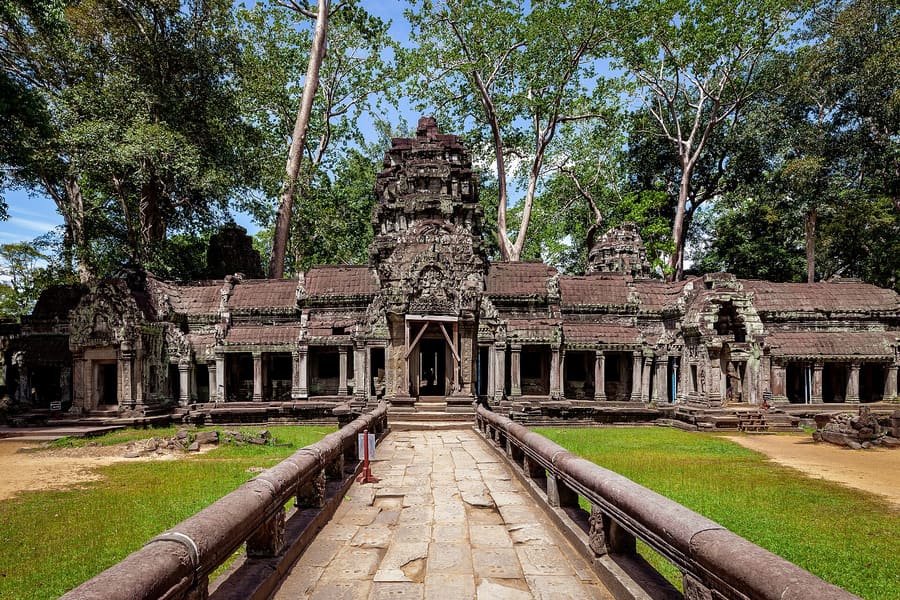
landmark
A monastery entwined with massive silk-cotton tree roots. Visit after 12:00 when tour buses head back to town for lunch.
Demander à Parley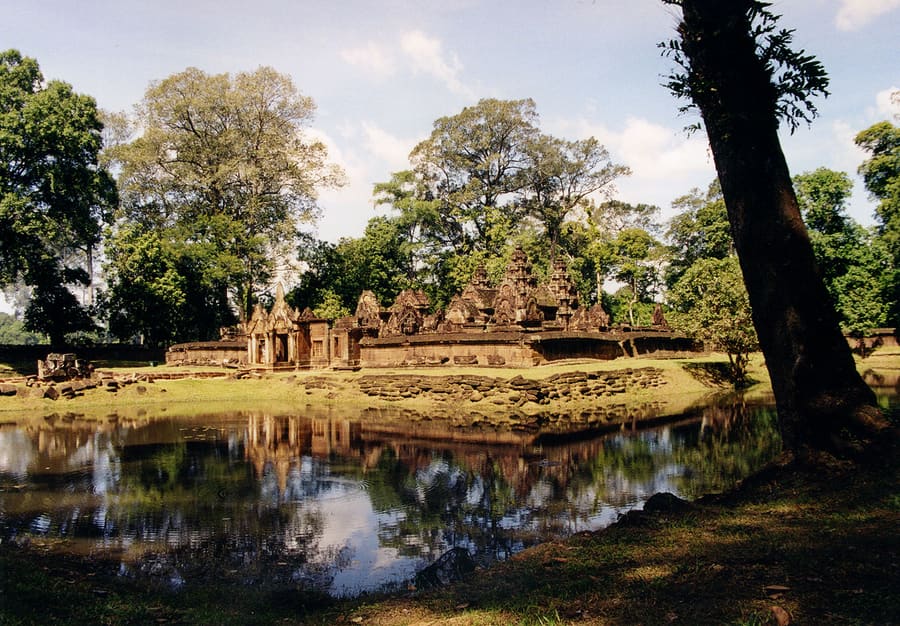
landmark
A 10th-century temple carved from red sandstone. Located 25 km north of the main park, requiring an extra 45-minute drive.
Demander à Parley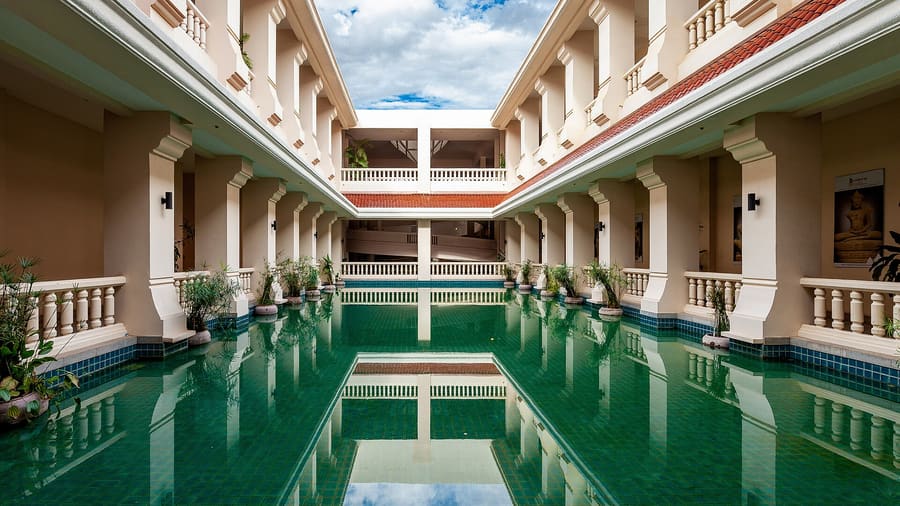
landmark
Air-conditioned galleries explaining Khmer history. Visit before temple tours to contextualize the carvings you will see later.
Demander à Parleyattractions
areas
High-density pedestrian district with intense neon lighting, street food carts, and cheap draft beer joints.
À proximitéOld Market, Night Markets
Demander à ParleyWide tree-shaded avenues with colonial stone architecture, high-end bakeries, and grand historic hotels.
À proximitéRoyal Gardens, FCC Angkor
Demander à ParleyLeafy stretch along Charles de Gaulle avenue leading north directly toward the main Angkor park checkpoint.
À proximitéAngkor National Museum, Park Hyatt
Demander à ParleyQuiet eastern riverbank district filled with specialty coffee shops, art galleries, and modern guesthouses.
À proximitéWat Bo Temple, Siem Reap River
Demander à Parleyfood
Khmer cuisine relies on a foundational herb paste called kroeung, made from pounded lemongrass, galangal, kaffir lime, and turmeric. Meals balance sour, salty, and bitter flavours rather than intense chili heat. Street stalls along Pokambor Avenue serve grilled meats and noodle soups, while traditional sit-down venues present steamed curries wrapped in banana leaves.
Fish amok, a coconut curry steamed in banana leaf, served at local restaurants.
sharonang · CC0A mild steamed curry made with freshwater snakehead fish, coconut cream, and kroeung paste, cooked inside a banana leaf cup.
Traditional breakfast soup of fermented rice noodles topped with a fish-based green curry sauce and fresh cucumber slices.
Stir-fried beef cubes served over fresh lettuce and tomato, accompanied by a dipping sauce of lime juice, salt, and black pepper.
history
Siem Reap translates literally to 'Defeat of Siam', referencing a regional conflict in the 16th century. The town evolved from a cluster of rural fishing villages along the river into a modern administrative town centuries after Angkor, which was the capital city itself, was abandoned. Rediscovered by French explorers in the 19th century, it transformed into a global travel hub over the following century.
Khmer Empire Founded
Jayavarman II declares himself king, initiating six centuries of monumental stone temple construction across the region.
Angkor Wat Built
Suryavarman II begins construction on Angkor Wat as a Hindu temple dedicated to Vishnu, taking over 30 years to complete.
French Restoration Begins
Siam cedes the province to French Indochina, leading to extensive architectural clearing and temple restoration efforts.
UNESCO World Heritage
Angkor is inscribed on the UNESCO list, driving rapid hotel development and infrastructure growth across Siem Reap city.
where to stay
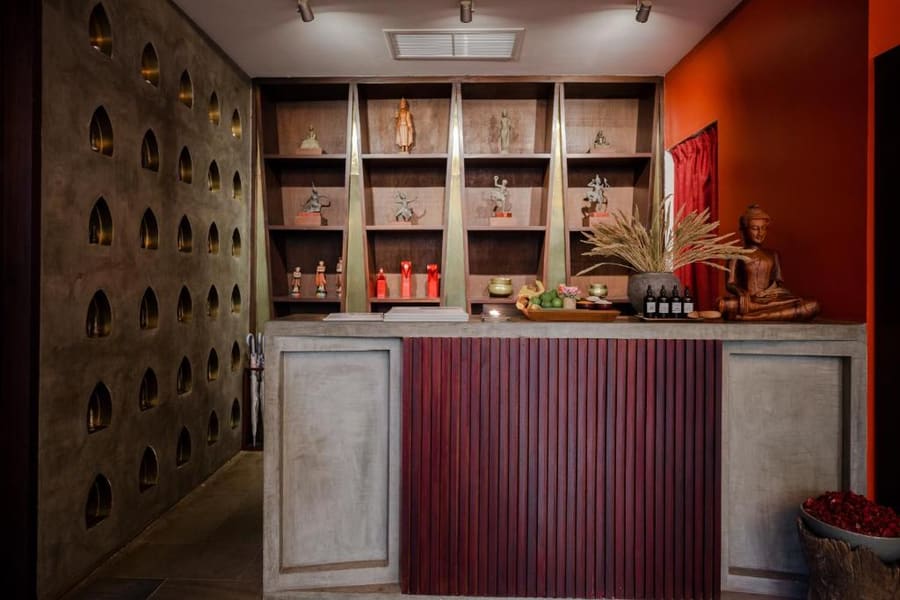
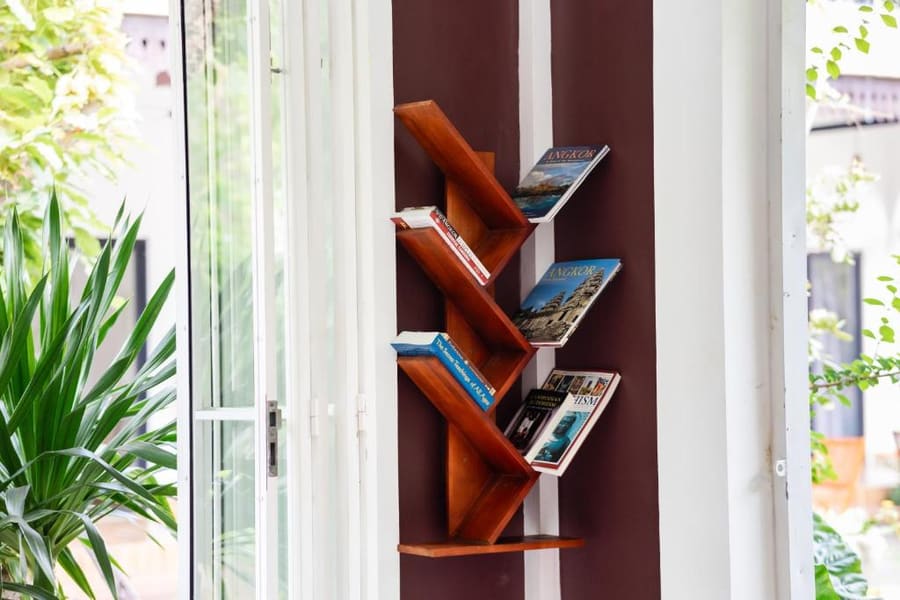
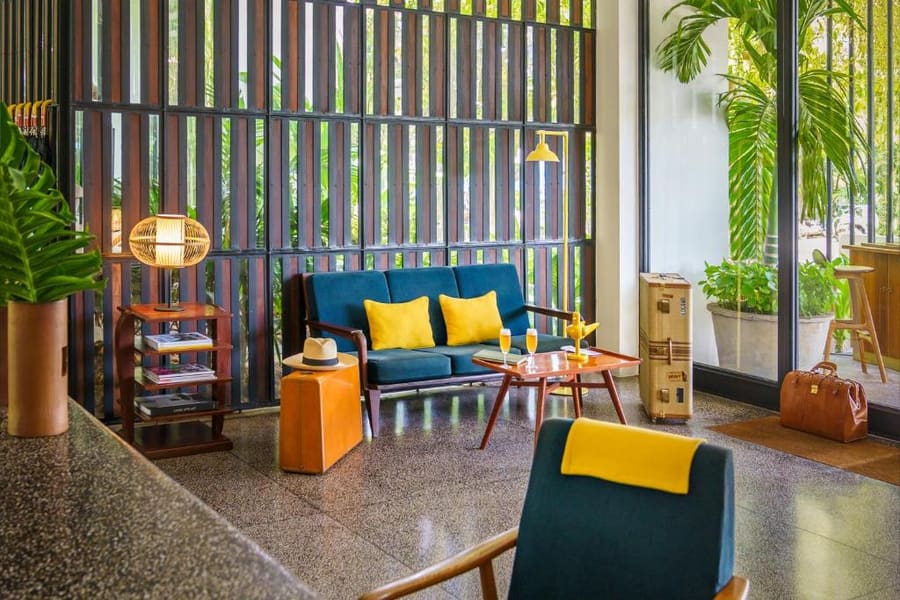
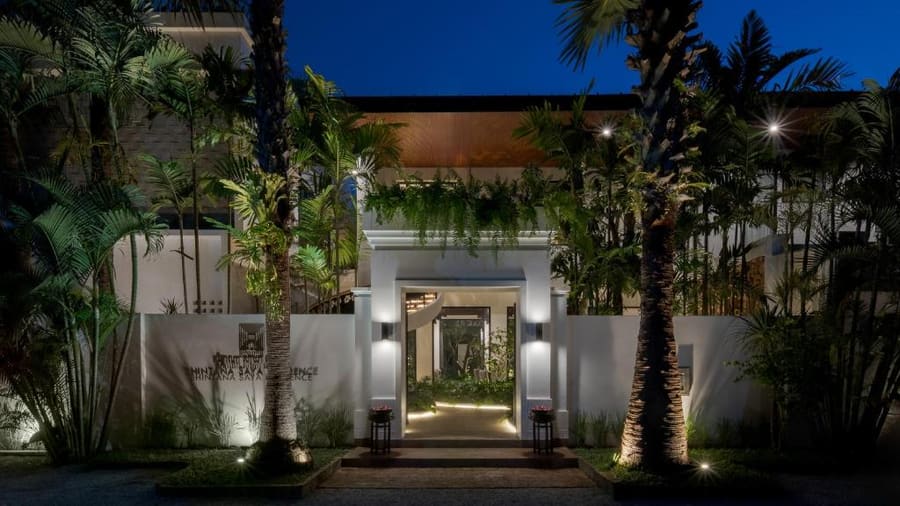
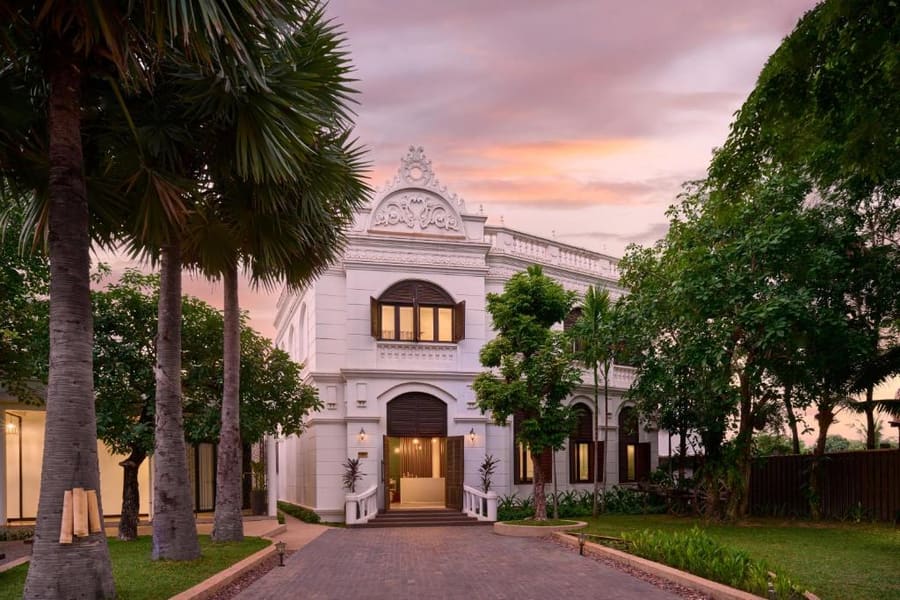
Choose your location based on how close you want to be to late-night noise versus quiet morning gardens. Wat Bo offers mid-range boutique hotels near independent dining. The French Quarter houses luxury heritage properties. Pub Street suits short-stay travellers prioritising nightlife over sleep.
Live rates, matched to the areas above.
transport
Siem Reap is flat and compact, but the heat makes long walks tiring during midday. Auto-rickshaws and tuk-tuks dominate city transit. Ride-hailing mobile apps offer transparent, fixed pricing that eliminates haggling on streets.
Depuis Siem Reap Angkor International Airport (SAI)
Fixed tariff ticket purchased at the official airport transfer counter outside arrival hall.
Shared airport express shuttle drops passengers near the CDF Duty Free store in city centre.
Pre-arranged driver meets you holding a name sign inside the arrivals terminal.
Book three-wheeled motor rickshaws through smartphone apps to guarantee upfront pricing without cash negotiations.
Hire an auto-tuk-tuk for a full day inside Angkor park for $20 to $25, including waiting time between temples.
US paper dollars are accepted everywhere alongside Cambodian Riel. Change smaller than $1 is returned in Riel.
Rent city bicycles for $3 to $5 per day to explore the riverfront and closer temples like Wat Athvea.
cost
Siem Reap operates on a dual-currency system using US Dollars and Cambodian Riel. ATMs dispense US banknotes, but torn or folded US bills are routinely rejected by vendors. Carry crisp cash for market stalls and small cafes.
Grants single-day entry to all main park temples. A 3-day pass costs $62.
Plate of stir-fried noodles or pork rice at local roadside venues.
Short trip between Wat Bo and Pub Street using ride-hailing apps.
Price varies by seat tier inside the big top arena.
seasonality
NOV – FEB
Cooler dry season with clear skies and lower humidity. This is peak tourist season so temple paths are busy.
MAR – MAY
Temperatures exceed 38°C regularly. Start temple tours at 05:30 and finish by 10:30 to avoid intense heat.
JUN – AUG
Monsoon rains bring green foliage and filled temple moats. Rain usually falls in short afternoon downpours.
SEP – OCT
Heavy rains flood rural roads. Low visitor numbers mean you can explore major temple corridors in relative quiet.
practicalities
Shoulders and knees must be covered to enter sacred sites. Scarves wrapped over bare shoulders are often rejected at gate checks.
Inspect every US dollar bill you receive as change. Merchants reject notes with small tears, stamps, or heavy creases.
Do not touch Buddhist monks or pass items directly to them if you are female. Ask permission before taking photograph close-ups.
Wear sturdy closed-toe shoes with good grip. Temple stone steps are steep, uneven, and slippery when wet.
Carry a refillable water bottle during temple circuits. Humidity leads to fast dehydration during mid-morning climbs.