landmark
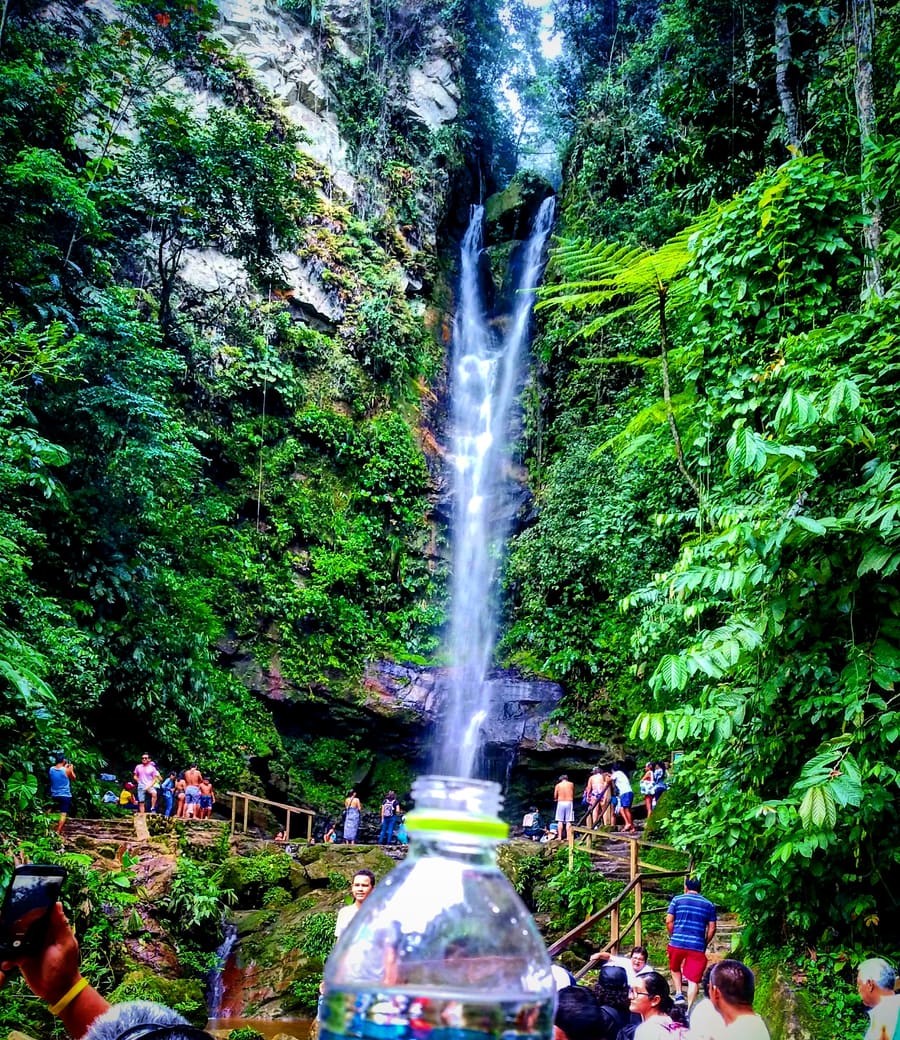
Catarata de Ahuashiyacu
A 40-metre waterfall 14 kilometres from town. Arrive before 08:30 to swim before tour buses clutter the narrow canyon pool.
Demander à ParleyPérou
High-jungle palm city on the Peruvian Amazon fringe
introduction
Tarapoto is Peru's high-jungle transit hub, sitting where the Andes slope into the Amazon basin. Mototaxis dominate the asphalt, generating a relentless hum from sunrise until late evening. Moisture and heat define daily pace, so activity concentrates before 10:00 and after 17:00.
Airport mototaxi trap
Walk 100 metres past the airport gate to catch a street mototaxi for 7 PEN instead of paying 20 PEN inside.
Cordillera Escalera Reserve
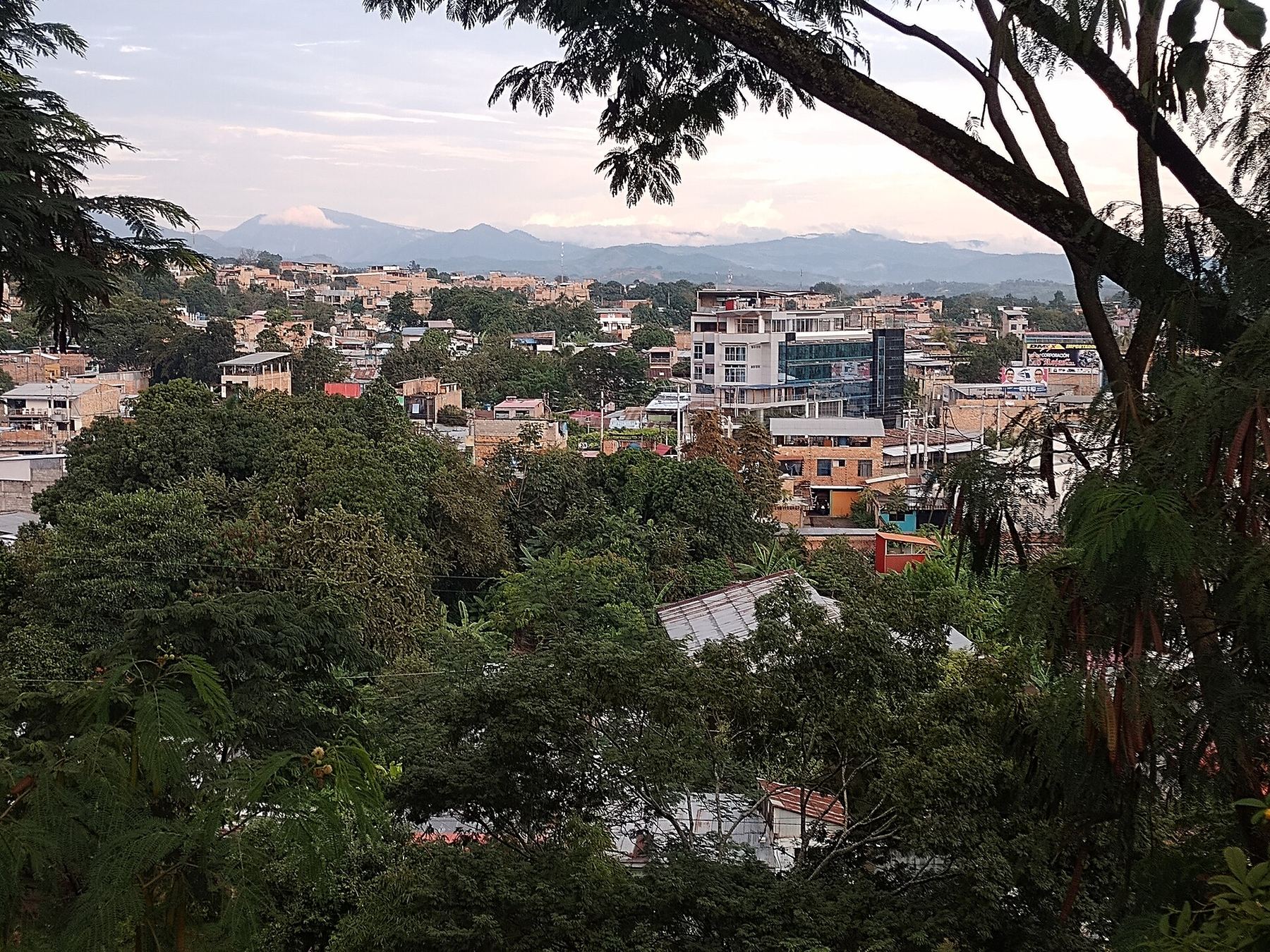
Tarapoto sits inside a high-jungle conservation zone protecting cloud forests and endemic poison dart frogs.
Huallaga ferry bottleneck
Reaching Laguna Azul requires a motor barge across the Huallaga River. Rain delays the crossing by hours.
Tarapoto
calflier001, cropped by uploader Mr.choppers · CC BY-SA 2.0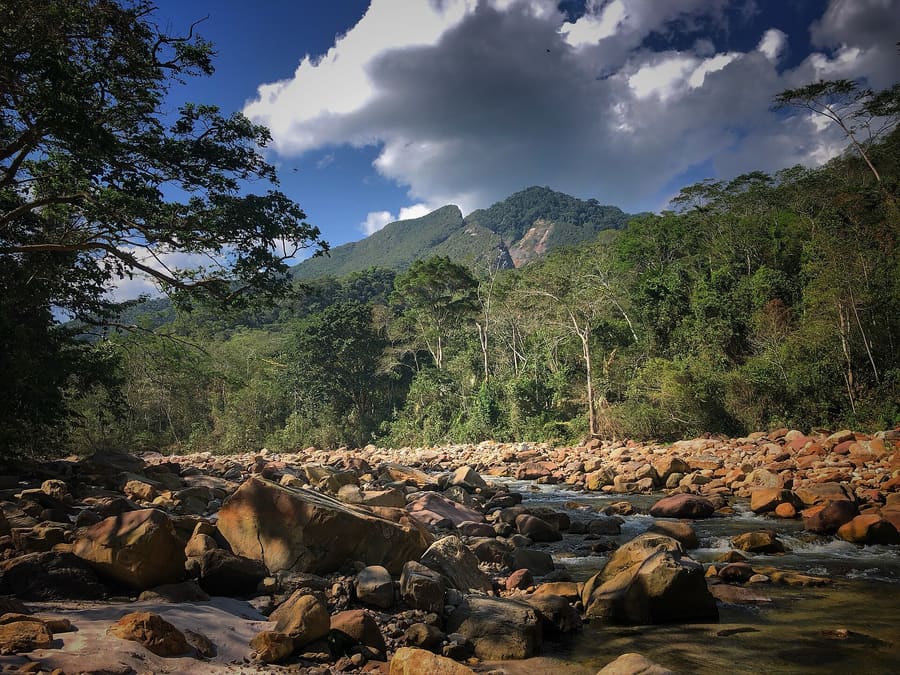
Morales — Riverfront suburb known for open-air nightlife, cevicherías, and resort-style pools.
Jimmy Ching · CC BY-SA 4.0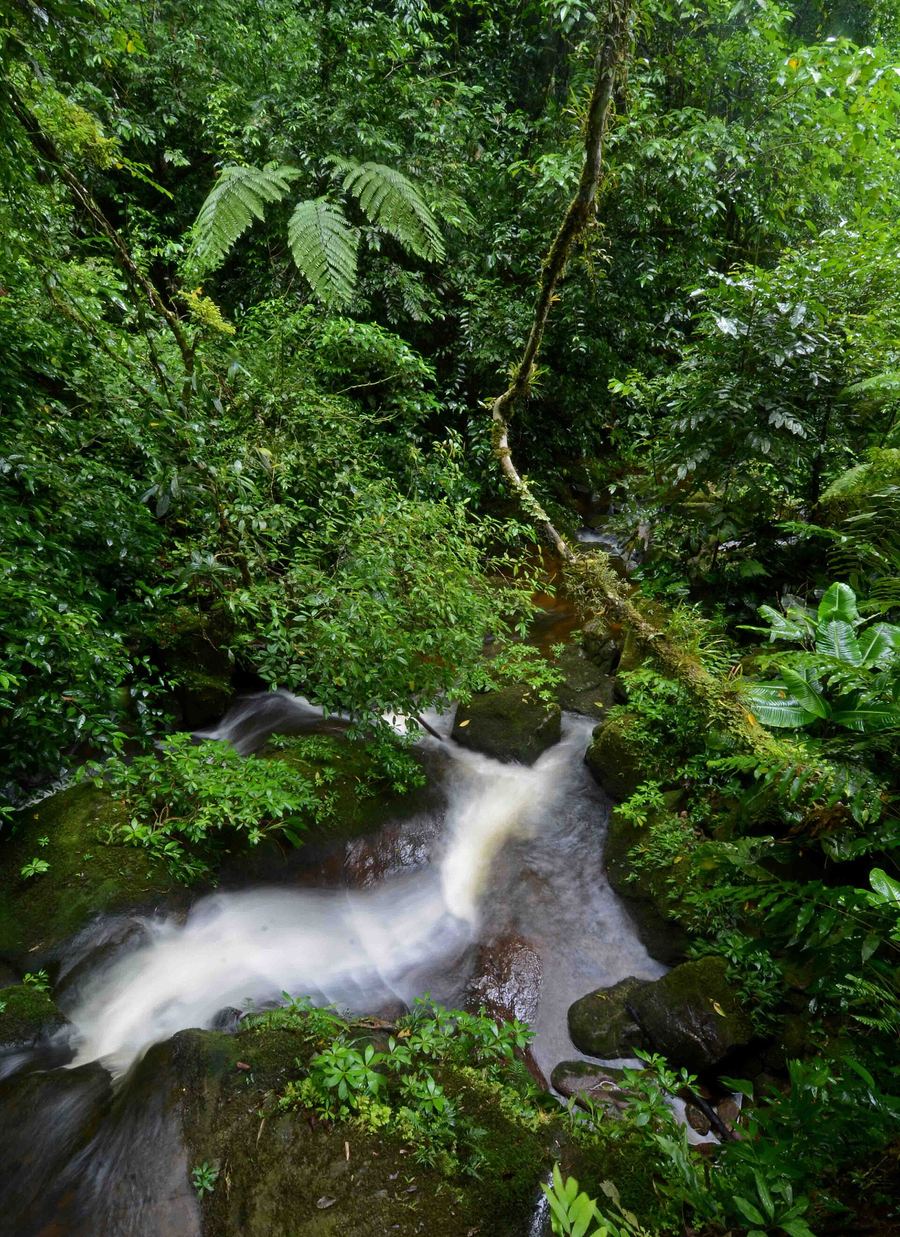
La Banda de Shilcayo — Leafy foothill district housing eco-lodges, forest trails, and cooler evening breezes.
Geoff Gallice from Gainesville, FL, USA · CC BY 2.0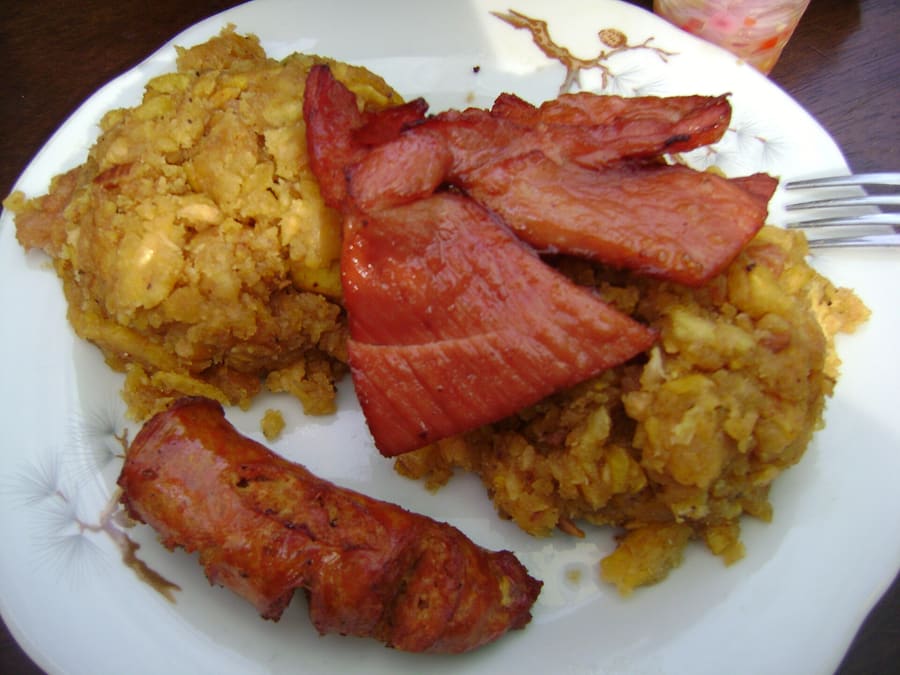
Tacacho con cecina served with pickled cocona pepper.
Dtarazona · Public domainhighlights
landmark
A 40-metre waterfall 14 kilometres from town. Arrive before 08:30 to swim before tour buses clutter the narrow canyon pool.
Demander à Parley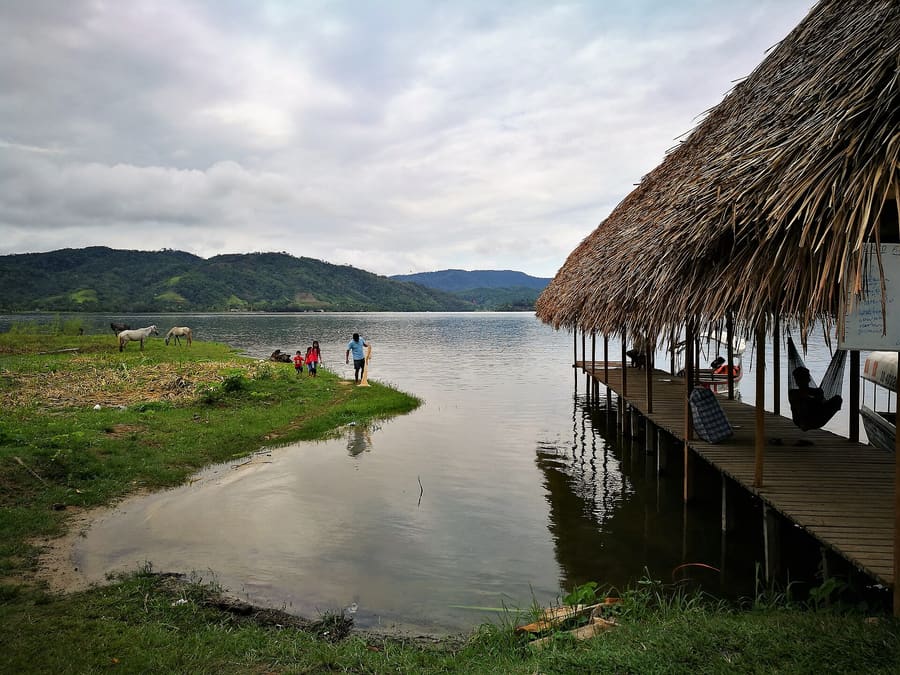
landmark
A crater lake in Sauce across the Huallaga River. Skip day trips and stay overnight to avoid four hours of rough road travel.
Demander à Parley
landmark
An indigenous Kechwa-Lamista settlement 22 kilometres up the valley. Visit early for hand-woven textiles before craft stalls close.
Demander à Parleyattractions
areas
Riverfront suburb known for open-air nightlife, cevicherías, and resort-style pools.
À proximitéCumbaza River and Morales main strip.
Demander à ParleyLeafy foothill district housing eco-lodges, forest trails, and cooler evening breezes.
À proximitéCordillera Escalera trails and Urku Center.
Demander à ParleyNoisy, commercial, and practical with banks, markets, and constant mototaxi traffic.
À proximitéMercado N° 2 and tour operators.
Demander à ParleyHistoric corner around the former lagoon, featuring craft cocktail bars and local art spaces.
À proximitéSuchiche Park and craft workshops.
Demander à Parleyfood
Tarapoto eats differently from coastal Peru. Fresh jungle river fish like paiche and dorado replace ocean catch, while smoked pork loin (cecina) and spiced pork sausage (chorizo) form the protein backbone. Carbohydrates come as mashed green plantain pressed with pork cracklings (tacacho) or rice boiled in bijao leaves (juane).Lunch is the main meal. Standard menu del día spots serve juane stuffed with chicken and hard-boiled egg alongside cocona chili sauce. By night, street vendors set up charcoal grills along Jirón San Martín, searing skewers of anticuchos and cecina over open flames.
Tacacho con cecina served with pickled cocona pepper.
Dtarazona · Public domainJuanes are prepared early in the morning and sell out by 13:00 at market stalls.
Cocona salsa is served on the side. The yellow ají charapita peppers pack fierce heat, so add them sparingly.
Order patarashca at local cevicherías for whole river fish wrapped in bijao leaves and grilled over charcoal.
history
Tarapoto was founded in 1782 by Spanish priest Baltazar Martínez de Compañón, unifying several indigenous Kechwa-Lamista settlements around the Suchiche lagoon. The town took its name from the tarapotus palms that grew densely along the water edge.For centuries, the region remained isolated by Andean topography. The rubber boom of the late 19th century brought river traders up the Huallaga, but major transformation arrived in the mid-20th century with the construction of the Marginal de la Selva highway, linking the high jungle directly to Lima.
Formal Foundation
Bishop Martínez de Compañón establishes the town of Santa Cruz de los Motilones de Tarapoto near Suchiche Lagoon.
Aviation Hub
Commercial air strips open, turning Tarapoto into the primary supply node for the San Martín region.
Highway Connection
The Fernando Belaúnde Terry highway connects Tarapoto across the Andes to the coast, sparking agricultural migration.
Conservation Era
Establishment of the Cordillera Escalera Regional Conservation Area shifts local economy toward eco-tourism.
where to stay
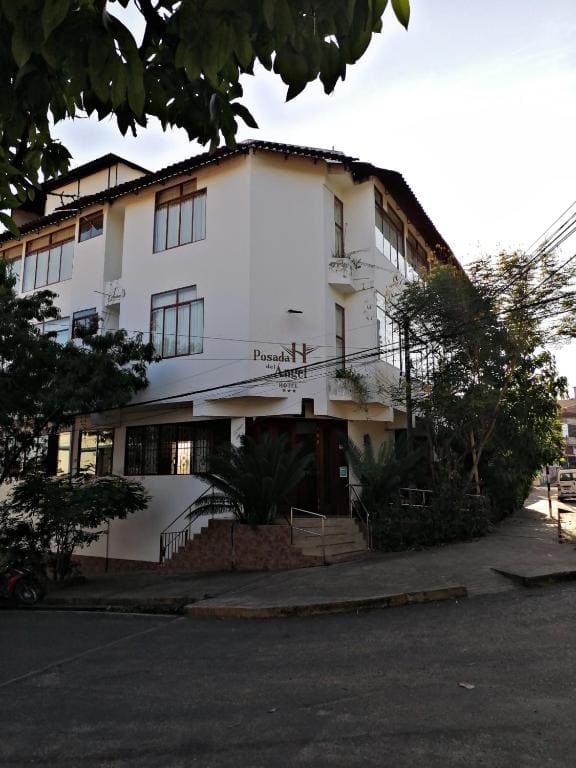
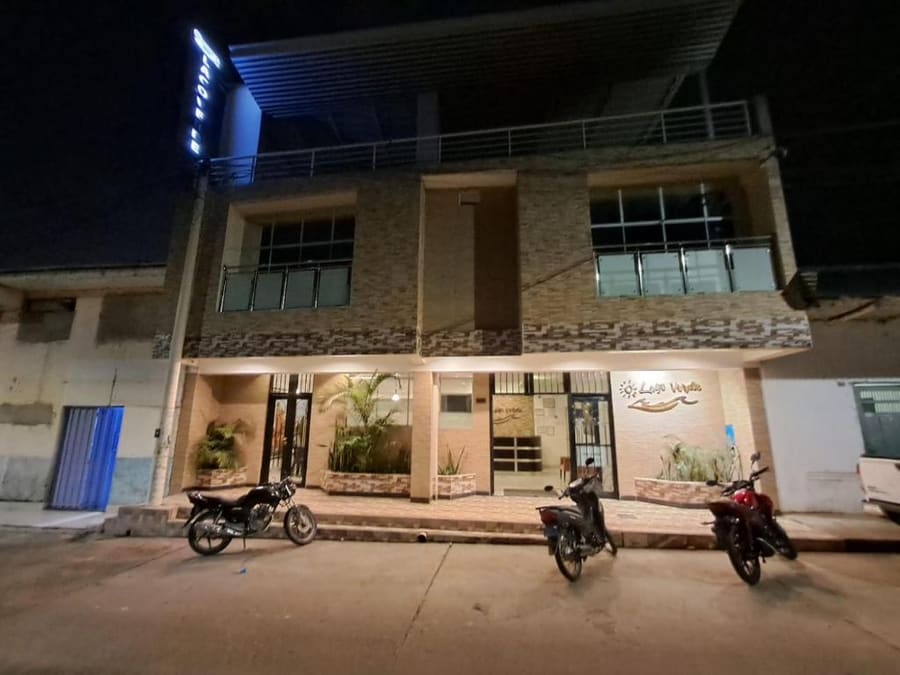
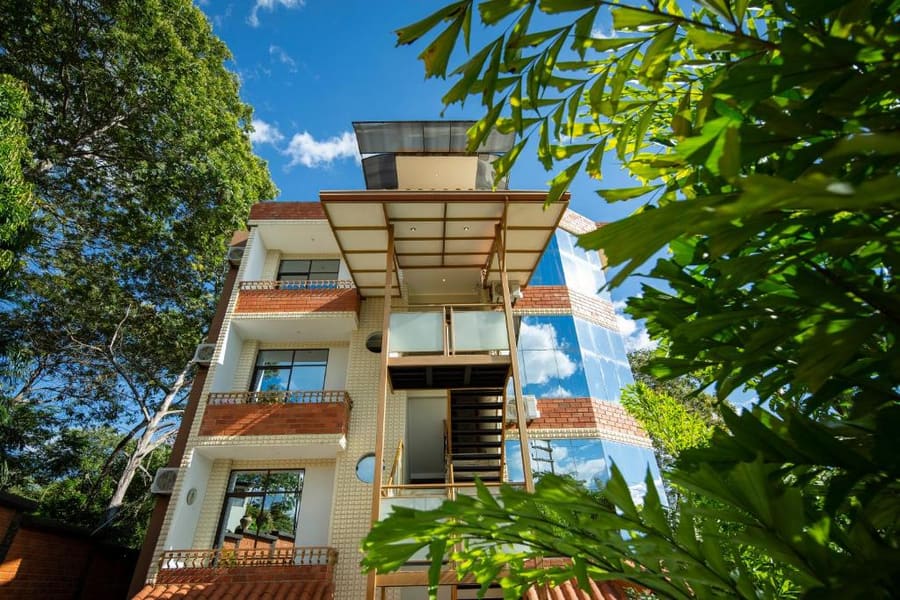
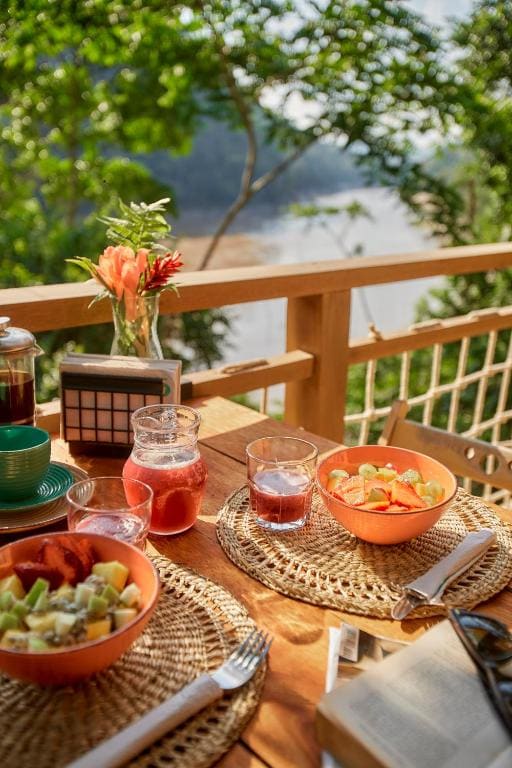
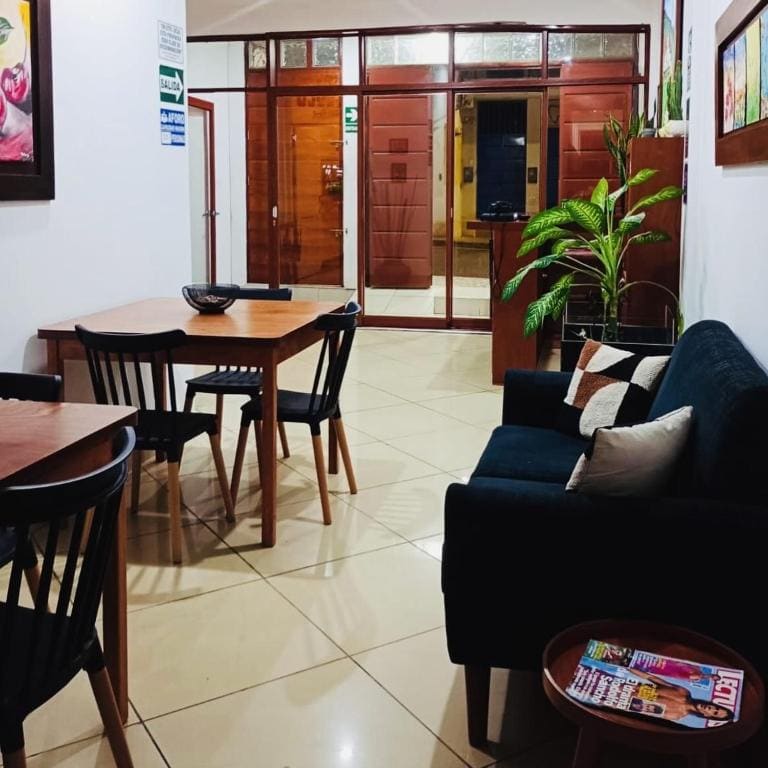
Choose your base by your tolerance for noise and heat. Central Tarapoto offers immediate access to markets and dining, but mototaxi engines run late into the night. Staying along the slopes of La Banda de Shilcayo trades walkable streets for jungle breezes and quiet nights.
Live rates, matched to the areas above.
transport
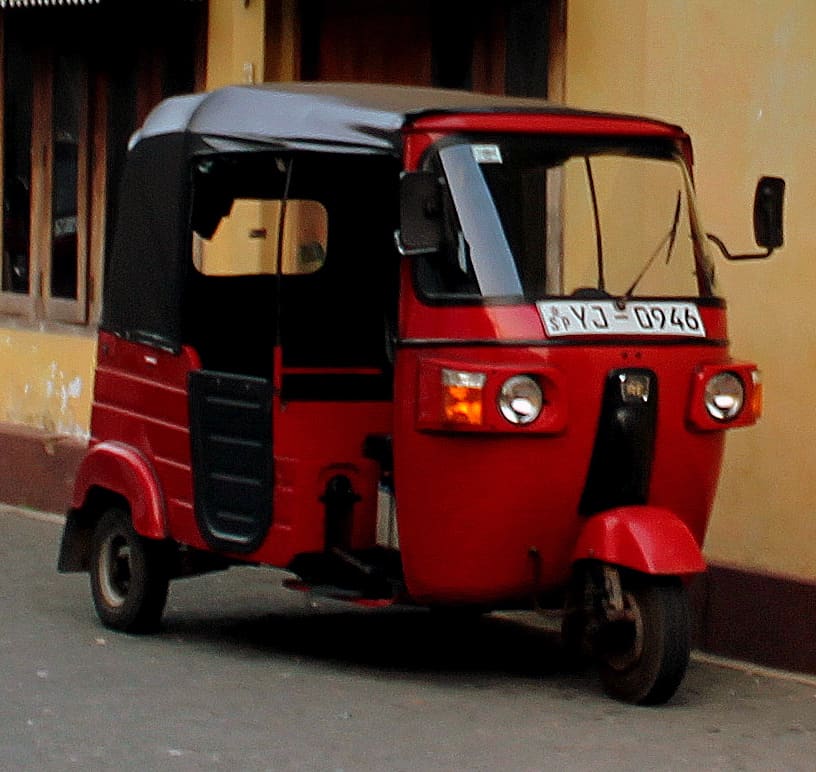
Tarapoto has no metro, train, or city bus system. Three-wheeled mototaxis handle nearly all urban transport. Fares are unmetered and negotiated before you step inside. For journeys outside town, shared cars (colectivos) run fixed routes from specific transport terminals.
Depuis Cadete FAP Guillermo del Castillo Paredes Airport (TPP)
Official airport cabs wait outside arrivals. Rate is fixed before departure.
Mototaxis inside airport gate charge higher rates than those flagged on the main street.
Booked through eco-lodges in La Banda de Shilcayo for direct door-to-door drop-off.
Short hops within Centro cost 4 to 5 PEN. Rides across town to Morales or Shilcayo cost 7 to 10 PEN.
Shared cars to Lamas leave from the Calle San Martín terminal once all four passenger seats sell.
Agree on the exact fare in Soles before boarding a mototaxi to avoid payment disputes at your destination.
Mototaxi drivers cannot break 50 or 100 PEN notes. Carry 2, 5, and 10 PEN coins and small bills.
cost
Tarapoto is significantly cheaper than Lima or Cusco. Food and inner-city transport require modest cash reserves, though card readers operate at mid-range hotels and established restaurants in Suchiche.
Two-course lunch including starter soup, main dish like juane, and a glass of chicha morada.
Standard fare covering point-to-point transit inside city limits.
Ticket price at the Cordillera Escalera park ranger station.
One-way seat price in a shared car from Tarapoto terminal.
seasonality
JUN – SEP
Dry season with lowest rainfall and clear jungle roads. Ideal for waterfall hikes and visiting Laguna Azul.
OCT – NOV
Transition months. Brief afternoon showers occur, but river levels rise enough for boat excursions.
DEC – MAR
Heavy rainy season. Dirt access roads to waterfalls become muddy and Huallaga ferry crossings encounter delays.
APR – MAY
Rains subside and rivers run high. Lush green forest conditions with lower tourist numbers.
practicalities
Apply repellent containing DEET before leaving the city center. Sandflies along riverbanks bite without sound.
Shops close between 13:00 and 16:30 when heat peaks. Schedule indoor rests or pool swims during these hours.
Withdraw cash at Banco de la Nación or BCP on Plaza de Armas. Machines in outer districts often run out.
Wear life jackets on Huallaga motor barges and Laguna Azul boats. Currents in jungle rivers run fast.
Tap water is unsafe to drink. Buy sealed bottled water or use purified refill stations at your hotel.