landmark
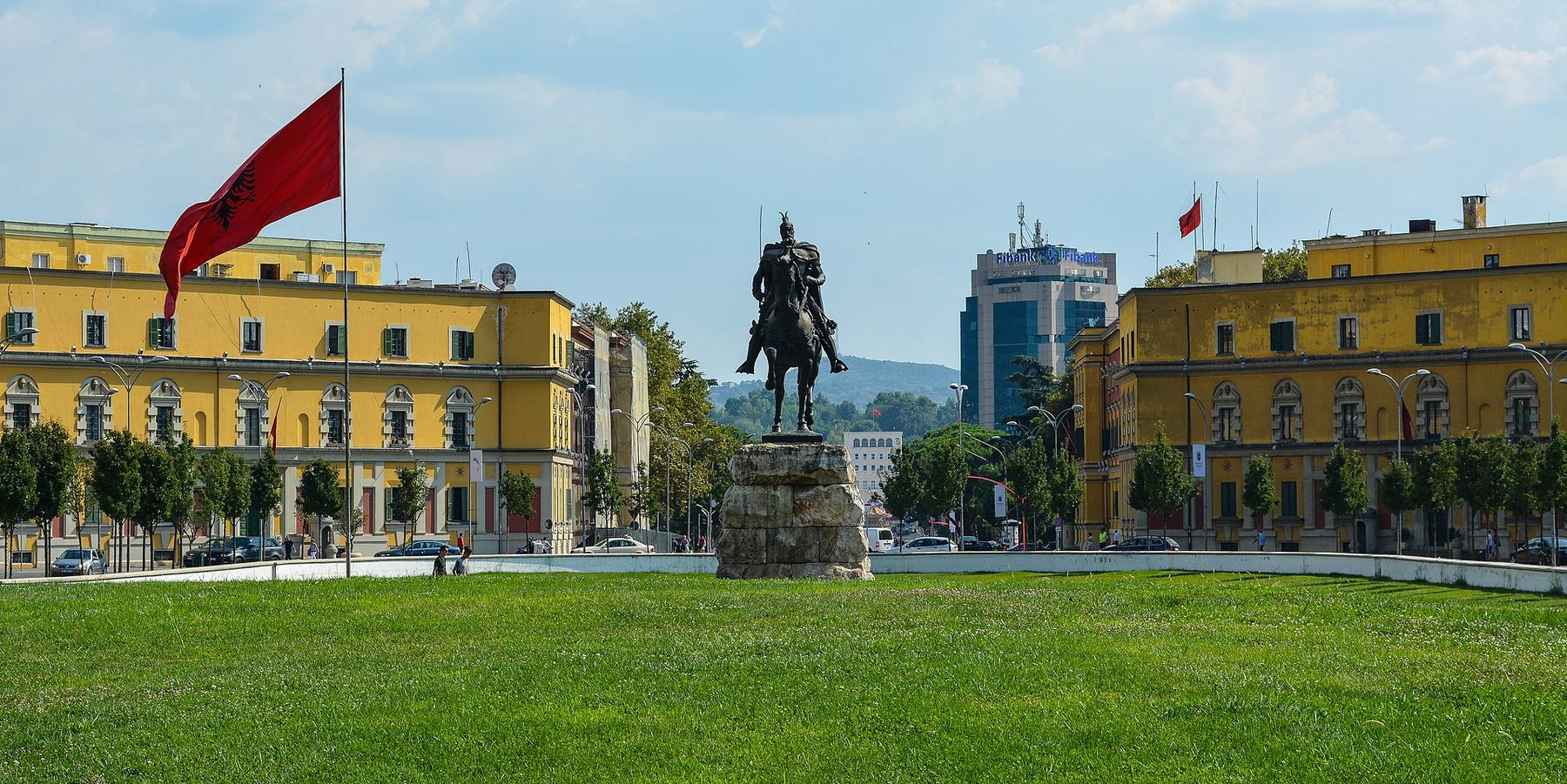
Skanderbeg Square
The paved central plaza spans 40,000 square meters, bordered by the National Opera and Et'hem Bey Mosque.
Demander à ParleyAlbanie
Concrete bunkers, Ottoman mosques, and relentless espresso.
introduction
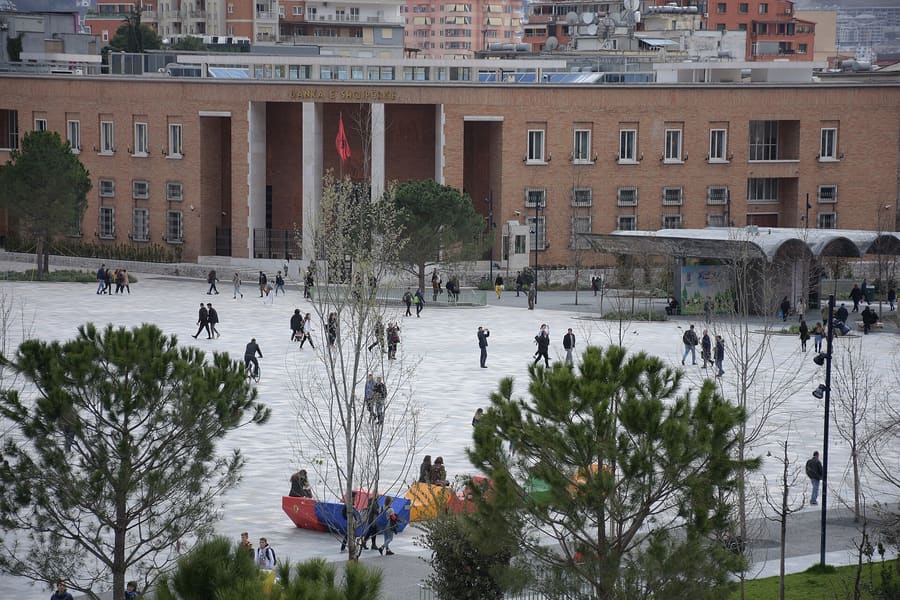
Tirana moves at the speed of conversation. Coffee shops line every street, functioning as informal offices and living rooms. Brutalist concrete sits right next to pastel facades, Ottoman minarets, and repurposed nuclear bunkers. You navigate the city easily on foot, provided you watch for uneven pavements.
Tirana Ring Bus loop
The Unaza bus circles the inner city along the ring road. Tickets cost 40 ALL and you pay the conductor on board.
Cash reliance in town
Small cafes and yellow taxis in Tirana rarely accept cards. ATMs from Credins and Raiffeisen offer straightforward local withdrawals.
Tirana
Kleidieski · CC0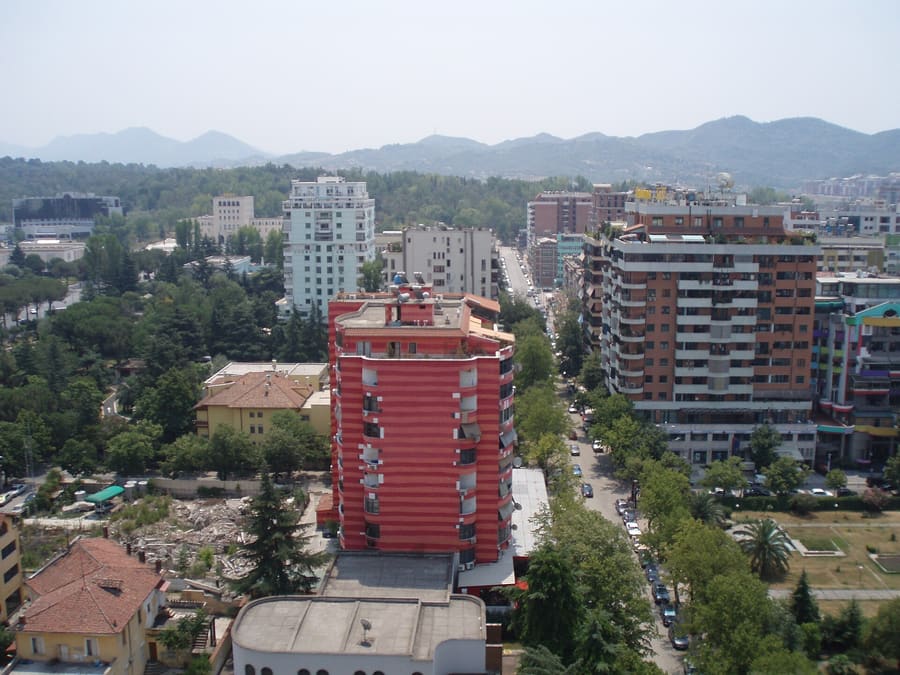
Blloku — Once sealed for communist elites, now packed with outdoor bars, boutiques, and evening foot traffic.
Brams · Public domain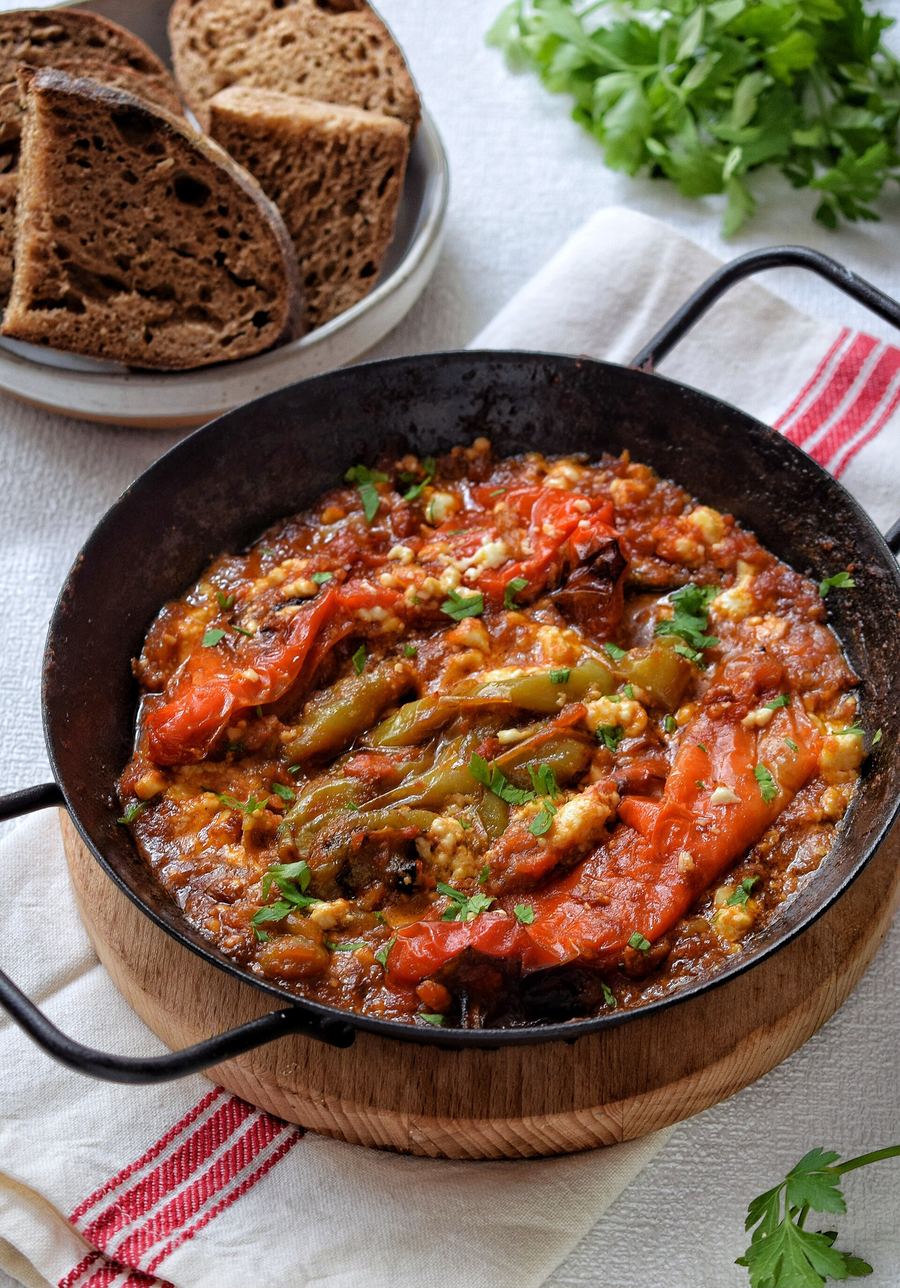
Fërgesë e Tiranës served directly in a hot clay dish with fresh crusty bread.
Rrezjaediellit · CC BY-SA 4.0highlights
landmark
The paved central plaza spans 40,000 square meters, bordered by the National Opera and Et'hem Bey Mosque.
Demander à Parley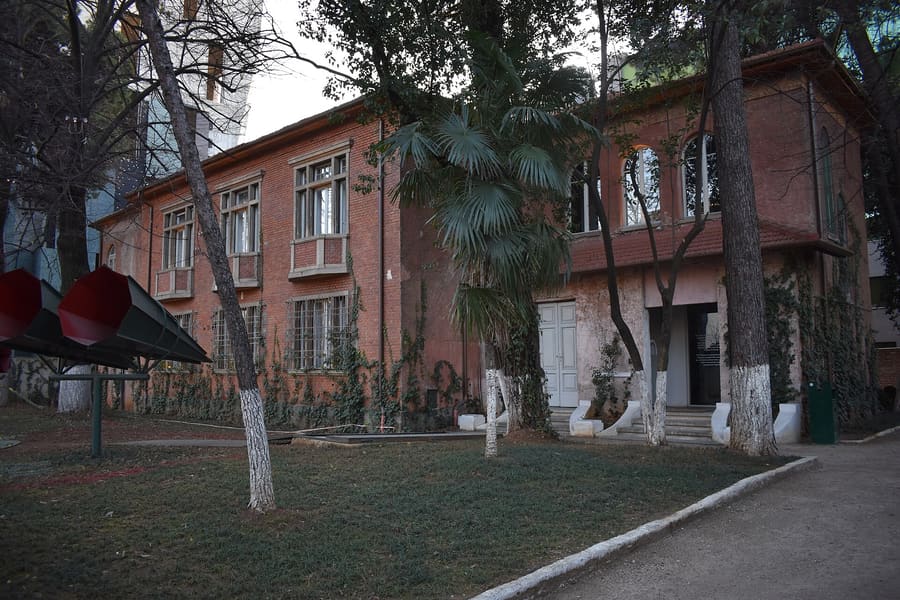
landmark
Former Sigurimi surveillance headquarters housing real wiretapping equipment and archival records.
Demander à Parley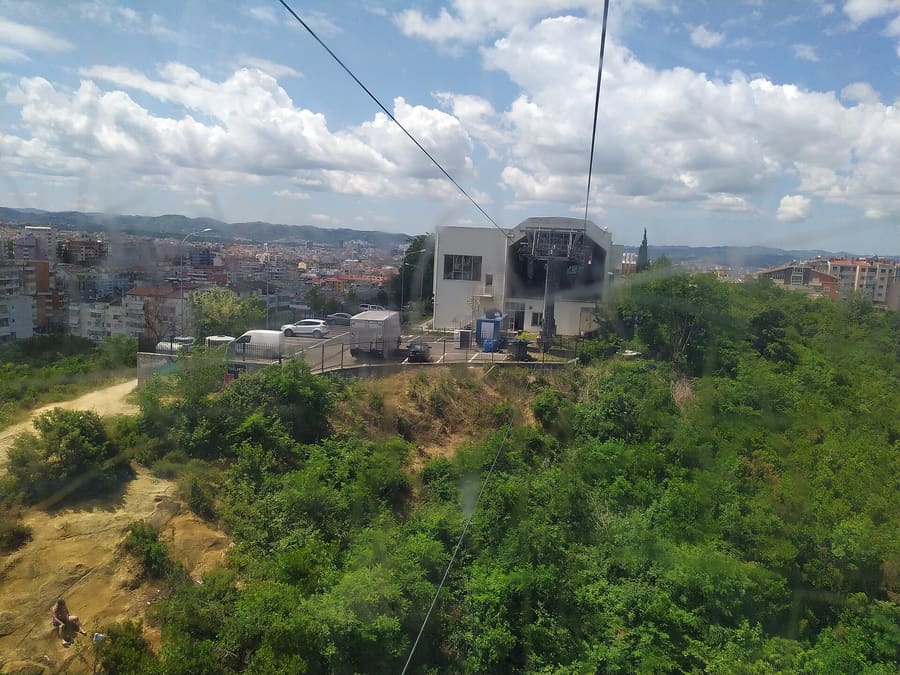
landmark
A 15-minute cable car ride up Mount Dajti for mountain walks and views over the city plain.
Demander à Parley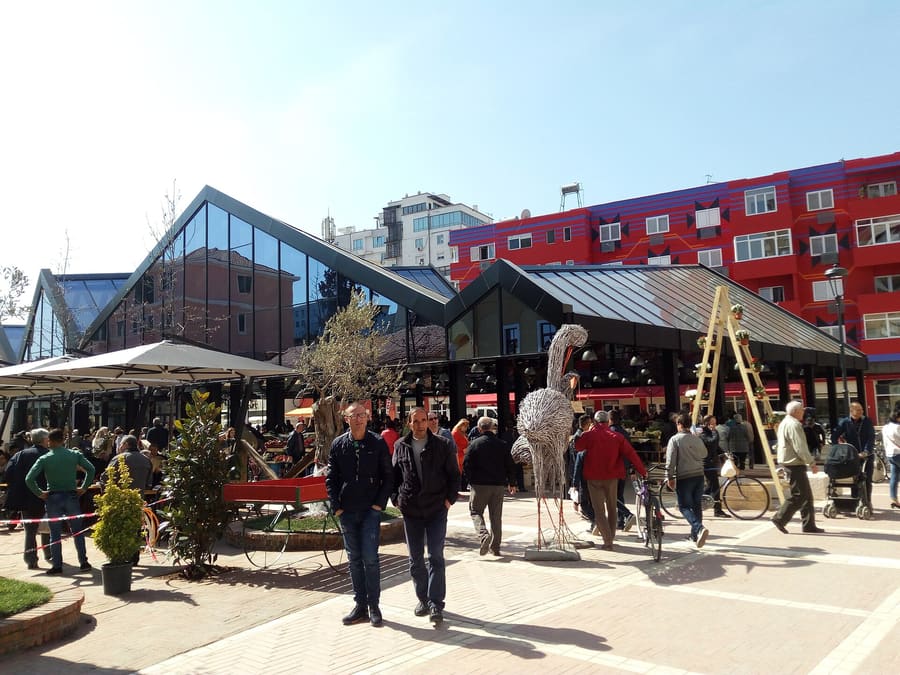
landmark
The New Bazaar offers fresh fruit, mountain honey, local cheeses, and open-air grill taverns.
Demander à Parley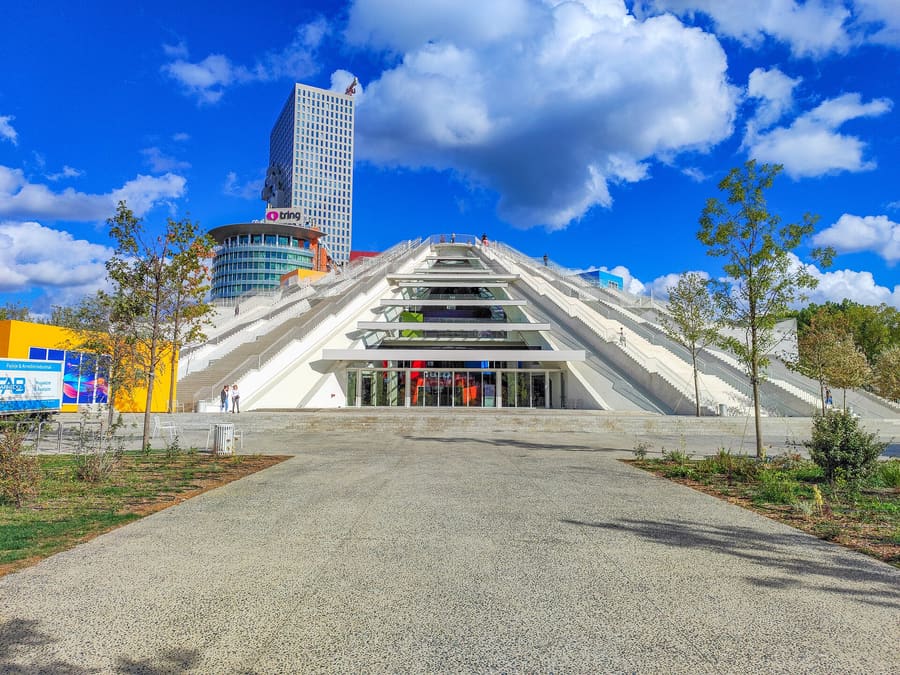
landmark
Built in 1988 for dictator Enver Hoxha, now transformed into an open public stair monument and tech hub.
Demander à Parleyattractions
areas
Once sealed for communist elites, now packed with outdoor bars, boutiques, and evening foot traffic.
À proximitéPyramid of Tirana and Rinia Park
Demander à Parley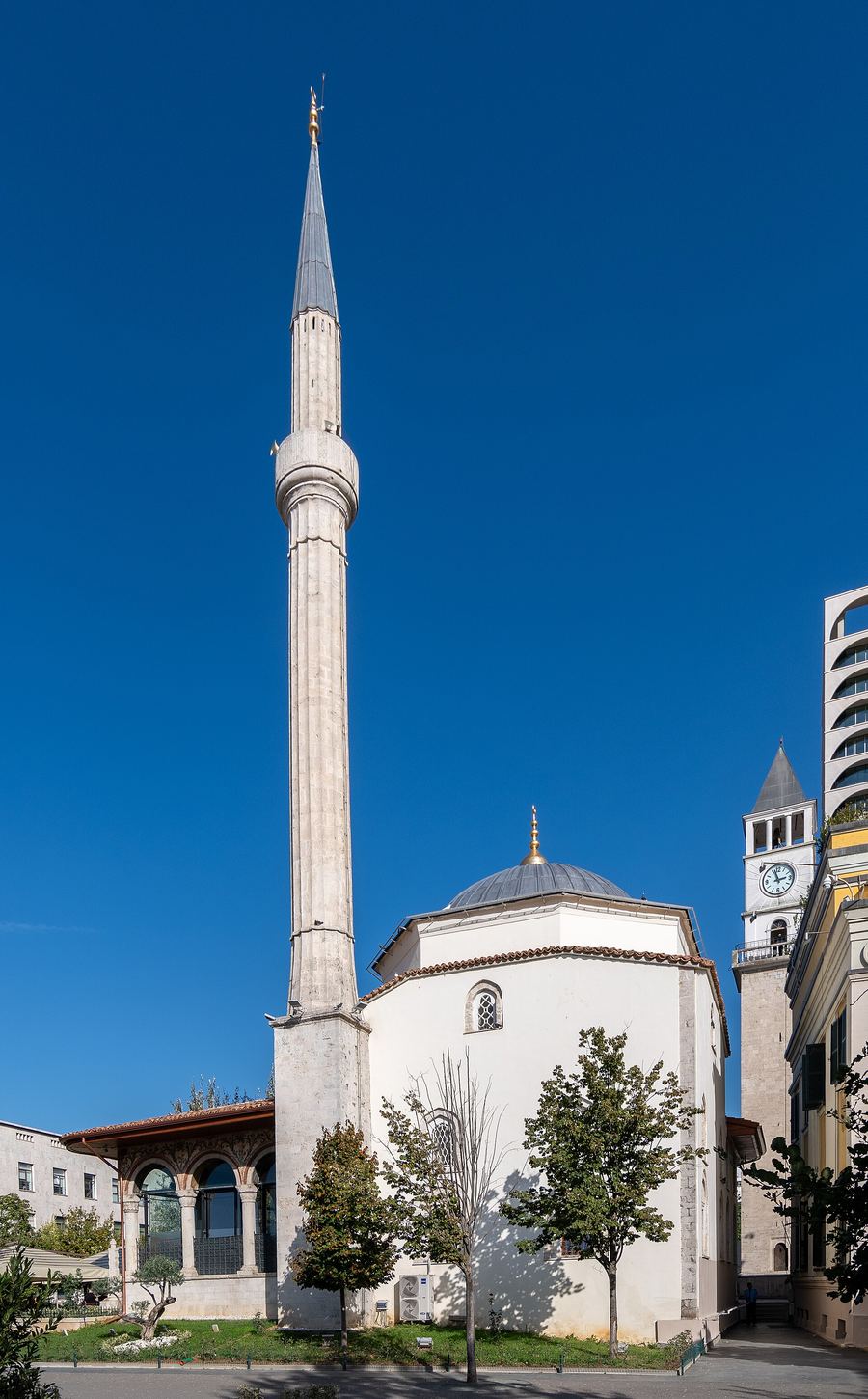
Civic core dominated by public museums, wide boulevards, and major city transit stops.
À proximitéSkanderbeg Square and House of Leaves
Demander à Parley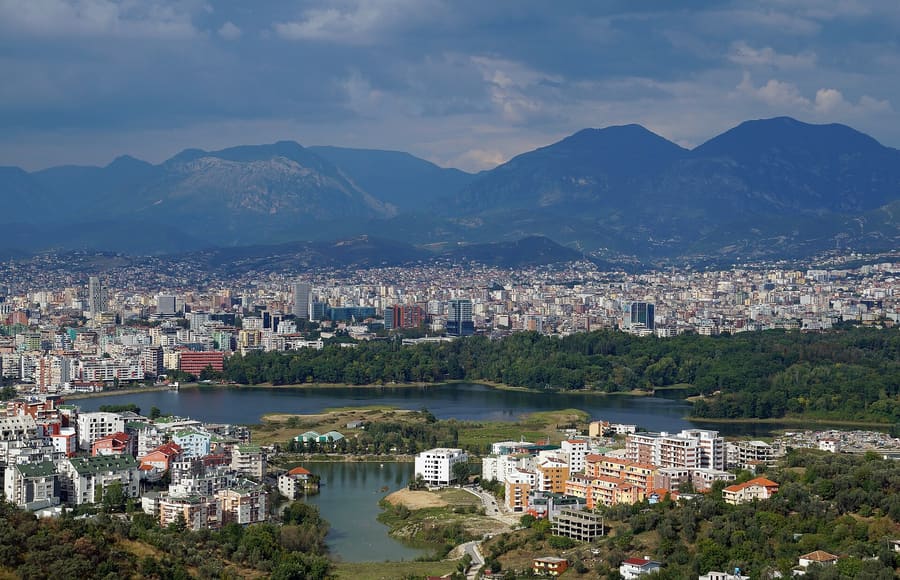
Wooded lakeside recreational ground south of the canal, popular for morning runs and quiet cafes.
À proximitéArtificial Lake and Mother Teresa Square
Demander à ParleyPedestrian marketplace area filled with fruit stalls, fishmongers, and traditional grill houses.
À proximitéTirana Castle and Skanderbeg Square
Demander à Parleyfood
Tirana dining revolves around wood-fired grills and clay-dish baking. Fërgesë, a thick dish of roasted peppers, tomatoes, and salted gjizë cheese, arrives bubbling hot in earthenware pots. Tavë kosi features baked lamb cooked with rice and sour milk yogurt until setting like a savory custard. You eat well at local zgara (grill houses), where skewers and sausages are priced by weight.
Fërgesë e Tiranës served directly in a hot clay dish with fresh crusty bread.
Rrezjaediellit · CC BY-SA 4.0This local staple is eaten as a starter or main lunch dish. Traditional taverns around Pazari i Ri serve it fresh from the oven.
Locals sit over a single 90 ALL espresso for over an hour. Joining them at outdoor tables is standard city culture.
Small charcoal grill joints rarely take cards. Hand the bill cash directly at the counter or to your server.
history
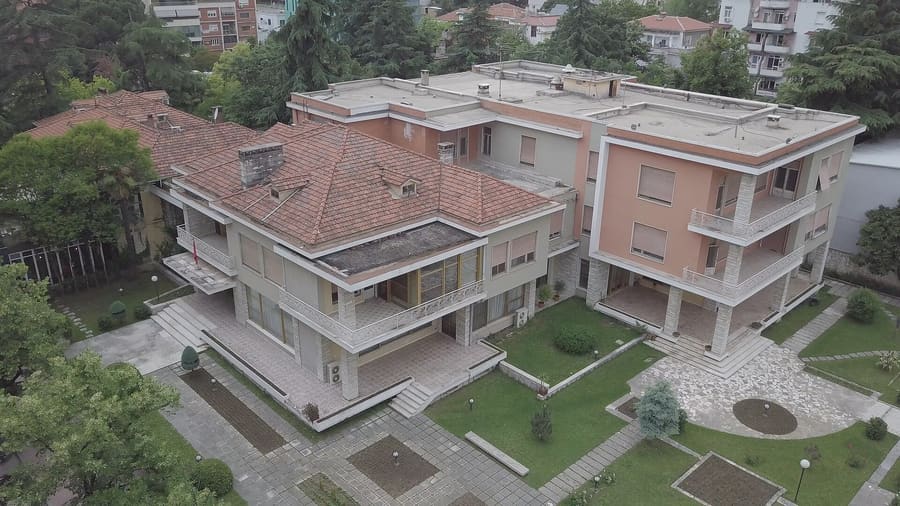
Ottoman general Sulejman Pasha Bargjini founded Tirana in 1614 by building a mosque, a bakery, and a hamam. The town grew as a trade center until becoming Albania's capital in 1920. Under the communist regime—ruled by Enver Hoxha from 1944 until his death in 1985, after which Ramiz Alia led the government until 1991—the city was transformed into a fortress of brutalist grey block housing and thousands of defensive concrete bunkers. In the 2000s, mayor Edi Rama initiated a campaign to paint the bleak concrete apartments in bright colors.
City foundation
Sulejman Pasha Bargjini constructs the original settlement infrastructure at the crossroads of caravan routes.
Declared capital
The Congress of Lushnjë selects Tirana as the national capital due to its central geographic location.
Communist era
Enver Hoxha installs a totalitarian regime, constructing extensive underground bunker networks and surveillance systems.
Urban paint initiative
Mayor Edi Rama orders communist-era residential blocks painted in bright geometric patterns to refresh public spaces.
where to stay
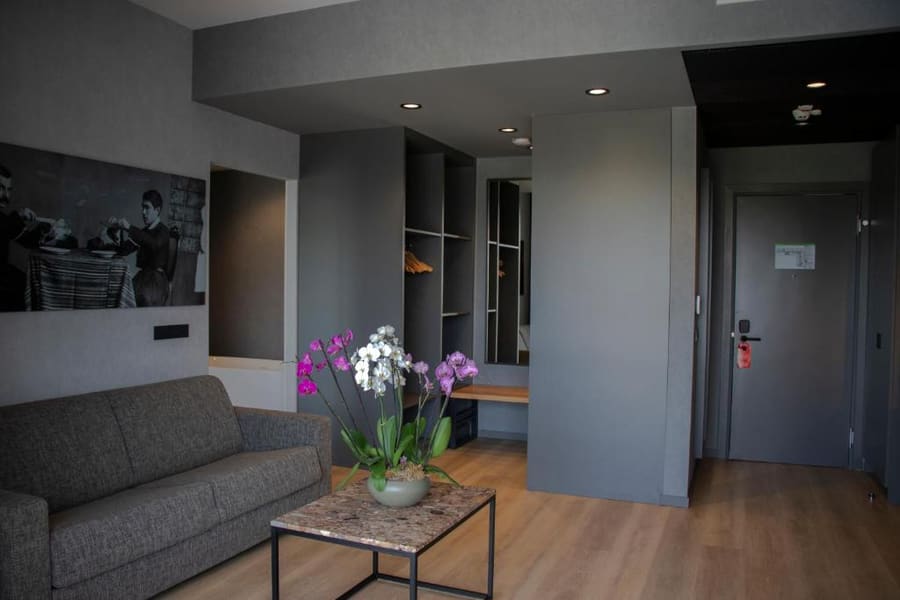
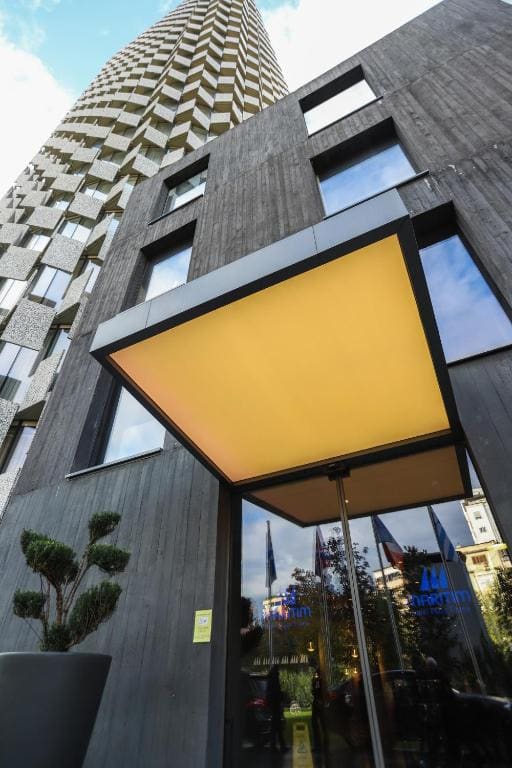
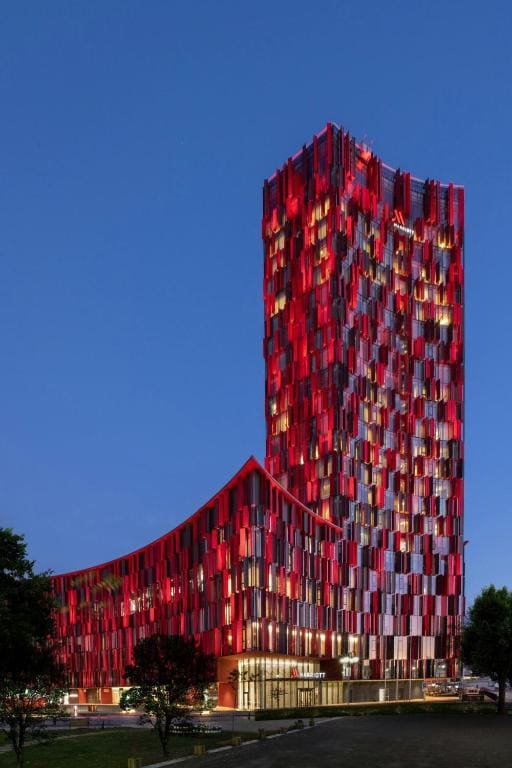
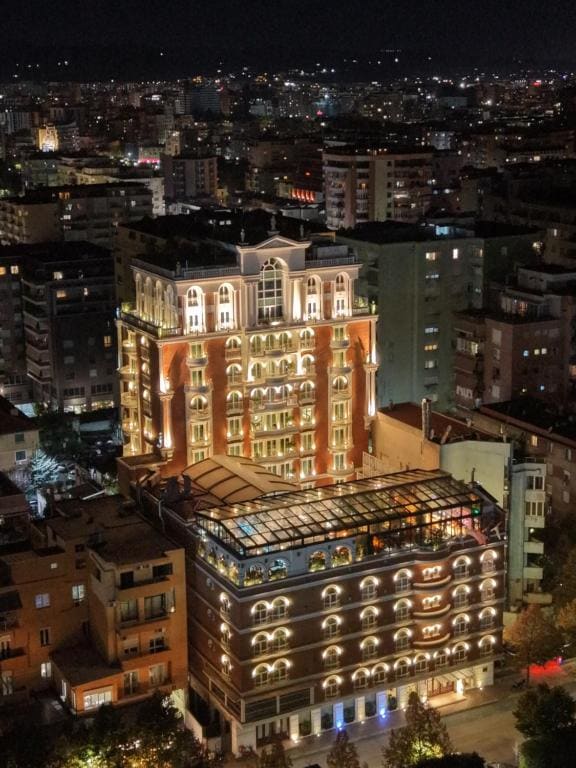
Choose your stay based on evening noise tolerance and foot access. Blloku keeps you close to cocktail lounges and modern restaurants, but street noise continues late into the night. Qendra offers central access to sightseeing points and bus terminals. Pazari i Ri provides a quieter market atmosphere, while Parku i Madh appeals to travelers seeking morning runs and green space.
Live rates, matched to the areas above.
transport
Tirana has no passenger rail line operating inside the city. Navigation relies on walking or city buses. The central area within the Ring Road is compact enough to explore entirely on foot. Local buses lack real-time transit app tracking, so verify stop locations with locals.
City bus tickets cost 40 ALL per journey. A conductor walks through the aisle collecting money and handing out paper slips.
Pedestrian crossings are not always respected by drivers. Make clear eye contact before stepping off the curb.
Street taxis frequently lack active meters. State your destination and agree on the fare in Lek before getting inside.
Pavements often feature high curbs, broken tiles, or open utility access. Keep your eyes down while walking.
cost
Tirana remains one of the most affordable capitals in Southeast Europe. Albania operates on the Albanian Lek (ALL). Cash is essential for small transactions, daily coffee, market stalls, and bus rides. Cards are accepted at major hotels, modern Blloku restaurants, and supermarkets.
Standard price across regular neighborhood cafes and central plazas.
Includes grilled qofte, fresh salad, fërgesë, and bread at local zgara.
Flat rate across all urban routes paid in cash to the conductor.
Standard entry fee per person for entry to Bunk'Art 1 or Bunk'Art 2.
seasonality
MAR – MAY
Daytime temperatures sit around 18–22°C. Excellent condition for walking tours and cable car rides.
JUN – AUG
Summers are hot, regularly exceeding 35°C. Locals head to the coast; outdoor activity slows during mid-day.
SEP – NOV
Warm autumn weather lasts through October. Grape and olive harvest season brings fresh local market produce.
DEC – FEB
Cool and rainy with temperatures around 5–12°C. Snow is rare in the city, but falls on nearby Mount Dajti.
practicalities
Withdraw Lek at official bank ATMs like Credins or Raiffeisen to avoid independent conversion fees.
Smaller family groceries and independent shops close early or stay shut on Sundays.
Bottled or filtered water is recommended for drinking in central Tirana.
Younger residents speak fluent English. Older locals often understand Italian or German.
Watch out for electric scooters riding at high speed along Skanderbeg Square and bike lanes.