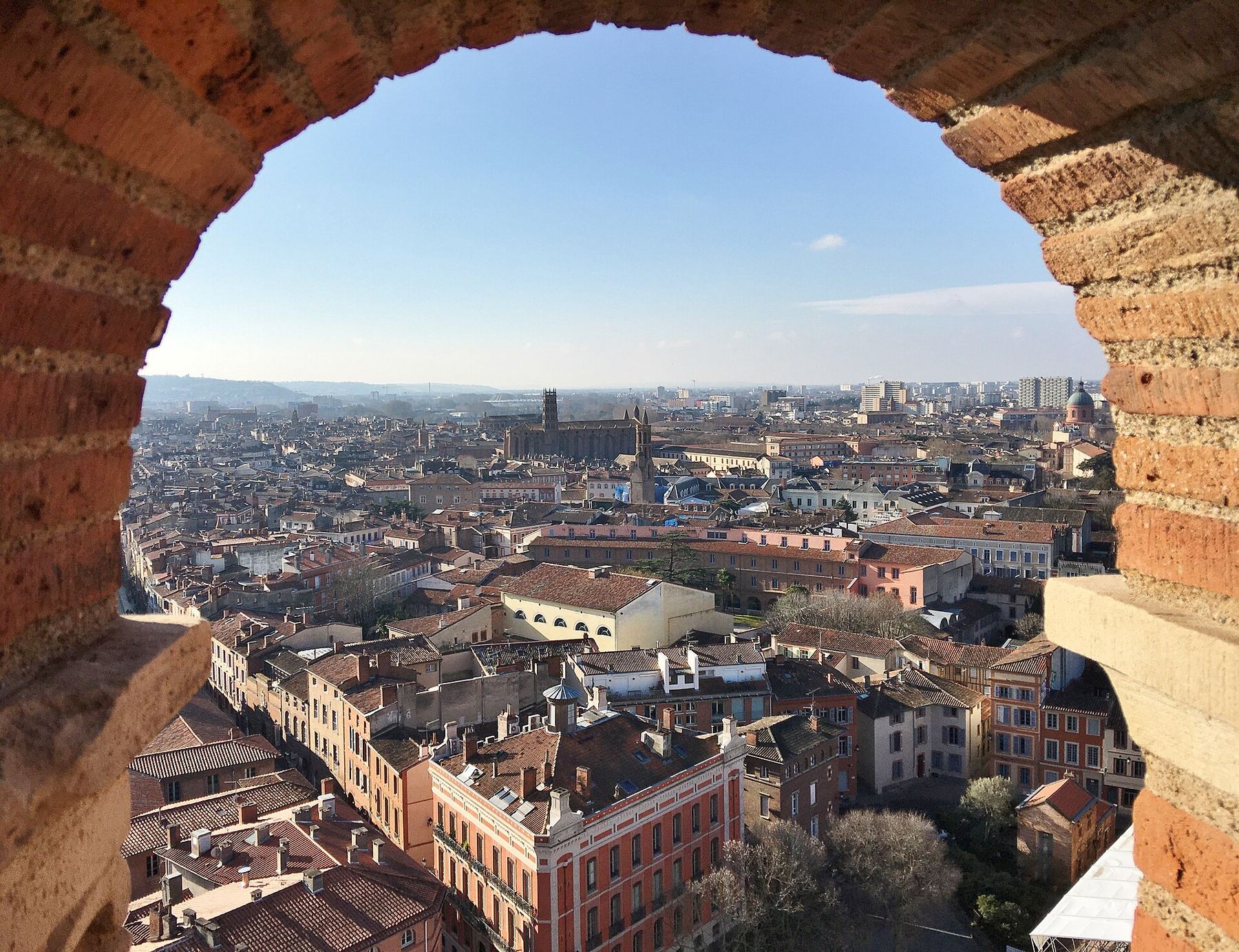
landmark
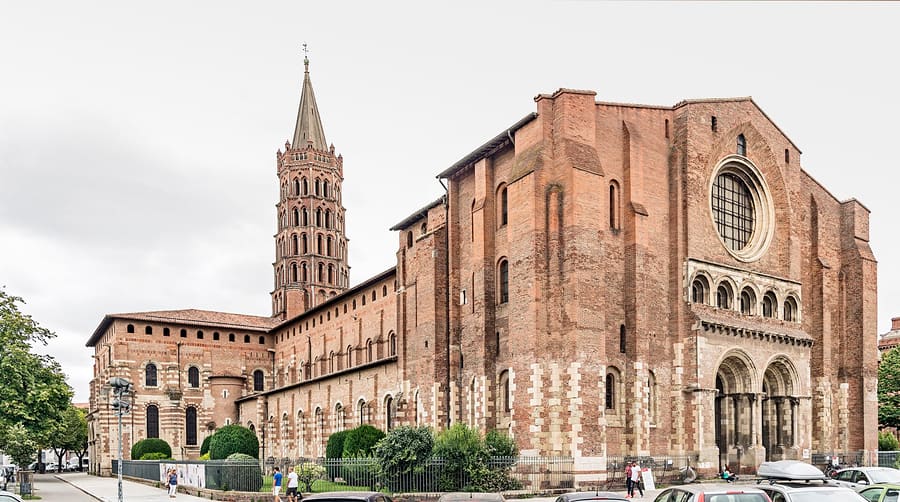
Basilique Saint-Sernin
Largest Romanesque church in Europe. Entry to the nave is free; crypt access costs €2.50.
Demander à ParleyFrance
Aerospace precision wrapped in terracotta brick and cassoulet.
introduction
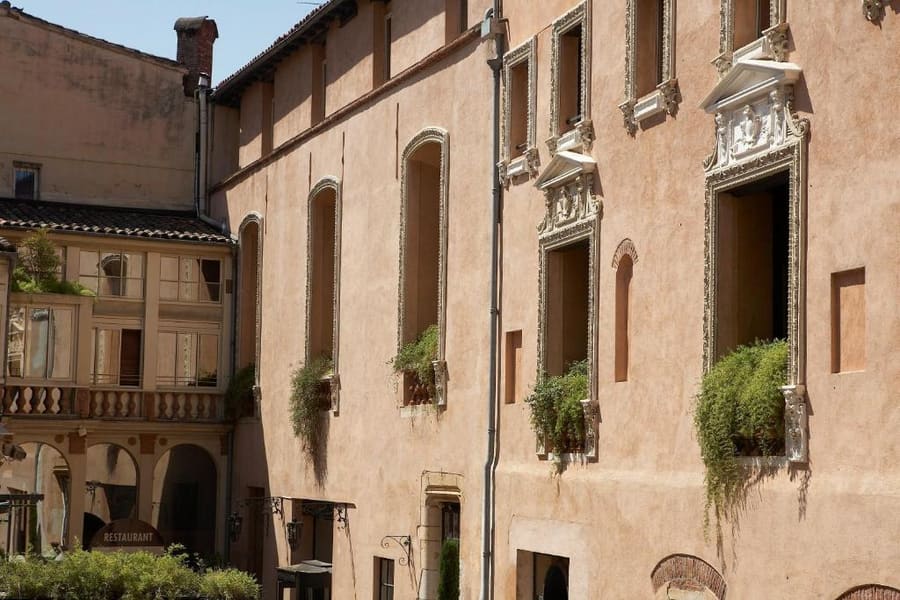
Toulouse runs on pink terracotta brick, Airbus engineering, and duck fat. The Garonne cuts through the core, separating medieval lanes from the working-class left bank. You can walk the entire historical center in thirty minutes, but the food markets and courtyards invite slow exploration. Expect a relaxed southern pace during the day and crowded riverbank quays at sunset.
Airport connection
The Navette Aéroport bus connects Blagnac Airport to Gare Matabiau in 20 minutes for €10. It bypasses tram construction work directly via the highway.
UNESCO designation
UNESCO protects the Basilique Saint-Sernin as a key stop on the Santiago de Compostela pilgrimage route. It remains the largest Romanesque church in Europe.
Toulouse
PierreSelim · CC BY 3.0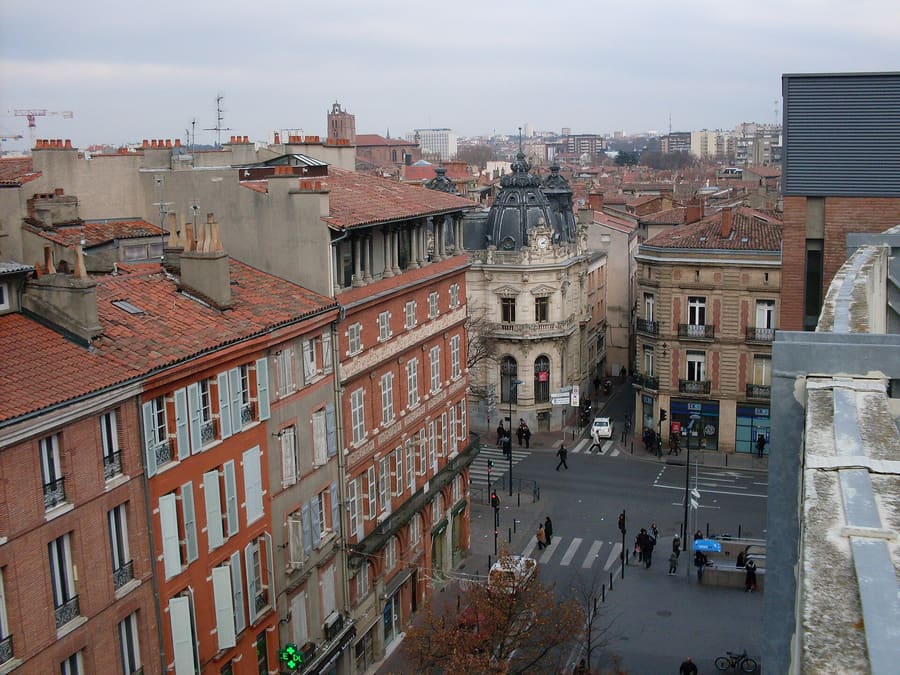
Carmes — Narrow medieval lanes, antiquarians, cocktail dens, and a covered food market.
Traumrune · CC BY-SA 3.0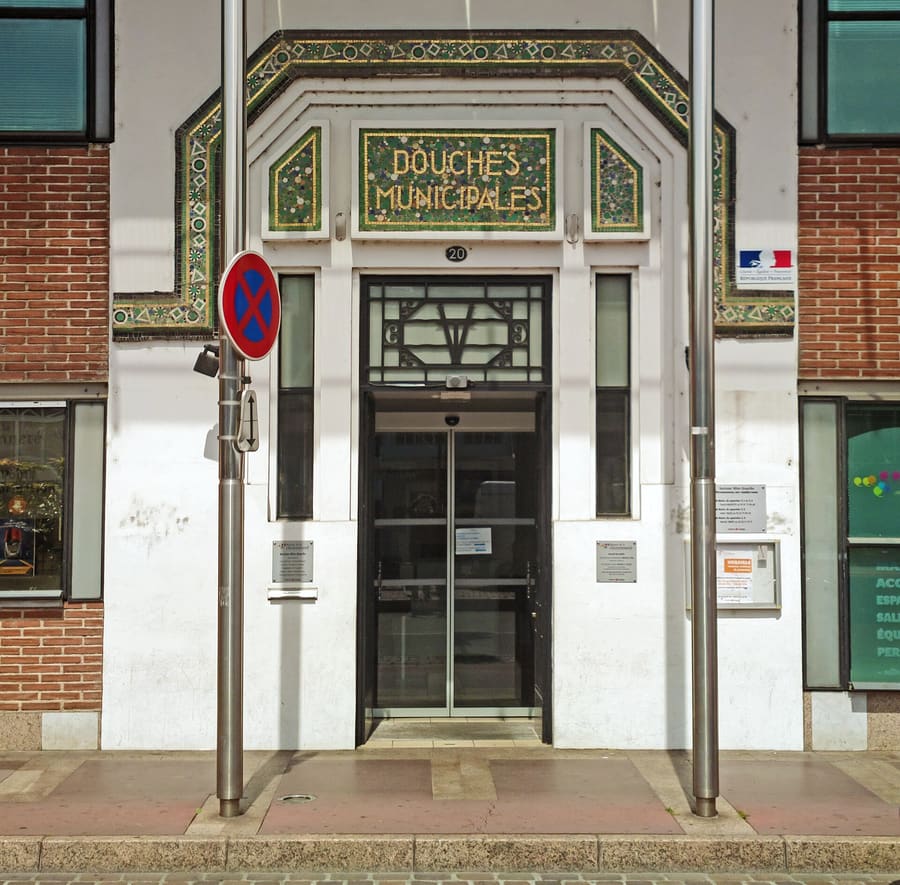
Saint-Cyprien — Left-bank neighbourhood with a local market, modern art museum, and relaxed parks.
Didier Descouens · CC BY-SA 4.0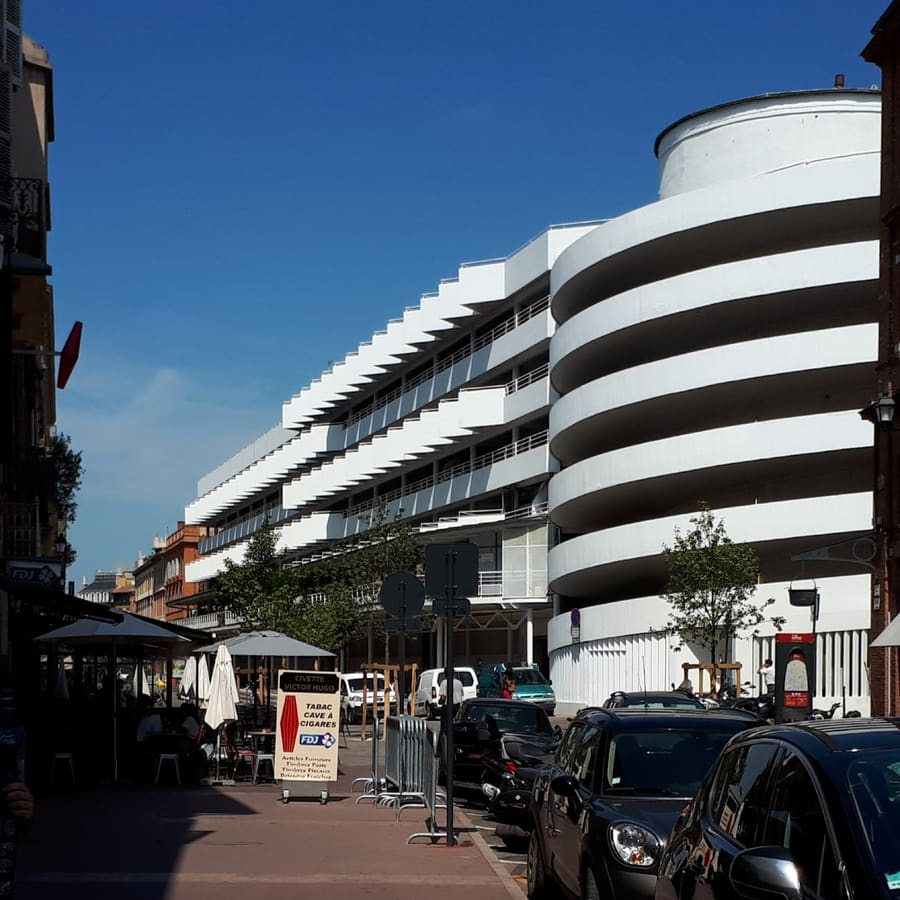
Marché Victor Hugo, where upstairs lunch counters serve meat cut downstairs that morning.
Abdoucondorcet · CC BY-SA 4.0highlights
landmark
Largest Romanesque church in Europe. Entry to the nave is free; crypt access costs €2.50.
Demander à Parley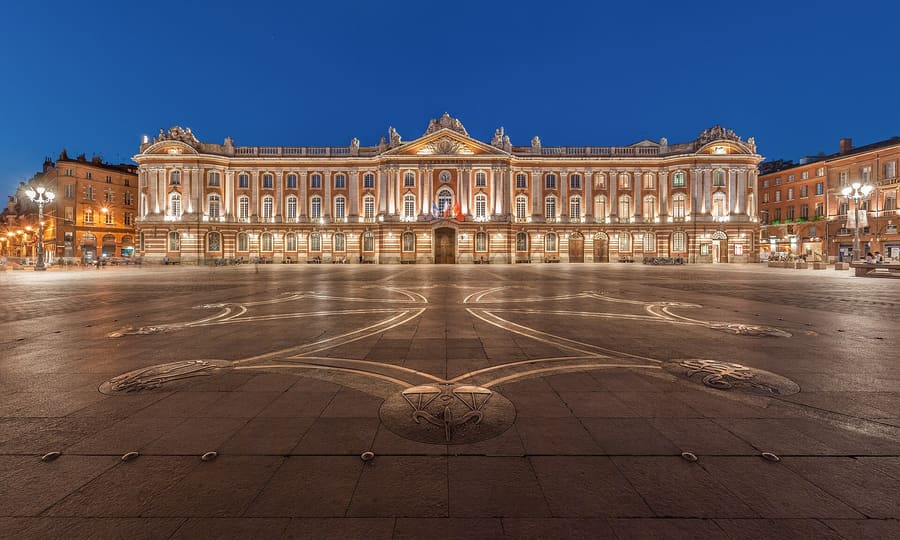
landmark
City hall with an ornate 19th-century state room. Free admission when no civic ceremonies occur.
Demander à Parley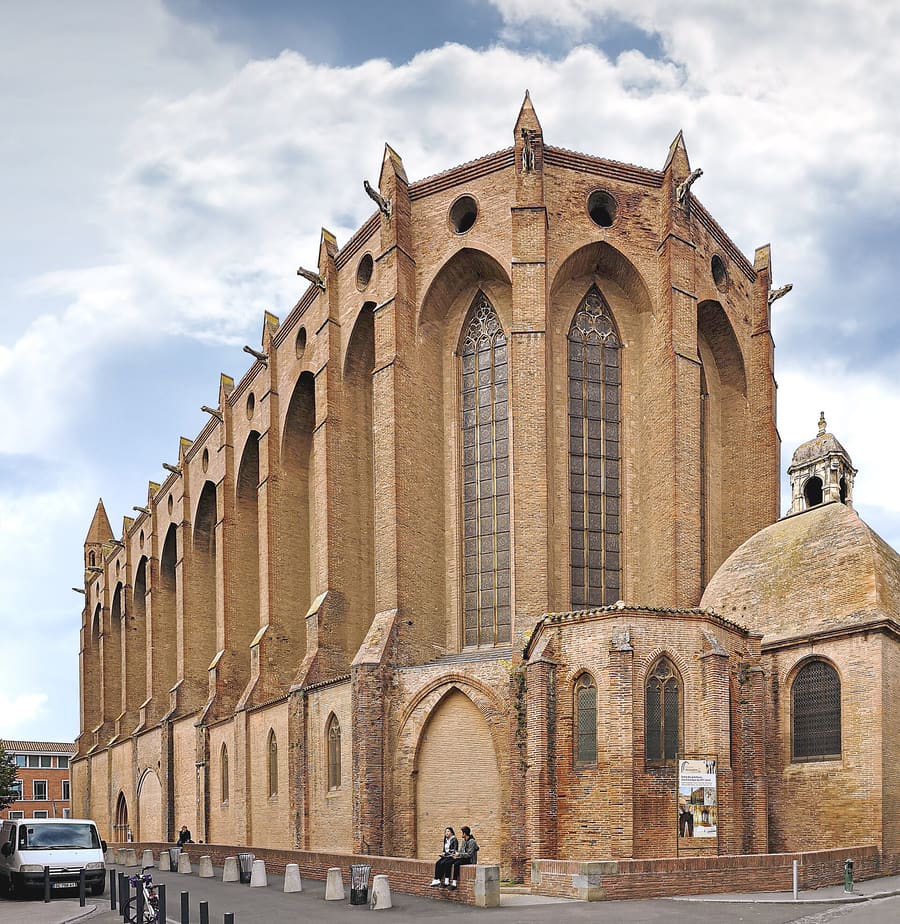
landmark
Gothic brick monastery featuring a famous double-column palm-tree vault and quiet cloister.
Demander à Parley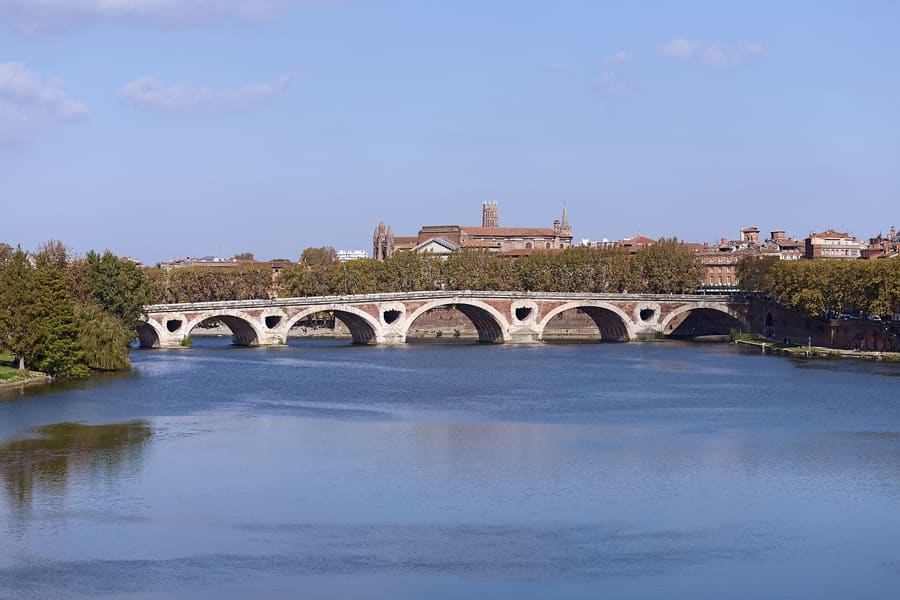
landmark
The oldest bridge over the Garonne, designed with irregular arches to survive spring floods.
Demander à Parley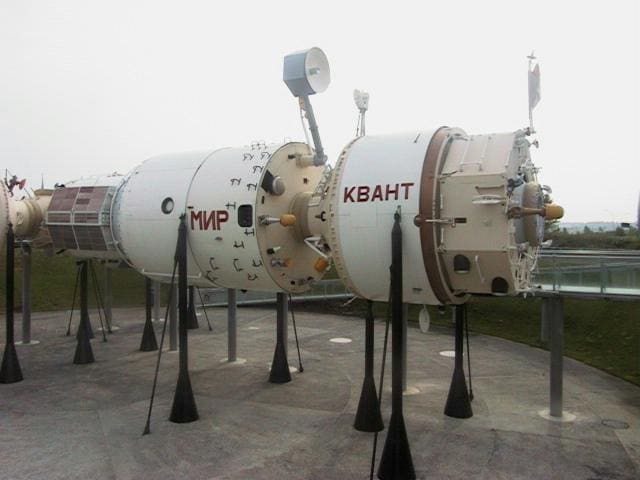
landmark
Aerospace theme park displaying full-scale space hardware. Book online to skip ticket counter queues.
Demander à Parley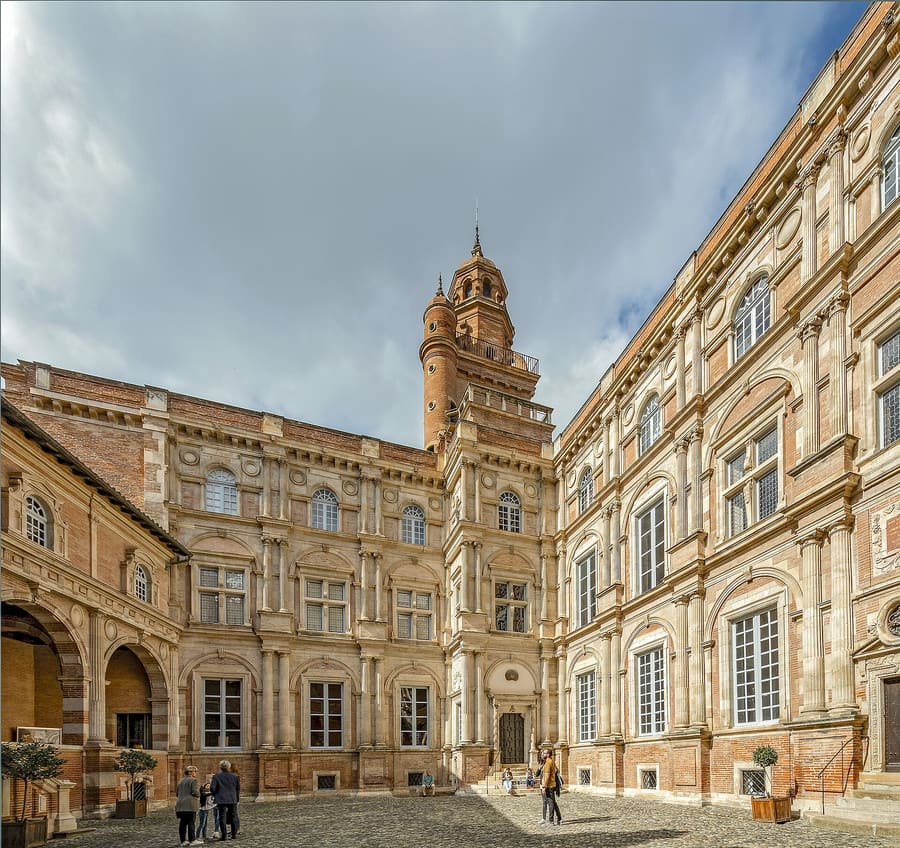
landmark
16th-century merchant mansion housing the Fondation Bemberg art collection.
Demander à Parleyattractions
areas
Narrow medieval lanes, antiquarians, cocktail dens, and a covered food market.
À proximitéMarché des Carmes, Pont Neuf, Jardin des Plantes
Demander à ParleyLeft-bank neighbourhood with a local market, modern art museum, and relaxed parks.
À proximitéLes Abattoirs museum, Prairie des Filtres, Pont Saint-Pierre
Demander à Parley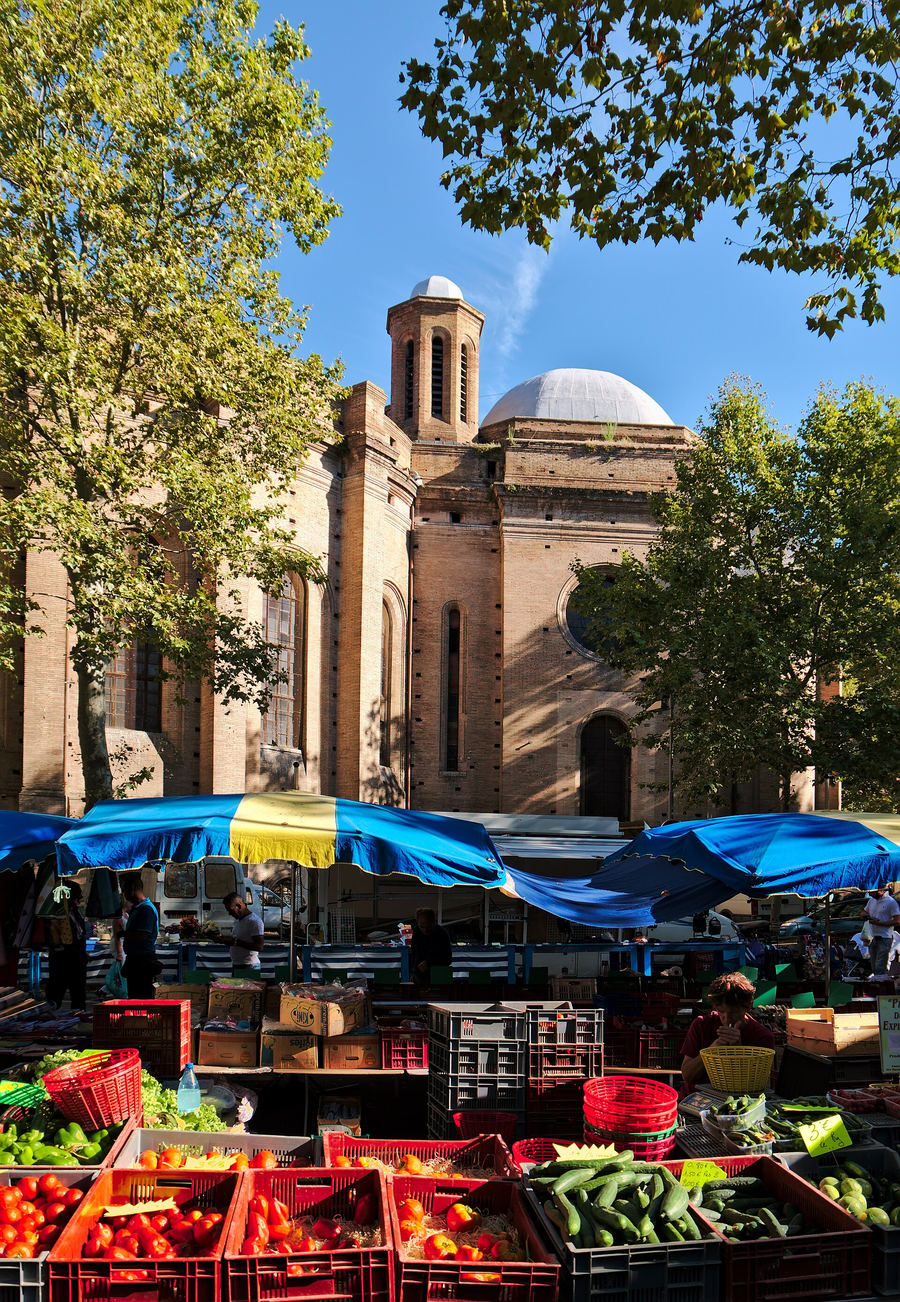
Residential streets, Sunday open-air food market, and quiet residential courtyards.
À proximitéCanal du Midi, Marché Saint-Aubin, Gare Matabiau
Demander à ParleyCentral, grand open squares, shopping arcades, and heavy pedestrian traffic.
À proximitéCapitole, Couvent des Jacobins, Saint-Sernin
Demander à Parleyfood
Toulouse eats heavily. Cassoulet anchors the regional cuisine: Tarbais white beans simmered for hours with duck confit, pork rind, and garlic-heavy Saucisse de Toulouse. Authentic versions arrive in a clay baking dish with a thick, baked crust that must be broken back into the stew several times during cooking.For lunch, skip street-level tourist menus and head upstairs at Marché Victor Hugo. Five independent bistros operate directly above the fish and butcher stalls, serving cooked meat cut downstairs that morning. Wine flows from carafes, service moves rapidly, and tables turn over constantly between 12:00 and 14:00.
Marché Victor Hugo, where upstairs lunch counters serve meat cut downstairs that morning.
Abdoucondorcet · CC BY-SA 4.0Order cassoulet at Le Louchebem inside Marché Victor Hugo or at Restaurant Émile on Place Saint-Georges. Avoid cheap pre-made pots sold along Rue du Taur.
Upstairs market counters open around 12:00 and close by 14:30. Arrive before 12:00 or after 13:30 to avoid standing on the access stairwell.
Real Saucisse de Toulouse contains strictly coarse-minced pork, salt, and pepper, with no preservatives or added water. Look for the Label Rouge tag at butcher stalls.
history
Toulouse grew as Roman Tolosa on a bend of the Garonne. Lacking local granite, builders turned to clay mud from the riverbed, firing the red flat bricks that give the city its nickname, La Ville Rose.In the 16th century, the region dominated the European dye trade through pastel (woad). Merchant families accumulated fortunes, constructing extravagant mansions like the Hôtel d'Assézat before indigo imports collapsed the market. In the 20th century, geography and defense needs turned Toulouse into France's aerospace capital, from the pioneer airmail flights of Aéropostale to Airbus final assembly lines today.
Dominican Order founded
Saint Dominic establishes the Order of Preachers in Toulouse, leading to the construction of the Couvent des Jacobins.
Pastel trade boom
Woad dye trade brings immense wealth to local merchants, funding dozens of private Renaissance mansions.
Canal du Midi opens
Engineer Pierre-Paul Riquet connects Toulouse to the Mediterranean, transforming regional trade routes.
Aéropostale begins flights
Pioneer aviators fly airmail routes from Toulouse-Montaudran airfield to South America.
Concorde first flight
The supersonic Concorde completes its maiden flight from Toulouse-Blagnac runway.
where to stay
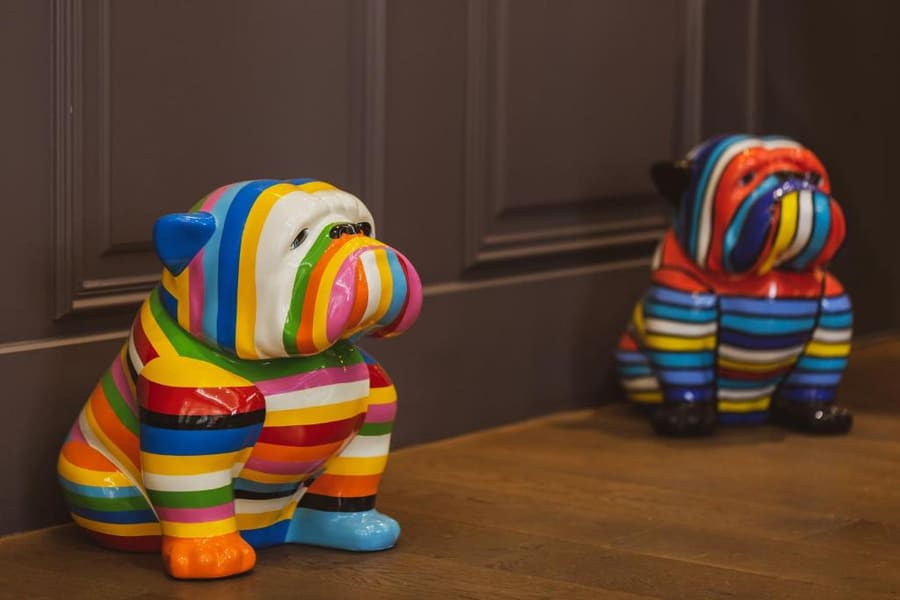
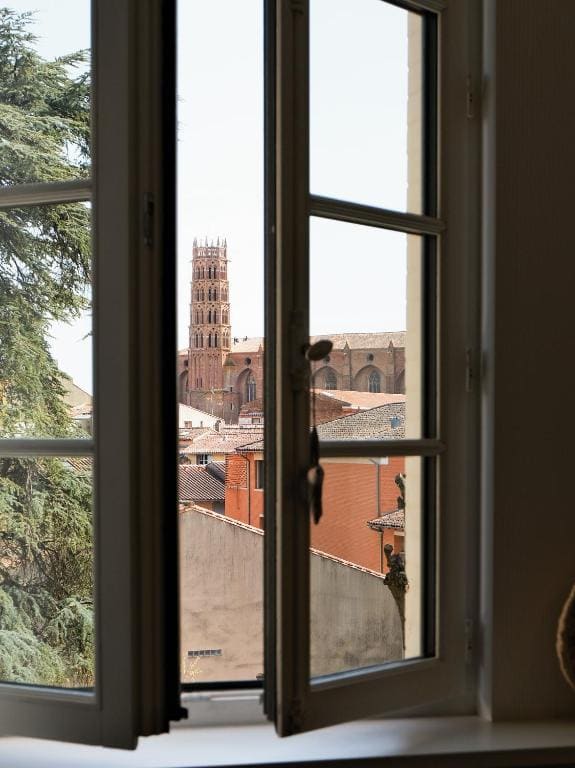
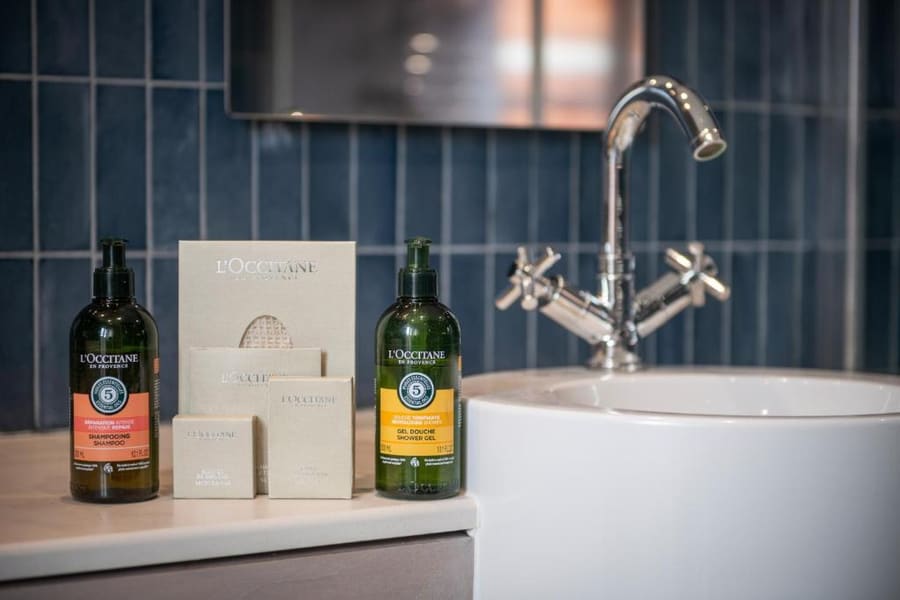
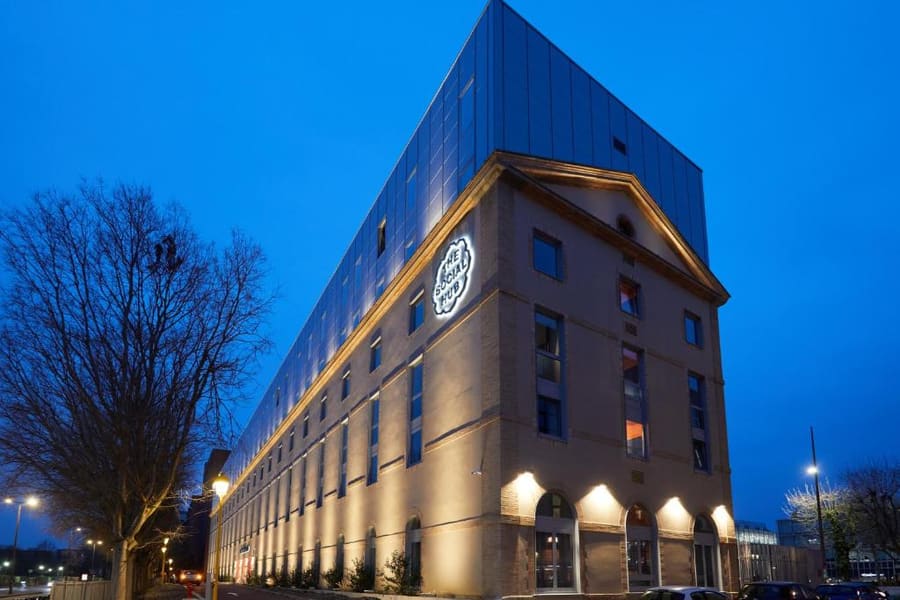
Base yourself by your preferred evening environment. Carmes suits travellers who prioritize late-night wine bars and quiet medieval lanes. Capitole offers immediate access to major sight lines, though main avenues remain busy past midnight. Saint-Cyprien gives a quieter, local residential feel across the river at lower nightly rates.
Live rates, matched to the areas above.
transport
Toulouse is compact enough that walking covers most tourist needs inside the central ring. For longer trips, transit operator Tisséo runs two driverless underground metro lines (A and B), a bus network, and city bikes (VélôToulouse).
Depuis Toulouse-Blagnac Airport (TLS)
Runs every 15 minutes between Airport and Gare Matabiau.
Fixed daytime flat rates apply depending on city zone.
Pick-up area is outside Arrivals Hall 2.
You can tap your bank card directly on metro turnstiles. A single trip costs €1.80 and includes transfers within 60 minutes.
Standard 1-trip metro tickets (€1.80) are NOT valid on the Navette Aéroport bus. Buy the dedicated €10 airport ticket on board or at machines.
A 24-hour bike pass costs €1.20 online or at terminal stations. The first 30 minutes of every ride are free.
Look for small orange 'Navette Centre Ville' electric buses. Flag them down anywhere along their circuit for free rides through historic lanes.
cost
Toulouse costs significantly less than Paris or Côte d'Azur destinations. Midday fixed lunch menus (formule du midi) offer the best culinary value across the city.
Includes two or three courses at neighborhood bistros, available Monday through Friday.
A full dish of baked cassoulet at a specialized restaurant or market bistro.
Valid across Tisséo metro, bus, and regular tram lines.
Drinking coffee standing at a bar counter costs less than sitting on outdoor terraces.
seasonality
MAR – MAY
Mild weather (15–20°C) ideal for walking. Terraces open along the Garonne riverbanks.
JUN – AUG
Temperatures regularly exceed 32°C. Local university students leave and many small bistros close in August.
SEP – OCT
Warm daylight and autumn foliage along Canal du Midi. Excellent window for outdoor dining.
NOV – FEB
Chilly and damp (5–10°C). Quiet museum rooms and ideal conditions for heavy Gascon dining.
practicalities
Most central retail stores close on Sundays. Marché Saint-Aubin is the main Sunday hub for outdoor eating.
The Vent d'Autan brings strong gusty winds from the southeast for 3 to 9 days straight, raising temperatures quickly.
City-run museums offer free entry on the first Sunday of every month.
Includes free museum entry and unlimited public transit for 24, 48, or 72 hours. Buy it at the Capitole tourist office.
Place Saint-Pierre and Quai de la Daurade are where locals congregate at dusk with takeaway drinks.