landmark
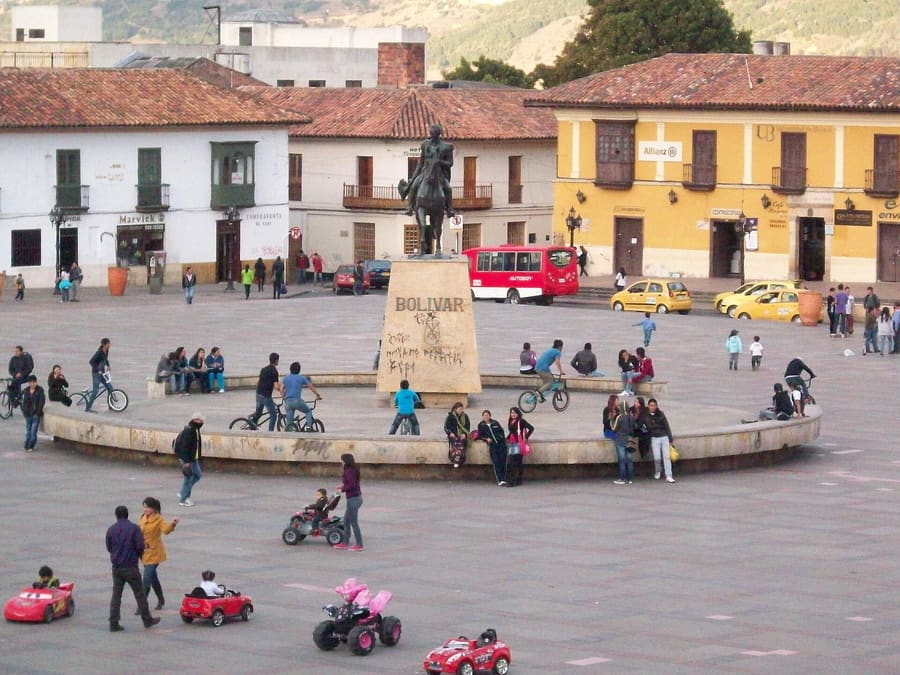
Plaza de Bolívar
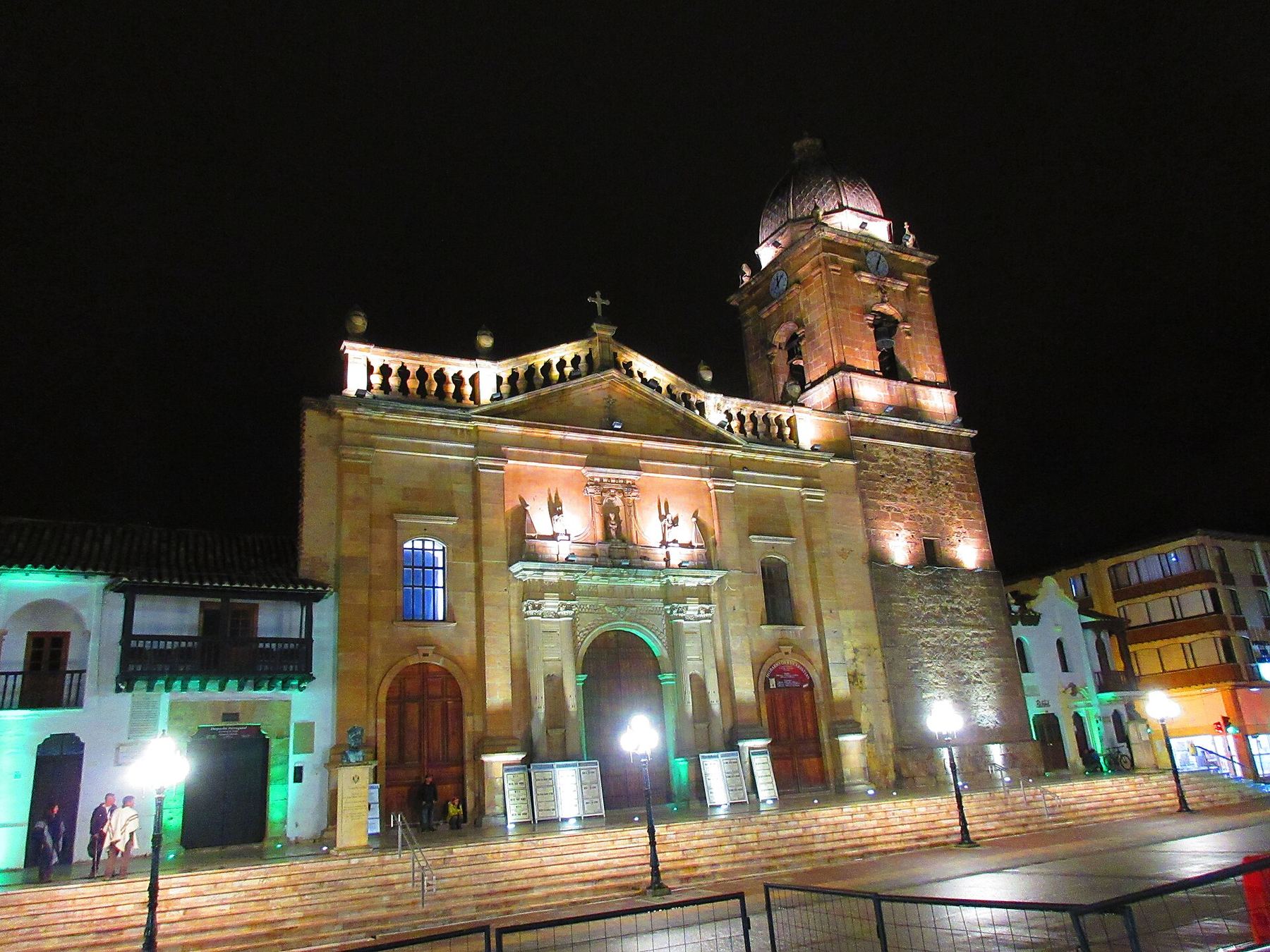
The main square contains the cathedral and municipal offices. Cold winds blow across it daily after 15:00, so bring a warm layer.
Demander à ParleyColombie
Colonial altitude, cold winds, and independence history.
introduction
Tunja sits on a windswept Andean plateau at 2,820 meters above sea level. Colombia's highest state capital trades tropical warmth for chilly mountain air and quiet colonial streets. You navigate the town by walking its compact historic grid and riding cheap local buses north to modern districts. Expect steep cobblestone lanes, heavy wool ponchos, and early nightly closures.
Highway drop-off
Buses from Bogotá drop passengers at the main terminal south of town. A short colectivo ride to Plaza de Bolívar costs 2,400 COP.
Highland capital
At 2,820 meters, Tunja is Colombia's highest capital city. Temperatures hover around 13°C year-round and drop fast at sunset.
Museum opening hours
Colonial museum houses close on Mondays and during lunch from 12:00 to 14:00. Schedule house visits for early mornings or late afternoons.
Tunja
Kamilokardona · CC BY-SA 3.0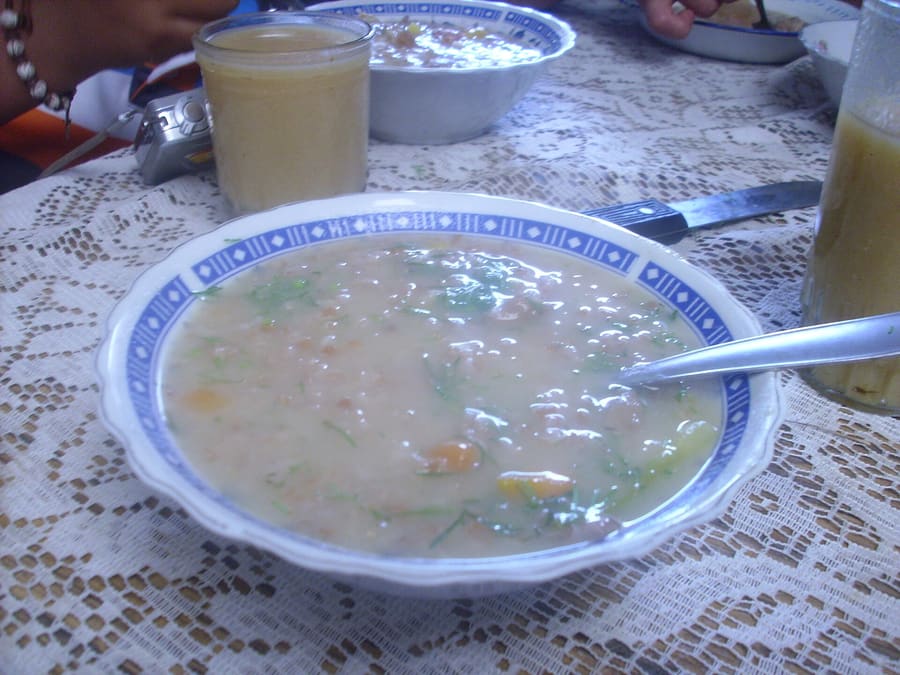
A bowl of cuchuco de trigo con espinazo, the classic Boyacense highland soup.
Pipesangar · CC BY-SA 4.0highlights
landmark
The main square contains the cathedral and municipal offices. Cold winds blow across it daily after 15:00, so bring a warm layer.
Demander à Parley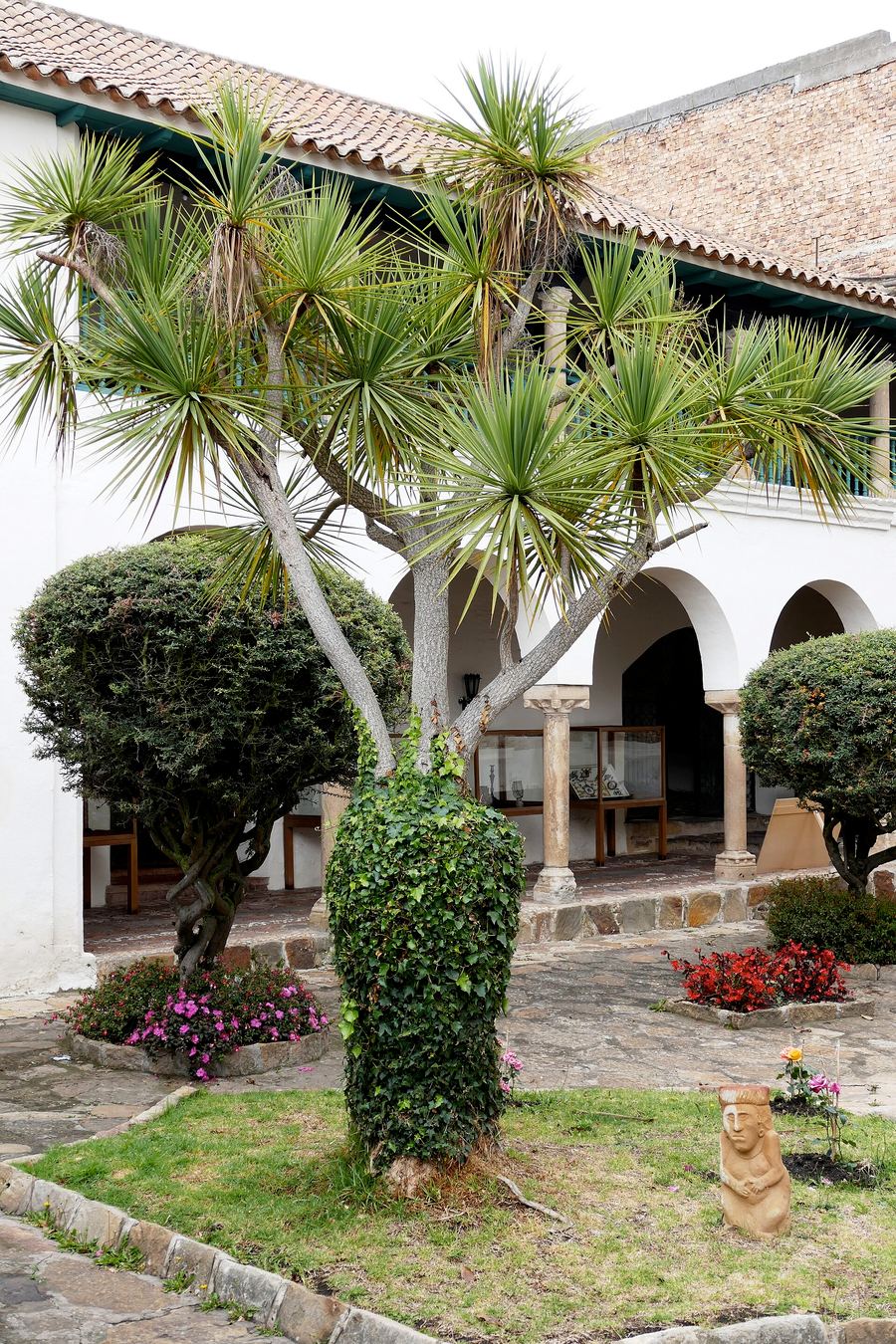
landmark
A 16th-century scribe's home featuring original painted ceilings depicting mythological beasts. Admission is cash only at the door.
Demander à Parley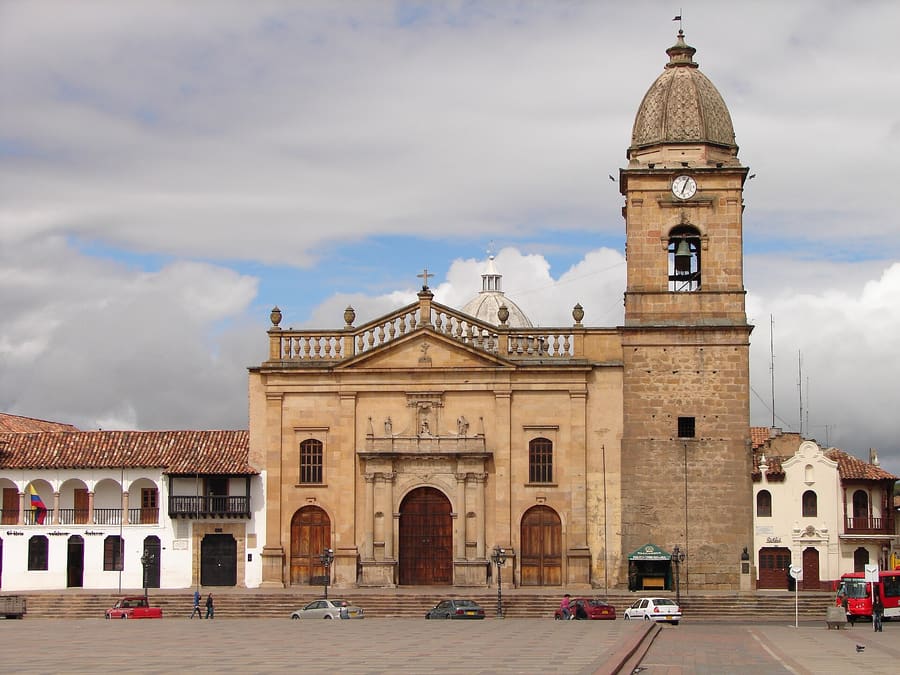
landmark
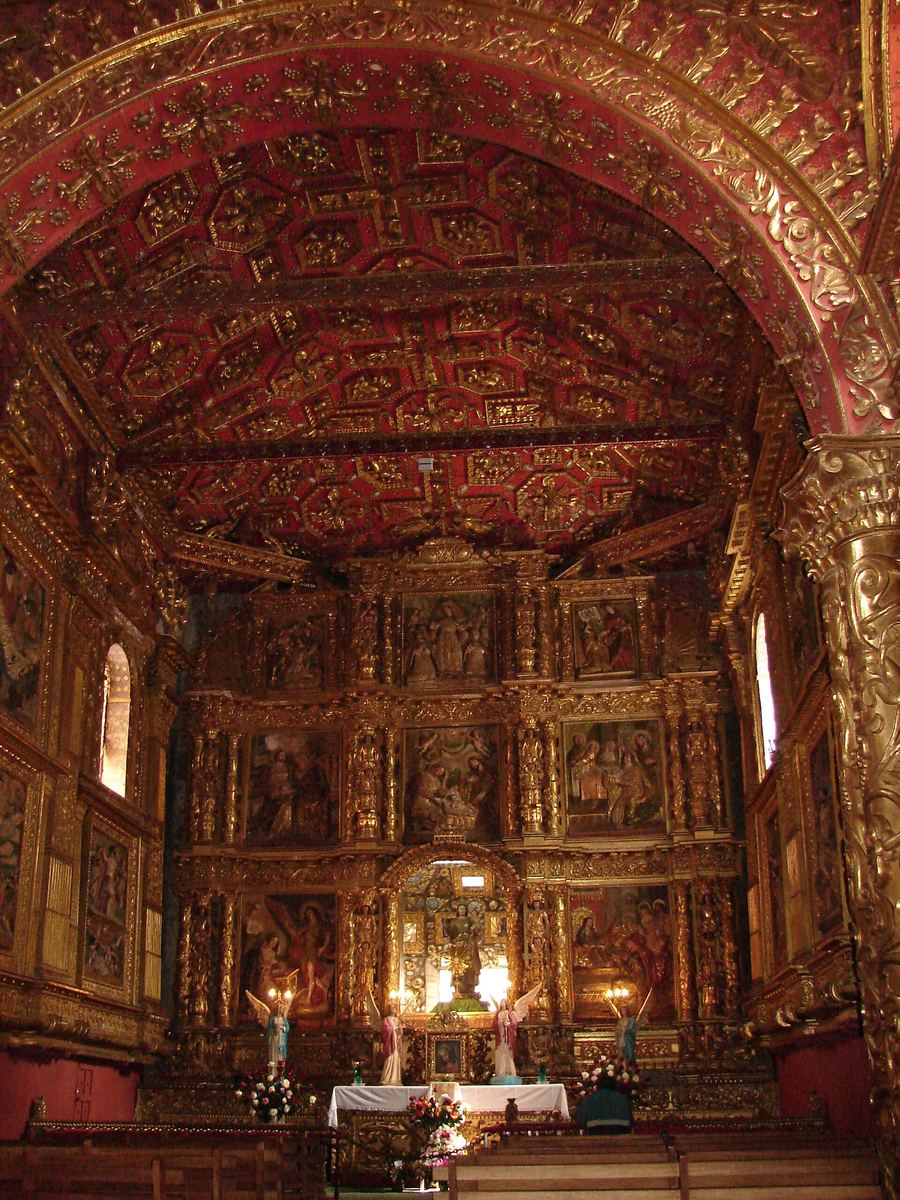
Constructed between 1567 and 1600, this cathedral holds classical Mudéjar woodwork. Dress warmly because the interior holds chill.
Demander à Parley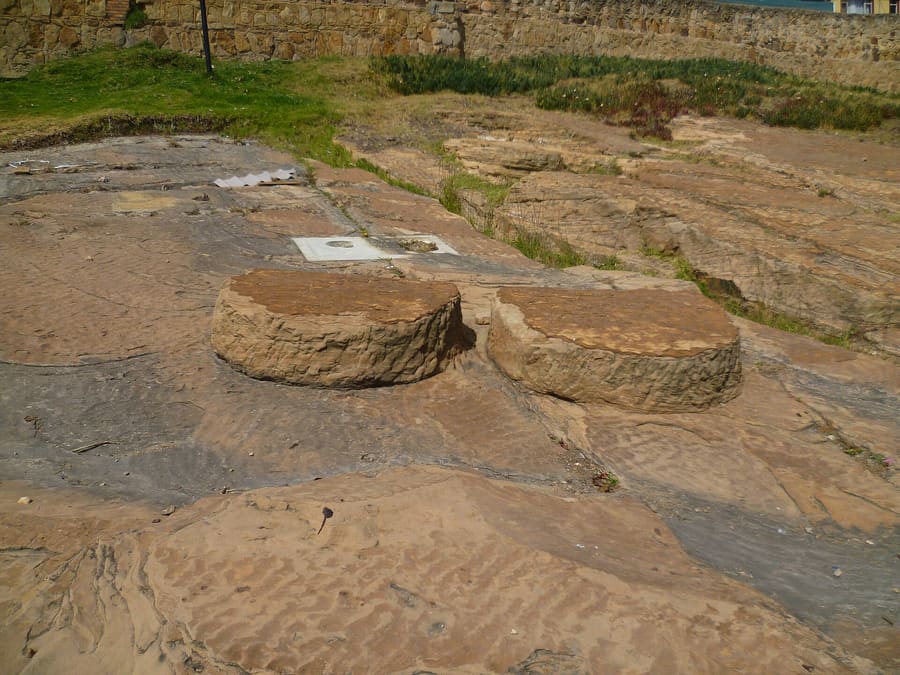
landmark
Two carved circular stone altars used by Muisca rulers for solar worship. Reach them by taxi from the square to avoid an uphill hike.
Demander à Parley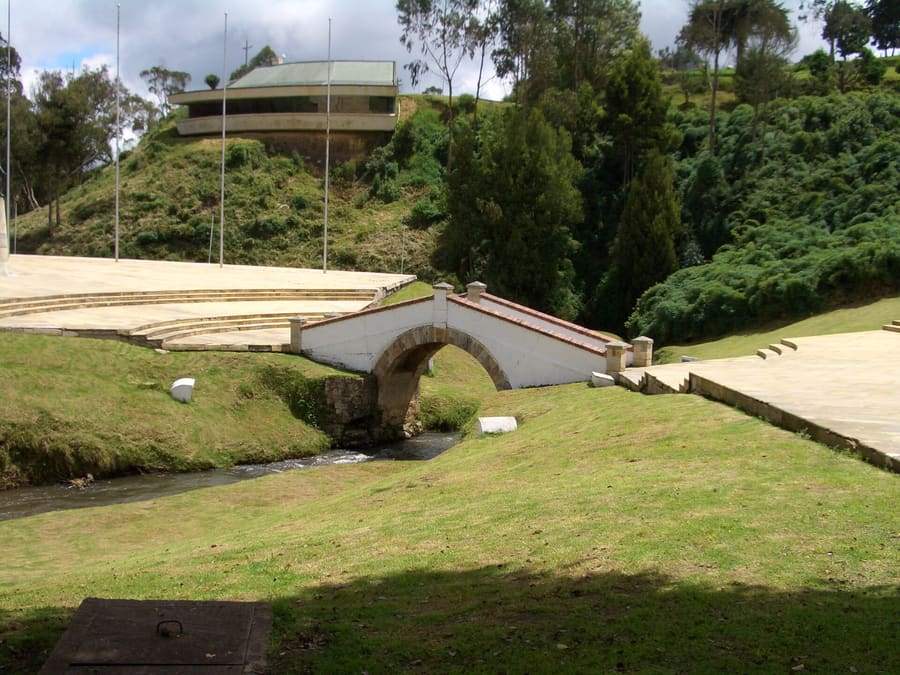
landmark
The bridge marks where Simón Bolívar won decisive independence in 1819. Located 14 kilometers south of town along the main highway.
Demander à Parley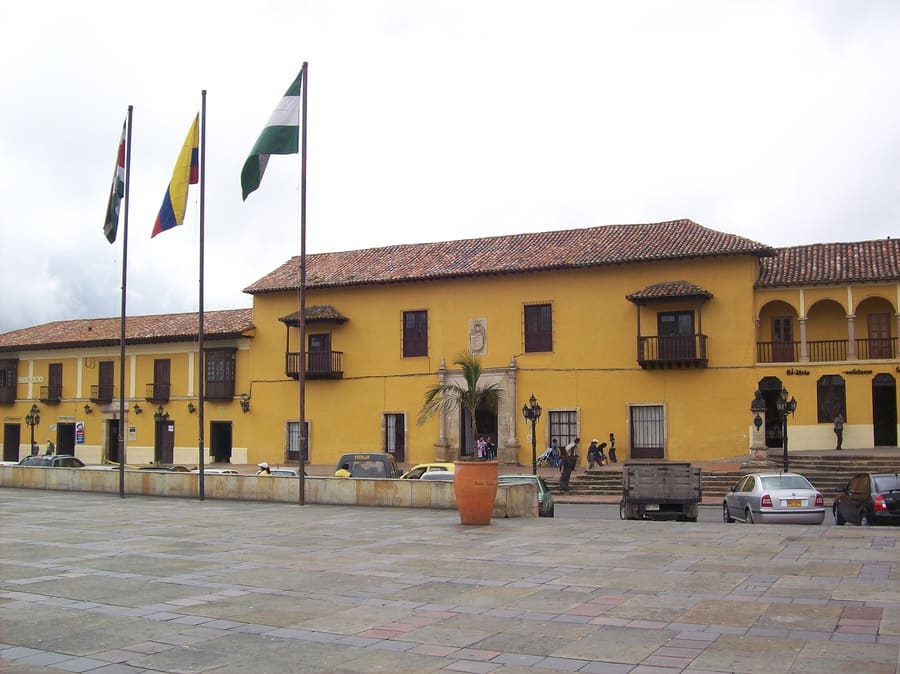
landmark
The mansion of Tunja's founder sitting right on Plaza de Bolívar. Contains original oil portraits and heavy wooden ceilings.
Demander à Parleyattractions
areas
Colonial plazas, steep grid streets, thick stone churches, and cold evening drafts.
À proximitéPlaza de Bolívar and Casa de Vargas
Demander à ParleyUniversity district filled with cheap eateries, student bakeries, and busy bus corridors.
À proximitéUPTC university campus
Demander à ParleyModern residential towers, shopping malls, chain restaurants, and wide paved avenues.
À proximitéUnicentro shopping mall
Demander à ParleyTransport-focused strip with bus garages, quick transit diners, and budget hotels.
À proximitéTerminal de Transportes Juana Velasco de Gallo
Demander à Parleyfood
Tunja eats to stay warm. High-altitude agriculture drives meals around corn, potatoes, wheat, and slow-cooked pork. Traditional restaurants sit within two blocks of Plaza de Bolívar and serve heavy midday lunches.Breakfast starts with caldo de costilla, a clear beef rib broth loaded with potato and cilantro. Midday menus center on cuchuco de trigo con espinazo, a thick wheat berry and pork spine soup cooked for hours.Afternoon snacks happen around 16:00 in traditional bakeries along Carrera 9. You pair hot chocolate with almojábanas, corn cakes baked with salted curd cheese.
A bowl of cuchuco de trigo con espinazo, the classic Boyacense highland soup.
Pipesangar · CC BY-SA 4.0The best traditional soup pots sell out by 14:00 in central restaurants.
Set lunch menus near the central market include soup, meat, rice, and juice for 14,000 COP.
Unrefined cane sugar tea served with fresh Boyacá curd cheese cuts evening chill.
history
Before Spanish conquest, the area served as Hunza, a central seat of power for the Muisca civilization. The Zaque ruled regional trade routes from this high plateau.Conquistador Gonzalo Suárez Rendón founded Spanish Tunja in 1539. The town grew as an administrative and religious hub, generating rich colonial mansions and heavily gilded churches.In 1819, the nearby Battle of Boyacá secured Colombian independence from Spanish rule. Tunja retained its historical layout because major industrialization passed to Bogotá.
Spanish foundation
Gonzalo Suárez Rendón establishes Spanish Tunja over the Muisca settlement of Hunza.
Colonial golden era
Scribes and religious orders construct mansions and churches with Mudéjar woodwork.
Battle of Boyacá
Bolívar's forces defeat the Spanish royalist army 14 kilometers south of the city center.
University founding
Creation of UPTC turns Tunja into a major regional educational destination.
where to stay
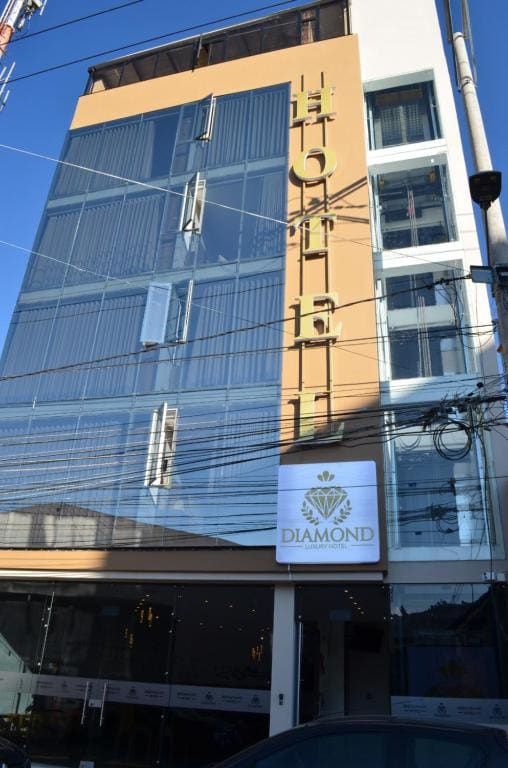
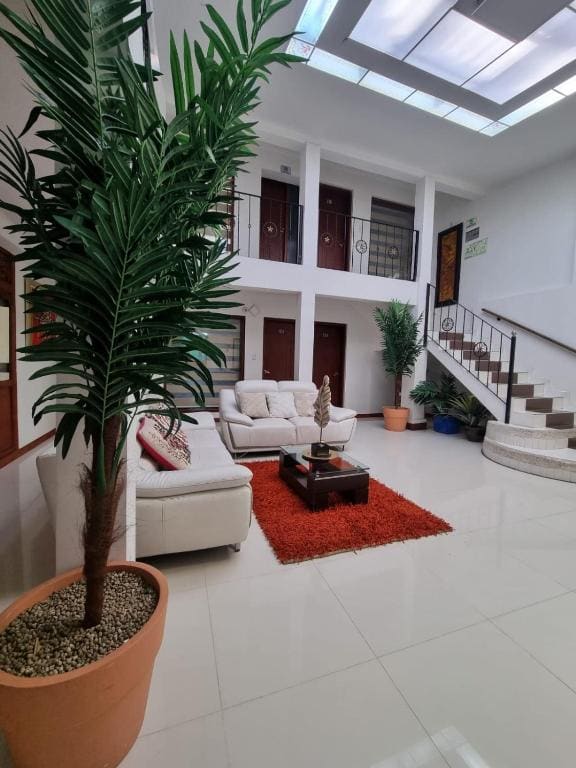
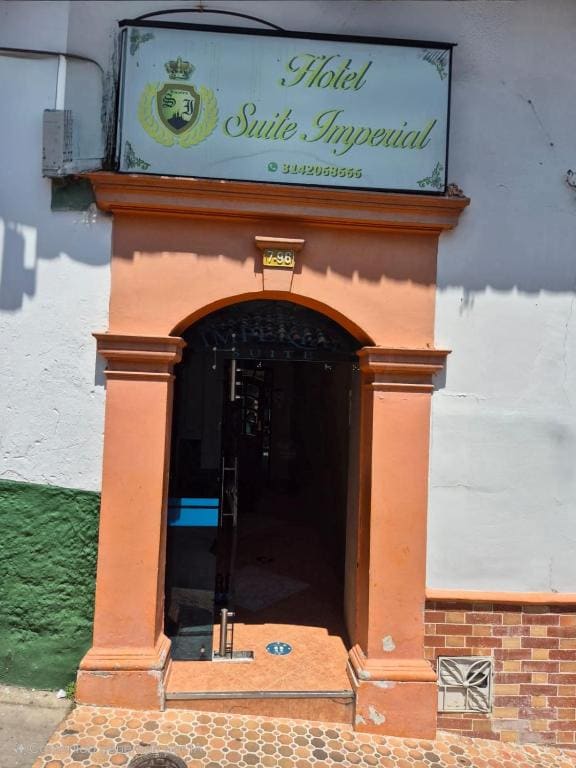
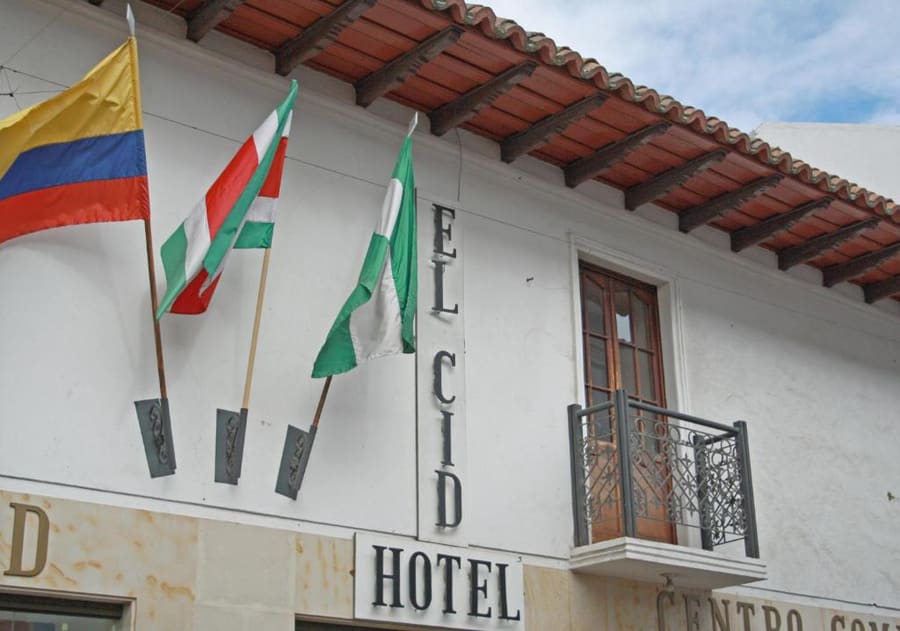
Choose your base based on heat and transit. Historic downtown hotels offer colonial courtyards but lack modern central heating. Northern hotels provide modern rooms, reliable insulation, and garage parking at higher nightly rates.
Live rates, matched to the areas above.
transport
Tunja has no urban train line or commercial passenger airport. You arrive by bus or car via the Highway 55 corridor from Bogotá or Villa de Leyva.Inside town, green and yellow busetas run northern and southern routes along Carrera 9 and Carrera 10. Taxis in Tunja do not use taximeters and instead charge flat, fixed fares determined by the local municipal government, with small fixed surcharges at night.
Depuis Terminal de Transportes Juana Velasco de Gallo
Local colectivos wait directly outside the terminal exit doors.
Official street taxis queue at the terminal platform day and night.
Pay the driver exact cash in coins or small bills when entering local minibuses.
Taxis are safe to hail on streets near Plaza de Bolívar during day hours.
Local minibus routes stop running around 21:00. Use radio taxis after dark.
No transit cards exist. Drivers only accept cash in Colombian Pesos.
cost
Tunja remains significantly cheaper than Bogotá or Cartagena. Historic attractions charge minimal entrance fees, and daily food expenses stay low if you eat local highland dishes.
Colonial house museums like Casa de Vargas charge low entry fees paid in cash.
Includes soup, main plate, and fresh juice at central lunch spots.
Single ride price on urban colectivos across all city routes.
Standard metered fare across downtown and immediate neighborhoods.
seasonality
DEC – FEB
Driest months with clear skies. Night temperatures drop close to freezing.
MAR – MAY
First rainy period. Bring waterproof layers for afternoon downpours.
JUN – AUG
Strong mountain winds blow across the plateau. Days remain cold and bright.
SEP – NOV
Heaviest rain window. Walking historic cobblestone streets requires good boots.
practicalities
At 2,820 meters, exertion feels double. Drink water and take slow paces up hills.
High altitude makes sun exposure intense despite cool temperatures. Wear sunscreen.
Smaller shops and museum doors close between 12:00 and 14:00 daily.
ATMs sit around Plaza de Bolívar. Small shops rarely accept international cards.
Pack thermal base layers and a thick jacket. Indoor heating is extremely rare.