landmark
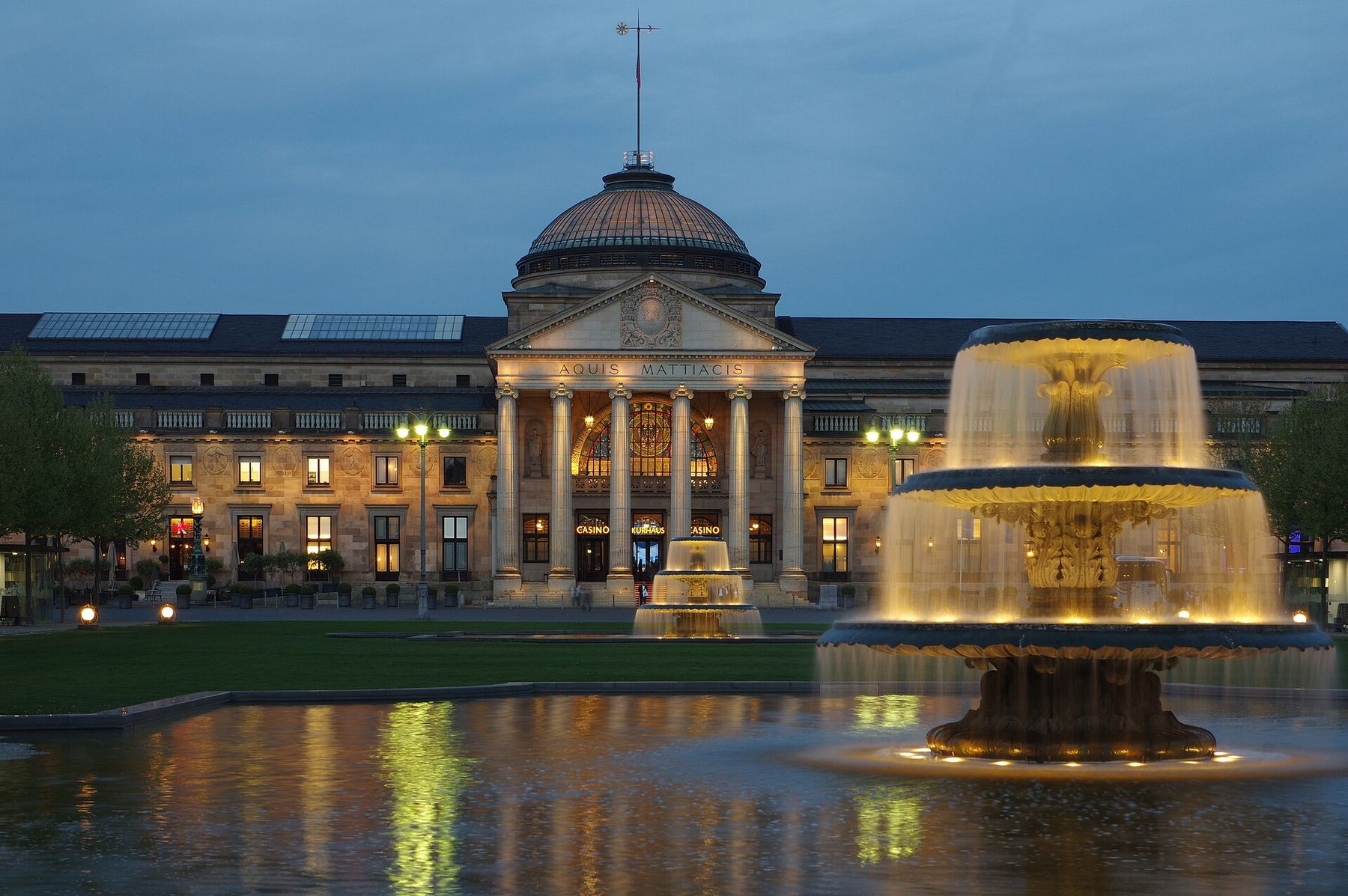
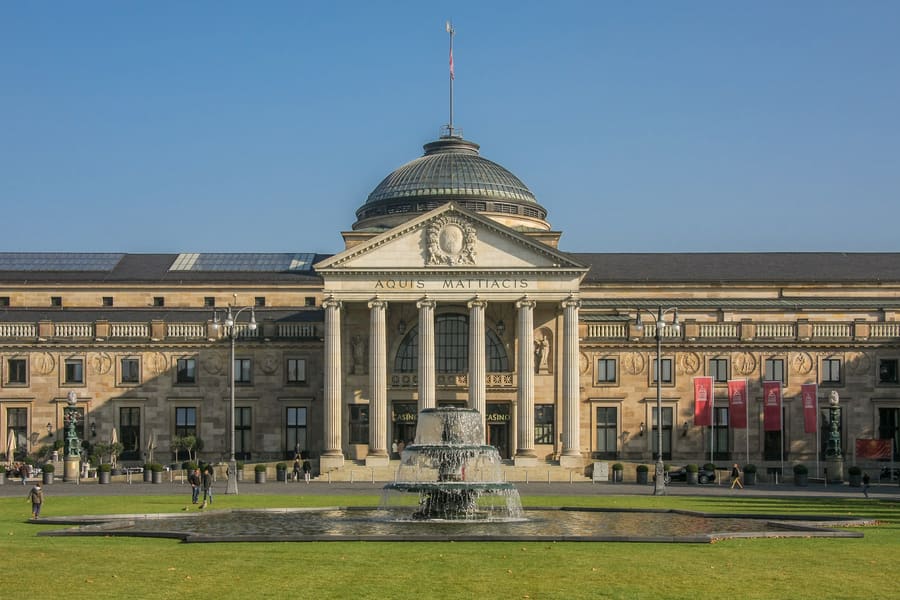
Kurhaus & Casino
The heart of 19th-century resort life. Pay €2 entrance to view the grand classical colonnades and historic gaming rooms.
Demander à ParleyAllemagne
Thermal springs, grand architecture, and Rheingau Riesling.
introduction
Wiesbaden is an aristocratic spa city built on 26 natural thermal springs. The town centre escaped heavy wartime bombing, leaving wide boulevards lined with intact nineteenth-century villas. You move easily on foot between the pedestrian shopping district and the Kurpark gardens. Expect a relaxed, well-to-do pace with a strong food culture rooted in local Rheingau wine.
Airport train shortcut
S-Bahn lines S8 and S9 link Frankfurt Airport directly to Wiesbaden Hauptbahnhof in 35 minutes. Your train ticket includes inner-city bus transfers on arrival.
Intact 19th-century fabric
Wiesbaden retained over 70 percent of its historic buildings after 1945. It remains one of Germany's most complete ensembles of Neoclassical and Gründerzeit architecture.
Nude thermal tradition
Kaiser-Friedrich-Therme operates entirely textile-free. Pack two large cotton towels and leave all swimwear in your hotel room.
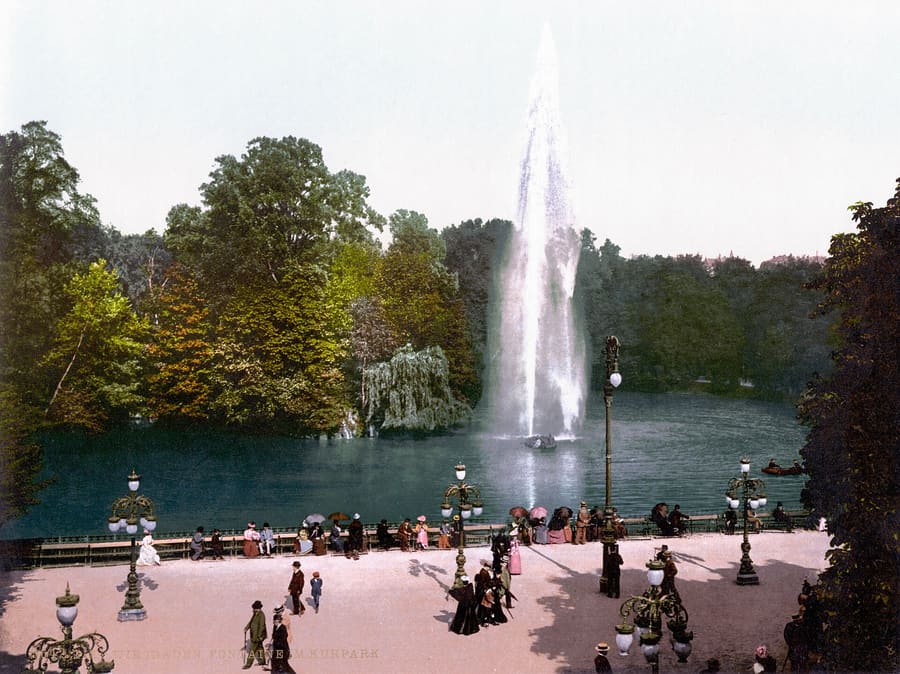
Wiesbaden
Unknown authorUnknown author · Public domain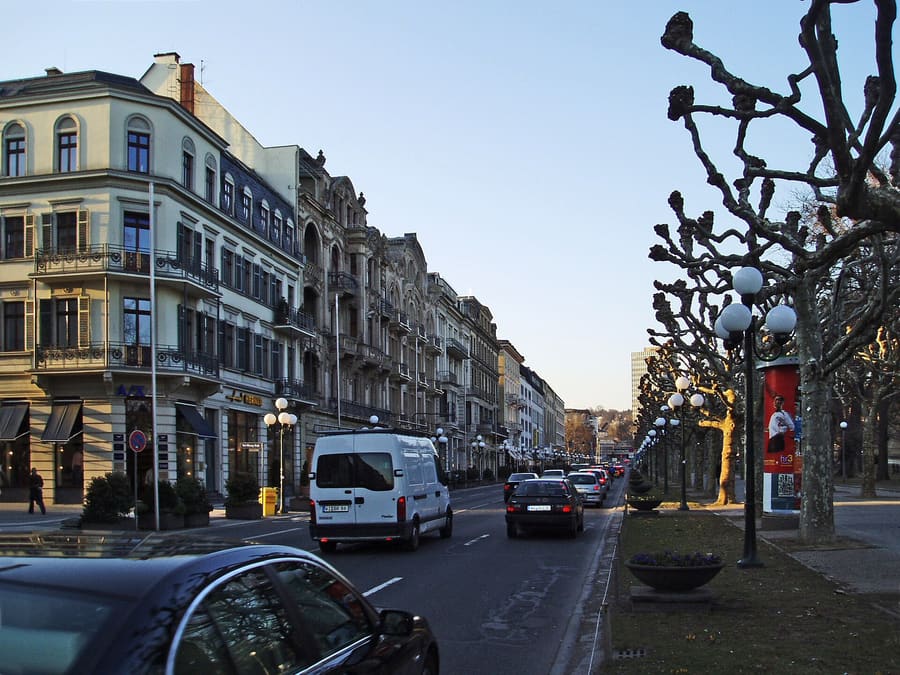
Mitte — Grand pedestrian avenues, boutique retail, and major spa infrastructure.
Querido at German Wikipedia · CC BY-SA 3.0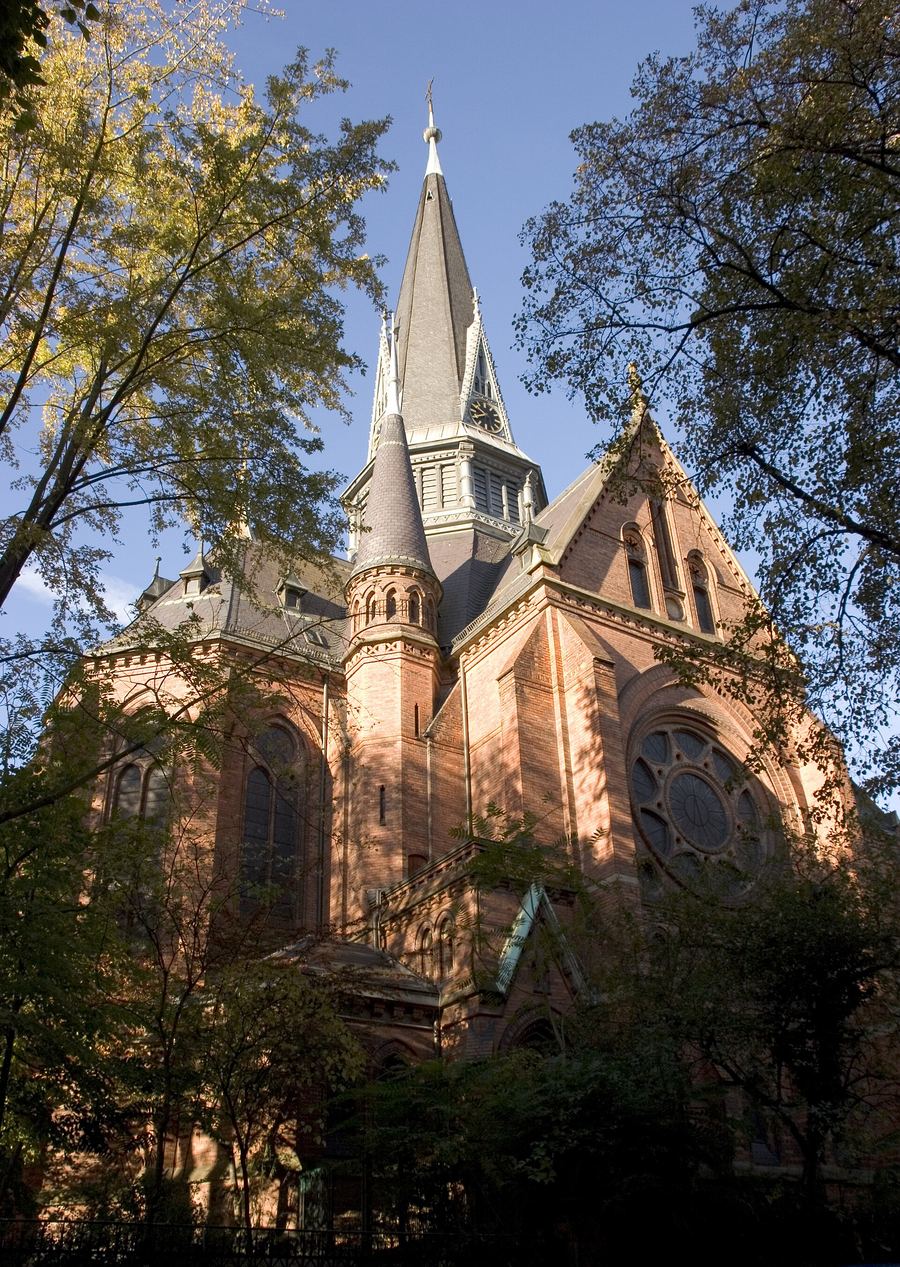
Bergkirchenviertel — Sloped cobblestone lanes with independent wine bars, cafes, and small design shops.
No machine-readable author provided. Rainer Rosenbaum assumed (based on copyright claims). · CC BY-SA 3.0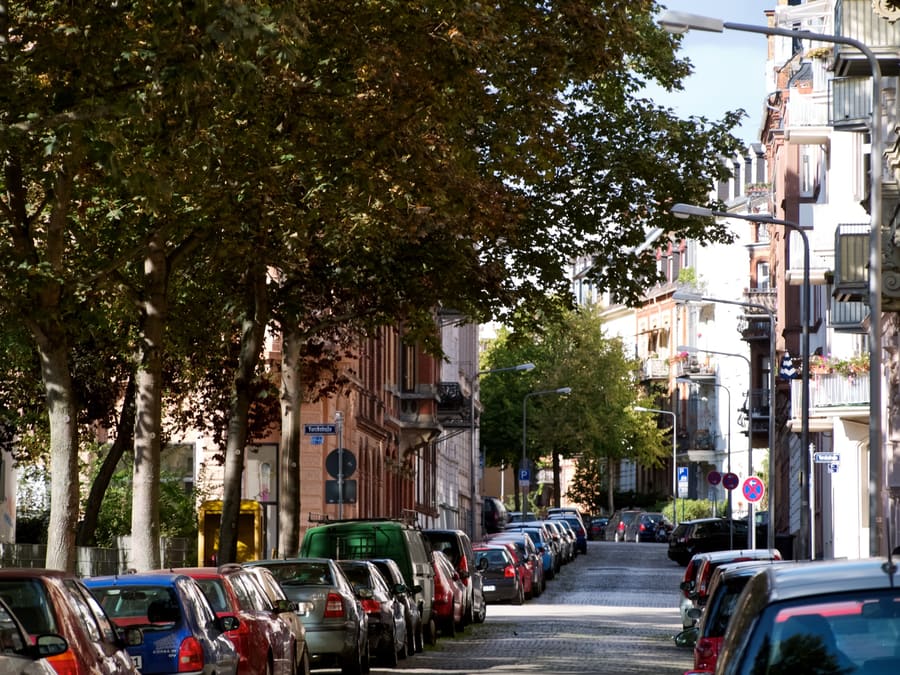
Westend — Densely populated residential neighborhood packed with intact 19th-century apartment blocks.
Benjamin Dahlhoff · CC BY-SA 3.0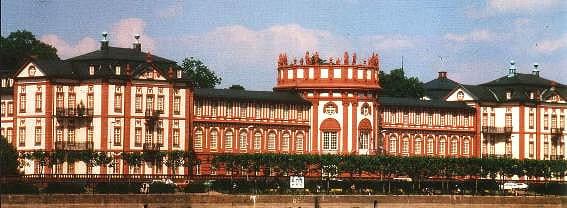
Biebrich — Riverside village vibe centred around the Baroque palace grounds and Rhine promenade.
Public domain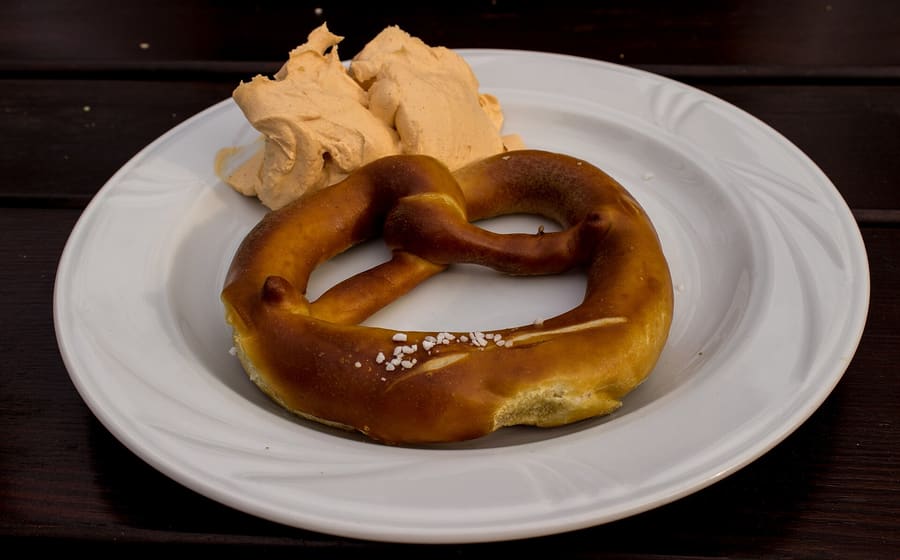
Spundekäs with pretzel biscuits at a traditional wine bar.
ZeWrestler · CC BY-SA 3.0highlights
landmark
The heart of 19th-century resort life. Pay €2 entrance to view the grand classical colonnades and historic gaming rooms.
Demander à Parley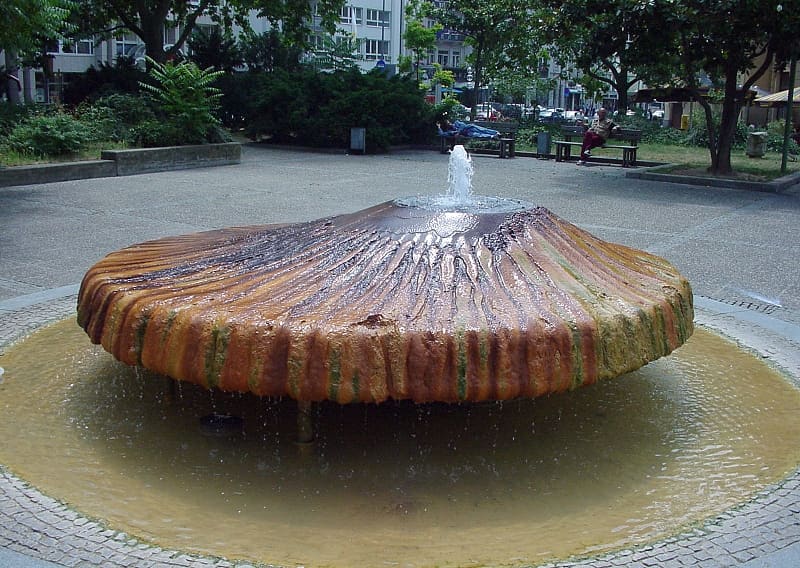
landmark
Wiesbaden's most famous thermal fountain discharges 66°C salty water continuously. The steam is free; drink at your own risk.
Demander à Parley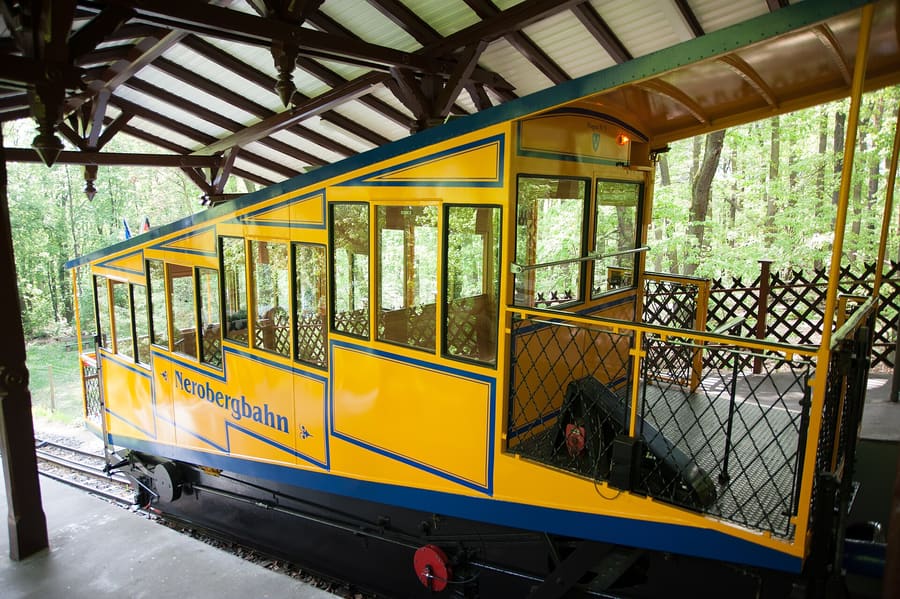
landmark
A water-ballasted funicular built in 1888. It uses gravity and 7,000 litres of water per trip to pull carriages up Neroberg hill.
Demander à Parley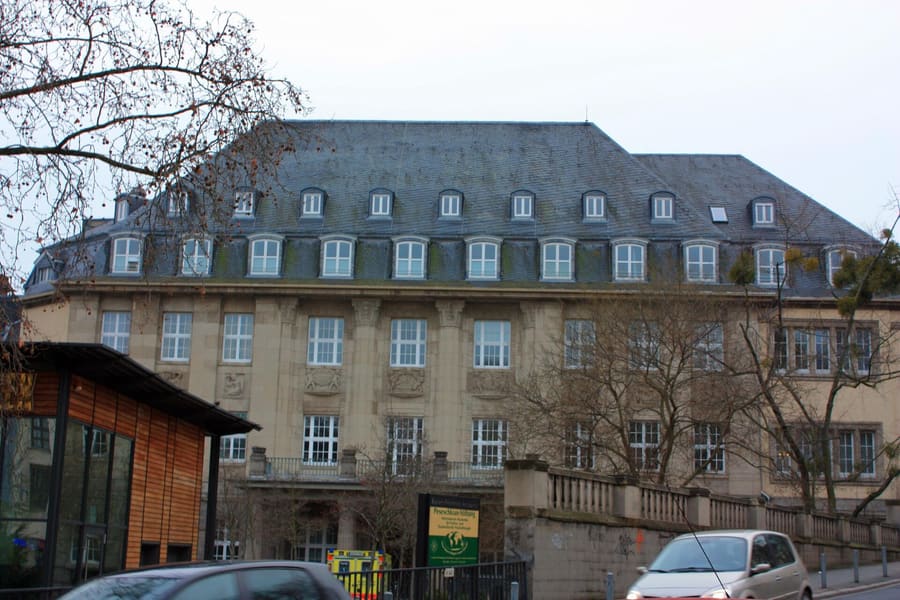
landmark
A restored Irish-Roman bathhouse fed by warm springs. Strict nudity rules apply across all saunas and pools.
Demander à Parley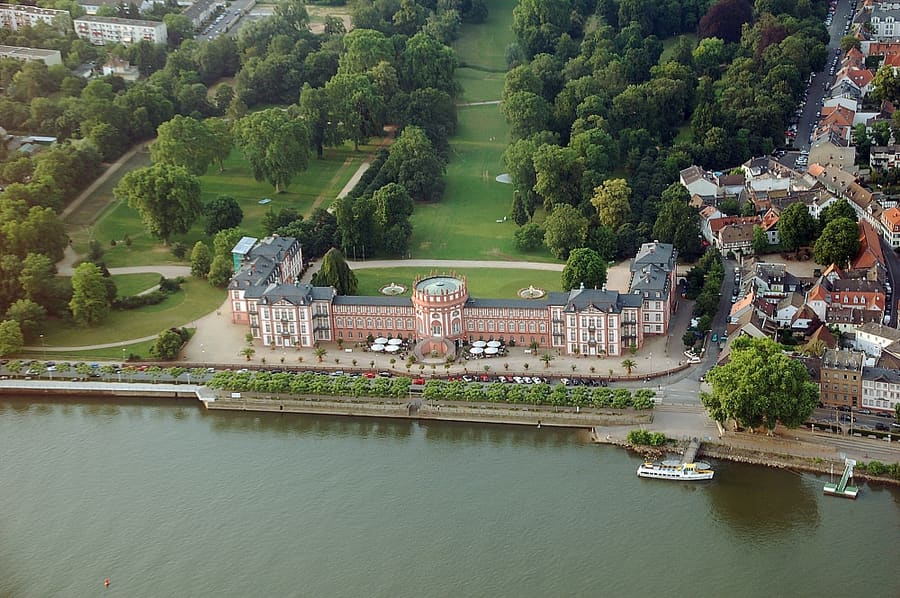
landmark
A Baroque riverside palace on the Rhine. The surrounding park offers shady walking paths away from the dense city core.
Demander à Parleyattractions
areas
Grand pedestrian avenues, boutique retail, and major spa infrastructure.
À proximitéMarktkirche, Kurhaus, and main shopping streets
Demander à ParleySloped cobblestone lanes with independent wine bars, cafes, and small design shops.
À proximitéKochbrunnen, Nerostraße dining, and Taunusstraße
Demander à ParleyDensely populated residential neighborhood packed with intact 19th-century apartment blocks.
À proximitéElsässer Platz, Wellritzstraße markets, and local eateries
Demander à ParleyRiverside village vibe centred around the Baroque palace grounds and Rhine promenade.
À proximitéSchloss Biebrich, ferry piers, and Rhine bike paths
Demander à Parleyfood
Wiesbaden anchors the eastern edge of the Rheingau wine region. Local dining circles around dry Riesling served alongside cold regional specialties. The classic bar order is Spundekäs, a seasoned dip made from cream cheese, sour cream, and onions served with miniature salted pretzels.You find traditional wine taverns lining Goldgasse in the city centre. For formal dining, local menus highlight wild game from the nearby Taunus forests paired with local vintages.
Spundekäs with pretzel biscuits at a traditional wine bar.
ZeWrestler · CC BY-SA 3.0Order a glass of regional Riesling and Spundekäs at traditional taverns along Goldgasse.
Visit Marktplatz on Saturday mornings between 08:00 and 14:00 to sample wines direct from local growers.
Walk up Neroberg to view the city-owned vineyard, producing Wiesbaden's official Riesling.
history
Nerobergbahn built
Engineers construct the water-ballasted funicular to transport visitors up Neroberg.
Kurhaus opening
Kaiser Wilhelm II inaugurates the grand neoclassical Kurhaus and casino complex.
State capital
Wiesbaden emerges from WWII largely intact and becomes the capital of Hesse.
where to stay
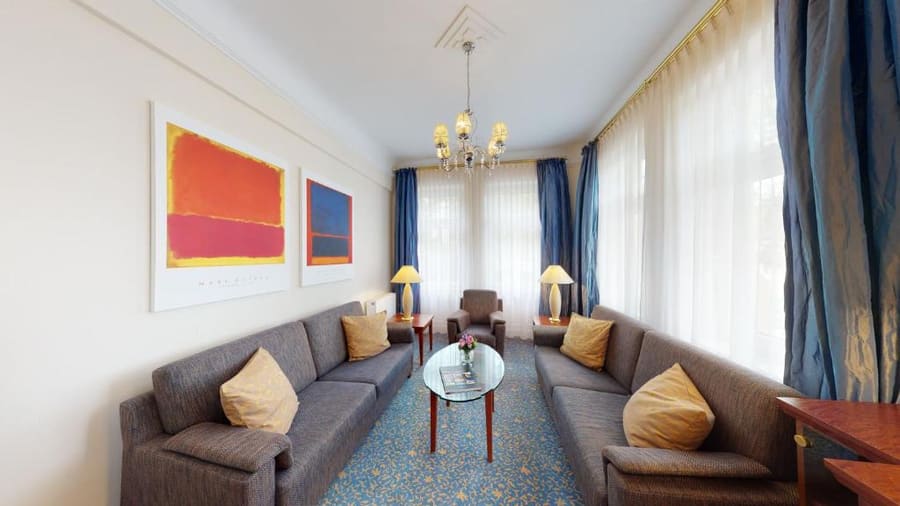
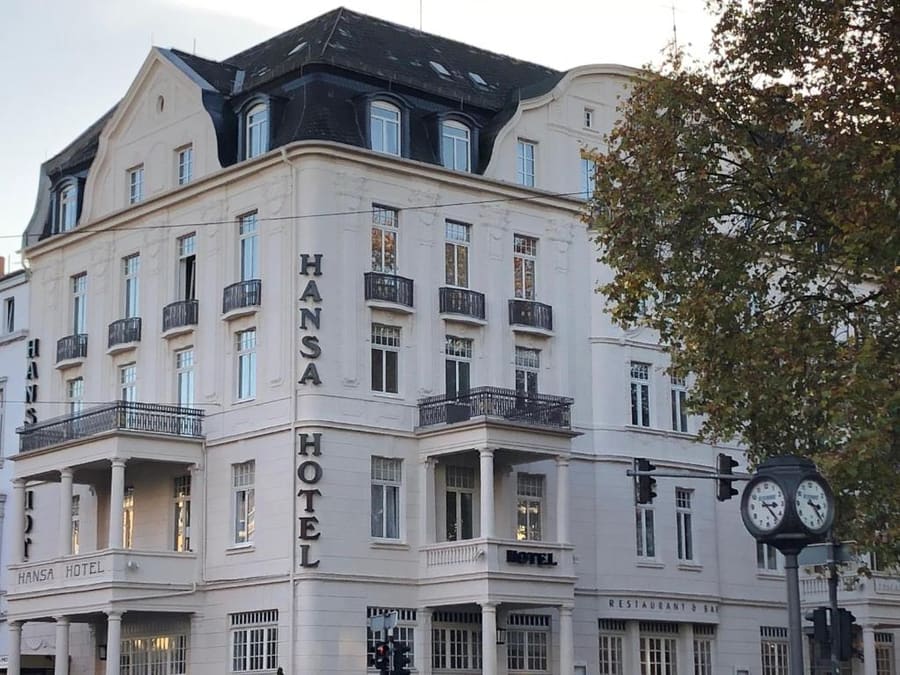
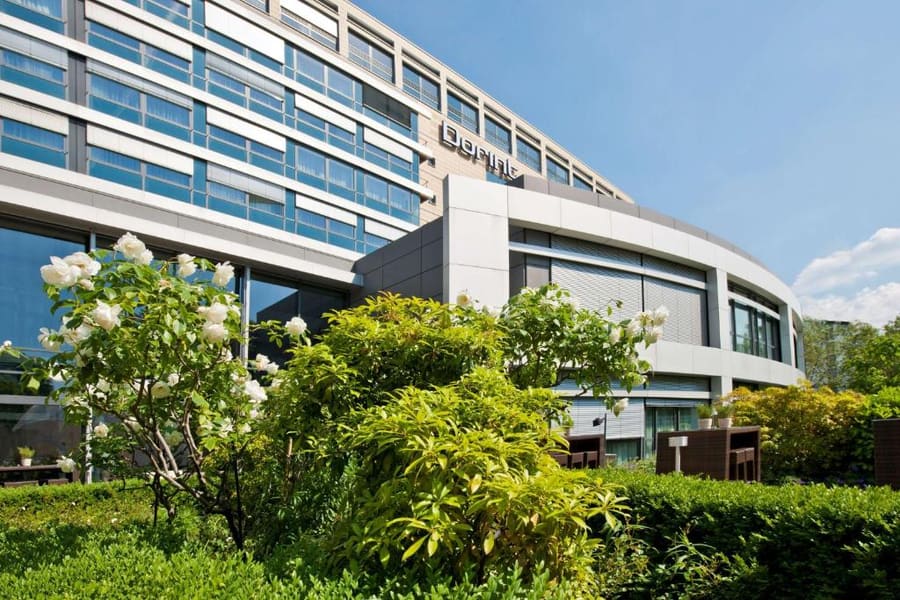
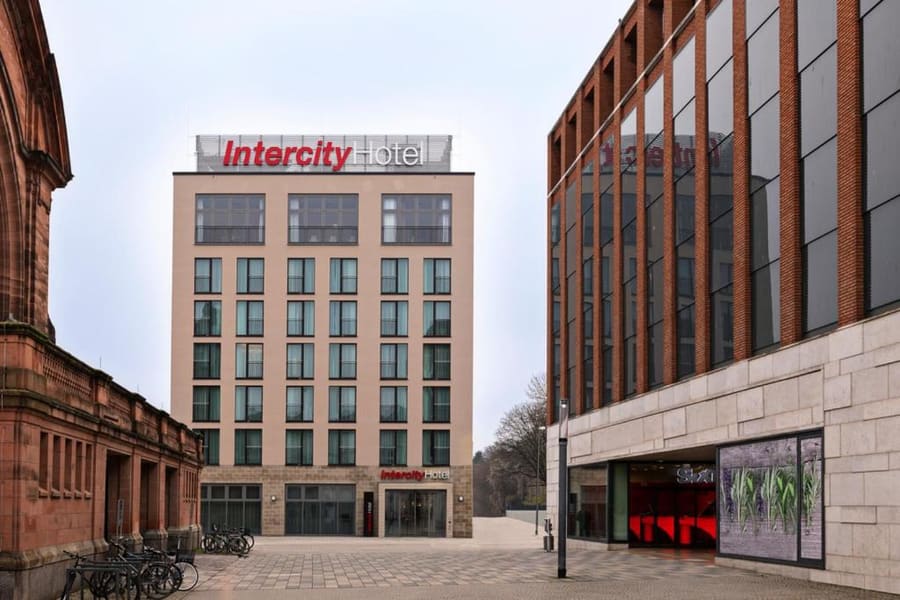
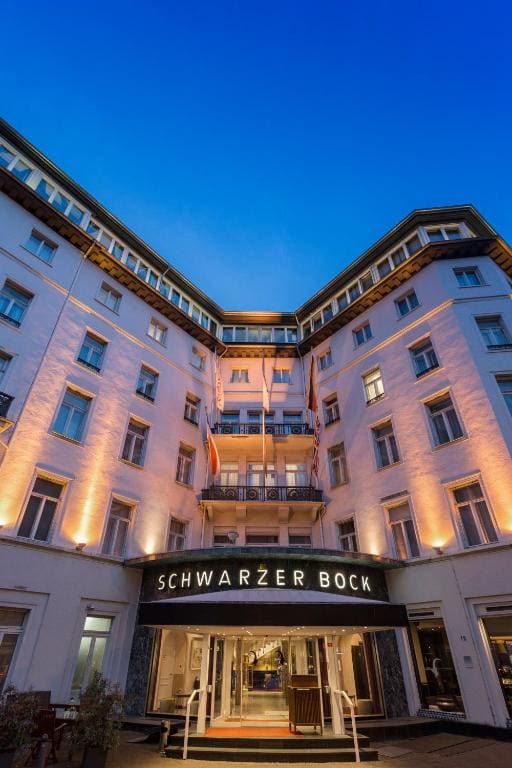
Choose your base depending on whether you value bathhouse proximity, quiet residential streets, or fast transit connections. Central hotels place you steps from the pedestrian shopping zone and spa facilities. Stays near the station trade historic charm for quick regional rail access.
Live rates, matched to the areas above.
transport
Wiesbaden's city centre is compact and easily walked. Dense bus routes operated by ESWE Verkehr handle all urban transit. The main railway station sits at the southern end of the central core, about a 15-minute walk from the historic market square.
Bus lines 1 and 8 connect Hauptbahnhof to the central pedestrian zone every few minutes.
S-Bahn S8 crosses the Rhine to neighboring Mainz in under 15 minutes.
The entire pedestrian center from the station park to Wilhelmstraße takes 20 minutes to cross on foot.
cost
Wiesbaden commands slightly higher prices than neighboring Mainz due to its civil service wealth and spa tourism. Thermal baths and upscale dining carry regional premium pricing, but public transit and casual taverns remain standard for Germany.
Standard price for a 0.2L glass at local wine bars.
Includes uphill and downhill trips on the historic funicular.
Valid for travel up to three bus stops within the city zone.
seasonality
MAR – MAY
Mild weather and blooming parks. Ideal conditions for walking tours and Neroberg visits.
JUN – AUG
Warm summer days bring outdoor wine festivals and outdoor dining along Wilhelmstraße.
SEP – NOV
Grape harvest season in the neighboring Rheingau. Wine tasting tours peak in October.
DEC – FEB
Cold weather shifts focus indoors to thermal spa baths and the December Sternschnuppenmarkt.
practicalities
All retail stores remain closed on Sundays. Plan grocery and gift purchases for Friday or Saturday.
Most restaurants accept credit cards, but small bakeries and traditional wine stands often demand cash.
Bathing suits are strictly banned inside Kaiser-Friedrich-Therme. Towels are mandatory when sitting on benches.
Thermal water from public fountains contains high mineral levels. Do not drink large quantities.
The historic funicular closes completely from November through March for seasonal maintenance.