landmark
Ostrów Tumski
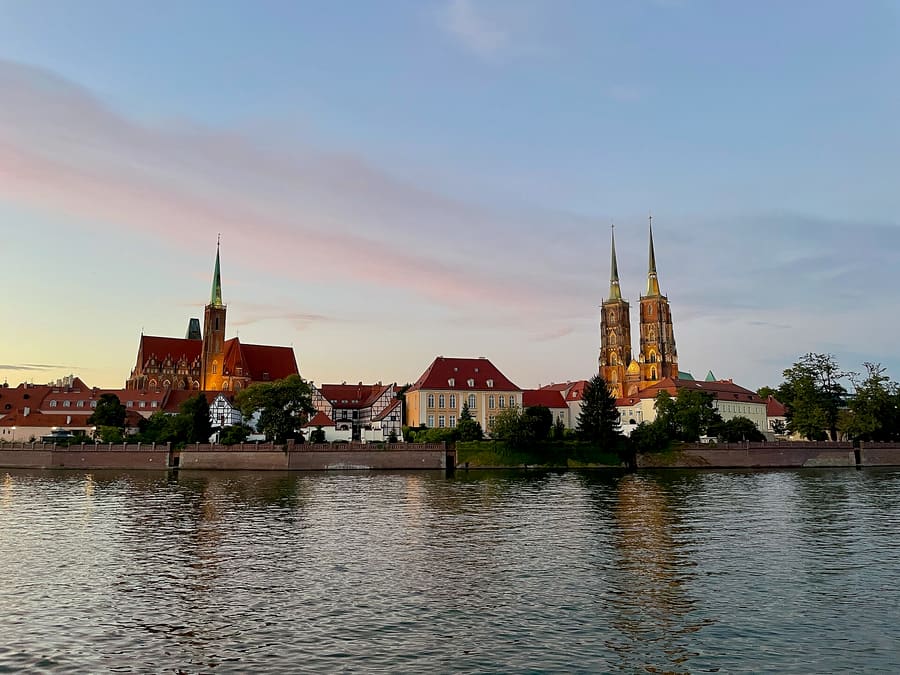
Gothic cathedral located on the city's oldest island. Climb the south tower by lift for views over the Odra.
Demander à ParleyPologne
Oder bridges, brick Gothic, and Silesian brewing.
introduction
Wrocław sits across twelve islands on the Odra River in southwestern Poland. German, Czech, and Polish rule left a architectural mosaic of brick Gothic and Prussian Baroque. You navigate the core easily on foot or by tram. Expectations shift once you cross the river into restored residential quarters.
Airport transit trick
Bus 106 connects Copernicus Airport to Main Station in 40 minutes for 4.60 PLN. Buy tickets on board using contactless pay.
UNESCO modernist landmark
Centennial Hall gained UNESCO status in 2006. Max Berg built its reinforced concrete dome in 1913.
Racławice Panorama booking
Book Panorama Racławicka tickets days ahead online. Your ticket includes free entry to the National Museum same day.
Wrocław
Ondřej Žváček · CC BY 4.0
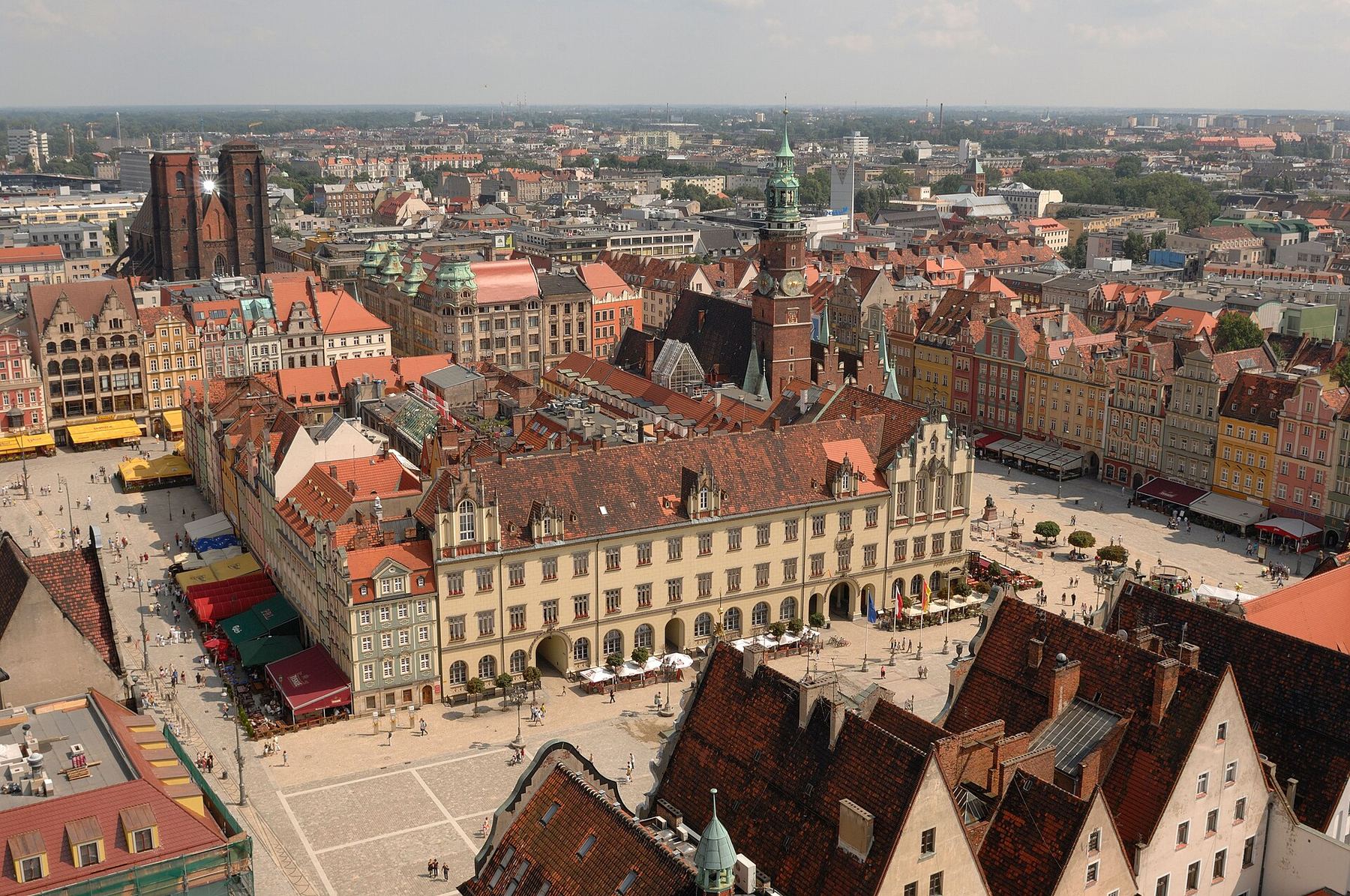
Stare Miasto — Restored Gothic and Baroque facades centered on Rynek. Touristic and lively around the clock.
Julo · Public domain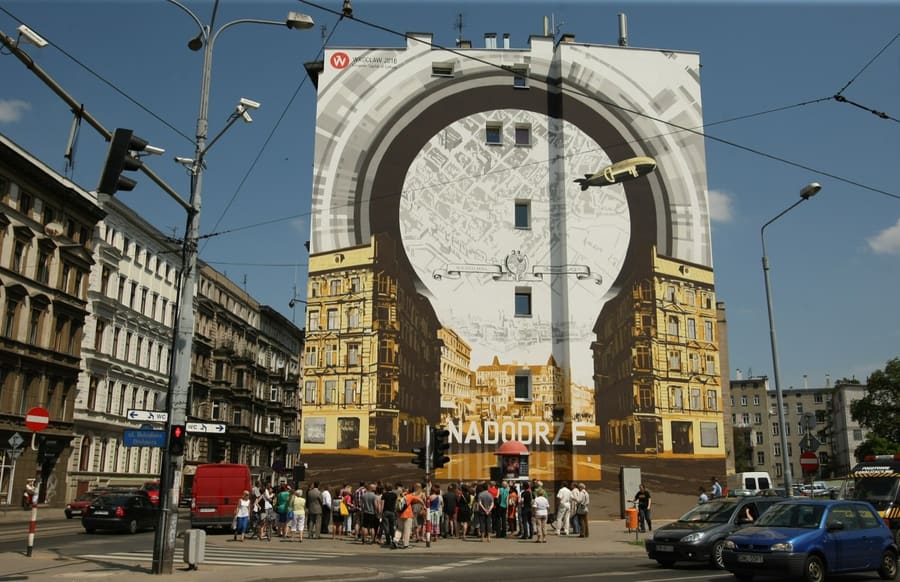
Nadodrze — 19th-century tenement neighborhood filled with artisan workshops, murals, and independent cafes.
Michał Węgrzyn · CC BY-SA 3.0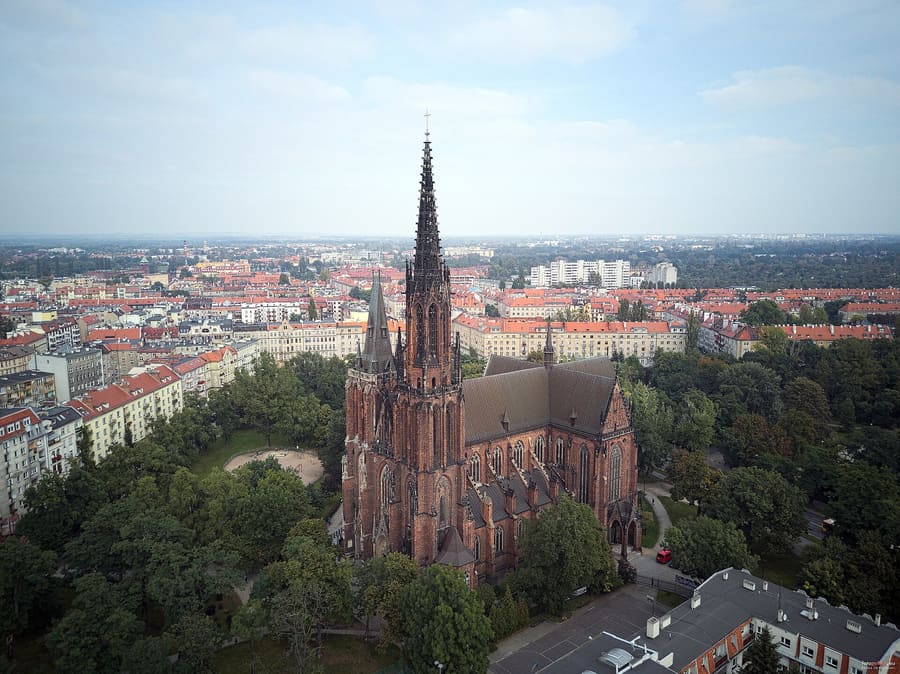
Ołbin — Residential district north of the river with brick architecture and student-oriented dining.
Corvus monedula · CC BY 3.0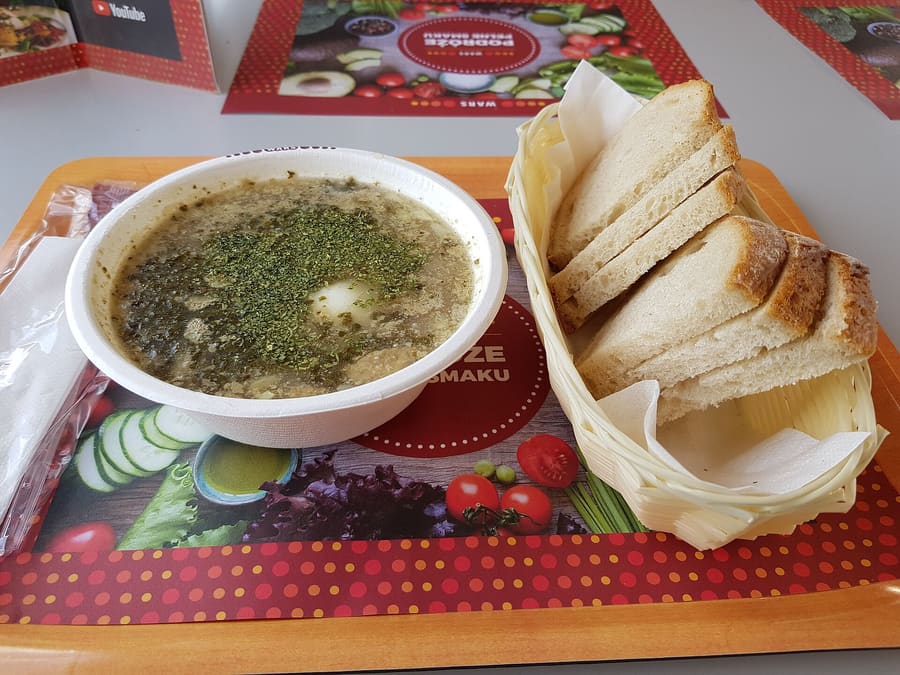
Żurek sour rye soup served with sausage and boiled egg.
Maksym Kozlenko · CC BY-SA 4.0highlights
landmark
Gothic cathedral located on the city's oldest island. Climb the south tower by lift for views over the Odra.
Demander à Parley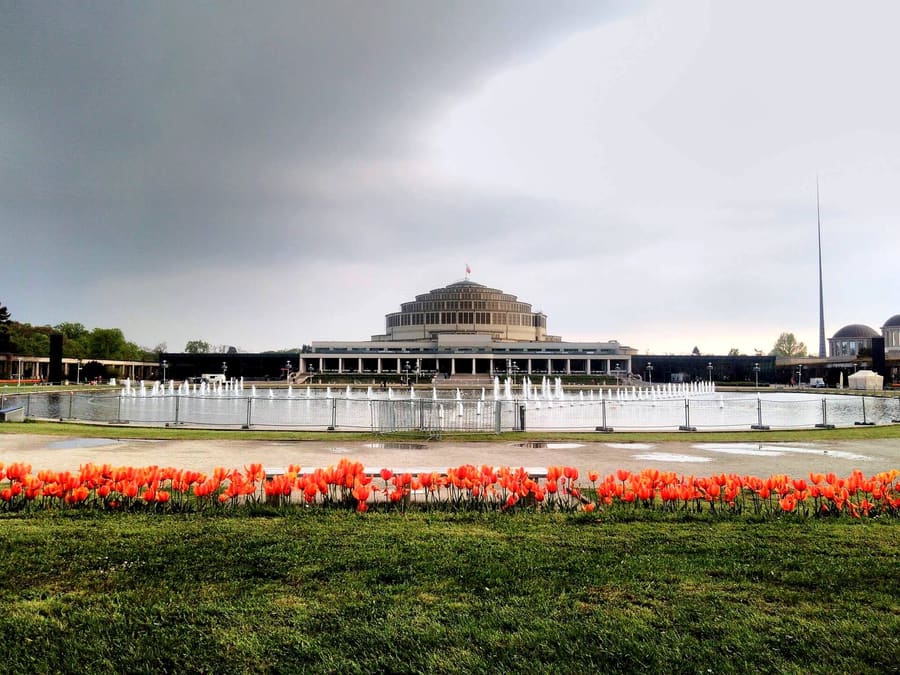
landmark
Pioneering 1913 concrete dome engineered by Max Berg. The surrounding park hosts a free multimedia fountain display.
Demander à Parley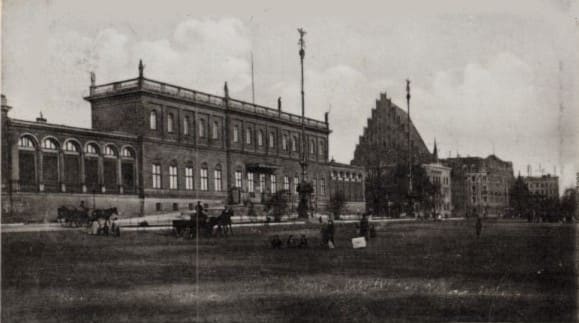
landmark
Former residence of Prussian kings housing the City Museum. The Baroque garden offers quiet bench seating.
Demander à Parleyattractions
areas
Restored Gothic and Baroque facades centered on Rynek. Touristic and lively around the clock.
À proximitéRynek, Royal Palace, Solny Square
Demander à Parley19th-century tenement neighborhood filled with artisan workshops, murals, and independent cafes.
À proximitéOstrów Tumski, Nadodrze Train Station
Demander à Parley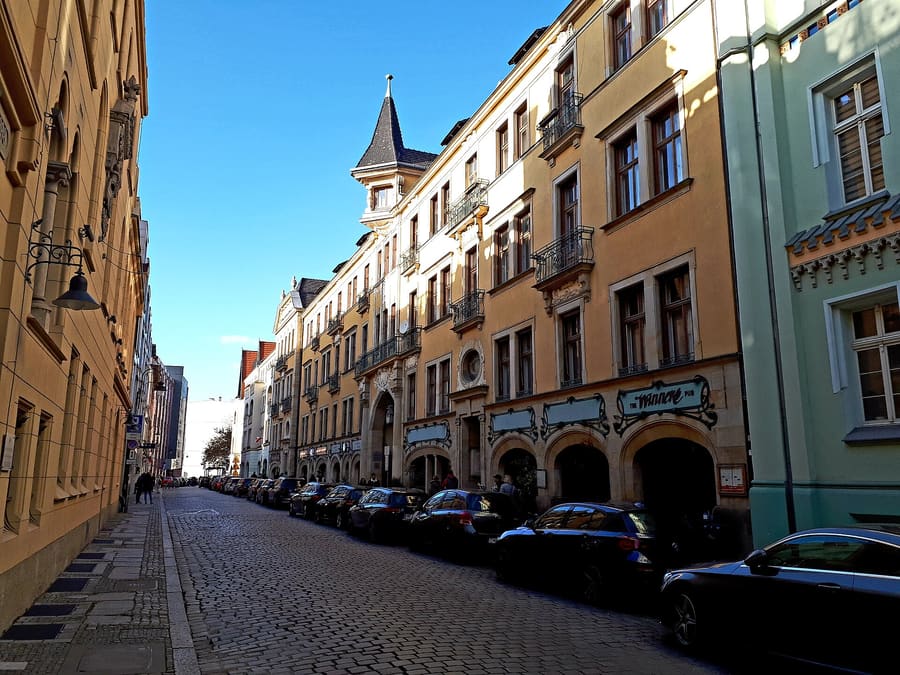
Quiet lanes linking Jewish, Catholic, Lutheran, and Orthodox houses of worship west of Rynek.
À proximitéWhite Stork Synagogue, Market Square
Demander à ParleyResidential district north of the river with brick architecture and student-oriented dining.
À proximitéTołpa Park, Botanical Garden
Demander à Parleyfood
Wrocław food reflects regional Lower Silesian traditions alongside a modern craft brewing scene. Silesian dumplings (kluski śląskie) feature a distinct thumbprint indentation made to catch rich meat gravy. Local milk bars (bar mleczny) serve affordable plates of pierogi and potato pancakes alongside classic żurek.
Żurek sour rye soup served with sausage and boiled egg.
Maksym Kozlenko · CC BY-SA 4.0In places like Bar Miś, pay the cashier first, hand your ticket to the kitchen window, and return your tray when finished.
Traditional milk bars run out of popular dumpling varieties by late afternoon.
history
Wrocław changed sovereignty multiple times over ten centuries, shifting between Polish, Bohemian, Habsburg, Prussian, and German governance. Known as Breslau under German rule until 1945, the city suffered extensive destruction during the siege of Festung Breslau at the end of World War II. Post-war border shifts transferred the city to Poland, leading to complete population replacement and careful architectural reconstruction of the historical core.
Bishopric established
Bolesław I Chrobry establishes a bishopric on Ostrów Tumski island.
Bohemian rule
The city passes to the Kingdom of Bohemia after the death of the last Piast duke.
Prussian annexation
Frederick the Great annexes Silesia; Breslau becomes a major Prussian garrison city.
Post-war transfer
Siege of Festung Breslau ends. The city becomes Polish Wrocław under Potsdam agreements.
where to stay
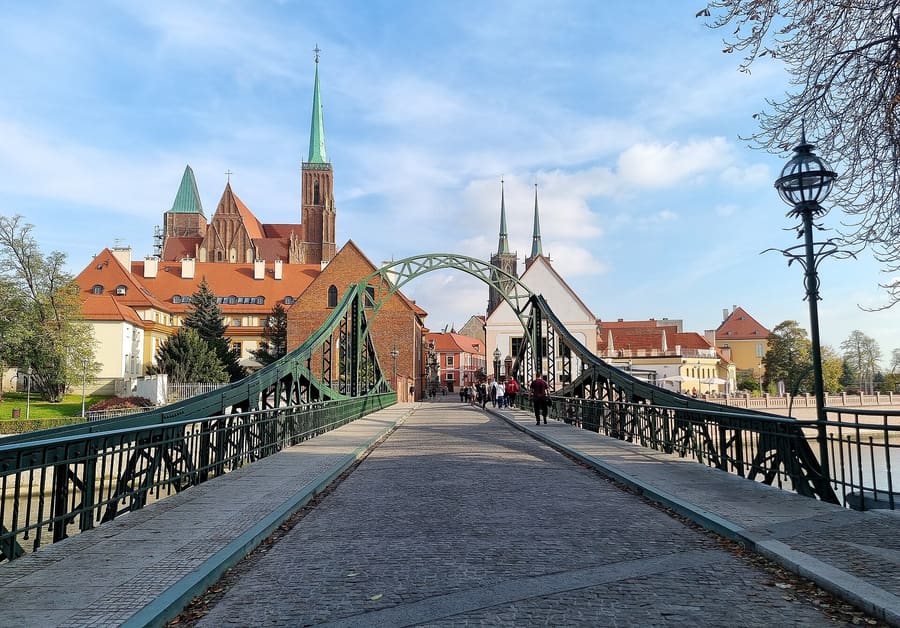
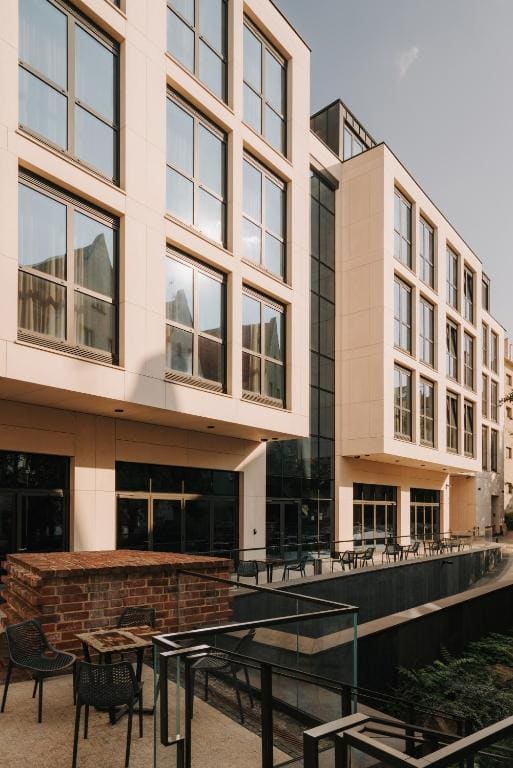
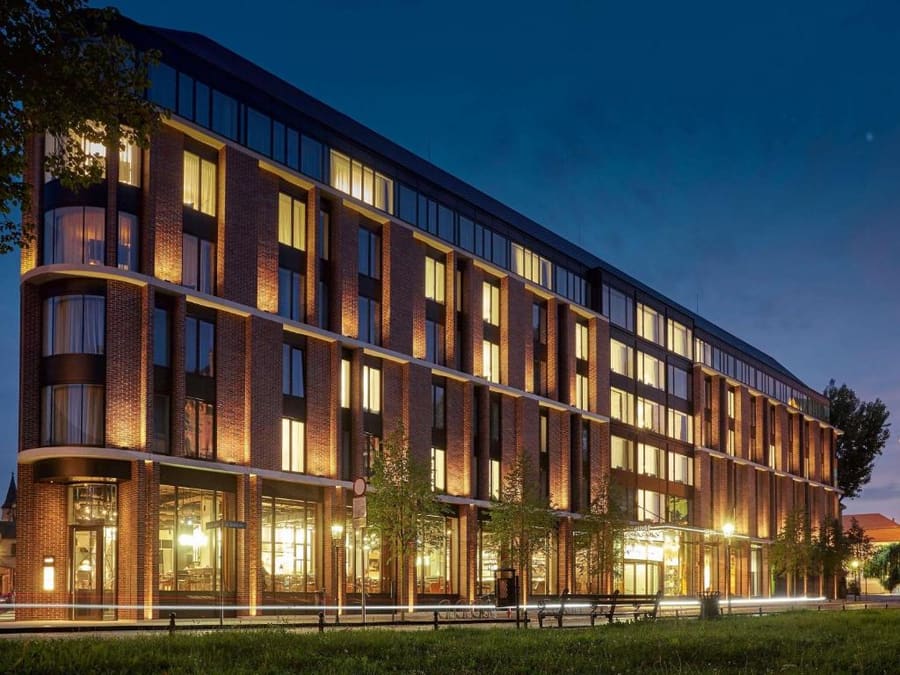
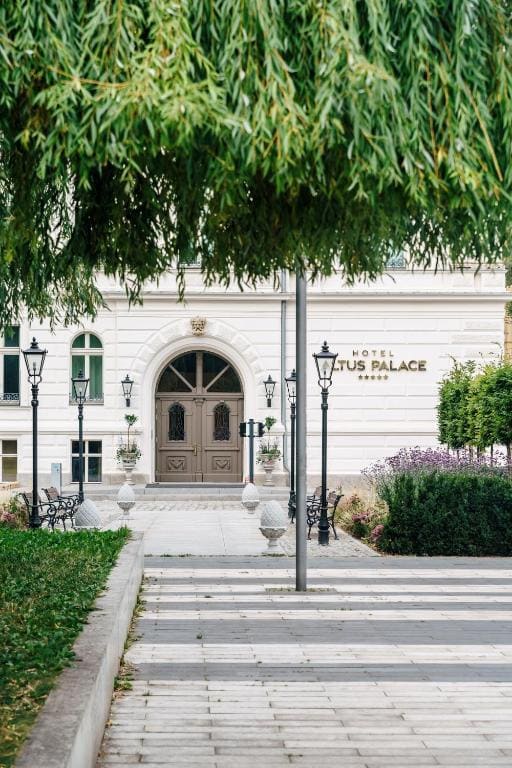
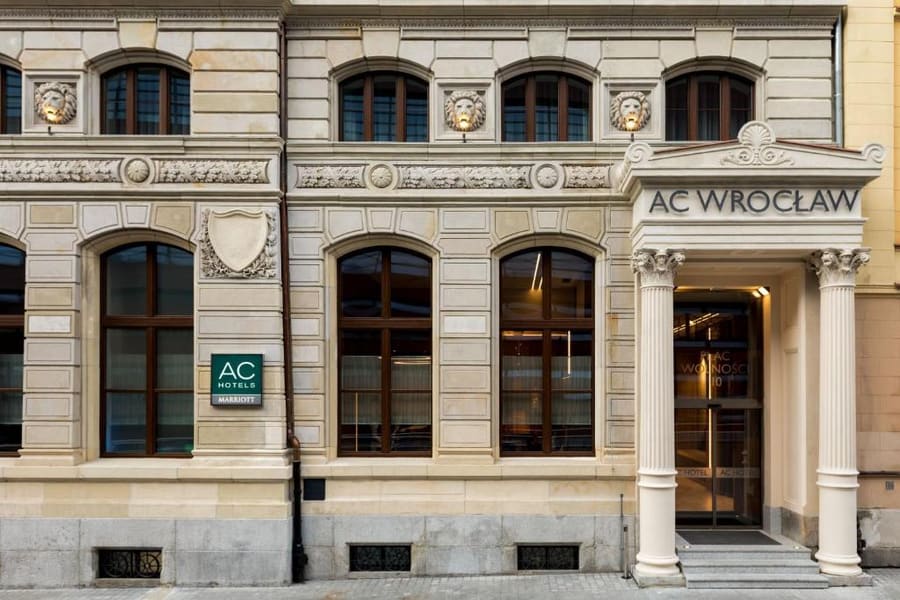
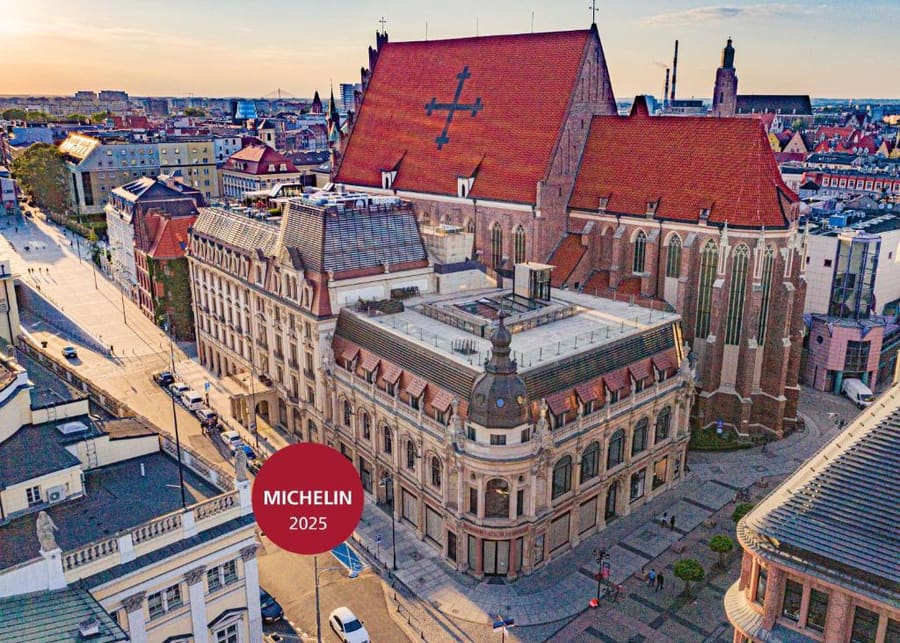
Base yourself in Stare Miasto if you want historical sites within five minutes on foot. Choose Nadodrze for quieter neighborhood streets and independent cafes. Ostrów Tumski offers river views and atmospheric evening strolls.
Live rates, matched to the areas above.
transport
Wrocław features an extensive tram and bus network managed by MPK Wrocław. Trams are the primary way to move between the center and outer attractions like Centennial Hall. Most historical sights in the Old Town are entirely pedestrianized.
Depuis Copernicus Airport Wrocław (WRO)
Line 106 runs directly to Dworzec Główny railway station every 15–20 minutes.
Official airport taxis line up outside the arrivals hall.
Uber and Bolt operate from designated pickup zones near the terminal.
Every MPK tram and bus has ticket validators that accept credit/debit cards directly. Your card acts as the ticket.
Single 15-minute (3.20 PLN) and 45-minute (4.60 PLN) tickets allow free transfers between lines within the timeframe.
A 24-hour transit pass costs 15.00 PLN and covers unlimited rides on all regular lines.
Onboard contactless validation is faster and eliminates paper waste.
cost
Poland uses the Polish Złoty (PLN). Wrocław remains budget-friendly compared to Western European capitals, though prices in tourist-heavy zones around Rynek are higher than in residential districts.
A full plate of pierogi or soup with bread at traditional canteens.
Main course and a local craft beer at a sit-down restaurant.
Draft beer prices in specialty taprooms around the city center.
45-minute ticket valid for trams and urban buses.
seasonality
MAR – MAY
Mild temperatures and blooming parks. Good conditions for walking along river embankments.
JUN – AUG
Warm daylight hours into the late evening. Outdoor beer gardens operate along the Odra banks.
SEP – NOV
Crisp autumn weather and reduced tour groups. Cultural venues launch new season programs.
DEC – FEB
Cold conditions with daylight ending by 16:00. The Christmas market fills Rynek through late December.
practicalities
Contactless cards are accepted at market stalls, trams, and small shops. Keep 20 PLN cash for public toilets.
Most large supermarkets and retail stores close on Sundays due to Polish national law. Restaurants remain open.
Jaywalking carries fines in Poland. Use designated pedestrian signals and wait for green lights.
Municipal tap water in Wrocław undergoes strict filtration and is completely safe for refill bottles.
Specific marked zones along Wyspa Słodowa island permit open alcohol consumption outdoors.