landmark
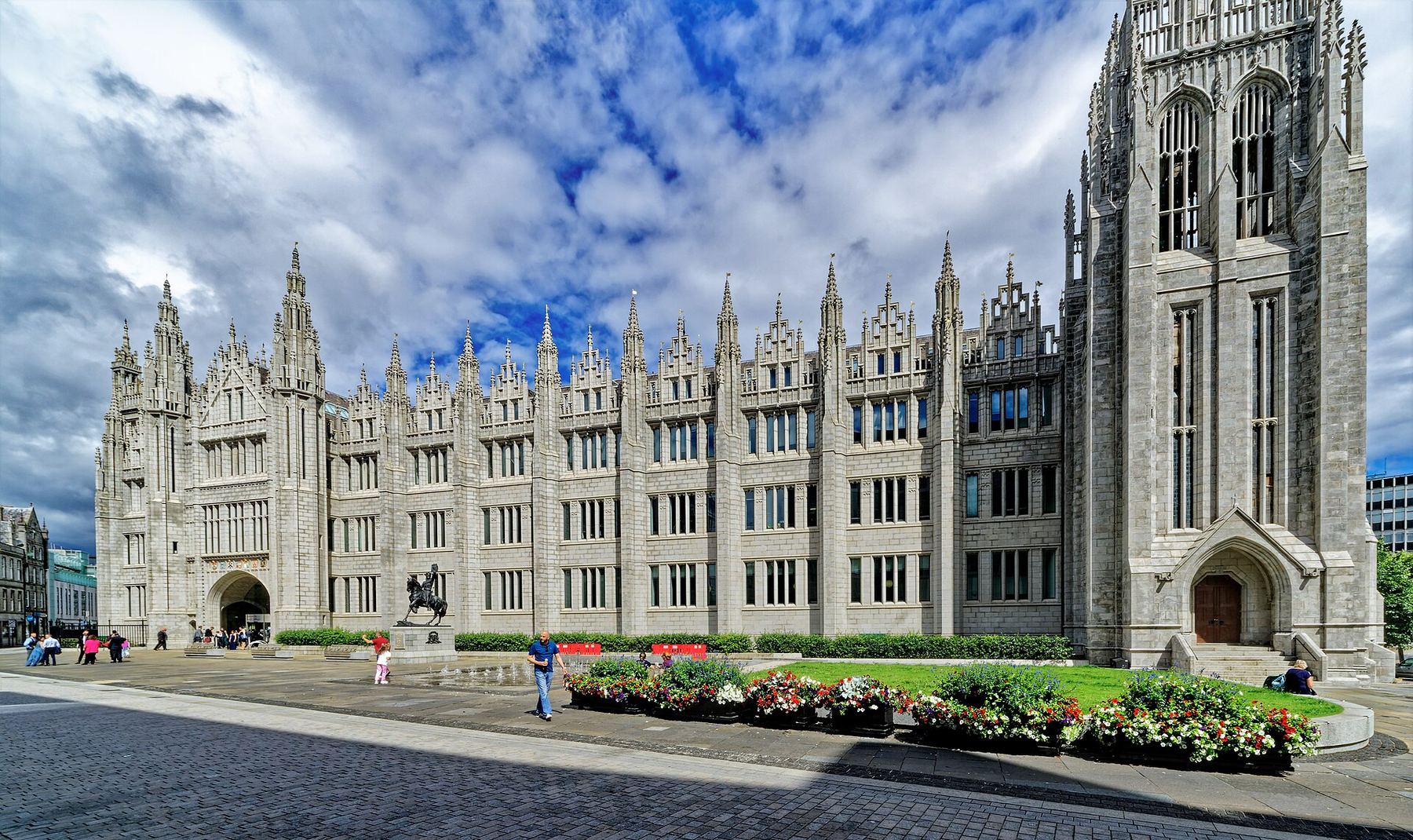
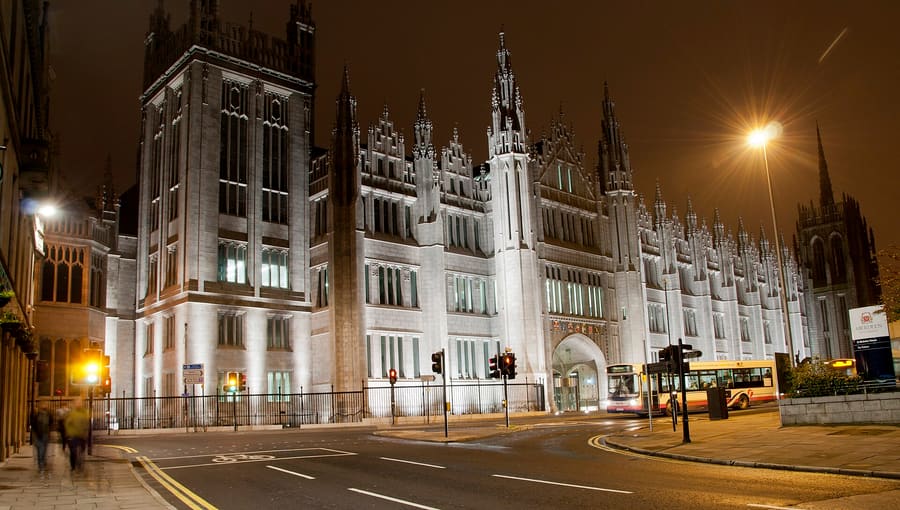
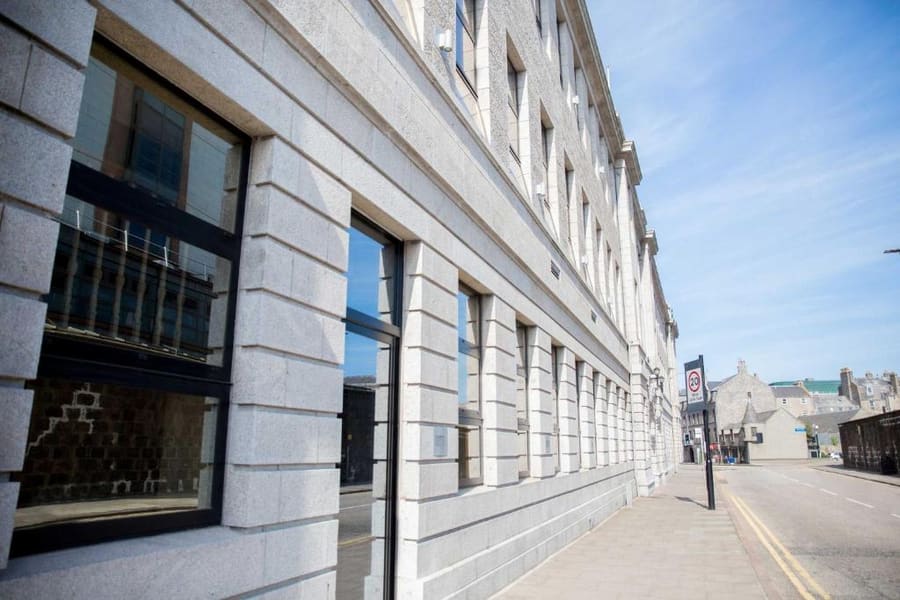
Marischal College
Broad Street landmark with a dramatic Gothic revival granite facade. Broad Street is pedestrianised for easy viewing.
Parley से पूछेंयूनाइटेड किंगडम
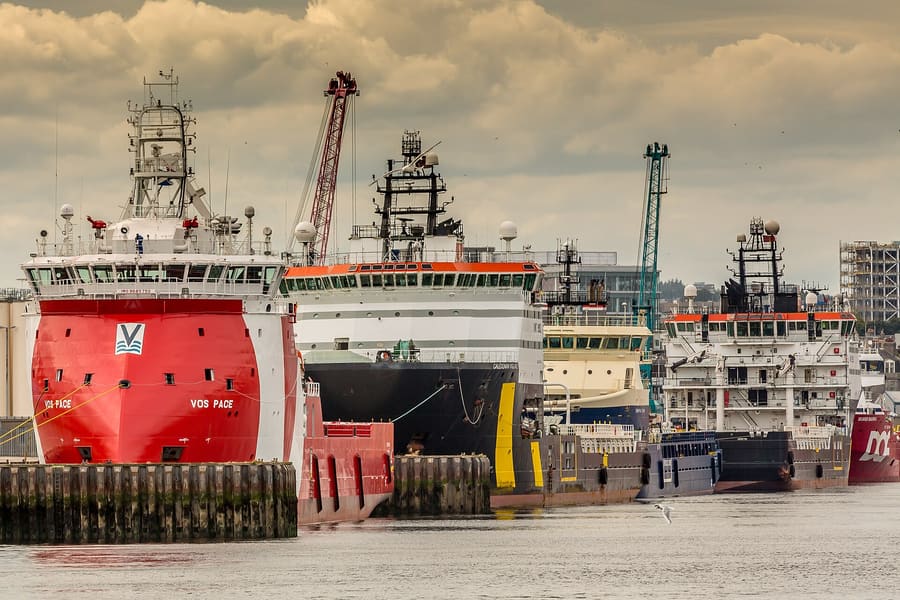
Silver granite architecture meets North Sea offshore reality.
introduction
Aberdeen is a working coastal city built almost entirely from grey mica granite that sparkles after rainfall. The oil industry dominates its modern economy, keeping weekday prices high and hotel rooms full of corporate travellers. You move between two distinct historic cores: medieval Old Aberdeen in the north and the 19th-century granite center along Union Street.
Airport connection
The Jet 727 bus runs every 15 minutes from Aberdeen Airport directly to Union Square bus station for £3.80.
Granite footprint
Marischal College is the second-largest granite building in the world, surpassed only by the Escorial in Spain.
Offshore pulse
Midweek hotel rates peak Tuesday to Thursday due to oil sector travellers. Weekend leisure stays offer lower rates.
Aberdeen
Alan Jamieson from Aberdeen, Scotland · CC BY 2.0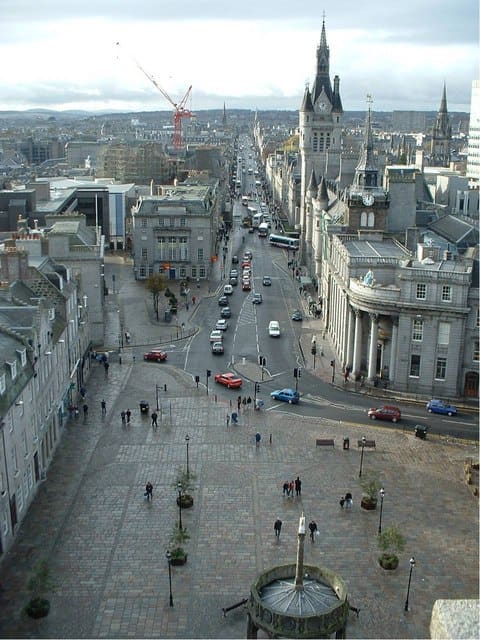
City Centre — Victorian granite corridors, retail centers, and direct access to main transit nodes.
Lyn Mcleod · CC BY-SA 2.0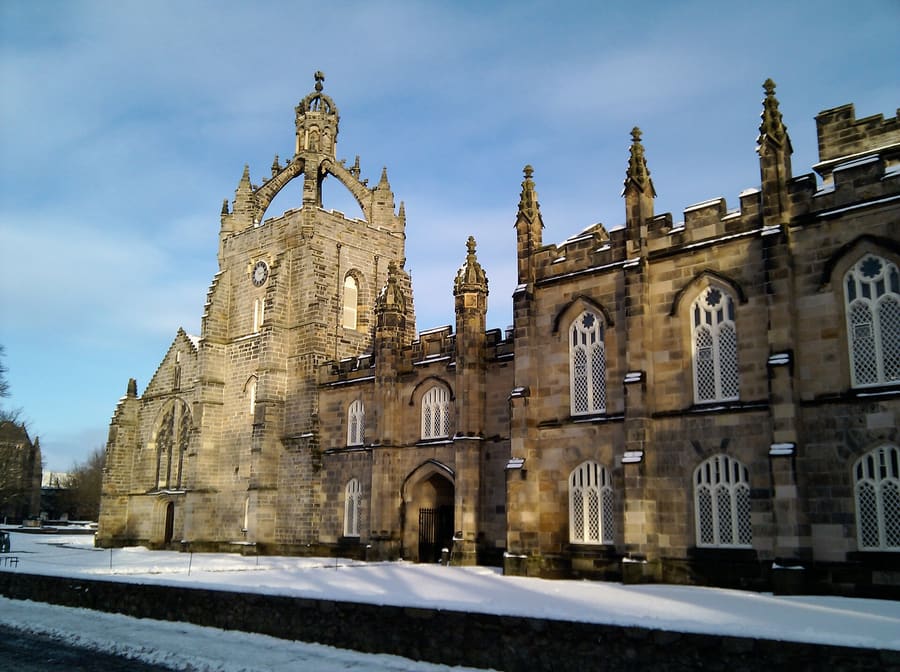
Old Aberdeen — Cobblestone streets, 15th-century academic buildings, and quiet residential lanes.
Nick Bramhall from Aberdeen, UK · CC BY-SA 2.0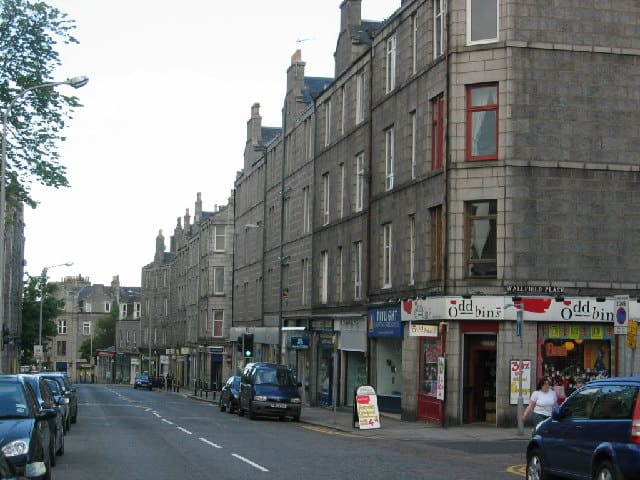
Rosemount — Independent butchers, bakeries, cafes, and traditional granite tenement blocks.
Lizzie · CC BY-SA 2.0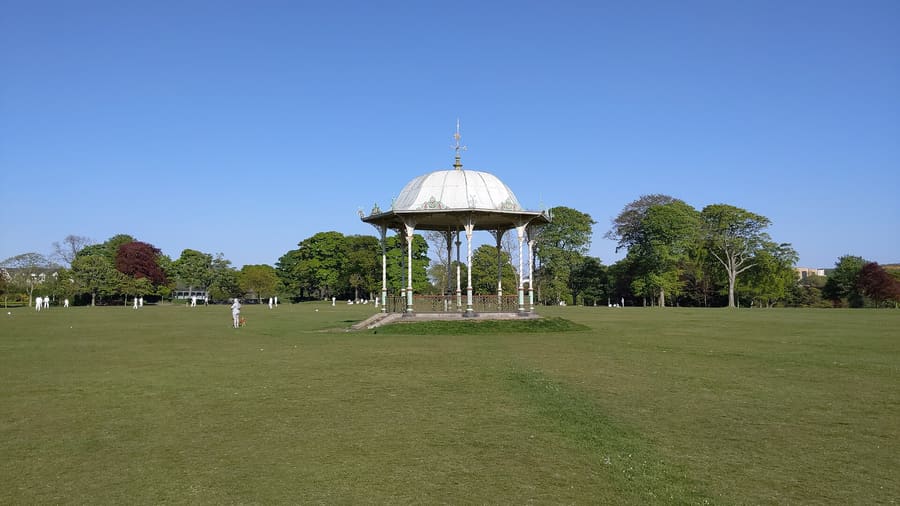
Ferryhill — Leafy residential avenues, Victorian villas, and proximity to the River Dee.
UltrasonicMadness · CC BY-SA 4.0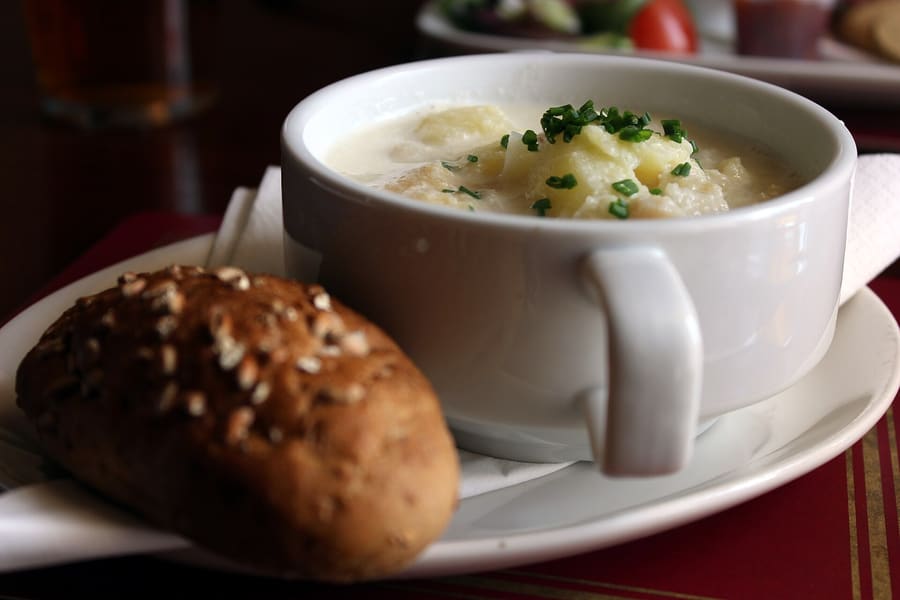
Cullen skink, a thick local soup made with smoked haddock, potatoes, and onions.
Metukkalihis · CC BY-SA 3.0highlights
landmark
Broad Street landmark with a dramatic Gothic revival granite facade. Broad Street is pedestrianised for easy viewing.
Parley से पूछें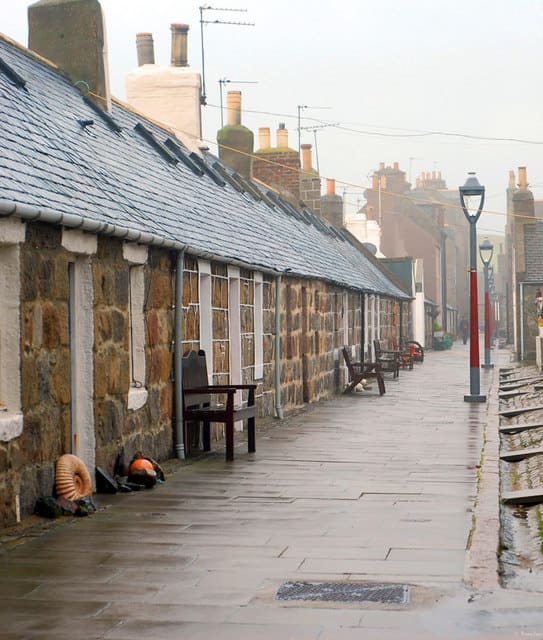
landmark
19th-century fishing community of stone cottages facing inward against North Sea storms. Respect resident privacy on narrow lanes.
Parley से पूछें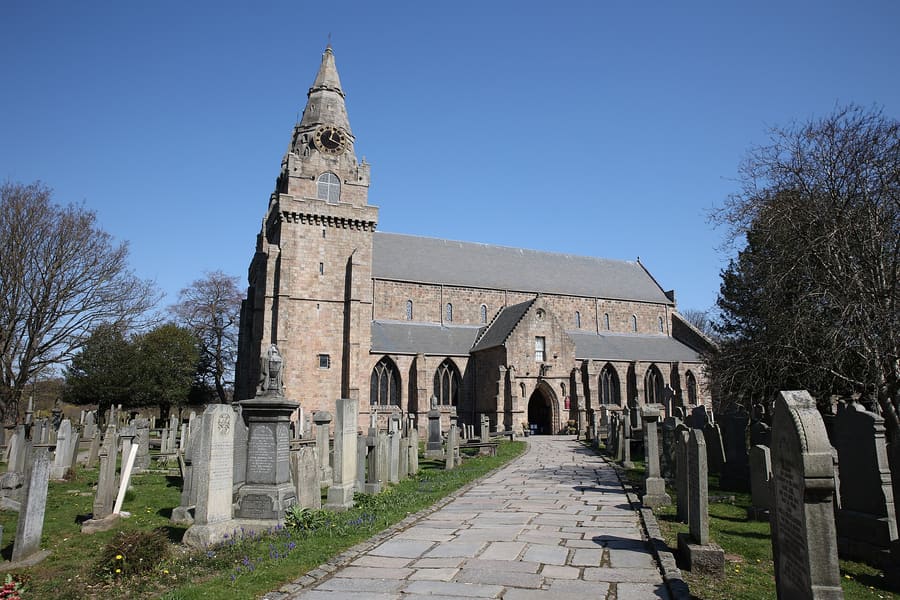
landmark
15th-century fortified cathedral featuring a carved wooden heraldic ceiling. Walk through Seaton Park to reach it from Old Aberdeen.
Parley से पूछें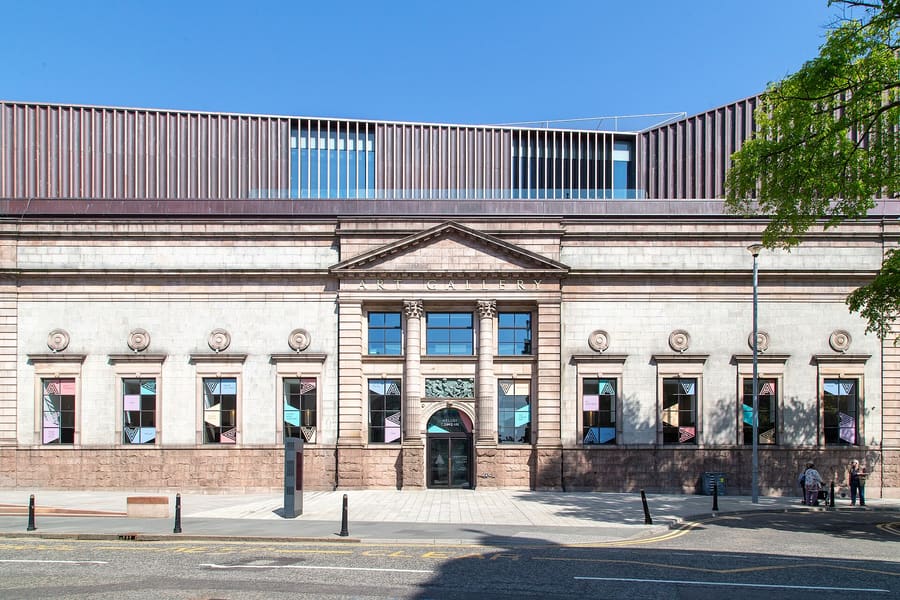
landmark
Recently redeveloped gallery housing Scottish contemporary art and maritime exhibits. General admission is free.
Parley से पूछें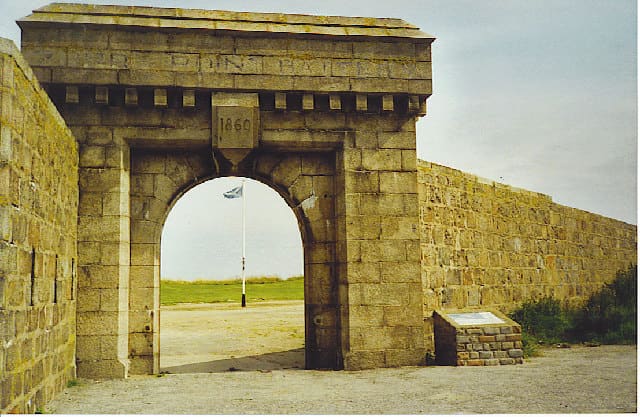
landmark
19th-century artillery fortification overlooking the harbor mouth. It offers a clear vantage point for spotting wild bottlenose dolphins.
Parley से पूछेंattractions
areas
Victorian granite corridors, retail centers, and direct access to main transit nodes.
पास मेंAberdeen Railway Station and Union Square.
Parley से पूछेंCobblestone streets, 15th-century academic buildings, and quiet residential lanes.
पास मेंSeaton Park and St Machar's Cathedral.
Parley से पूछेंIndependent butchers, bakeries, cafes, and traditional granite tenement blocks.
पास मेंVictoria Park and Westburn Park.
Parley से पूछेंLeafy residential avenues, Victorian villas, and proximity to the River Dee.
पास मेंDuthie Park and the David Welch Winter Gardens.
Parley से पूछेंfood
Aberdeen's food scene relies heavily on its coastal location and Aberdeenshire agriculture. The local staple is the buttery, a lard and butter-rich bread roll originally baked for fishermen. Fresh landings from nearby Peterhead supply local fish bars, while Aberdeenshire beef remains a dominant menu item across city bistros.
Cullen skink, a thick local soup made with smoked haddock, potatoes, and onions.
Metukkalihis · CC BY-SA 3.0Buy a fresh buttery at a local bakery like Thains on George Street rather than a supermarket. Eat it cold or lightly toasted.
Order this thick soup of smoked haddock, potatoes, and onions at harbour-side taverns for a traditional lunch.
Kitchens in independent restaurants often close early on weekdays, with final orders around 21:00.
history
Aberdeen grew from two separate burghs: Old Aberdeen on the River Don and New Aberdeen on the River Dee. Royal charters in the 12th century established its merchant status, while stone quarrying defined its 19th-century architecture. The discovery of North Sea oil in 1969 converted the regional port into Europe's offshore energy hub.
Burgh Charter
King William the Lion grants Aberdeen its burgh charter, establishing trade privileges.
University Founded
Bishop William Elphinstone founds King's College, creating Aberdeen's first university.
Granite Boom
Rubislaw Quarry expands, providing silver granite for local building construction.
North Sea Oil
Oil is discovered in the North Sea, making Aberdeen the operational center for offshore drilling.
where to stay
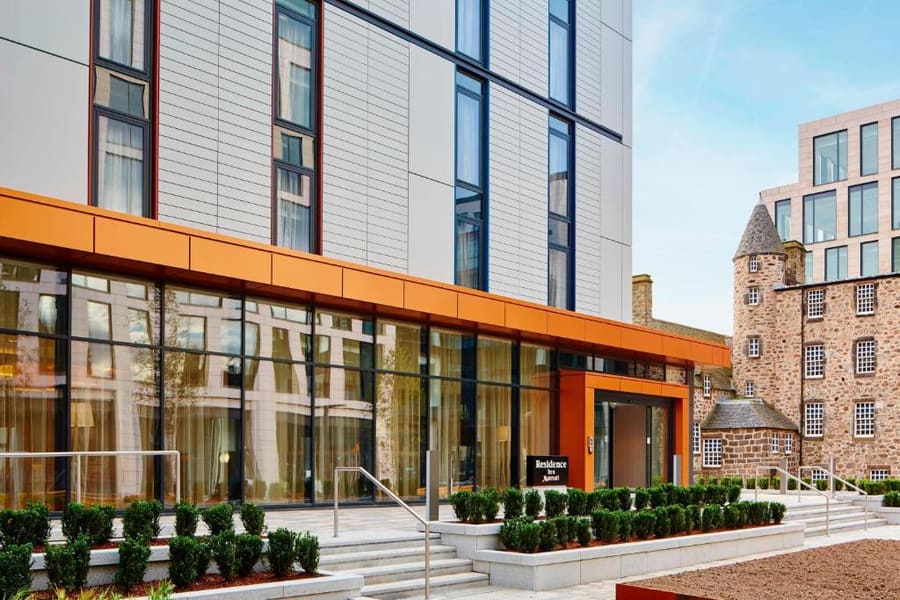
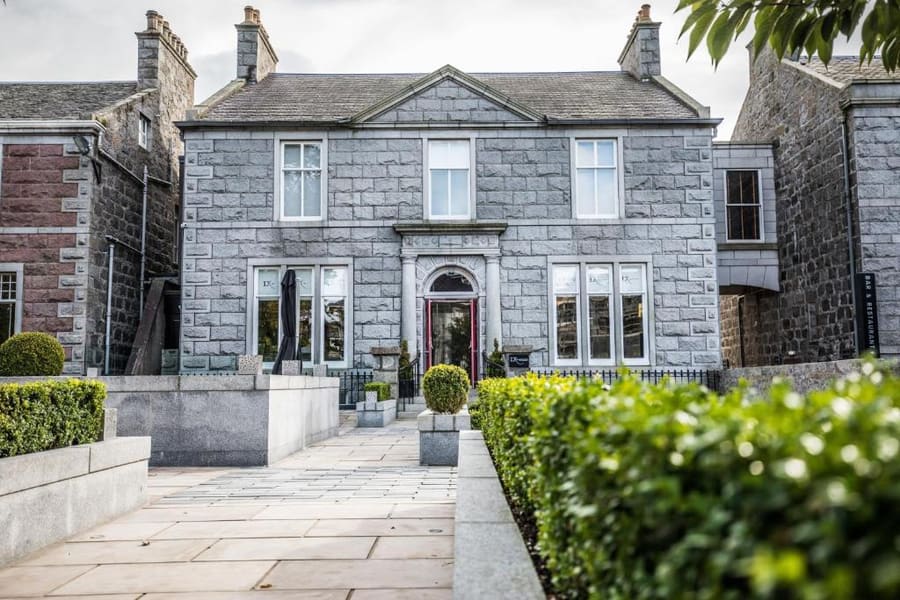
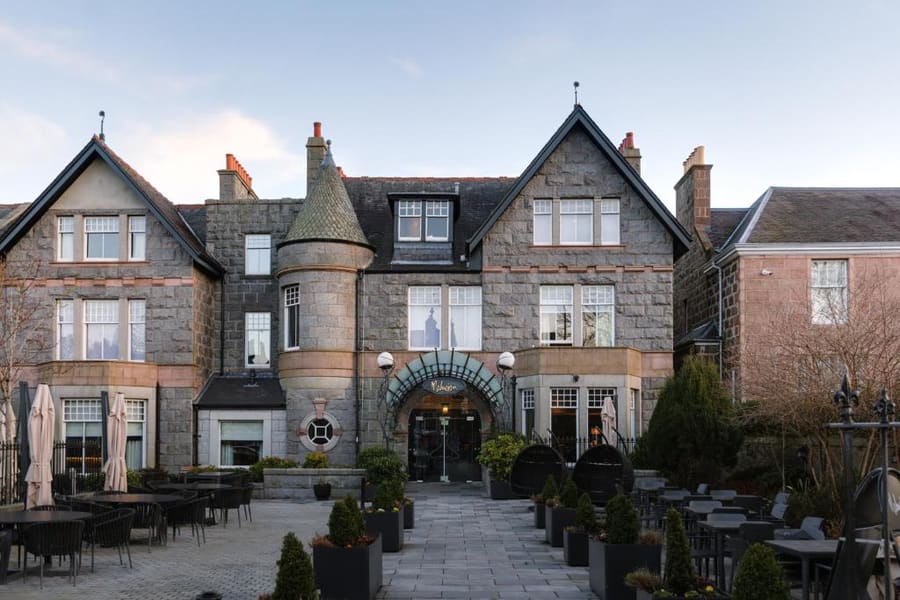
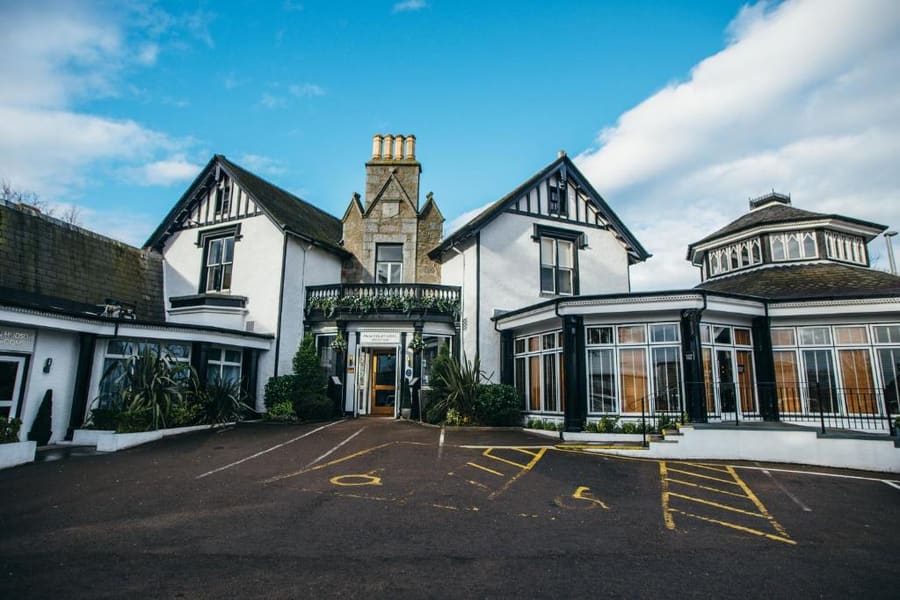
Choose your area based on travel dates. Business demand inflates weekday rates in the centre, while weekends bring discounts. Staying in Old Aberdeen suits quiet walking trips, whereas Rosemount provides a local neighbourhood atmosphere.
Live rates, matched to the areas above.
transport
Central Aberdeen is walkable, though steep gradients connect the harbour to Union Street. First Bus and Stagecoach operate local bus routes using contactless payments. Taxis are plentiful at rank locations outside Union Square station.
Aberdeen Airport (ABZ) से
Runs every 15 minutes directly to Union Square bus station.
Available directly outside the terminal building.
Tap your card or phone on First Bus and Stagecoach vehicles. Single fares calculate automatically.
Buy a multi-operator Grasshopper ticket if switching between First Bus and Stagecoach services.
Walking from Union Street to the beach takes 20 minutes downhill along Castle Street.
Local bus frequencies drop significantly after 23:00 on weekdays.
cost
Aberdeen is moderately expensive due to its energy industry presence. Dining costs are fixed and do not fluctuate with oil industry shifts, while hotel prices are driven by general midweek business travel rather than offshore shift rotations. Free entry to major museums helps offset daily sight-seeing expenses.
Aberdeen Art Gallery and Provost Skene's House offer completely free general admission.
A single buttery from a local bakery costs roughly one pound.
Draft beer prices in traditional pubs outside hotel lounges remain consistent.
seasonality
MAR – MAY
Mild weather with lengthening daylight hours. Coastal winds remain cool along the beach.
JUN – AUG
Up to 18 hours of daylight. Warmest sea temperatures, though rain remains possible.
SEP – NOV
Autumn foliage in Seaton Park. Darker evenings return and rain increases.
DEC – FEB
Short daylight hours ending by 15:30. Cold winds off the North Sea require full winter gear.
practicalities
Sea fog, known locally as haar, can roll off the North Sea in summer and drop temperatures quickly.
Gulls near the harbour and beach front aggressively scavenge food from pedestrians.
Shops open at 11:00 or 12:00 on Sundays and close by 17:00.
Card payments are accepted nearly everywhere, including bus lines and fish shops.
The North Sea rarely exceeds 14°C in summer. Wetsuits are recommended for water sports.