landmark
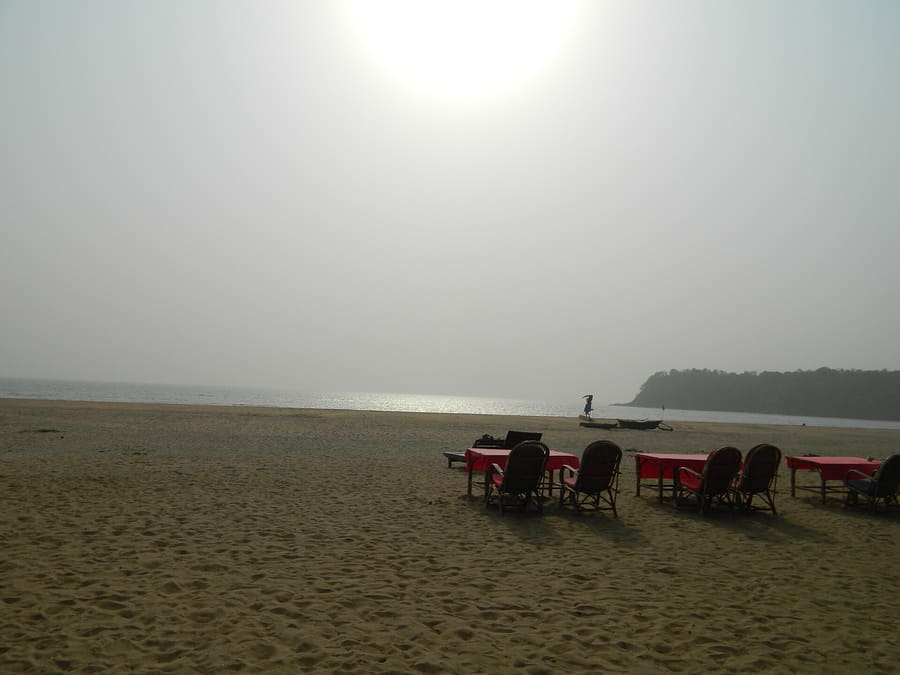
Agonda Beach
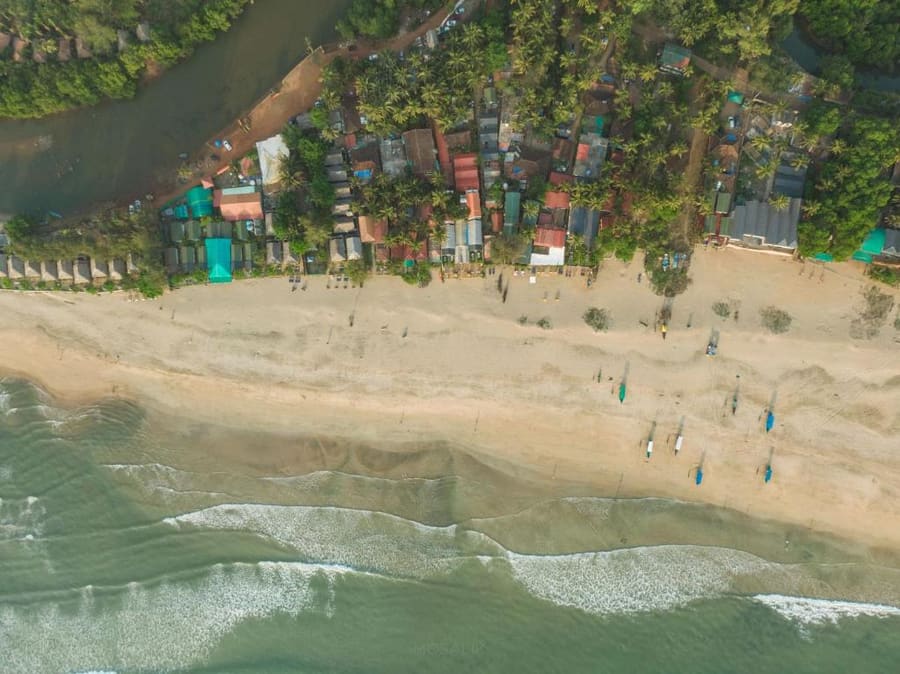
Three kilometers of wide sand. Swim in the central section where shorebreak currents remain predictable.
Parley से पूछें
भारत
A quiet three-kilometer bay governed by tides and turtles.
introduction
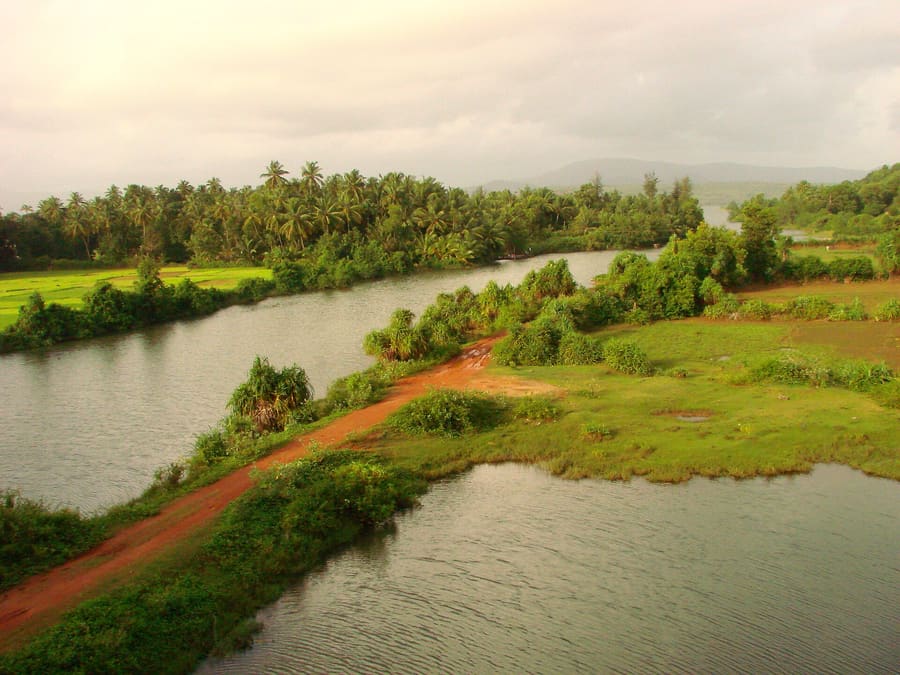
Agonda sits on a single three-kilometer strip of coastline in South Goa, pinned between the Arabian Sea and the Western Ghats. It trades the dense nightlife of northern beaches for strict sound curfews that protect nesting olive ridley turtles. You navigate the village along one narrow road running parallel to the sand. Expect thatched seasonal huts, open-air fish shacks, and a slow, tide-dependent pace.
Airport transport
Dabolim Airport (GOI) sits 60 kilometers north. A pre-paid airport taxi takes 90 minutes and costs a fixed rate.
Protected nesting site
Agonda is one of four designated turtle nesting beaches in Goa. Forest department guards monitor the nest enclosure at the northern end.
Seasonal infrastructure
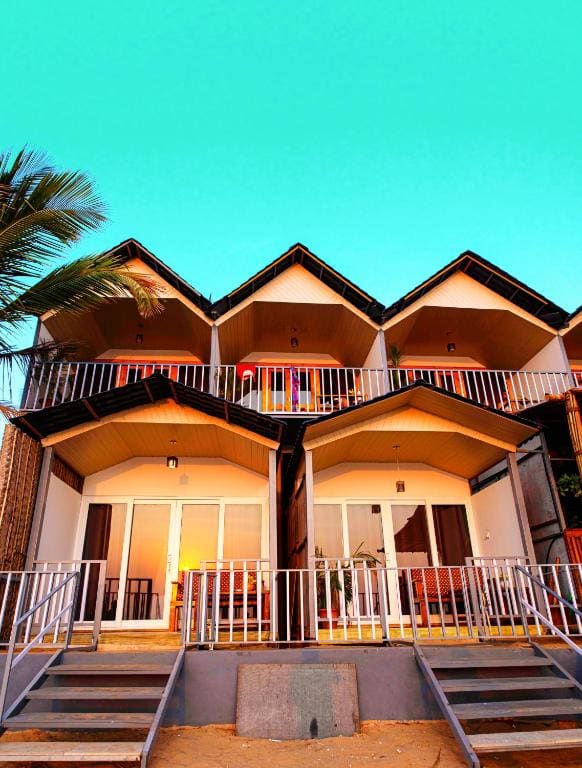
Beach huts are temporary structures built every October and dismantled before the June monsoon. Brick hotels operate year-round behind the main road.
Agonda
Adam Jones Adam63 · CC BY-SA 3.0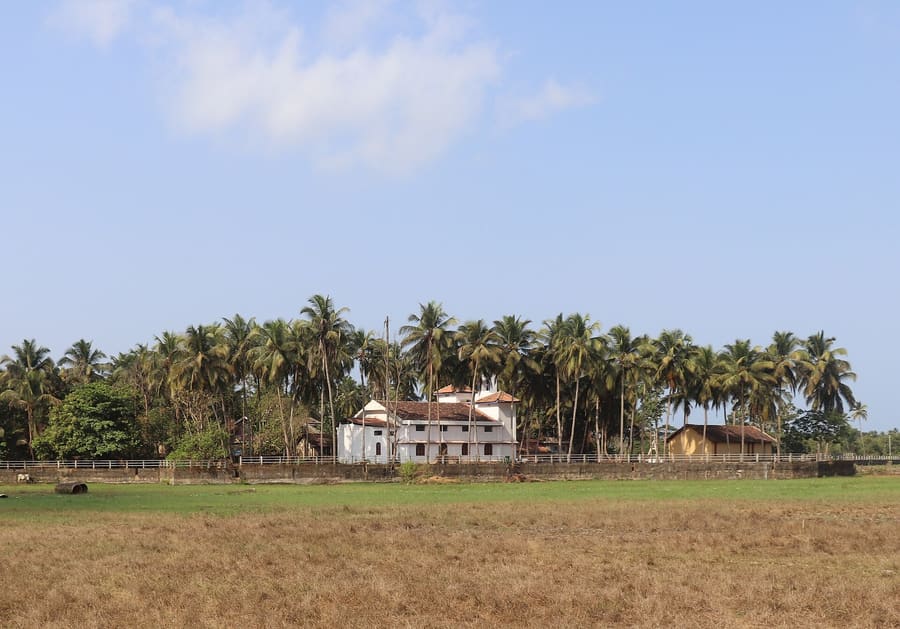
Agonda Village — Residential green belt behind the sand dune with brick guesthouses and local stores.
Sanfy · CC BY-SA 4.0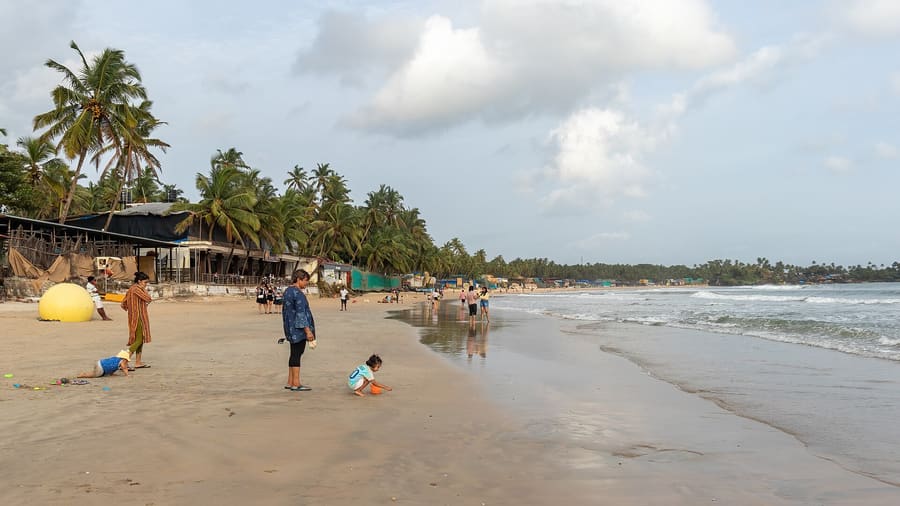
South Bay — Quiet end of the bay bounded by large granite boulders and calmer swimming water.
iMahesh · CC BY-SA 4.0highlights
landmark
Three kilometers of wide sand. Swim in the central section where shorebreak currents remain predictable.
Parley से पूछें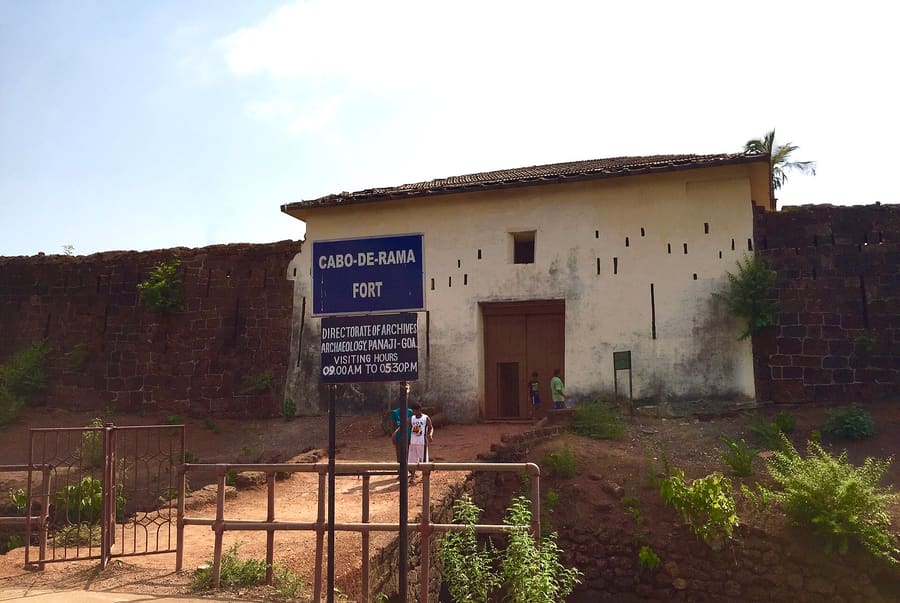
landmark
A ruined 17th-century Portuguese cliff fortress 15 kilometers north. Arrive an hour before sunset for clear sea views.
Parley से पूछें
landmark
The village's central white-plastered parish church, built in 1888 along the main road.
Parley से पूछेंattractions
areas
Residential green belt behind the sand dune with brick guesthouses and local stores.
पास मेंSt. Anne's Church and main grocery stalls
Parley से पूछेंQuiet end of the bay bounded by large granite boulders and calmer swimming water.
पास मेंLocal fishing boat launch area
Parley से पूछेंDirect beach access lined with open-air cafes, shops, and seasonal thatched huts.
पास मेंAgonda Beach central access point
Parley से पूछेंSecluded sand spit where the river meets the sea, hosting the turtle sanctuary enclosure.
पास मेंTurtle nesting enclosure and river kayak rentals
Parley से पूछेंfood
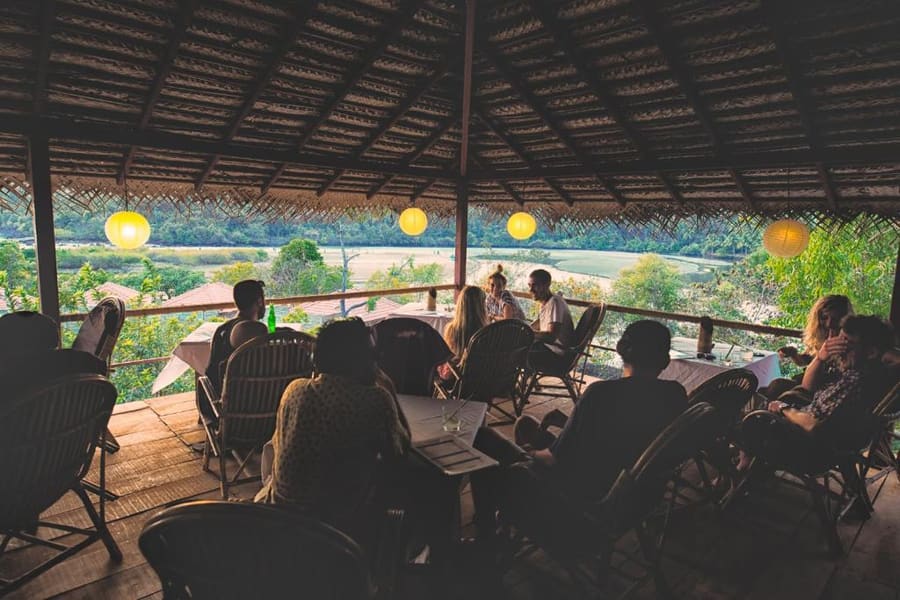
Dining in Agonda centers on the daily catch brought in by small wooden trawlers. Kingfish, butterfish, tiger prawns, and mud crabs dominate evening displays outside beach shacks. The regional base is Goan fish curry eaten with local red rice (ukda xitt). Fresh coconut, dried red chillies, and kokum—a dark souring fruit native to the Western Ghats—give the broth its red color and tangy profile. Small family-run eateries along the village road serve vegetarian thalis at lunch for local workers and travelers.
Whole fish on ice display are sold by weight, not fixed menu price. Always confirm the final weight and cost before agreeing to cook it.
Beach shacks turn off music and close kitchens by 10 PM sharp due to strict environmental enforcement. Order dinner by 8:30 PM.
Skip continental resort toasts for Goan bhaji-pav (spiced potato or mushroom curry served with warm baked bread rolls) at small village stalls.
history
Agonda developed as a small agricultural and fishing settlement in the Canacona taluka of South Goa. Governed under Portuguese colonial rule for less than two centuries as part of the Novas Conquistas, it retained its Catholic and Hindu agrarian roots well after Goa was annexed by India in 1961. While North Goa experienced mass international tourism starting in the 1970s, Agonda remained largely unreachable due to river crossings and poor roads until the late 1990s. The introduction of seasonal beach hut permits in the 2000s allowed controlled tourism growth without permanent concrete construction along the dunes.
St. Anne's built
The parish church of St. Anne is constructed, establishing the architectural center of the village behind the beach line.
End of Portuguese rule
Goa enters the Indian Union, integrating South Goa's coastal land holdings into national legal frameworks.
Turtle protection begins
The Goa Forest Department designates Agonda Beach as a protected nesting site for olive ridley sea turtles.
Seasonal hut regulations
Local authorities strictly limit permanent beach construction, mandating that all sand structures dismantle for the monsoon season.
where to stay
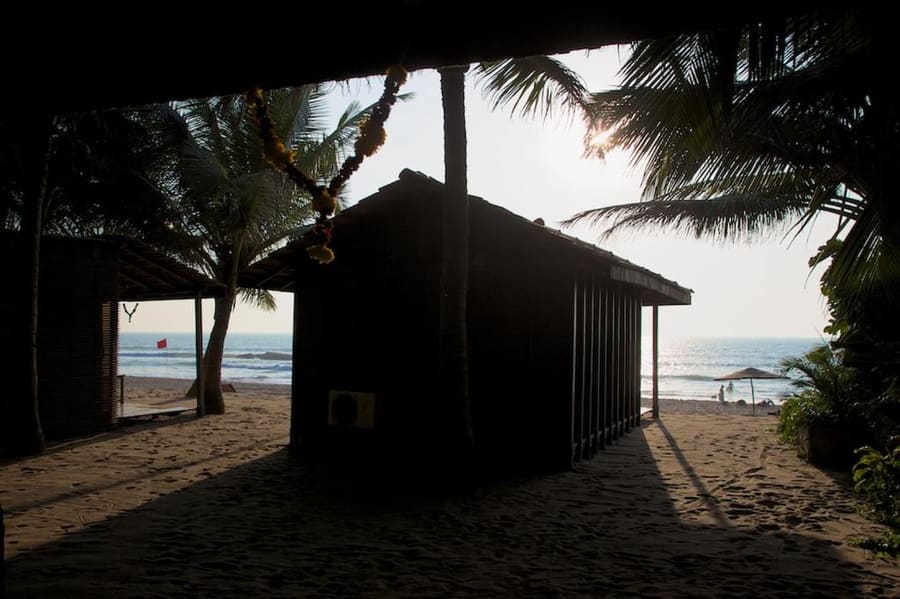
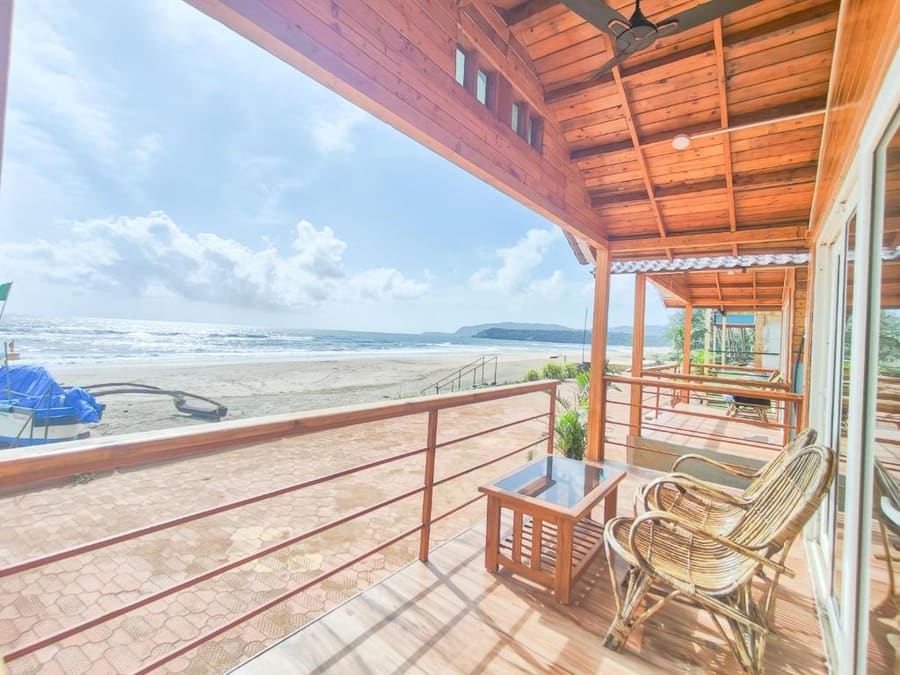
Choose your stay based on structural preference and noise tolerance. Beachfront huts offer ocean views, soft sand steps, and thin woven walls that leak ocean breeze and noise. Solid brick guesthouses on the village road provide air conditioning, sound insulation, and year-round operations at lower price points.
Live rates, matched to the areas above.
transport
Agonda is entirely walkable from end to end along its single main road. For day trips to nearby coves or historic forts, renting a automatic scooter is the standard local mode of transport.
Check that scooters have yellow-on-black commercial license plates. Riding white-plate private scooters as a tourist invites police fines at checkpoints.
Uber and Ola do not operate in Goa. Local taxi stands handle all point-to-point journeys with fixed rate cards.
Rickshaws wait near St. Anne's Church. Agree on the fare before sitting down as vehicles do not use meters.
The coastal roads leading to Cabo de Rama and Palolem lack streetlights and feature unannounced speed bumps and unlit cattle.
cost
Agonda is moderately priced compared to North Goa's resort towns. Cash remains essential; card machines frequently lose cellular connectivity.
Prices double between December 20 and January 5.
Fuel is extra; buy bottled petrol from roadside tables or formal fuel stations in Chaudi.
Includes fresh fish by weight, two beers, and side dishes.
Fixed rate per boat charter round trip from Agonda shore.
seasonality
NOV – FEB
Peak dry season. Calm ocean, fully operational beach shacks, and active turtle nesting.
MAR – MAY
Hot and humid. High temperatures exceed 33°C. Shacks begin packing up late May.
JUN – SEP
Monsoon rains. The ocean is unswimmable; beach huts are completely dismantled.
OCT
Shoulder season. Rain stops, humidity stays high, and local crews rebuild beach huts.
practicalities
Agonda has limited ATMs that frequently run out of cash. Draw money at the bank branches in Chaudi town five kilometers south.
Agonda has a steep sand shelf and strong shorebreak. Red flags mean no swimming; stick to lifeguard-monitored central zones.
Do not shine flashlights or use flash photography on the sand at night. Avoid touching marked turtle nest cages.
Swimsuits are standard on the sand. Cover shoulders and knees when walking along the village main road or entering shops.