landmark
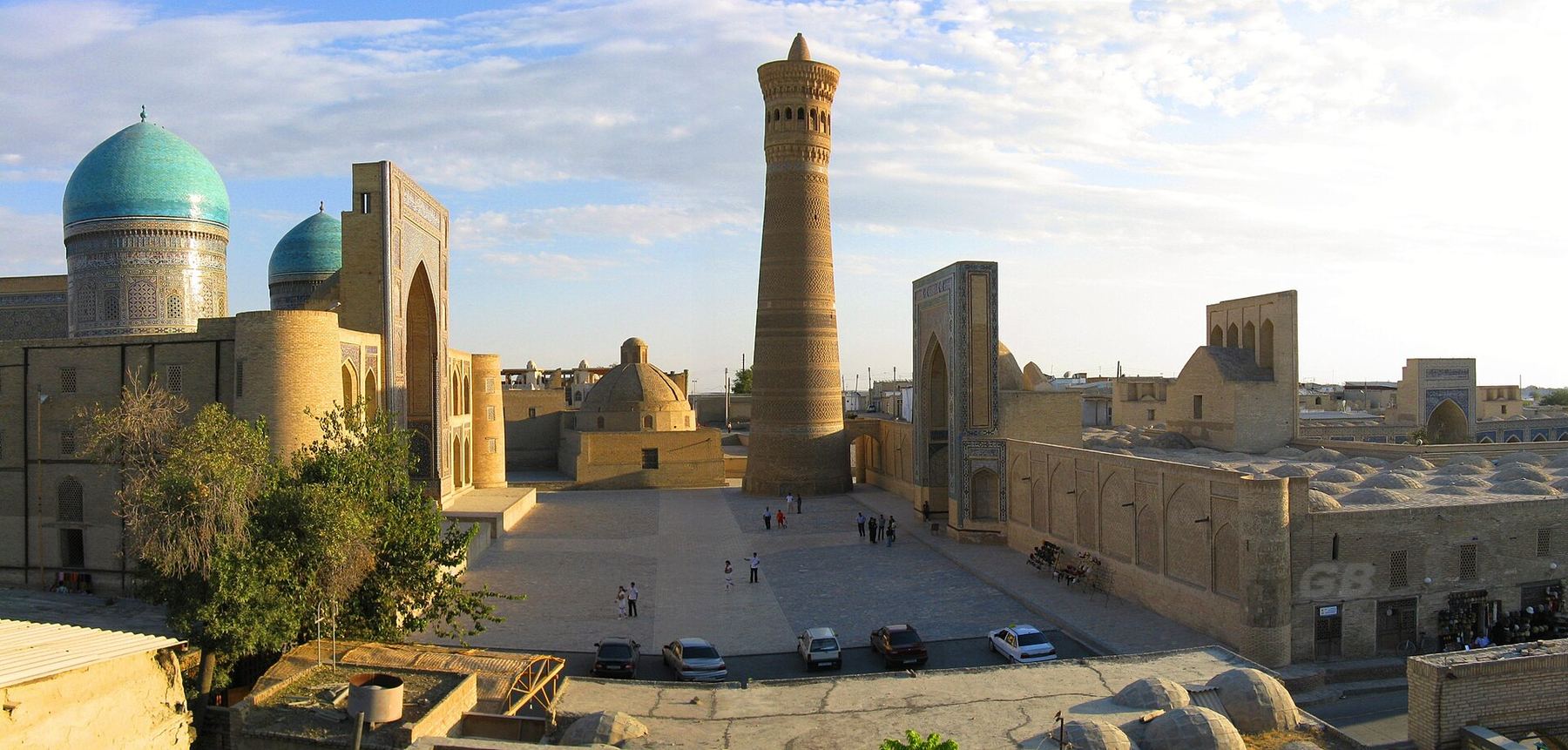
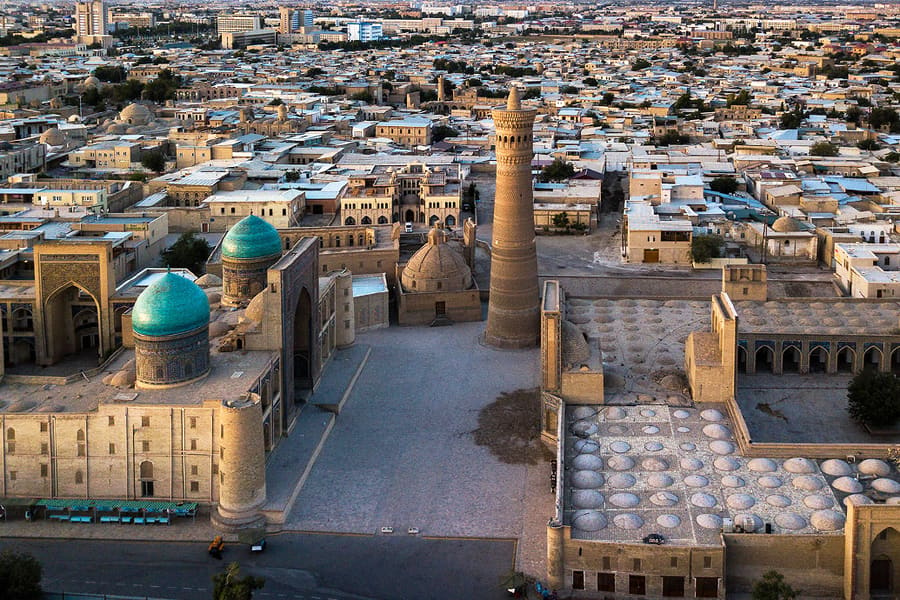
Poi Kalyan Complex
The 47-metre minaret stood intact through Mongol invasions. Visit early at 08:00 to avoid tour crowds in the open courtyard.
Parley से पूछेंउज़्बेकिस्तान
A mud-brick oasis defined by Silk Road trade domes.
introduction
Bukhara is a compact city built around medieval mud-brick architecture and domed trading hubs. You move through the historic core entirely on foot, where ancient madrasahs sit beside active tea houses. Spring and autumn bring warm days and clear skies, while summer temperatures regularly exceed 40°C. Expect slow-paced days defined by market haggling and green tea.
Arrival from train station
Bukhara-1 station sits in Kagan, 12 km south of the Old Town. Ignore station touts and order via the Yandex Go app for a fixed fare under 40,000 UZS.
UNESCO World Heritage site
The entire historic center became a UNESCO World Heritage site in 1993. Over 140 preserved monuments remain intact within walking distance.
Ticket strategy
Monuments sell individual entry tickets at their doors rather than a unified city pass. Keep small UZS cash notes ready as card readers often drop connection.
Bukhara
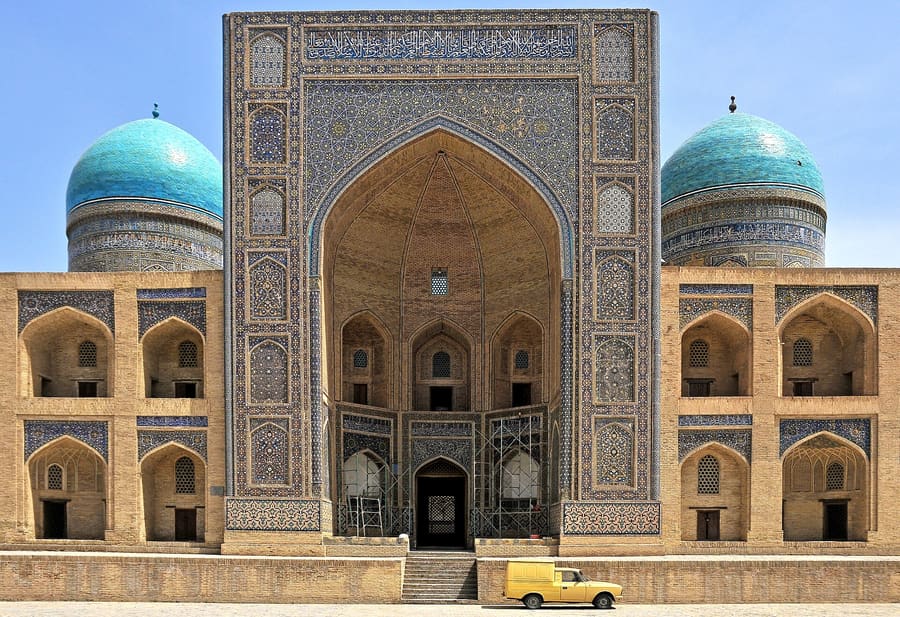
LBM1948 · CC BY-SA 4.0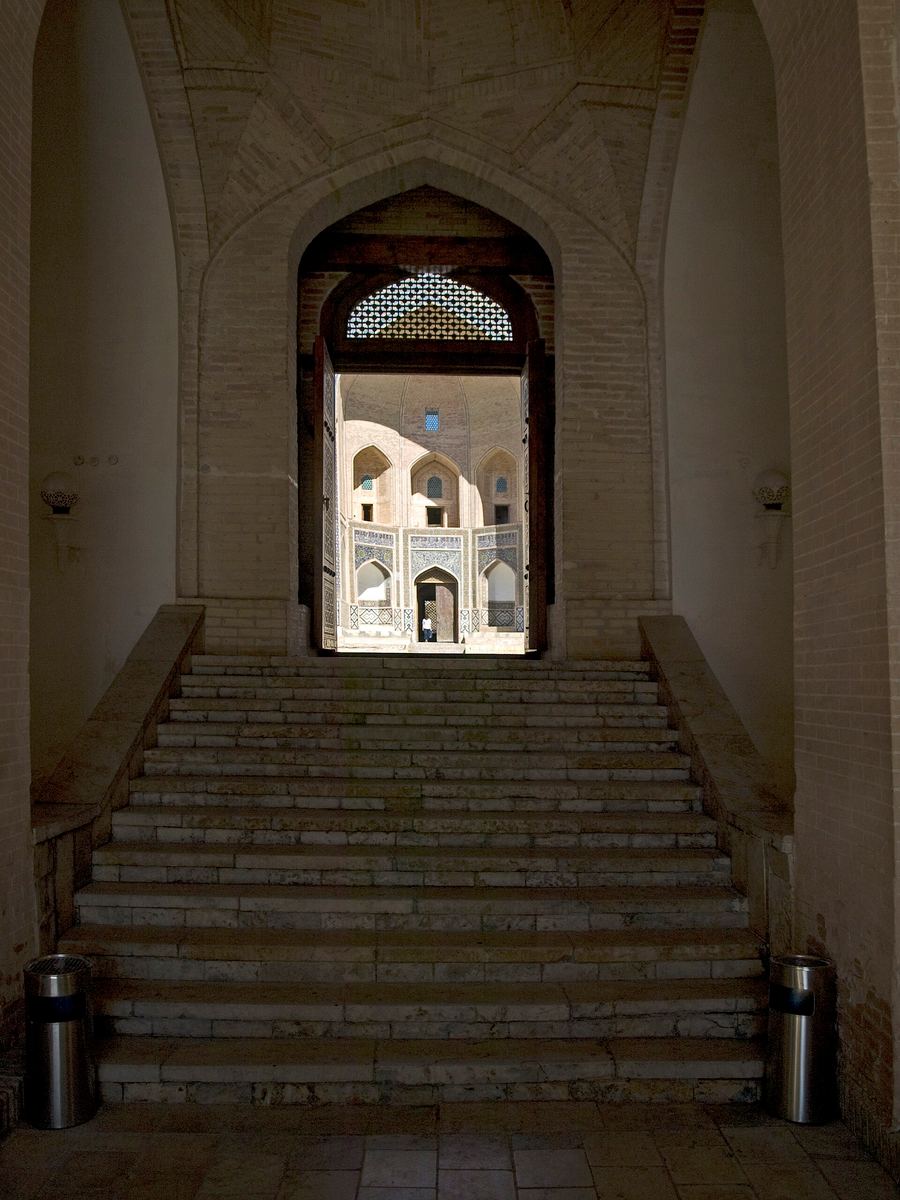
Citadel Core — Monumental scale dominated by ancient city walls, grand domes, and active craft markets.
Ymblanter · CC BY-SA 4.0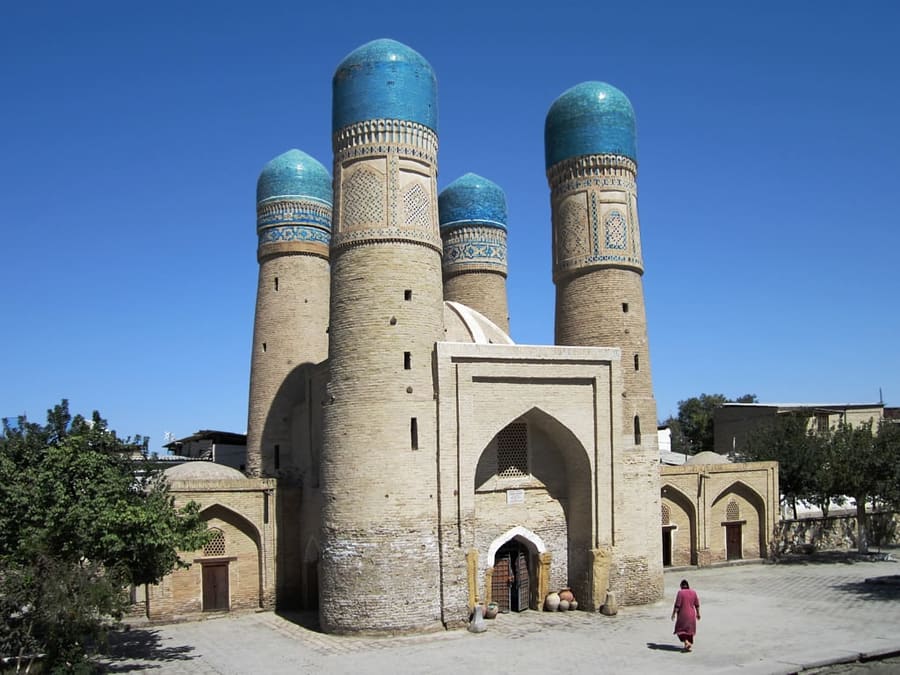
Eastern Residential Lanes — Quiet brick alleyways lined with family guest houses, local bakeries, and neighbourhood mosques.
David Stanley from Nanaimo, Canada · CC BY 2.0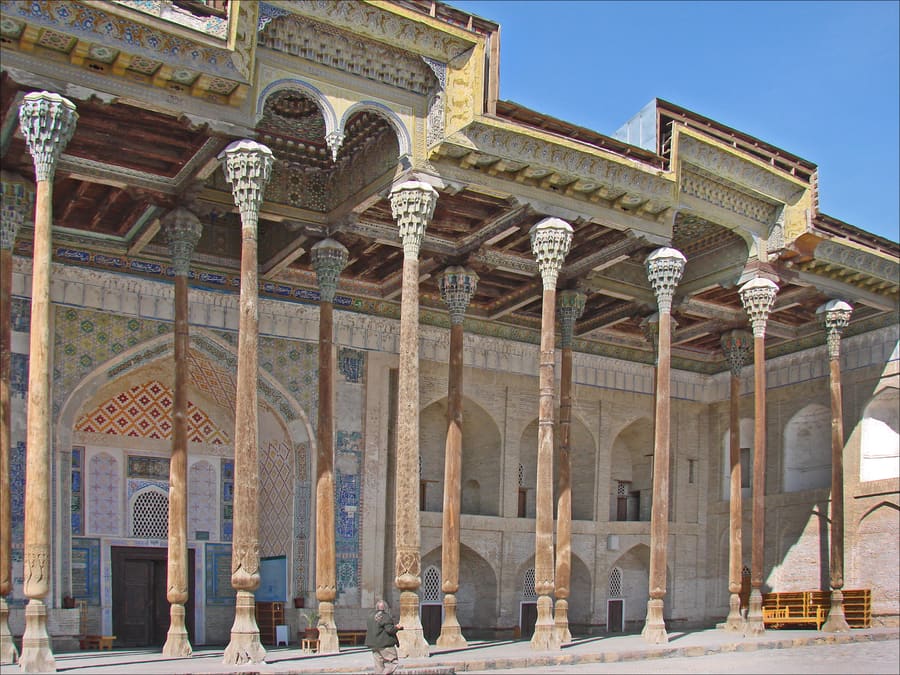
Samanid Park Edge — Green spaces and shade structures near modern food markets and early Islamic architecture.
Jean-Pierre Dalbéra from Paris, France · CC BY 2.0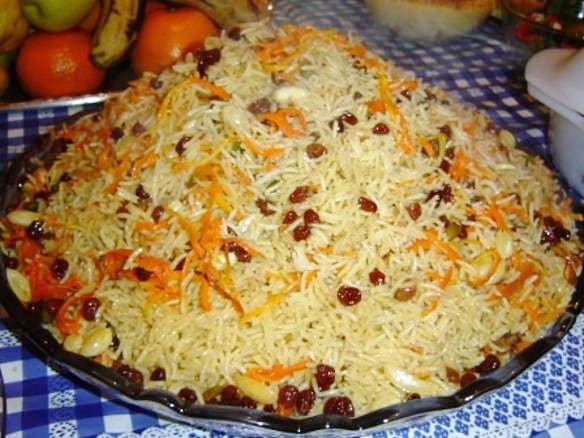
Traditional Bukhara Oshi Sofi, cooked slowly in copper cauldrons.
Jost Wagner · CC BY-SA 1.0highlights
landmark
The 47-metre minaret stood intact through Mongol invasions. Visit early at 08:00 to avoid tour crowds in the open courtyard.
Parley से पूछें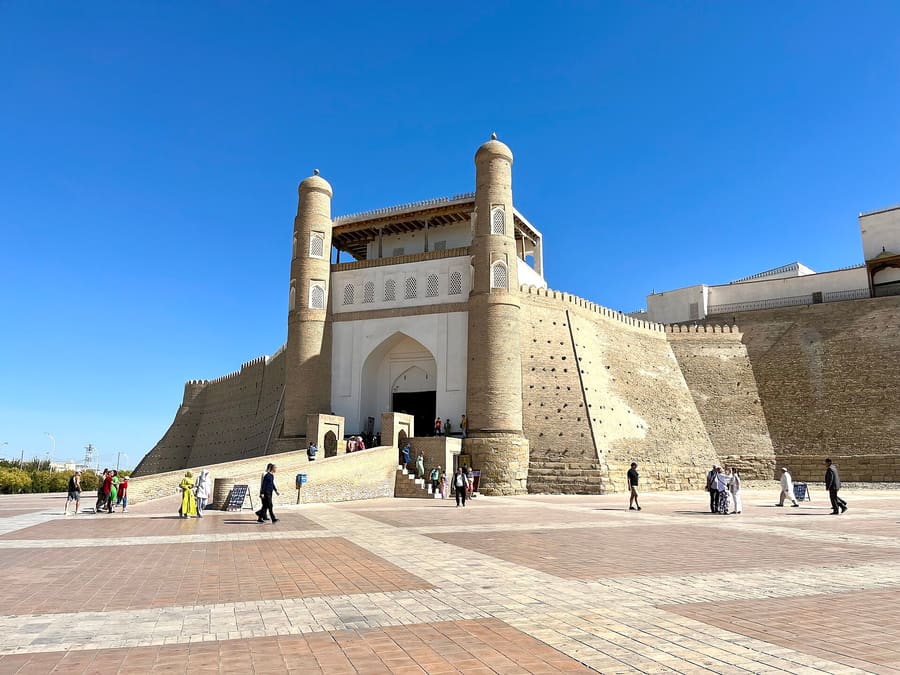
landmark
A massive 5th-century fortress housing royal history and museums. Climb the ramparts near sunset for clear views across town.
Parley से पूछें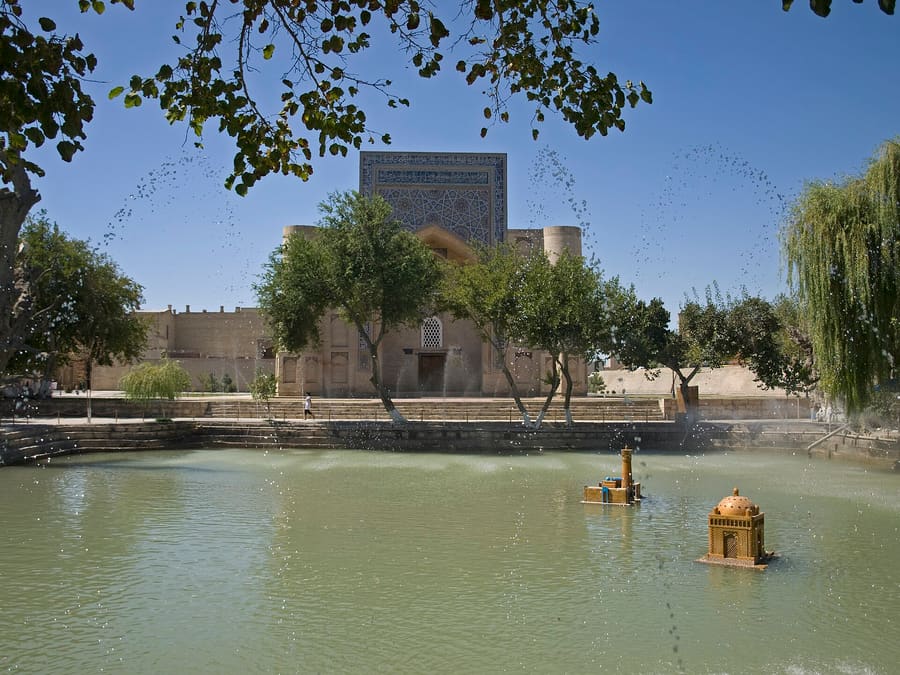
landmark
A peaceful 17th-century pool bordered by mulberry trees and madrasahs. A natural hub for evening green tea and people-watching.
Parley से पूछें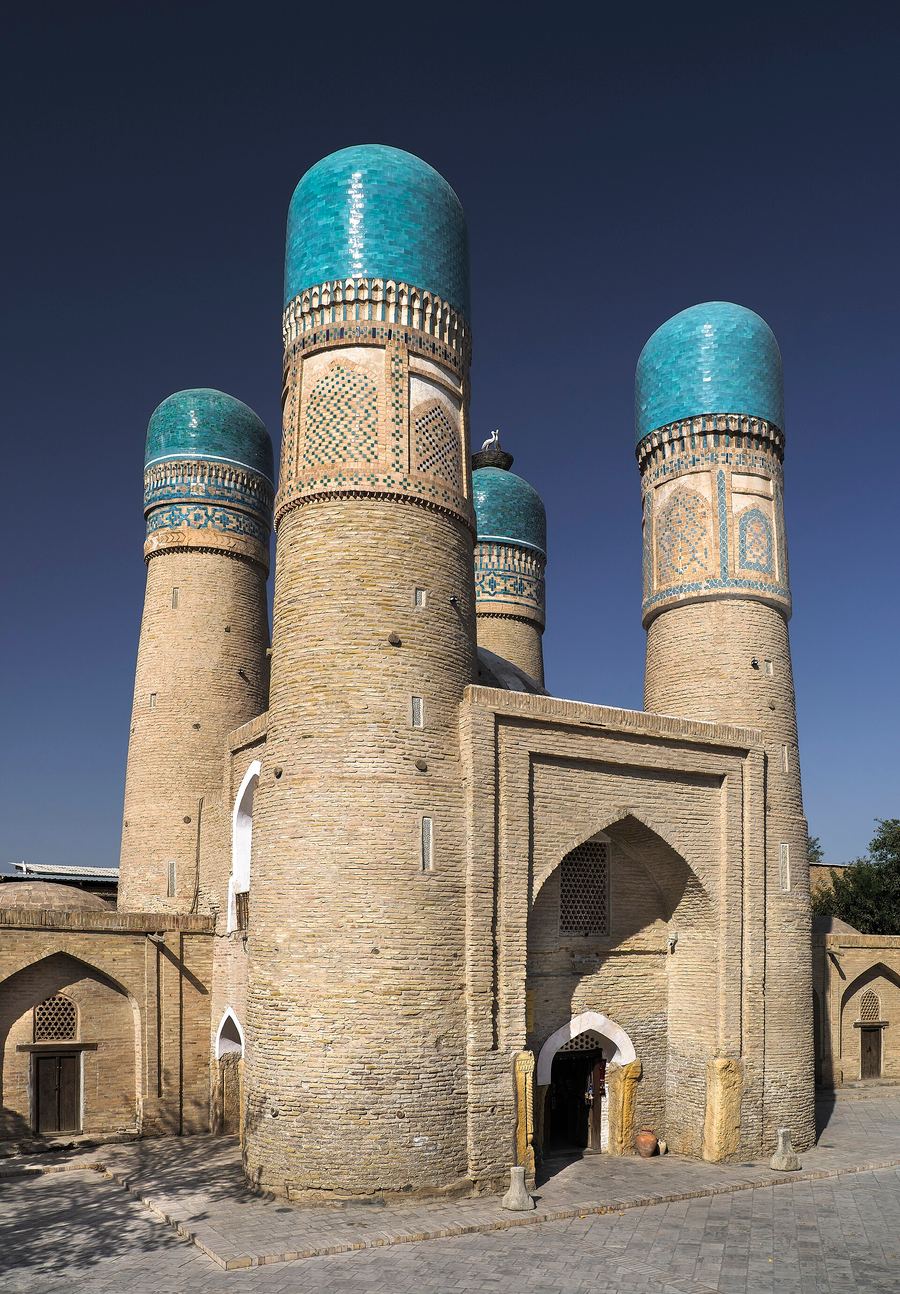
landmark
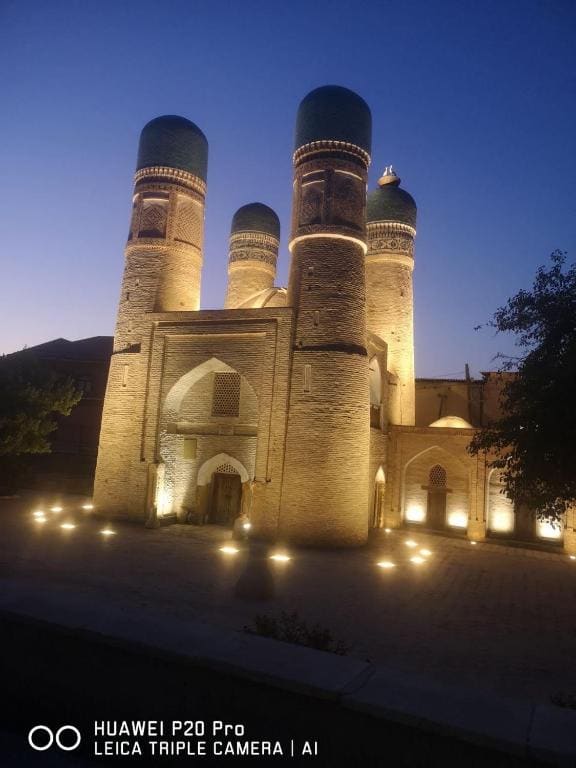
A unique 1807 gatehouse with four distinct turquoise towers. Located in quiet residential alleyways east of the main market.
Parley से पूछें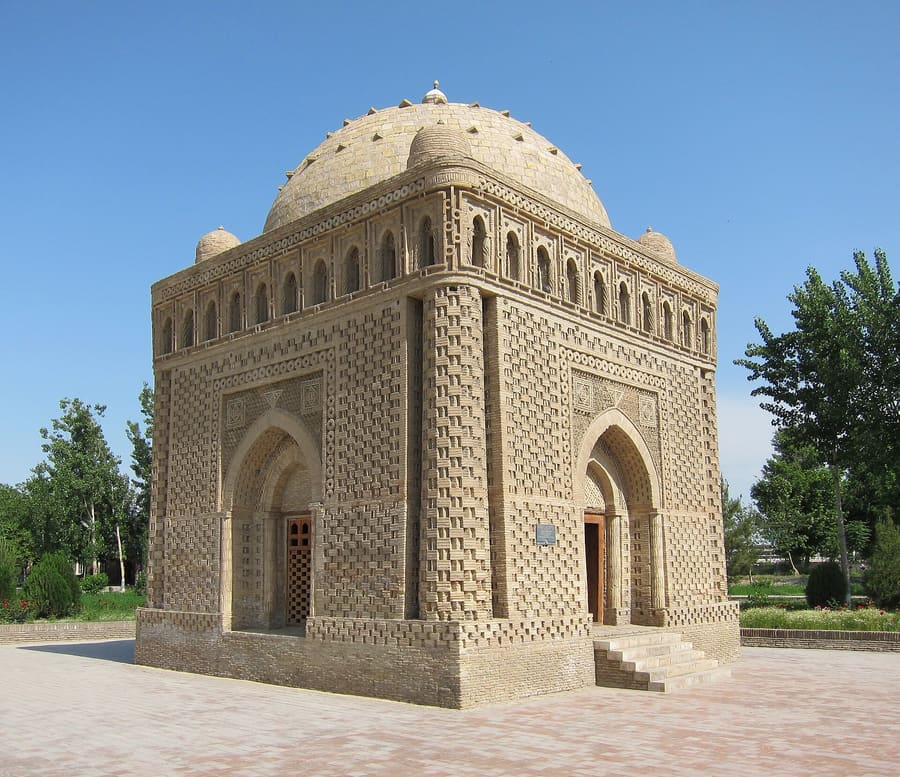
landmark
A 10th-century brickwork masterpiece, the oldest Islamic monument in Central Asia. Located inside Samanid Park.
Parley से पूछें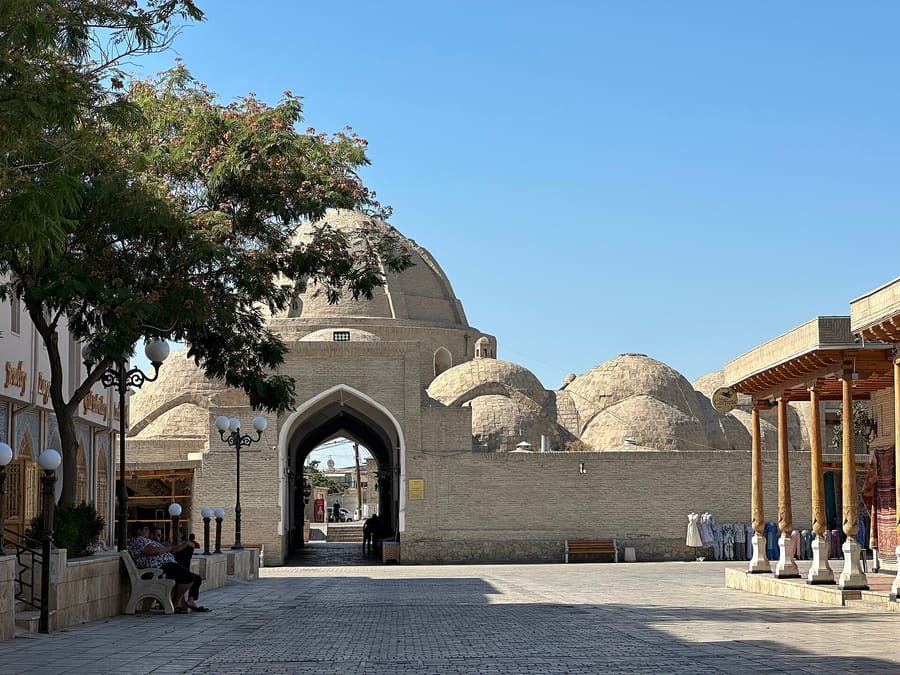
landmark
Domed Silk Road intersection filled with carpet weavers and brass craftsmen. Haggle politely; initial quotes start 30% high.
Parley से पूछेंattractions
areas
Monumental scale dominated by ancient city walls, grand domes, and active craft markets.
पास मेंArk Citadel, Poi Kalyan, Toqi Zargaron
Parley से पूछेंQuiet brick alleyways lined with family guest houses, local bakeries, and neighbourhood mosques.
पास मेंChor Minor, Fayzulla Khodjaev House
Parley से पूछेंGreen spaces and shade structures near modern food markets and early Islamic architecture.
पास मेंSamanid Mausoleum, Central Bazaar, Bolo Hauz
Parley से पूछेंCentral social hub with open-air tea houses, historic synagogues, and restored merchant homes.
पास मेंLyabi-Khauz pool, Nadir Divan-begi Madrasah
Parley से पूछेंfood
Bukhara's culinary signature is Oshi Sofi, a regional variation of pilaf prepared in solid copper cauldrons. Unlike Tashkent style, cooks layer meat, rice, raisins, and yellow carrots without stirring during the cooking process. Cumin and coriander form the core flavor profile rather than heavy oil.
Traditional Bukhara Oshi Sofi, cooked slowly in copper cauldrons.
Jost Wagner · CC BY-SA 1.0Bukhara plov centers sell out by 13:30. Arrive at The Silk Road Plov Centre or The Central Plov House by noon for fresh cauldrons.
Order a pot of kok-chay (green tea). Pour the first cup back into the pot three times to equalize the brew before drinking.
Buy meat-filled samsa directly from clay ovens near Toqi Zargaron around 11:00 for the crispest pastry shell.
history
Bukhara expanded as a commercial and Islamic academic centre along major Silk Road trade paths. Genghis Khan destroyed much of the city in 1220, but spared the Kalyan Minaret due to its construction quality. The Emirate of Bukhara ruled the region until Soviet forces took the Ark fortress in 1920.
Samanid Capital
Bukhara becomes the capital of the Samanid Empire and a major scientific hub.
Mongol Conquest
Genghis Khan sacks Bukhara, leaving only select stone structures standing.
Shaybanid Dynasty
The Shaybanids construct the grand madrasahs and trading domes seen today.
Soviet Annexation
Red Army artillery captures the Ark, ending the centuries-old Emirate of Bukhara.
where to stay
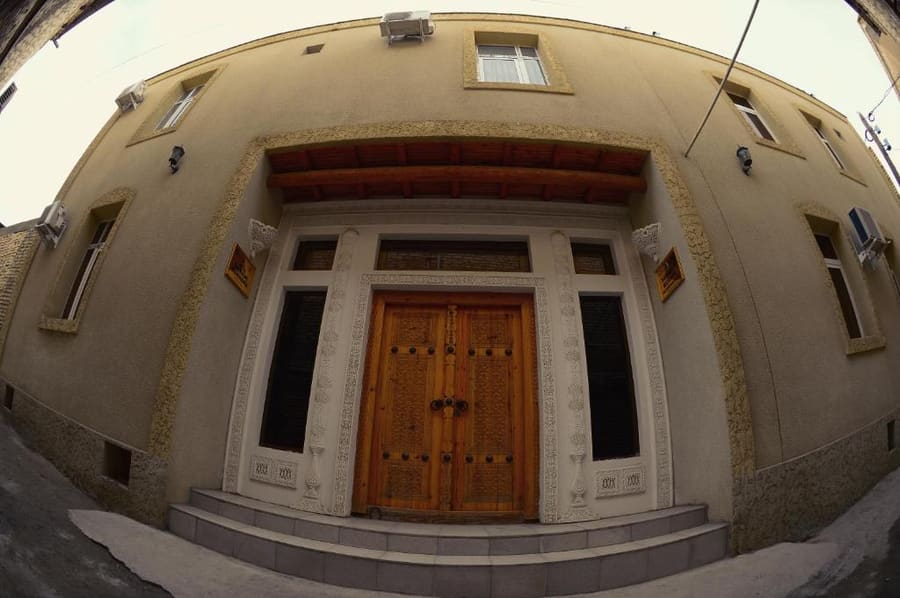
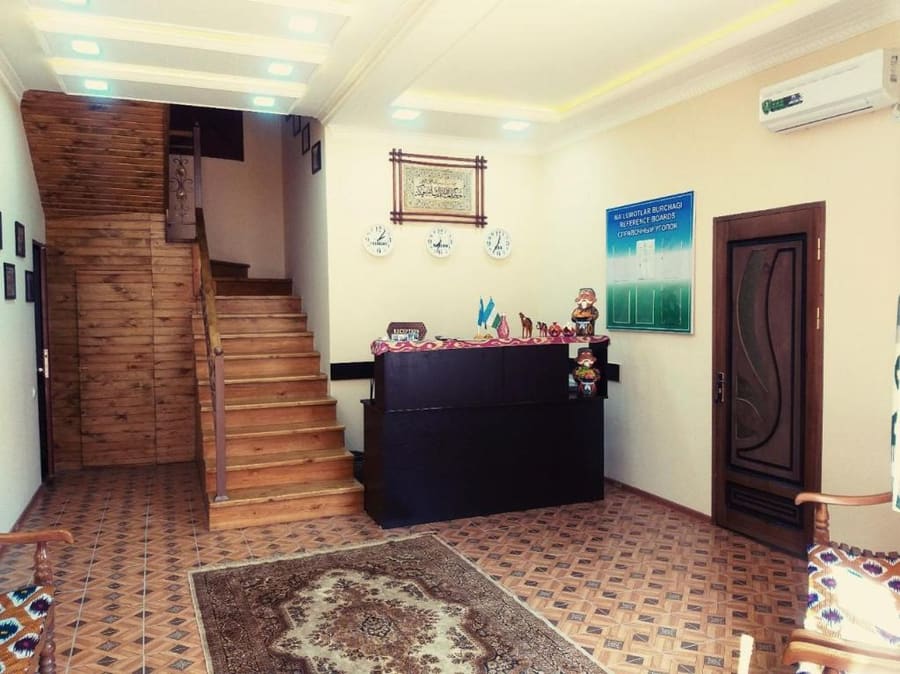
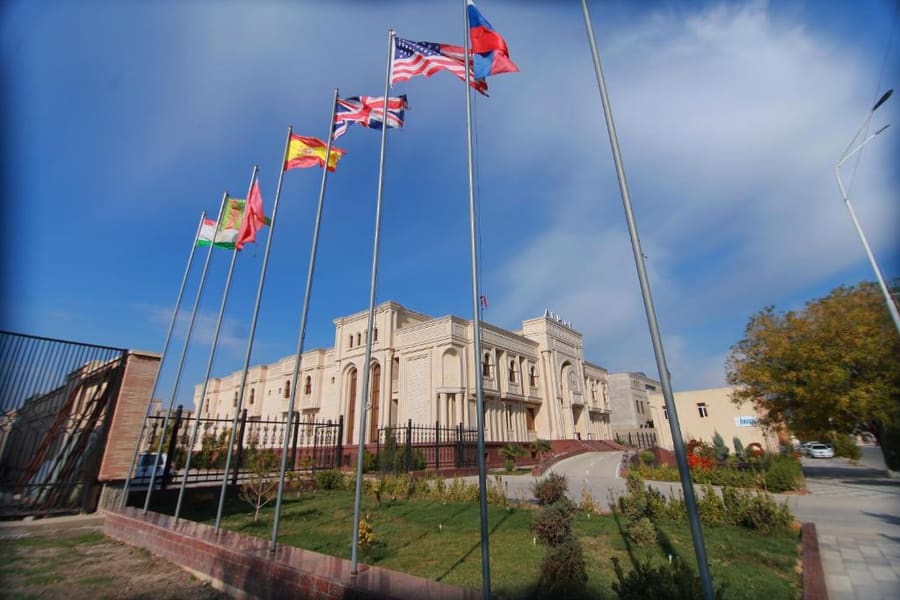
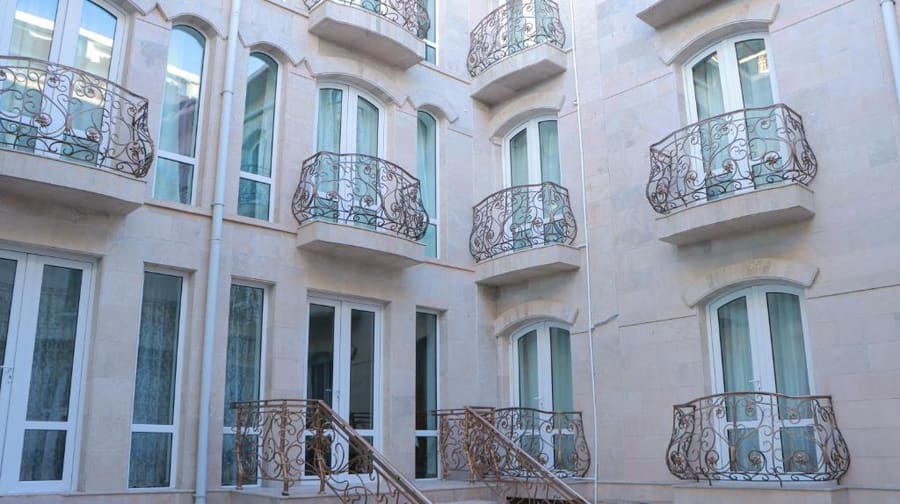
Choose your hotel based on pedestrian convenience versus luggage drop-off. Old Town boutique guest houses feature carved wooden courtyards but sit in narrow alleys where cars cannot enter. Modern hotels outside the historic ring offer standard vehicle parking at the cost of Silk Road atmosphere.
Live rates, matched to the areas above.
transport
Bukhara's historic center is entirely pedestrian. You walk between major sights within 10 to 20 minutes. Modern app-based taxis cover longer trips to the railway station in Kagan or the international airport east of town.
Bukhara-1 Train Station (Kagan) / Bukhara Airport (BHK) से
Use Yandex Go app from Kagan station to prevent price haggling.
Airport sits 6 km east; official curb taxis charge higher rates.
Marshrutka 68 connects Kagan station to Old Town perimeter.
Vehicles cannot enter narrow lanes near trading domes. Prepare to carry luggage for the final 200 metres to your hotel.
Yandex Go functions reliably across Bukhara. It sets fixed prices for rides outside the pedestrian center.
The core UNESCO zone spans 2 km across. Public transit inside the old town is unnecessary.
High-speed Afrosiyob train seats sell out 45 days in advance. Secure tickets online early via the official railway portal.
cost
Bukhara provides affordable daily travel expenses. While individual ticket fees for multiple madrasahs add up, food, tea, and short taxi rides remain low-cost.
Standard lunch portion of regional beef pilaf at local plov halls.
Individual ticket price at major sites like the Ark or Kalyan Mosque.
Typical fare across town outside the central pedestrian zone.
Served in traditional chaykhanas with sugar crystals and raisins.
seasonality
MAR – MAY
Mild weather averaging 20–25°C. Comfortable walking conditions, though tour groups increase hotel demand.
JUN – AUG
Severe desert heat regularly passing 40°C. Outdoor sightseeing is limited to early mornings.
SEP – NOV
Warm dry days around 22°C. Clear skies and fresh autumn produce mark this busy season.
DEC – FEB
Cold crisp days averaging 5°C with freezing nights. Low lodging rates balance out cold winds.
practicalities
ATMs can run out of cash on weekends. Carry sufficient Uzbek Som banknotes for local markets and small guest houses.
Accommodations provide paper registration slips upon checkout. Keep all paper slips inside your passport for potential border reviews.
Active mosques require covered shoulders and knees. Former madrasahs operating as shops have flexible rules.
Initial quotes for textiles and ceramics at trading domes are high. Counter-offers at 70% of the initial price are expected.
Tap water contains high mineral levels and is not for drinking. Buy bottled water or use filtered supplies from your hotel.