landmark
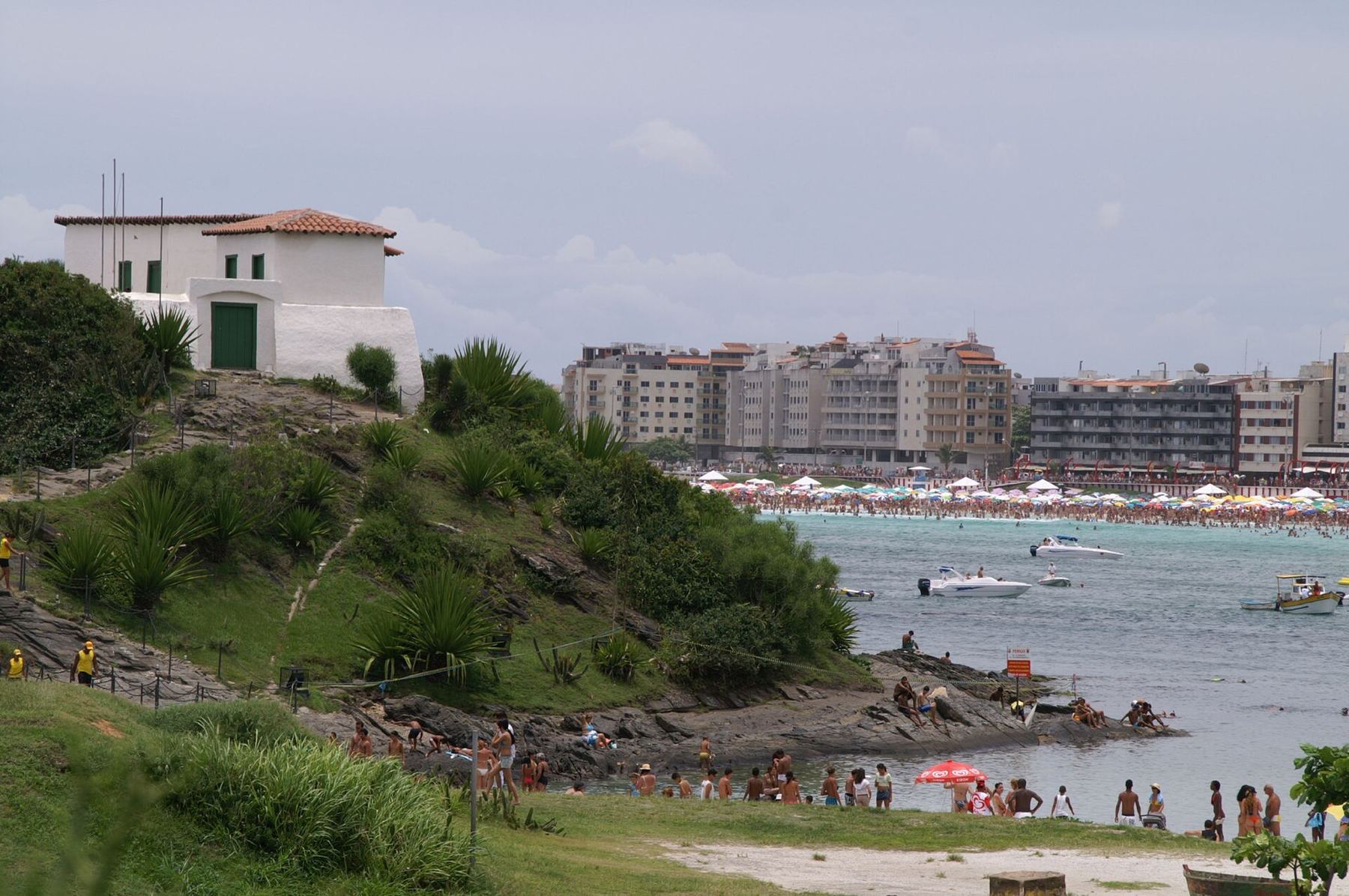
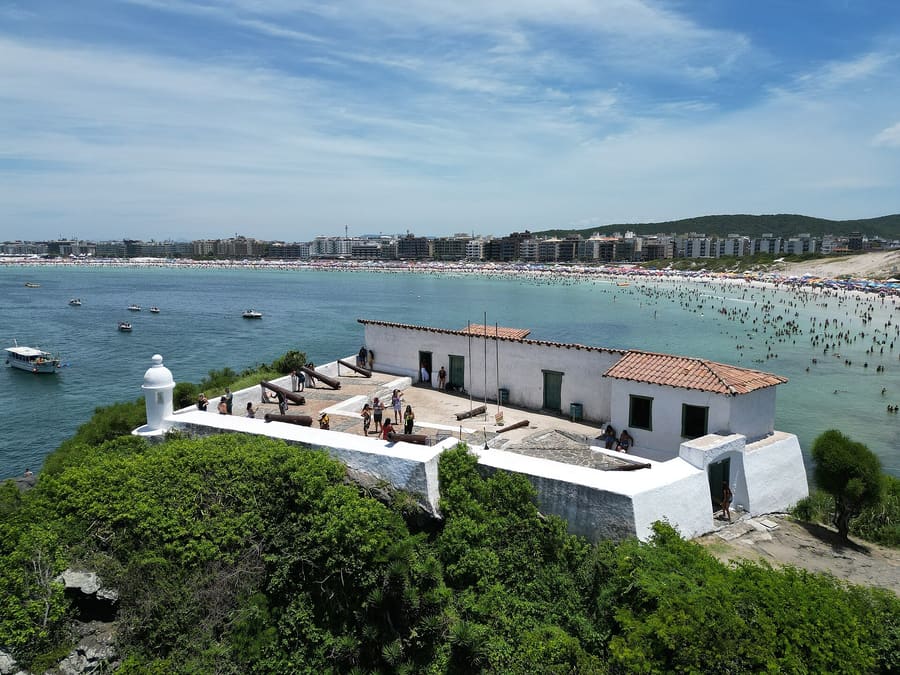
Forte de São Mateus
1616 Portuguese stone fort at the tip of Praia do Forte. Visit early in the morning before crowds scale the ramparts.
Parley से पूछेंब्राज़ील
Cold ocean upwellings meet white quartz sand on the state's central coast, east of Rio de Janeiro.
introduction
Cabo Frio trades the flash of neighbouring Búzios for broad quartz beaches and 17th-century history centered on the Itajuru Canal. The city moves around water: ocean surf on Praia do Forte, flat lagoon currents at Ilha do Japonês, and quiet dining along Bairro da Passagem. You navigate using short local buses or rideshare apps, as walking between distant beach sectors is impractical under the sun. Expect bright white sand that stays cool to the touch due to its quartz purity, paired with cold Atlantic waters.
Bypassing Rio traffic
Take Auto Viação 1001 direct from Rio's Rodoviária Novo Rio to Cabo Frio terminal in three hours, avoiding urban connection hassle.
17th-century coastal defense
Forte de São Mateus, built in 1616, stands preserved at the mouth of the canal to protect Brazil's early brazilwood trade.
Wind patterns and surf
Northeast winds dominate summer afternoons; head to protected Ilha do Japonês or Canal do Itajuru when open ocean beaches turn gusty.
Cabo Frio
Fulviusbsas · Public domain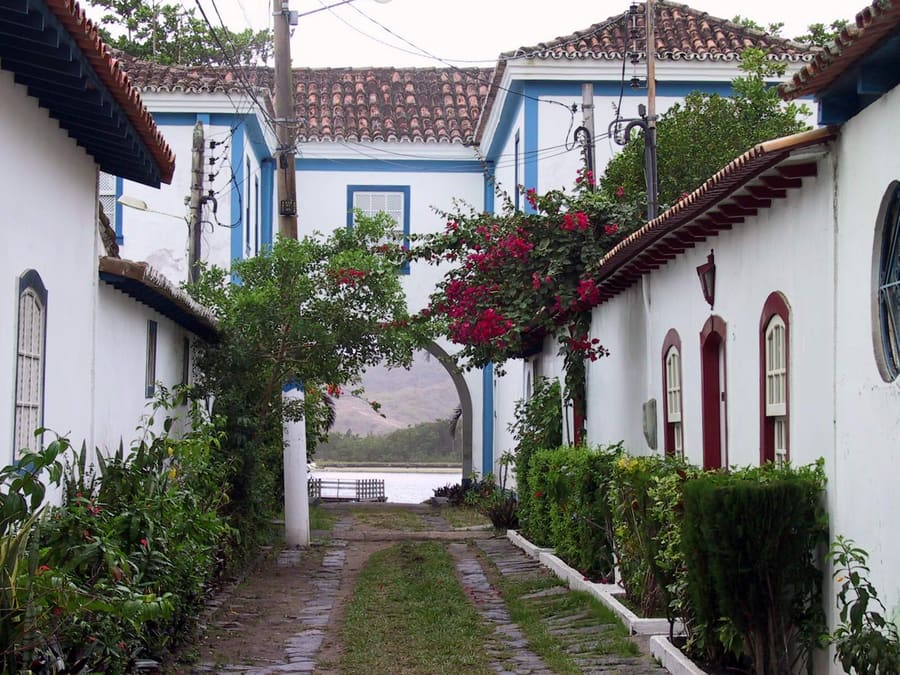
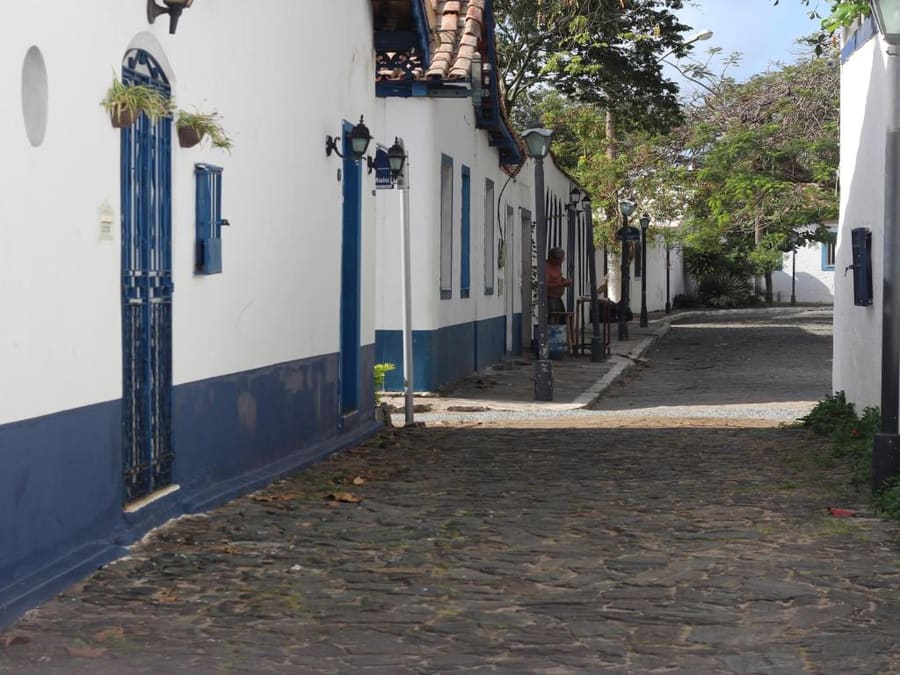
Passagem — Cobblestone alleys, historic Portuguese architecture, and upscale canal-side dining.
Frenz 69 · CC BY-SA 3.0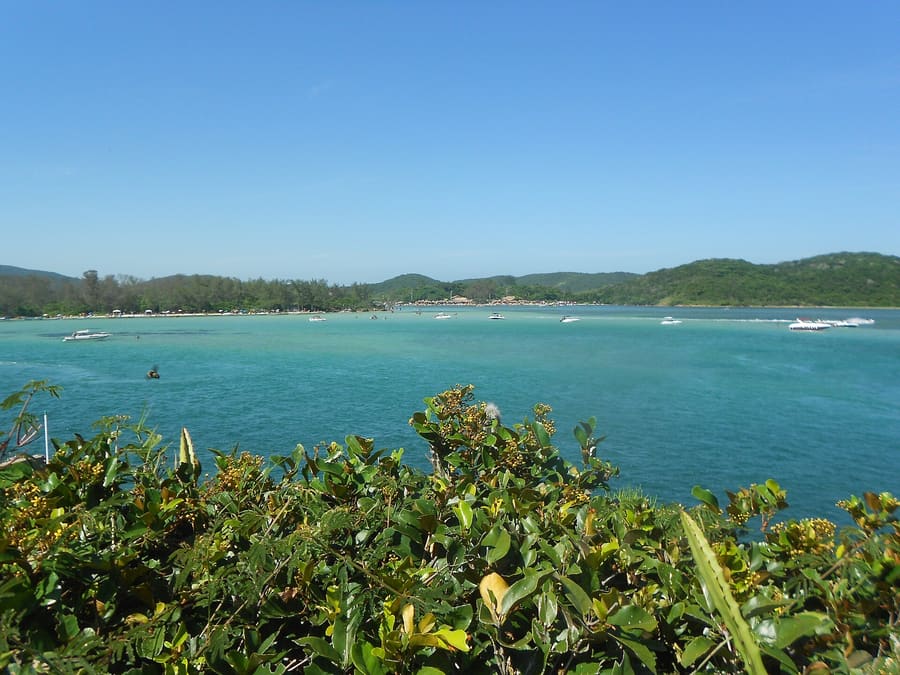
Ogiva — Quiet residential canal district with private boat slips and low-rise inns.
DeniseGiovana · CC BY-SA 3.0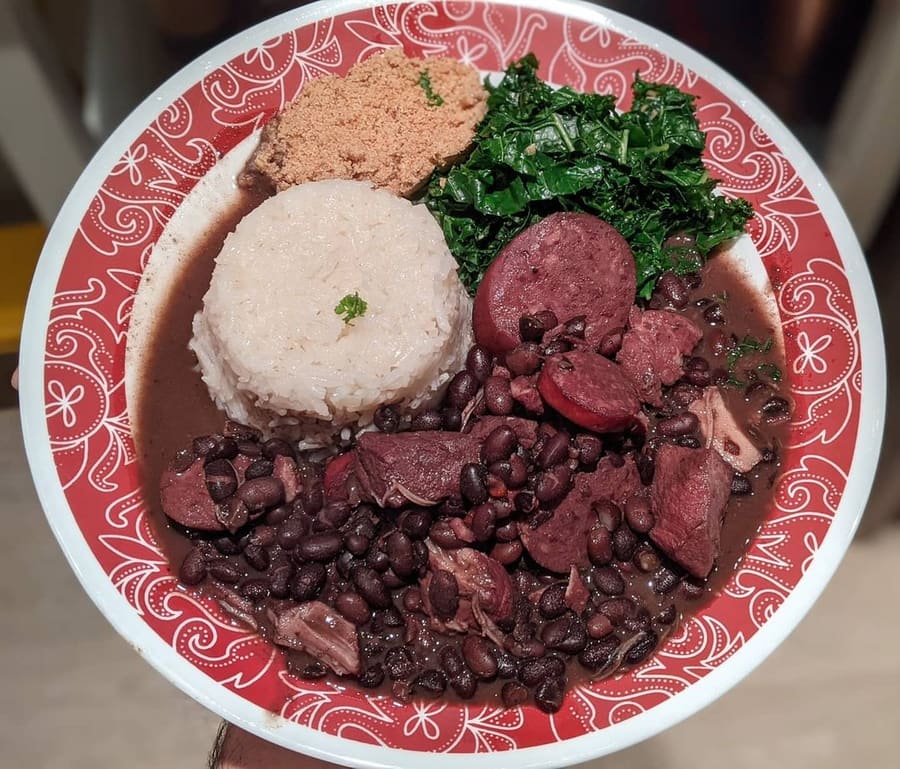
Crisp pastéis stuffed with local shrimp, served at beach kiosks along Praia do Forte.
Bradleyzm · CC BY-SA 4.0highlights
landmark
1616 Portuguese stone fort at the tip of Praia do Forte. Visit early in the morning before crowds scale the ramparts.
Parley से पूछें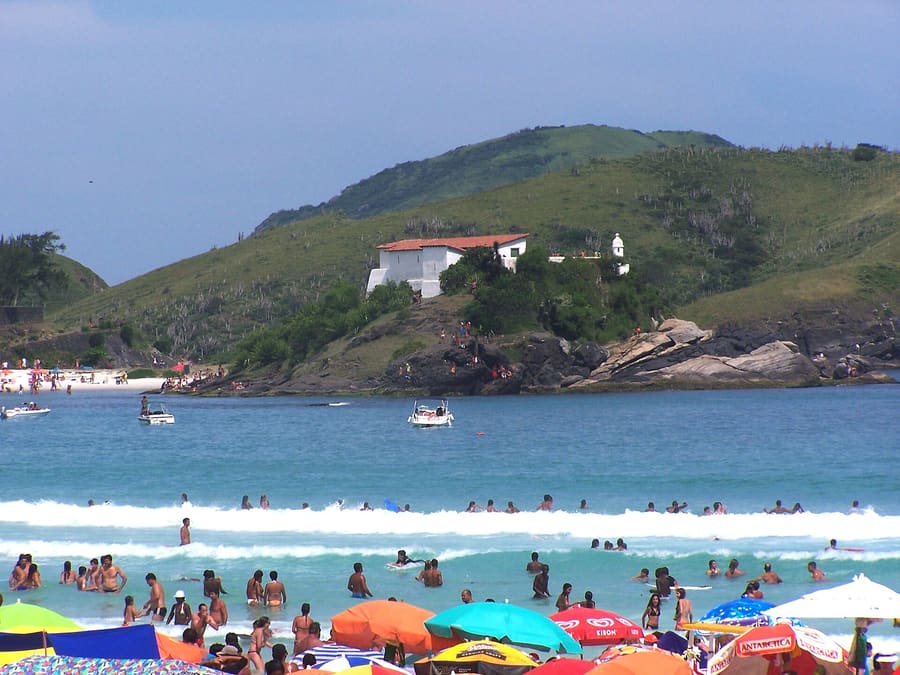
landmark
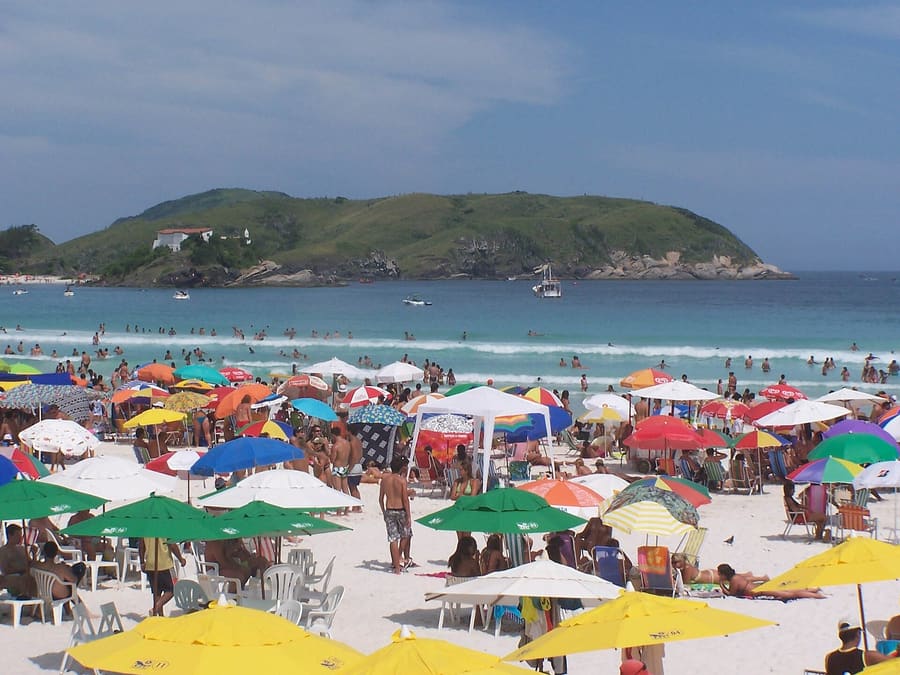
A 7.5 km arc of quartz sand that remains cool under heat. Rent chairs near the fort end for calmer water.
Parley से पूछेंlandmark
Cabo Frio's oldest settlement with cobblestone lanes and waterfront dining. Arrive at dusk for outdoor canal-side tables.
Parley से पूछें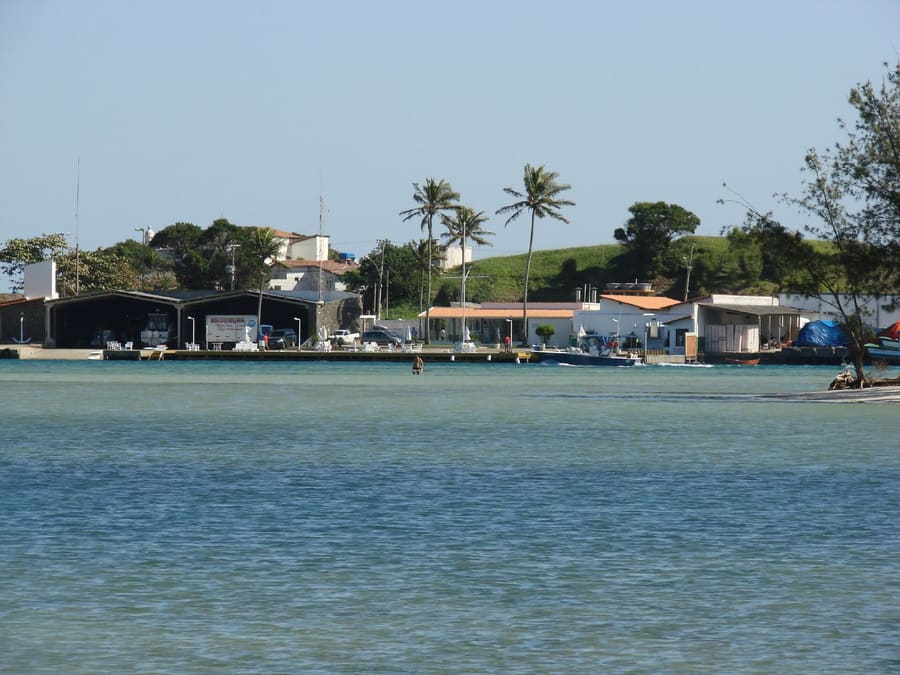
landmark
Shallow, clear lagoon island ideal for wading. Board a small taxi boat from Passagem pier for R$10-15 round trip.
Parley से पूछेंattractions
areas
Cobblestone alleys, historic Portuguese architecture, and upscale canal-side dining.
पास मेंItajuru Canal and boats to Ilha do Japonês
Parley से पूछेंQuiet residential canal district with private boat slips and low-rise inns.
पास मेंPraia do Peró and Praia das Conchas
Parley से पूछेंHigh-density beachfront district located directly behind Praia do Forte's main promenade.
पास मेंPraia do Forte and Praça das Águas
Parley से पूछेंCommercial district across the canal, dominated by retail and regional beachwear outlets.
पास मेंRua dos Biquínis and Itajuru footbridge
Parley से पूछेंfood
Cabo Frio's marine climate is driven by ressurgência, a deep-sea upwelling that brings cold, nutrient-dense water to the coast. Local catches feature deep-water squid, octopus, and wild sea bass rather than warm-water species. Dining concentrates along the historic cobblestones of Bairro da Passagem for sit-down seafood restaurants and Boulevard Canal for energetic open-air bars.
Crisp pastéis stuffed with local shrimp, served at beach kiosks along Praia do Forte.
Bradleyzm · CC BY-SA 4.0Beach kiosks along Praia do Forte specialize in deep-fried pastéis filled with wild shrimp and cream cheese.
Passagem restaurants open by 19:00. Arrive before 20:00 to secure tables along the canal without waiting.
Kiosks take card payments via handheld terminals, but connectivity drops near the dunes of Praia das Dunas.
history
Founded in 1615 by Portuguese colonizers, Cabo Frio is the seventh oldest city in Brazil. It was established to secure the coast against French traders who extracted valuable brazilwood with the help of Indigenous Tupinambá allies. Bairro da Passagem served as the original port on the Itajuru Canal. In the 20th century, extensive solar salt evaporation ponds along the lagoon drove the local economy before tourism expanded in the 1950s.
City Founding
Portuguese forces construct fortifications along the canal to expel French brazilwood traders.
Forte de São Mateus
Construction begins on the stone fort guarding the entrance to the Itajuru Canal.
Salt Production
Solar evaporation pans turn the surrounding lagoon into Brazil's primary salt extraction center.
Highway Links
Paved roads connect the Lakes Region to Rio de Janeiro, establishing Cabo Frio as a weekend getaway.
where to stay
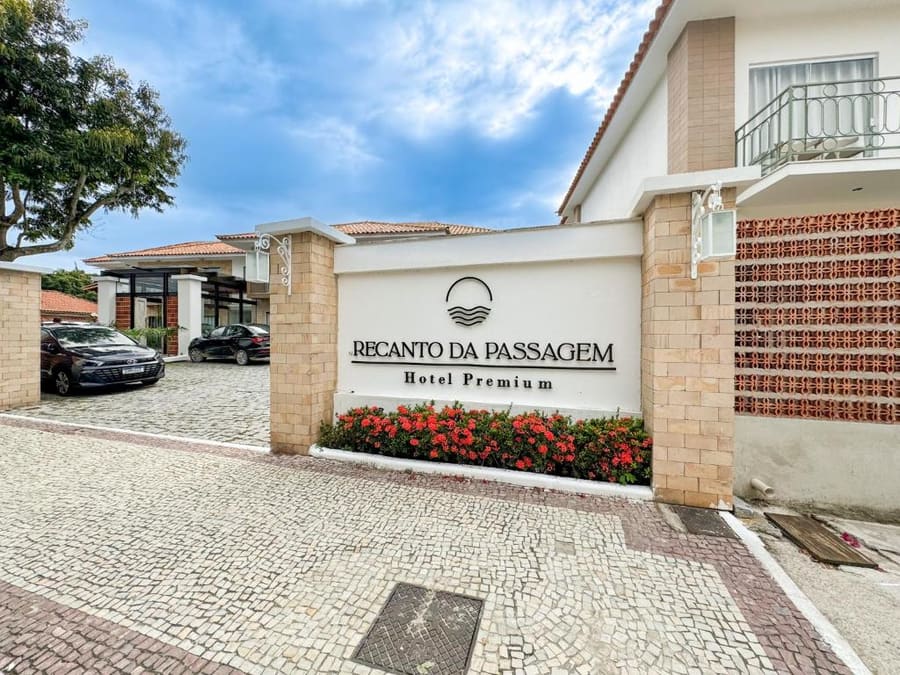
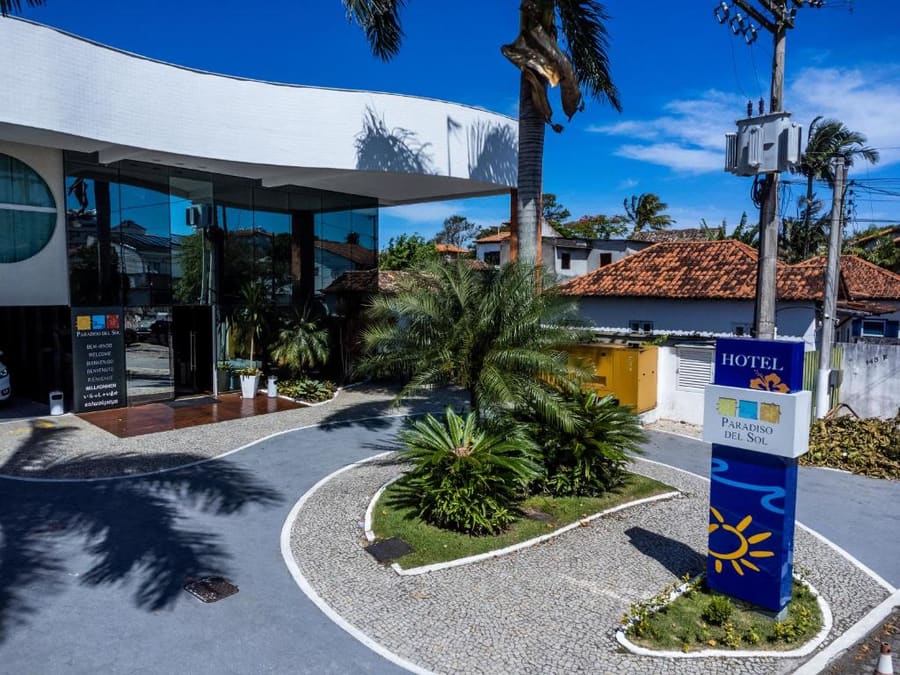
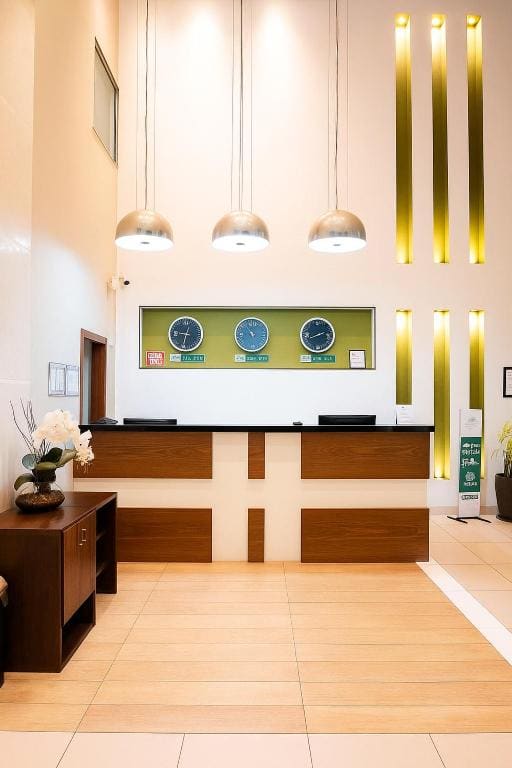
Choose your base around your priorities: historic charm versus immediate beach access. Passagem puts you inside restored colonial lanes with immediate access to evening canal dining. Algodoal positions you directly behind Praia do Forte's sand strip in modern mid-rise hotel blocks.
Live rates, matched to the areas above.
transport
Cabo Frio International Airport (CFB) runs limited seasonal flights, so most travellers land in Rio de Janeiro (GIG or SDU) and take a long-distance bus from Rodoviária Novo Rio. Within the city, local buses run by Auto Viação Salineira connect the central terminal to outlying beaches and neighbouring towns like Arraial do Cabo and Búzios.
Rodoviária de Cabo Frio (Bus Terminal) से
Auto Viação 1001 coaches depart hourly from Rio's Rodoviária Novo Rio terminal.
Uber and 99 operate reliably between the central terminal, Passagem, and Praia do Forte.
Salineira municipal buses connect central Cabo Frio to Praia do Peró and Arraial do Cabo.
Pay the bus onboard conductor directly in Brazilian Real cash (R$) when boarding municipal lines.
Highway RJ-124 charges double toll rates on Friday afternoons and holiday weekends for drivers coming from Rio.
Set your rideshare destination to Praça São Benedito; narrow historic lanes prevent car access inside Passagem.
Board Salineira line 321 or 332 from the central station to reach Praia do Peró in roughly 25 minutes.
cost
Cabo Frio is less expensive than neighbouring Búzios, but prices jump significantly during Brazilian summer holidays (December to February) and Carnival. Eating at kiosks away from the central section of Praia do Forte yields better value.
Chair rental fees are often waived if you spend a minimum amount at the corresponding beach kiosk.
Includes fresh grilled fish, wild shrimp, rice, farofa, and pirão at canal-side restaurants.
Flat single-ride fare across city lines, including routes to Peró and nearby municipal borders.
Per person boat shuttle fee across Itajuru Canal to Ilha do Japonês from Passagem pier.
seasonality
DEC – FEB
Peak summer heat and warm lagoon wading, but heavy traffic congestion and maximum lodging prices.
MAR – MAY
Clear sunny days, moderate sea temperatures, and manageable crowds after Carnival concludes.
JUN – AUG
Cooler weather with low rainfall. Ocean waters drop in temperature, making casual swimming brisk.
SEP – NOV
Spring brings rising air temperatures and strong afternoon northeast winds along open beaches.
practicalities
Water at Praia do Forte averages 15°C to 20°C due to deep upwelling; expect a cold plunge even during hot summer days.
The high purity of the fine white quartz sand causes intense sun glare; UV sunglasses and high-SPF sunscreen are essential.
At low tide, you can walk through knee-deep water from the main shore to Ilha do Japonês; high tide requires a boat taxi.
Credit and debit cards are accepted almost universally across Cabo Frio, including by mobile beach vendors.
The Praia do Forte boardwalk is well-patrolled at night, but avoid unlit dune stretches near Praia das Dunas after dark.