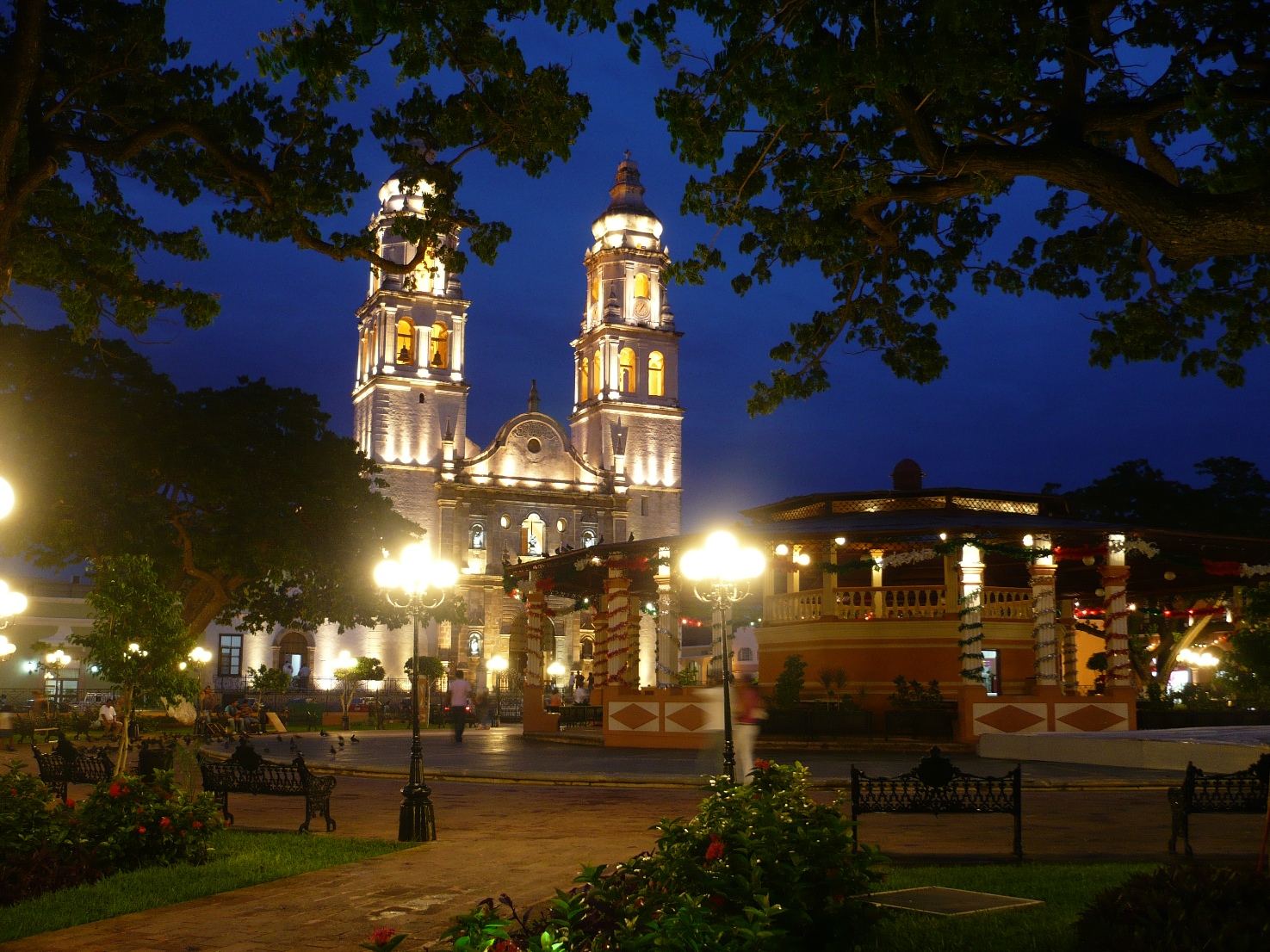
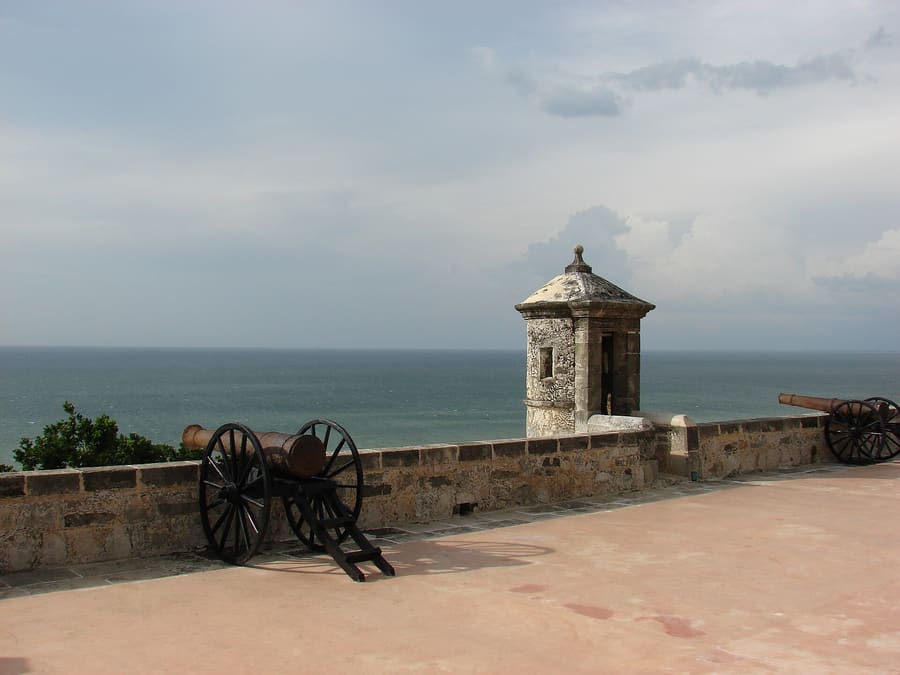
landmark
Fuerte de San Miguel
18th-century hilltop fort housing the Museo de Arqueología Maya. Houses jade funerary masks from Calakmul.
Parley से पूछेंमैक्सिको
Fortified Gulf port with quiet pastel streets and Maya roots.
introduction
Campeche sits on the Gulf of Mexico behind an 18th-century wall built to stop pirate raids. Pastel houses line a grid of quiet streets, far calmer than neighbouring Mérida or Cancún. You can walk across the historic centre in 20 minutes or follow the seaside promenade at dusk. Maya ruins like Edzná sit less than an hour inland without the crowds of Chichén Itzá.
Airport and Tren Maya transit
Ingeniero Alberto Acuña Ongay International Airport sits 6 km inland. Taxis into Centro charge fixed zone rates around 200 MXN.
UNESCO Walled City
UNESCO listed Campeche in 1999 for its preserved Spanish colonial grid and coastal fortifications. Walk the ramparts between surviving bastion forts.
Baluarte light show timing
The Puerta de Tierra light show runs on select evenings at 20:00. Buy tickets at the gate 30 minutes before showtime to secure a seat.
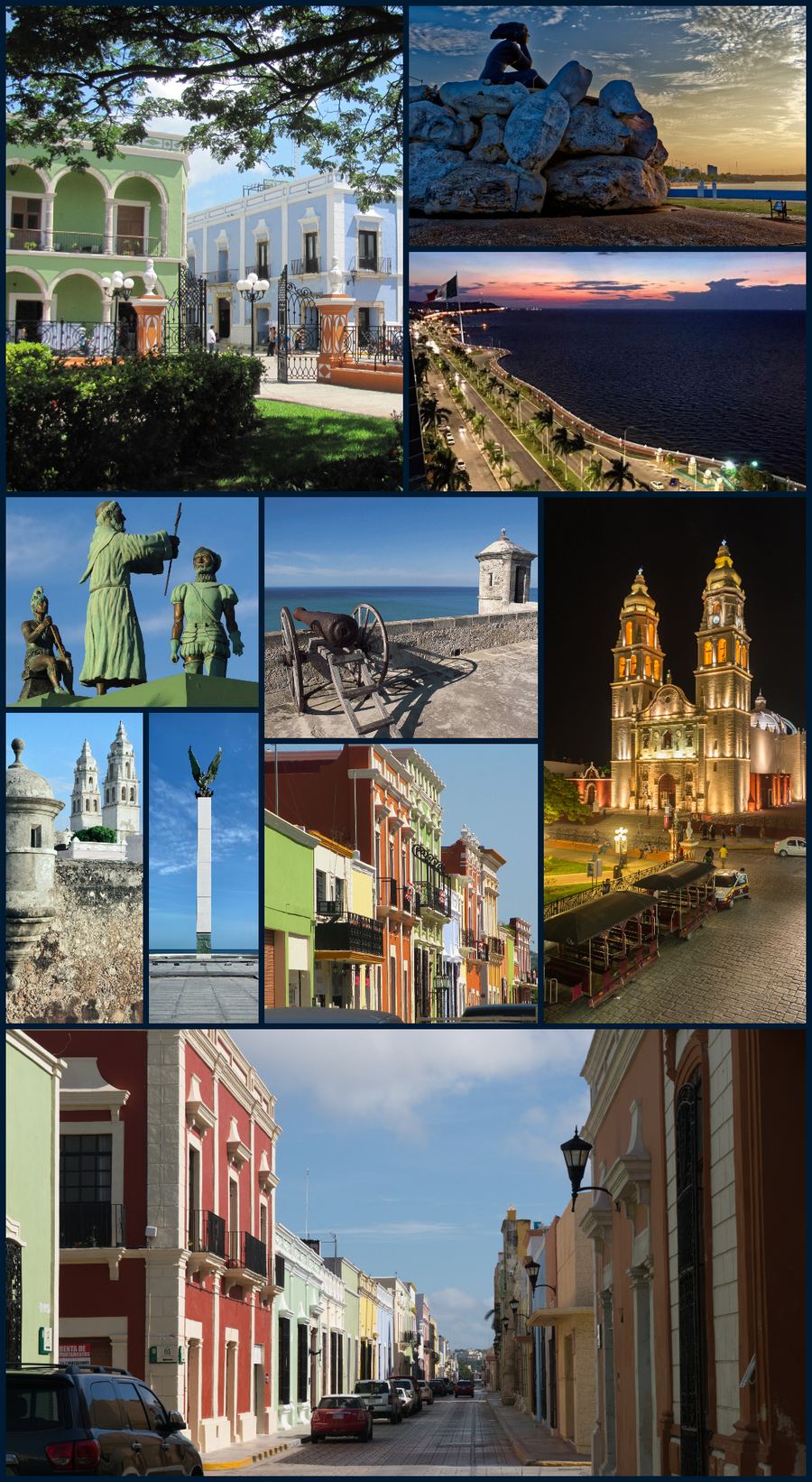
Campeche
self. · CC BY-SA 4.0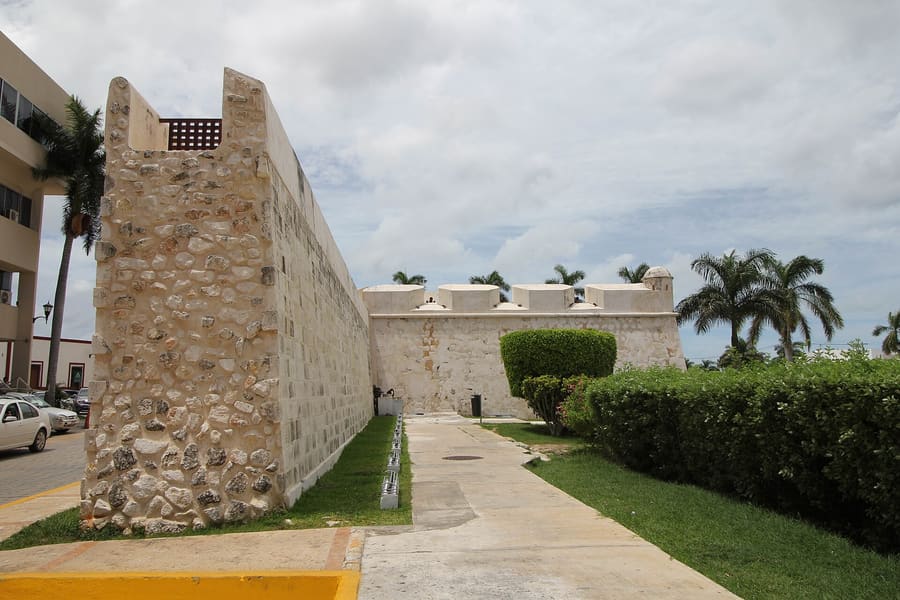
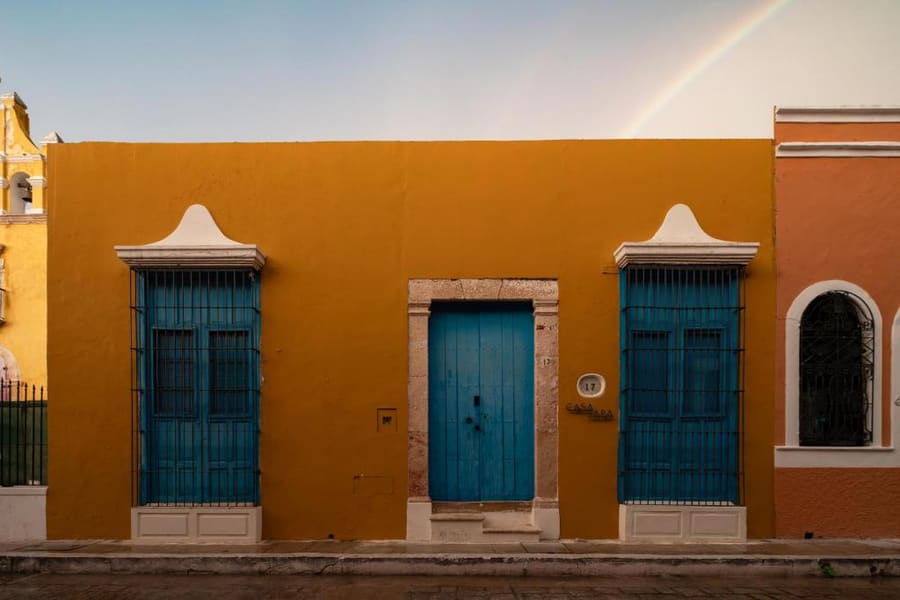
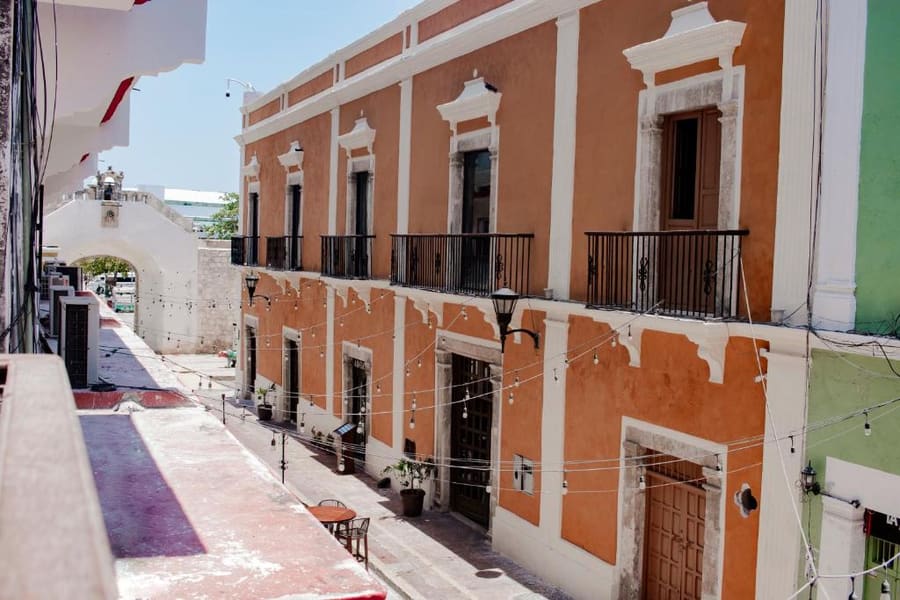
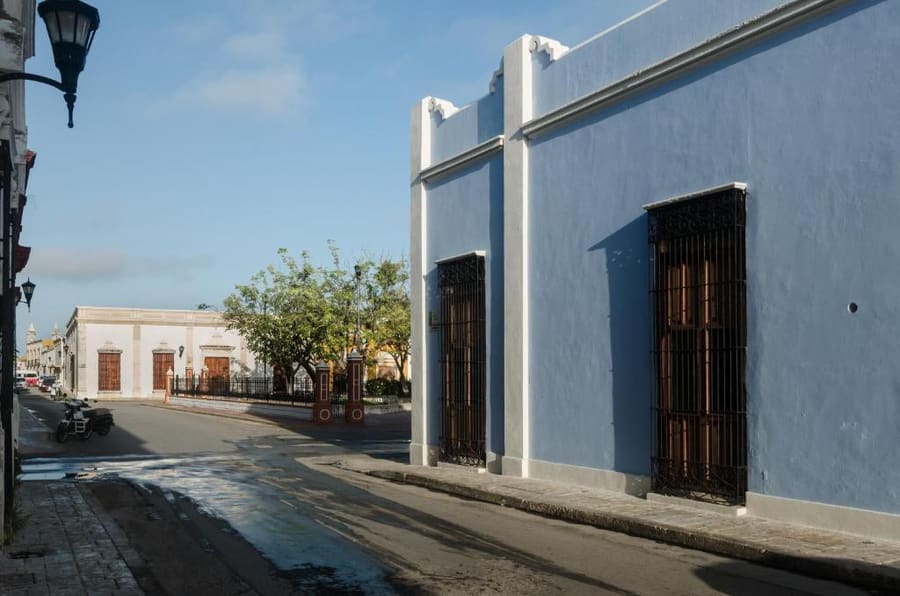
Centro Histórico — Grid inside the old walls with pedestrian streets, restored facades, and quiet courtyards.
Gildardo Sánchez · CC BY 2.0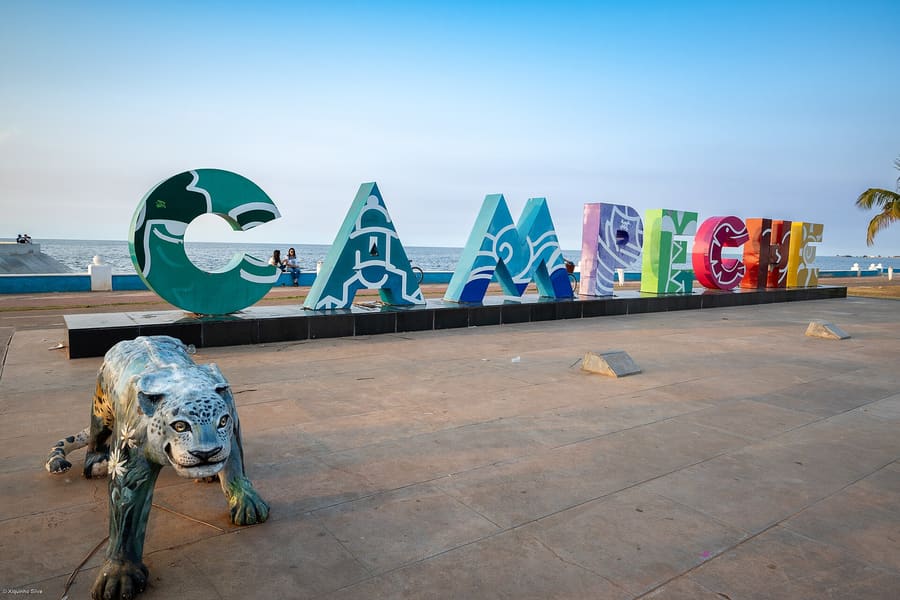
Malecón Waterfront — Modern strip along the Gulf of Mexico lined with larger hotels and running paths.
xiquinhosilva · CC BY 2.0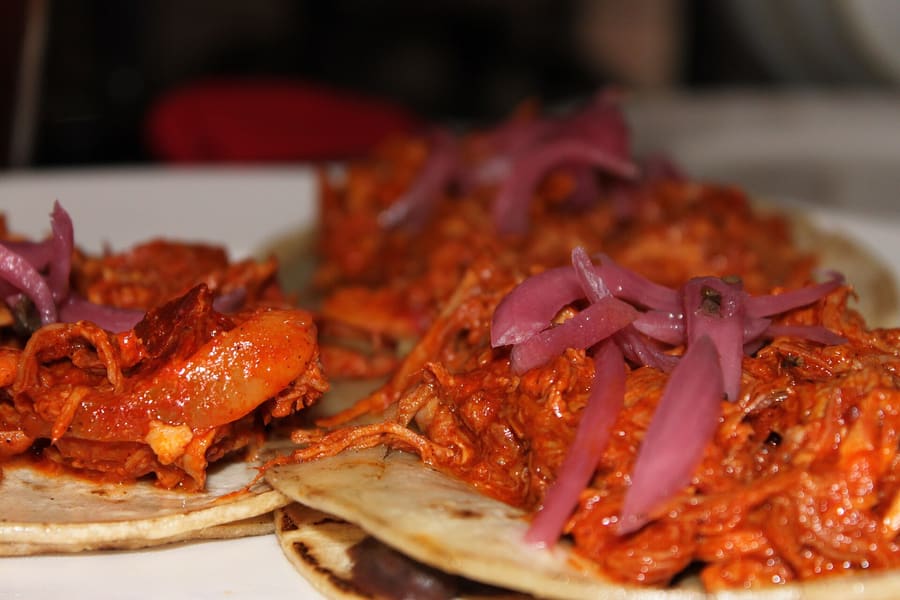
Panuchos topped with turkey, cabbage, and pickled red onion.
referenzia · CC BY-SA 2.0highlights
landmark
18th-century hilltop fort housing the Museo de Arqueología Maya. Houses jade funerary masks from Calakmul.
Parley से पूछें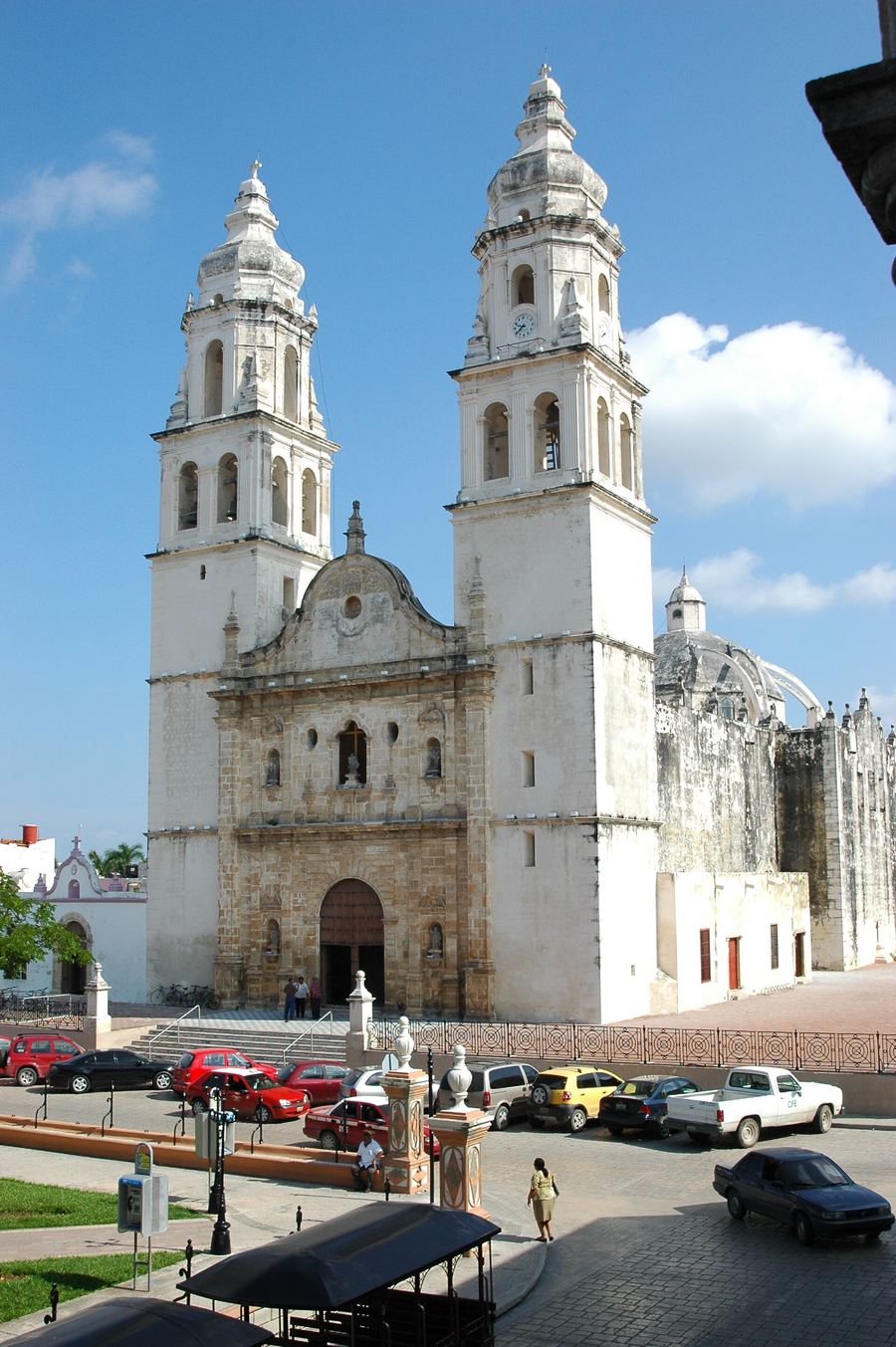
landmark
Colonial cathedral anchor of Parque Principal. Visit early morning before temperatures climb on the stone plaza.
Parley से पूछें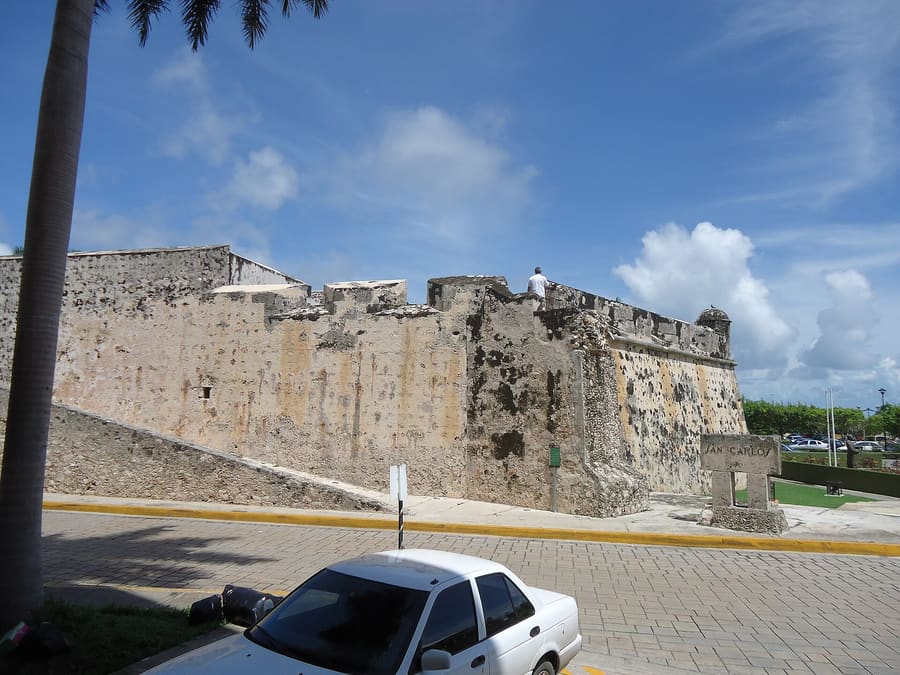
landmark
First bastion built to protect the port. Underground dungeons hold small historical exhibits on Caribbean piracy.
Parley से पूछें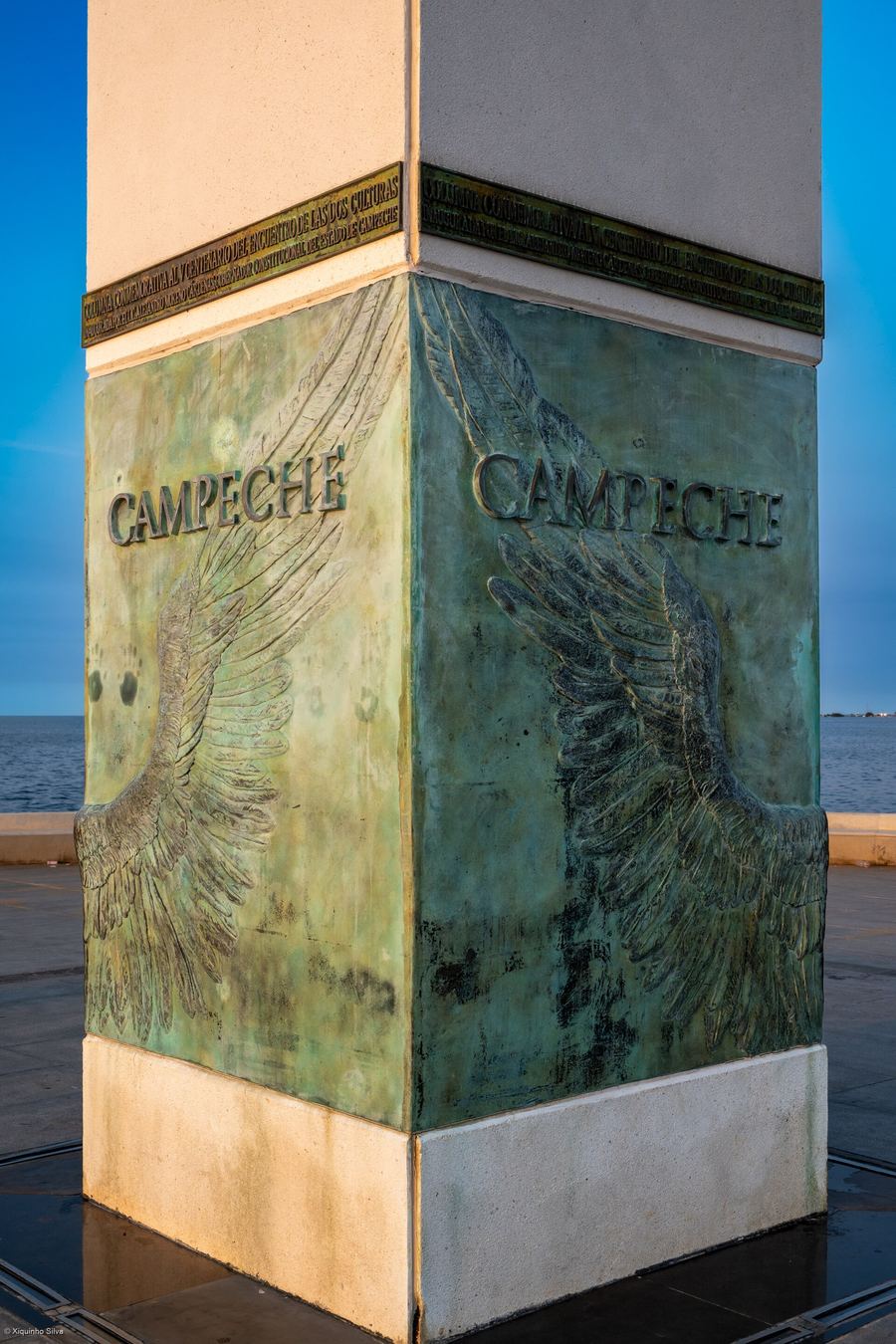
landmark
3.5-km oceanfront walkway. Walk at sunset when local families gather and Gulf breezes cool the pavement.
Parley से पूछेंattractions
areas
Grid inside the old walls with pedestrian streets, restored facades, and quiet courtyards.
पास मेंParque Principal, Baluarte de San Carlos, Calle 59 dining strip
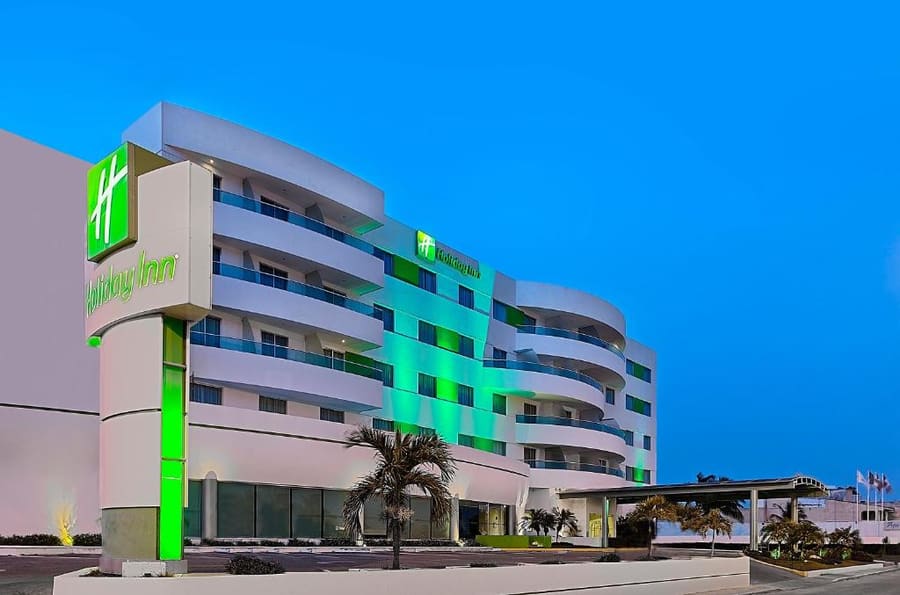
Parley से पूछेंModern strip along the Gulf of Mexico lined with larger hotels and running paths.
पास मेंMalecón promenade, seafood palapas, Gulf view points
Parley से पूछेंWorking-class coastal neighbourhood south of the walls centered on its 16th-century church.
पास मेंIglesia de San Román, southern Malecón, fish stalls
Parley से पूछेंResidential district north of the walls with low-slung houses and neighborhood bakeries.
पास मेंIglesia de Guadalupe, Parque VII de Noviembre
Parley से पूछेंfood
Campeche food relies heavily on Gulf catches and regional Maya ingredients. The local signature is pan de cazón, a layered stack of corn tortillas, shredded dogfish, black bean puree, and mild tomato habanero sauce. Breakfast counters inside Mercado Principal Pedro Sainz de Baranda serve fresh panuchos topped with shredded turkey or pork. Diners along the waterfront focus on coconut shrimp and grilled octopus seasoned with achiote.
Panuchos topped with turkey, cabbage, and pickled red onion.
referenzia · CC BY-SA 2.0This traditional diner on Calle 55 serves standard Campechano dishes around the clock. Order pan de cazón with a cold glass of horchata de arroz.
Head to Mercado Principal Pedro Sainz de Baranda between 07:00 and 11:00 for fresh panuchos and tamales wrapped in banana leaves.
Locals take lunch between 14:00 and 16:00 at open-air palapa spots along the northern Malecón for fried pargo (red snapper).
history
Founded by Spanish conquistadors in 1540 on the Maya settlement of Can Pech, Campeche grew as the primary export port for Yucatecan timber and dye. Wealth attracted repeated pirate raids throughout the 17th century. In response, Spanish military engineers enclosed the town with heavy stone fortifications, creating the walled layout visible today.
Spanish Founding
Francisco de Montejo establishes the port town over the indigenous Maya village of Can Pech.
Great Pirate Raid
A combined force of buccaneers sacks the city, driving local authorities to plan citywide defenses.
Walls Completed
Construction finishes on a 2.5-km hexagonal wall system featuring eight bastion forts.
UNESCO Inscription
The historic center gains World Heritage status for its preserved military architecture grid.
where to stay
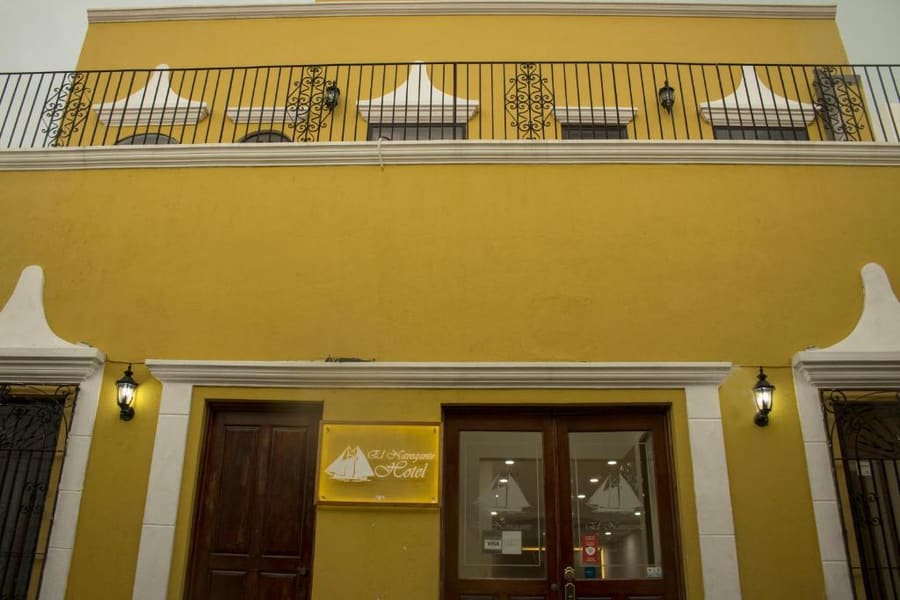
Choose your location based on proximity to sights or Gulf views. Centro Histórico keeps you within walking distance of restaurants and bastion sites. Malecón properties provide direct coastal access and larger swimming pools.
Live rates, matched to the areas above.
transport
Centro Histórico is entirely walkable. Narrow streets inside the old walls make walking faster than driving during peak daytime hours. For trips to outer bastions or the Tren Maya station, ride-sharing apps are not available, so visitors must rely on traditional local taxis or public transit.
Ingeniero Alberto Acuña Ongay International Airport (CPE) से
Fixed rate paid at the official airport taxi counter before exiting.
Colectivos stop on the main road outside airport gates heading toward Centro.
The grid measures roughly 800 by 600 metres. You do not need motorized transit inside Centro.
Street taxis inside the city do not use meters. Agree on a price before getting in; typical trips cost 50–70 MXN.
The passenger rail station lies 10 km east of Centro. Book taxis in advance when departing early morning.
Shared vans for Edzná depart from Avenida Heredia near the main market between 07:00 and 14:00.
cost
Campeche remains less expensive than neighbouring Quintana Roo or Yucatán state capitals. Cash is necessary for public markets, street stalls, and local taxis.
Standard price at sit-down casual restaurants in Centro.
Per piece at breakfast stalls inside Mercado Principal.
Official INAH ticket price at the archaeological site turnstiles.
Single fare on local city transit routes.
seasonality
DEC – FEB
Cooler days averaging 28°C. Best weather for walking city ramparts and ruin sites.
MAR – MAY
Hottest period with humidity pushing daytime temperatures past 38°C. Plan outdoor activity early morning.
JUN – SEP
Rainy season with heavy afternoon downpours. Mosquito activity increases around jungle sites.
OCT – NOV
Transition months with lower humidity and warm Gulf water temperatures.
practicalities
Many small shops outside Calle 59 close between 14:00 and 17:00 due to extreme heat.
Stone walls reflect heat with limited shade. Carry water and wear a hat when visiting bastions.
Major bank ATMs line Avenida 16 de Septiembre near Parque Principal.
The Malecón water is not designated for swimming due to boat traffic and rocky shores.
English is less widely spoken outside tourist hotels than in Cancún. Basic Spanish phrases are useful.