landmark
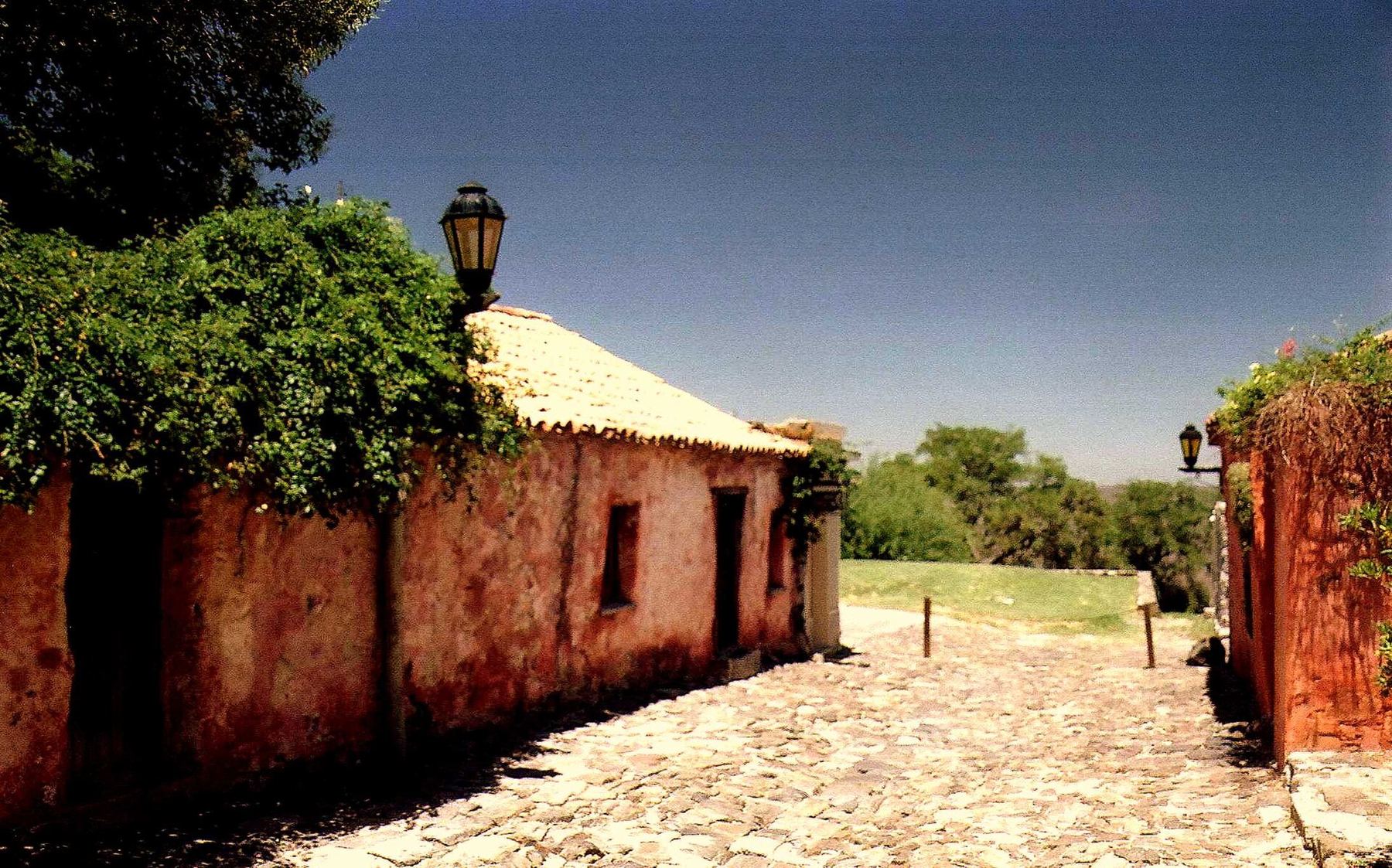
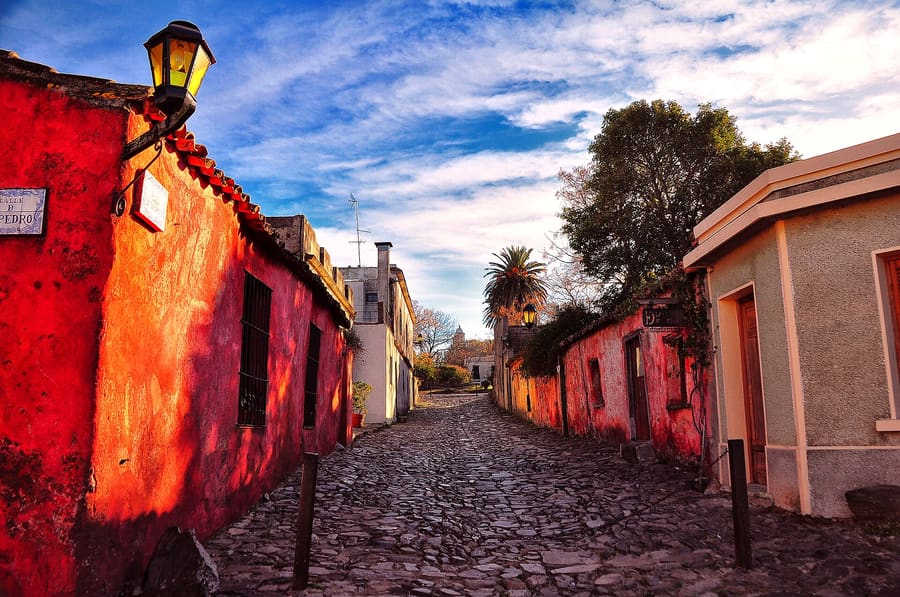
Calle de los Suspiros
Unpaved stone alley lined with 18th-century Portuguese tile-roof houses. Wear flat shoes because the cobbles wobble.
Parley से पूछेंउरूग्वे
A Portuguese-Spanish border outpost turned quiet river port.
introduction
Colonia del Sacramento sits across the Río de la Plata from Buenos Aires, standardizing on low-rise stone architecture and slow-paced street life. You can navigate the entire historic core on foot in under fifteen minutes. Expect uneven cobblestone streets, Portuguese tiled facades, and quiet waterfront plazas that fill up when weekend ferries dock.
Ferry arrival trick
Buquebus and Colonia Express ferries dock at the port. You can walk straight into the historic core within ten minutes.
UNESCO status
UNESCO designated the historic quarter in 1995. Its grid combines Portuguese cobbles with Spanish stone fortifications.
Avoid weekend day-trippers
Day-trippers from Buenos Aires fill the cobblestones between 11:00 and 17:00. Stay overnight to walk empty streets.
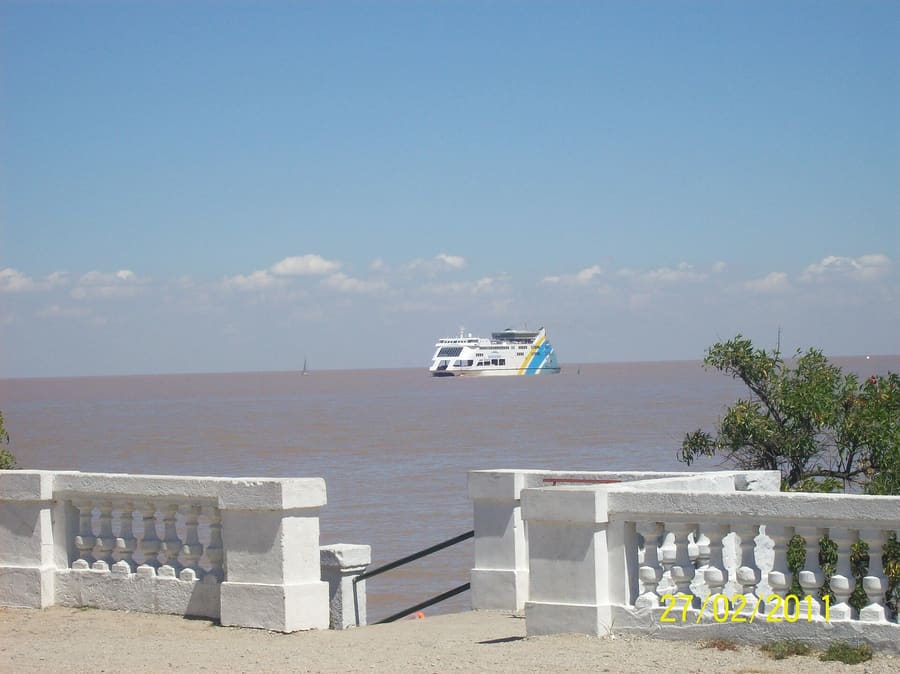
Colonia del Sacramento
Roxyuru · CC BY-SA 3.0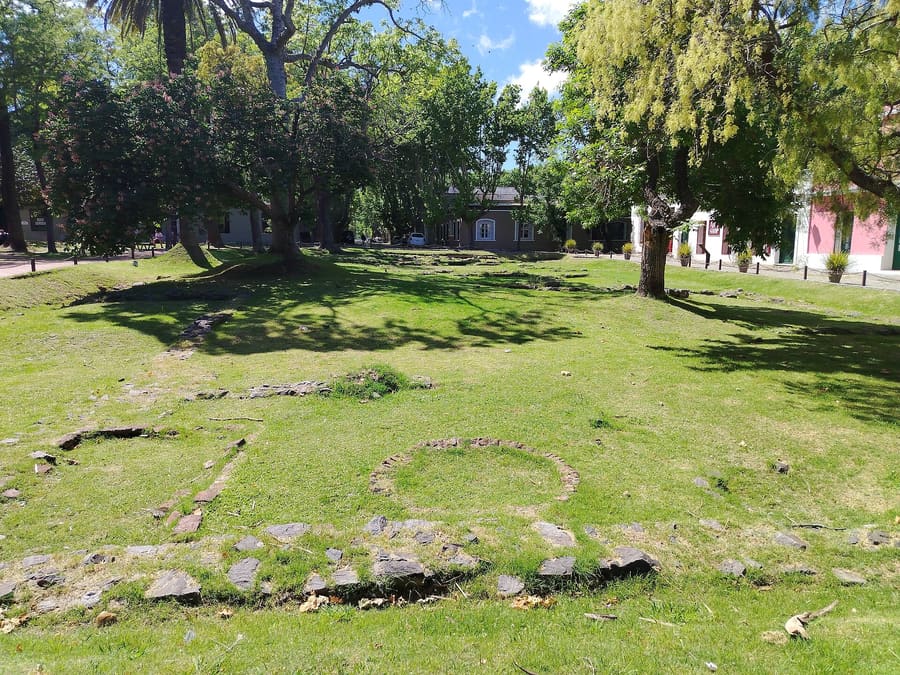
Barrio Histórico — Cobblestone streets, whitewashed walls, quiet courtyard cafes, and 18th-century stone ramparts.
TiziPro22 · CC BY-SA 4.0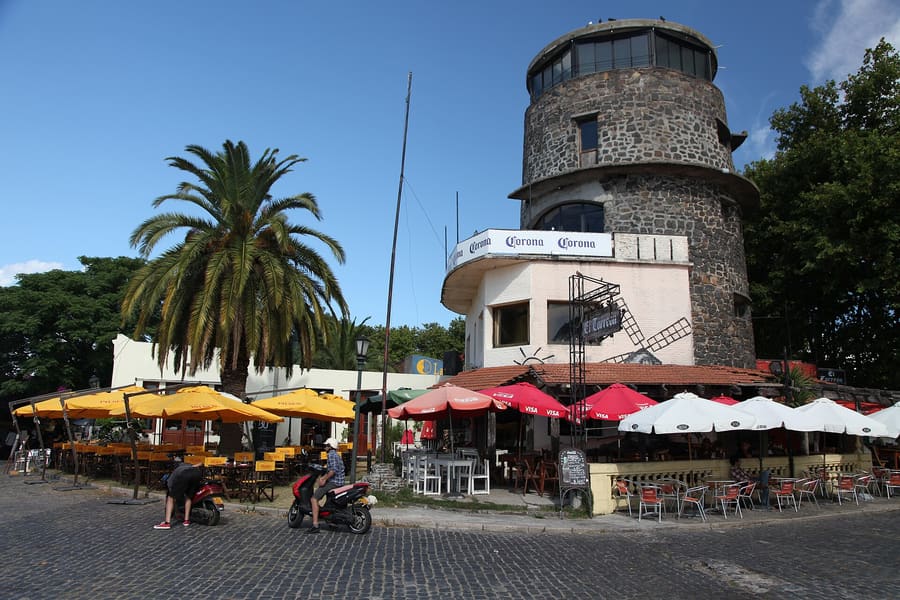
Centro — Commercial grid with banks, supermarkets, bus terminal access, and local chiviterías.
Liam Quinn from Canada · CC BY-SA 2.0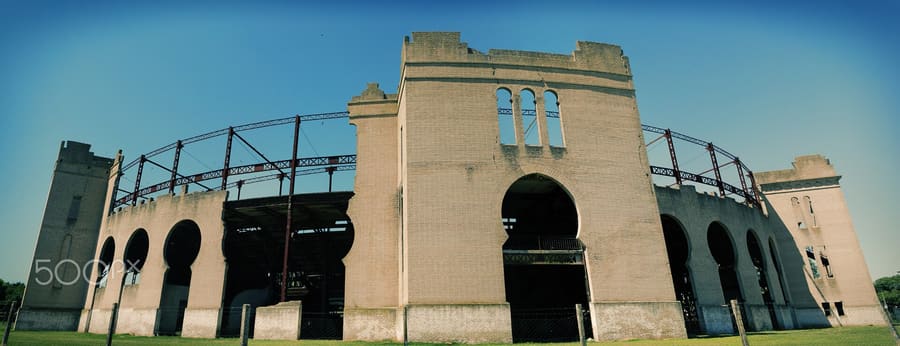
Real de San Carlos — Sprawling residential area four kilometres north, housing the restored bullring and river beaches.
Marcelo Campi · CC BY-SA 3.0
A full chivito al plato served with fries and ensalada rusa in Colonia.
Carlinosin at English Wikipedia · CC BY-SA 3.0highlights
landmark
Unpaved stone alley lined with 18th-century Portuguese tile-roof houses. Wear flat shoes because the cobbles wobble.
Parley से पूछें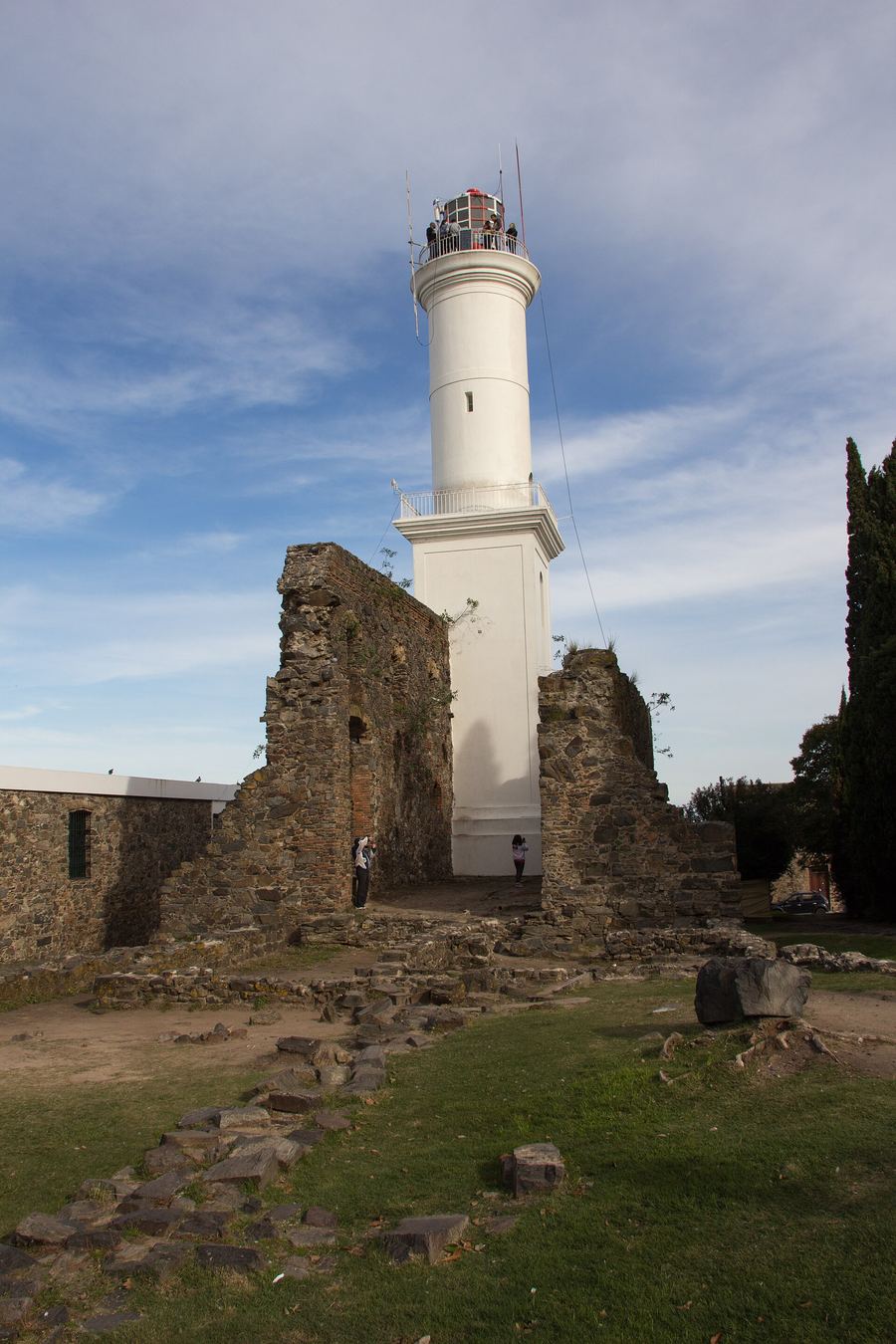
landmark
Built in 1857 atop the ruins of San Francisco Convent. Climb 118 steps for views across the Río de la Plata.
Parley से पूछें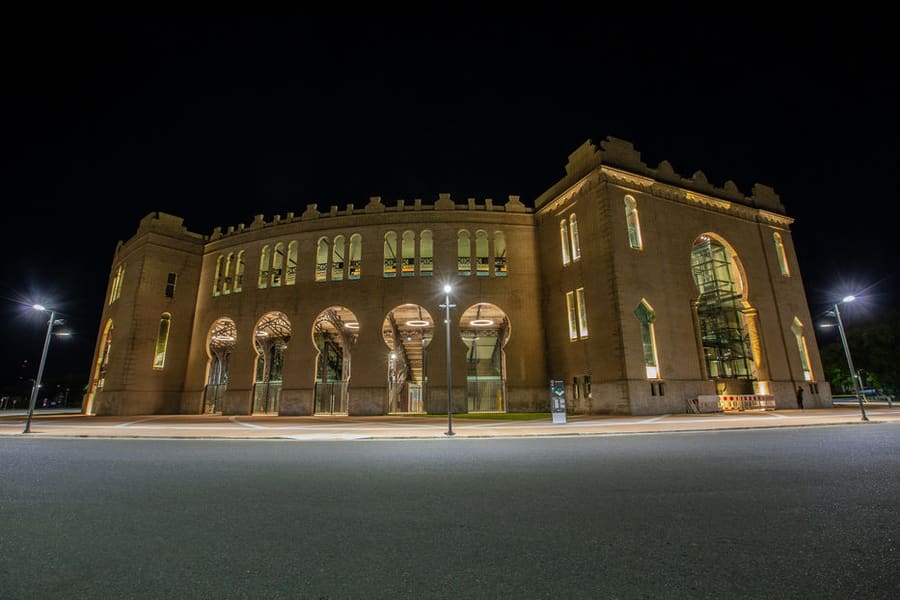
landmark
A restored 1910 Mudéjar-style bullring four kilometres north. Guided tours run daily through the restored arena and museum.
Parley से पूछेंattractions
areas
Cobblestone streets, whitewashed walls, quiet courtyard cafes, and 18th-century stone ramparts.
पास मेंPortón de Campo, Lighthouse, Ferry terminal
Parley से पूछेंCommercial grid with banks, supermarkets, bus terminal access, and local chiviterías.
पास मेंTerminal de Ómnibus, Ferry Terminal, Avenida General Flores
Parley से पूछेंSprawling residential area four kilometres north, housing the restored bullring and river beaches.
पास मेंPlaza de Toros, Playa Real, Hipódromo
Parley से पूछेंLakeside residential neighborhood along the coastal boulevard with calm river views and sunset spots.
पास मेंRambla Costanera, Playa Ferrando, Yacht Club
Parley से पूछेंfood
Colonia sits on the Río de la Plata, but its food culture leans heavily toward Uruguayan beef and bakery traditions. The local specialty is the chivito, a sliced beef tenderloin sandwich topped with ham, mozzarella, bacon, fried egg, lettuce, and mayonnaise. Pacú and surubí are northern freshwater species, not local specialties or common restaurant fare along Avenida General Flores.
A full chivito al plato served with fries and ensalada rusa in Colonia.
Carlinosin at English Wikipedia · CC BY-SA 3.0If you want to skip the bread roll, order a chivito al plato. Restaurants like El Charco serve it on a platter with fries and potato salad.
Paying for food with a non-Uruguayan credit card automatically deducts the 9% VAT (IVA) at checkout under national tourism incentive laws.
history
Founded by the Portuguese in 1680, Colonia del Sacramento served as a strategic military counterweight to Spanish Buenos Aires. The town changed hands between Portugal and Spain seven times over a single century. That military tug-of-war left an unusual urban layout: irregular Portuguese street plans layered with Spanish stone bastion walls.
Portuguese foundation
Manuel de Lobo establishes Colonia del Sacramento opposite Buenos Aires to claim Portuguese control over the river trade.
Treaty of San Ildefonso
Spain takes definitive control after decades of military back-and-forth, rebuilding fortifications in Spanish style.
Uruguayan independence
Colonia becomes part of the newly independent Oriental Republic of Uruguay, ending centuries of colonial tug-of-war.
UNESCO designation
The historic quarter receives UNESCO World Heritage status for its preserved Portuguese and Spanish urban layout.
where to stay
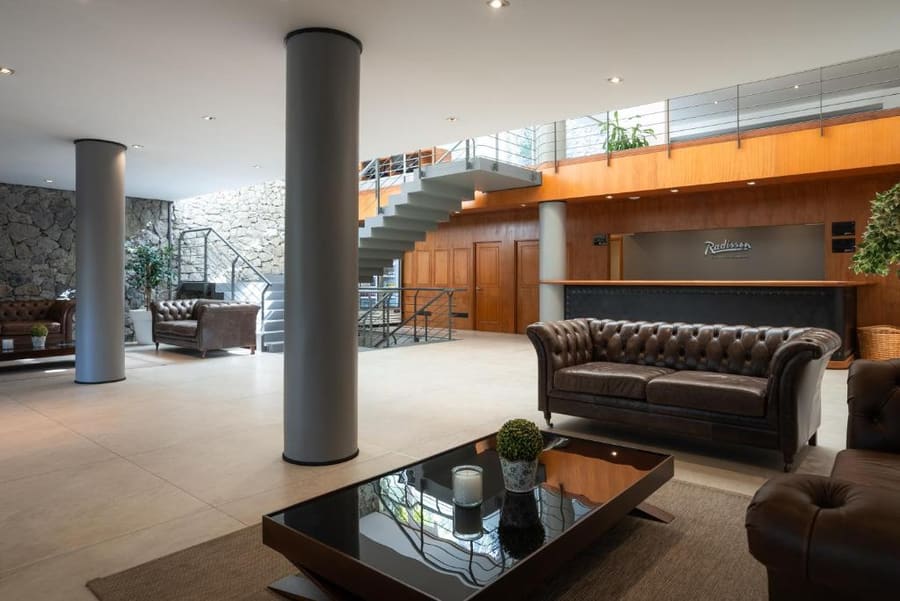
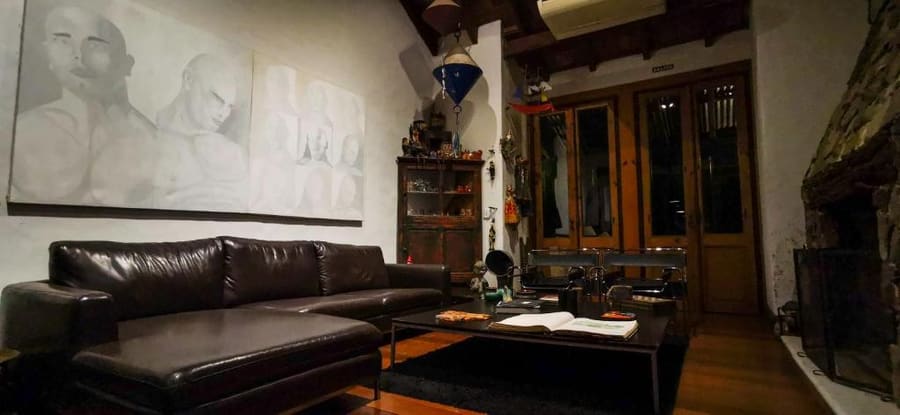
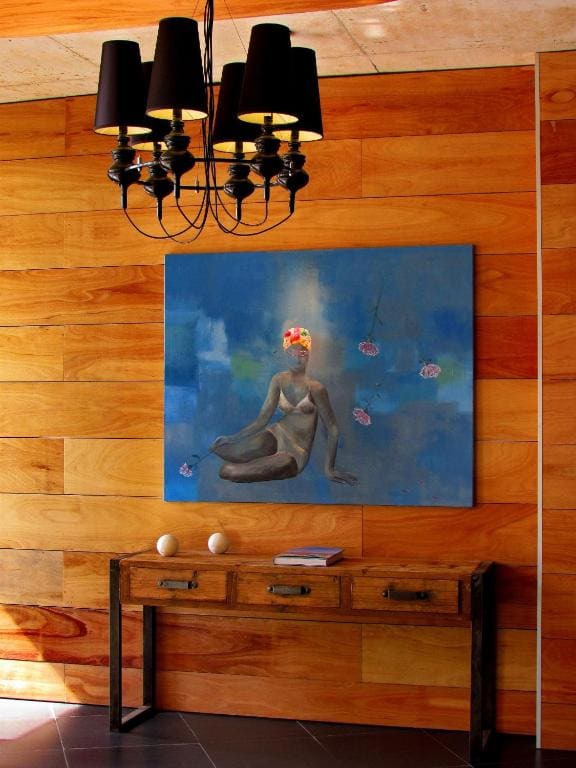
Choose your base by your travel schedule. Stay inside Barrio Histórico if you want cobblestone lanes at night after day-trippers depart. Choose Centro or Real de San Carlos if you prefer modern hotel amenities, swimming pools, and easier parking.
Live rates, matched to the areas above.
/6f0d5742c768.jpg)
transport
The historic core is compact and completely walkable. You do not need motorized transport inside Barrio Histórico, but golf carts, bicycles, and local buses connect the centre with beaches and Real de San Carlos further north.
Port of Colonia (Buquebus & Colonia Express) से
Direct boats from Buenos Aires Terminal Puerto Madero to Colonia Port.
COT and Turil run direct buses from Montevideo Tres Cruces Terminal.
Metered taxis wait outside the ferry and bus terminals.
Golf carts are rented near the port for easy travel north to Real de San Carlos.
Immigration happens before boarding. Arrive at least 60 minutes before departure in Buenos Aires or Colonia.
You need a valid driver license to rent a golf cart. Rates run around USD 50 per day.
Barrio Histórico measures just 400 by 400 metres. You do not need public transit inside the old town.
Bus line 1 connects the ferry terminal with Real de San Carlos and Plaza de Toros every 30 minutes.
cost
Colonia is generally more expensive than Buenos Aires but comparable to Montevideo. Prices are quoted in Uruguayan Pesos (UYU), though US Dollars are accepted at major hotels and ferry counters.
An espresso and medialuna at a cafe in Centro.
A traditional beef tenderloin sandwich at a mid-range restaurant.
Grants admission to municipal museums in Barrio Histórico.
Single ride fare on local city buses.
seasonality
DEC – FEB
Warmest months with temperatures around 28°C. Weekend crowds peak as Argentines and Uruguayans vacation.
MAR – MAY
Mild autumn temperatures around 20°C. Lower hotel prices and fewer day-trip crowds.
JUN – AUG
Cool winter days around 12–15°C with damp river breezes. Quietest time to explore historic sites.
SEP – NOV
Pleasant spring weather and blooming jacarandas. Excellent conditions for walking and cycling.
practicalities
Paying with non-Uruguayan cards automatically removes 9% VAT at restaurants until national incentive programs change.
Municipal museums close on Wednesdays and Thursdays. Check schedule before buying the combined ticket.
Barrio Histórico cobbles are uneven and slick when wet. Wear sturdy flat shoes.
Cambios along Avenida General Flores offer fair rates for Argentine Pesos, US Dollars, and Euros.
Playa Ferrando and Playa Real are river beaches on the Río de la Plata. Water is brown due to silt but safe for swimming.